
The best way to grow hair as a man depends on what's actually happening to your hair. If your hair is thinning or receding, the single most effective move you can make today is to start minoxidil early, get your bloodwork checked for nutritional gaps, and commit to a consistent scalp care routine. If your hair is already healthy and you just want it longer, the job is simpler: protect what you have, feed your follicles well, and be patient with the roughly 1 cm of growth per month your scalp is already producing. A thicker look often comes down to combining the right scalp care, nutrition, and proven treatments like minoxidil when appropriate thick look. For men trying to grow thick hair long term, focus on early, consistent treatment if you suspect thinning and protect your scalp as you work on length how to grow thick hair long male. Either way, the steps below will give you a clear, practical plan to follow starting now.
Best Way to Grow Hair Male: Step-by-Step Plan

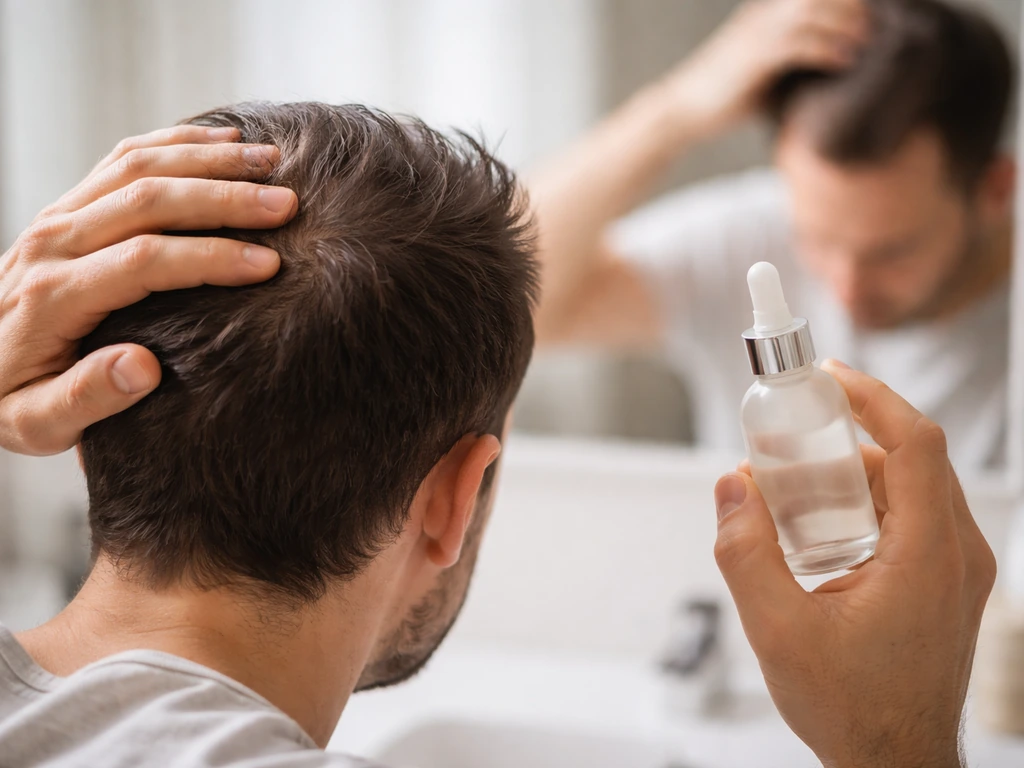
Regrowth vs. growing it out: what you're actually dealing with
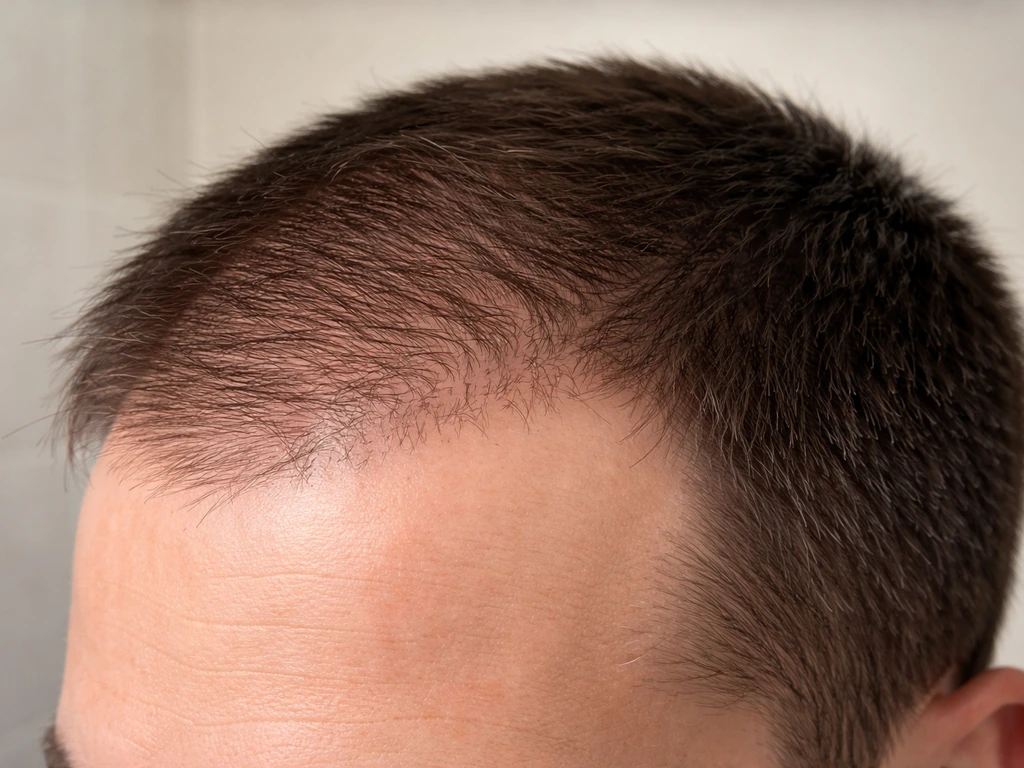
These are two different problems and it helps to be honest with yourself about which one you have. Growing hair longer is mostly about patience and not damaging what's already growing. If your goal is how to grow my hair long men style, focus on protecting current length, avoiding breakage, and keeping your scalp routine consistent. Regrowing thinning hair is a biological challenge that involves reversing or slowing follicle damage, which is harder and requires more targeted action.
Male-pattern hair loss (androgenetic alopecia) works by shrinking your follicles over time. DHT, a byproduct of testosterone, binds to receptors in scalp follicles and shortens the anagen (active growth) phase while prolonging the resting (telogen) phase. The result is follicles that produce progressively thinner, shorter hairs until they eventually stop producing visible hair at all. The key word is 'progressive': catching it early and treating it consistently can genuinely slow or partially reverse this process. Waiting until the follicle is completely dormant makes recovery much harder.
The other scenario men run into is telogen effluvium, where a stressful event, illness, crash diet, or medication pushes a large chunk of follicles into the resting phase at once. The shedding shows up about 2 to 3 months after the trigger and can look alarming, but it's usually temporary. Once the cause is removed, hair typically starts recovering, though you may not see cosmetically obvious regrowth for several more months. If you've had a rough few months health-wise and suddenly started shedding heavily, that's probably what's happening.
Why your hair might not be growing the way you expect
Before throwing money at products, it's worth figuring out the root cause. Here are the most common reasons men's hair slows down, thins, or stops growing:
- Genetics (androgenetic alopecia): The most common cause. If your father or maternal grandfather had significant hair loss, your odds go up. DHT sensitivity is largely inherited.
- Telogen effluvium: Physical or emotional stress, a high fever, surgery, major illness, or sudden weight loss can push up to 70% of growing hairs into the shedding phase simultaneously. The loss appears 2 to 4 months later.
- Nutritional deficiencies: Low ferritin (stored iron), vitamin D deficiency, inadequate protein, and zinc deficiency are all documented contributors to hair thinning and shedding in men.
- Scalp inflammation and seborrheic dermatitis: Chronic dandruff and scalp inflammation can impair the follicle environment and accelerate shedding.
- Traction, heat, and chemical damage: Tight hairstyles, excessive heat styling, and harsh chemical treatments cause mechanical damage that breaks and thins hair over time.
- Medications: Drugs prescribed for blood pressure, depression, arthritis, gout, and certain other conditions list hair loss as a documented side effect.
- Thyroid and other endocrine issues: An underactive or overactive thyroid can disrupt the hair cycle across the whole scalp.
- Scarring alopecia: Less common but important to catch early. Inflammatory conditions that cause scarring can permanently destroy follicles.
If you're not sure what's driving your situation, bloodwork is the fastest way to rule out the correctable causes. At a minimum, ask your doctor to check ferritin (not just hemoglobin), vitamin D (25-hydroxyvitamin D), zinc, and thyroid function. This matters especially before stacking supplements, since correcting a real deficiency does more for your hair than taking a general 'hair vitamin' ever will.
Build a scalp care routine that actually helps

Your scalp is skin, and healthy follicles need a clean, well-circulated, low-inflammation environment to do their job. A good scalp routine doesn't need to be complicated, but it does need to be consistent.
How often to wash
Washing your hair every 1 to 2 days is fine for most men and is actually beneficial if you have an oily scalp or are dealing with dandruff. The old advice to wash less often to 'preserve natural oils' doesn't hold up well when sebum buildup and scalp inflammation are actively stressing your follicles. Use a gentle, sulfate-free shampoo as your everyday option.
Treat dandruff and scalp inflammation
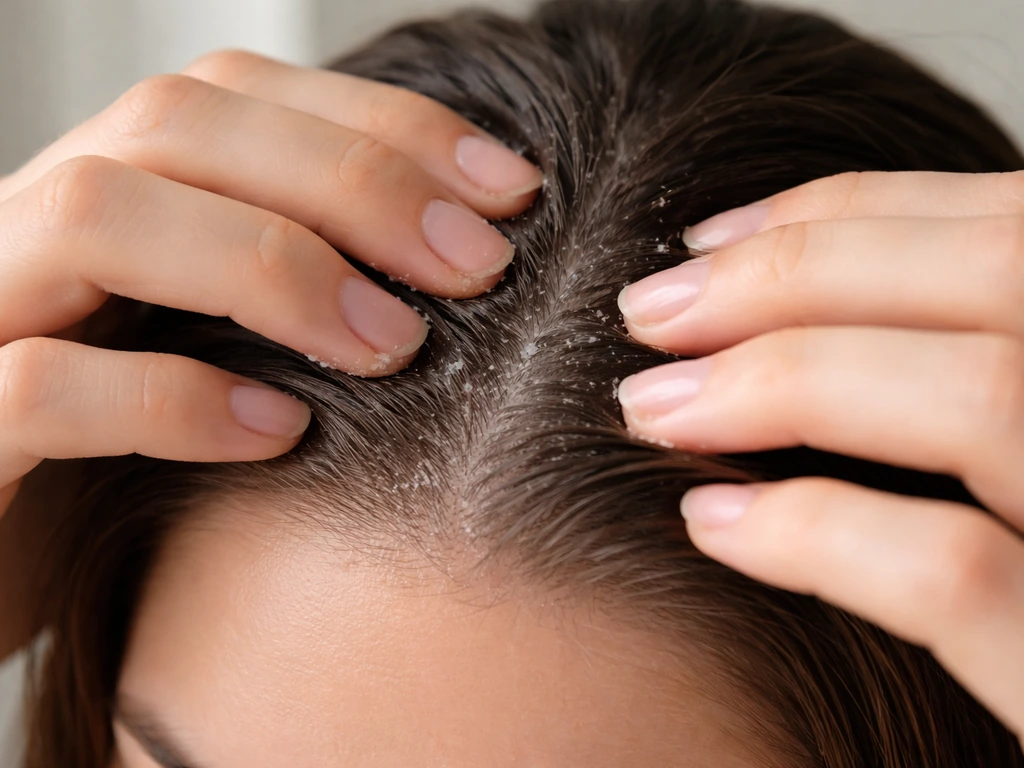
If you have persistent dandruff, flaking, or an itchy scalp, treating it isn't just cosmetic. Chronic scalp inflammation can worsen follicle health over time. Ketoconazole 2% shampoo used once or twice weekly has solid clinical evidence behind it and is available over the counter in many countries. Zinc pyrithione shampoos (like Head and Shoulders) are a milder option for maintenance. For more stubborn cases, a dermatologist may recommend adding a medicated treatment or a short course of a low-potency steroid shampoo alongside the antifungal. For moderate-to-severe scalp seborrheic dermatitis, a randomized controlled study found that combining clobetasol propionate shampoo 0.05% with ketoconazole shampoo 2% was effective and safe clobetasol propionate shampoo 0.05% plus ketoconazole shampoo 2%.
Scalp massage and exfoliation
Regular scalp massage, around 4 to 5 minutes daily, improves blood circulation to follicles and has some early research support for improving hair thickness. Use your fingertips in slow circular motions or try a silicone scalp massager. Gentle exfoliation with a scalp scrub or exfoliating shampoo once a week helps clear dead skin and product buildup that can clog follicles.
Handle your hair gently
Aggressive towel drying, tight man-buns or ponytails, and daily heat styling all cause breakage and mechanical stress on the hair shaft and follicle. If your goal is how to grow longer hair male, reducing breakage from tight styles and heat is a key comparison point before you focus on regrowth treatments. Pat dry instead of rubbing, let hair air dry when possible, and if you're trying to grow it out longer, lay off the heat tools as much as you can. For men working toward longer styles like a flow or shoulder-length hair, this mechanical protection makes a real, visible difference over time.
What to eat and which supplements are worth it
Hair is made of protein, and your body will not prioritize growing it when you're running low on key nutrients. Nutrition won't reverse androgenetic alopecia on its own, but deficiencies absolutely accelerate shedding and slow regrowth, so this is foundational.
Dietary priorities
- Protein: Aim for at least 0.7 to 1 gram per pound of body weight daily. Eggs, chicken, fish, legumes, and Greek yogurt are all good sources. Low protein intake directly impairs hair growth.
- Iron-rich foods: Red meat, lentils, spinach, and fortified cereals help maintain ferritin levels. A ferritin level below roughly 40 ng/mL has been linked to telogen effluvium, so keeping levels in a healthy range matters.
- Omega-3 fatty acids: Fatty fish like salmon and mackerel, walnuts, and flaxseed support scalp health and reduce inflammation. These aren't a direct hair-loss cure but help create a healthier follicle environment.
- Zinc: Oysters, pumpkin seeds, beef, and chickpeas. Zinc deficiency can mimic or worsen hair thinning, and it's surprisingly common.
- Vitamin D: Hard to get enough from food alone. Fatty fish and fortified dairy help, but sunlight and supplementation are usually needed if your levels are low.
Supplements: test before you guess
The only supplements worth taking are the ones addressing deficiencies you've actually confirmed through testing. Supplementing iron without confirmed low ferritin can be harmful, and high-dose biotin, commonly marketed for hair, may interfere with lab tests for thyroid hormones and vitamin D, producing inaccurate results that complicate your medical care. That said, if labs confirm you're low in vitamin D, ferritin, or zinc, correcting those deficiencies through supplementation does have real evidence behind it. A daily marine collagen or general hair supplement is lower priority than fixing a proven nutritional gap.
Proven treatments that actually move the needle
Minoxidil: the most accessible first-line option
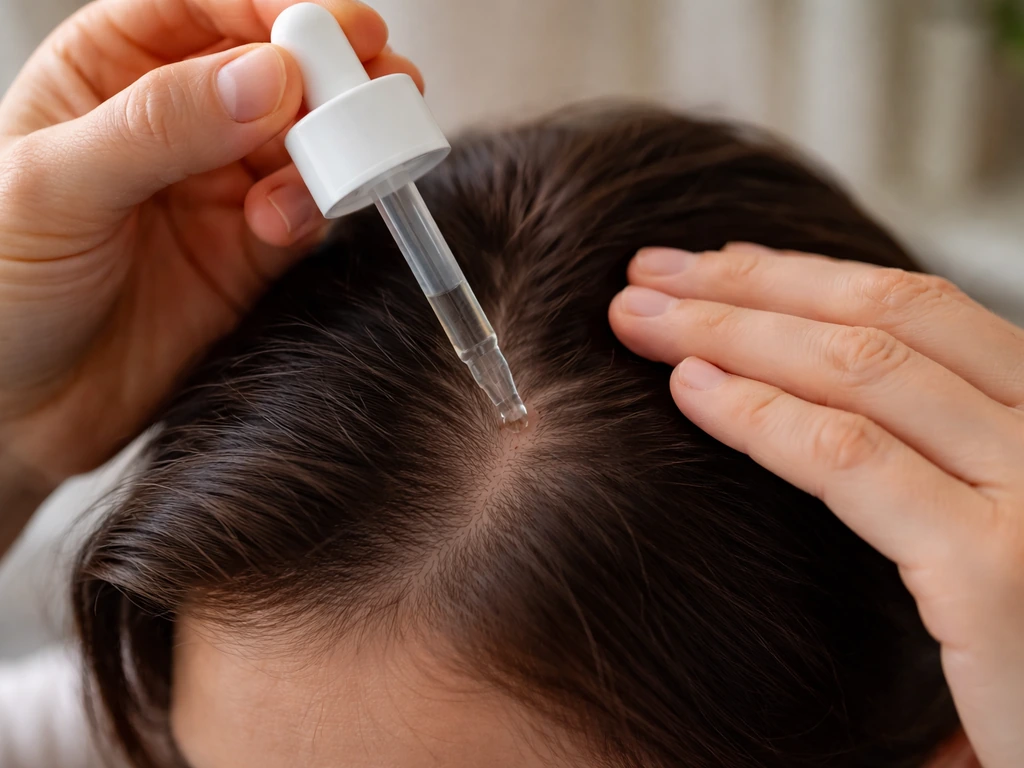
If you're dealing with androgenetic alopecia or unexplained thinning, minoxidil is the first thing to try. It's available over the counter in 2% and 5% topical formulas (and now as a low-dose oral, though that's a doctor conversation). Minoxidil works by extending the anagen phase and improving blood flow to follicles, which allows miniaturized follicles to produce thicker, longer hairs again. The 5% formula is the standard recommendation for men.
Apply it directly to dry scalp in the areas of thinning, twice daily. Using more than directed or applying it more often doesn't improve results and can increase side effects. FDA label directions for 5% minoxidil topical aerosol/solution include applying half a capful twice daily and warn that using more or more often will not improve results, and that continued use is needed to maintain regrowth blank" rel="noopener noreferrer">using more than directed or applying it more often doesn't improve results. The most important thing to understand is that minoxidil is most effective when started early, works best in men under 40, and only maintains your results while you're using it. Stopping treatment typically leads to hair loss returning within a few months. That's not a flaw in the product, it's just how it works. Commit to it as a long-term habit, not a short-term fix.
In the first 4 to 8 weeks, you may notice increased shedding. This is normal: minoxidil pushes resting hairs out to make room for new growth. Stick with it. Most men see noticeable improvement at the 4 to 6 month mark, with peak results at around 12 months.
Finasteride and dutasteride: the DHT blockers
These are prescription-only oral medications that work by reducing DHT levels in the scalp. Finasteride (1 mg daily) is the standard option and has strong long-term evidence behind it. Dutasteride is more potent and is sometimes used when finasteride isn't producing enough results. Both can be highly effective at stopping progression and even recovering some density, but they come with a potential side effect profile (including sexual side effects in a subset of men) worth discussing openly with a doctor before starting. Combining one of these with minoxidil gives you the most comprehensive approach to androgenetic alopecia currently available without a prescription.
Low-level laser therapy (LLLT)
LLLT devices, including laser combs and helmets using 655 nm wavelengths, have randomized controlled trial data showing meaningful improvements in hair count compared to sham devices. The evidence is real but generally weaker than for minoxidil or finasteride. They're best used as a complement to other treatments rather than a standalone solution. They're also expensive, so if budget is a consideration, get your core treatments dialed in first.
Natural remedies: what's worth trying and what isn't
This is an area where marketing and reality don't always line up. Some natural approaches have decent supporting evidence; many others are popular but poorly studied. Here's an honest breakdown:
| Remedy | Evidence Level | How to Use It | Verdict |
|---|---|---|---|
| Scalp massage | Moderate (small studies show improved thickness) | 4–5 min daily with fingertips or silicone tool | Worth doing daily, zero downside |
| Rosemary oil | Preliminary (one RCT vs minoxidil 2%) | Dilute in carrier oil, massage into scalp 2x/week | Reasonable to try alongside proven treatments |
| Peppermint oil | Preliminary (animal and small human studies) | Dilute in carrier oil, apply to scalp | Low risk, uncertain human benefit |
| Onion juice | Very limited (one small study) | Messy and odorous, apply to scalp | Not worth the hassle given weak evidence |
| Castor oil | No clinical evidence | Thick, hard to remove, can cause buildup | Skip it |
| Biotin supplements (no deficiency) | No strong evidence | Not recommended without confirmed deficiency | Skip unless deficient |
| Saw palmetto (topical or oral) | Some limited trial data as a weaker DHT blocker | Oral supplement or shampoo additive | May offer mild benefit, not a finasteride replacement |
The general rule with natural remedies: if it's low risk and affordable, it's reasonable to add alongside evidence-based treatments. But don't let interesting-sounding natural options delay you from starting minoxidil or getting a dermatologist consultation if those are what your situation calls for.
How long this takes and how to track what's happening
The real timeline
Your scalp grows about 1 cm of hair per month on average. That means if you're starting from very short hair and aiming for shoulder length, you're looking at 18 to 24+ months of consistent growth. If you want to learn how to grow long hair for a guy in a way that matches your timeline, stick to protective styling and a consistent routine shoulder length. For regrowth after thinning, here's a general timeline to set realistic expectations:
- Months 1 to 2: No visible improvement yet. If using minoxidil, you may see increased shedding. This is normal. Your scalp routine and nutrition changes are laying groundwork.
- Months 3 to 4: Shedding from minoxidil typically levels off. New fine hairs may start appearing in thinning areas. If you had telogen effluvium and removed the trigger, the acute shedding should be slowing down.
- Months 4 to 6: Noticeable early regrowth for many men using minoxidil. Hair that was miniaturizing may feel slightly thicker. This is when most people start to feel like the plan is working.
- Months 6 to 12: More meaningful density improvement. Hair strands thicken. For those also using finasteride or dutasteride, DHT reduction is compounding the minoxidil benefits.
- Month 12 and beyond: Peak results from most topical treatments. Continued maintenance preserves what you've gained. Growing out longer styles becomes visible in this window too.
How to actually track your progress
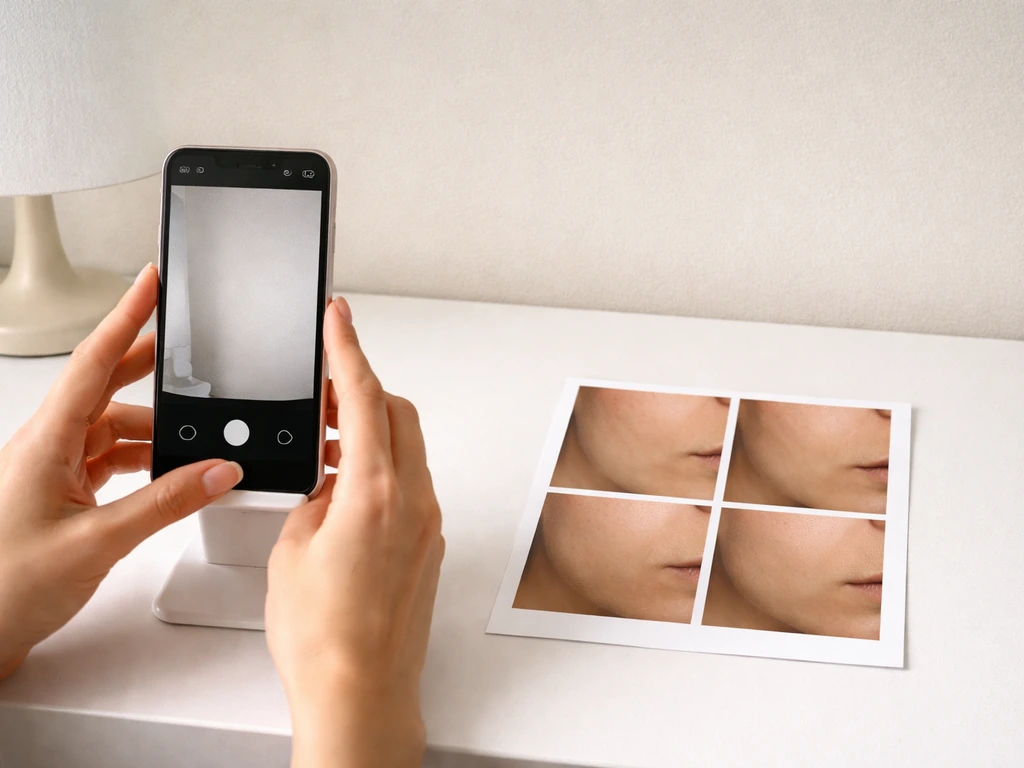
- Take photos in the same lighting, same angle, every 4 weeks. Use a consistent reference point like a window or lamp. Subtle changes are genuinely hard to notice day-to-day but obvious in photo comparisons.
- Count daily shed hairs for 2 to 3 weeks to establish a baseline, then recount at months 3 and 6. Most people shed 50 to 100 hairs a day normally. Tracking the trend matters more than any single count.
- Note scalp texture and hair thickness in your photos or a quick journal note. Are individual strands feeling coarser? That's a sign of improving follicle health.
- Check in with a dermatologist or trichologist at 6 months if you're unsure what's working. A scalp examination and dermoscopy can show follicle health in ways a photo can't.
When you need a dermatologist, not a YouTube routine
Some situations genuinely require professional evaluation, and waiting too long can mean permanent damage. See a dermatologist sooner rather than later if:
- Hair loss is sudden, severe, or diffuse across the whole scalp rather than following a typical male-pattern (temple and crown recession)
- You notice burning, itching, tenderness, or pain at the site of hair loss, which can suggest infection or inflammatory scarring alopecia
- Bald patches appear in irregular shapes or circular spots rather than a gradual recession
- Hair loss is accompanied by other symptoms like fatigue, unexplained weight change, or skin changes that suggest a systemic issue
- You're losing hair on eyebrows, beard, or body as well as the scalp
- You've been on minoxidil for 12 months and seen no improvement at all
- Scarring is visible on the scalp, since scarred follicles cannot regenerate and early treatment is the only way to stop further permanent loss
Hair loss treatment is most effective when started early, so don't treat 'wait and see' as a free default. If something looks off, get it checked. A good dermatologist can give you a diagnosis in one visit that changes your entire approach and saves you months of guessing.
FAQ
Is minoxidil worth it if my hairline or crown looks fully bald?
Minoxidil is for stimulating growth in thinning areas, not for “covering” a full bald spot instantly. If you have a fully smooth, long-term bare area, ask a dermatologist about whether follicles are still miniaturized (treatable) versus fully dormant, because response is much lower once follicle activity is gone.
How can I tell if shedding is “normal minoxidil shedding” or something else?
Expect early shedding only after you start minoxidil, typically within the first month or two. If shedding is happening before you begin treatment, or it lasts much longer than a couple of months, it may be telogen effluvium or an ongoing inflammation problem, so focus on trigger causes and scalp treatment rather than assuming the minoxidil is the culprit.
If finasteride does not improve density quickly, should I stop it?
Finasteride and dutasteride can slow progression even if you do not notice regrowth early. It also helps to track photos at the same lighting every 4 weeks, because density changes are subtle at first, and stopping early before 6 to 12 months can waste the benefit.
Are there safety or contact risks with topical minoxidil?
If you use minoxidil, do not share bottles or apply it to other people’s scalps, and keep it away from pets and children. Minoxidil can transfer through skin contact, so wash your hands thoroughly after application and keep treated areas covered with clothing if you share a bed or tight-contact living spaces.
Should I do bloodwork before starting supplements, or after?
Yes, bloodwork can help you avoid guesswork, but you should coordinate timing. If you are about to start a supplement, get labs first when possible, then recheck after a few months to confirm correction, especially for ferritin and vitamin D, since over-supplementing can cause problems and complicate interpretation.
How hard should I massage my scalp, and what if it makes things worse?
At-home scalp massage should stay gentle and consistent, 4 to 5 minutes daily. If you get redness, itching, or increased shedding, you are likely overdoing it or your scalp inflammation is not controlled, in which case treating dandruff or irritation comes first.
Can I use ketoconazole shampoo every day for faster results?
Ketoconazole 2% shampoos are usually used 1 to 2 times per week, not daily. If you use it too often, many men get dryness or irritation, which can backfire, so rotate with a gentle shampoo on non-medicated days.
What if my hair is thinning because it is breaking, not because follicles are shrinking?
If your main issue is breakage and not follicle loss, hair-length gains can still be dramatic without “regrowth” drugs. Evaluate whether you see many short broken hairs around your hairline, frizz halo, and split ends, because mechanical damage responds to heat reduction, gentler detangling, and conditioning more than to minoxidil.
Which lab results matter most for male hair growth, and what are common testing mistakes?
Two common lab-related mistakes are testing only hemoglobin instead of ferritin (iron storage) and assuming a “normal” vitamin D result means no action is needed. Ask your clinician to interpret values in the context of hair shedding and consider repeating labs if you are treating a deficiency.
Do hair vitamins help if my bloodwork is normal?
A “hair vitamin” can be fine as a low-dose background if your diet is poor, but it should not replace deficiency correction. The article’s key point is that supplements work best when tailored to confirmed low nutrients, so treat general vitamins as optional until labs guide you.
How much commitment is realistic with laser combs or helmets?
LLLT devices tend to be used consistently and require enough treatment sessions to see results. If you miss sessions often or stop early, improvements are less likely, so set a realistic schedule (for example, several times per week) before buying and commit only after you have addressed minoxidil or DHT-based options when needed.
What questions should I ask my doctor before starting finasteride or dutasteride?
Before you start oral DHT blockers, clarify what your “target” is (stopping progression versus expecting noticeable regrowth) and review side effect risks with your doctor. Also ask about lab monitoring and what plan you will follow if you do not see results by 6 to 12 months, since treatment decisions should be proactive rather than reactive.

Step-by-step plan to grow longer hair for men faster, with timeline, routines, nutrition, and breakage control.

Step by step routine to grow long hair for guys fast: wash, detangle, prevent breakage, scalp care, nutrition, fixes
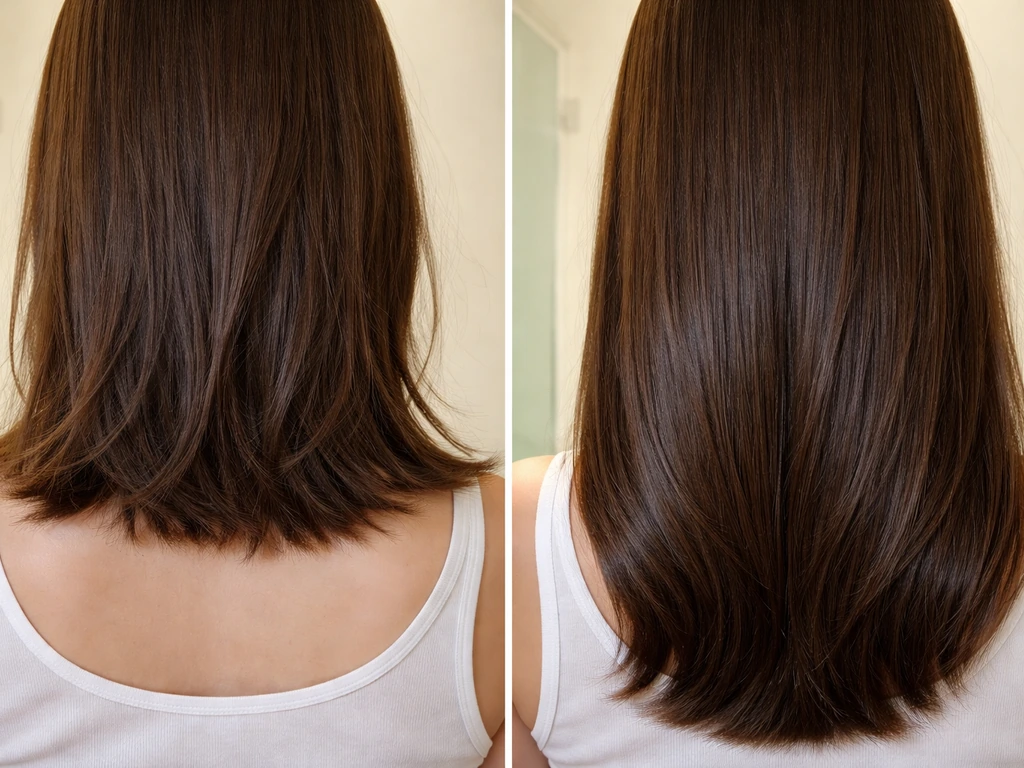
Step-by-step tips to grow hair out: stop breakage, build scalp routine, nutrition, safe actives, and track progress.