
Growing short hair to long hair takes time, roughly 1 cm per month on average, but the right care routine, nutrition, and a realistic mindset make a real difference in how much of that growth you actually retain. Most people lose more length to breakage and damage than they ever lose to slow growth. This guide covers everything from hair biology and honest timelines to daily routines, nutrition, scalp care, and clinical options, so you can make a plan that fits your hair type, your life, and your actual goal.
How to Grow Short Hair to Long Hair: Realistic Plan & Timeline

Marcus Holloway
18 Jul 2026
Who this guide is for
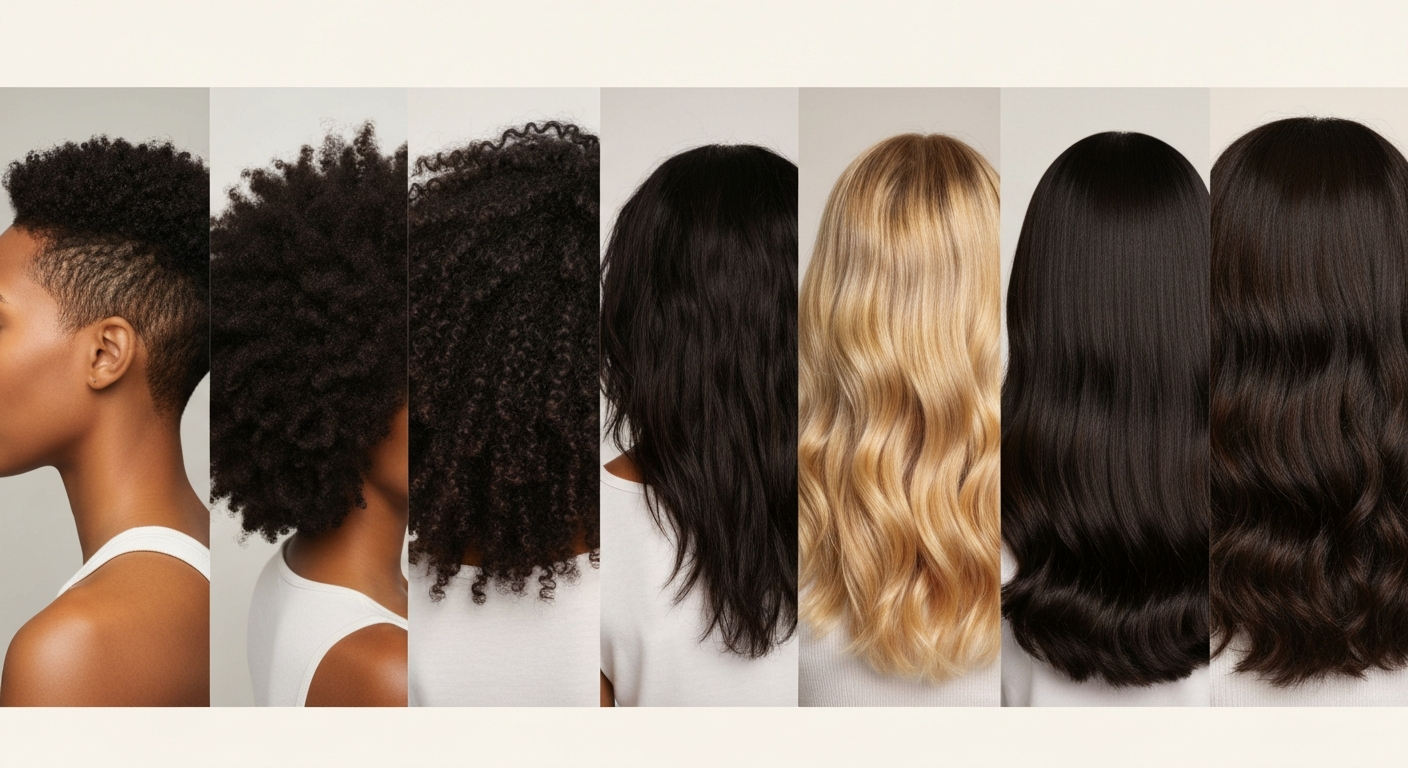
This guide is written for anyone starting with short hair who wants to reach a longer length, whether that's a pixie growing out to a bob, a buzz cut growing to shoulders, or hair that's been cut or lost and needs to get back to a meaningful length. It applies to men and women, and to every hair type: straight, wavy, curly, or coily. If you're dealing with thinning, hair loss, or a condition like telogen effluvium or androgenetic alopecia, there are dedicated sections on clinical support options and when to see a specialist. Common causes of diffuse thinning include telogen effluvium, androgenetic alopecia, alopecia areata, and traction alopecia Common causes of diffuse thinning include telogen effluvium, androgenetic alopecia, alopecia areata, and traction alopecia.. Hair type does affect how you'll manage and retain length (coily hair, for example, shrinks significantly when dry, so length can be deceptive), but the underlying biology of growing hair is the same across hair types.
Use this article as a practical reference rather than a one-read guide. The early sections explain the biology and set realistic expectations, worth reading once so the later routine advice actually makes sense. The checklists and tables are designed to be revisited as you progress. If your primary concern is thinning or hair loss rather than just length, pay close attention to the sections on scalp care, nutrition, and clinical options.
Realistic expectations: timelines, growth limits, and what slows things down
The average adult scalp grows hair at about 0.35 mm per day, which works out to roughly 1 cm per month or 10 to 15 cm per year. That number comes from physiology research and is a reliable working estimate, but individual rates genuinely vary, measured growth rates in studies have ranged from about 0.6 cm per month on the low end to as high as 3.36 cm per month in older reports. That upper extreme is uncommon, but the point is that two people doing identical routines can see noticeably different results purely due to genetics and biology.
There is no product, treatment, or supplement that will dramatically accelerate growth beyond your biological ceiling. What you can control is retention: how much of the hair you grow you actually keep. Breakage from heat, chemical processing, mechanical damage, and neglect is the most common reason people feel like their hair 'won't grow.' In reality, it is growing, it's just breaking off at roughly the same rate. Managing damage is where most people see the biggest improvement in visible length gain.
Ethnic background is also a legitimate factor. Research (including widely cited work by Loussouarn and colleagues) documents that Asian hair tends to grow fastest on average and African hair tends to grow slowest, with European hair in between. These differences relate to how long the follicle's active growth phase lasts, shaft diameter, and follicle biology. If you're working with tightly coiled hair, you may also need to account for shrinkage, your hair may be several inches longer than it appears when dry. If you're growing toward a specific length target, measuring stretched or wet length gives a more accurate picture.
If your hair is thinning or you have diagnosed androgenetic alopecia (pattern hair loss), untreated follicle miniaturization will actively work against length goals. Miniaturized follicles shorten the active growth phase, which means hairs never reach long lengths before shedding. Addressing the underlying hair loss (with clinical options covered later in this guide) is a prerequisite for meaningful length gain in those cases, growing your routine without treating the root cause is like filling a leaking bucket.
Hair biology 101: why your hair grows the way it does
Each hair on your scalp grows from a follicle that cycles through three main phases: anagen (active growth), catagen (transition), and telogen (resting and shedding). The anagen phase is the one that determines how long your hair can get. On the scalp, anagen typically lasts two to six years, and the longer yours naturally runs, the longer your terminal hair length can be. This is largely genetic. When anagen ends, the hair transitions through catagen (a brief two-to-three-week phase), then enters telogen, where it rests for roughly three months before shedding and being replaced. At any given time, about 85 to 90 percent of your scalp hairs are in anagen and 10 to 15 percent are in telogen, losing 50 to 100 hairs per day is completely normal.
The follicle itself is a living structure fed by the blood supply in your scalp. It needs adequate micronutrients, good circulation, and a healthy scalp environment to perform. Nutritional deficiencies (especially iron and vitamin D) can shorten anagen or push follicles prematurely into telogen, this is the mechanism behind telogen effluvium, where a physical stressor like illness, surgery, childbirth, or rapid weight loss triggers a synchronized wave of shedding about two to three months after the event. Once the trigger is removed, most TE resolves over several months, and growth resumes. The difficult part is that the shedding phase often starts just as you feel you've recovered from whatever caused it.
In androgenetic alopecia, dihydrotestosterone (DHT) binds to receptors in genetically susceptible follicles and progressively miniaturizes them, converting thick terminal hairs into fine vellus hairs. Anagen shortens with each cycle, and eventually the follicle stops producing visible hair. This process is the biggest biological barrier to growing long hair in people with untreated pattern hair loss, and it affects both men and women, though the pattern and extent differ.
How to set goals and measure your progress
Before you start optimizing your routine, take a baseline measurement. The simplest method: part your hair at the crown and measure from the scalp to the tips of the longest hairs with a flexible tape measure. For coily or curly hair, gently stretch a section when wet or blow-dried straight to get an accurate length reading (write down both the natural and stretched measurements). Take a photo from the same angle every four to eight weeks in similar lighting, photos are often more motivating than numbers because you can see texture, volume, and how the style sits on your face, not just raw centimeters.
Set a named length goal rather than a vague 'long' target. Common milestones are: chin length, shoulder length, armpit (APL), mid-back length (MBL), bra strap length (BSL), and waist length. Having a named target helps you work backward to a realistic timeline and decide whether interim strategies like extensions make sense while you grow.
How long will it actually take? A length-to-time table
The table below estimates time from a very short starting point (roughly 2 cm / buzz cut or very short pixie) to common length milestones at average growth rates. Real timelines depend on your individual growth rate, retention, and how much trimming you do. The 'slow retention' column assumes you're dealing with more breakage or slower growth; 'average' assumes 1 cm/month net length gained; 'fast' assumes better-than-average retention and a slightly faster natural rate.
| Length milestone | Approx. length from scalp | Slow retention (0.7 cm/mo) | Average (1 cm/mo) | Fast retention (1.3 cm/mo) |
|---|---|---|---|---|
| Ear length | ~8–10 cm | 12–14 months | 8–10 months | 6–8 months |
| Chin length | ~15–18 cm | 19–26 months | 13–18 months | 10–14 months |
| Shoulder length | ~25–30 cm | 33–43 months | 23–28 months | 18–22 months |
| Armpit length (APL) | ~38–43 cm | 50–60 months | 36–41 months | 28–33 months |
| Mid-back / bra strap | ~50–55 cm | 66–79 months | 48–53 months | 37–42 months |
| Waist length | ~60–70 cm | 80–100 months | 58–68 months | 44–52 months |
These ranges are estimates, not promises. If you're starting from a longer short cut, say a bob at 12 cm, subtract that from the milestone length to get a more accurate projection. For anyone aiming for waist length or beyond, the journey is measured in years, not months. Patience and consistency with your routine matter more at those lengths than any single product decision.
Your step-by-step daily care routine
A daily routine for growing short hair to long hair is less about products and more about habits that prevent damage and support the scalp environment. For additional styling techniques and routines inspired by popular trends, see how to grow Korean hair. Here is a framework you can adapt to your hair type. For specific step-by-step guidance on how to grow medium length hair, see our dedicated guide.
Morning
- Detangle gently before styling. Use a wide-tooth comb or your fingers starting from the ends, working upward to the roots. Never yank through tangles from root to tip — this causes mechanical breakage, especially when hair is dry.
- Apply a leave-in conditioner or light hair oil to the mid-lengths and ends if your hair is dry or prone to breakage. This seals the cuticle and reduces friction during the day.
- Style without heat if possible. If heat styling is necessary, use a heat protectant spray first and keep tools below 180°C (356°F) for fine or damaged hair, up to 200°C (392°F) for thick or coarse hair that genuinely needs higher heat. Daily heat use without protection is one of the most reliable ways to stall length retention.
- Tie loosely. Tight ponytails, buns, and braids with elastic bands create traction stress on the follicle and can cause breakage at the hairline and crown. If you tie your hair back daily, use a silk or satin scrunchie and vary the position to avoid repeated stress on the same section.
- Take your targeted supplements if relevant (see the nutrition section below) — morning with food tends to improve absorption for fat-soluble vitamins.
Evening
- Scalp massage for 4 minutes. A small controlled pilot study using standardized 4-minute daily scalp massage over 24 weeks reported an increase in hair shaft thickness. The mechanism appears to involve mechanical stimulation of follicular cells and improved circulation. Use your fingertips (not nails), applying gentle circular pressure across the scalp. You can do this dry or with a few drops of diluted rosemary oil (more on that below).
- Remove styling products if you used any. Product buildup on the scalp can clog follicles and create an environment that's less hospitable to healthy growth. You don't need to shampoo nightly — a gentle rinse or scalp-focused cleanse as needed is sufficient.
- Switch to a silk or satin pillowcase, or wrap hair in a silk scarf. Cotton creates friction against the hair cuticle overnight, leading to tangles and breakage — this matters more as hair gets longer.
- Loosely braid or twist hair before sleep if it's long enough to tangle. Don't make it tight. Pineappling (a loose high ponytail with a soft tie) works well for curly and coily hair to preserve the curl pattern and reduce morning tangles.
Weekly and monthly care checklist
Weekly tasks
- Wash hair 1–3 times per week depending on your scalp type. Oily scalps may need more frequent cleansing; dry or coily hair may do well with once weekly. Use a sulfate-free shampoo if your hair is color-treated or prone to dryness — sulfates aren't harmful but can strip natural oils more aggressively.
- Follow every shampoo with conditioner on the mid-lengths and ends. Leave it on for 2–3 minutes before rinsing. This is non-negotiable for length retention — dry, brittle ends break off.
- Do a deep conditioning treatment once per week. Apply a hydrating or protein-based mask (depending on what your hair needs — more on this below), cover with a shower cap, leave for 15–30 minutes, then rinse thoroughly. Alternating hydrating weeks with protein treatment weeks works well for most people.
- Check your ends. Run a strand between your fingers toward the tip — if you feel roughness, splitting, or fraying, those ends need trimming.
- Check in with your scalp. Persistent itching, flaking, redness, or tenderness can indicate seborrheic dermatitis or scalp inflammation that will affect the growth environment if left untreated.
Monthly tasks
- Take a length measurement and update your progress log or photos.
- Assess whether ends need a micro-trim. Trimming is one of the most debated topics in hair growing communities — trimming does not make hair grow faster (growth happens at the follicle, not the ends), but removing split ends before they travel up the shaft prevents more significant length loss later. A micro-trim of 0.5–1 cm every 8–12 weeks is usually enough to keep ends healthy without sacrificing length.
- Evaluate your heat and chemical use for the past month. If you've been heat styling daily or had chemical processing, a focused repair deep conditioning session using a protein treatment will help rebuild structure.
- Review your supplement stack and diet (see nutrition section). Monthly check-ins help you notice if you've been consistently skipping foods you planned to add.
- Do a protein-moisture balance reset if hair feels either overly mushy and limp (too much moisture, not enough protein) or stiff and brittle (too much protein, needs moisture).
Styling through the awkward in-between stages
The hardest part of growing from short to long isn't the long stage, it's the months in between where hair is too short to style the way you want and too long to look intentionally short. A few practical strategies: textured styles (waves and curls) buy you more length tolerance than straight styles before things look unruly, so consider embracing or encouraging your natural texture during the grow-out. Headbands, clips, and accessories do a lot of work in the ear-to-chin phase. Bobby pins and mini clips can tuck sections cleanly. For men, the crown and sides growing at different rates is common, a taper cut on the sides while leaving the top to grow gives a cleaner look without sacrificing top length.
Nutrition and supplements: what actually helps
The honest position here is that nutrition supports hair growth primarily by correcting deficiencies, if your levels are adequate, adding more of a nutrient rarely produces dramatic extra growth. But deficiencies genuinely do impair growth, and they're more common than people realize. Iron deficiency is one of the most studied: low ferritin (stored iron) is consistently associated with telogen effluvium and diffuse hair shedding, particularly in premenopausal women. Getting a blood panel is far more useful than guessing, supplement iron only if a test confirms deficiency, since excess iron has its own health risks.
Vitamin D is similarly well-linked to hair cycling: vitamin D receptors are expressed in hair follicles, and deficiency is associated with hair loss in multiple studies. Given that deficiency is widespread globally (especially in northern latitudes and people who spend little time outdoors), this is worth testing. Zinc deficiency has been documented in people with alopecia areata and diffuse thinning, though supplementing in people with normal zinc levels doesn't appear to benefit hair growth. B vitamins, particularly biotin, are heavily marketed for hair growth, but the evidence supporting biotin supplementation in people without a documented biotin deficiency is very weak. Biotin deficiency itself is genuinely rare. The main practical downside of unnecessary biotin supplementation is that high doses can interfere with some lab tests, including thyroid and troponin panels, worth telling your doctor if you're supplementing.
Protein is important at the dietary level: hair is almost entirely keratin (a structural protein), and chronically low protein intake can directly impair hair growth. Most people eating a varied diet get enough, but people following very restrictive diets or recovering from rapid weight loss may not. Aim for adequate protein from food before reaching for supplements. Omega-3 fatty acids (from oily fish, walnuts, or flaxseed) have some supportive evidence for scalp health and reducing inflammation, though this is less directly studied than iron or vitamin D.
| Nutrient | Evidence quality | Who may genuinely benefit | Notes |
|---|---|---|---|
| Iron (ferritin) | Good | People with confirmed deficiency, especially premenopausal women | Test before supplementing; excess iron is harmful |
| Vitamin D | Good | People with confirmed deficiency (common globally) | Test first; supplement to normal range |
| Zinc | Moderate | People with documented deficiency or alopecia areata | Excess zinc can impair copper absorption |
| Protein (dietary) | Good | People with low protein intake, rapid weight loss | Food-first; most people eating varied diets are adequate |
| Biotin | Weak (for those without deficiency) | Only genuine biotin deficiency (rare) | High doses can interfere with lab tests |
| Omega-3 fatty acids | Moderate (scalp/inflammation) | People with low intake of oily fish or nuts/seeds | Safe from food sources; supplement data more limited |
| Collagen peptides | Weak to moderate | Limited research directly on scalp hair | Generally safe; evidence base is early |
| 'Hair growth' blends/proprietary mixes | Generally weak | Not specifically supported for people without deficiencies | Often contain biotin at high doses with minimal added benefit |
Foods worth prioritizing
- Lean red meat, lentils, spinach, and fortified cereals for iron (pair plant iron sources with vitamin C to improve absorption)
- Eggs, oily fish (salmon, sardines, mackerel), and fortified dairy or plant milks for vitamin D
- Pumpkin seeds, chickpeas, and cashews for zinc
- Chicken, turkey, eggs, legumes, and Greek yogurt for protein
- Walnuts, flaxseed, chia seeds, and salmon for omega-3 fatty acids
Scalp care and topical treatments that have real evidence
Scalp health is the foundation everything else builds on. A clean, well-circulated, inflammation-free scalp is the environment your follicles need to produce hair reliably. Beyond the daily massage habit mentioned earlier, there are a few targeted topical approaches worth knowing about.
Minoxidil
Topical minoxidil is the most evidence-backed over-the-counter topical treatment for hair loss and thinning. Randomized controlled trials have demonstrated clear benefit for pattern hair loss: in one large 48-week RCT, 5% minoxidil produced approximately 45% more non-vellus hair regrowth compared to 2% minoxidil in men, with earlier visible response (around week 8 versus week 16). Key RCTs summarized in treatment reviews (Olsen et al. 2002 trial data summarized in treatment reviews/JAMA Derm network meta-analysis) document this 48‑week comparison. Most people notice meaningful change between 3 and 6 months of consistent daily use, with continued improvement up to 12 months. The critical caveat: you have to keep using it. Stopping minoxidil typically leads to reversal of the gains within a few months because it works by prolonging the anagen phase, not by fixing the underlying cause. Known side effects include scalp irritation, a transient shed in the first few weeks (which is disconcerting but expected), and hypertrichosis (unwanted fine hair on the face or body in some users). Systemic side effects are rare given low absorption from topical use, but worth discussing with a doctor if you have cardiovascular concerns.
Rosemary oil
Rosemary oil has the most credible evidence among natural topical options. A 2015 randomized trial (100 men with androgenetic alopecia) compared rosemary oil lotion against 2% minoxidil over 6 months and found similar hair count increases in both groups. The researchers noted that scalp itching was reported less frequently in the rosemary group than in the minoxidil group. This is a single trial and the evidence needs replication, but the data is meaningfully more rigorous than what exists for most other oils and 'natural' treatments. If you want to try rosemary oil, dilute it properly, about 2 to 3 drops of essential oil per teaspoon of carrier oil (jojoba, coconut, or argan work well), and apply directly to the scalp before washing. Always patch-test first: essential oils, including rosemary, can cause contact dermatitis in some people. If you develop redness, burning, or significant itching, discontinue use.
Clinical options: PRP, LLLT, and microneedling
If topical options aren't producing enough results or you're dealing with significant pattern hair loss, there are clinic-based treatments with a growing evidence base. Platelet-rich plasma (PRP) injections, where a preparation of your own concentrated platelets is injected into the scalp, have multiple systematic reviews and meta-analyses supporting their ability to increase hair density in androgenetic alopecia versus placebo. The limitation is protocol variability: concentration, frequency, and timing differ widely between providers, making results harder to predict. Low-level light therapy (LLLT), available both in-clinic and via home-use devices like laser combs and helmets, has RCT and meta-analysis support for modest but reproducible increases in hair density for pattern hair loss. Microneedling combined with topical minoxidil has randomized trial evidence of additive benefit over minoxidil alone. These options are worth discussing with a dermatologist or trichologist if you're not getting the results you need from over-the-counter approaches.
Protecting your length: damage prevention and protective styles
Length retention comes down to protecting the hair you grow from breaking off. The most damaging habits are heat without protection, chemical overlapping (applying relaxers or bleach to already-processed hair), aggressive detangling when dry, and constant high-tension styles. Protective styles (braids, twists, buns, cornrows) reduce daily manipulation and tuck away ends, the most vulnerable part of the hair shaft. They work best for retention when the scalp is kept clean and moisturized underneath, and when styles aren't pulled so tight they cause traction at the hairline. Traction alopecia, caused by chronic tension on the follicle, is a real risk with overly tight protective styles maintained for too long, and in severe cases it can cause permanent scarring that prevents regrowth.
For chemical processes: if you color, bleach, relax, or keratin-treat your hair, space out applications as much as possible, always apply only to new growth rather than overlapping onto already-processed sections, and invest in regular protein and moisture treatments. The more chemically processed your hair is, the more diligently you need to monitor its integrity, porosity increases with damage, meaning it absorbs and loses moisture faster and becomes more prone to snapping under tension.
Home remedies: what has some support and what to skip
Most popular home remedies for hair growth have limited direct evidence, but a few are worth including as low-risk additions to your routine. Castor oil is widely used as a scalp and hair treatment, there isn't strong controlled trial data for hair growth, but its ricinoleic acid content has some anti-inflammatory and antimicrobial properties that may support scalp health. It's thick, so dilute it with a lighter carrier oil for manageability. Onion juice applied to the scalp has a small number of controlled studies (particularly for alopecia areata) showing some benefit, though compliance is challenging given the smell. Peppermint oil has animal study data and one small human trial suggesting it may promote hair growth at a 3% dilution, mechanism appears to involve improved dermal blood flow. Again, dilute in a carrier oil and patch-test.
Treatments that don't have meaningful evidence and are worth skipping: rice water rinses (promoted heavily online, but controlled studies are lacking), inversion method (hanging your head upside down daily, no credible trial data), and most proprietary 'hair growth serum' blends that don't disclose their active ingredients or concentrations.
When to see a dermatologist or trichologist
A lot of hair concerns can be addressed at home, but some situations genuinely require professional assessment. See a dermatologist or trichologist if you're losing more than roughly 150 hairs per day consistently over several weeks (count what's in your shower, brush, and pillow), if you notice patchy or asymmetric loss rather than diffuse thinning, if there's visible scalp inflammation, scarring, scaling, or tenderness, or if hair loss started after a significant health event and hasn't recovered after six months. Persistent hair loss that doesn't respond to over-the-counter treatments after three to six months is another good reason to get a clinical evaluation, there may be an underlying cause (thyroid dysfunction, iron deficiency anaemia, hormonal changes) that's treatable with the right diagnosis. A dermatologist can also prescribe oral minoxidil, finasteride, or spironolactone where appropriate, which are more potent options than anything available over the counter.
Extensions and wigs: using interim options wisely
There's no rule that says you have to sit through every awkward phase of the grow-out without support. Clip-in extensions are the most scalp-friendly option because they don't require glue, heat bonds, or braiding, they're in and out, with no constant tension on the follicle. Sew-in weaves and tape-in extensions can be excellent protective options when installed correctly, but they carry traction risk if applied too tightly or left in too long without maintenance. Wigs (particularly lace-front options worn over a protective style underneath) are a genuinely good choice when you want length or variety without any mechanical impact on your own hair at all. The main thing to watch: whatever method you use, keep your own scalp clean and moisturized underneath, and don't leave any installation in longer than the recommended period. Extensions don't pause your natural growth, your hair is still growing underneath.
FAQ
What is a realistic timeline for growing short hair to long hair and what are typical growth rates?
Average scalp hair grows about 0.3–0.4 mm/day (≈1 cm/month, ≈10–15 cm/year) though individual rates vary. Expect gradual progress: gaining ~3–6 cm in 3–6 months and ~10–15 cm in a year under normal conditions. ‘Fast’ growth beyond ~1.5 cm/month is uncommon; extreme rates reported are rare. Timelines also depend on starting length, target length, and biological factors (anagen duration). Be patient—visible changes often take months, not weeks.
How does hair biology determine how long my hair can get?
Hair length is primarily set by the anagen (growth) phase duration for each follicle—longer anagen allows longer terminal hair. Anagen typically lasts years (commonly 2–6 years) and varies by person, ethnicity, age, and scalp location. Hair thinning disorders (e.g., androgenetic alopecia) shorten anagen and reduce shaft diameter, limiting achievable length and fullness unless treated.
What factors affect hair growth rate and my ability to grow long hair?
Key factors: genetics and ethnicity (influence anagen duration and shaft thickness), age (growth slows with age), hormonal conditions (e.g., androgen activity), underlying scalp disorders (AGA, telogen effluvium, alopecia areata), nutrition and systemic health, medications, stress, and hair care (damage or traction). Addressing reversible contributors (nutrition, stress, treatable scalp disease) improves outcomes.
What step-by-step daily and weekly hair care routine should I follow to grow short hair longer and healthier?
Daily: gentle cleansing as needed (avoid over-washing), use a conditioner on ends, detangle with wide-tooth comb or fingers when wet and conditioned, avoid tight hairstyles that pull. Weekly: 1–2× deep-conditioning or protein/moisture treatments tailored to your hair type; clarify every 1–2 weeks if buildup occurs. Limit heat styling to occasional use; always use a heat protectant. Incorporate a short (2–5 minute) scalp massage during washing or with oil to improve comfort and encourage circulation. Adjust frequency by hair texture: curly/kinky hair often benefits from less frequent washing and more moisturizing routines.
What nutrition and supplements are supported by evidence for hair growth?
A balanced diet with adequate protein, iron, zinc, vitamin D, and biotin (only if deficient) supports hair health. Test and correct clear deficiencies (iron studies, vitamin D, thyroid). Random supplementation without deficiency usually offers little benefit. Evidence supports: iron repletion for iron-deficiency–related shedding, vitamin D if deficient. Biotin helps only with biotin deficiency (rare). Supplements marketed for hair often contain mixed ingredients with limited RCT evidence—use cautiously and discuss with a clinician.
Are there supplements or remedies that are not supported and should be avoided?
Avoid expecting dramatic results from general multivitamins or proprietary 'hair growth' pills if you do not have documented deficiencies; many lack high-quality RCT support. High-dose vitamins (e.g., vitamin A) can cause hair loss. Use caution with unregulated products and consult a clinician before high-dose or combination supplements.
Next Articles
How to Grow Medium Length Hair: Step-by-Step Guide
Step-by-step plan to grow medium length hair, reduce breakage, improve scalp health, and reach your goal length.

How to Grow Your Hair to Your Waist: Step-by-Step
Step-by-step plan to grow hair to waist length, stop breakage, improve scalp health, and track progress safely.
How to Grow Waist Length Hair: A Realistic Plan
Realistic plan to grow waist length hair fast by boosting growth, reducing breakage, and protecting natural curls weekly