
Growing 3a hair longer and thicker comes down to two things working together: keeping as much of the hair you grow on your head (length retention), and giving your scalp and follicles the right conditions to push each strand to its full potential. Your hair is already growing roughly 1 cm per month if you're healthy, the real challenge with 3a curls is that the natural S-shaped bend creates multiple weak points where strands can snap before you ever notice the length. Fix the breakage, support the biology, and the growth follows. For a practical, step-by-step guide on how to grow type 3 hair, see our detailed routine and tips tailored for 3a curls.
How to Grow 3a Hair: Complete Plan for Faster, Healthy Curls

Marcus Holloway
8 Aug 2026
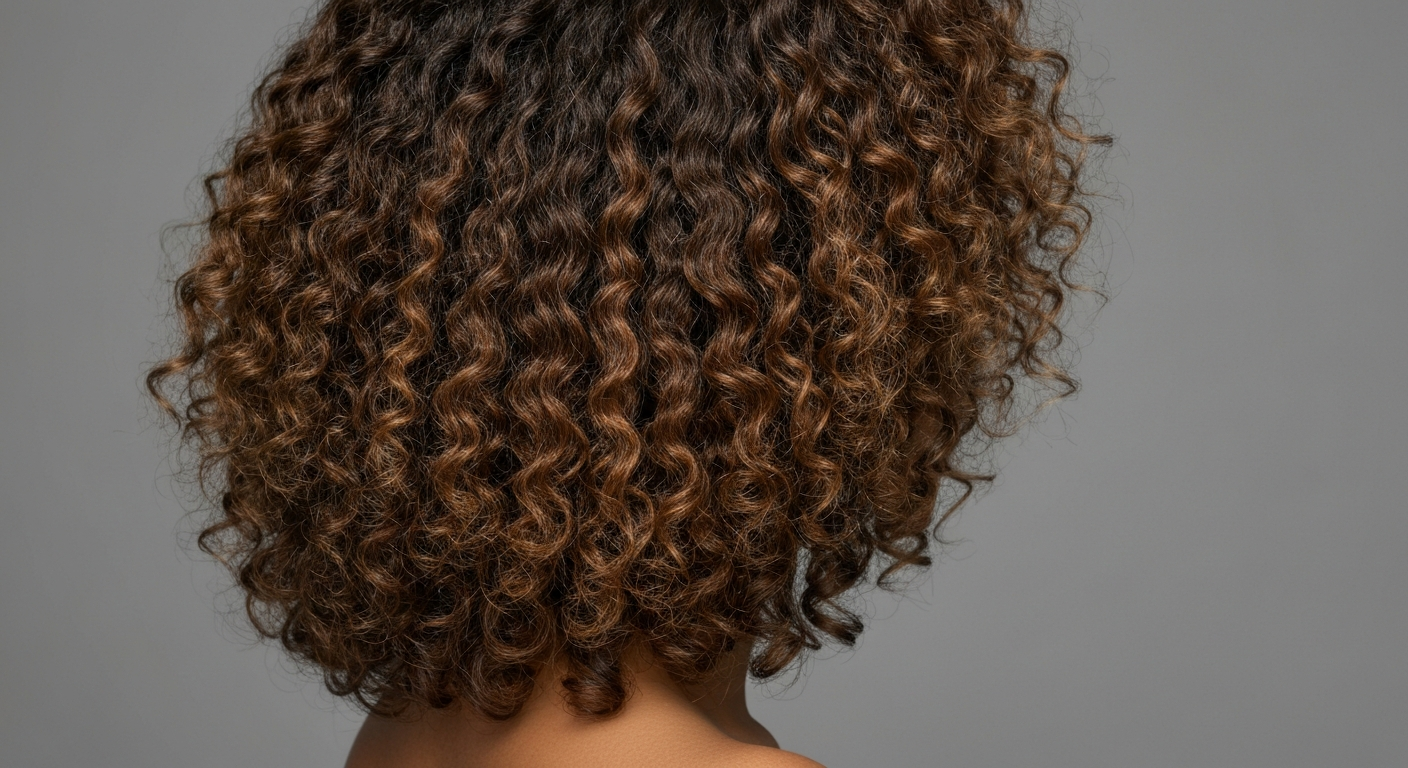
What 'fast growth' actually means for 3a curls
I want to set a realistic expectation here before anything else, because the internet is full of claims that some oil or supplement doubled someone's growth rate overnight. The science doesn't support that. Healthy scalp hair grows about 0.3–0.4 mm per day, which works out to roughly 1–1.5 cm per month, or about 6 inches per year under good conditions. Some people naturally fall closer to 0.6 cm per month; others edge toward 1.4 cm. That range is largely genetic and tied to your hair's anagen (growth) phase length. What you can realistically do is push toward your personal upper end of that range by removing things that hold you back, nutritional gaps, scalp inflammation, excessive manipulation, breakage, rather than expecting to double your biological ceiling. For most people with 3a curls, a realistic goal is retaining 10–15 cm of new length per year after accounting for trimming and routine wear. Anything beyond that is a bonus.
What exactly is 3a hair?
In the André Walker hair-typing system, the most widely used classification in both consumer and clinical contexts, 3a sits at the looser end of the curly category. The defining characteristic is a well-defined, S-shaped curl with a diameter of roughly 8–10 mm, about the width of a sidewalk chalk piece. The curls are springy and typically have more shine than tighter curl types because the cuticle lies flatter along the gentle bend. Hair texture tends to be medium to thick in diameter, and porosity varies widely in 3a hair but often lands in the medium range, meaning the cuticle is relatively responsive to moisture but doesn't stay hydrated as long as low-porosity hair might.
It's worth comparing 3a to its neighbors in the type-3 family. Type 3b has a tighter, spring-sized curl (roughly 5–8 mm diameter) that is naturally drier because the tighter coil makes it harder for scalp oils to travel down the shaft. Type 3c sits closer to coily territory with a very tight corkscrew pattern. If you're trying to understand how to get 3b hair to grow or want a broader look at how to grow type 3 hair, the core biology is the same, but the moisture and detangling strategies diverge meaningfully. For a focused guide on routines and treatments for type 3 curls, see how 2 grow hair. If you want targeted tips for tighter 3b curls, see our practical guide on how to grow 3b hair. For a deeper overview of the basic biology and practical steps, see how do we grow hair. For 3a specifically, the looser curl means you have a slight advantage in natural moisture distribution, but the strands are still prone to frizz, tangles at the ends, and mid-shaft breakage if over-manipulated.
Hair growth biology, explained plainly
Every hair follicle cycles through three main phases. For a straightforward primer on how do hair grow, see how do hair grow. Anagen is the active growth phase, this is when the hair matrix cells at the base of the follicle divide rapidly and push the shaft upward. For scalp hair, anagen lasts anywhere from 2 to 6 years. That duration is the single biggest determinant of how long your hair can get, because growth stops when the follicle transitions out of anagen. Catagen is a short transitional phase lasting a few weeks where growth stops and the follicle shrinks. Telogen is the resting phase, lasting roughly 3 months, after which the hair sheds and a new anagen cycle begins. On a healthy head, about 85–90% of follicles are in anagen at any given time, which is why you're constantly growing hair even while shedding 50–100 strands a day, that's normal. For a deeper dive into how hair will grow, see the related section.
Thicker terminal hairs tend to grow slightly faster than finer hairs in some datasets, which is one reason improving overall follicle health, reducing miniaturization from hormonal factors or inflammation, can have a real effect on how quickly you perceive growth. The ceiling, though, is still your anagen phase length, which is mostly genetic. Understanding this biology helps you cut through a lot of the noise around hair growth products, because anything that genuinely helps needs to act on either follicle cycling or on the scalp environment that supports it.
Every factor that helps or hinders growth
Things mostly outside your control
- Genetics: Anagen phase length and baseline growth rate are inherited. You can optimize your environment but not rewrite your DNA.
- Age: Growth rate and anagen duration generally decline from mid-adulthood onward, and follicle density decreases with age.
- Sex and hormones: Androgens (testosterone and DHT) miniaturize follicles in genetically susceptible individuals, causing androgenetic alopecia in both men and women. Estrogen supports longer anagen phases, which is why pregnancy often brings a growth surge — and postpartum shedding follows when estrogen drops.
- Medical conditions: Thyroid disorders (both hypo and hyperthyroidism), polycystic ovary syndrome (PCOS), autoimmune conditions like alopecia areata, and nutritional deficiency diseases all directly affect follicle cycling.
- Medications: Chemotherapy, anticoagulants, retinoids, beta-blockers, and some antidepressants can trigger telogen effluvium (widespread shedding). Always review your medication list with your prescriber if you notice diffuse shedding.
Things you can meaningfully influence
- Nutritional status: Iron deficiency (especially low ferritin in women with diffuse shedding), low zinc, vitamin D deficiency, and inadequate protein are documented contributors to hair loss and slow growth.
- Chronic stress: Psychological and physical stress can push follicles prematurely into telogen, causing a shedding event 2–3 months after the stressor — this is classic telogen effluvium.
- Scalp health: Chronic inflammation, seborrheic dermatitis, dandruff, and clogged follicles impair the scalp environment that follicles need.
- Mechanical damage: Over-manipulation, tight styles, heat damage, and chemical processing all increase breakage, making length retention nearly impossible even when biological growth is normal.
- Environmental exposure: UV radiation, hard water mineral buildup, and pollution degrade the cuticle over time.
What the evidence actually says about speeding growth
This is where I want to be completely honest with you, because there's a meaningful difference between things that genuinely stimulate follicles and things that reduce breakage (which makes it look like growth accelerated). Both matter, but they work differently.
| Approach | What it actually does | Evidence level | Notes |
|---|---|---|---|
| Topical minoxidil (2% or 5%) | Directly stimulates follicles, prolongs anagen, increases hair count and density | Strong (systematic reviews, meta-analyses) | Requires consistent use; side effects include scalp irritation and facial hair growth; consult a provider |
| Scalp massage (4–11 min/day) | May increase hair shaft diameter (thickness) by mechanically stimulating dermal papilla cells | Moderate (small RCTs, one 24-week Japanese trial) | No proven effect on hair count; low risk, no cost |
| Microneedling (adjunct to minoxidil) | Improves hair count/density beyond minoxidil alone by enhancing topical absorption and mechanical stimulation | Moderate-strong (meta-analyses) | Depth and frequency matter; professional protocols differ from home devices |
| Low-level laser therapy (LLLT) | Modest increase in hair density via photobiomodulation | Moderate (RCTs, meta-analyses) | Home devices cleared by FDA exist; results modest and variable |
| Platelet-rich plasma (PRP) | Improves density and thickness in androgenetic alopecia via growth factor delivery | Moderate (meta-analyses, but heterogeneous protocols) | Requires professional administration; not standardized |
| Biotin supplements | Benefits hair only in documented biotin deficiency (rare) | Weak for healthy individuals | Widespread supplementation without deficiency has no proven effect |
| Castor oil, rosemary oil (topical) | Rosemary oil (small RCT) showed comparable results to 2% minoxidil in one study; castor oil has no RCT evidence for scalp hair | Weak to emerging | Rosemary is low risk; castor oil may clog follicles in high amounts |
| Protein treatments (topical) | Reduce breakage by temporarily strengthening damaged cuticle/cortex | Practical evidence, not follicle stimulation | Does not affect growth rate; reduces loss of grown hair |
| Heat/chemical relaxer avoidance | Reduces breakage and traction alopecia risk | Epidemiological evidence | Critical for 3a length retention |
The bottom line is that minoxidil is the one OTC option with strong, replicated evidence for actually stimulating follicles. Everything else either supports the scalp environment, reduces breakage, or has preliminary evidence worth watching but not yet definitive. Biotin supplements, in particular, have been heavily marketed for hair growth, but unless you have a confirmed deficiency (rare in people eating a varied diet), supplementing won't move the needle.
Nutrition and hormones: what to check and what to take
Before spending money on supplements, it's worth running basic bloodwork. The most relevant tests for diffuse shedding or slow growth are: complete blood count (to check for anemia), serum ferritin (low ferritin, even without overt anemia, is commonly linked to shedding in women, aim for ferritin above 40–70 ng/mL based on clinical guidance, though individual targets vary), vitamin D (levels below 30 ng/mL are associated with hair cycle disruption), zinc, and thyroid panel (TSH at minimum). Talk to your provider before supplementing, because excess iron and vitamin A are toxic and can themselves cause hair loss.
From a diet standpoint, the fundamentals matter more than any single supplement. Protein is the structural building block of hair (keratin); aim for at least 0.8–1.0 g of protein per kg of body weight daily, and more if you're active. Omega-3 fatty acids (from oily fish, walnuts, flaxseed) reduce scalp inflammation. Zinc-rich foods (pumpkin seeds, legumes, meat) support follicle cell division. If you do supplement, a well-formulated multivitamin covering iron, zinc, vitamin D, and B vitamins is more evidence-supported than a single-ingredient biotin pill. Saw palmetto and multi-ingredient nutraceuticals marketed for hair loss show variable, low-to-moderate evidence, they're not unreasonable to try alongside medical care, but they aren't a substitute for addressing underlying deficiencies or hormonal contributors.
On the hormone side: if you're experiencing significant thinning (not just slow growth), especially at the crown or temples, it's worth discussing androgens with your doctor. For women, oral contraceptives with anti-androgenic progestins, spironolactone, or finasteride may be appropriate depending on your health history. These are not casual supplements, they require medical supervision, but they address a root cause that no topical product can fully overcome.
Your daily 3a hair regimen
The philosophy behind a daily regimen for 3a hair is simple: minimize manipulation, maximize moisture retention, and protect the curl structure. You don't need to touch your hair every day, in fact, daily styling is one of the biggest causes of 3a breakage. What you do need daily is a light refresh and protection strategy. For a clear step-by-step routine, follow steps to grow hair.
Daily product layering order
- Water or a water-based leave-in conditioner: rehydrate any dry sections, focusing on ends and any frizzy areas.
- Cream or lightweight moisturizer: locks in the water layer; look for ingredients like shea butter, glycerin, aloe vera, or cetyl alcohol.
- Styler (optional, on non-wash days): a light gel or mousse to redefine curl shape if needed; scrunch in, don't rake.
- Seal (optional): a light oil (jojoba, argan, sweet almond) on top to slow moisture evaporation, especially on ends.
The LOC (Liquid-Oil-Cream) or LCO (Liquid-Cream-Oil) method works well for 3a hair. Because 3a tends toward medium porosity, LCO (oil last) often gives a better seal. Experiment with both to see which keeps your curls hydrated longer. On days between wash days, a simple water mist and scrunch is often all you need, avoid heavy product buildup, which can attract residue and eventually clog follicles.
Ingredients to look for
- Humectants: glycerin, aloe vera, panthenol (vitamin B5), honey — these draw water into the hair shaft
- Emollients: shea butter, mango butter, avocado oil, cetyl alcohol — smooth the cuticle and add slip
- Proteins (moderate use): hydrolyzed keratin, silk protein, wheat protein — strengthen weakened strands; use once every 1–2 weeks, not daily
- Scalp-friendly actives: zinc pyrithione or selenium sulfide (if you have dandruff/seborrheic dermatitis), salicylic acid (for buildup/flaking), tea tree oil (mild antimicrobial)
Ingredients and habits to avoid
- Sulfate shampoos used too frequently: strip natural oils from already-dry 3a curls
- Mineral oil and petrolatum in heavy amounts: can build up and block moisture from entering the shaft
- Alcohol-heavy styling products (SD alcohol, alcohol denat.): drying to curls; fatty alcohols like cetyl or stearyl alcohol are fine
- Daily heat styling without protection: repeated heat above 180°C (355°F) causes protein denaturation and irreversible cuticle damage
- Fine-tooth combs on dry hair: detangle only on wet, conditioned hair
Wash-day routine for length and strength
Wash day is the most important and most damage-prone event in your week. Doing it right is genuinely one of the highest-leverage things you can do for length retention.
How often to wash
For most people with 3a hair, once a week to every ten days is the sweet spot. Washing too frequently strips moisture; going longer than two weeks can lead to buildup, scalp inflammation, and tangling. If your scalp is oily or you exercise heavily, co-washing (using conditioner only, no shampoo) on a mid-week day is a good compromise. Use a clarifying shampoo (gentle sulfate-free or low-sulfate formula) once or twice a month to remove product buildup fully.
Step-by-step wash day
- Pre-poo (optional but recommended): Apply a generous amount of a slippery conditioner or oil (coconut oil, olive oil) to dry hair 20–30 minutes before washing. This reduces hygral fatigue (swelling from water absorption) and makes detangling easier.
- Scalp massage: Before or during shampooing, spend 4–5 minutes massaging your scalp with your fingertips in small circular motions. One controlled study found daily scalp massage increased hair shaft thickness after 24 weeks — it's a simple, zero-cost habit with real mechanistic support.
- Shampoo: Dilute your shampoo slightly if needed, apply to scalp only, and massage gently. Let the lather rinse through the lengths — no scrubbing mid-shaft.
- Rinse thoroughly: Residue left on the scalp is a common source of inflammation and flaking.
- Deep condition: Apply a moisturizing deep conditioner (look for cetearyl alcohol, shea butter, hydrolyzed proteins) from mid-shaft to ends. Cover with a shower cap and leave on for 15–30 minutes with gentle warmth if possible. This step is non-negotiable for 3a length retention.
- Cold water rinse: Rinse conditioner with cool water to close the cuticle and boost shine.
- Detangle gently: Detangle only while hair is saturated with conditioner, using a wide-tooth comb or your fingers, working from ends to roots.
- Apply leave-in conditioner: On soaking wet hair, apply your leave-in evenly, scrunching upward to encourage curl formation.
- Style: Apply your cream and/or gel while hair is still wet. Scrunch out the crunch (the gel cast) only once hair is fully dry.
- Dry: Air dry whenever possible. If using a diffuser, use the lowest heat setting and keep it moving — never concentrate heat in one spot for more than a few seconds.
Protein-moisture balance
3a hair needs both moisture and protein, but the balance matters. Too much protein makes curls feel stiff, crunchy, and prone to snapping. Too little leaves hair mushy and over-elastic. A good rule of thumb is one protein treatment (deep conditioner with hydrolyzed protein, or a dedicated protein treatment) for every two to four moisture treatments. If your hair stretches and doesn't spring back, you need protein. If it feels brittle and stiff after conditioning, you need more moisture.
Scalp care and topical treatments
Your scalp is the soil your hair grows from, neglecting it while obsessing over the ends is a common mistake. A healthy scalp means clean follicle openings, good blood circulation, balanced sebum, and no chronic inflammation. Weekly scalp massage (4–11 minutes) is low-risk and has mechanistic support for increasing hair shaft diameter. If you have visible scaling, persistent itch, or redness, a zinc pyrithione or selenium sulfide shampoo used once a week typically clears up seborrheic dermatitis, which can otherwise block follicles and contribute to shedding.
For those dealing with noticeable thinning or pattern hair loss, topical minoxidil (2% solution for women or 5% foam for men, though 5% is also used in women in clinical practice) is the single most evidence-backed over-the-counter option. Common adverse effects of topical minoxidil include irritant or allergic contact dermatitis and facial hypertrichosis; systemic effects are rare with topical use but are more common with oral minoxidil Common adverse effects of topical minoxidil include irritant or allergic contact dermatitis and facial hypertrichosis; systemic effects are rare with topical use but are more common with oral minoxidil.. It works by prolonging the anagen phase and widening the follicle. It needs to be applied consistently, you'll typically see results at the 4–6 month mark, with full assessment at 12 months. Stopping use reverses the benefit, so it's a long-term commitment. If you have scalp irritation from the solution (which contains propylene glycol), the foam formulation is usually better tolerated. Do not apply minoxidil to inflamed, sunburned, or broken skin, and wash hands thoroughly after each application.
Protective styling and trimming strategy
Protective styles, loose twists, low buns, braids, or tucked styles that keep ends off your shoulders and reduce daily manipulation, are one of the most effective length retention tools for 3a hair. The key word is loose. Tight braids, tight ponytails, and heavy extensions are a direct pathway to traction alopecia, particularly along the edges and nape. Clinical studies link prolonged tight styling (especially combined with chemical relaxing) to permanent follicle damage in these areas. Keep any protective style in for no longer than 6–8 weeks, and give your scalp recovery time between styles.
Trimming is a length retention strategy, not a growth strategy, let's be clear on that. Trimming does not make your hair grow faster. What it does is remove split and damaged ends that would otherwise travel up the shaft, causing more breakage higher up. For healthy 3a hair with a good routine, trimming every 10–12 weeks (roughly 1–1.5 cm) is usually enough. If you're recovering from heat or chemical damage, you may need more frequent trims to stay ahead of the damage until it grows out. Micro-trims (less than 0.5 cm) every 8 weeks can preserve more length while still managing ends.
Nighttime routine for length retention
Friction against a cotton pillowcase while you sleep is a surprisingly significant source of breakage and moisture loss for 3a hair. Cotton fibers absorb moisture from your curls and rough up the cuticle with every movement. Switching to a satin or silk pillowcase is one of the simplest, most immediately effective changes you can make. If you prefer not to change your pillowcase, a satin bonnet or satin-lined cap achieves the same thing.
How to prepare your curls at night
- Pineapple method: Gather all your hair loosely at the very top of your head and secure with a soft fabric scrunchie (not an elastic band). This keeps curl definition intact and prevents compression while you sleep. For shorter 3a hair, mini pineapples (two or three loose sections) work better.
- Loose braids or twists: If your hair is long enough, two loose braids or chunky twists prevent tangling overnight without tightness that could cause breakage.
- Light moisture refresh: If your hair is feeling dry, a quick light mist of water or a curl refresher spray, followed by a small amount of leave-in or cream, seals in hydration before you sleep.
- Bonnet or satin pillowcase: Use one or the other. Both protect against friction and moisture loss.
- Never sleep with wet hair tightly bound: Wet hair is at its most fragile elastically. If you must sleep on it damp, keep it loose and use a satin surface.
In the morning, your refresh should be minimal. Spritz lightly with water if needed, scrunch in a small amount of leave-in or curl cream, and gently separate any clumped sections with your fingers only. Over-touching freshly styled 3a curls is a fast track to frizz and mechanical damage.
Sample weekly routine
| Day | Hair activity | Products/tools needed |
|---|---|---|
| Day 1 (Wash day) | Pre-poo, scalp massage, shampoo, deep condition, style | Conditioner or oil for pre-poo, sulfate-free shampoo, deep conditioner, leave-in, cream, gel |
| Day 2 | Pineapple or braid overnight; morning refresh if needed | Water spray, light leave-in or cream |
| Day 3 | Scalp massage (dry, 5 minutes); nighttime protect | Fingertips, satin bonnet |
| Day 4 | Co-wash if scalp feels oily or buildup develops, OR simple refresh | Conditioner only, water spray |
| Day 5 | Light moisture refresh, seal ends | Water spray, leave-in, oil |
| Day 6 | Protective style day (loose twists or bun) | Fabric scrunchie or soft pins |
| Day 7 | Rest — minimal manipulation; prep for wash day tomorrow (optional pre-poo) | Light oil or conditioner for pre-poo |
Tracking your progress
Hair growth is slow enough that it's genuinely hard to see without a system. I'd recommend straightening a small section (or stretching a curl) and measuring from scalp to end on the same section every 4–6 weeks, photographed in consistent lighting. Take front, back, and side photos. This matters because if you're doing everything right, you should see roughly 1–1.5 cm of new length per month at the measured section. If you're not seeing that over 3–4 months with a solid routine and no medical contributors, that's a signal worth investigating. Tracking also helps you identify whether a product change, dietary shift, or new routine is actually working, without photos and measurements, you're guessing.
Common mistakes to avoid
- Detangling dry 3a hair: always detangle with conditioner and water for slip
- Using too much protein too often: leads to brittle, snapping hair
- Applying products to dry hair: most 3a products are designed to work on wet or damp hair for even distribution and curl clumping
- Skipping deep conditioning: this is the single most skipped step and the one with the biggest payoff for moisture and elasticity
- Wearing tight protective styles for months at a time without breaks
- Expecting dramatic results in less than 3 months: follicle biology doesn't move that quickly
- Stacking too many products: buildup weighs down 3a curls, causes scalp issues, and makes each wash day harder
- Ignoring scalp health and focusing only on the ends
- Relying on biotin supplements without testing for an actual deficiency
Troubleshooting: when something isn't working
| Problem | Likely cause | What to try |
|---|---|---|
| Hair feels dry within a day of wash day | Low porosity (moisture not entering) or high porosity (moisture leaving fast) | For low porosity: apply products to very wet hair, use heat during deep conditioning. For high porosity: add a protein treatment and sealant. |
| Lots of breakage at the mid-shaft | Over-manipulation, protein deficiency, or too much heat | Reduce handling, add one protein treatment per month, eliminate or reduce heat styling |
| Excessive shedding (more than 100–150 strands/day) | Telogen effluvium, nutritional deficiency, hormonal change | Check ferritin, thyroid, vitamin D with your doctor; review recent stressors or illnesses 2–3 months prior |
| No length gained after 6+ months | High breakage offsetting growth, or a medical contributor slowing follicle cycling | Audit your routine for breakage sources; consider bloodwork and dermatology referral |
| Curl pattern loosening or changing | Heat damage, chemical damage, or hormonal shifts | Clarify to remove buildup; assess heat use; speak with a trichologist if sudden |
| Persistent scalp itch, flaking, or redness | Seborrheic dermatitis, product buildup, or contact dermatitis | Try a zinc pyrithione shampoo weekly; if no improvement in 4–6 weeks, see a dermatologist |
When to see a dermatologist or trichologist
Most slow-growth concerns in 3a hair respond to routine and nutritional changes within a few months. But there are specific situations where professional evaluation isn't optional, it's necessary. Dermatology society guidance identifies these red flags: patchy hair loss (especially if sudden), any loss of follicular openings or scarring visible at the scalp (which may indicate a scarring alopecia that is irreversible without treatment), significant diffuse shedding lasting more than 6 months, or any hair loss that doesn't improve after 3–6 months of consistent, appropriate OTC care. A dermatologist or trichologist can perform trichoscopy (a magnified scalp evaluation), and if needed, a scalp biopsy, tools that are essential for distinguishing androgenetic alopecia, telogen effluvium, alopecia areata, and scarring conditions, which require very different treatments. The Evidence‑based (S3) guideline for the treatment of androgenetic alopecia in women and in men – short version recommends clinical evaluation (history, scalp exam, trichoscopy) to distinguish androgenetic alopecia, telogen effluvium and scarring alopecias, and supports topical minoxidil (and finasteride/oral anti‑androgens where indicated) as evidence‑based options for pattern hair loss.
If you have pustules, burning, or significant scaling on your scalp, don't wait. Inflammatory and scarring alopecias can cause permanent follicle destruction if not treated promptly. Early evaluation gives you far more treatment options. Similarly, if you notice thinning concentrated at the hairline or temples, especially if you've worn tight styles or extensions regularly, speak to a specialist about traction alopecia. Catching it early, before follicle destruction occurs, is the difference between full recovery and permanent hairline recession.
A note on safety and individual variation
Everything in this article is intended as general educational guidance, not medical advice. Individual results vary based on genetics, health status, hormones, and dozens of factors no single article can fully account for. Before starting any supplement regimen, topical treatment like minoxidil, or hormonal therapy, speak with a licensed healthcare provider who knows your full medical history. Hair growth is a slow process, most changes, positive or negative, take 3–6 months to become visible. Be patient with your hair, trust the process, and don't abandon a working routine too early just because the results aren't instant.
FAQ
What is 3a hair and how does it differ from 3b/type‑3 hair?
3a hair: loose, well‑defined S‑shaped curls with a curl diameter roughly 8–10 mm (Andre Walker classification). 3b hair has tighter, springier corkscrew curls with a smaller diameter and often more shrinkage and dryness. Practical differences for growth: 3a tends to be slightly straighter at rest, with less intrinsic fragility than tighter 3b/3c curls, so retention strategies (moisture balance, gentle detangling, low traction) are similar but 3b often needs more intense moisture and gentler handling to avoid breakage.
What is realistic hair growth biology and timelines for scalp hair?
Average scalp growth in healthy adults is ~0.3–0.4 mm/day (≈1 cm/month), with reports ranging ~0.6–1.4 cm/month depending on methods, age, sex and hair thickness. Achievable terminal length depends mainly on anagen (active growth) phase duration (typically 2–6 years). ‘‘Fast’’ growth beyond physiologic limits is limited; realistic optimization can speed retention and marginally increase monthly growth but will not double baseline rates. Expect measurable improvement in length retention and thickness in 3–6 months with consistent care; visible density/diameter changes from treatments (e.g., minoxidil, LLLT, PRP) often need 3–6 months to appear and up to 12 months for maximal effect.
Which factors help or hinder 3a hair growth?
Helps: intact scalp health, adequate nutrition (protein, iron, vitamin D, zinc, B vitamins), good moisture/protein balance, low‑traction styling, consistent protective care, treating medical causes (thyroid dysfunction, androgen excess), evidence‑based therapies when indicated (minoxidil, LLLT, PRP). Hinders: genetics (anagen length), androgenetic alopecia, telogen‑effluvium triggers (illness, major stress, weight loss), friction/damage (over‑brushing, wet combing without conditioner), heat and chemical damage, chronic scalp inflammation, tight traction styles, unbalanced protein/moisture, and unmanaged deficiencies.
What is a daily routine tailored for 3a curls to maximize growth and retention?
Daily: • Gentle detangling with fingers or wide‑tooth comb when hair is damp and conditioned. • Use leave‑in conditioner or light cream to maintain moisture; avoid heavy products that cause buildup at the scalp. • Apply lightweight oil (argan, jojoba) to ends to reduce friction and split ends. • Minimize heat styling; if needed, use lowest effective heat and a heat protectant. • Low‑traction styling (loose buns, pineapples at night); avoid tight edges. • Scalp check once weekly for buildup/irritation; scalp massage 1–5 minutes/day may increase shaft diameter (limited evidence) and improve blood flow/sensation.
What should a wash day routine for 3a curls look like?
Weekly or every 3–7 days depending on sebum: • Pre‑wash: pre‑poo with conditioner or oil on ends to reduce detangling stress. • Cleanse: sulfate‑free shampoo or co‑wash depending on product buildup and scalp oiliness; clarify monthly if heavy product buildup. • Condition: rinse‑out conditioner with slip; detangle in sections with fingers/wide‑tooth comb. • Deep condition: 1× weekly or biweekly with hydrating mask; alternate with a protein treatment every 4–8 weeks if hair shows limpness or excessive stretch. • Styling: apply leave‑in and curl cream/gels while wet (LOC or LCO method as preferred) and diffuse on low heat or air‑dry.
What nighttime routine helps protect 3a curls?
Night: • Pineapple (loose high ponytail) or loose braid(s) to reduce tangling. • Sleep on a satin/silk pillowcase or use a satin bonnet/scarf to reduce friction. • Refresh with water/mist and light leave‑in instead of daily shampooing. • Secure styles gently with fabric scrunchies; avoid elastic bands that snag.
Next Articles
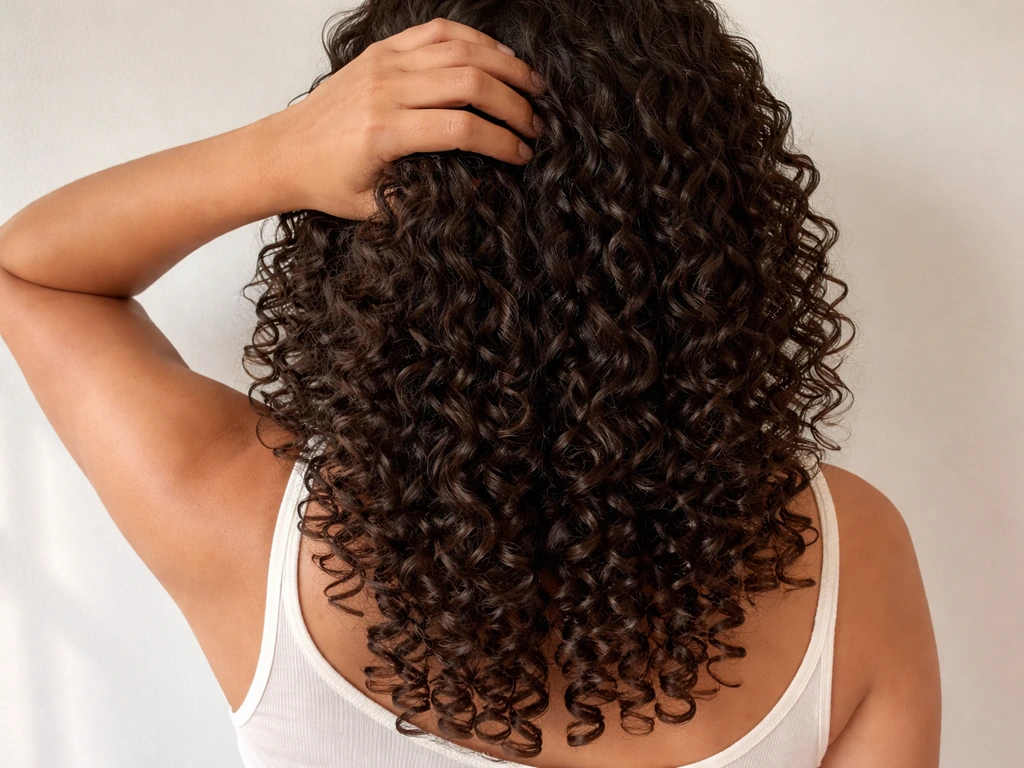
How to Grow 3B Hair: Length Retention Steps for 3B/3C
Step-by-step 3B/3C hair growth plan to retain length, reduce breakage, optimize scalp care, wash routine, and nutrition.
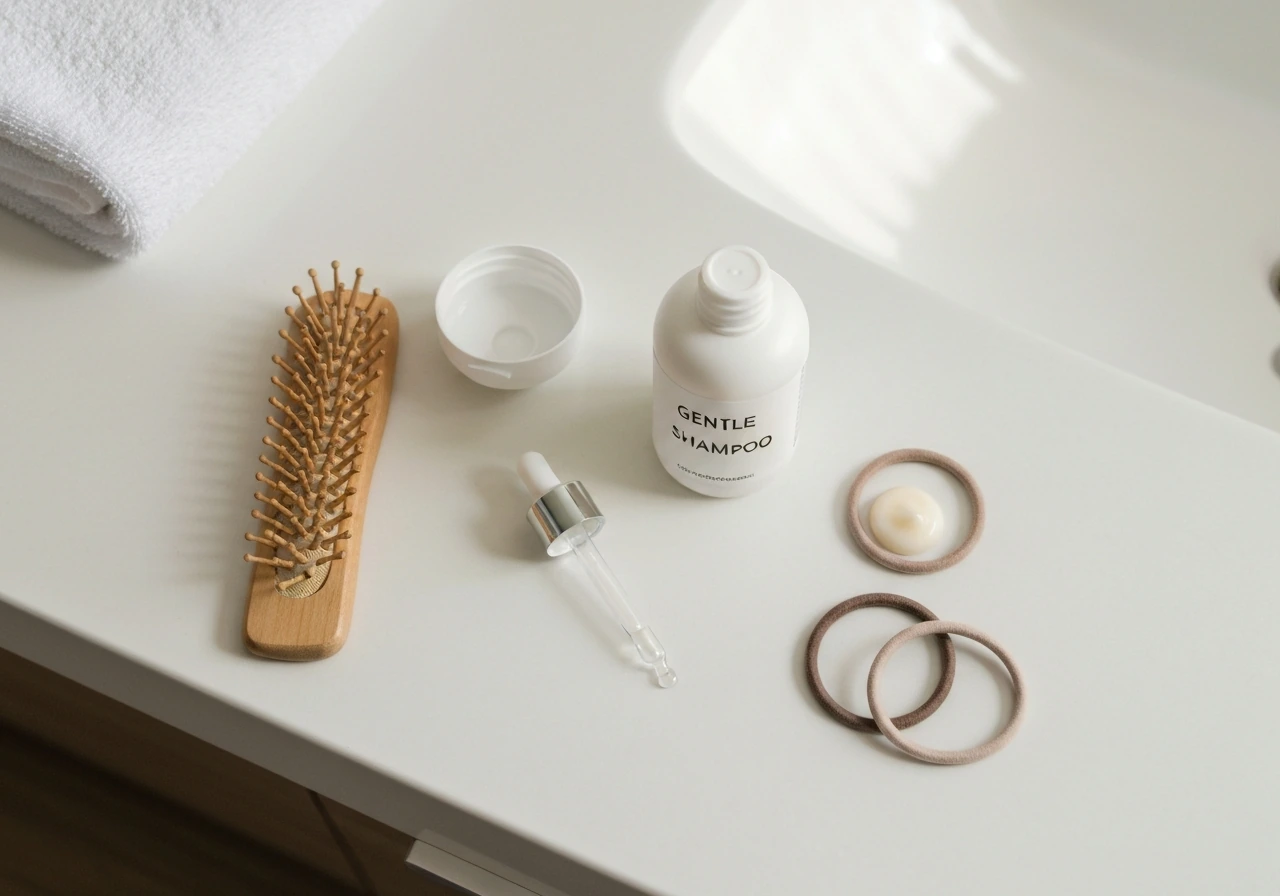
Steps to Grow Hair: A Daily Plan for Longer Hair
Actionable daily and weekly steps to grow long hair, reduce breakage, boost scalp health, and when to seek medical help.
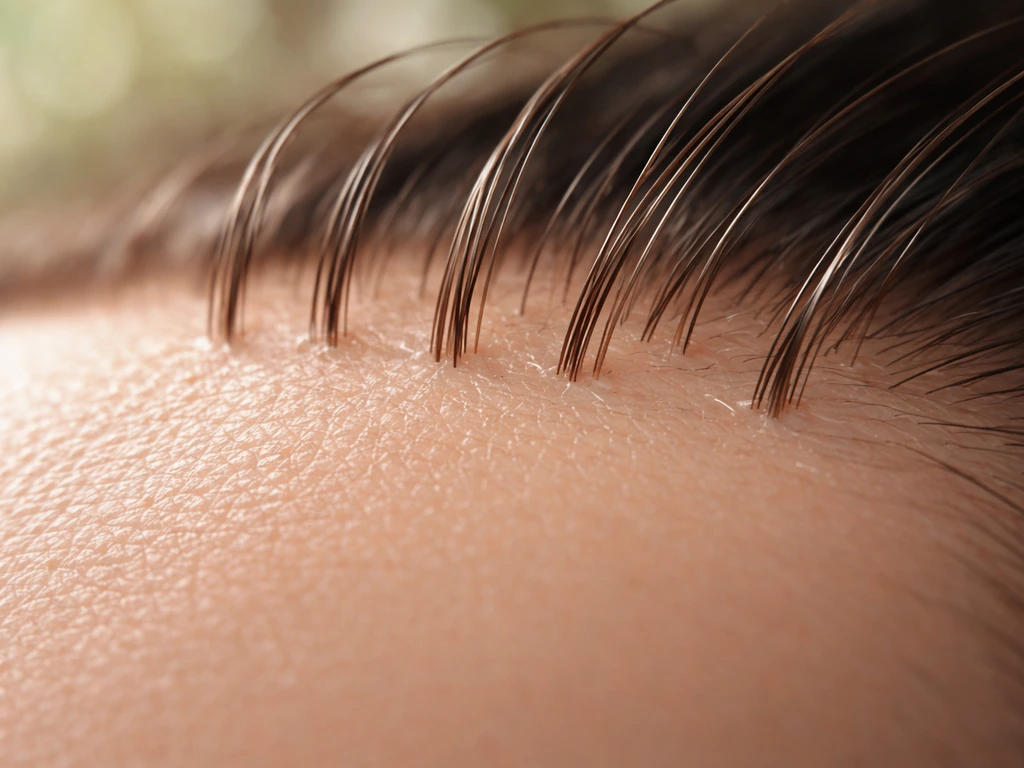
How Do We Grow Hair: A Practical Guide to Thicker Growth
Learn how hair grows and how to grow it back with scalp care, nutrition, safe topicals, timelines, and when to see a doc