
Growing big hair comes down to three things: keeping more strands alive and healthy (density), reducing the breakage that steals your length, and supporting the biology that drives growth from the scalp up. Most people searching for this are dealing with hair that feels thin, grows slowly, or just never seems to get bigger or longer no matter what they try. The good news is that nearly all of those problems have identifiable causes and practical fixes. If you are wondering <a data-article-id="7485F567-B959-49DA-BF72-F8983FA7AE16"><a data-article-id="7485F567-B959-49DA-BF72-F8983FA7AE16"><a data-article-id="7485F567-B959-49DA-BF72-F8983FA7AE16">what to grow your hair</a></a></a> in the real world, focus first on the root causes and the hair-loss versus breakage distinction. The less exciting news is that hair biology is slow, and real change takes months, not weeks. Let's get into what's actually happening and what you can do about it.
How to Grow Big Hair: Density, Thickness, and Length Plan

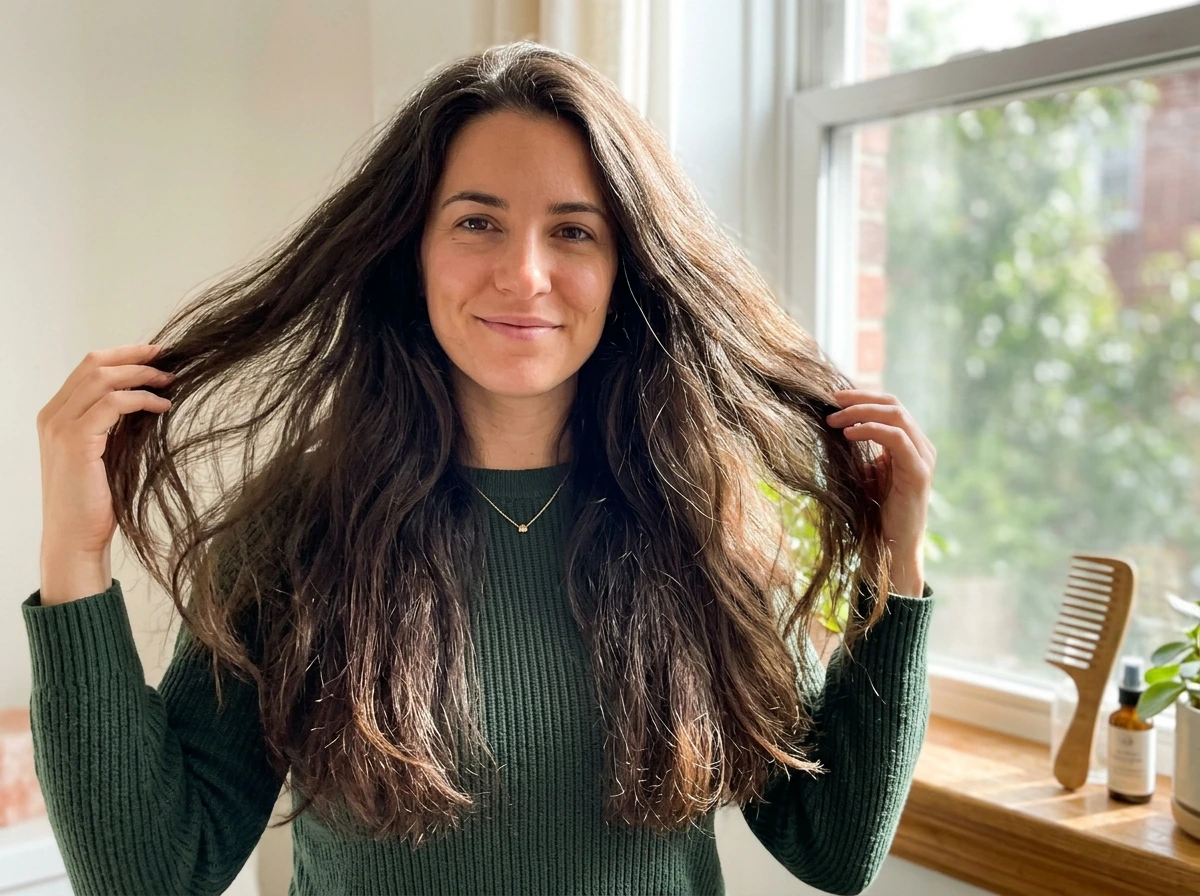
What 'Big Hair' Actually Means (and Why It Matters)
Before you can fix the problem, it helps to name it clearly. 'Big hair' usually means one of three things: more strands on your scalp (density), thicker individual strands (diameter), or longer hair that holds volume. These are related, but they're not the same thing, and the approach to improving each one is slightly different.
Density is about how many follicles are actively producing hair. Strand diameter is largely genetic, though nutrition and scalp health can influence how close to your genetic maximum each strand gets. Length comes down to how long each follicle stays in its active growth phase before the strand sheds. That active phase is called the anagen phase, and it lasts anywhere from two to six years depending on your genetics, health, and age. After that, the follicle rests for about two to four months (the telogen phase) before the strand sheds and the cycle starts again. Losing around 50 to 100 hairs per day is often cited as normal, though it's worth knowing that the specific 100-hairs-per-day figure is a rough theoretical estimate rather than a precise personal benchmark.
If your anagen phase is shorter than average, your hair will never grow as long before it falls out. If a lot of follicles are in telogen at once (a condition called telogen effluvium), you'll notice more shedding and less density. Understanding which of these is happening for you is the starting point for everything else.
Figure Out What's Actually Holding Your Hair Back
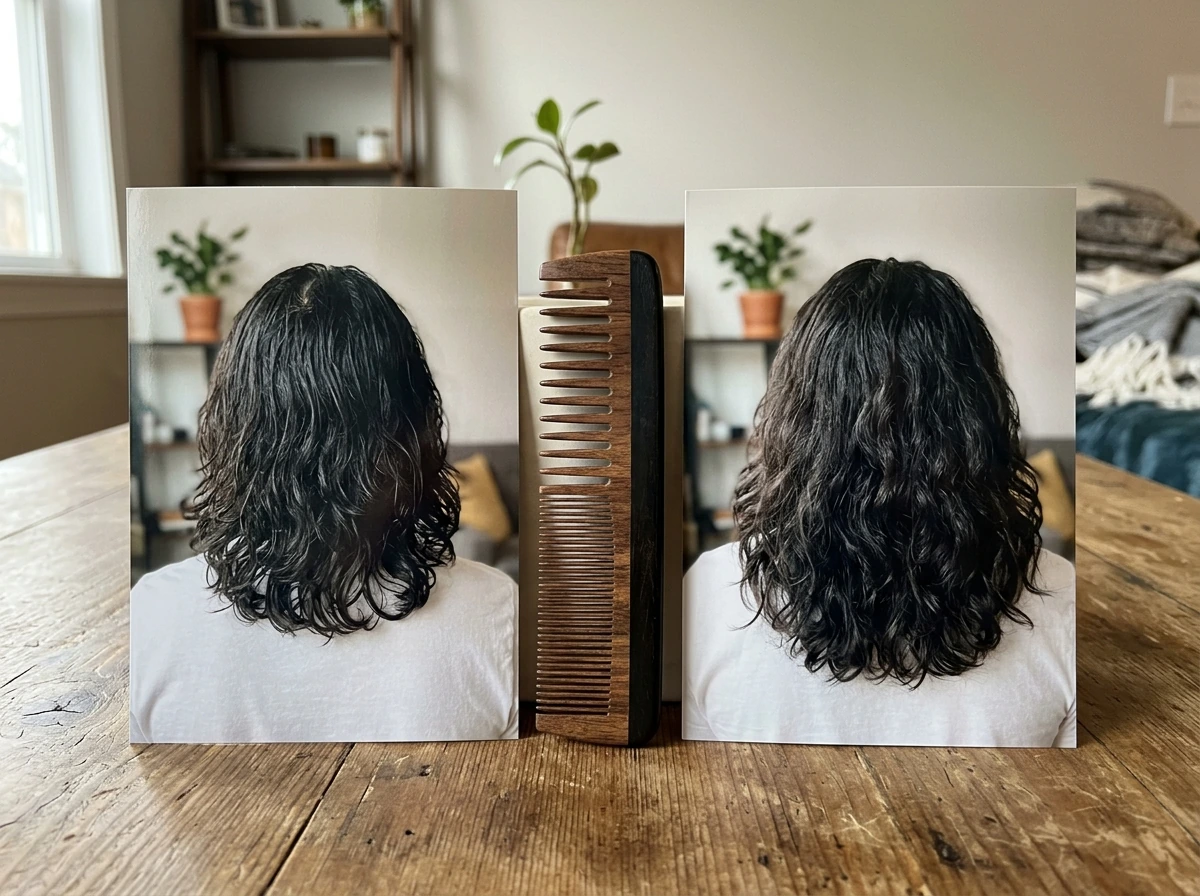
This step gets skipped constantly, and it's why so many people spin their wheels buying products that don't help. The cause of slow, thin, or non-growing hair matters enormously because the solution is different for each one.
Breakage vs. Real Hair Loss
First, check whether your hair is breaking off or falling out from the root. If you look at a shed hair and there's a small white bulb at the end, it came out at the root (normal shedding). If the strand looks snapped with no bulb, that's breakage. Breakage looks identical to slow growth because the strands never accumulate length. A lot of people think their hair doesn't grow when it's actually growing fine but breaking off just as fast. If breakage is your issue, the fix is about moisture, protein balance, and gentle handling, not stimulating the scalp.
Common Causes of Thinning or Slow Growth
- Nutritional deficiencies: iron, ferritin, zinc, vitamin D, and protein are the most common culprits, and any one of them can trigger significant shedding
- Hormonal shifts: postpartum hair loss, thyroid dysfunction, and androgenetic alopecia (pattern thinning driven by DHT sensitivity) are all hormonally influenced
- Scalp inflammation or dandruff: a flaky, itchy, or oily scalp creates a poor environment for follicle health
- Chronic stress: physical or emotional stress can push large numbers of follicles into telogen simultaneously
- Heat and chemical damage: repeated bleaching, relaxers, or daily high-heat styling degrades the hair shaft and weakens it
- Traction: tight hairstyles that pull consistently at the hairline can cause traction alopecia over time
- Underlying health conditions: autoimmune conditions like alopecia areata, scalp infections, or chronic illness can all affect growth
If you're noticing sudden heavy shedding, patchy bald spots, significant hairline recession, or shedding that persists beyond three to four months, those are signals to see a dermatologist rather than try to troubleshoot it yourself. A simple blood panel can rule out deficiencies and thyroid issues, which are very common and very fixable once identified. A simple blood panel can rule out deficiencies and thyroid issues, and it pairs well with a dedicated routine if you're trying to answer how to grow hair f.
Build a Scalp Care Routine That Actually Supports Growth
Your scalp is where hair is made. Neglecting it while obsessing over your strands is like watering the leaves instead of the roots. A good scalp routine doesn't need to be complicated, but it does need to be consistent.
How Often to Wash (and What to Use)
Wash frequency depends on your scalp type. An oily scalp benefits from washing every one to two days to prevent sebum buildup that can clog follicles and feed dandruff-causing fungi. A drier scalp or very textured hair can typically go two to three days or longer between washes without the same buildup risk. Under-washing is actually a more common problem than people think because the 'no-poo' trend has led a lot of people to skip washes while their scalp silently accumulates product residue and dead skin. Use a gentle, sulfate-free shampoo unless you're dealing with significant buildup or dandruff, in which case a targeted shampoo with zinc pyrithione, ketoconazole, or salicylic acid can help address the underlying scalp issue.
Scalp Massage: Simple, Free, and Worth Doing
Scalp massage is one of the more genuinely useful things you can do, and it costs nothing. Applying firm but gentle pressure with your fingertips (not nails) in circular motions for four to five minutes daily increases blood flow to the scalp, which supports the delivery of nutrients to the follicles. Some small studies have shown that consistent daily scalp massage over months can modestly increase hair thickness. Do it during your wash, during a conditioning treatment, or with a dry scalp right before bed. The key word is 'consistent.' Doing it once a week won't move the needle.
Scalp Exfoliation and Hydration
If you have flakiness, significant product buildup, or a dry, tight-feeling scalp, a gentle exfoliating scalp scrub or a clarifying rinse once or twice a month can help clear the environment. Be careful not to overdo it, since aggressive scrubbing can irritate the scalp. For a dry scalp, lightweight scalp serums or oils (jojoba and squalane work well) applied sparingly to the scalp, not just the strands, can help maintain a healthy moisture balance without clogging follicles.
Nutrition and Supplements for Thicker, Fuller Hair
Hair is made primarily of keratin, a protein, and it's metabolically low-priority. When your body is under-resourced, it redirects nutrients away from hair first. That's why nutritional deficiencies show up in your hair before almost anywhere else.
The Nutrients That Matter Most
| Nutrient | Why It Matters for Hair | Food Sources | When to Supplement |
|---|---|---|---|
| Protein | Hair is ~95% keratin; inadequate protein = weak, slow-growing strands | Eggs, chicken, fish, legumes, Greek yogurt | Rarely needed if eating a balanced diet; consider if following a very restrictive diet |
| Iron / Ferritin | Low ferritin (stored iron) is one of the most common triggers of diffuse shedding, especially in women | Red meat, lentils, spinach, tofu | Get tested first; supplementing without a deficiency can cause harm |
| Zinc | Supports follicle repair and protein synthesis; deficiency linked to hair loss | Pumpkin seeds, beef, chickpeas, nuts | Supplement cautiously; excess zinc can actually worsen hair loss |
| Vitamin D | Receptors on hair follicles need vitamin D; deficiency is very common | Fatty fish, egg yolks, fortified foods, sunlight | Supplementing is reasonable if deficient, confirmed by blood test |
| Omega-3 Fatty Acids | Supports scalp hydration and reduces inflammation | Salmon, sardines, flaxseed, walnuts | Fish oil supplements are generally safe and useful if diet is low in fatty fish |
| Biotin | Involved in keratin infrastructure; deficiency is rare but does cause hair loss | Eggs, almonds, sweet potato | Only useful if deficient; most people do not need extra biotin |
| B Vitamins (B12, Folate) | Needed for red blood cell production and follicle cell turnover | Meat, dairy, eggs, leafy greens | Important for vegans and vegetarians who may be low in B12 |
The most important thing I can tell you about hair supplements is to get bloodwork before you start stacking pills. Supplementing iron without a confirmed deficiency, for example, can cause oxidative stress and other issues. Biotin supplements are heavily marketed for hair, but unless you're actually deficient (which is uncommon), high-dose biotin is unlikely to do much for you and can interfere with thyroid lab results. Test first, then supplement specifically and purposefully.
If you want a general starting point without testing, a high-quality multivitamin plus an omega-3 supplement is a reasonable baseline. From there, get your ferritin, vitamin D, thyroid, and zinc checked. Those four alone explain a disproportionately large share of the hair loss and slow growth cases I see come up.
Topical Treatments and Natural Remedies (With Honest Expectations)
There's a huge gap between what's proven and what's popular in topical hair treatments. Here's a straightforward breakdown of what has real evidence behind it, what's reasonably promising, and what's mostly hype.
What Has Strong Evidence
Minoxidil (available over the counter in 2% and 5% formulations) is the most evidence-backed topical treatment for hair growth and density. It works by extending the anagen phase and increasing blood flow to follicles. It's effective for androgenetic alopecia and diffuse thinning in both men and women. The catch is that it requires consistent daily use and takes at least three to four months to show visible results. It also only works while you're using it, so stopping means reverting. If you're dealing with pattern thinning or significant density loss, this is worth discussing with a dermatologist.
Promising but More Limited Evidence
Rosemary oil has generated genuine interest after a small study found it comparable to 2% minoxidil for androgenetic alopecia after six months of use. It's thought to work through improved scalp circulation and some anti-inflammatory properties. It's not a replacement for minoxidil in significant hair loss cases, but it's a reasonable addition if you want a natural option. Apply diluted rosemary oil (a few drops in a carrier like jojoba oil) directly to the scalp two to three times per week, massage in, and leave it on for at least 30 minutes before washing. Caffeine-containing scalp serums and topical scalp treatments designed to block DHT (the hormone that shrinks follicles in pattern hair loss) also show some preliminary promise, particularly ingredients like saw palmetto when applied topically.
Popular but Weak on Evidence
Castor oil is widely recommended for hair growth, but the evidence for it actually stimulating growth is thin. It's very thick and can cause buildup and even breakage if it coats the hair shaft without being fully washed out. Onion juice, rice water, and egg masks are similarly popular but lack strong clinical backing for growth stimulation. They may help with strand conditioning or scalp environment in some cases, but don't expect density changes from them. The realistic framing for most natural remedies is: they can support a healthy scalp environment, they're generally low-risk, but they're not going to rescue a follicle that's been compromised by hormones or a nutrient deficiency.
Lifestyle Factors That Quietly Hurt (or Help) Your Hair
Hair is a long-term reflection of your overall health. Things you do (or don't do) in daily life have a compounding effect on what you see in the mirror six months from now.
Stress and Sleep
Chronic stress is one of the most underrated triggers of hair shedding. When the body is in a prolonged stress state, it can push follicles into the resting phase prematurely, causing noticeable shedding two to three months after the stressful period. This lag is why people often can't connect the dots between what happened in their life and what's happening on their scalp now. Sleep is tied to this directly because that's when growth hormone is released and cell repair happens. Less than seven hours of quality sleep consistently is a real physiological drag on hair growth, not just a wellness talking point.
Heat Styling and Chemical Treatments
Daily heat over 180°C (350°F) degrades the protein structure of your hair shaft over time, leading to breakage and a loss of volume and length retention. If you're heat-styling frequently and wondering why your hair won't grow, breakage is likely the answer. Dropping heat tool use to two to three times a week, using a heat protectant every single time, and keeping tools under 180°C will make a visible difference in breakage rates within a few months. Chemical processes like bleaching, relaxers, and perms cause permanent structural changes to the strand. Layering these on repeatedly without adequate protein treatments and time between sessions is one of the fastest routes to severe breakage.
Smoking and Overall Circulation
Smoking constricts blood vessels, including the capillaries that feed hair follicles. There's reasonably consistent evidence associating smoking with premature hair loss and reduced hair density. It's not the most exciting lifestyle change to discuss, but it's a real factor. Regular cardiovascular exercise, on the other hand, supports circulation and stress management, both of which are good for follicle health.
Tight Hairstyles and Mechanical Damage
Styles that pull consistently at the hairline or temples (tight ponytails, extensions, braids with too much tension) can cause traction alopecia over time. This starts as temporary and reversible but can become permanent if the follicle is repeatedly traumatized over years. If your hairline has been receding gradually and you wear tight styles regularly, that's worth paying attention to sooner rather than later.
Your 3–6 Month Growth Plan and How to Track It
Here's how to put all of this into a practical plan with realistic expectations at each stage. If you want a simpler approach, follow this guide on <a data-article-id="D18E2DC0-790D-4D46-945D-25D334E900D2">how to grow hair easily</a> while you track your progress over the next few months. Hair grows roughly half an inch (about 1.25 cm) per month on average, though this varies by genetics, age, and health status. That means you're working with about 1.5 inches of potential new growth every three months, assuming your anagen phase is healthy. The goal of this plan is to maximize that potential while stopping the breakage and follicle issues that eat into it. If you want the fastest path to results, check out the best things to grow hair and build your plan around them.
Weeks 1–4: Set the Foundation
- Get bloodwork done: ferritin, vitamin D, zinc, thyroid panel (TSH at minimum). This gives you a baseline and tells you where to supplement specifically.
- Audit your current routine: identify how often you're using heat, what products are sitting on your scalp, and whether your washing frequency matches your scalp type.
- Start daily scalp massage: five minutes per day, every day. Add rosemary oil two to three times per week if you want a topical option to start with.
- Clean up your diet: prioritize protein at every meal, add fatty fish or start omega-3 supplements, and increase iron-rich foods if your diet has been low in them.
- Take baseline photos: photograph your hairline, crown, and overall density in consistent lighting. These are your reference point.
Months 2–3: Build Consistency and Address Causes
- Address any deficiencies identified in your bloodwork with targeted supplementation under guidance.
- Reduce heat styling frequency and always use heat protectant. Commit to at least two to three heat-free days per week.
- If you have an oily or flaky scalp, switch to an appropriate targeted shampoo and be consistent with the washing frequency that suits your type.
- Start keeping a loose shedding log: after washing, note roughly how much hair is in the drain. You're not counting individual hairs, just getting a feel for your normal so you can notice meaningful changes.
- If stress has been significant, add a non-negotiable stress management practice, whether that's regular exercise, better sleep hygiene, or something else that genuinely works for your life.
Months 4–6: Evaluate and Adjust
- Compare photos from month one. Look for reduced shedding, improved scalp condition, and new growth at the hairline or temples.
- Check in on whether length is retaining better (less breakage) even if total length hasn't dramatically increased yet.
- If you see no improvement after four to six months of consistent effort, or if shedding has increased or become patchy, this is the point to see a dermatologist. You may have an underlying cause that needs medical treatment rather than lifestyle adjustments.
- If things are improving, stay the course. Hair biology is slow and the gains compound over time.
What to Realistically Expect at Each Stage
| Timeframe | What You Might Notice | What's Actually Happening |
|---|---|---|
| Weeks 1–4 | Better scalp feel, possibly less itching or flaking, no visible growth change yet | Scalp environment improving, nutrient delivery beginning to support follicles |
| Month 2–3 | Reduced shedding in some cases, slight improvement in strand texture and strength | Follicles cycling more normally, protein/nutrient intake beginning to show in strand quality |
| Month 4–5 | Visible new growth at hairline or parting, improved volume, less breakage | Strands that started growing from improved follicles are now long enough to see |
| Month 6+ | Meaningful density improvement if deficiency or lifestyle was the cause; slower progress if genetic | Cumulative effect of reduced breakage, better nutrition, and scalp health working together |
One thing I want to be honest about: if your thinning has a strong genetic component (androgenetic alopecia), the lifestyle and nutrition approach will support the best possible outcome for your follicles, but it won't reverse the genetic programming. For that, you're looking at minoxidil, finasteride (prescription, for men primarily), or procedures like PRP or hair transplant, all of which are worth discussing with a dermatologist who specializes in hair loss. You can read more about the fundamentals of <a data-article-id="D18E2DC0-790D-4D46-945D-25D334E900D2">how to grow hair f</a> or everyone across different root causes elsewhere on this site. how to grow hair early
The most important thing is to start, stay consistent, and be patient with your biology. Six months feels long when you want results now, but it's genuinely the minimum timeline for meaningful hair changes. The people who see results are almost always the ones who treat it like a slow build rather than a quick fix.
FAQ
How long does it take to see real progress when I’m trying to grow big hair (density, thickness, and length)?
Plan on at least 3 to 4 months for any visible change in shedding and early density, and about 6 months for meaningful results. If your issue is breakage, you may notice length retention sooner, but density and true fullness still lag because follicles cycle slowly.
I’m losing hair, but I’m not sure if it’s shedding or breakage. What’s the most practical home check?
Collect a few shed hairs daily for a week in a tissue or container. If you consistently see a small white bulb, it is root shedding, often tied to telogen activity. If most strands look shortened or snapped without a bulb, it is breakage, often tied to heat, chemical processing, or rough detangling.
My hair feels thin but I don’t notice heavy shedding. Could it still be a growth-phase problem?
Yes. You can have normal day-to-day shedding but a shorter anagen phase, meaning each strand does not stay in its growth window long enough to get much length. In that case, focusing only on “stopping shedding” may miss the real limiter, and you still need time plus scalp-supporting habits to see change.
Is minoxidil worth using if my main goal is volume and not just stopping hair loss?
It can help with “big hair” goals when thinning is part of the picture, especially diffuse thinning or early androgenetic alopecia. If your issue is mostly breakage, minoxidil won’t fix the mechanical problem, so you should prioritize moisture, protein balance, and gentle handling first.
How should I start minoxidil to reduce irritation or unwanted results?
Apply only to the scalp (not the hair shaft), use the exact dose for your product, and give it time before judging results since early shedding can occur. If you get significant scalp redness, scaling, or itching, pause and talk to a dermatologist because you may need a different formulation or support for dermatitis.
What should I do if my hair looks fuller after a week of changes but then gets worse later?
That pattern often points to a temporary effect like reduced breakage from gentler handling, but density improvements do not arrive that fast. If worsening happens after 6 to 10 weeks, it may be a shedding shift from stress, illness, medication changes, or an irritant in your routine, and reassessing the scalp triggers matters.
Can washing more often actually make hair thin or fall out?
For most people, more washing does not cause thinning, but vigorous scrubbing, detangling when hair is dry, and harsh shampoos can increase breakage. If you wash frequently, focus on gentle technique, conditioning, and making sure you rinse thoroughly to avoid residue that can worsen flakiness.
How do I exfoliate my scalp without damaging it or increasing shedding?
Use light exfoliation 1 to 2 times per month if you have flakiness or buildup, and stop if your scalp becomes tight, burning, or more flaky. Avoid daily scrubs, and pair with a hydrating routine if your scalp gets dry, because irritation can push more follicles toward shedding.
Do supplements like iron or biotin help if I’m “not sure” I’m deficient?
They can help only when deficiency is the driver. Iron should be based on bloodwork because supplementing without confirmed low ferritin can create unnecessary risks, and high-dose biotin can interfere with thyroid labs. If you’re unsure, test first, then supplement specifically.
If I want big hair, should I prioritize nutrition or topical products first?
Start with the limiter you can identify. If you have clear breakage, correct heat, chemical damage, and handling immediately. If shedding is prominent or density is falling, combine scalp routine consistency with an evidence-based option like minoxidil (and consider dermatologist evaluation). Nutrition supports both, but it is rarely an overnight fix.
What’s the biggest mistake people make when trying to grow big hair naturally?
Expecting natural remedies to override follicle biology. Masks, oils, and trendy ingredients may improve feel, softness, or scalp comfort, but they usually do not change follicle cycles dramatically. If hair is truly thinning, you need a plan that addresses shedding, anagen support, or follicle-shrinking drivers.
Does rosemary oil work as a standalone, or is it better as an add-on?
For androgenetic alopecia, rosemary oil may modestly support growth for some people, but it is generally best viewed as an add-on rather than a substitute for proven treatments when hair loss is significant. Use diluted product, apply to the scalp, and keep expectations modest until you have several months of consistency.
How can I tell if stress is driving my hair shedding?
A common clue is a lag of 2 to 3 months after a stressful period, illness, surgery, or major life change. If shedding began recently and also you have sleep disruption or high stress, it fits telogen effluvium patterns. Still, if shedding persists beyond about 3 to 4 months, get evaluated rather than assuming it will resolve on its own.
Are tight hairstyles always the cause of thinning at the hairline?
They can be, especially if you wear tension styles repeatedly for years. Early traction effects can be reversible, but continued pull can lead to permanent follicle damage. If you notice recession or patchy thinning in traction zones, reduce tension immediately and consider a dermatologist for assessment.
What temperature and routine changes matter most if heat is my main issue?
Keep styling tools under 180°C (350°F) when possible, use a heat protectant every time you apply heat, and reduce overall frequency to 2 to 3 times per week. Also prioritize detangling with care after styling and conditioning, since heat damage often shows up as volume loss from breakage rather than true growth failure.
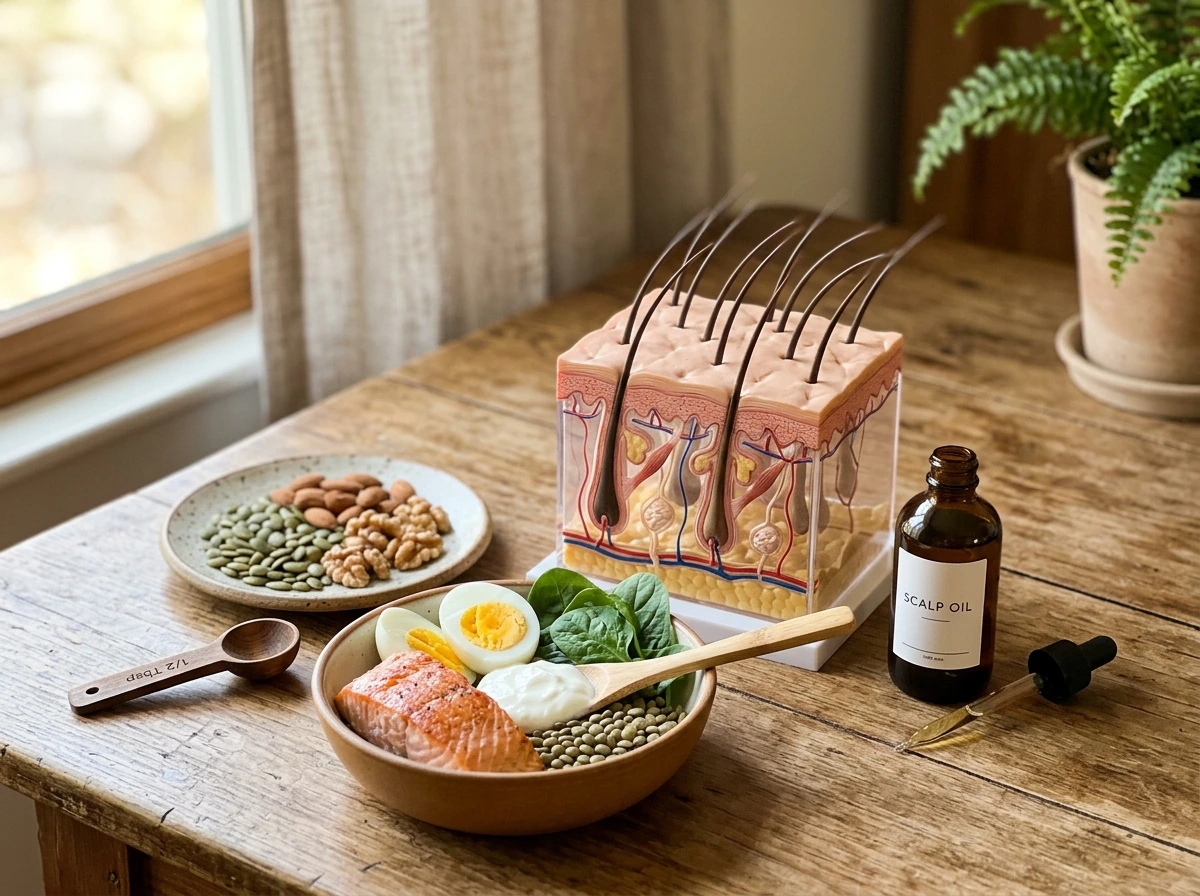
Foods and scalp care plan for growing hair and regrowth, with key nutrients, what to avoid, and a realistic timeline.
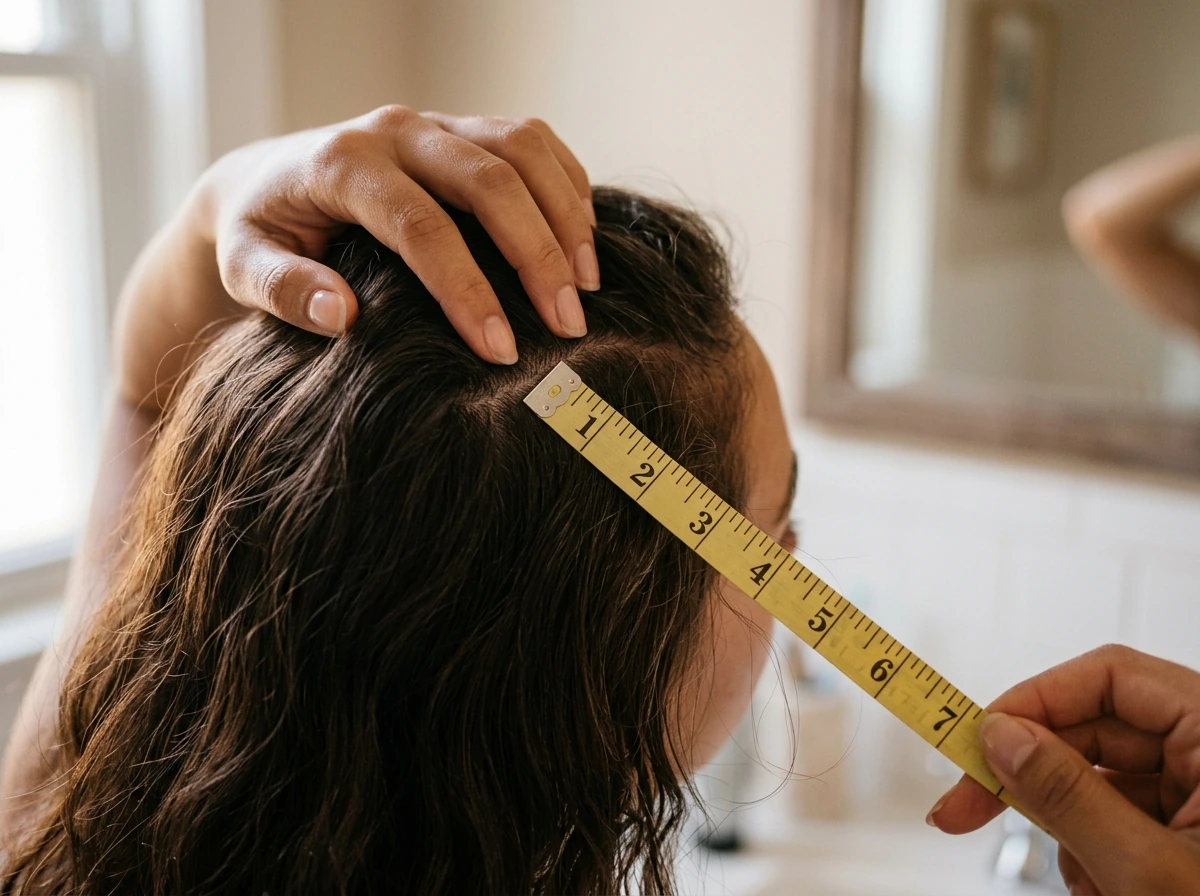
Step-by-step routine to grow hair longer and thicker, improve regrowth, reduce breakage, and know labs, timelines, and c
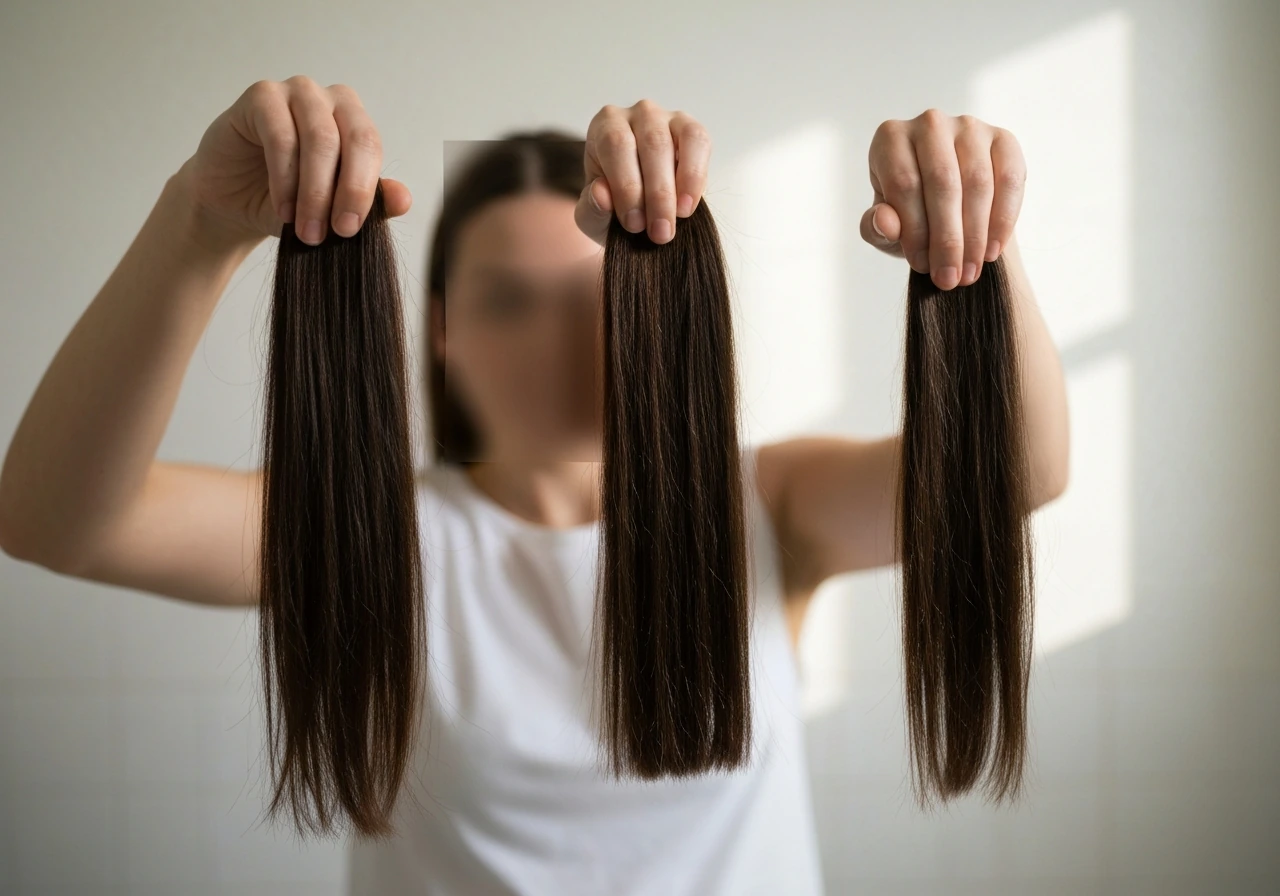
Step-by-step grow hair long tips: boost scalp health, cut breakage, improve diet, and track progress for length.