
Natural hair grows roughly half an inch per month on average, but most people never see that growth because it keeps breaking off at the ends before it can accumulate. The real job of a natural hair growth routine is not to speed up your follicles, it is to keep the hair you already grow long enough to show up in the mirror. That means a healthy scalp, minimal damage, enough protein and micronutrients in your diet, and consistent protective habits. If you want grow hair long tips that actually work, focus on protecting your ends while you keep your scalp and routine consistent consistent protective habits. These tips to grow healthy hair work best when you focus on both scalp health and low-damage habits so your growth stays on the strand. Get those four things working together and you will see real progress, usually within three to six months of staying consistent.
Natural Hair Grow Tips: Beginner Guide to Thicker, Longer Hair

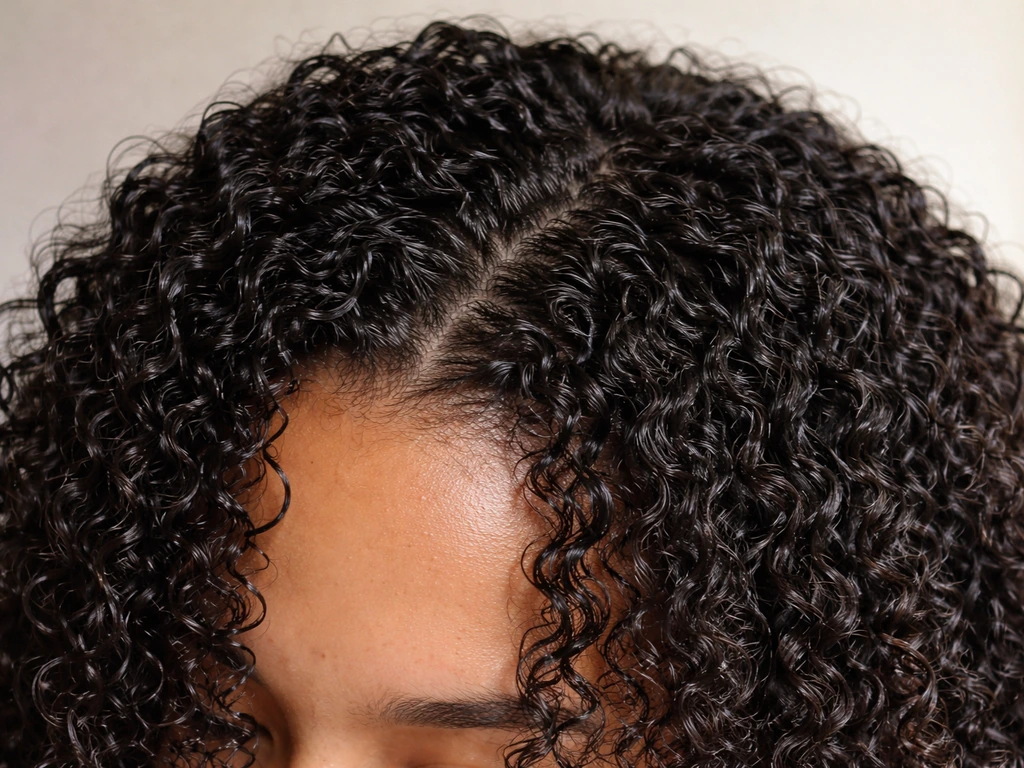
Set realistic expectations for natural hair growth
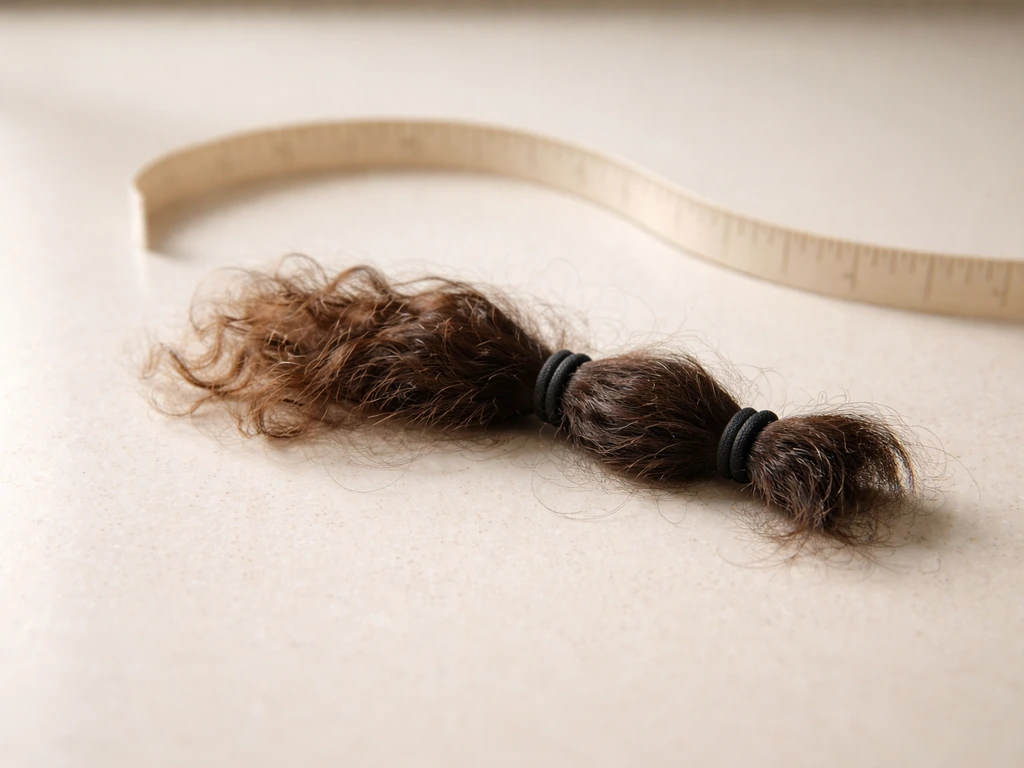
Half an inch per month is a reasonable average, but genetics, age, hormones, and health all affect your personal rate. Some people grow closer to a quarter inch per month; others push toward three quarters of an inch. You cannot change your genetic ceiling, but you can absolutely stop leaving growth on the table through avoidable damage.
One thing that trips people up is not recognizing when a medical event has temporarily disrupted the cycle. Telogen effluvium, shedding triggered by stress, illness, surgery, crash dieting, or hormonal shifts, typically starts two to four months after the triggering event and can last several months before it resolves. Cosmetically noticeable regrowth after a significant shed can take 12 to 18 months even after the shedding itself stops. Knowing this keeps you from panicking and abandoning a good routine too early, or from assuming a new routine is not working when you are actually still in a recovery window.
The honest timeline for most natural hair growth goals: three months to notice less breakage and improved texture, six months to measure real length retention, and a full year to see the compounded difference a consistent routine makes. Patience is not optional here. It is part of the method.
Build a scalp-care routine that supports growth
Hair grows from follicles that sit in your scalp, so scalp health is the foundation of everything else. A congested, inflamed, or overly dry scalp creates an environment where follicles underperform. The goal is a clean, well-circulated, balanced scalp, not stripped, not suffocated under heavy product buildup.
Cleanse consistently and correctly
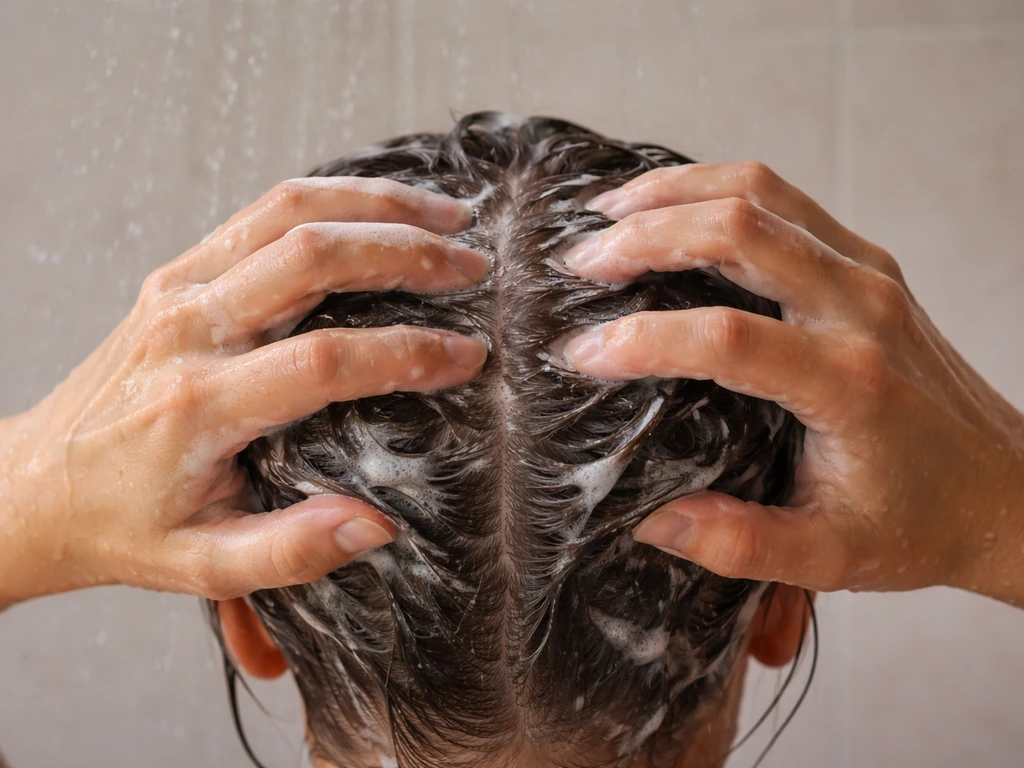
Wash your scalp at least every one to two weeks, more often if you sweat heavily or use a lot of oils and butters. Use a sulfate-free or low-sulfate shampoo and focus the product on your scalp, not the lengths. Skipping washes to 'preserve moisture' often backfires, buildup and inflammation are bigger enemies of growth than a gentle cleanser.
Scalp massage: simple, free, and actually supported by research
Daily scalp massage increases blood flow to the follicles and has been shown in small studies to improve hair thickness. You do not need a tool, just your fingertips, moving in small circular motions for four to five minutes. Do it during your wash, while applying a treatment oil, or just before bed. It is one of the highest-effort-to-reward habits in a natural hair routine.
Deal with scalp inflammation before it stalls growth
Itching, flaking, tenderness, or persistent dryness are signs your scalp needs attention, not more leave-in conditioner. Tea tree oil diluted in a carrier oil (about 2 to 3 drops per tablespoon) can help with fungal-related dandruff. Zinc pyrithione shampoos are also effective for seborrheic dermatitis. If symptoms persist after two to four weeks of targeted care, that is your cue to see a dermatologist rather than keep experimenting.
Reduce shedding and breakage with low-damage handling
Shedding and breakage are different problems with different solutions. Shedding is hair falling from the root, normal daily shedding is 50 to 100 strands. Breakage is the strand snapping mid-shaft, usually from mechanical stress, dryness, or protein-moisture imbalance. Most length-retention problems come from breakage, not from the scalp.
Detangle gently and strategically
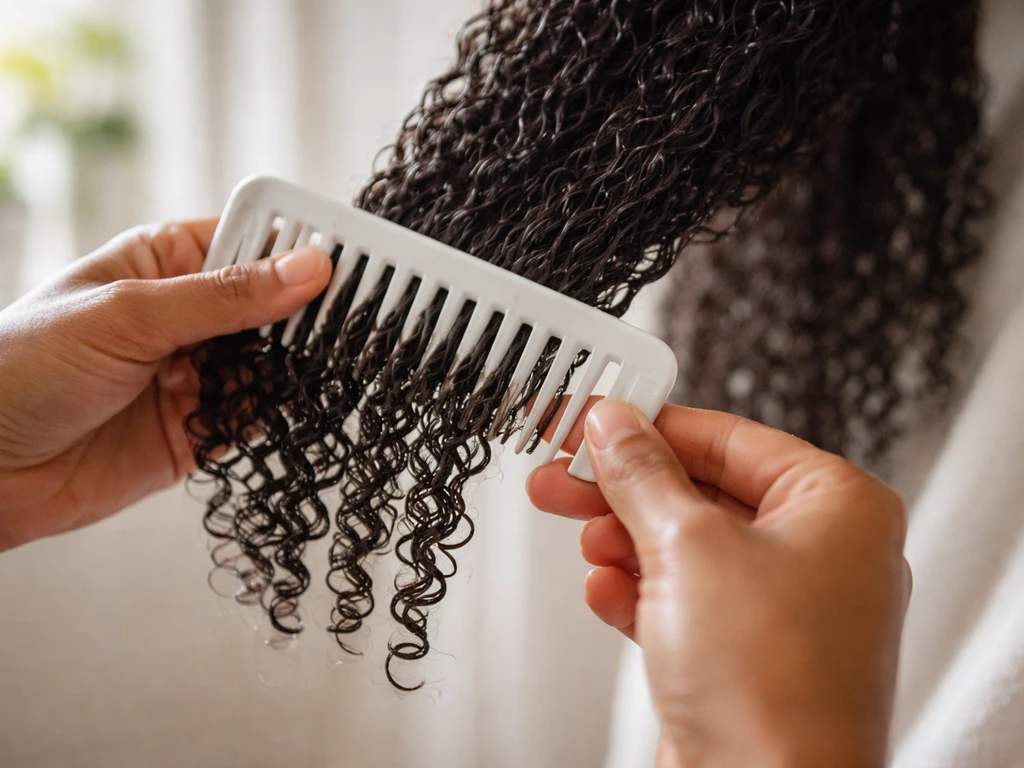
Always detangle starting from the ends and working upward toward the roots. Use a wide-tooth comb or your fingers on damp, conditioned hair, never on dry natural hair. Rushing this step is responsible for more breakage than most people realize. Divide your hair into sections to make it manageable rather than fighting one tangled mass.
Keep moisture and protein in balance
Natural hair, especially tightly coiled textures, is structurally prone to dryness because the curl pattern makes it harder for scalp oils to travel down the strand. The LOC method (Liquid, Oil, Cream) or LCO method works well for sealing in moisture: apply a water-based leave-in, then an oil to seal, then a cream or butter to lock it in. If your hair feels mushy, stretches too much before breaking, or looks limp, you likely need a protein treatment. If it feels stiff, brittle, or snaps easily, you need more moisture. You are always balancing the two.
Heat: use it sparingly and with protection
Flat irons and blow dryers above 350 degrees Fahrenheit cause cumulative structural damage to the hair shaft. If you use heat, apply a heat protectant every single time, use the lowest effective temperature setting, and limit heat styling to once every two to four weeks at most. Going heat-free as much as possible is one of the single biggest things you can do for length retention.
Nutrition and supplements for hair (what helps vs hype)
Your hair is made of keratin, a protein, and grows from follicles that are among the most metabolically active structures in your body. That means your diet has a direct, measurable impact on hair growth. Deficiencies in specific nutrients are a surprisingly common and correctable cause of hair thinning and stalled growth.
Nutrients that genuinely matter
- Protein: Hair is roughly 95% keratin. Eating adequate protein (generally 0.7 to 1 gram per kilogram of body weight daily) is non-negotiable. Crash diets that slash protein are a classic trigger for telogen effluvium shedding three to five months later.
- Iron: Iron deficiency, even without full anemia, is one of the most well-documented contributors to hair loss in women. Good sources include lean red meat, lentils, spinach, and fortified cereals. Pair plant-based iron with vitamin C to boost absorption.
- Zinc: Zinc deficiency causes hair shedding. You do not need megadoses—just enough from food (oysters, pumpkin seeds, chickpeas) or a standard multivitamin.
- Biotin: Your body needs it for keratin production, but true biotin deficiency is rare. Biotin supplements are widely hyped but will do almost nothing for you if you are not deficient. Save your money unless a blood test says otherwise.
- Vitamin D: Low vitamin D is associated with hair loss in several studies. Many people are deficient without knowing it, especially in northern climates or with limited sun exposure. A blood test will tell you if supplementation is warranted.
- Omega-3 fatty acids: Found in fatty fish, walnuts, and flaxseed, omega-3s support scalp health and have shown some benefit for hair density in preliminary research.
On supplements: targeted beats blanket
General 'hair growth' supplements are mostly marketing. The only supplements worth taking are ones that address a documented deficiency in your body. Get a basic blood panel that includes ferritin (stored iron), vitamin D, zinc, and thyroid markers before spending money on specialized products. Fixing a deficiency through food or targeted supplementation is far more effective than a high-dose biotin gummy when your levels are already normal.
Lifestyle factors that quietly affect growth
Sleep and stress are not soft factors, they have real hormonal effects on hair cycling. Chronic stress elevates cortisol, which can push follicles into the resting phase prematurely. Aim for seven to nine hours of sleep, and take stress management seriously as a hair-health strategy, not just a wellness cliche. Regular moderate exercise improves circulation, including to the scalp. Staying well hydrated supports the entire cellular environment your follicles live in.
Topical natural remedies and how to use them safely
A handful of natural topical treatments have reasonable evidence behind them, and several others are popular but largely unstudied. Here is an honest breakdown so you can prioritize the ones worth your time.
| Remedy | What the evidence says | How to use it | Cautions |
|---|---|---|---|
| Rosemary oil | Comparable to 2% minoxidil in some small trials for improving hair count; likely works by improving circulation and reducing inflammation | Dilute 2–3 drops in a tablespoon of carrier oil (jojoba, olive); massage into scalp 2–3x per week; leave on 30–60 minutes before washing | Can cause irritation undiluted; do a patch test first |
| Peppermint oil | Animal and small human studies show increased follicle depth and count; mechanism is increased scalp circulation via menthol | 2–3 drops in carrier oil; massage into scalp before washing; rinse well | Very stimulating—do not use undiluted; avoid if scalp is broken or irritated |
| Castor oil | No strong clinical trials, but widely used; thick consistency may help with moisture retention and protecting ends; high ricinoleic acid content may have anti-inflammatory properties | Use sparingly as a scalp or ends treatment; too much causes buildup and weighs down hair | Can cause significant buildup if overused; hard to wash out without proper cleansing |
| Onion juice | A small study showed improved regrowth in alopecia areata patients; mechanism possibly related to sulfur content and antimicrobial action | Apply freshly squeezed juice to scalp, leave 15–30 minutes, wash thoroughly | Strong odor; can irritate sensitive scalps; results not replicated in large studies |
| Aloe vera | Soothes scalp inflammation and supports moisture balance; some evidence for reducing dandruff | Apply fresh gel or pure aloe directly to scalp and hair as a pre-wash treatment or leave-in | Generally very safe; choose pure formulas without added alcohols |
The most important rule with any topical remedy is dilution. Never apply essential oils directly to your scalp without a carrier oil, even well-tolerated oils like rosemary can cause chemical burns undiluted. Start with a patch test on your inner arm and wait 24 hours before applying to your scalp. Consistency matters more than concentration: using a diluted rosemary oil treatment twice a week for three months will outperform a heavy undiluted application done twice and then abandoned.
Protective styling, routines, and habits that prevent setbacks
Protective styling means keeping your ends tucked away and minimizing the daily manipulation that chips away at length. Braids, twists, buns, and similar styles reduce friction, exposure to weather, and the casual breakage that comes from hair rubbing against clothing and your hands all day.
Protective styling done right
A protective style only protects if it is not causing traction. Styles installed too tightly at the hairline or worn too long without rehydrating your hair underneath are common culprits for traction alopecia, progressive loss along the temples and edges from repeated pulling. SkinHealthInfo patient guidance also notes that traction alopecia risk is increased by tight hairstyles and that early signs can include redness, flaking, or other scalp skin changes. The rule of thumb: if your scalp hurts after installation, the style is too tight. Keep braids and extensions in for no more than six to eight weeks, moisturize your hair underneath weekly, and always take them down gently.
Nighttime habits that add up
Sleeping on a satin or silk pillowcase or wearing a satin bonnet is one of the highest-return, lowest-effort habits in natural hair care. Cotton pillowcases create friction that roughens the cuticle and causes mechanical breakage overnight. Satin reduces that friction dramatically. If you do not like wearing a bonnet, a satin pillowcase does the same job and you will notice the difference in tangles and breakage within a week.
A sample weekly routine to build from
- Wash day (once per week or every 10–14 days): Scalp massage with diluted rosemary or peppermint oil, gentle sulfate-free shampoo focused on scalp, deep condition for 20–30 minutes, detangle on wet conditioned hair from ends to roots, apply LOC or LCO method before styling.
- Midweek refresh: Lightly spritz hair with water or a water-based leave-in, re-seal ends with a small amount of oil, refresh style without heat.
- Nightly: Loose braid or twist to reduce overnight tangling, satin bonnet or pillowcase, no tight elastics.
- Monthly: Protein treatment if hair feels weak or stretchy, trim split ends as needed (not on a rigid schedule—trim when the ends actually need it).
- Quarterly: Reassess products and routine based on how your hair is responding, measure and photograph progress.
Track progress and know when to get help
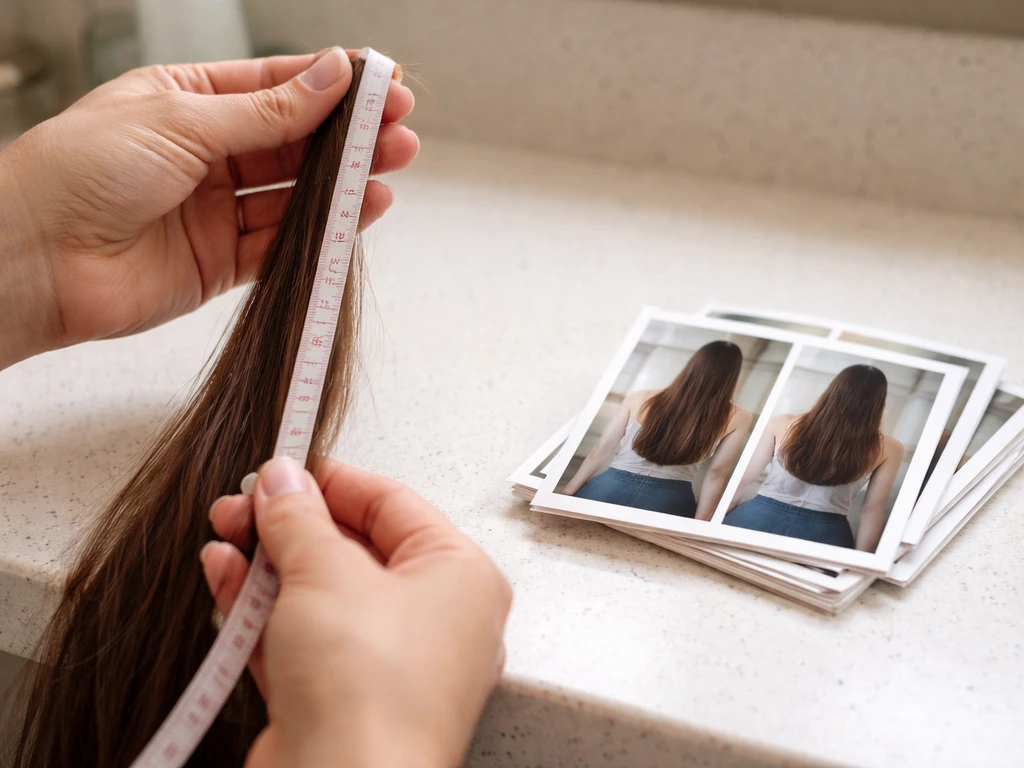
Measuring your hair every four to six weeks gives you data instead of feelings. Take photos in the same lighting from the same angle, a consistent length check photo from the back is usually the clearest. Keep a simple note on your phone of your wash day routine, any new products, and how your hair felt. When something changes (more shedding, more dryness, less growth), you will have a record to look back at.
Normal daily shedding is 50 to 100 hairs. If you are consistently seeing what feels like much more than that, particularly if it comes with scalp symptoms like itching, scaling, tenderness, or visible thinning patches, that is worth a medical conversation. A dermatologist can examine your scalp, run blood work, and determine whether you are dealing with something like androgenetic alopecia, alopecia areata, seborrheic dermatitis, or a nutritional issue that needs direct treatment. Waiting too long to seek help when something is medically driven just extends the timeline to recovery.
If you went through a major stressor (illness, surgery, significant weight loss, hormonal change) in the past three to six months and are now noticing increased shedding, remember that timeline: telogen effluvium typically kicks in two to four months after the trigger. Cleveland Clinic notes that acute telogen effluvium typically starts about 2 to 3 months after the stressor and, after the shedding period, new hair growth is usually noticed following that 3 to 6 month shedding window acute telogen effluvium typically happens about 2–3 months after a stressor. Most cases resolve on their own within six to nine months after the trigger is removed, but cosmetically significant regrowth may take 12 to 18 months. That is not a reason to panic, it is a reason to support your body with good nutrition, gentle handling, and patience, and to see a doctor if the shedding is severe or has not slowed after six months.
Growing natural hair well is genuinely one of those areas where more effort does not always mean more results. Overworking the hair, over-washing, over-manipulating, stacking too many treatments, often does more damage than a simple, consistent routine. The people who grow the most length are usually the ones who found a routine that worked and then got bored with it in the best possible way, doing the same gentle, moisturizing, low-manipulation steps on repeat for months and years. That is the approach worth building toward.
FAQ
How do I know if my natural hair growth routine is working if my hair doesn’t seem to get longer yet?
Watch for length retention signals first, like fewer broken ends, better curl definition, and less tangling at the same maintenance interval (for example, after 4 to 6 weeks). Also compare photos taken in the same lighting and from the same angles, because “new growth” can be offset by breakage even when follicles are doing their job.
What should I do if my ends are growing out but the hair still feels dry and snaps quickly?
That usually points to a strand-level moisture and protein balance issue, not a scalp problem. Try adjusting your routine so you do not change everything at once, for example keep your wash schedule steady and test one protein-to-moisture correction for a full cycle (4 to 6 weeks) to see if stretching and snapping improve.
Is it better to wash more often or less often for natural hair growth?
Wash frequency depends on what is on your scalp. If you sweat heavily or use rich oils and butters, going longer than about 2 weeks can increase buildup and inflammation. If your scalp feels tight or itchy, that is a cue to shorten the gap, and focus cleanser on the scalp rather than stripping the lengths.
Can I use rosemary essential oil for hair growth without making my scalp worse?
Yes, but never apply essential oil undiluted. Use a carrier oil, start low (about 2 to 3 drops per tablespoon), and do a patch test 24 hours ahead. If your scalp burns, reddens, or flakes more after starting, stop and switch to a gentler option.
How do I differentiate normal shedding from something that could be a medical issue?
Normal shedding is roughly 50 to 100 hairs per day. If you are seeing consistently much higher shedding, especially with scalp symptoms like tenderness, visible thinning patches, scaling that does not improve, or sudden texture change, it is time to talk to a dermatologist rather than only adjusting conditioners and oils.
If I experienced telogen effluvium, when should I expect regrowth to show up?
You may not see obvious cosmetic regrowth right away. Shedding typically begins 2 to 4 months after the trigger, and noticeable regrowth after the shed can take 12 to 18 months even when the shedding has stopped. Set your expectations using the “length retention first, regrowth later” timeline.
How often should I detangle to help with breakage and natural hair grow tips?
Detangle only when hair is damp and conditioned, and never dry. For many people, that means during wash days or when adding slip with a conditioner or leave-in. If your hair mats between sessions, increase detangling sessions slightly, but keep friction low by working from ends upward and using sectioning.
What if I need protein but my hair also feels like it needs moisture?
Use the “sign first” rule from the strand feel. If hair stretches too much before breaking or feels mushy, that suggests low protein. If it feels stiff, brittle, or snaps easily, that suggests low moisture. Make one adjustment at a time so you can tell which direction fixed the problem.
Do heat tools actually ruin growth, or do they just affect styling?
They usually affect length retention more than growth rate, because repeated structural damage leads to mid-shaft breakage. If you use heat, apply protection each time, choose the lowest temperature that works, and limit heat styling to about once every 2 to 4 weeks. If you notice increased shedding and frizz after heat, reduce frequency sooner.
Are protective styles always good for natural hair growth?
Protective styles help only when they reduce friction without causing traction. If your scalp hurts after installation, the style is too tight. Keep styles in roughly 6 to 8 weeks max, moisturize underneath weekly, and remove gently to avoid sudden shedding from excessive pulling.
How do I prevent traction at my edges while still using braids or twists?
Avoid over-tight installation near the hairline, and watch for early warning signs like soreness and progressive thinning along the temples. If you notice edge discomfort, loosen the tension and shorten wear time rather than waiting for breakage to show up.
How should I measure progress if my hair shrinks in wash and expands later?
Measure on a consistent state, either stretched (if that is your normal comparison method) or fully shrunken, but use the same method each time. Take photos in the same lighting and angle every 4 to 6 weeks, because day-to-day shrinkage from humidity can make “growth” look inconsistent.
What blood work should I ask for if I suspect a nutrition-related hair growth problem?
If supplements are on your mind, ask for a basic panel that includes ferritin, vitamin D, zinc, and thyroid markers. This helps you avoid high-dose biotin or “hair blend” supplements when your levels are normal, and it gives your clinician targets for treatment.
Can stress and sleep changes affect how quickly I see natural hair growth results?
Yes. Chronic stress can shift follicles into a resting phase, which can show up as increased shedding months later. Prioritize 7 to 9 hours of sleep and use a consistent stress strategy (exercise, therapy, or a structured relaxation routine) so you are not fighting a delayed shedding cycle while trying to grow length.
What is the biggest mistake that makes people feel like they need more “natural hair grow tips” but nothing works?
Changing too many variables at once. Stacking multiple new products, new routines, and frequent treatment swaps makes it impossible to know what is helping. Pick one area to adjust (scalp, moisture, protein, or breakage prevention) and test it for 4 to 6 weeks while keeping the rest consistent.
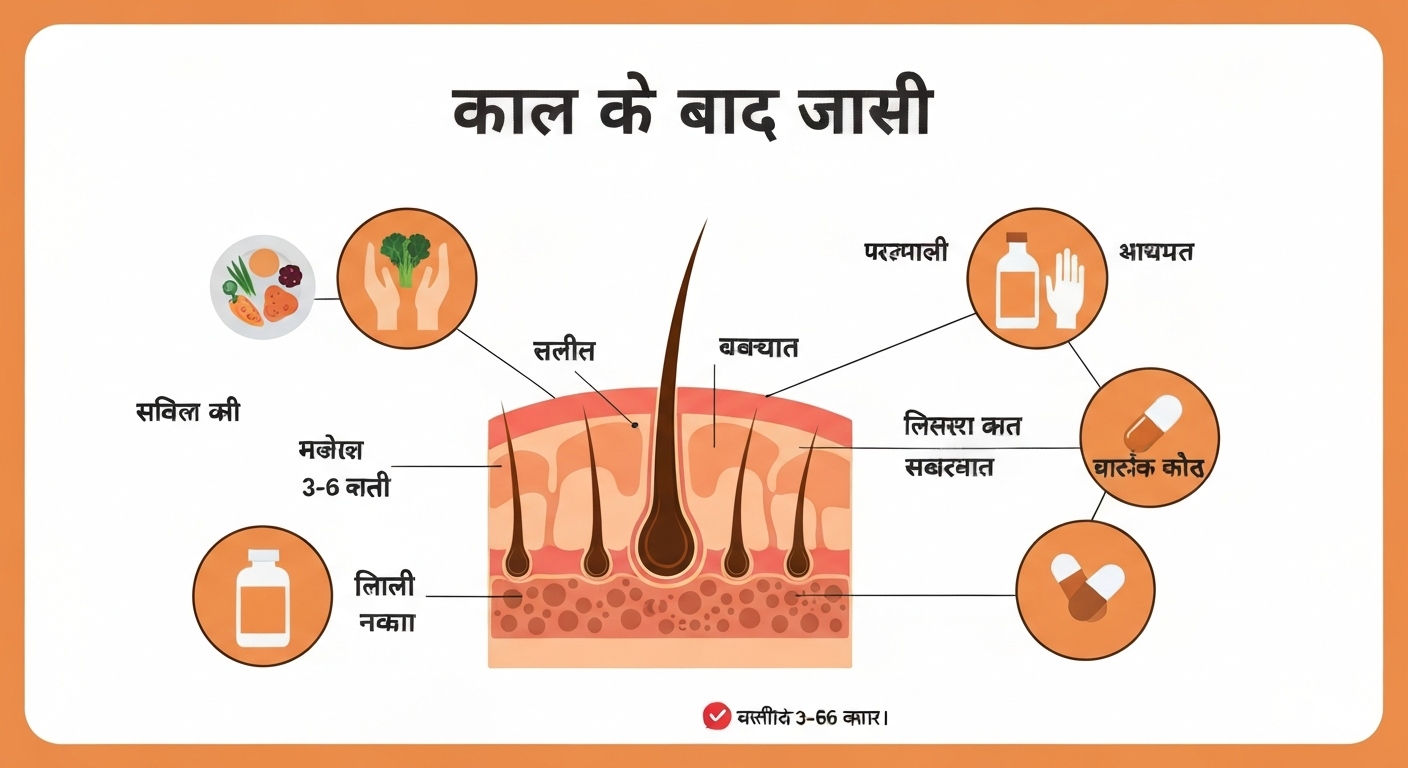
हिंदी में: बाल तेजी से और सुरक्षित बढ़ाने के प्रमाणित तरीके, डाइट, स्कैल्प केयर, घरेलू तेल, मेडिकल विकल्प व टाइमलाइन।
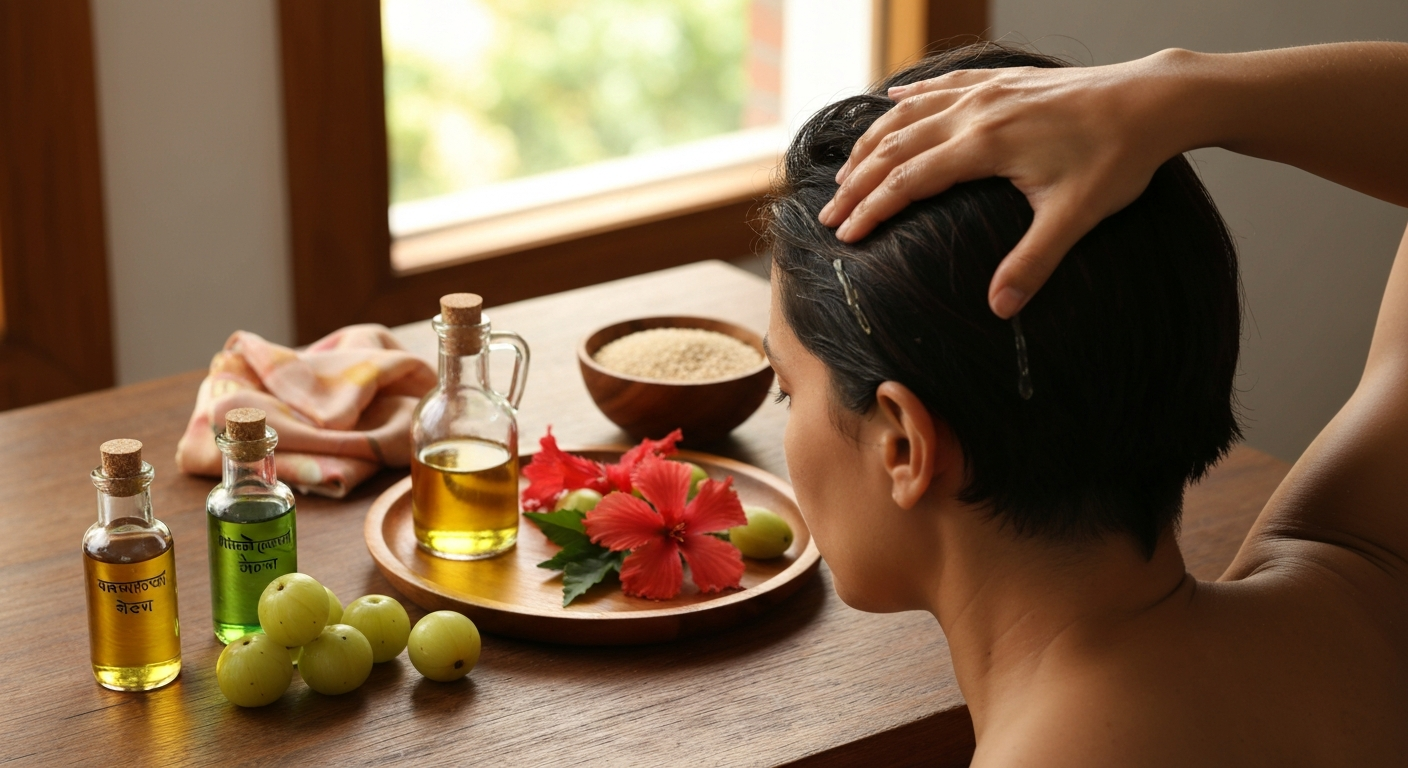
How to grow long hair with Ayurveda: proven routines, herbs, DIY oils, diet tips, and safe timelines.
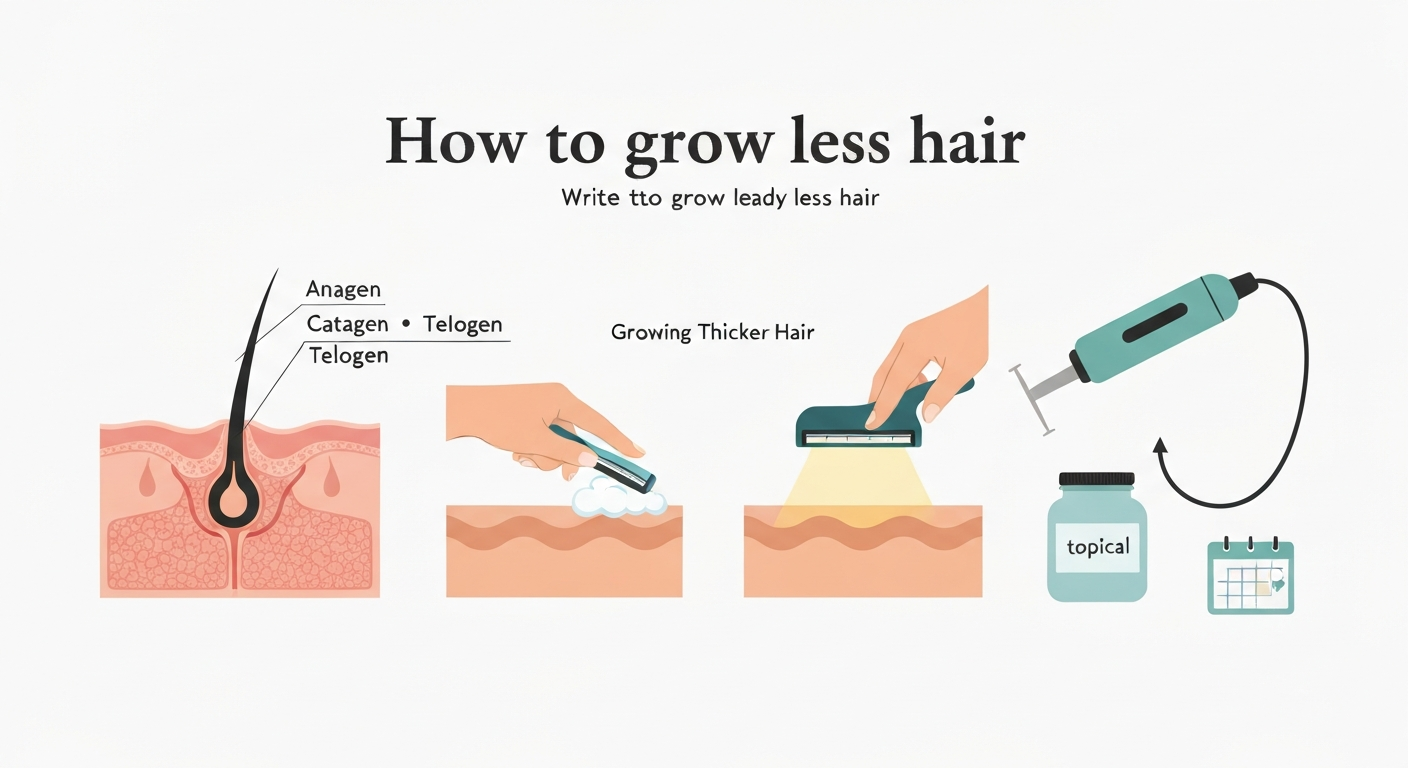
Evidence-based ways to reduce unwanted body or facial hair, methods, timelines, risks, ingrown-hair care, and when to see