
The most effective tips to grow healthy hair come down to a few consistent habits: keep your scalp clean and stimulated, eat enough protein and key micronutrients, protect your strands from mechanical damage, and be patient because real progress takes months, not weeks. There's no single miracle product, but the combination of these practices genuinely moves the needle.
Tips to Grow Healthy Hair: Simple Steps, Routine, and Red Flags

Marcus Holloway
1 May 2026
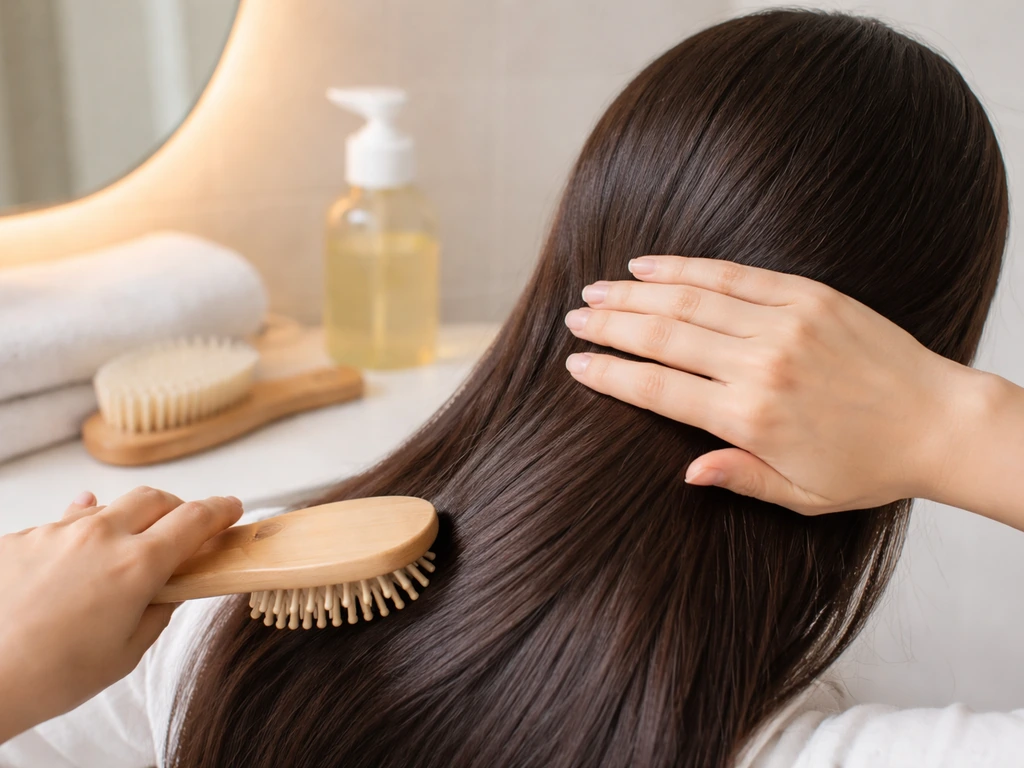
How hair growth actually works (and why yours might feel stuck)
Before diving into tips, it helps to understand what's happening beneath your scalp. Hair grows in repeating cycles made up of three main phases: anagen (active growth), catagen (a short regression phase), and telogen (resting, then shedding). During anagen, your follicle is actively producing new shaft, and this phase can last roughly 3 to 5 years. After that, the hair transitions out, rests, then sheds and gets replaced by a new strand. This cycle is why your hair has a maximum length it can reach, even under perfect conditions.
The typical growth rate is about 1 cm per month. That's the biology working as designed. What frustrates most people isn't that their follicles stopped producing hair, it's that the length isn't accumulating. And that's a breakage problem, not always a growth problem. You can think of it this way: length = what grows minus what breaks off. If your ends are fragile and snapping faster than your roots are producing, you'll feel like your hair is going nowhere even though your follicles are doing their job.
Shedding around 100 to 150 hairs per day is completely normal, so don't panic when you see a clump on wash day. That's telogen hair completing its cycle. What you're watching for is a meaningful increase in shedding over weeks, or patches of thinning, which are different signals entirely.
Easy home tips to grow your hair out (start here)
If you're trying to grow your hair longer and you want to start today, these are the moves that have the most immediate impact. These hair growth long tips focus on what helps your follicles and what prevents breakage so you can actually keep more length grow hair long tips. None of them require expensive products or salon appointments.
- Trim strategically, not constantly. Trims don't make your hair grow faster (that happens at the root, not the end), but removing split ends stops breakage from traveling up the shaft and destroying length. A light trim every 10 to 12 weeks is usually enough.
- Switch to a microfiber towel or a soft cotton T-shirt to dry your hair. Regular terrycloth is surprisingly rough on wet strands, which are at their most elastic and vulnerable.
- Detangle from the ends up. Start at the tips and work your way toward the roots using a wide-tooth comb or a wet brush. Forcing a brush from root to tip snaps strands.
- Protect your hair at night with a silk or satin pillowcase, or wrap your hair in a satin scarf. Cotton pillowcases create friction that causes breakage while you sleep.
- Loosen up your styles. Tight ponytails, buns, and braids pull on the follicle and cause traction damage over time. Give your hair days where it can just exist without tension.
- Reduce heat tool use. Flat irons, curling wands, and blow dryers on high heat degrade the protein structure of your hair shaft. If you use heat, always apply a heat protectant first and keep temperatures under 350°F when possible.
These habits feel simple, but they compound. If you're specifically looking for tips on how to grow your hair out, keep prioritizing end protection so length you gain stays on your head. If you protect your ends consistently, the length your follicles are already producing will actually stay on your head instead of breaking off at your shoulders.
Scalp care: the foundation everything else depends on
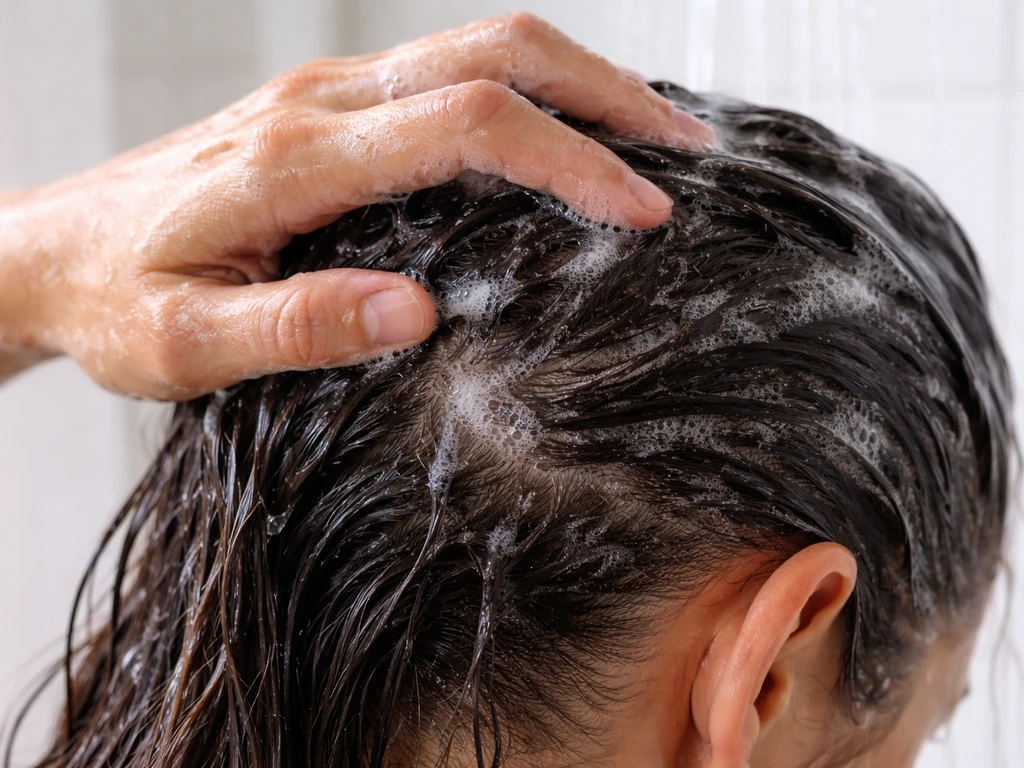
Healthy hair starts at the follicle, and the follicle lives in your scalp. A congested, irritated, or dry scalp creates an environment where follicles can't do their best work. Scalp care is one of the most underrated parts of a hair growth routine, and it's where I'd invest real attention.
Wash frequency and cleansing
Wash your scalp often enough that product buildup, sebum, and environmental debris don't clog follicles. For most people, that's every 2 to 4 days. If your scalp is oily, leaning toward more frequent washing is fine. If it's dry, a gentler shampoo used less often is better. What you don't want is days and days of buildup sitting at the root, because that environment isn't ideal for follicle health.
Scalp massage
Daily scalp massage for 4 to 5 minutes increases blood circulation to the follicle, which may support the delivery of nutrients during the active growth phase. You can do this with your fingertips in the shower while shampooing, or with a small scalp massager tool. There's research suggesting consistent massage over several months can contribute to hair thickness, and it costs nothing. Make it a habit.
Address dandruff and scalp conditions
If you deal with dandruff, seborrheic dermatitis, or a consistently itchy scalp, treat it directly. Chronic scalp inflammation can interfere with the follicle environment over time. An anti-dandruff shampoo containing zinc pyrithione, ketoconazole, or selenium sulfide used consistently usually handles the job. Don't just ignore a flaky or inflamed scalp hoping it resolves on its own.
What to eat (and drink) for thicker, stronger hair

Your hair shaft is made almost entirely of a protein called keratin. That tells you something important: if your diet is low in protein, your follicles won't have the raw material to produce strong hair. Aim for at least 50 to 60 grams of protein per day, and ideally more if you're active. Eggs, chicken, fish, lentils, Greek yogurt, and cottage cheese are all solid choices.
Beyond protein, several specific nutrients come up consistently when looking at hair health. Iron deficiency is one of the most common nutritional causes of hair thinning, especially in women. Biotin (B7) gets a lot of attention, and while true biotin deficiency does affect hair, most people eating a varied diet aren't deficient. Still, B vitamins broadly matter. Zinc supports the repair and growth of hair tissue. Vitamin D receptors are present in follicles, and low levels are linked to increased hair shedding in some studies. Omega-3 fatty acids from fatty fish, flaxseed, or walnuts support scalp health and may help with strand quality.
Hydration
Dehydration affects overall cell function, including scalp skin. Aim for at least 8 cups (about 2 liters) of water per day. It won't transform your hair overnight, but chronic mild dehydration contributes to a dry, unhealthy scalp environment and can make strands more brittle.
Supplements worth considering
If you're eating well and your hair is still struggling, a blood test to check iron, ferritin, vitamin D, and thyroid levels is a smart starting point before you start buying supplements. If deficiencies show up, targeted supplementation makes real sense. General hair supplements like biotin blends or collagen peptides are popular and probably low-risk, but their effect in people who aren't actually deficient in anything is modest at best. If you want a broad safety net, a quality multivitamin covers your bases without over-supplementing any one nutrient.
Topical treatments and natural remedies that actually help
There's a lot of noise here, so let's be straightforward about what has real evidence behind it and what's more in the "probably doesn't hurt" category.
| Treatment | What it does | Evidence level | How to use it |
|---|---|---|---|
| Minoxidil (topical) | Extends anagen phase, increases follicle size | Strong (FDA-approved for hair loss) | Applied to scalp once or twice daily; requires ongoing use |
| Rosemary oil | May improve circulation to follicles; one study compared favorably to 2% minoxidil | Moderate; more research needed | Dilute in a carrier oil, massage into scalp, leave 30+ min or overnight, then wash out |
| Peppermint oil | Increases dermal thickness and follicle number in early research | Preliminary; promising but limited human studies | Dilute 1-2 drops in a carrier oil, massage into scalp 2-3x per week |
| Castor oil | Coats and conditions the strand, may reduce breakage | Low (mostly anecdotal) | Apply to lengths and ends for moisture; avoid heavy scalp application to prevent buildup |
| Caffeine (topical) | May stimulate follicle activity and extend anagen | Early but promising human data | Use a caffeine-based shampoo or scalp serum regularly |
| Onion juice | High sulfur content may support keratin production | Very limited human study; anecdotal | Apply to scalp, leave 15-30 minutes, wash thoroughly; strong smell is a deterrent |
Among the natural options, rosemary oil has the most compelling evidence right now. If you want natural hair grow tips to try at home, rosemary oil is a great place to start alongside good scalp care habits. It's low-risk, affordable, and easy to incorporate into a weekly scalp routine. Minoxidil is the gold standard for clinically supporting regrowth, especially if you're dealing with actual thinning rather than just wanting more length. The Cleveland Clinic notes that topical minoxidil is first-line for pattern hair loss and that it is available over the counter in the U.S. as 2% and 5% solutions and 5% foam blank" rel="noopener noreferrer">Minoxidil is the gold standard. It's now available over the counter in both 2% and 5% formulations, and in a foam version that many people find easier to use.
With any topical treatment, expect at least 3 to 6 months before you can fairly evaluate whether it's working. Hair cycles are long. Changes at the follicle level don't show up immediately at the surface.
Haircare habits that prevent breakage and let length accumulate
This section matters as much as anything else because, as mentioned earlier, the length game is really about retaining what grows. Your follicles are producing roughly a centimeter per month. Over a year, that's about 6 inches. If your hair hasn't visibly grown in a year, something is breaking it off.
Protein and moisture balance
Hair needs both protein (for structural integrity) and moisture (for flexibility). Too much protein without moisture makes hair stiff and snappy. Too much moisture without protein makes it mushy and prone to breakage. A good conditioner after every wash, and a deeper conditioning treatment once a week or every two weeks, keeps this balance in check. If your hair feels gummy or stretchy when wet, it likely needs more protein. If it feels stiff and rough, it needs more moisture.
Chemical treatments
Bleaching, perming, and relaxing all break down the disulfide bonds in your hair's protein structure. This makes processed hair significantly more fragile. If you're also using heat tools on chemically treated hair, the damage compounds quickly. This doesn't mean you have to stop coloring your hair, but spacing out chemical services, using bond-building treatments like Olaplex or similar products, and being extra gentle on processed lengths will help you hold onto more length.
Simple breakage-prevention checklist
- Always detangle on wet, conditioned hair with a wide-tooth comb, working from ends to roots
- Never sleep on loose, dry hair without some protection (a satin pillowcase or scarf makes a meaningful difference)
- Use a leave-in conditioner or light oil on your ends to keep them moisturized between washes
- Avoid elastic hair ties with metal clasps, which snag and break strands
- Let your hair air dry when possible, or use a blow dryer on a low or cool setting
- Use a heat protectant spray every single time you use a hot tool, without exception
When it's more than just slow growth: red flags and timelines
There's a real difference between hair that grows slowly or breaks easily, and hair that's actively falling out due to an underlying cause. Knowing which situation you're in matters because the solutions are different.
Telogen effluvium: the stress shed
If you experienced a major stressor, illness, surgery, significant weight loss, nutritional deficiency, or hormonal shift, your body can push more hairs out of the growth phase and into the resting phase all at once. You won't see the shedding right away because of how the hair cycle works: the hairs rest for a few months before they fall out, so the shedding typically becomes noticeable about 3 months after the triggering event. This is called telogen effluvium, and in most cases it resolves on its own once the stressor is gone and nutrition is restored. But it's worth knowing so you don't panic or misattribute the shedding.
Red flags worth getting checked
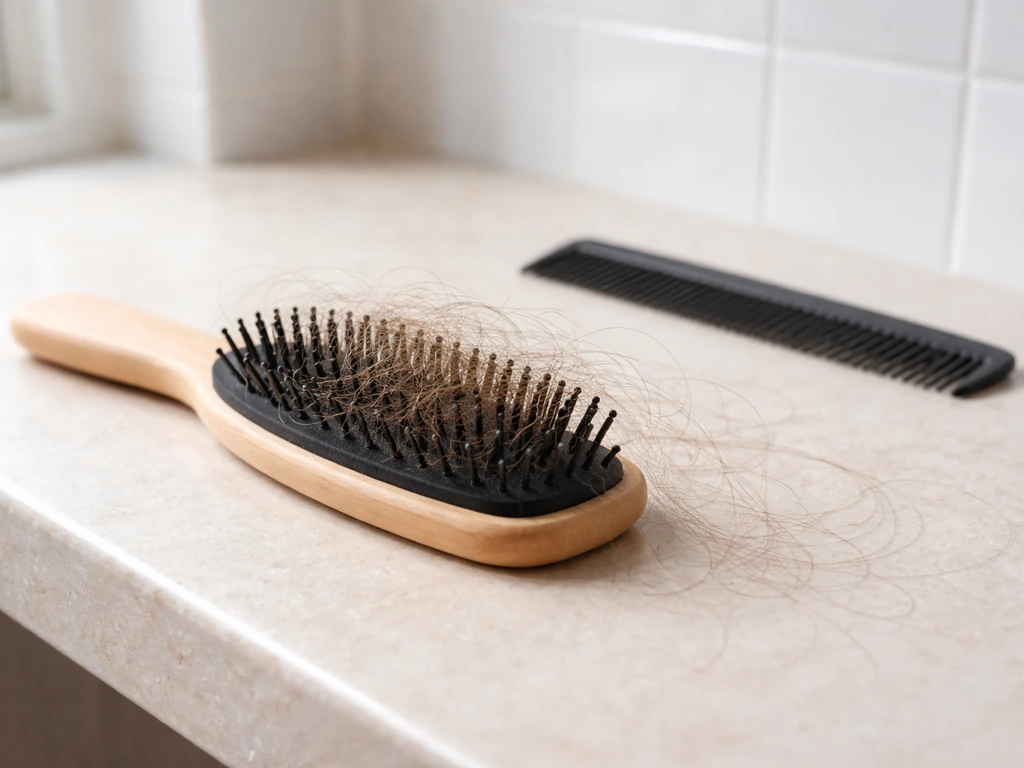
- Shedding that significantly exceeds the normal 100 to 150 per day range and has lasted more than 2 to 3 months
- Noticeable patches of hair loss or a widening part
- Scalp that is persistently itchy, sore, scaly, or inflamed despite treatment
- Hair loss accompanied by fatigue, weight changes, or other systemic symptoms (may point to thyroid issues, autoimmune conditions, or hormonal imbalance)
- Sudden or rapid hair thinning across the whole scalp in a short period
A dermatologist or trichologist can run blood panels to check ferritin, iron, thyroid hormones, vitamin D, zinc, and androgens. This takes the guesswork out of it. If androgenetic alopecia (genetic hair thinning) is involved, there are proven treatments including minoxidil, finasteride, and others that work better the earlier you start them.
Realistic timelines
Give any new hair routine at least 3 months before judging it, and ideally 6 months for a fuller picture. Hair grows about 6 inches per year under good conditions, and changes at the follicle level take months to show up at the surface. Taking monthly photos in the same lighting is the most reliable way to track progress because what you see in the mirror day-to-day is almost never a fair measure. Progress in hair is real, it just moves on its own slow, follicle-determined schedule.
FAQ
How can I tell whether my “no growth” problem is shedding versus breakage?
If your shedding seems normal on wash day but your length is not increasing, the most likely issue is breakage, not slow growth. Look for short pieces in the sink, rough or frayed ends, and snapping when detangling. The practical next step is to focus first on end protection (gentle detangling, reduced friction, and consistent conditioning) before changing scalp treatments.
How often should I wash my hair if I’m trying tips to grow healthy hair?
Common “too often” washing mistakes are overwashing a dry scalp and underwashing an oily or product-heavy scalp. A good decision rule is to adjust based on oil and residue: if roots feel greasy within 24 to 48 hours, schedule more frequent cleansing, if the scalp feels tight or flaky quickly, reduce frequency and use a gentler shampoo. The goal is clean roots without leaving days of buildup at the follicle.
Should I start supplements right away, or get tests first?
Hair supplements are most useful when you are actually deficient. If you do not have lab-confirmed low iron (often ferritin), vitamin D, or thyroid issues, adding extra vitamins usually won’t give much benefit and can sometimes cause problems, like excess vitamin A or high-dose selenium. The safest next step is to get targeted bloodwork first if shedding or thinning is persistent.
Why did my shedding start a couple months after stress or illness?
Telogen effluvium often shows up as increased shedding about 3 months after a trigger, so it can feel confusing to “connect the dots.” One practical approach is to track events (illness, weight loss, new medication, stress, hormonal change) and then watch for shedding starting around the 8 to 14 week window. If shedding continues beyond about 6 months or you develop patches of hair loss, get evaluated.
Is rosemary oil safe to use on my scalp, and how do I avoid irritation?
When using rosemary oil, treat it as a scalp product, not a hair coating. Use it diluted (do not apply essential oil straight to the scalp) and patch test first, since irritation can worsen scalp inflammation and increase shedding. If your scalp burns, itches, or gets more flaky after a few uses, stop and switch to another approach.
What should I expect after starting minoxidil, and when will I know it’s working?
If you start minoxidil, the most important “timing” rule is not to judge too early. Give it at least 3 to 6 months, and expect that some people notice increased shedding early on. Also, stop and seek medical advice if you have chest pain, dizziness, or severe scalp irritation, since systemic effects and contact dermatitis are possible.
How do I track progress without getting misled by how my hair looks each day?
Photos work best when variables stay constant: same angle, same lighting, same background, and ideally the same hairstyle each month. Use a consistent reference point (like part width or hairline spot) and take one close-up plus one full-head photo. This reduces the illusion of day-to-day changes from styling.
What does it mean when my hair feels gummy or stretchy versus stiff after washing?
If your ends feel gummy or stretchy when wet, that usually points to a protein balance issue, often needing more structure and conditioning strategy, not more heat or chemical processing. If hair feels stiff, rough, or crispy, it often needs more flexible hydration. The next step is to adjust conditioner frequency and choose one treatment type at a time so you can tell what actually helps.
I color and heat-style my hair, what’s the safest way to protect length?
Processed hair needs a different breakage strategy than unprocessed hair. A practical compromise many people use is spacing out chemical services, using gentle handling on wet hair, lowering heat settings, and adding bond-building products when you maintain color or relaxers. If you keep adding new damage faster than you protect ends, you will lose length even if roots are growing.
What are the red flags that mean I should see a dermatologist instead of only trying hair tips at home?
If you have patchy loss, sudden severe thinning, painful scalp, or thick scaling that does not respond to anti-dandruff shampoo, that can be more than routine shedding. These patterns can indicate conditions that require prescription treatment. A dermatologist is the next best step when symptoms are localized, worsening, or associated with inflammation or discomfort.
If my thinning seems genetic, what should I prioritize first?
For androgenetic alopecia, earlier treatment generally has a better chance of preserving existing follicles. If you notice gradual thinning at the crown or widening part, especially with family history, ask a clinician about options like minoxidil and whether finasteride or other therapies are appropriate for you. Delaying often reduces the amount of hair that can be maintained.
What’s the biggest day-to-day habit that causes breakage even when my routine looks good?
A lot of hair breakage happens at detangling and drying. Reduce friction by using a wide-tooth comb, detangling gently starting from ends upward, and avoiding aggressive towel rubbing. If you can, use a microfiber towel or soft cotton shirt and finish with conditioner to keep the hair shaft flexible.
Next Articles
Natural Hair Grow Tips: Beginner Guide to Thicker, Longer Hair
Natural hair grow tips for beginners: scalp care, reduce breakage, boost growth with moisture, diet, and tracking result
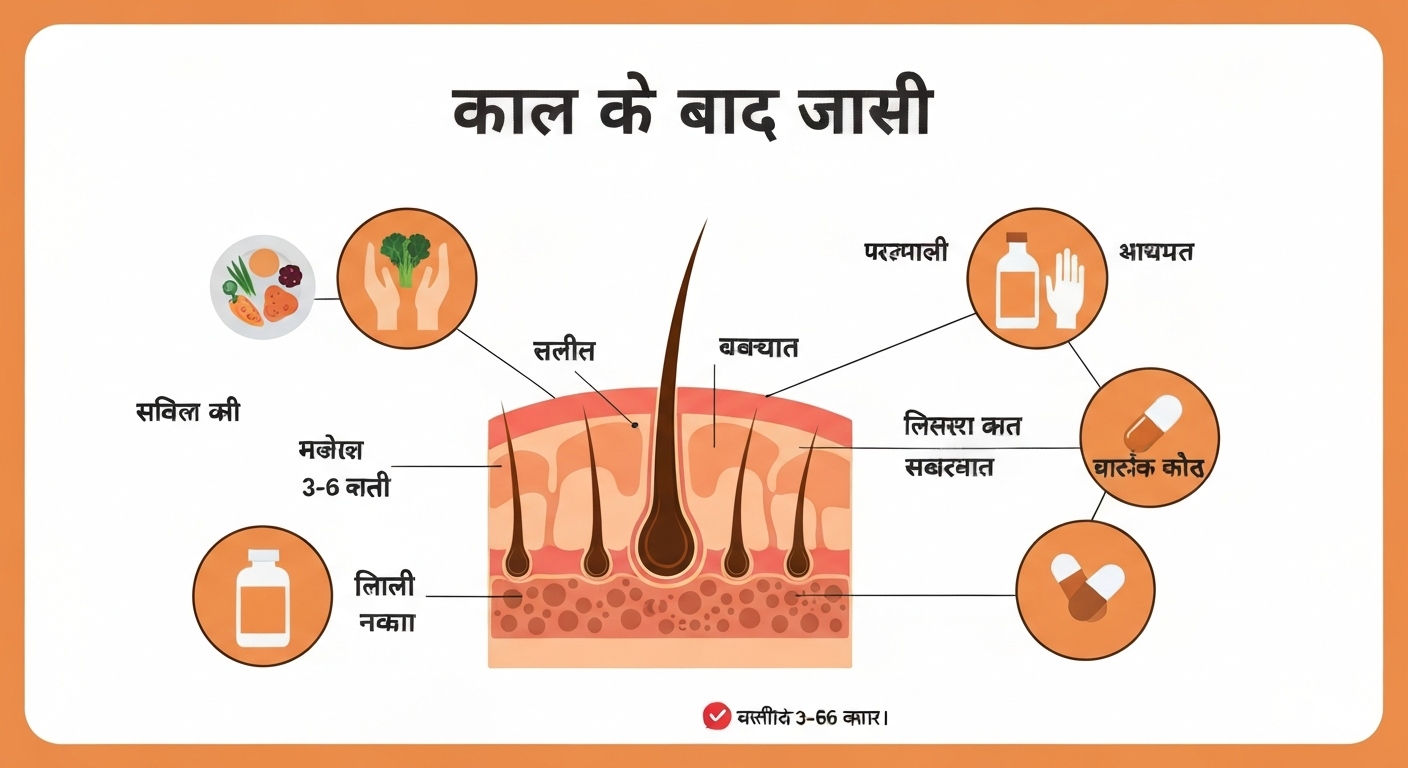
how to grow hair in hindi: complete guide for faster growth
हिंदी में: बाल तेजी से और सुरक्षित बढ़ाने के प्रमाणित तरीके, डाइट, स्कैल्प केयर, घरेलू तेल, मेडिकल विकल्प व टाइमलाइन।

How to Grow Long Hair Ayurveda: Step-by-Step Natural Guide
How to grow long hair with Ayurveda: proven routines, herbs, DIY oils, diet tips, and safe timelines.