
If your wedding is coming up and you're staring at your hair wishing it were longer, thicker, or just healthier, here's the honest answer: you can absolutely make meaningful progress, but what's possible depends heavily on how much time you have, what's actually holding your hair back right now, and how consistent you're willing to be. Hair grows roughly 1 cm per month on average, though real-world variability puts most people somewhere between 0.5 and 1.7 cm. That means a year of solid effort can realistically add 6 to 12 cm of length. The goal of this guide is to help you squeeze every bit of that potential out of the time you have left, protect what's already on your head, and have a backup plan if things don't move as fast as you'd like.
How to Grow Hair for a Wedding: Fast Plan in Weeks

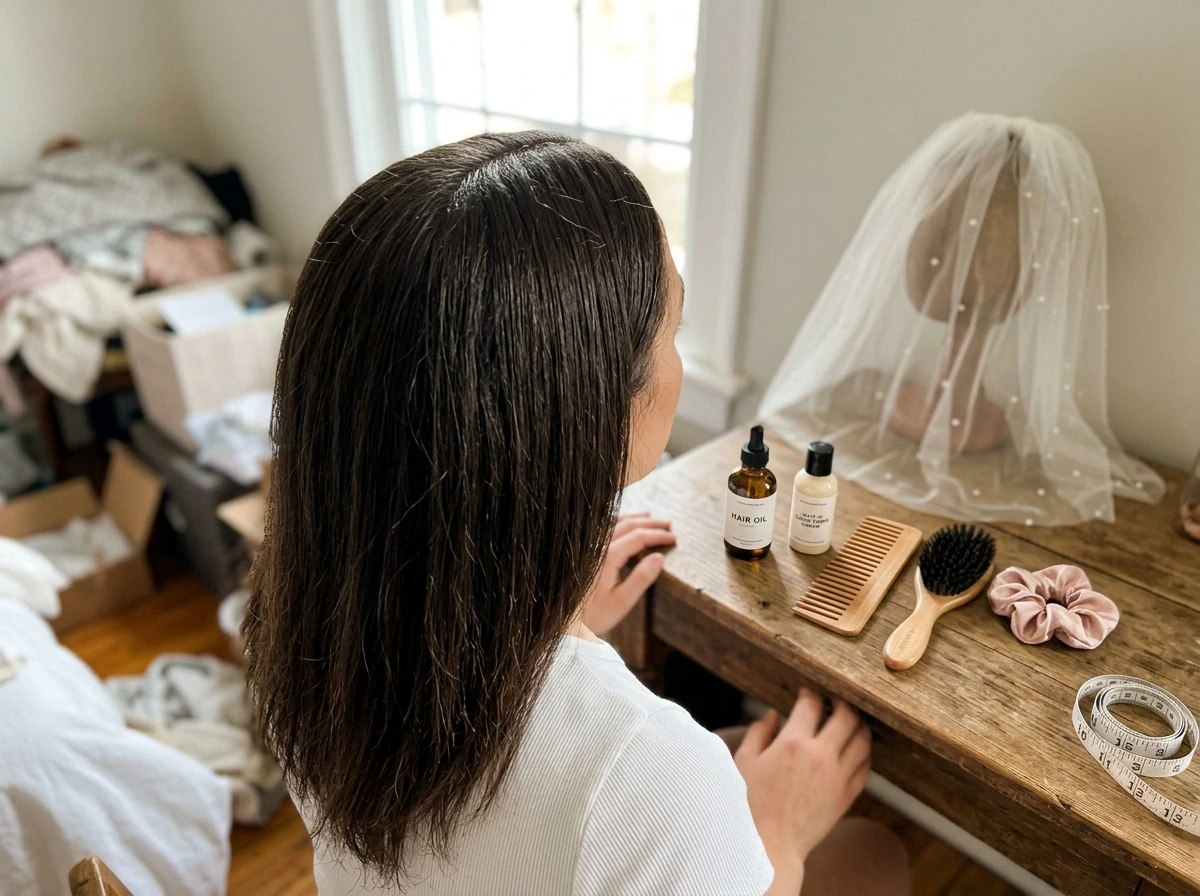
Realistic wedding hair timeline and expectations
Let's start with what the biology actually says. Hair grows from the follicle at around 0.3 mm per day during the anagen (growth) phase, which adds up to roughly 1 cm per month. Dermatologists often cite 0.5 inch (about 1.25 cm) per month as a realistic upper end for most people. That's not a ceiling you can blow past by using the right oil or eating enough biotin, it's a biological rate set largely by your genetics, hormones, and how well-nourished your body is.
So here's how to read your timeline. If your wedding is 12 months away, you could realistically gain 10 to 15 cm of length if everything is going well. Six months out, that's closer to 6 to 9 cm. Three months out, you're working with 3 to 5 cm at most. Two months or less, and your growth target shifts: the focus becomes maximizing thickness, minimizing breakage, and keeping what you have as healthy and full-looking as possible rather than chasing dramatic length gains.
| Time Before Wedding | Realistic Length Gain | Best Focus |
|---|---|---|
| 12 months | 10–15 cm | Full growth + density routine |
| 6 months | 6–9 cm | Growth + breakage prevention |
| 3 months | 3–5 cm | Retention and styling strategies |
| 1–2 months | 1–2 cm | Protective styling + backup options |
One thing worth saying upfront: most people who feel like their hair 'won't grow' actually do have hair growing from the scalp. The problem is that it's breaking off before it retains length. That distinction matters a lot, because the fix is completely different.
Identify why your hair isn't growing: shedding vs breakage vs thinning
Before you commit to any routine, spend a week paying attention to what's actually happening with your hair. These three problems look similar on the surface but have very different causes and solutions.
Shedding
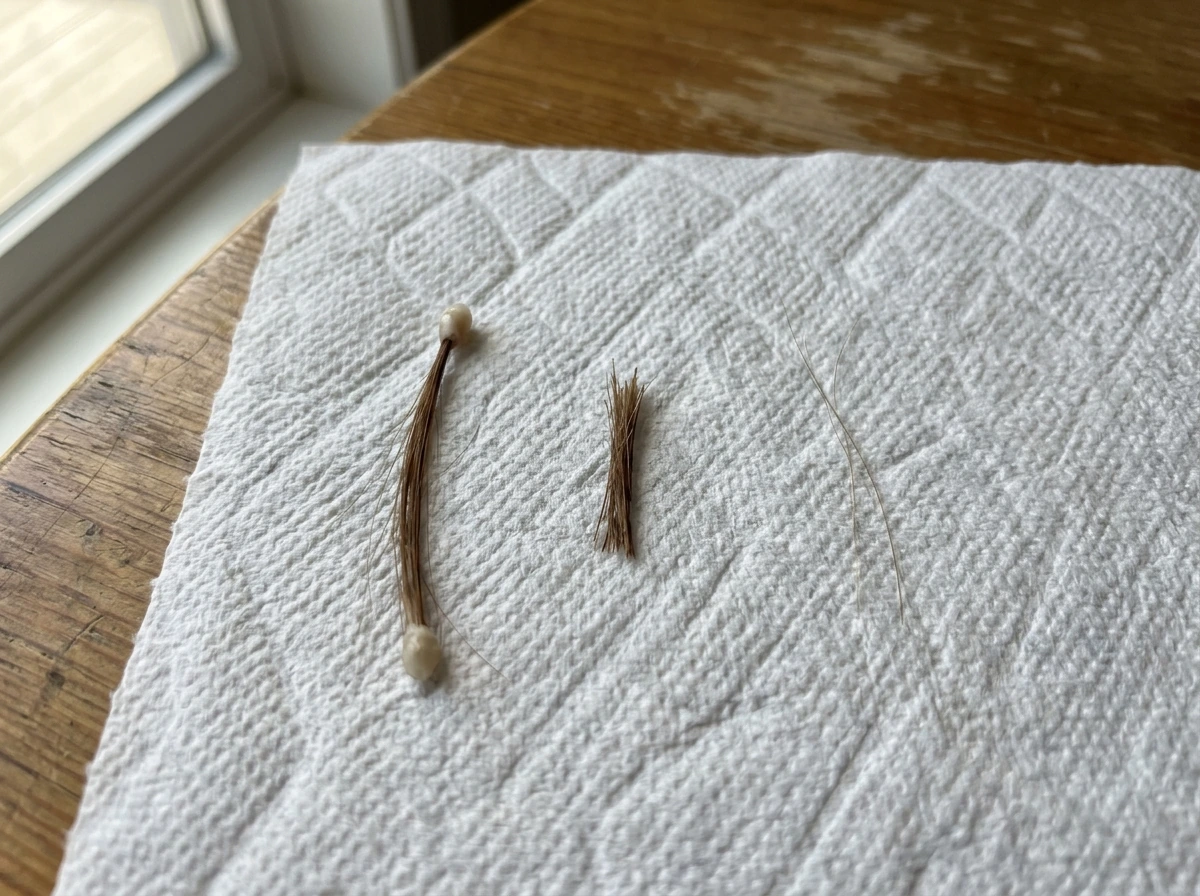
Normal shedding is 50 to 100 hairs per day. You'll see them in the shower, on your brush, on your pillow. Each shed hair will have a small white bulb at the root end, which means the entire hair came out from the follicle. If you're losing noticeably more than usual, especially in clumps or diffusely all over the scalp, that's called telogen effluvium. It's often triggered by stress, illness, hormonal shifts (including post-pregnancy), crash dieting, or a nutritional deficiency. The good news is that shedding caused by these triggers is usually reversible once the root cause is addressed.
Breakage
Breakage hairs don't have a bulb. They're shorter fragments that snap off mid-shaft. If you're finding lots of these, especially after detangling or washing, the issue is structural damage to the hair fiber, not the follicle. Common culprits include over-processing (bleach, color, relaxers), heat damage, rough handling while wet, dryness, and tight styles that put mechanical stress on fragile strands. The fix here is about moisture, protein balance, and gentler handling, not about stimulating the scalp.
True thinning
Thinning that's gradual, follows a pattern (widening part, receding at the temples, overall density loss), and doesn't seem to improve with better habits may have a hormonal or genetic component. Androgenetic alopecia (pattern hair loss) affects both women and men and is worth identifying early because the most effective treatments, like minoxidil, work best when started sooner. If you're seeing this type of thinning, a dermatologist consultation before the wedding is genuinely worth your time.
Today's starter routine for scalp health and growth support
Scalp health is foundational. A clogged, inflamed, or dry scalp creates a poor environment for follicles to do their job. You don't need an elaborate multi-step system, but you do need to be consistent with a few basics.
Washing frequency
There's no universal right answer, but a scalp that's consistently itchy, flaky, or oily between washes needs more frequent cleansing, not less. For most people, washing 2 to 3 times per week with a gentle, sulfate-free shampoo keeps the scalp clean without stripping the hair. If you have dandruff or seborrheic dermatitis, a zinc pyrithione or ketoconazole shampoo used 1 to 2 times per week can reduce inflammation that's contributing to excessive shedding.
Scalp massage
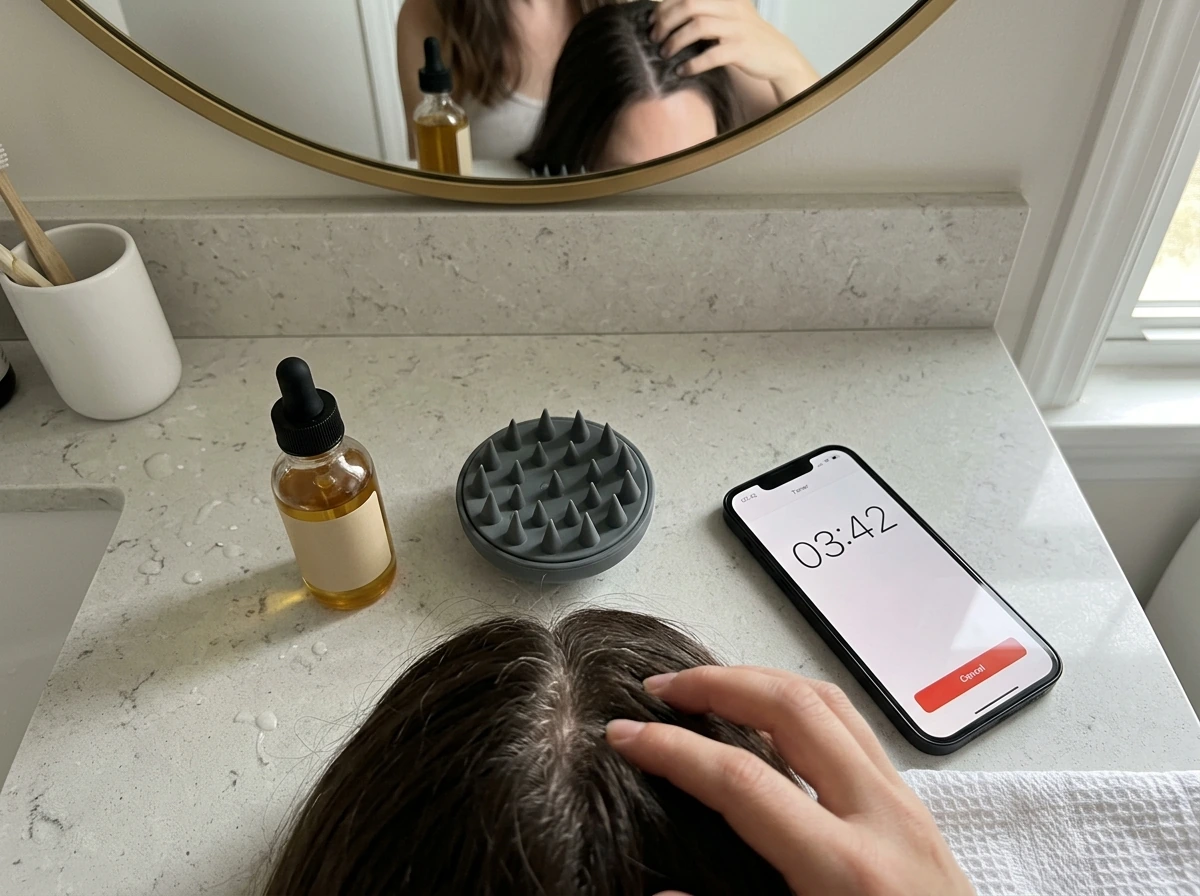
Daily scalp massage is one of the most evidence-supported free interventions you can do. A 2016 study found that 4 minutes of standardized scalp massage daily for 24 weeks increased hair thickness. The mechanism is thought to involve increased blood flow and mechanical stimulation of dermal papilla cells. You can do this with your fingertips in circular motions for 4 to 5 minutes while your conditioner sits, or with a silicone scalp massager in the shower. It takes 30 seconds once it's a habit.
Moisturizing and sealing
Dry hair breaks. This is especially true for textured, curly, or chemically processed hair. After washing, apply a leave-in conditioner while your hair is still damp, then seal with a light oil (argan, jojoba, or grapeseed work well) if your hair tends to be on the drier side. Fine hair can skip the oil or use a very small amount just on the ends. The goal is to prevent the micro-damage that causes breakage before your new growth ever has a chance to be retained.
Detangling gently
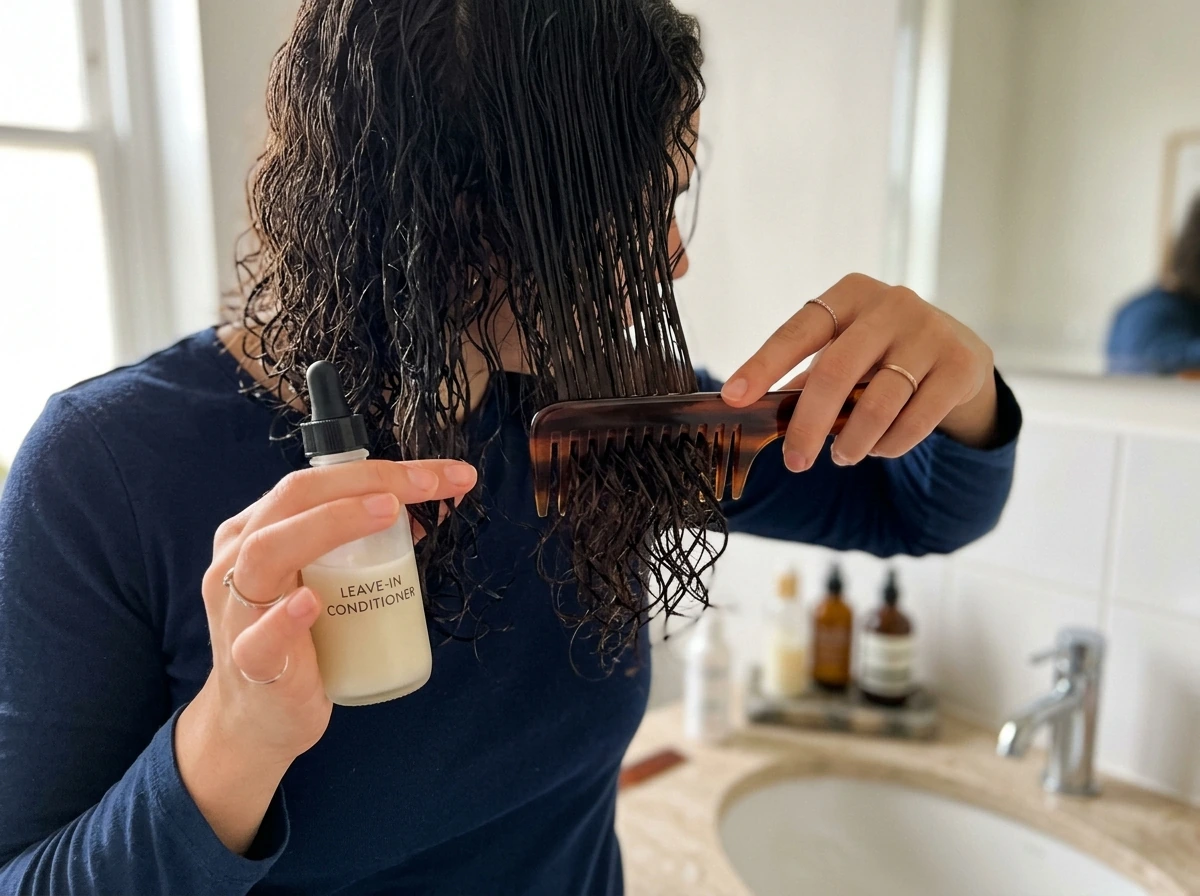
Always detangle with conditioner in your hair, starting from the ends and working your way up. A wide-tooth comb or your fingers is better than a brush when the hair is wet and fragile. This one habit alone can dramatically reduce breakage, especially if you have fine or delicate hair.
Nutrition, labs, and supplements that actually move the needle
Hair is a non-essential tissue in the body's hierarchy, meaning when nutrients are scarce, they get redirected to vital organs first. Nutritional deficiencies are one of the most common and most fixable causes of hair shedding and slow growth, and they're frustratingly easy to overlook because the deficiency often happens months before the hair loss becomes visible.
What to get tested for

If you've been experiencing increased shedding or slow growth, ask your doctor for a blood panel that includes ferritin (stored iron, not just hemoglobin), vitamin D, B12, zinc, and a full thyroid panel. Ferritin is the one most commonly missed: many women have ferritin levels that are technically 'normal' on a standard range but are too low to support optimal hair growth. Most hair-focused dermatologists suggest aiming for ferritin above 70 ng/mL. Low vitamin D and B12 are also extremely common and directly tied to hair shedding.
Food first
If you can't get labs done right away, prioritize protein intake. Hair is made of keratin, a protein, and inadequate dietary protein is one of the fastest ways to trigger shedding. Most adults need at least 0.8 g of protein per kilogram of body weight daily, and if you're very active or have been restricting calories, you may need more. Add eggs, lentils, Greek yogurt, fish, or chicken regularly. Iron-rich foods like leafy greens, red meat, and lentils matter too. And if you've been restricting fats thinking it helps your diet, add them back: essential fatty acids from nuts, seeds, avocado, and oily fish support scalp health and hair luster.
Supplements worth considering
Biotin gets all the attention, but unless you're actually deficient (which is rare), adding more biotin to a sufficient intake is unlikely to noticeably speed up your growth rate. What tends to work better: correcting identified deficiencies with targeted supplementation (iron with vitamin C for absorption, vitamin D3, B12), and considering a hair-specific supplement that includes a spectrum of nutrients like a good B-complex, zinc, and silica. Collagen peptides are worth trying if you want to support hair structure, particularly if your diet is low in protein. As always, supplements work best when they're addressing a genuine gap, not when they're layered on top of an already-solid diet.
Topical treatments and natural remedies (what to use and when)
Topical treatments can support a healthy scalp environment and, in some cases, have real evidence behind them. The key is being honest about what each one can and can't do.
Minoxidil
If you're dealing with pattern thinning or persistent diffuse shedding that hasn't responded to nutrition fixes, minoxidil (available over the counter in 2% or 5% formulations) is the most evidence-backed topical option available. It works by prolonging the anagen phase and increasing follicle size. Results take at least 3 to 6 months to become visible, and you will likely see a temporary increase in shedding in the first few weeks as resting hairs are pushed out to make room for new ones. This is normal and temporary. For a wedding that's 6 or more months away, starting minoxidil now is a reasonable consideration, especially if you suspect androgenetic alopecia.
Rosemary oil
Rosemary oil has genuinely interesting research behind it. A 2015 study comparing rosemary oil to 2% minoxidil found comparable hair count improvements at 6 months, with less scalp itching in the rosemary group. It's thought to work by improving scalp circulation. Dilute it to about 2 to 3 drops per tablespoon of carrier oil (jojoba or coconut work well), massage into the scalp, and leave on for at least 30 minutes before washing. Used consistently 3 to 4 times per week, it's a genuinely low-risk option to add to your routine.
Castor oil
Castor oil is beloved in the hair community, and while there isn't strong clinical trial data behind it specifically, it has anti-inflammatory and antimicrobial properties that may support scalp health. It's very thick, so use it sparingly diluted in a lighter oil, and apply it as a pre-wash treatment rather than leaving it in. It can help with moisture retention on dry ends and may be useful if your scalp tends toward dryness or irritation.
What natural remedies can't fix
To be honest with you: no topical oil or natural remedy will override a significant nutritional deficiency, a hormonal imbalance, or genetic hair loss. They're supportive tools, not miracle fixes. If you've been consistent with scalp care and natural remedies for 3 months and you're still seeing significant shedding or thinning, it's time to look deeper at labs or get a dermatologist's eyes on your scalp.
Preventing breakage with protective styling and wedding prep
Growing hair is only half the battle. Retaining length means protecting your strands from the damage that causes breakage before your new growth ever reaches the length you want.
Reduce heat styling
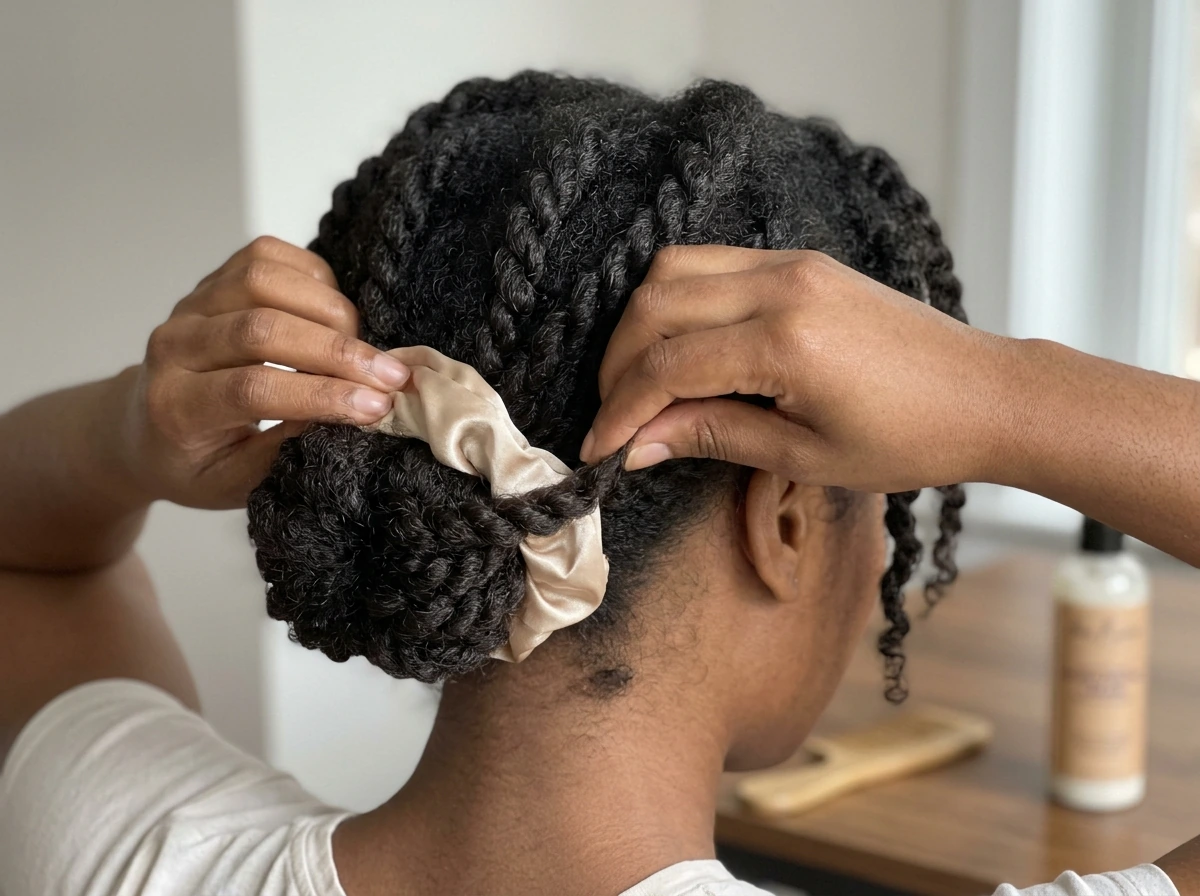
This is the highest-impact change most people can make. Every time you use a flat iron or curling wand above 180°C (356°F) without adequate heat protection, you're degrading the protein bonds in the hair shaft. If you're committed to growing your hair for a wedding, cut down heat styling to once or twice a week maximum, always use a quality heat protectant, and keep temperatures at or below 180°C. On no-heat days, embrace braids, buns, or twists that don't require thermal manipulation.
Protective hairstyles
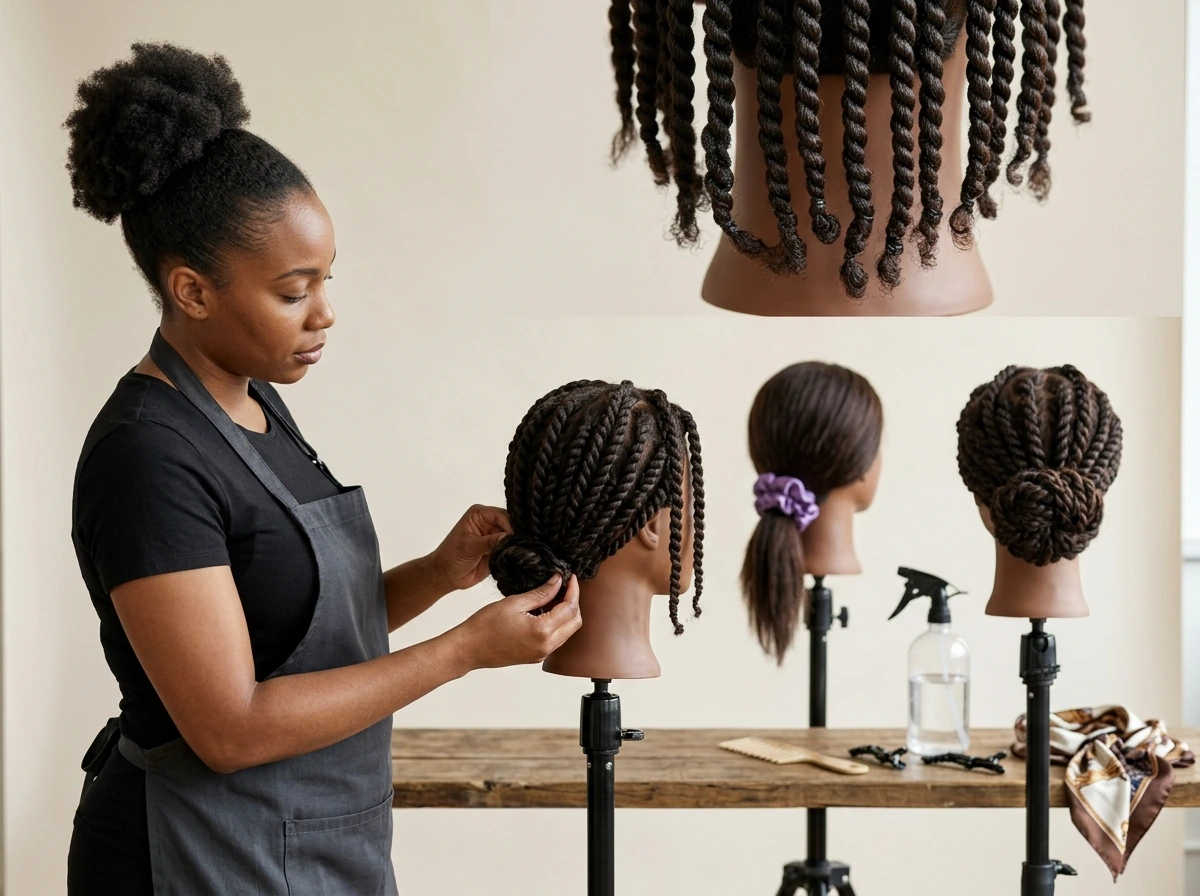
Protective styles tuck your ends away and minimize daily friction and manipulation. Loose braids, buns, twists, and updos all fall into this category. The key word is 'loose': styles that pull tightly at the hairline or edges create traction alopecia, which is the last thing you want before a wedding. If you're wearing extensions or box braids, make sure they're not too heavy and give your natural hair a break every 6 to 8 weeks. For related ideas, styles that support hair growth while keeping your hair manageable during the growing-out phase are worth exploring as part of your overall plan.
Sleep and friction
Sleeping on a silk or satin pillowcase (or wrapping your hair in a satin bonnet or scarf) is a simple change that meaningfully reduces overnight friction and breakage. Cotton pillowcases absorb moisture from your hair and create friction that causes tangles and breakage, especially if you move around a lot in your sleep.
Pre-wedding chemical treatments
If you're planning to color, lighten, or chemically treat your hair before the wedding, do it at least 6 to 8 weeks before the event so your hair has time to recover and you can assess the damage. Bleaching in particular raises the cuticle and weakens the shaft considerably. If you want highlights or a color refresh, go to a skilled colorist and ask about bond-building treatments (like Olaplex or similar) used during the process to minimize structural damage.
Tracking progress and backup plans if time runs out
One of the most frustrating things about growing hair is not knowing if what you're doing is actually working. The growth is slow enough that it's hard to see week to week, and it's easy to lose motivation or second-guess your routine.
How to track your growth
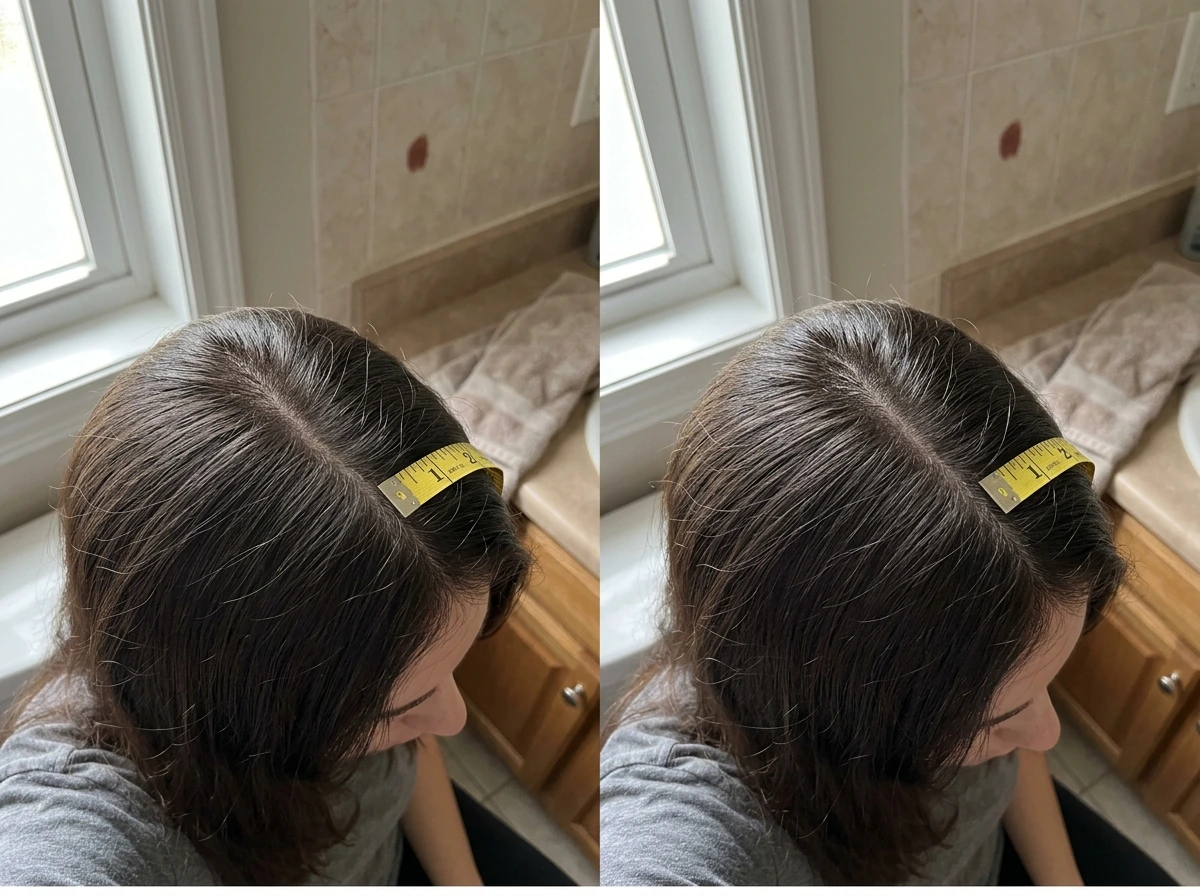
Take a photo at the same time every month under the same lighting, with your hair down and straight. Measure from a fixed point, like the top of your ear or the crown of your head to the ends. A simple piece of tape on the wall and a marker on your hair with a clip helps make this consistent. You should see roughly 1 cm of new growth per month. If you're seeing significantly less over a two to three month period despite a solid routine, that's your signal to revisit your nutrition, stress levels, or get a blood panel.
When to see a professional
See a dermatologist if: you're losing more than 150 to 200 hairs per day consistently, you notice bald patches, your hairline is visibly receding, or you've been consistent with a good routine for 3 to 4 months and seen no improvement. A trichologist (hair and scalp specialist) can also be incredibly helpful for diagnosing the root cause of hair loss if a general dermatologist doesn't specialize in it. The earlier you go, the more options you have before the wedding date.
Backup options if growth is slower than expected
If your wedding is close and your hair isn't where you want it, there are genuinely good options. Hair extensions, whether clip-ins, tape-ins, or halo extensions, can add length and volume for the day or for the months leading up to it. Clip-ins are the most flexible and least damaging because they're removed daily. Tape-ins applied by a professional can last 6 to 8 weeks and look very natural with the right color match. Volumizing styling techniques, strategic haircuts that remove dead ends and make the hair appear fuller, and the right wedding hairstyle (an updo, textured waves, or a half-up look) can all make your hair look fuller and more intentional regardless of length. Your hairstylist is your partner here: book a trial run at least 6 to 8 weeks before the wedding so you have time to adjust the plan.
The most important thing is to start now, be consistent, and work with your hair's actual biology rather than against it. Small daily habits, addressing what's actually limiting your growth, and protecting the length you're gaining will take you further than any single product or shortcut. Give yourself the full lead time you have, check in with your progress monthly, and adjust as you go. Give yourself the full lead time you have, check in with your progress monthly, and adjust as you go, using the approach in how to grow hair women as a related roadmap. <a data-article-id="7066963C-ACDA-43B6-978B-D70F434C48B0">how to grow hair women</a>. how to let your hair grow out female. how to grow hair style
FAQ
If my wedding is only 6 to 8 weeks away, can I still see results from a hair-growth routine?
Yes, but the timeline still matters. You can often improve fullness within weeks by reducing breakage (gentle detangling, conditioning, heat limits) and by treating the scalp (anti-dandruff shampoo if flaky/itchy). For true length gains, plan around about 1 cm per month and expect changes to be more obvious after 8 to 12 weeks.
How can I tell whether my hair isn’t growing because it’s shedding or because it’s breaking off?
Start by distinguishing shedding from breakage. A quick at-home check, separate hairs you lose, if the shed hairs have a white bulb, you are losing from the root, if they are short snapped pieces without a bulb, it is breakage. Then match the fix, shedding needs scalp health and nutrition or medical evaluation, breakage needs moisture, protein balance, and gentler handling.
Should I start minoxidil right now if my wedding is in a few months?
Avoid starting minoxidil the week before the wedding if you can. Plan for an adjustment period, some people shed more in the first few weeks, and results typically take at least 3 to 6 months. If your wedding is soon, minoxidil might still be reasonable for longer-term goals, but focus your wedding-day priorities on styling and breakage control rather than expecting dramatic length in time.
Can I just take biotin and iron supplements to grow my hair faster for my wedding?
Yes, but be strategic. If your hair is shedding from low iron or other deficiencies, supplements can help only once the underlying problem is identified or strongly suspected. If you take iron, pair it with vitamin C, and avoid supplementing with high-dose iron without ferritin or clinician guidance, too much iron can be harmful.
What’s the best way to track whether my hair is actually growing (not just looking different)?
Measure from a fixed landmark and include a “no-skip” method. Using a photo plus a length measurement from the crown (or the top of your ear) to the same end point (for example, where the hair thins or the longest strands end) helps. If you can, repeat the same sectioning and do it under similar lighting monthly, small differences in how you lay the hair can make weekly progress look like it’s not happening.
Is it okay to oil my scalp daily while trying to grow hair for my wedding?
Oil is most useful as an aid for retaining length, it should not be treated as a substitute for scalp hygiene. If your scalp gets oily or itchy quickly, heavy oiling can sometimes worsen buildup for you. Consider limiting oils to the ends or using lighter oils, and if you use scalp oils, wash them out well and monitor whether shedding increases.
How often should I get a trim while growing my hair for the wedding?
If your goal is length, choose trims that remove only damaged ends rather than cutting off healthy length. A practical approach is a small dusting (not a big haircut) every 8 to 12 weeks during the grow-out phase, and wait until you know your hair’s response to new products before deciding how much to take off.
How close to the wedding can I safely dye or lighten my hair if I’m trying to keep it long?
Color and heat can set you back by increasing breakage, especially bleaching. The practical rule is to avoid major lightening right before the event, give 6 to 8 weeks for recovery so you can evaluate dryness and shedding. If you must do it closer, tell your colorist you are optimizing for retained length and ask about bond-building add-ons during the service.
What should I do if I’m doing everything suggested and my shedding or thinning still won’t improve?
If you do not see improvement after consistent changes, reassess the cause. Common next steps are checking ferritin, vitamin D, B12, zinc, and a thyroid panel, and reviewing whether you are unintentionally over-processing, using too much heat, or wearing tight styles that stress the hairline.
Are hair extensions safe for growing hair, and what type is best for minimizing damage?
Extensions can help for the wedding day, but keep scalp and traction in mind. Choose the least tension option (clip-ins are easiest on your natural hair), match weight carefully for tape-ins or braids, and take a break from heavier styles every 6 to 8 weeks to prevent stress at the root.
How do I know if my thinning might be genetic and needs a dermatologist now, not later?
If the hairline is receding, or you are noticing a widening part, temple thinning, or persistent overall density loss, get checked earlier than later, because some evidence-based options work better when started promptly. For short timelines, even if you cannot fully regrow, you may be able to slow the process and improve appearance through texture and gentle styling while treatment kicks in.
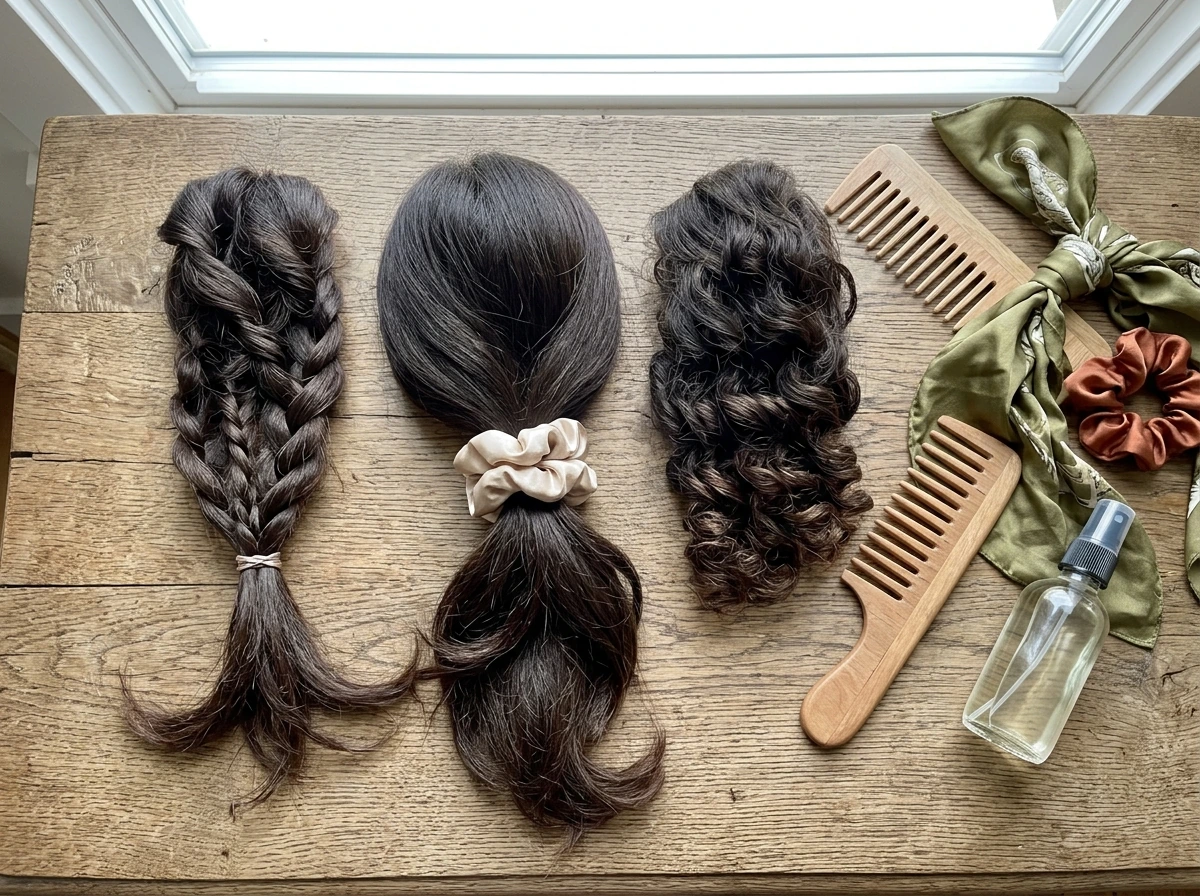
Best hair styles to grow hair by protecting strands, reducing breakage, easing scalp irritation, and supporting length g
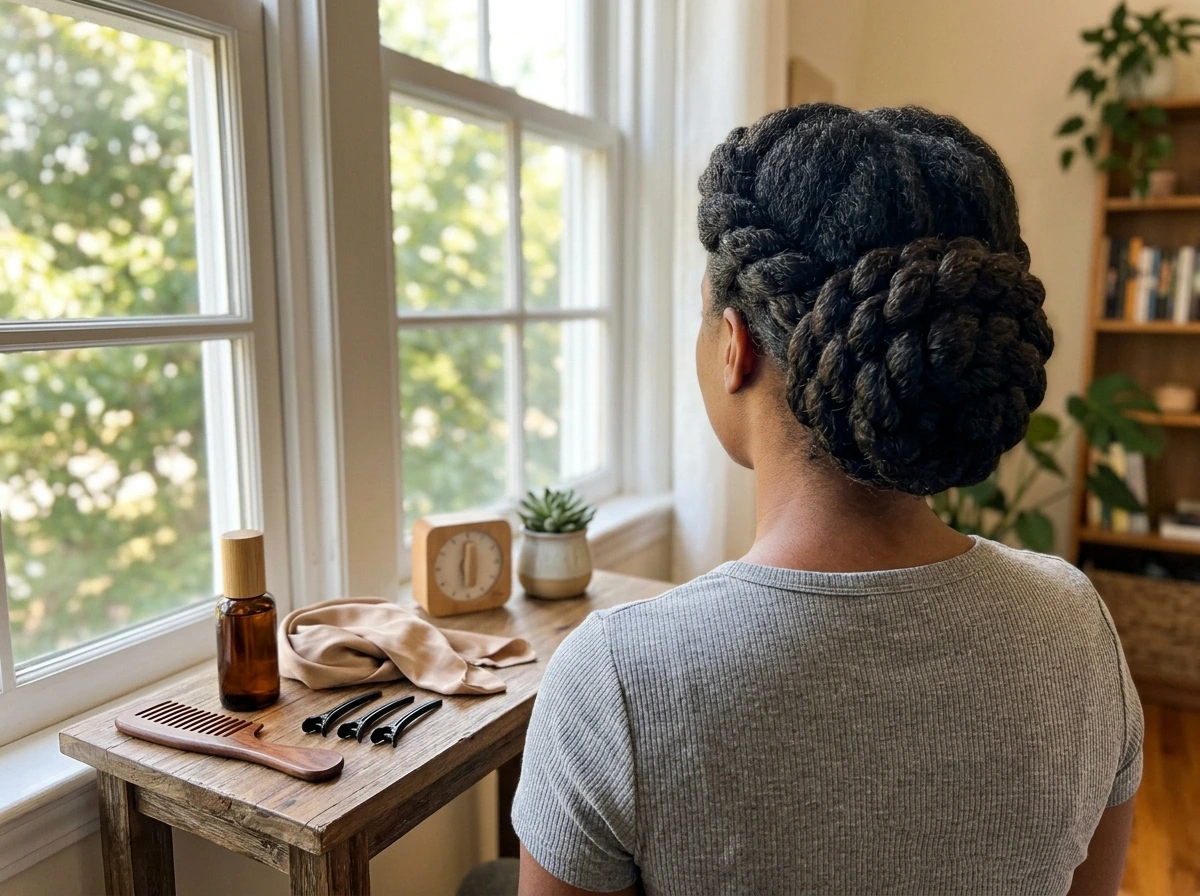
Step-by-step routine to grow hair longer naturally for women: reduce breakage, care scalp, protect styles, and set timel
Find hairstyles that help hair grow and keep length by reducing breakage, traction, and scalp stress. Plus step-by-step