
To grow your salon business in the next 30 to 90 days, you need four things working together: a clear picture of who your ideal client is, a system that turns strangers into booked appointments, a menu and pricing structure that increases what each client spends, and a retention engine that keeps them coming back. Most salon owners focus only on getting new clients, but the fastest revenue growth usually comes from doing all four at once. This guide walks you through each one, step by step, with a specific angle that sets this apart: positioning your salon around hair growth and scalp care expertise, which is one of the most underserved and high-demand niches in the hair industry right now.
How to Grow Your Salon Business: Step-by-Step Growth Plan

Marcus Holloway
19 Jun 2026

Get clear on your growth goal and who you actually want to serve

Before you run a single ad or post a single reel, you need to answer one question honestly: who is your ideal client? Not just "women aged 25 to 55" but a real person with a real problem. Are you trying to attract clients dealing with thinning hair or hair loss? People who want longer, healthier hair and have been frustrated by slow progress? People who've tried every shampoo and supplement but have never had a professional assess their scalp? Getting this specific changes everything, from how you write your Instagram bio to how you describe services on your booking page.
Once you know your ideal client, set a concrete goal. Not "get more clients" but something measurable: increase monthly bookings from 80 to 120 in 60 days, raise your average transaction value from $90 to $130 by adding scalp treatments to your menu, or push your rebooking rate from 35% to 55% in the next quarter. Industry benchmarks put the average salon rebooking rate at around 30 to 40%, with 50%+ considered excellent and 65%+ elite territory. Knowing where you are right now against those benchmarks tells you exactly where to focus energy first.
If you're just starting out, your goal might simply be to fill your chair consistently. If you've been in business a few years, you're probably more interested in optimizing the clients you already have. Both are valid, and this guide covers both. The sections on marketing and lead generation are especially useful for newer salons, while the retention and KPI sections will do more heavy lifting for established ones.
Build a client acquisition system that actually converts
A client acquisition system has three parts: a way to generate leads (people who discover you), an offer that makes them want to book, and a booking flow that doesn't get in their way. Most salons are decent at the first part and terrible at the second and third.
Make an irresistible first offer
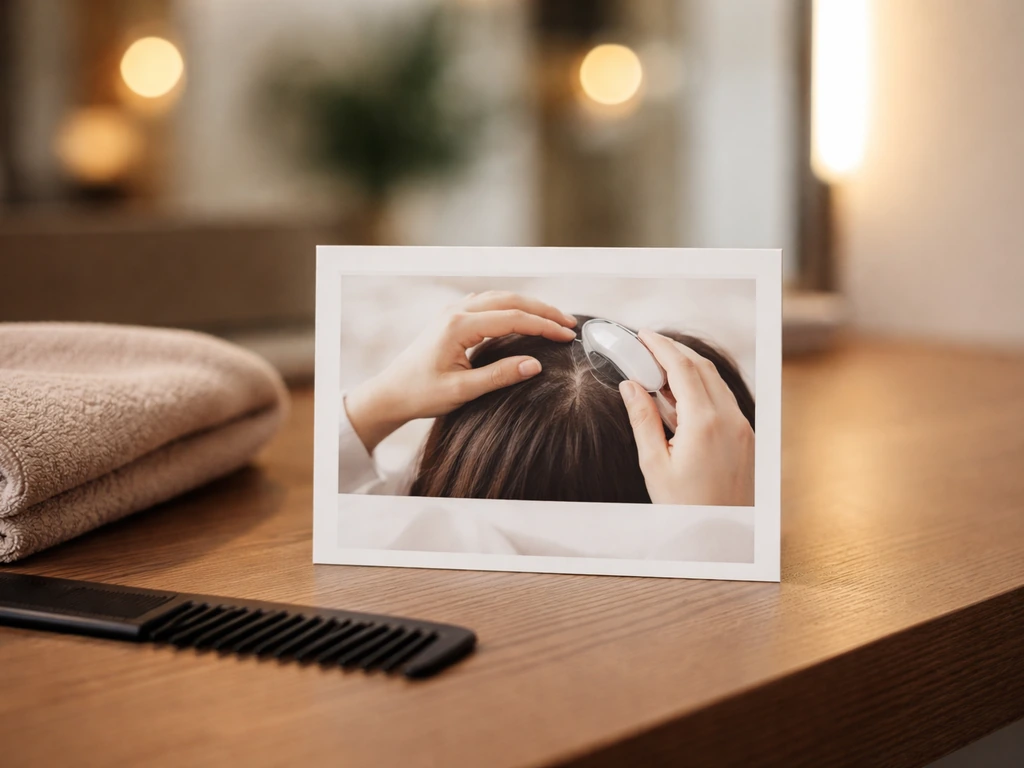
Your first offer is what you put in front of someone who has never been to your salon. It needs to be specific, low-risk, and tied to a problem your ideal client actually has. A generic "$20 off your first visit" is weak. A "Scalp Health Assessment + Personalized Hair Growth Treatment (first visit, $65)" speaks directly to someone who is frustrated with thinning hair and has been looking for real answers. The offer doesn't have to be cheap, it just has to feel worth it for someone who doesn't know you yet.
Build your offer around a consultation element whenever possible. A scalp assessment or hair health intake form serves double duty: it creates a sense of expertise and personalization before the client even sits in your chair, and it gives you information you need to recommend the right services and products. That consultation is also a natural upsell moment, which feeds directly into your average transaction value.
Fix your booking flow first
Here's something most salon owners don't think about: a slow-loading booking page or a multi-step form on mobile is silently killing your conversions. Research on local search behavior consistently shows that friction in the booking process, especially on mobile, suppresses how many people who find you actually make an appointment. If someone has to click through three pages, create an account, and fill out five fields just to book a haircut, a meaningful percentage of them will simply leave. Use a booking tool that loads fast on mobile, requires minimal fields to get started, and ideally lets clients book in under 60 seconds.
Speed matters on the response side too. BrightLocal’s Local Consumer Review Survey 2020 reports that review responses matter to consumers, including how many people recall receiving a response, which is useful for planning your review-response cadence Speed matters on the response side too. One widely cited figure in the beauty industry is that 78% of new clients book with the first business that replies to their inquiry. Whether that exact number applies to your market or not, the principle is real: if someone sends you a DM or fills out a contact form and you respond four hours later, you've probably already lost them to the salon down the street that replied in ten minutes. Set up auto-replies for after-hours inquiries so people at least know you got their message, and aim to follow up personally within the first hour during business hours.
Reduce no-shows before they drain your revenue
No-shows are a quiet revenue leak. The industry benchmark for hair salons sits around 10 to 15% of booked appointments. If you're above that, a multi-touch reminder system will fix most of it. Send a confirmation immediately after booking, a reminder 48 hours before the appointment, and a final reminder the morning of. Text reminders consistently outperform email for open rates, but using both is better than just one. You can also implement a small deposit at booking, which is one of the most effective behavioral nudges for reducing no-shows because clients who've paid something almost always show up.
Marketing that actually brings in the right clients
Local SEO: get found by people already looking for you
Your Google Business Profile (GBP) is your single most important free marketing asset if you run a local salon. Optimizing it properly means completing every field: your primary category ("Hair Salon" for most), relevant secondary categories, a complete service list with descriptions and prices, your hours, and a booking button that links directly to your scheduling page. Add photos regularly across multiple categories (interior shots, before-and-after work, your team, your retail area) because Google rewards active profiles with better visibility. Keep in mind that Google has content policies governing what you can post and upload to your profile, so stay within those guidelines when publishing photos or posts.
Reviews are the other half of local SEO. More reviews, higher ratings, and regular responses all contribute to how prominently you appear in local search results and the map pack. Make it a habit to respond to every review, positive or negative. Consumers notice when businesses respond, and it influences whether they trust you enough to book. For getting more reviews, a personalized SMS or email request sent within 24 hours of an appointment outperforms generic "leave us a review" signage by a significant margin.
Social media as a discovery and trust channel
Social media works best for salons as a portfolio and discovery tool, not a sales channel. Instagram and TikTok in particular are where people research salons visually before booking. Your content should do two things: show the quality of your work (before-and-after transformations, scalp treatment results, healthy hair progress photos) and demonstrate your expertise. Short educational videos about why scalp health matters, what causes thinning, or how a specific treatment works are genuinely shareable and position you as a knowledgeable authority rather than just another stylist. Scalp care in particular has seen a significant rise in social interest, which means educational content in this space has strong organic reach potential right now. If you want to attract people searching for how to grow your kitchen hair, share scalp-focused tips that match what they are trying to solve Scalp care in particular has seen a significant rise in social interest.
Local partnerships that send you pre-warmed leads
Partnerships with complementary local businesses can be a surprisingly efficient acquisition channel. Think about who else your ideal client already spends money with: dermatologists and trichologists who see patients with hair loss, nutritionists or functional medicine practitioners who address hair health through diet, yoga studios, med spas, or even local pharmacies that sell hair supplements. A simple referral arrangement or a co-promoted educational event ("Scalp Health Workshop: what your hair is telling you") can generate booked appointments with far less effort than paid ads.
Build a service menu that increases what each client spends
Most salon menus are a list of services with prices. A growth-focused menu is designed like a funnel: it guides clients toward higher-value options and makes it easy to add on treatments that genuinely benefit them. The architecture matters more than most owners realize.
Add-ons are your highest-margin growth lever
Add-ons like scalp treatments, deep conditioning, trichology consultations, and hair and scalp analyses have extremely high margins relative to their time cost. They also solve real problems for clients who are already motivated to address thinning, damage, or slow growth. Position these not as extras but as recommended complements to every primary service. When a stylist recommends a scalp treatment during a color appointment because they noticed buildup or inflammation, it doesn't feel like upselling, it feels like expertise. Train every team member to make at least one recommendation per client visit based on what they actually observe.
Retail products are a second revenue stream hiding in plain sight
A well-run salon should be generating roughly $25 to $35 in retail sales per service visit. If you're not hitting that, you're leaving meaningful money on the table. More importantly, research suggests clients who purchase retail products rebook about 30% more frequently than clients who don't, because they're more invested in their hair health journey. Your retail recommendations should connect directly to what you observed during the service: if you discussed scalp health, recommend the scalp serum or the clarifying shampoo. It has to feel like a natural extension of the conversation, not a product push at checkout.
Packages and memberships for predictable revenue
Packages work especially well for clients who are on a hair growth journey, because progress takes time and consistency. A "3-Month Scalp Reset Program" that bundles three treatment appointments with retail products and a home care plan gives clients a clear outcome to invest in and gives you predictable revenue. When pricing packages, a simple formula is: package price should be equal to or greater than (number of visits multiplied by your cost per visit) plus your desired margin. Memberships with monthly autopay work similarly but are better suited to clients who want ongoing maintenance, like regular scalp treatments every four to six weeks.
Build a retention engine that runs without you having to think about it
Retention is where sustainable salon growth actually lives. Getting a new client costs far more than keeping an existing one, and a client who comes back every six weeks and spends $120 each visit is worth dramatically more over a year than a one-time visitor who spends $200. The goal is to systematize retention so it happens consistently, not just when you remember to follow up.
Rebook before the client walks out
The single most impactful retention habit is rebooking at checkout. Not "we'll send you a reminder" but an actual appointment confirmed before the client leaves the salon. Industry guidance consistently frames this as the highest-leverage retention tactic available, and it's free. The conversation is simple: "Based on your treatment today, I'd recommend coming back in six weeks. Want to grab that slot now before the calendar fills up?" Tie the rebooking window to the specific service, because a color client has a different return cadence than someone doing a scalp treatment series.
Onboarding new clients properly
The first 30 days after a new client's initial visit are the highest-risk window for churn. A structured onboarding sequence dramatically improves whether that person becomes a regular. This can be as simple as a personal thank-you text the day after their visit, a follow-up message at day seven asking how their hair is responding to the treatment, and an educational email at day 14 with tips relevant to what you discussed (scalp care routine, product usage, dietary factors for hair health). By day 30, you're sending a rebooking reminder that references their specific service. These touchpoints feel personal, demonstrate genuine interest in their results, and build the kind of trust that turns a first-time client into a loyal one.
Referral programs that stylists actually mention
A referral program only works if your team actually tells clients about it. The most effective approach is to mention it twice per visit: once near the beginning ("By the way, we have a referral program I want to tell you about") and once at checkout. Give both the referrer and the new client a benefit at the point when the new booking is completed, not before, because that's when the behavior you want has actually happened. Include the referral link in the booking confirmation text so clients have it handy when they want to share it.
Keep your loyalty program simple
Complicated loyalty programs have low adoption rates because clients don't bother tracking them. A straightforward visit-based reward (every fifth visit gets a complimentary add-on treatment, for example) is easier to communicate and easier to remember than a points system. VIP tiers work well once you have a substantial client base, because they create a sense of status for your most loyal clients. Whatever structure you choose, keep it simple enough that a stylist can explain it in one sentence.
Position your salon as the go-to hair-growth and scalp-care expert
This is the differentiator that most salons are sleeping on. There are millions of people actively searching for help with thinning hair, slow growth, scalp issues, and hair damage. They're reading articles, watching videos, buying supplements, and trying home remedies. Very few of them have a salon they trust to actually address these concerns professionally. If you position your salon around evidence-based hair growth and scalp care, you're not just a place to get a haircut, you're a destination for people with a real problem and real motivation to spend money solving it. If you want a step-by-step approach, start with a clear plan for how to grow a hair business using offers, retention, and local visibility hair-growth and scalp care expert.
This means training your team to understand the basics of hair biology: how the hair growth cycle works, what causes thinning (nutrition deficiencies, hormonal shifts, scalp inflammation, mechanical damage), and how scalp health directly affects hair density and growth rate. It means offering proper scalp assessments as a service, not just a consultation gimmick. And it means being able to have an informed conversation with a client about what they can do at home alongside their salon treatments, including diet, supplements, and scalp care routines.
One important line to hold here: stay in your lane professionally. You can educate clients about scalp health, recommend evidence-informed treatments, and support their home care routine. You should not claim to treat or cure medical conditions like alopecia areata, which is an autoimmune disorder that requires clinical care, or make drug-like claims about products unless those products are FDA-regulated drugs. The FTC requires that advertising claims about health products be substantiated with competent, reliable evidence, and cosmetics that are marketed as affecting the structure or function of the body in a drug-like way can draw regulatory scrutiny. Keep your educational content factual and honest, and refer clients to a dermatologist or trichologist when their situation is beyond your scope. That kind of professional integrity actually builds more trust than overpromising.
Your content strategy should reflect this positioning. Blog posts explaining the connection between scalp health and hair growth, short videos demonstrating your scalp assessment process, client stories (with permission) about hair health improvements over a treatment series, and educational posts about how nutrition and stress affect the hair cycle all serve a dual purpose: they attract the right clients through search and social, and they reinforce your authority to existing clients. This approach overlaps naturally with the broader hair growth resource space, where people are already consuming content about diet, supplements, and scalp care routines. Your salon becomes the professional complement to the research they're already doing.
Track the numbers that actually tell you if it's working
Growth without measurement is just guessing. You need a short list of KPIs you look at every single week, not monthly, because weekly tracking lets you catch problems before they become expensive. Here are the ones that matter most for a growing salon.
| KPI | What It Measures | Benchmark to Target |
|---|---|---|
| Rebooking rate | % of clients who rebook before or shortly after their visit | 50%+ (65%+ is elite) |
| No-show rate | % of booked appointments that don't show up | Below 10–15% |
| Average transaction value | Total revenue divided by number of appointments | Track weekly and aim to increase each quarter |
| Retail attach rate | % of service visits that include a retail product sale | Aim for $25–$35 retail per visit |
| New client conversion rate | % of inquiries or first-time visitors who become repeat clients | Track and improve month-over-month |
| Client retention rate | % of clients who return within a set window (e.g., 90 days) | Track weekly; rising rate = healthy retention engine |
| Revenue per service hour | Total revenue divided by total service hours worked | Use to evaluate staff productivity and pricing |
Review these numbers every Monday morning for the previous week. When you see something drop, diagnose the cause before trying to fix it. A sudden spike in no-shows usually means your reminder system broke down or you stopped collecting deposits. A declining rebooking rate often means the rebook-at-checkout habit slipped. A flat average transaction value usually means add-on recommendations aren't happening consistently. The numbers point you to the system that needs attention.
One practical way to organize this is a simple weekly review ritual: pull your KPIs from your booking software, note anything that moved significantly up or down, identify one specific thing to fix or test that week, and track whether the change worked the following Monday. That loop, practiced consistently, compounds over months into meaningful growth. It's less exciting than a viral Instagram reel but far more reliable.
Your 30-day action plan to start seeing results
If you're feeling overwhelmed by the scope of all this, start here. These are the highest-leverage moves you can make in your first 30 days, roughly in order of impact.
- Fully optimize your Google Business Profile: complete every field, add a booking button, upload 10+ photos across multiple categories, and respond to any unanswered reviews within 48 hours.
- Define your ideal client in one clear sentence and rewrite your salon's bio, booking page headline, and first-offer language to speak directly to that person.
- Set up automated booking confirmations and at least two reminders (48 hours and same morning) via SMS in your booking software.
- Add one scalp-care or hair-growth-focused service to your menu with a clear description and price, and brief your team on how to recommend it.
- Implement rebook-at-checkout as a non-negotiable step in your checkout process, and track your rebooking rate at the end of each week.
- Ask every client for a Google review within 24 hours of their visit using a personalized SMS with a direct link.
- Identify two or three local complementary businesses (a dermatologist, a nutritionist, a wellness studio) and reach out about a simple referral partnership.
- Pull your baseline KPIs from the past 30 days: rebooking rate, no-show rate, average transaction value, and retention rate. Write them down. These are your starting point.
Growing a salon business isn't about finding one magic tactic. If you want to see how to grow a hair salon business step by step, focus on clear positioning, conversion-focused booking, a value-driven menu, and retention systems grow a salon business. It's about building systems that work together: a clear positioning that attracts the right clients, a booking flow that converts them efficiently, a service menu that maximizes the value of each visit, and a retention engine that keeps them coming back. Do all four with intention, measure what's happening, and adjust weekly. Ninety days of consistent execution on these fundamentals will do more for your business than any single campaign or promotion you've ever run.
FAQ
How do I narrow down my ideal client if I serve many different hair concerns?
Start by listing the top 10 problems your clients mention in your chair (for example, shedding after stress, scalp buildup, slow visible regrowth, breakage from heat). Then choose one primary “growth and scalp care” segment to target for 60 to 90 days, and write your booking-page promise around that one problem. You can expand later, but splitting your message too early usually makes your ads, reels, and service menu feel generic.
What makes a first-time salon offer strong enough to book new clients?
Your offer should include (1) a specific assessment step, (2) a clear output the client receives (like a written scalp plan or personalized routine), and (3) a time-bound recommendation (for example, book within the next 7 days to start the scalp reset). If you cannot describe the result in one sentence, the offer is probably too vague to convert well.
What should I do if my team is too busy to offer full scalp consultations to everyone?
If you do not have staff capacity for deep scalp appointments, run the assessment as the first 10 minutes of an existing service flow, or bundle it with high-intent services like color glossing or scalp treatment add-ons. You can also offer two tiers, a quick intake at first visit and a full scalp consultation after they rebook, so capacity and conversion still work together.
How can I tell whether my booking process is hurting conversions, not my marketing?
Make it easy to book by reducing choices on mobile: one primary service button, one “choose add-ons” screen, then confirmation. Also ensure the earliest available time slot is shown (not just “request booking”), and keep the number of fields minimal for first contact. If your booking form requires many details up front, expect higher drop-off even if your marketing traffic is strong.
Should I charge a deposit to reduce no-shows, and what’s the right way to do it?
Yes, but only in ways that protect your trust and reduce risk. Common approaches are a refundable deposit for appointments over a certain duration, or a smaller deposit for scalp series bookings. Avoid policies that feel punitive, and clearly state how clients can reschedule (for example, online cutoff windows and what happens if they miss the window).
How do I set the right rebooking cadence for different services?
Rebook-at-checkout works best when the return window is tied to the visit type and your client’s goal. Example: scalp treatment series may be 4 weeks apart, color maintenance might be 6 to 8 weeks, and consult-only visits might be 10 to 14 days depending on next steps. If you give everyone the same “come back in six weeks,” your rebooking rate will usually stagnate.
What KPIs should I review if my bookings are up but retention is dropping?
Track rebooking and no-shows separately, then compare them by source channel (GBP, Instagram, referral) and by stylist if possible. A channel with high leads but low rebooking usually has an expectations problem (offer or service description mismatch), while a stylist-specific dip often points to process training, follow-up timing, or appointment duration issues.
What should my first 30 days of onboarding look like for new clients?
Build an onboarding sequence that includes both education and action. For example, day-1 thank-you, day-7 “how is your scalp responding?” with a question, day-14 a short routine based on what you recommended, and day-30 a rebooking link that references their exact service. The key is personalization, not volume, so each message should mention at least one detail from their visit.
How do I increase referral participation without feeling salesy?
If you want referrals to actually happen, train every team member to speak about it at two moments: early in the appointment and at checkout when the next booking is confirmed. Also give the referrer a benefit that activates only after the new client completes the first visit, so the program rewards action, not just sharing.
What loyalty structure works best for clients focused on hair growth and scalp health?
For hair growth journeys, choose rewards that reinforce consistency. Examples: “every fifth visit includes a scalp add-on,” or “a complimentary clarifying cleanse after completing a treatment series.” Points systems often get ignored because clients forget balances, but visit-based rewards are easier to explain and easier to redeem.
How can I talk about hair loss and scalp health without making medical claims?
Do not overclaim medically. Instead, use language like “supports scalp health,” “helps reduce visible buildup,” or “designed to promote healthier-looking hair over time.” If a client asks about a medical diagnosis or drug-like effects, refer them to a dermatologist or trichologist and continue with education and evidence-informed salon support.
What social content should I post if my goal is specifically to grow your salon business around hair growth?
Yes, but the content should stay specific and actionable. Create “before and after” style stories with permission, explain your assessment process visually, and post short how-to clips that match real questions people search (for example, how scalp inflammation shows up, or what to do about product buildup). If your content is too broad, you’ll attract the wrong audience and struggle to convert.
How do I increase retail sales without irritating clients?
If retail sales are low, the fix is usually consistency in recommendations, not stocking more products. Use a simple script tied to your observations during the appointment (buildup, dryness, sensitivity, or breakage) and recommend one primary product plus one supporting item. Also make retail easy to buy (checkout availability, clear instructions, and a follow-up text after the appointment).
When should I offer packages or memberships, and how do I price them correctly?
A good package includes a clear progression and a home-care plan, plus an easy way to schedule. Price it so the client’s package value is obvious compared to buying each visit separately, then ensure your package includes the add-ons that match their goal (like scalp treatments and scalp-focused products). If the client cannot see a timeline or plan, they will hesitate.
My weekly KPIs moved in a bad direction, how do I diagnose the likely cause quickly?
If measurements show a problem, decide whether the issue is conversion, capacity, or experience. A sudden jump in no-shows suggests deposits or reminders failed. A drop in average transaction value suggests staff are skipping add-ons or the menu is not clear. A decline in rebooking often points to rebooking-at-checkout not being done consistently, or your recommended return window is off.
Next Articles
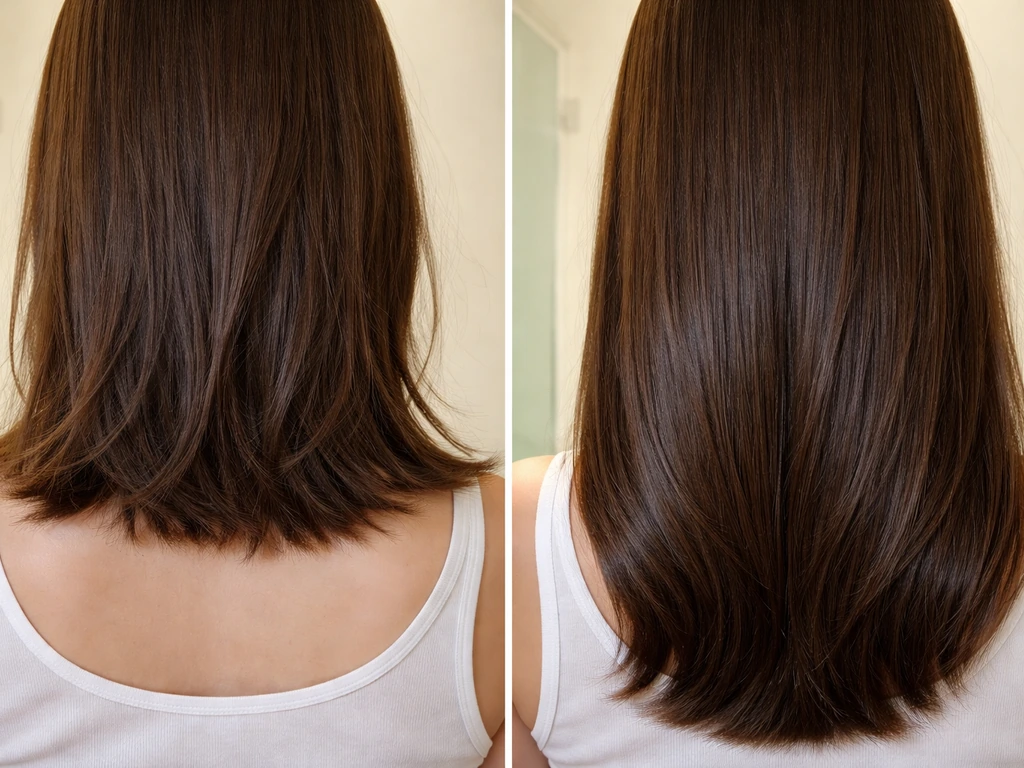
Tips on How to Grow Your Hair Out: A Step by Step Guide
Step-by-step tips to grow hair out: stop breakage, build scalp routine, nutrition, safe actives, and track progress.
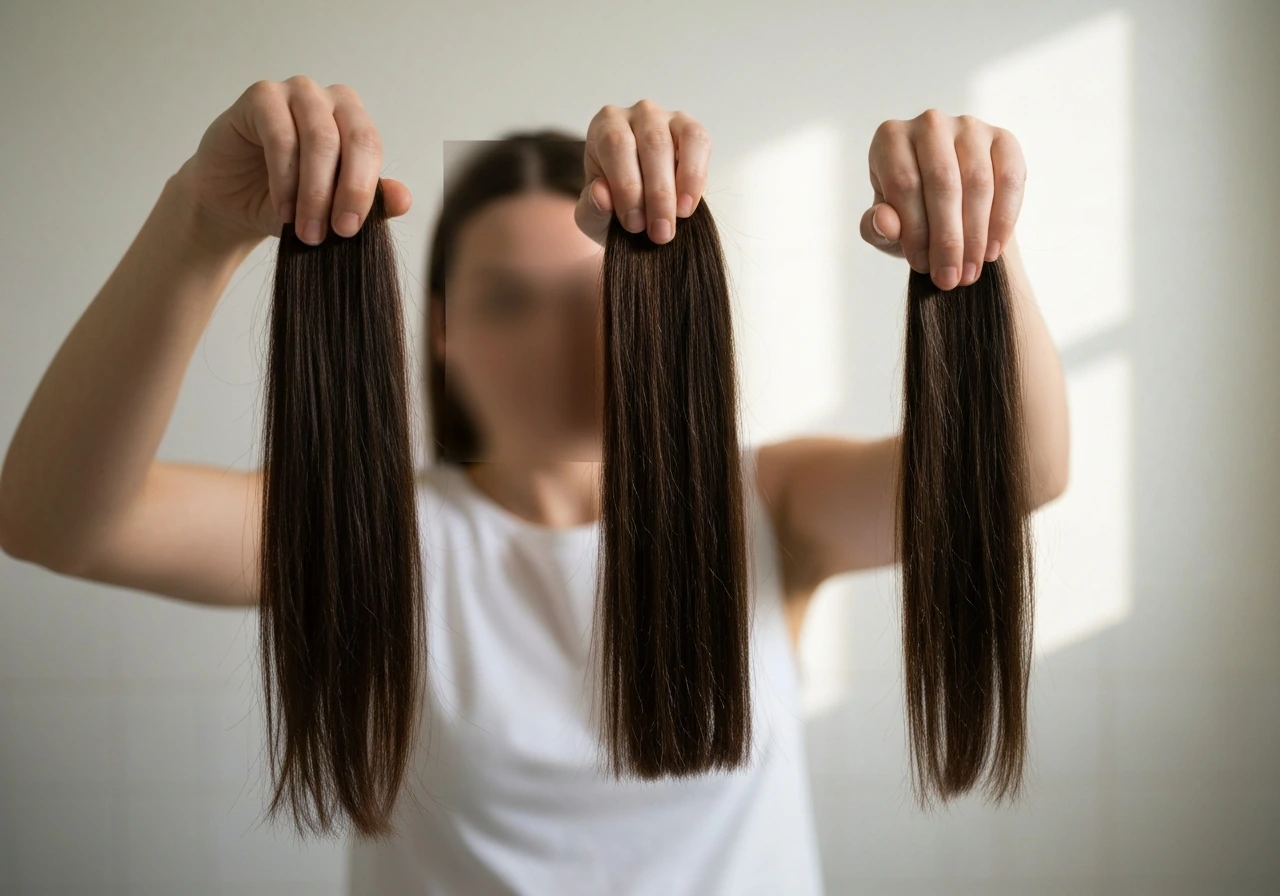
Grow Hair Long Tips: Step-by-Step Routine to Reach Length
Step-by-step grow hair long tips: boost scalp health, cut breakage, improve diet, and track progress for length.

Tips for How to Grow Long Hair: A Practical Guide
Actionable tips to grow long hair naturally: care routine, scalp habits, nutrition and breakage prevention for healthy l