
You can grow your frontal hairline back, but how well and how fast depends almost entirely on what's causing it to thin in the first place. Androgenetic alopecia, traction from tight styles, scalp inflammation, or a shedding episode (telogen effluvium) all look similar in the mirror but need different fixes. Get the cause right and you have a real shot at meaningful regrowth within 3 to 6 months. Get it wrong and you'll spend months on the wrong strategy wondering why nothing is working.
How to Grow a Frontal Hairline Back: 3–6 Month Plan

Marcus Holloway
12 Jun 2026
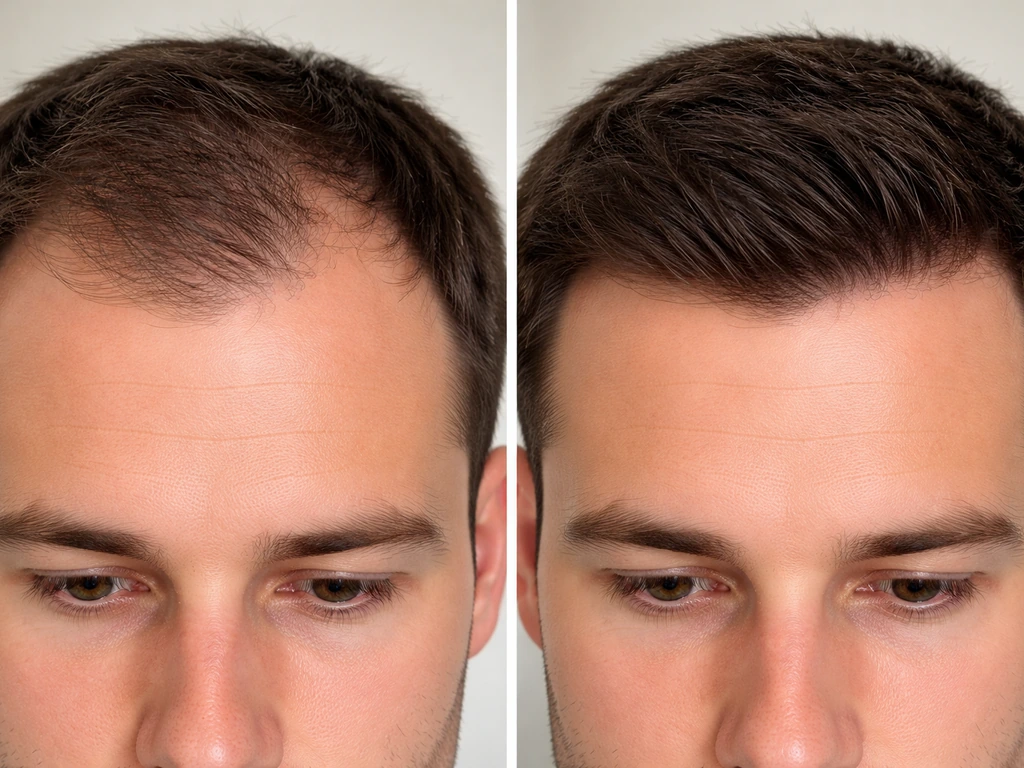
Why your front hairline actually recedes
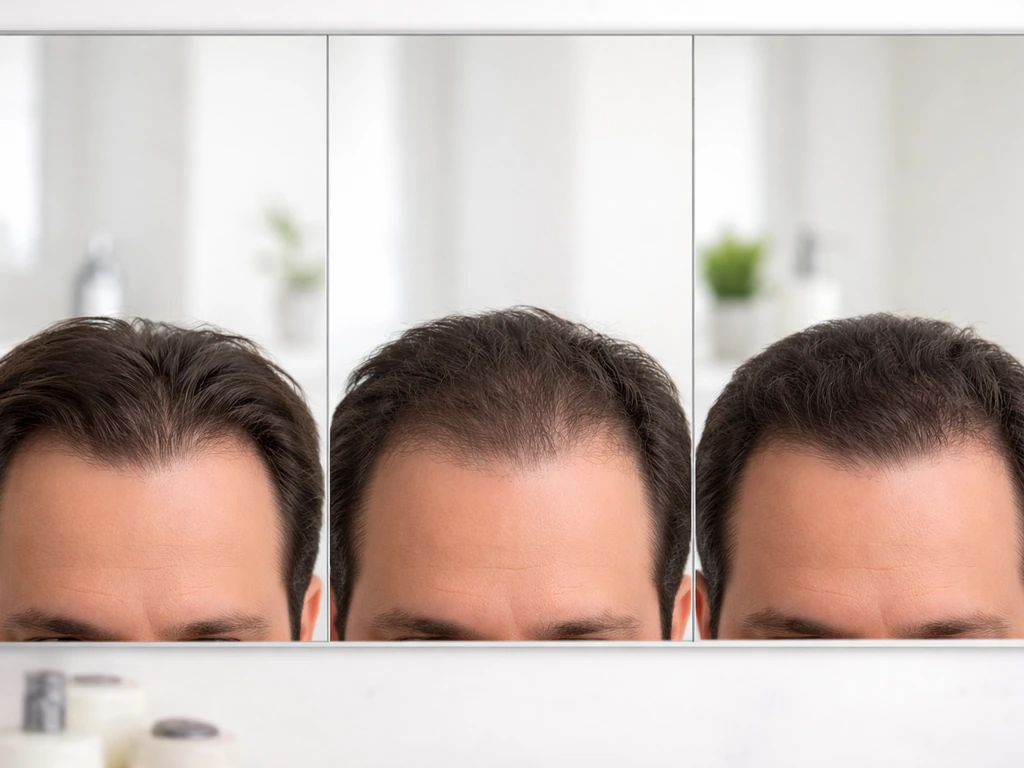
Not all frontal hairline loss is the same, and lumping it all together is one of the most common reasons people waste months on the wrong approach. There are four main culprits worth understanding.
Androgenetic alopecia (pattern hair loss)
This is the most common cause of a progressively receding front hairline in both men and women. In men, it typically starts at the temples and creates the classic M-shape. In women, it often shows as general thinning across the crown with some frontal involvement, though the hairline itself usually stays intact longer. The driver is dihydrotestosterone (DHT), a hormone byproduct that miniaturizes hair follicles over time. The follicles don't die immediately, they just shrink, producing thinner and shorter hairs until they stop altogether. This is why catching it early matters so much.
Traction alopecia
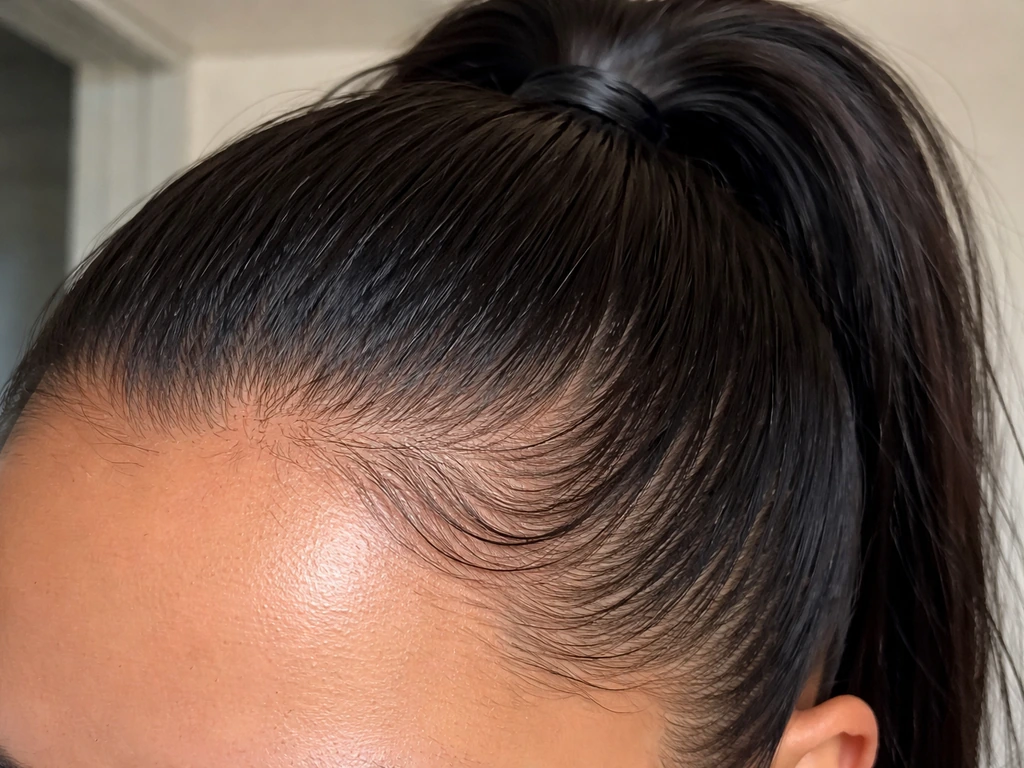
Traction alopecia is caused by chronic physical tension on the hair follicles, almost always from tight hairstyles like braids, weaves, high ponytails, locs, or relaxers. It predominantly affects the front and sides of the scalp, which is exactly where the pulling is most concentrated. One diagnostic clue is the "fringe sign": a band of shorter, finer hairs along the very edge of the hairline, with visible thinning just behind it.
Early on, you might also notice folliculitis (small pimples around the follicle), hair casts (white tubes around the hair shaft), and broken hairs. The critical thing to know is that early traction alopecia is reversible. If the tension continues, it can progress to scarring alopecia, where the follicle is permanently damaged. Catching it early is everything.
Telogen effluvium (shedding episodes)
Telogen effluvium is a diffuse, temporary shedding event triggered by a physical or emotional stressor: illness, surgery, crash dieting, pregnancy, major stress, or a nutritional deficiency. Hair doesn't thin in one area specifically, it sheds all over, but you'll often notice it most at the front because that hair is finer and sparser to begin with. A useful sign that you're actually recovering from telogen effluvium is seeing a "fine fringe" of short new hairs sprouting along the forehead hairline, which are the new hairs pushing through as the cycle resets. Shedding usually peaks about 3 months after the trigger, and regrowth typically follows within 6 to 12 months once the underlying cause is resolved.
Breakage vs. actual hair loss
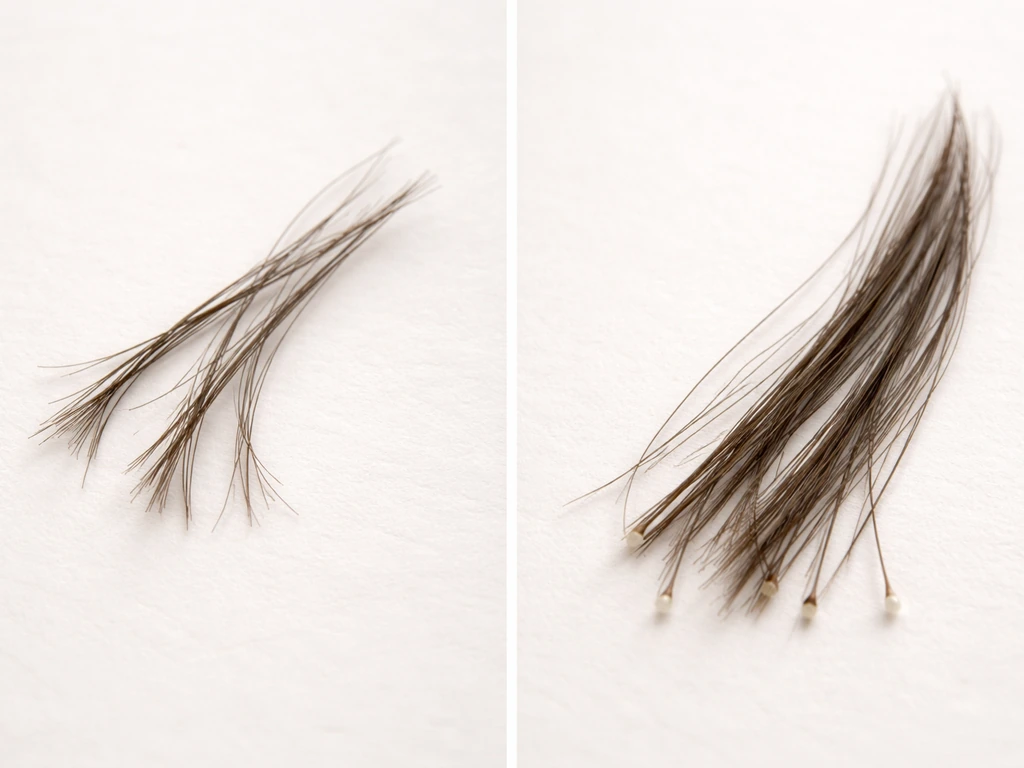
Breakage is not the same as hair loss, though the front hairline can look thin from either. Breakage happens when the hair shaft snaps mid-strand due to dryness, heat damage, chemical processing, or mechanical stress from brushing. You'll see short, uneven stubs rather than a clean hairline recession. The follicle is fine, the hair is just damaged. This is especially common along the hairline and edges. The fix here is strengthening the hair shaft, not stimulating the follicle.
Check your own hairline before you do anything else
A few minutes of honest self-assessment can save you months of chasing the wrong solution. Stand in good lighting and look closely at your frontal hairline, then ask yourself the following questions.
- Is the recession gradual and symmetric, matching your family's hair pattern? More likely androgenetic alopecia.
- Do you regularly wear tight braids, ponytails, weaves, or extensions? Can you see the fringe sign (fine hairs at the very edge with thinning behind)? More likely traction alopecia.
- Did your shedding start roughly 2 to 4 months after a big stressor (illness, weight loss, surgery, major life event)? Are you seeing new short hairs poking through? More likely telogen effluvium in recovery.
- Are the short hairs uneven and rough-ended rather than cleanly tapered? More likely breakage.
- Do you have scalp flaking, redness, itching, or tenderness along the front hairline? Scalp inflammation (seborrheic dermatitis, psoriasis, or folliculitis) may be contributing.
The American Academy of Dermatology also points out specific warning signs that a hairstyle is too tight: pain from the pulled hair, stinging on the scalp, or "tenting" (where sections of your scalp are visibly pulled upward). If you've experienced any of these, traction is almost certainly a factor.
When to stop guessing and see a dermatologist
Self-assessment only goes so far. See a dermatologist or trichologist if: your hairline has been receding for more than 6 months with no obvious trigger, you're under 25 and losing ground fast, you've developed patches of complete hair loss, your scalp is scarring or chronically inflamed, or three months of consistent home treatment has produced zero change. A dermatologist can do a trichoscopy (a dermoscopy exam of the scalp) to differentiate conditions like telogen effluvium from androgenetic alopecia based on hair shaft diameter patterns, follicle density, and other markers that aren't visible to the naked eye. Blood work to check ferritin, thyroid function, and hormones is also commonly ordered and can reveal fixable underlying causes.
Evidence-based options that actually regrow hair
Let's talk about what has real clinical evidence behind it, because a lot of what's marketed for hairline regrowth is noise.
Minoxidil: the most accessible starting point
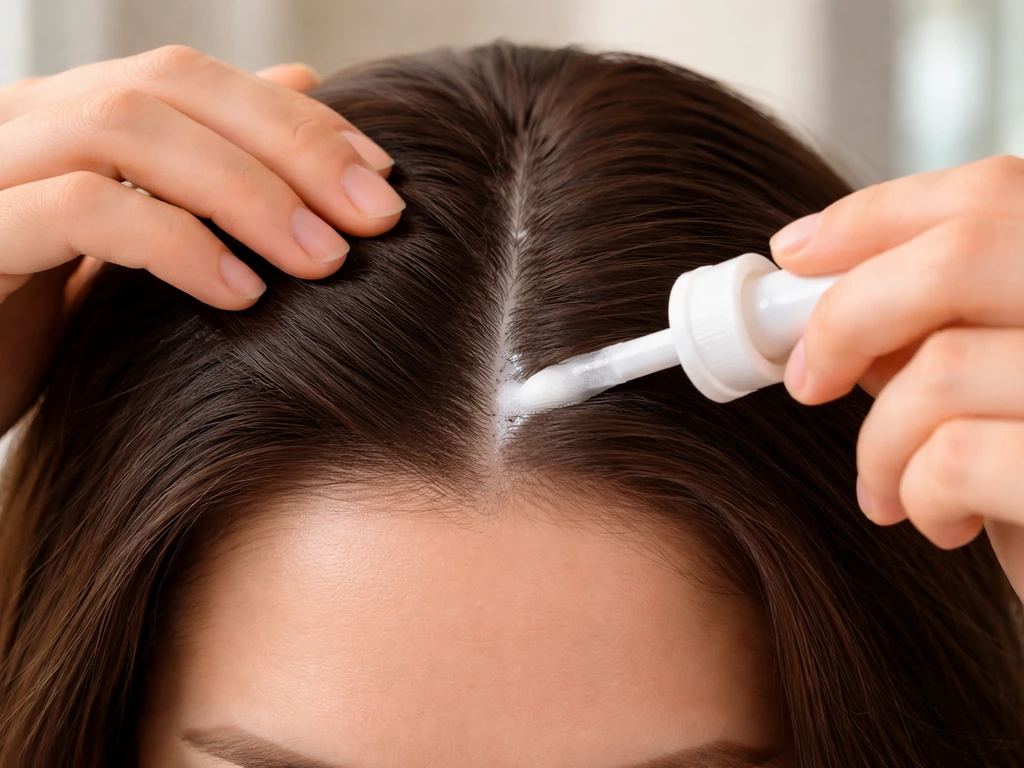
Topical minoxidil (2% for women, 5% for men, though 5% is now commonly used for women off-label) is the most well-studied over-the-counter hair loss treatment available. If you specifically want a step-by-step approach for how to grow hair frontline, start with the evidence-based regrowth options like minoxidil and pair them with the right scalp routine.
It works by widening blood vessels in the scalp, improving blood flow and oxygen delivery to follicles, and extending the anagen (growth) phase of the hair cycle. Apply it directly to the front hairline and surrounding scalp, not just the top of the head. Twice daily is the standard protocol, though once-daily application of the 5% foam formulation is also effective and better tolerated for some people. Oral low-dose minoxidil (0.
25 to 5 mg daily) has grown significantly in clinical use and may be more effective for some people; it requires a prescription in most countries. Expect to wait at least 3 to 4 months before judging results, and know that shedding in the first 4 to 8 weeks is normal as the follicles reset. You need to keep using it indefinitely, as stopping reverses the gains within a few months.
Finasteride and dutasteride (for men)
For men with androgenetic alopecia, finasteride (1 mg daily) blocks the conversion of testosterone to DHT and is significantly more effective than minoxidil alone for slowing frontal recession and stimulating regrowth. Dutasteride (0.5 mg daily) is a more potent DHT blocker with even stronger evidence for regrowth. Both require a prescription and have potential sexual side effects that are worth discussing honestly with a doctor. These are not quick fixes: the full benefit often takes 12 months or more to assess, and like minoxidil, stopping reverses the gains.
Prescription options for women
Women with hormonal pattern loss may benefit from anti-androgens like spironolactone (not suitable during pregnancy) or, in some countries, topical finasteride formulations. These require a prescribing clinician. Some women also see improvement with oral minoxidil at low doses. If your loss is tied to a thyroid issue, iron deficiency, or hormonal imbalance, correcting that underlying condition is the primary fix, and the hair often responds well once levels normalize.
What to expect from a realistic timeline
| Timeframe | What's happening | What you'll notice |
|---|---|---|
| Weeks 1–8 | Treatment begins; follicles adjusting | Possible increased shedding (normal); no visible regrowth yet |
| Months 2–3 | Miniaturized follicles begin to strengthen | Faint baby hairs may appear; shedding slows |
| Months 3–6 | Active regrowth phase | New hairs visible at the hairline; density improves noticeably |
| Months 6–12 | Continued thickening | Hair shaft diameter increases; fuller frontal hairline |
| 12+ months | Ongoing maintenance required | Maximum benefit; results depend on continued treatment |
Build a scalp care routine that supports regrowth
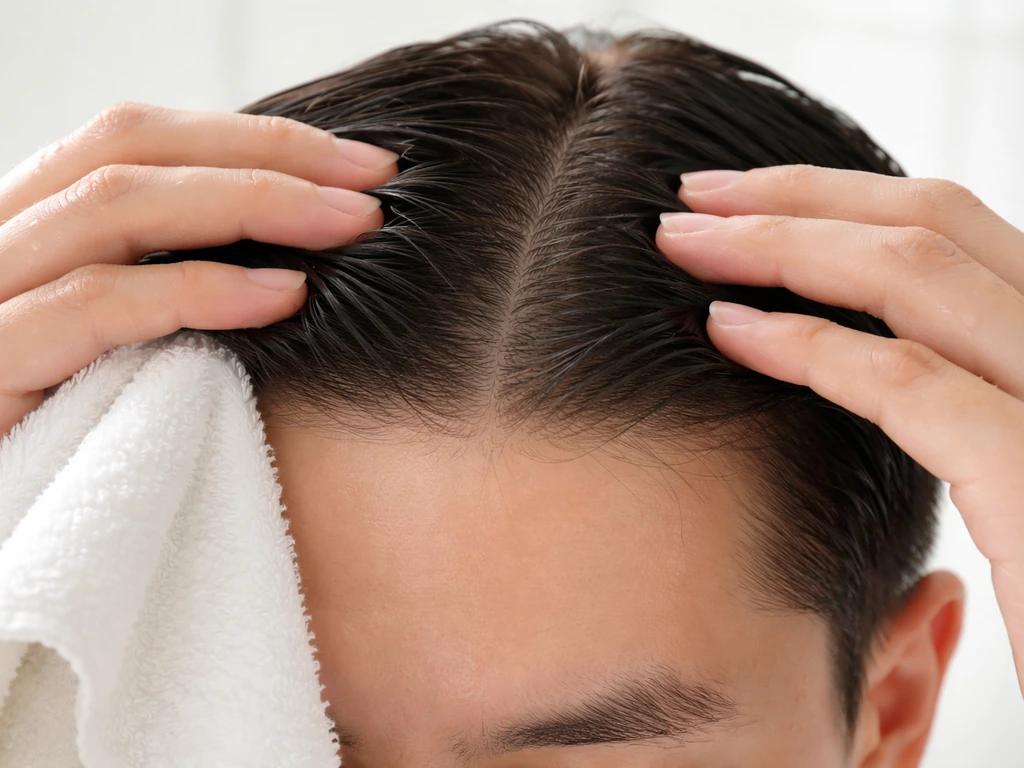
Regrowth treatments work best on a scalp that's clean, healthy, and well-circulated. Think of scalp care as clearing the way for the treatments to actually reach the follicle.
Cleansing without stripping
Wash your scalp regularly, at least two to three times per week, using a gentle sulfate-free shampoo or a mild clarifying shampoo if you have product buildup. An itchy, flaky scalp (seborrheic dermatitis) is associated with frontal hairline thinning because the chronic inflammation disrupts the follicular environment. If you have visible flaking or persistent itchiness, a zinc pyrithione, ketoconazole 1%, or selenium sulfide shampoo used two to three times per week is genuinely helpful and is not just a dandruff fix. For people using topical minoxidil, applying to a clean, dry scalp improves absorption significantly.
Scalp massage
A 4-minute daily scalp massage has clinical backing for improving hair thickness, likely through mechanical stimulation of the dermal papilla cells and increased blood circulation to the follicle. Use your fingertips (not nails) and apply firm but comfortable circular pressure along the front hairline and crown. You can do this dry, with a few drops of diluted essential oil, or while applying minoxidil to multitask. Consistency matters more than intensity here. An electric scalp massager works just as well if you find manual massage tedious.
Handle the front hairline gently
The frontal hairline is the most mechanically stressed hair on your head because it catches edges, elastic bands, combs, and styling tools first. Switch to a seamless, fabric-covered elastic or silk scrunchie instead of rubber bands. Sleep on a satin or silk pillowcase to reduce friction. Avoid pulling your hair tightly away from the face. If you wear extensions, weaves, or braids, give your hairline rest periods of at least 6 to 8 weeks between installs, and never ignore the AAD warning signs of pain, stinging, or tenting. These aren't just comfort issues; they're early warnings of follicle damage.
Reduce inflammation at the scalp
Chronic scalp inflammation, from dandruff, contact dermatitis from hair products, or folliculitis, quietly sabotages regrowth by damaging the follicular micro-environment. Check your products for potential irritants: fragrances, certain preservatives, and heavy occlusive ingredients applied directly to the scalp can trigger reactions in sensitive people. If your hairline skin feels tight, red, or persistently irritated, strip your routine back to the basics (gentle shampoo, no styling products on the scalp) for four weeks and see if things calm down.
Nutrition, supplements, and natural topicals that are worth your time
This is where the most noise exists in the hair growth space, so let's be direct about what has real support and what is mostly marketing.
Nutrients with genuine evidence
- Iron (ferritin): Low ferritin is one of the most underdiagnosed drivers of diffuse hair shedding and frontal thinning in women. A serum ferritin below 30 ng/mL is considered a potential hair loss threshold by many trichologists. Get tested before supplementing; excess iron is harmful.
- Zinc: Deficiency is associated with hair loss, and correcting a genuine deficiency helps. Supplementing when you're not deficient is unlikely to help and can interfere with copper absorption.
- Vitamin D: Hair follicles have vitamin D receptors, and deficiency is common in people with hair loss. A blood test can confirm whether you need to supplement and at what dose.
- Biotin: Widely marketed, but there is no strong evidence it helps hair loss in people who are not genuinely biotin-deficient (which is rare). It can also interfere with thyroid and troponin blood tests.
- Saw palmetto: A plant-based DHT blocker with modest but real evidence in several clinical trials, particularly for androgenetic alopecia. It's a reasonable addition if you're not using finasteride, but it's not a substitute for proven treatments.
- Protein: Hair is almost entirely made of keratin. Chronically low protein intake will worsen any type of hair loss. Aim for at least 0.8 grams per kilogram of body weight daily, and more if you're physically active.
Natural topical options
Rosemary oil has the strongest natural topical evidence: one randomized controlled trial found it comparable to 2% minoxidil for increasing hair count over 6 months. Dilute it to a 2 to 3% concentration in a carrier oil (jojoba or coconut oil work well), apply directly to the hairline, and massage in for 2 to 4 minutes before washing out or leaving overnight. Peppermint oil has supporting animal study data and some small human trials showing blood flow improvement.
Castor oil is a popular choice for edges and hairline thickness, and while the clinical evidence is thin, the oil is safe, reduces breakage, and may help retain moisture along the fragile frontal hairline. The honest caveat: no natural topical matches the regrowth data behind minoxidil for true follicle stimulation.
Multi-ingredient supplements: proceed carefully
Products like Nutrafol, Viviscal, and Perfectil have proprietary blends with some clinical trial data (often funded by the manufacturer), and some people do see real improvements. If you choose to try one, commit for at least 6 months before judging and check the ingredient list carefully for mega-doses of anything (especially vitamin A and selenium, which cause hair loss at high doses). A targeted approach addressing your actual deficiencies is usually more cost-effective than a broad multi-ingredient supplement.
The lifestyle factors quietly working against your hairline
Even the best topical routine will underperform if these systemic factors are pulling in the other direction.
Stress and the cortisol connection
Chronic stress elevates cortisol, which disrupts the hair cycle and can push a significant percentage of follicles prematurely into the shedding (telogen) phase. This doesn't mean you can think your hair back, but genuinely managing stress through exercise, sleep, therapy, or whatever works for you does reduce one of the most consistent contributors to diffuse shedding. The frontal hairline, being naturally finer and more exposed, shows this first.
Sleep
Cell repair, hormone regulation, and growth hormone release all peak during sleep. Chronic sleep deprivation disrupts all of these processes. Consistently getting 7 to 9 hours of quality sleep is not optional if regrowth is your goal; it's part of the treatment.
Smoking
Smoking restricts microcirculation to the scalp, generates free radicals that damage hair follicle DNA, and is independently associated with accelerated androgenetic alopecia. If you smoke and you're dealing with frontal hairline recession, quitting is the most underrated hair intervention available to you.
Weight changes and crash dieting
Rapid weight loss (more than about 1 to 1.5 pounds per week sustained over months) almost always triggers telogen effluvium because of the caloric restriction, reduced protein intake, and physiological stress. If you've lost weight quickly in the past 3 to 6 months, that's very likely a key piece of your hairline picture. Stabilizing your intake and ensuring adequate protein and micronutrients is the fix.
Hormones and thyroid
Thyroid disorders (both hypo- and hyperthyroidism), polycystic ovary syndrome (PCOS), postpartum hormonal shifts, and menopause all directly affect the hair cycle and can cause frontal thinning. These are medical diagnoses, not lifestyle tweaks. If any of these apply to you or are suspected, working with your doctor to manage the condition comes first, before any topical treatment plan.
Stop making these mistakes, then build your 3–6 month plan
Common mistakes that delay results
- Switching treatments every 4 to 6 weeks because you haven't seen results yet. Hair cycles are 3 to 6 months long; impatience is the number-one reason people quit right before things would have worked.
- Applying minoxidil to the mid-lengths and ends of the hair instead of directly on the scalp at the hairline.
- Using tight hairstyles while also trying to regrow the front hairline. The tension directly undoes any regrowth work.
- Supplementing biotin heavily while skipping a ferritin or vitamin D test that might actually reveal the real cause.
- Expecting full restoration of a hairline that has been receding for 10 or 15 years without considering whether a clinical-level intervention (finasteride, PRP, or hair transplant consultation) is actually needed.
- Ignoring scalp health and focusing only on the hair shafts. Follicles in an inflamed, oily, or blocked scalp environment cannot respond to regrowth treatments properly.
- Using heat tools directly on the hairline daily while trying to regrow it. Even if the hair loss is follicular in origin, breakage will erase any visible progress.
Your 3 to 6 month action plan
- Week 1: Do your self-assessment. Identify your most likely cause (traction, androgenetic, telogen effluvium, or breakage). If in doubt, book a dermatology consultation now rather than later. Get a blood panel (ferritin, vitamin D, thyroid, full blood count) if diffuse shedding is involved.
- Week 1–2: Audit your scalp routine. Start washing 2 to 3 times per week with a gentle shampoo. If you have dandruff or irritation, switch to a ketoconazole or zinc pyrithione formula. Stop any tight hairstyles immediately if traction is a suspected cause.
- Week 2: Start minoxidil (5% foam for most people, applied to the front hairline twice daily or once daily per product instructions). If you're male with clear androgenetic alopecia, speak to a doctor about adding finasteride.
- Week 2–3: Add a daily 4-minute scalp massage, either before shampooing or when applying minoxidil. Add rosemary oil topically 3 to 4 times per week if you want a natural complement.
- Month 1–2: Address any confirmed nutritional deficiencies with targeted supplementation. Prioritize sleep, stress management, and adequate protein (at minimum 0.8 g per kg of body weight daily). Take a front-facing photo in consistent lighting to document baseline.
- Month 3: Take a comparison photo. Expect modest change: less shedding, some baby hairs. Do not judge efficacy fully yet. Adjust scalp care if irritation or dryness from minoxidil is an issue (try the foam version, or apply a light oil 30 minutes before minoxidil application).
- Month 4–6: This is when meaningful visible change typically occurs. Reassess: are the baby hairs thickening? Is the hairline line itself holding steady or continuing to recede? If no change at all by month 5 to 6, book a dermatology review and discuss next-level options such as oral minoxidil, PRP therapy, or prescription anti-androgens.
One last honest note: if your concern is specifically that your forehead looks large because the hairline has moved back, or if you're thinking about growing your front hair long enough to visually frame the forehead differently, the styling and coverage strategies involved are a slightly different conversation from medical regrowth, but they work alongside the same foundation. If you specifically want to know how to grow hair in the forehead, focus first on identifying the cause of your frontal hairline thinning so you can use the right regrowth approach. Either way, the plan above is your starting point, and patience genuinely is the most important ingredient in the whole process.
FAQ
If I’m not sure whether my hairline is receding or I’m just seeing more scalp, how can I tell the difference?
Check for consistent “edge” changes over time (same lighting and same camera angle every 2 to 4 weeks). True recession usually shows a widening gap with progressively shorter terminal hairs, while a temporary look (after shedding) often improves as denser baby hairs fill in. If you also see broken, uneven short stubs right at the hairline, that points more toward breakage than follicle miniaturization.
How do I confirm whether it’s androgenetic alopecia versus telogen effluvium before starting treatments?
Look at distribution and timing. Telogen effluvium is typically diffuse shedding that ramps up about 2 to 4 weeks after a trigger and peaks around 3 months, then gradually improves. Androgenetic alopecia is usually slow, progressive, and patterned (temples in men, frontal plus overall pattern in women). A dermatologist can do trichoscopy and, when appropriate, hair-pull and blood tests to avoid guessing.
What should I do if I get the “early shedding” phase after starting minoxidil? Should I stop?
Usually no. The initial shedding window commonly happens in the first 4 to 8 weeks as follicles reset, and it does not automatically mean the treatment is failing. Instead, track progress with monthly photos and continue unless you develop significant irritation or a worsening scalp reaction that requires adjusting the formula or routine.
How much minoxidil should I apply along the hairline, and how do I avoid missing the target area?
Apply directly to the frontal hairline and the surrounding scalp where thinning is happening, not just the top of the head. Use enough product to fully wet the target area evenly, then let it dry before styling. If you only treat the crown, you may miss the most visible regrowth zones for frontal thinning.
Can I use minoxidil and finasteride together, and what’s the best order to start?
Many people use them concurrently when androgenetic alopecia is the likely cause, since one supports growth cycling and the other reduces DHT-driven miniaturization. A practical approach is to start the most time-sensitive OTC option first (minoxidil) while arranging clinician guidance for finasteride or dutasteride, then add the prescription once you’ve confirmed candidacy and discussed side effects.
Do I need to stop all treatments if I decide to switch between causes (for example, traction versus androgenetic)?
Don’t switch randomly. If traction is involved, you need to remove the tension immediately to prevent further follicle damage, even if you’re also treating with minoxidil. For androgenetic alopecia, you generally continue the targeted medication and scalp routine while addressing any additional irritants. If nothing improves after about 3 months of consistent, cause-based effort, reassess with a specialist.
What are signs that traction damage might be progressing toward scarring alopecia?
Be alert for persistent redness, burning or pain, chronic scalp inflammation, and areas where hairline skin looks different from surrounding scalp. If you develop patches of complete hair loss or you’re seeing ongoing inflammation despite loosening hairstyles, stop experimenting and get evaluated promptly, because scarring alopecia is time-sensitive.
How long should I stick with a supplement like Nutrafol or Viviscal before deciding it’s not working?
If you choose a multi-ingredient supplement, give it a fair trial of at least 6 months with consistent dosing, because hair growth cycles are slow. Also check for dose extremes, especially high-vitamin A or selenium, since excess can worsen shedding. If you have a known deficiency, targeted treatment often beats broad blends.
Is scalp massage always helpful, and can it make things worse for irritated scalps?
Massage is best tolerated when your scalp is calm. If you have active folliculitis, significant itching, or contact dermatitis, aggressive massage can increase irritation. In that case, focus on calming your scalp first (gentle cleanser, avoid scalp-applied irritants), then reintroduce massage once inflammation settles.
What’s the safest way to adjust my routine if my hairline skin feels tight or irritated?
Strip back to basics for a few weeks: gentle shampoo, no scalp cosmetics or heavy occlusive products applied directly to the scalp, and minimal friction from styling tools. Avoid essential oils and strong fragrances during the “reset” if you’re reacting. When symptoms improve, reintroduce active products one at a time so you can identify what triggered the irritation.
Can I wash my hair less often if I’m using minoxidil, or does that affect results?
The key is consistent product contact with a clean scalp. Wash at least 2 to 3 times per week with a gentle shampoo, and apply minoxidil to a clean, dry scalp to improve absorption. Extremely infrequent washing can allow buildup that irritates the scalp, which can interfere with your treatment response.
What blood tests are most useful if my hairline thinning might be from a systemic issue?
Common starting points include ferritin (iron stores), thyroid function (for both hypo- and hyperthyroidism), and hormone-related labs when clinically indicated. If you have menstrual changes, signs of androgen excess, or suspected PCOS, your clinician may also evaluate androgen and metabolic markers. Testing is especially valuable if you have diffuse shedding, rapid change, or a recent major trigger.
If my goal is purely cosmetic (hairline looks high or forehead looks large), what should I consider besides regrowth?
You can combine medical regrowth with styling strategies, but timing matters. If you’re thinking about letting hair grow longer to frame the forehead, make sure you’re not simultaneously increasing traction or heat/chemical stress on the hairline. A “coverage first” phase using gentle, low-friction styles can reduce breakage while the regrowth plan catches up over months.
Next Articles
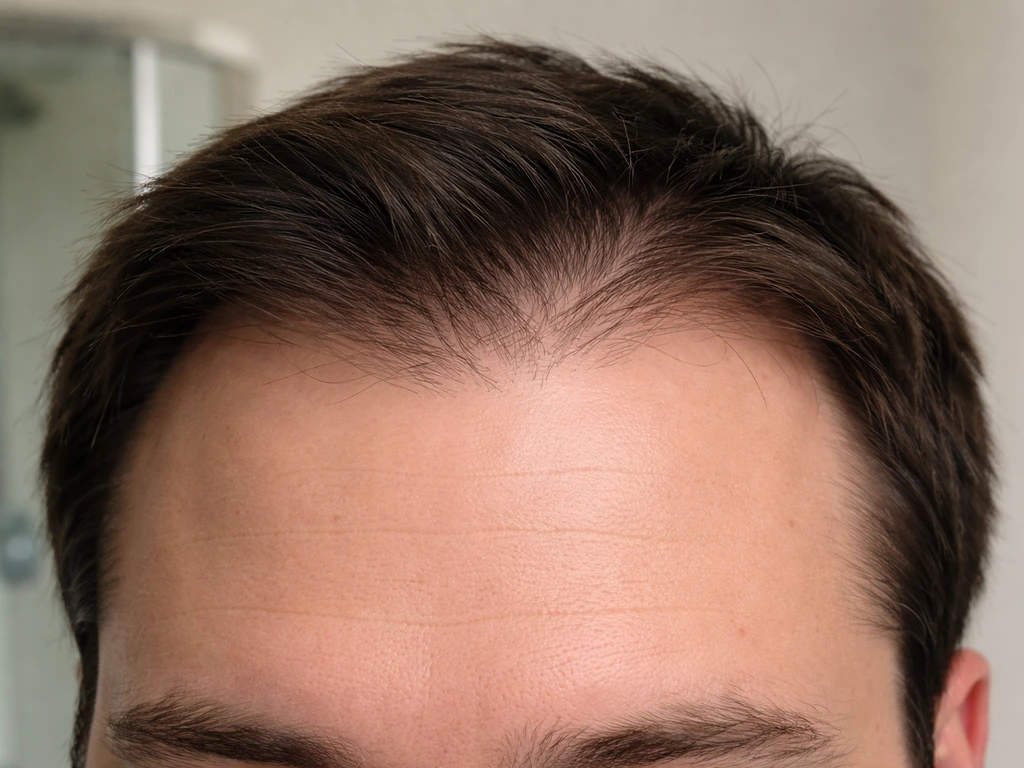
How to Grow Hair in Forehead Hairline: Step-by-Step Guide
Realistic steps to grow forehead hairline hair: address causes, at-home routine, timelines, and when to see a dermatolog
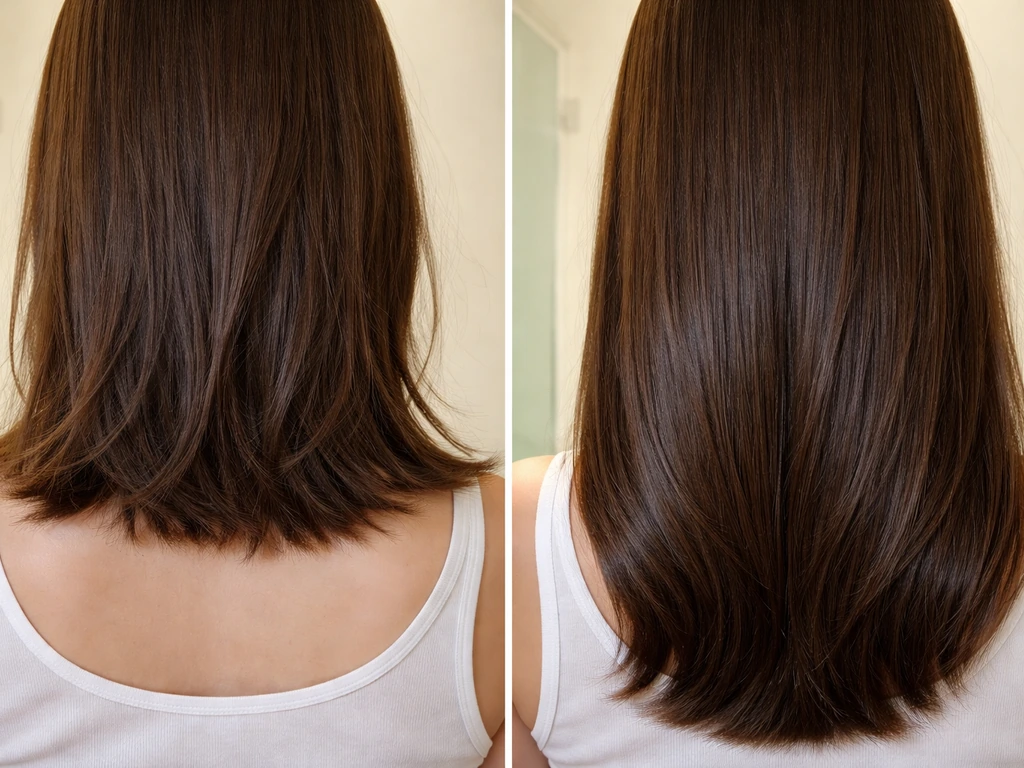
Tips on How to Grow Your Hair Out: A Step by Step Guide
Step-by-step tips to grow hair out: stop breakage, build scalp routine, nutrition, safe actives, and track progress.
Grow Hair Long Tips: Step-by-Step Routine to Reach Length
Step-by-step grow hair long tips: boost scalp health, cut breakage, improve diet, and track progress for length.