
Yes, you can often regrow or thicken hair on the forehead and hairline, but how much depends entirely on why it thinned in the first place. If the follicles are still alive, which is the case with most causes of forehead hair loss like traction, stress-related shedding, nutritional gaps, or early hormonal thinning, a consistent routine of scalp stimulation, irritation reduction, and targeted treatment can absolutely bring hair back. The catch is that some follicles, particularly those affected by long-standing androgenetic alopecia or scarring conditions, may not fully recover. Knowing your cause is step one. Everything else follows from that.
How to Grow Hair in Forehead Hairline: Step-by-Step Guide

Marcus Holloway
22 May 2026
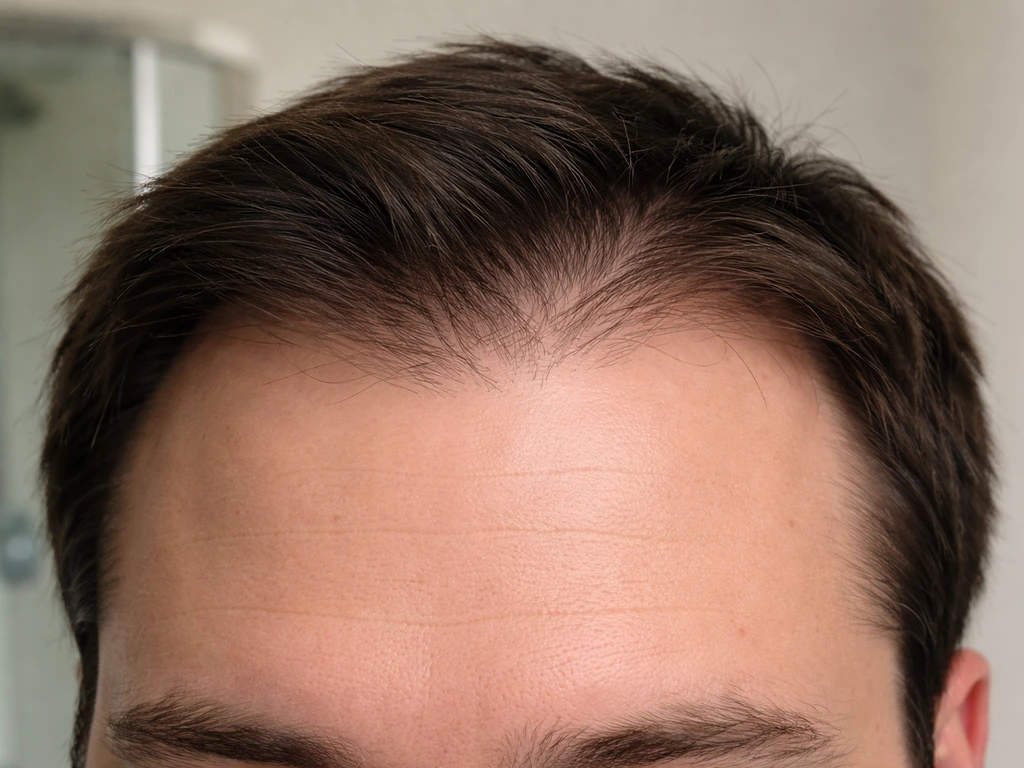
Can forehead hair actually grow back? Realistic expectations first
The forehead hairline, including the front, the sides, and the corners, is one of the earliest and most noticeable places hair thins. The good news is that a large portion of forehead hair loss is non-scarring, which means the follicles are still there, just dormant or miniaturized. Non-scarring causes include telogen effluvium (stress or nutritional shedding), traction alopecia from tight hairstyles, early androgenetic alopecia (AGA), and seborrheic dermatitis or scalp inflammation. All of these have real pathways to regrowth.
The harder cases involve scarring. In scarring (cicatricial) alopecia, inflammation destroys the follicle structure and causes fibrosis, so hair genuinely cannot regenerate. If you look at your scalp where the hair is gone and there are no visible follicular openings, that's a red flag. Androgenetic alopecia sits somewhere in the middle: it's technically non-scarring, but research shows that miniaturization in AGA can become irreversible over time as the follicle's attachment structure changes. This is why early action matters so much. The longer miniaturized follicles go untreated, the less likely they are to recover fully.
If you're dealing with a recently thinned or receded hairline, you're likely in the treatable window. The goal of everything below is to protect the follicles still alive, stimulate the ones that are dormant, and slow down or stop the processes causing loss in the first place.
Why forehead hair thins in the first place
The forehead hairline is vulnerable for several reasons, and the cause usually differs between men and women, though there's more overlap than people think.
In men
Androgenetic alopecia is the dominant cause in men. Dihydrotestosterone (DHT) progressively miniaturizes the follicles, turning thick terminal hairs into fine, short vellus hairs. This typically starts at the temples and corners of the frontal hairline and works inward. If you've noticed your hairline gradually receding with no itching, pain, or patching, AGA is the most likely explanation. Early on, the follicles are still salvageable. Traction alopecia is also more common in men than people assume, particularly with tight cornrows, locs, or certain wave-training methods that pull the front hairline repeatedly.
In women
Women more often experience frontal thinning from traction, hormonal shifts (postpartum, perimenopause, thyroid dysfunction), and telogen effluvium triggered by stress, surgery, rapid weight loss, or illness. Traction alopecia in women frequently hits the hairline edges and temples from tight ponytails, braids, extensions, or weaves. Frontal fibrosing alopecia (FFA), a form of scarring alopecia, is also increasingly diagnosed in women and causes a very uniform, bandlike recession of the frontal hairline, sometimes with eyebrow loss. If the recession looks unusually linear and symmetrical, and the scalp at the edge looks pale or scarred, see a dermatologist promptly since FFA progresses and early intervention is critical.
Causes that apply to everyone
- Telogen effluvium: diffuse shedding triggered by stress, illness, crash dieting, or nutritional deficiency; typically starts 2 to 3 months after the trigger and lasts up to 6 months
- Iron deficiency: one of the most common and correctable drivers of diffuse and hairline thinning
- Thyroid dysfunction: both hypothyroid and hyperthyroid states can cause widespread hair loss including at the forehead
- Vitamin D deficiency: linked particularly to alopecia areata but relevant to general follicle cycling
- Seborrheic dermatitis or scalp inflammation: chronic scalp irritation and flaking disrupts the follicle environment and can contribute to shedding along the hairline
- Alopecia areata: an autoimmune condition that can cause patchy hair loss anywhere, including the hairline and front forehead
How to grow forehead hair naturally at home
The foundation of any forehead hair regrowth routine is the same regardless of cause: reduce anything that's stressing the follicles, improve blood flow and follicle environment, and give your body what it needs to build hair. Here's how to do that practically.
Scalp massage along the hairline
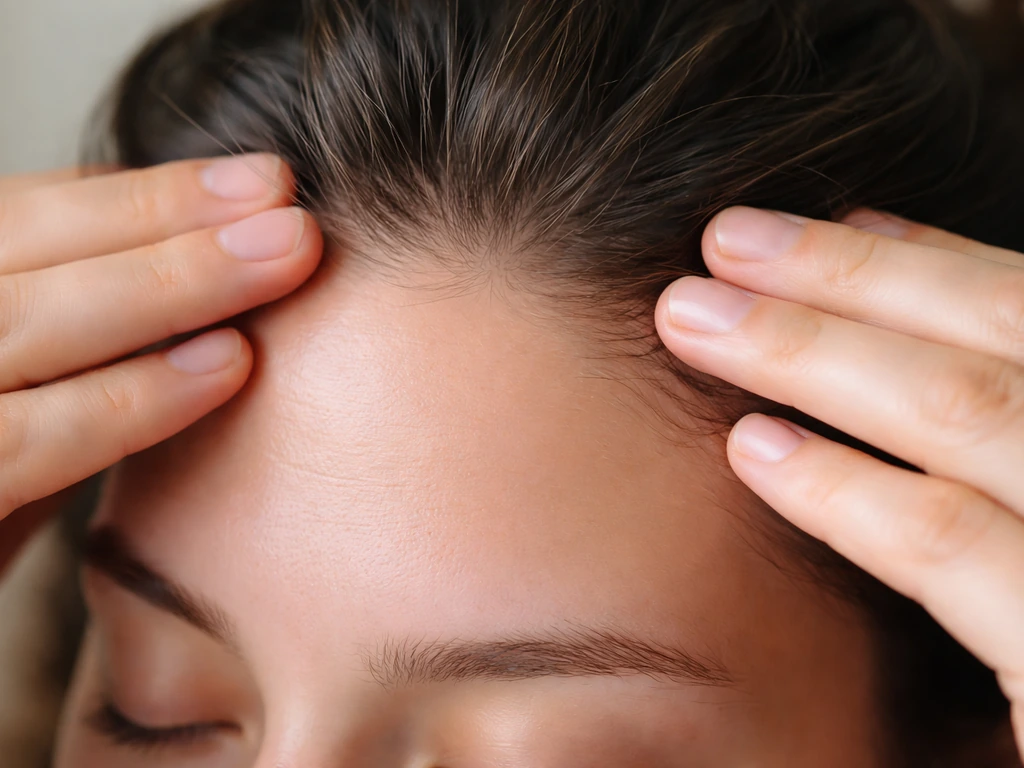
Scalp massage increases blood flow to the follicles and has measurable effects on hair thickness in some studies. For the forehead hairline specifically, use your fingertips to apply gentle circular pressure along the front hairline, temples, and corners for about 4 to 5 minutes daily. Don't scratch or drag, just firm, circular pressure. You can do this on dry hair or while applying a scalp oil. Consistency over weeks matters far more than session intensity.
Reduce scalp irritation and barrier damage
The skin along the forehead hairline is exposed to more than just your hair products. Facial skincare products, sunscreens, and makeup that migrate onto the hairline can clog follicles or cause irritation. Sweat, particularly in people who wear hats or headbands frequently, can also create a problematic environment. Wash the hairline area consistently, use a gentle, sulfate-free shampoo, and make sure any products you apply to your forehead skin don't sit right on the follicles. If you have dandruff or flaking along the hairline, address it actively since chronic seborrheic dermatitis creates an inflammatory environment that suppresses healthy hair cycling.
Address traction and hairstyle habits
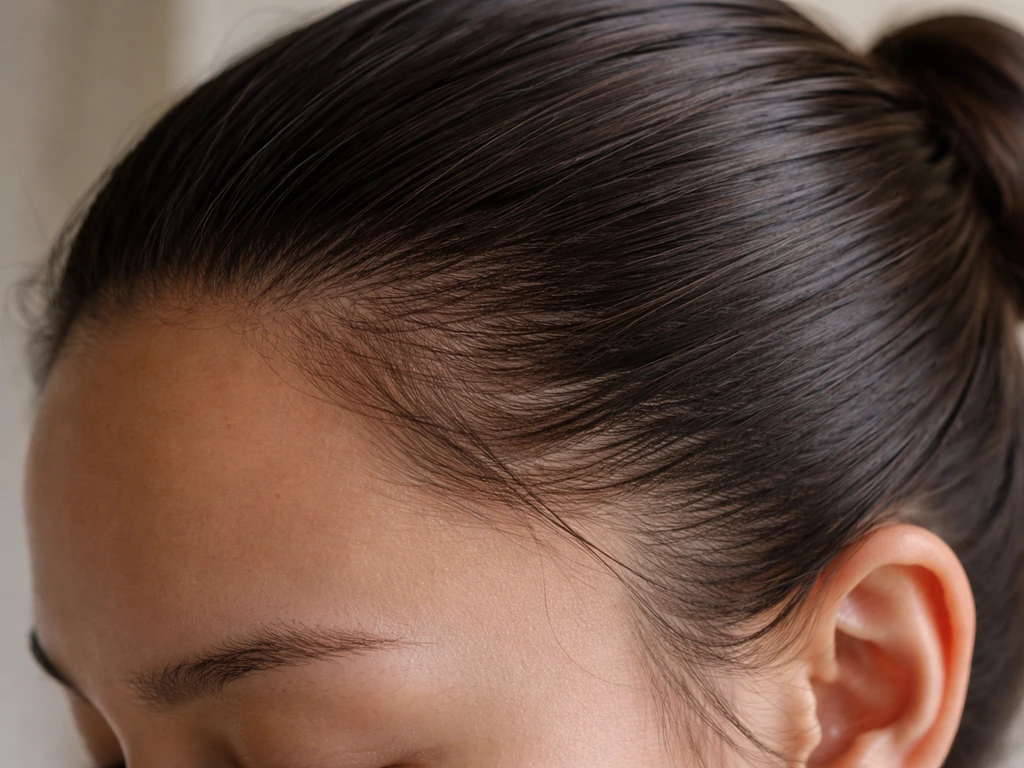
If you're regularly wearing tight hairstyles that pull the front hairline, stopping or significantly reducing that tension is the single most important thing you can do. Traction alopecia is primarily a hairline and temple issue, and the early signs include small bumps around the follicles (perifollicular erythema) and progressive recession of the front and corner hairline. Caught early, it's fully reversible once the tension is removed. The catch is that if traction continues long enough, it can scar, and scarred follicles don't come back. Loosen your parts, alternate hairstyle placement, avoid extensions that pull, and give your edges real breaks between styles.
Sleep and stress
Chronic stress elevates cortisol and disrupts the hair follicle cycle, pushing more hairs into the telogen (resting/shedding) phase. This often shows up at the hairline first. There's no shortcut here, but prioritizing 7 to 9 hours of sleep, managing stress through consistent habits, and addressing acute stressors as quickly as possible all help. If you've been through a major stressor and shedding started about 2 to 3 months later, that's a classic telogen effluvium timeline and the hair should begin recovering once the stressor passes and nutrition is solid. Cleveland Clinic notes that acute telogen effluvium typically begins 2 to 3 months after a stressor or change and often resolves without treatment within about 6 to 8 months, with new growth after the shedding period acute telogen effluvium tends to start 2 to 3 months after a stressor and often resolves within about 6 to 8 months.
Scalp oils and topical naturals
Some natural topicals have supporting evidence and others are more traditional than proven. Rosemary oil has the most credible research for stimulating hair growth, with some trials showing results comparable to 2% minoxidil over several months. Peppermint oil increases scalp circulation but should always be diluted in a carrier oil. Castor oil is popular for edges and hairlines but has limited clinical evidence, though it's generally safe and creates a barrier that may reduce breakage. Whatever you use, apply it along the hairline (not just to the hair shafts) and massage it in gently. Don't pile on multiple oils simultaneously as this can clog follicles.
Targeted tactics for the hairline, corners, and sides
The front hairline, temple corners, and sides require some slightly different thinking than overall scalp hair. These zones are thinner-skinned, more exposed to tension, and often the first to miniaturize in AGA. A few specific adjustments help.
For the temple corners specifically, avoid anything that creates a consistent pull in that direction. This includes single-direction parts you never alternate, tight headbands, and behind-the-ear styles that constantly stress that area. If you're using a topical treatment like minoxidil, applying it directly to the hairline and temple corners (rather than just the crown) ensures the area that most needs stimulation actually gets it.
For thinning at the sides near the hairline, which can feel like the hairline is creeping back at the edges, the priority is a combination of tension elimination, massage along that zone, and addressing any hormonal or nutritional driver. People who want to grow more hair to cover a larger-looking forehead or to fill in a receded frontal line often see the best results from combining topical stimulation with internal support through nutrition and (when appropriate) medical treatment. If you want a focused plan for how to grow hair frontline, combine tension elimination and targeted stimulation with the right nutrition and medical options as needed. There's a meaningful overlap here with the goals of growing the frontal hairline and making a high forehead appear smaller through density, which are closely related challenges. If you are trying to grow hair to make your forehead look smaller, focus on density at the frontal hairline by combining tension reduction with targeted stimulation how to grow hair to make forehead smaller.
What to do differently for a very thin or bald front forehead
If the front forehead is significantly bald or thinned rather than just slightly receded, the timeline expectation and approach shift. You likely need medical-grade intervention (minoxidil at minimum) combined with home care rather than home care alone. The home routine still matters because it supports the medical treatment, but natural approaches alone are unlikely to produce meaningful regrowth on a significantly miniaturized hairline. If your goal is to grow hair and make a larger-looking forehead look smaller, focus on the treatable window with the right medical and home routine my forehead is too big how to grow hair. This is also when a dermatologist consult becomes particularly valuable, not just to confirm the cause but to prescribe something with real evidence behind it.
Nutrition, supplements, and hormones
What you eat has a direct impact on whether your follicles have what they need to grow hair. A 2013 British Journal of Dermatology study reported an inverse correlation between alopecia areata severity and serum 25(OH)D levels, with vitamin D deficiency more prevalent in alopecia areata than in controls. The forehead hairline is often one of the first places to reflect nutritional deficiencies because it's a high-turnover, androgen-sensitive zone.
Key nutrients for forehead hair growth
| Nutrient | Why it matters for hair | What to do |
|---|---|---|
| Iron (ferritin) | Low ferritin is one of the most common reversible causes of diffuse and hairline thinning, especially in women | Get serum ferritin tested; aim for ferritin above 40 ng/mL for hair health; supplement only if confirmed deficient |
| Vitamin D | Deficiency is associated with alopecia areata and impaired follicle cycling; lower levels correlate with greater disease severity | Ask for a 25(OH)D blood test; supplement if below 30 ng/mL; sun exposure helps but is rarely sufficient alone |
| Protein | Hair is almost entirely keratin (protein); inadequate intake slows growth and weakens shafts | Aim for at least 0.7–1g of protein per pound of bodyweight; prioritize complete proteins like eggs, meat, fish, legumes |
| Zinc | Involved in follicle cycling; deficiency linked to hair shedding | Dietary sources first (meat, seeds, shellfish); supplement cautiously since excess zinc can actually cause hair loss |
| Biotin | Marketed heavily for hair, but deficiency is rare; evidence for supplementation without deficiency is weak | Only supplement if genuinely deficient; focus on other nutrients first |
| Thyroid hormones | Both hypo and hyperthyroid states disrupt the hair cycle and cause diffuse shedding including at the hairline | Get a TSH and free T4 tested if shedding is diffuse; treatment of underlying thyroid disease typically reverses hair loss |
Hormonal contributors are important to understand separately. In men, DHT is the primary driver of hairline miniaturization. In women, androgens still play a role in female pattern hair loss, but estrogen changes (postpartum, perimenopause), progesterone fluctuations, and thyroid function also matter significantly. If you're a woman whose forehead hair started thinning after pregnancy, after stopping hormonal birth control, or around perimenopause, a hormonal workup is worth pursuing rather than jumping straight to supplements.
Topical and medical options worth knowing about
Home routines and nutrition are foundational, but if your hairline has been thinning for more than six months or isn't responding to natural approaches after a couple of months, a medical option is likely to make the difference. Here's an honest overview of what's available.
Minoxidil
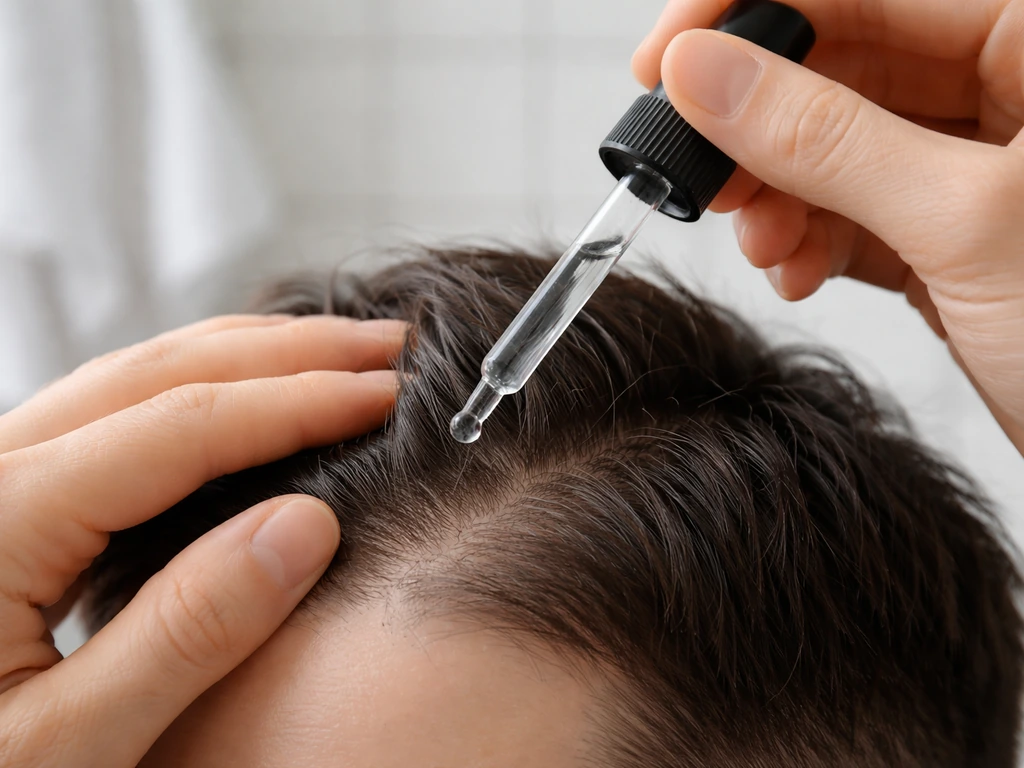
Minoxidil is the most accessible and well-studied topical for hair regrowth. It extends the anagen (growth) phase of the hair cycle and is FDA-approved for both men and women with androgenetic alopecia. The 5% formulation outperforms 2% in clinical trials for increasing hair count. For forehead and hairline use, apply it directly to the thinning zone at the hairline rather than just the crown. It takes at least 3 to 6 months of consistent use to see results, and shedding in the first few weeks is normal (it's the old telogen hairs being pushed out to make room for new growth). Minoxidil is available over the counter. The biggest challenge is that you have to keep using it, because stopping often reverses the gains.
Finasteride and dutasteride
Finasteride (1 mg daily orally) is FDA-approved for male pattern hair loss and has strong clinical evidence for hairline and overall growth at 12 to 24 months. It works by blocking the conversion of testosterone to DHT. Dutasteride is another 5-alpha reductase inhibitor with even greater DHT suppression. Both are prescription-only and have side effect profiles worth discussing with a doctor (including sexual side effects in a minority of men). For women of reproductive potential, finasteride is contraindicated due to teratogenic risk. Women with AGA are more often treated with spironolactone (an anti-androgen) off-label. Topical finasteride spray formulations are also now available and show meaningful results with potentially fewer systemic side effects.
Ketoconazole shampoo for scalp inflammation
If your scalp is flaking, itchy, or inflamed along the hairline, a 2% ketoconazole shampoo can help significantly. It's antifungal and also has some anti-androgenic properties that may benefit hair follicles in AGA. Clinical trials support its effectiveness for seborrheic dermatitis/dandruff with a good safety profile (side effects occur in less than 1% of users). Use it 2 to 3 times per week, letting it sit for a few minutes before rinsing. An inflamed hairline environment actively suppresses healthy follicle function, so resolving it is genuinely useful for hair growth, not just comfort.
What to ask a dermatologist
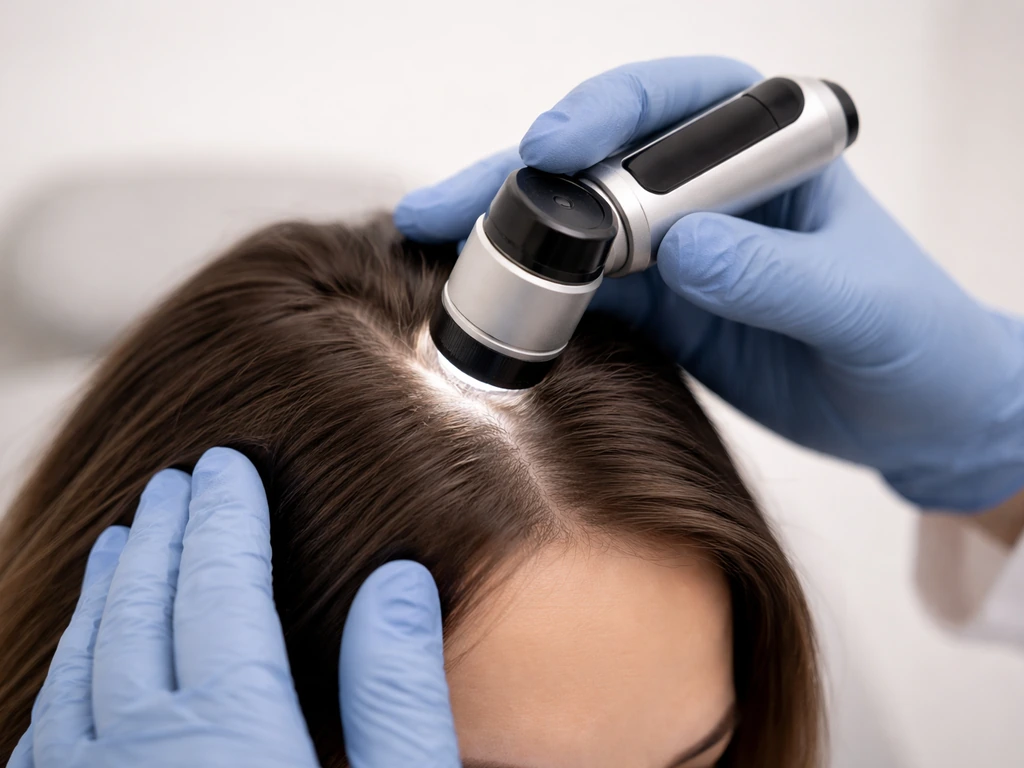
- Can you do a trichoscopy or dermoscopy to check whether I have hair shaft miniaturization or diameter variability (which points to AGA vs telogen effluvium)?
- Should I get labs: ferritin, CBC, serum iron, thyroid panel (TSH and free T4), and vitamin D?
- Is there any sign of scarring at the hairline, and do I need a biopsy to rule out frontal fibrosing alopecia?
- Am I a candidate for topical minoxidil, prescription finasteride, or oral minoxidil given my type of loss?
- If I'm a woman with possible hormonal hair loss, is spironolactone appropriate for me?
- How do I track progress objectively, for example with hair density photos or trichoscopy at follow-up visits?
How long it really takes, how to track progress, and when to get help fast
Hair grows slowly, typically about half an inch per month, and the hair cycle means you won't see regrowth results immediately even when a treatment is working. Here's a realistic timeline based on cause.
| Cause | Typical regrowth timeline | What drives recovery |
|---|---|---|
| Telogen effluvium (acute) | 3 to 6 months for shedding to stop; visible regrowth often noticeable by 6 to 8 months | Removing the trigger (stress, illness, nutritional deficiency) and correcting underlying causes |
| Traction alopecia (early) | Several months after removing tension, with consistent follicle support | Stopping tight hairstyles before scarring occurs |
| Nutritional deficiency (iron, vitamin D, protein) | 3 to 6 months after levels are corrected | Supplementation plus dietary changes based on confirmed lab deficiencies |
| AGA (early stage) | 3 to 6 months with minoxidil to see early changes; 12+ months for meaningful density improvement | Consistent topical minoxidil and/or finasteride (men); spironolactone or minoxidil (women) |
| AGA (advanced/long-standing) | Partial improvement possible with treatment; full restoration unlikely without procedures | Medical treatment to slow progression; hair transplant consultation for density goals |
| Scarring alopecia | Regrowth not possible in affected areas; goal is stopping spread | Early specialist diagnosis and treatment to halt progression |
How to track your progress at home
- Take a baseline photo in consistent lighting (same angle, same light source) before starting any treatment
- Repeat the photo every 4 weeks at the same time of day, in the same conditions
- Note the density at the hairline corners and sides specifically, not just the overall length
- Track shedding qualitatively: are you losing fewer hairs in the shower and on your pillow compared to a month ago?
- Keep a simple log of what you're doing (products, supplements, dietary changes) so you can connect what's helping
Red flags that mean you need a dermatologist now, not later
- Sudden, rapid hairline recession over weeks rather than months
- Itching, burning, pain, or tenderness along the hairline (signs of active inflammation or scarring alopecia)
- Patchy, smooth bald spots rather than diffuse thinning (possible alopecia areata)
- Loss of follicular openings when you look closely at the skin (suggests scarring)
- Hair loss accompanied by other symptoms like fatigue, weight changes, or skin changes (possible systemic cause)
- Any recession that looks bandlike and perfectly uniform along the front and sides in women (possible frontal fibrosing alopecia)
The most important thing to take away here is that action now beats waiting to see what happens. The follicles most likely to recover are the ones that haven't been dormant for too long. Start the basics today: reduce tension, improve your scalp environment, check in on your nutrition, and take baseline photos. If there's no clear trigger or the thinning has been going on for more than 6 months without explanation, make that dermatologist appointment. Early diagnosis genuinely changes outcomes with forehead hair loss, and it's worth not putting it off.
FAQ
Can I grow back forehead hair if it has been thinning for years?
Yes, but only if the hair loss is largely non-scarring and the follicles are still active enough to restart. If you see a smooth, shiny, scar-like area or no visible follicular openings at the hairline, that points away from regrowth and toward a scarring process, which should be evaluated promptly by a dermatologist.
How long should I wait before I know my forehead hair regimen is working?
It depends on the cause, but a practical rule is to expect at least 3 months to judge whether a routine is helping (especially with minoxidil), and 6 to 12 months for meaningful density changes. If you see worsening after 8 to 12 weeks or new linear recession, reassess the diagnosis and triggers instead of waiting longer.
Where exactly should I apply minoxidil or oils for forehead hair growth?
Start by treating the scalp, not just the hair. For the forehead hairline, apply product directly along the thinning edge and temple corners, and avoid letting oily formulations sit on the skin in thick layers. If you are using multiple topicals, introduce them one at a time for 2 to 3 weeks so you can identify irritation that could worsen shedding.
What if my hairline looks thinner but the follicles might still be okay?
You can have healthy-looking hair shafts that do not reflect follicle recovery. Breakage from friction, chemical processing, and rough brushing can make the hairline look worse without changing follicle density. A quick check is whether individual hairs are snapping versus growing back as shorter but intact hairs after trimming.
Is increased shedding at the hairline normal or a sign I should stop?
The shedding pattern matters. With treatments like minoxidil, an initial shed is common in the first few weeks, but it should then stabilize. If shedding is heavy and accompanied by itching, burning, or increasing redness, you may have irritation or an underlying dermatitis that needs treatment.
Is rosemary oil safe for the forehead hairline, and how do I avoid irritation?
Be cautious with rosemary oil if you have sensitive skin or eczema, because irritation can create more shedding. Always dilute in a carrier oil (avoid applying undiluted essential oil), patch test on a small forehead-area skin spot for 24 to 48 hours, and stop if you develop redness or a persistent burning feeling.
If I have traction alopecia at the hairline, will changing hairstyles alone regrow hair?
Yes for traction-related loss, because early traction problems are often reversible. The decision point is whether the area looks smooth and scarred or still has follicular openings. If you still have follicle openings, reducing tension usually matters more than adding more products.
How long do I need to avoid tight hairstyles to see results?
Make a targeted switch: alternate hair parting directions, loosen tension for at least a full hair growth cycle (often 3 to 6 months), and avoid extensions or tight headbands that consistently pull on the corners. Also take breaks between styles, because continual low-grade pulling can still cause perifollicular inflammation even if hairstyles are “not tight-tight.”
What should I do if my forehead hairline is oily or flaky while I’m trying to regrow hair?
If dandruff or flaking is present, address it because chronic inflammation can suppress hair cycling. Use an anti-dandruff shampoo like ketoconazole 2 to 3 times per week, let it sit a few minutes, and keep other hairline products non-greasy. If flaking does not improve after about a month, consider a clinician evaluation to rule out other scalp conditions.
When should I see a dermatologist instead of trying home remedies first?
A dermatologist is especially important if your recession is very uniform and bandlike, if eyebrows are also affected, if the skin at the hairline looks pale or scarred, or if you have burning or tightness along the band. Those features can fit frontal fibrosing alopecia, which can progress even when you change hair products.
Do hormonal tests matter before using hair-loss medications?
Yes, but you should use them strategically. For women with reproductive potential, oral finasteride is generally not used due to pregnancy risk, but topical anti-androgen or other options may be considered depending on your situation. Because hormonal causes overlap with postpartum, perimenopause, thyroid issues, and PCOS-related patterns, your best next step is targeted lab work rather than assuming one cause.
How can I track whether my forehead hair is actually improving?
If your thinning has been going on more than 6 months without a clear trigger, or if you have a family history of early hairline recession, taking progress photos and getting an assessment sooner is wise. You can track by taking standardized photos every 4 weeks (same lighting, same distance) and comparing temple corners and the hairline corners specifically.
Next Articles
Tips on How to Grow Your Hair Out: A Step by Step Guide
Step-by-step tips to grow hair out: stop breakage, build scalp routine, nutrition, safe actives, and track progress.
Grow Hair Long Tips: Step-by-Step Routine to Reach Length
Step-by-step grow hair long tips: boost scalp health, cut breakage, improve diet, and track progress for length.

Tips for How to Grow Long Hair: A Practical Guide
Actionable tips to grow long hair naturally: care routine, scalp habits, nutrition and breakage prevention for healthy l