
You can start working on your hairline at home today, but the right plan depends on why it's thinning in the first place. For most people, a combination of a consistent scalp care routine, an evidence-based topical like minoxidil, better nutrition, and cutting out the habits that stress the hairline will produce visible improvement within three to six months. The catch is that some causes, like androgenetic alopecia with miniaturized follicles, need ongoing treatment to maintain results, while others, like traction or a nutrient deficiency, can genuinely recover once you remove the trigger. Figuring out which camp you're in shapes everything else.
How to Grow Hairline at Home: A Step-by-Step Plan

Marcus Holloway
10 Jul 2026
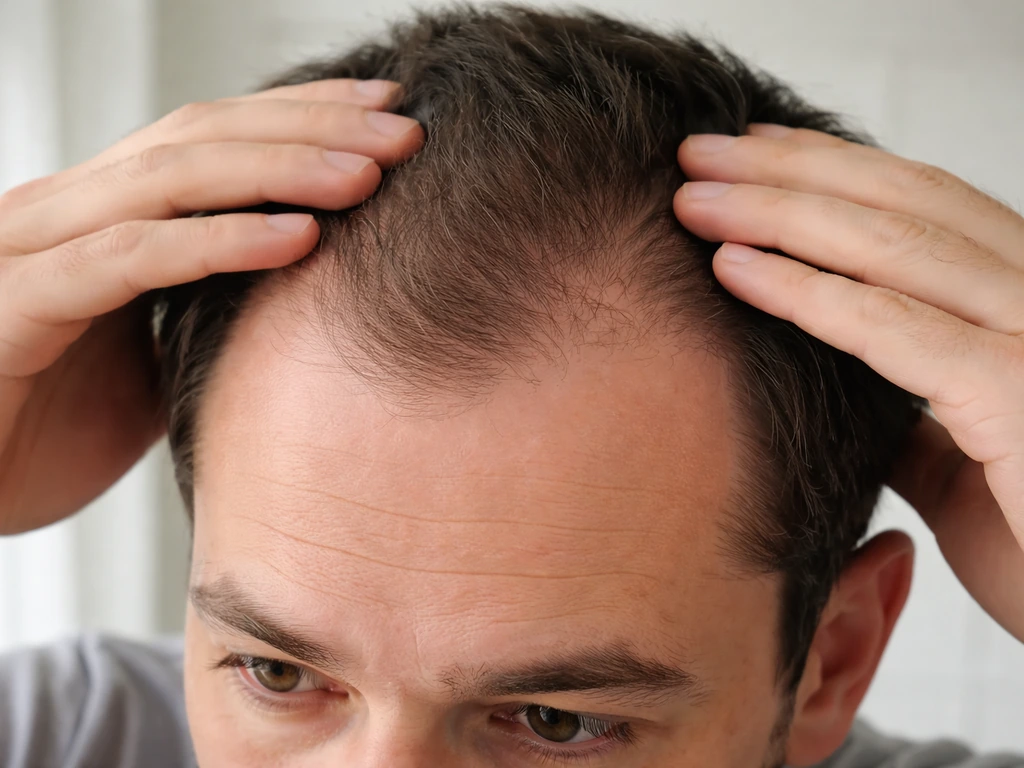
Why your hairline is thinning (and why it matters for treatment)
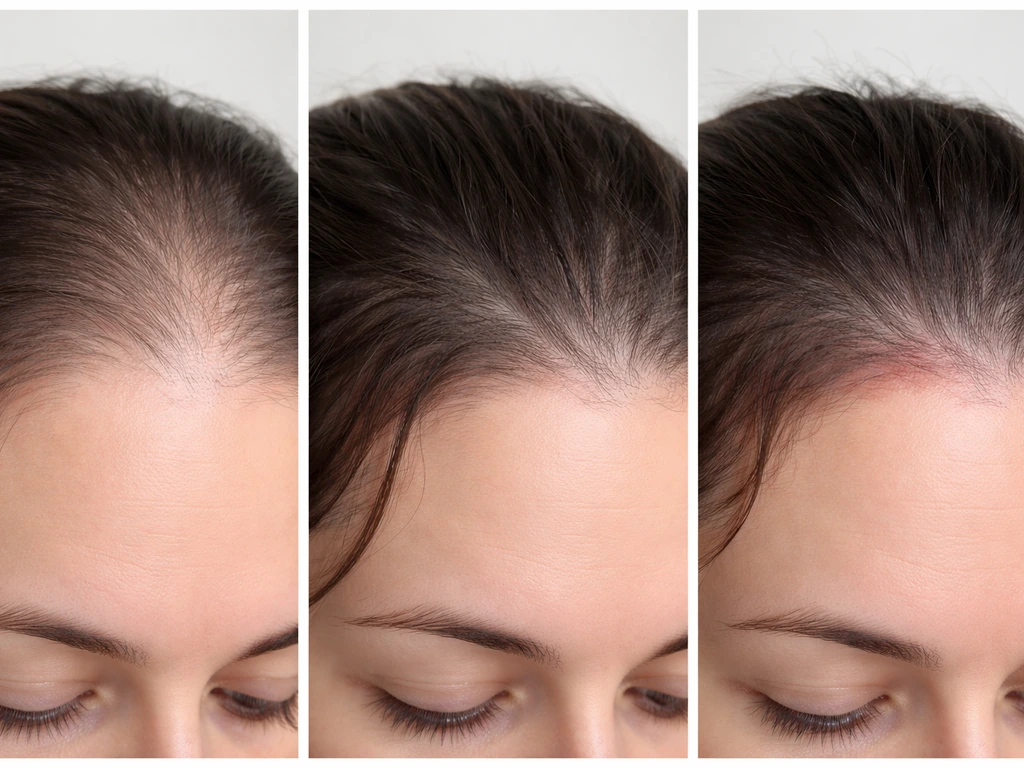
Your hairline isn't thinning for one universal reason, so the first step is understanding the most likely culprit for you. The most common cause is androgenetic alopecia, which is pattern hair loss driven by the hormone DHT. DHT shortens the active growing phase of the hair cycle, called anagen, while the resting phase stays relatively the same. Over repeated cycles, the follicle gradually miniaturizes, producing thinner, shorter hairs until eventually the follicle stops producing a visible hair at all. In men, this classically starts as a receding M-shape at the temples and front hairline. In women, it often shows up as overall decreased density at the front and part line. The earlier you start addressing it, the more follicle function you can preserve.
Traction alopecia is the second major cause worth knowing about, especially if you wear tight ponytails, braids, cornrows, buns, or extensions. Repeated pulling along the hairline damages the follicles over time, and the AAD has been clear that this can result in permanent loss if the pulling continues. The good news is that early traction alopecia is one of the most recoverable forms of hair loss once you stop the cause. If you've noticed the loss follows exactly where your hairstyle pulls, that's a strong indicator.
Other drivers include telogen effluvium (a stress or illness response that pushes many hairs into the shedding phase at once), nutrient deficiencies like low iron, zinc, or vitamin D, scalp inflammation from seborrheic dermatitis or product buildup, and less common causes like frontal fibrosing alopecia, a scarring condition that can quietly advance along the hairline and eyebrows. The reason it matters to distinguish these is that the at-home plan for androgenetic alopecia is very different from the plan for traction or deficiency-related loss. And if you're dealing with a scarring form like frontal fibrosing alopecia, home remedies won't stop it, and the window for treatment by a dermatologist is time-sensitive.
A quick at-home hairline assessment before you start
Before you throw money at products, spend five minutes doing a proper assessment. You need good lighting and ideally a second mirror so you can see your hairline from multiple angles. Look for the following things: Is the hairline receding evenly across the front and temples, or is it patchy and uneven? Is the skin along the hairline normal-looking, or is there redness, scaling, bumps, or shiny smooth skin where hair used to be? Do you notice a "band" of slightly paler or smoother skin at the very front edge? Are the remaining hairs at the hairline fine and wispy compared to hair further back on your scalp?
Shiny, smooth bald skin along a hairline that was previously subjected to tight styles points toward traction alopecia. Redness, scaling, itching, or burning along the hairline suggests inflammation or infection and is a signal to see a doctor rather than treat at home. A receding line with fine, miniaturized hairs is classic androgenetic alopecia. Sudden patches or irregular loss without obvious cause warrants a medical evaluation.
For tracking progress at home, take a photo in the same spot, under the same light, on the same day each month. Use a fixed reference point, like a mole or freckle near your hairline, and keep your head at the same angle. A small ruler in the frame helps you compare hairline position over time. This matters because hair growth is slow, maybe half an inch a month at best, and without tracking you'll miss early positive changes or, just as importantly, miss progression that tells you the plan isn't working.
Your daily and weekly scalp care routine
A healthy scalp is the foundation of any hairline regrowth effort. Think of it like soil: you can't grow much if the ground is clogged, inflamed, or starved of circulation. Here's a routine you can build around your existing schedule.
Cleansing
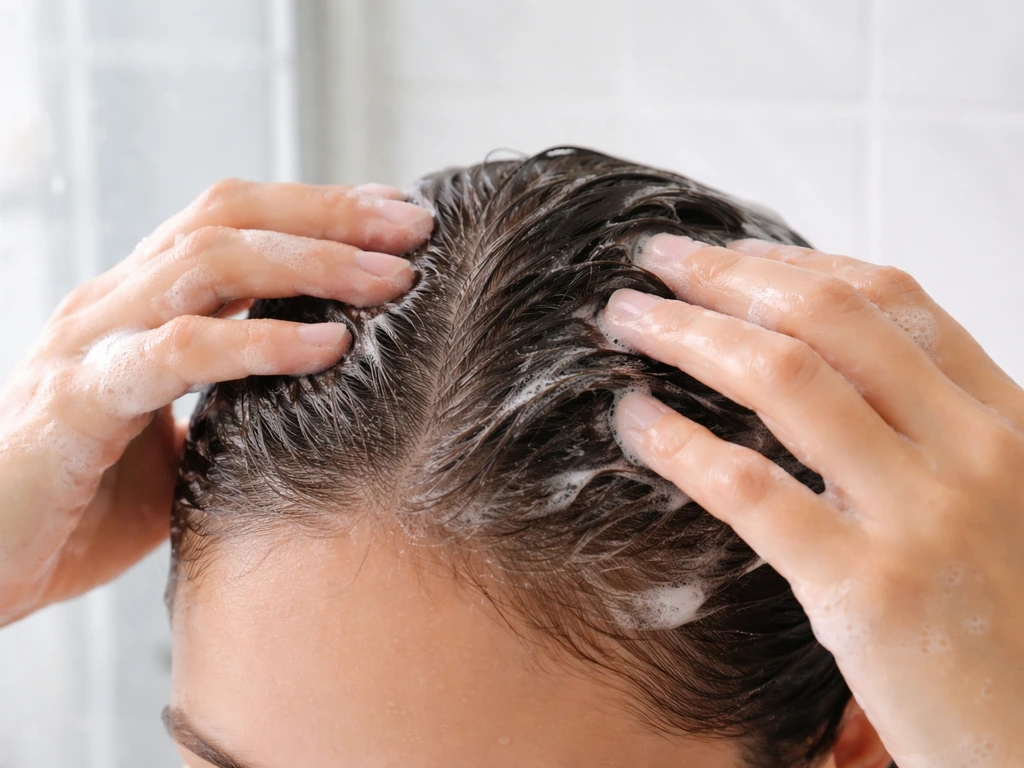
Wash your scalp regularly enough to prevent product and sebum buildup, which can clog follicles and create an environment for inflammation. Most people do well washing two to three times per week, though if you use heavy styling products near the hairline, washing more frequently is fine. Use a gentle, sulfate-free shampoo for everyday washing. If you have any dandruff or scalp flakiness, a ketoconazole 2% shampoo used once or twice a week is worth considering. There's evidence that ketoconazole has anti-inflammatory and mild anti-androgenic effects at the follicle level beyond just treating dandruff, which is why it appears in many hair-loss routines. Use it like a normal shampoo, let it sit for a couple of minutes, then rinse well. Be aware that some people experience a slight change in hair texture or rare scalp irritation, so patch test first.
Scalp massage
Scalp massage is one of the most underrated and completely free tools you have. The mechanism isn't magic: massaging the scalp increases blood flow to the follicles and may apply gentle mechanical stimulation that supports the dermal papilla cells involved in hair cycling. Use the pads of your fingers (not your nails) and work in small circular motions along the entire scalp, spending extra time along the hairline and temples. Aim for four to five minutes daily, ideally when applying any topical treatment to get dual benefit. Avoid aggressive rubbing or scratching, especially if your scalp is already sensitive. If your hair is fragile at the front, work gently and let the scalp feel the pressure without pulling the hair shafts themselves.
What to avoid in your routine
- Heavy waxes, gels, or pomades applied directly to the hairline edge that sit on the scalp and aren't washed out regularly
- Scratching or picking at flaky skin, which can worsen inflammation
- Very hot water when washing, which can irritate an already-sensitive scalp
- Skipping conditioner on your lengths if you wash frequently, as dryness leads to breakage that mimics thinning
- Towel-rubbing your scalp aggressively after washing, especially at the hairline
At-home topical options: what the evidence actually says
Minoxidil: the most evidence-backed starting point
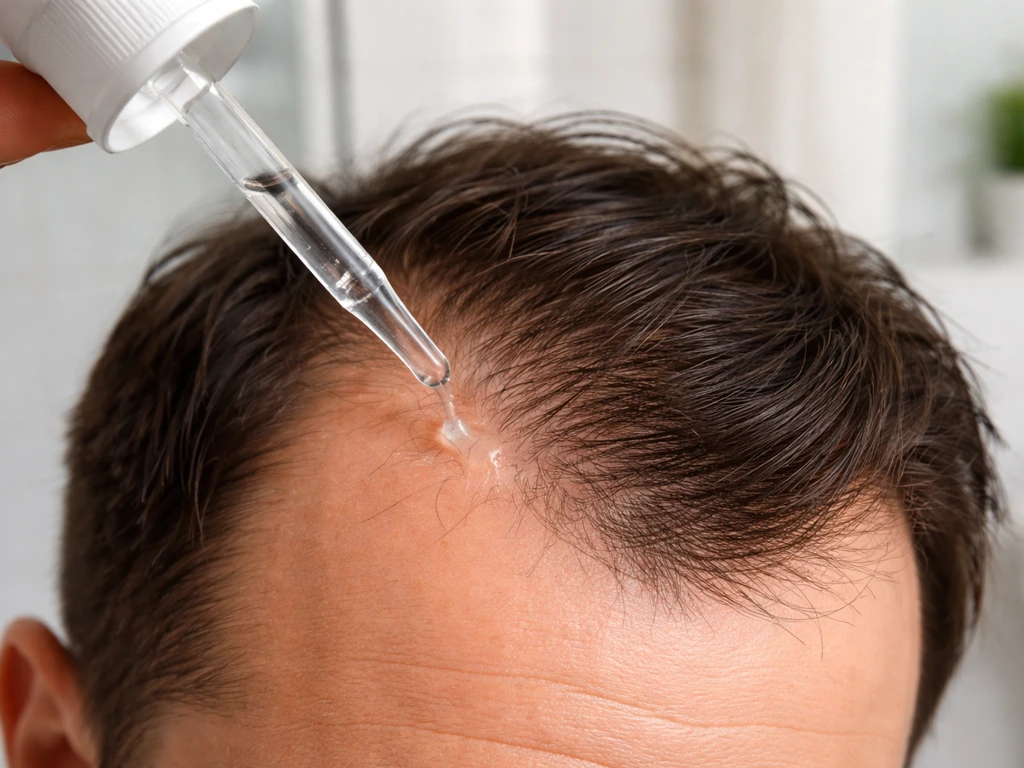
If your hairline thinning is related to androgenetic alopecia, minoxidil is the most evidence-backed over-the-counter option available without a prescription. It works by prolonging the anagen (growth) phase and increasing blood flow to the follicle, essentially trying to reverse the shortened hair cycle that DHT drives. For men, 5% foam or solution applied once or twice daily is standard. For women, 2% solution twice daily or 5% foam once daily is the typical starting approach, with the foam applied to a dry scalp and left on for about four hours before washing.
The important thing to know upfront: results take time. Most people need at least three to four months before they see any meaningful change, and sometimes up to six months for clearer improvement. You may also notice increased shedding in the first few weeks, which is normal and reflects hairs transitioning into a new cycle. Don't stop because of early shedding. The other critical point is that minoxidil needs to be used continuously. If you want hairline regrowth, the key is sticking with a consistent routine that matches your cause, because minoxidil results depend on ongoing use. Hair loss typically returns within months of stopping, because minoxidil doesn't address the underlying hormonal driver. Common side effects include scalp irritation and, rarely, unwanted facial hair growth, so apply it only to the scalp and wash your hands after.
Ketoconazole shampoo as a support tool
As mentioned in the scalp care section, ketoconazole 2% shampoo isn't just for dandruff. It's a reasonable supporting player in a hairline routine, particularly because scalp inflammation is both a consequence and a driver of follicle dysfunction. Use it one to two times per week alongside your regular shampoo. It's not a replacement for minoxidil if you have androgenetic alopecia, but it adds value without adding much complexity.
Low-level light therapy (LLLT) devices
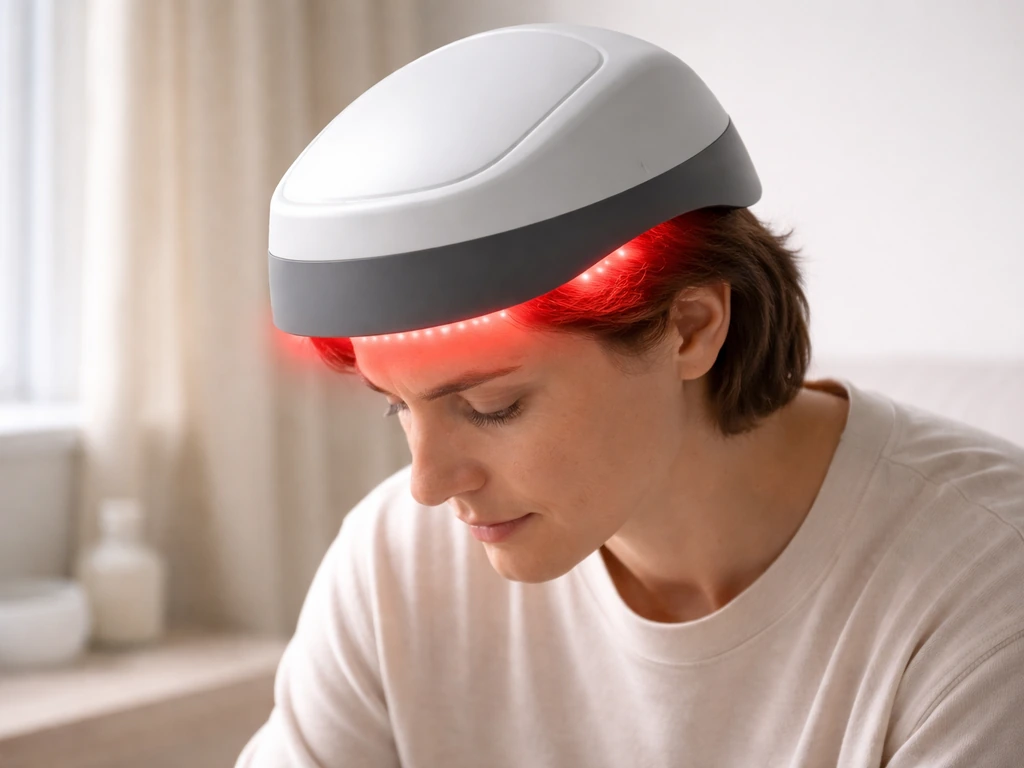
Home-use laser and LED devices, typically helmets or combs emitting red light around 655 nanometers, have FDA clearance for pattern hair loss and a growing body of trial evidence behind them. A 16-week multicenter randomized controlled trial using a helmet-type device showed significant improvement compared to sham treatment in people with androgenetic alopecia. They're not cheap, but for people who can't tolerate minoxidil or want to combine approaches, they're a legitimate option. The evidence is stronger for maintaining and thickening existing hair than for regrowing a severely receded line. If you go this route, stick to FDA-cleared devices and follow the schedule consistently.
Natural and home remedies: realistic expectations
Rosemary oil gets the most attention here, and some small studies suggest it may have comparable effects to 2% minoxidil for scalp hair, though the evidence is still limited. If you want to try it, dilute a few drops in a carrier oil like jojoba or coconut (roughly 2 to 3 drops per teaspoon of carrier), massage into the scalp for five minutes, and leave it on for at least 30 minutes before washing. Consistency matters more than the exact formula. Castor oil, peppermint oil, and onion juice also circulate widely, with very limited clinical evidence but generally low risk if used diluted and washed out properly. The honest reality is that natural oils are unlikely to reverse miniaturized follicles from true androgenetic alopecia, but they can support scalp health, add moisture, and may help with inflammation-related or early traction-related thinning. If the root cause is hormonal follicle miniaturization, you'll need a more targeted treatment.
A note on microneedling
Microneedling, using a dermaroller to create tiny punctures in the scalp, has shown interesting results in combination with minoxidil. In a randomized blinded pilot study of microneedling for androgenetic alopecia, one key efficacy assessment compared baseline versus 12 weeks using blinded hair counts baseline vs 12 weeks. One study found significantly more hair growth after 12 weeks when minoxidil was paired with microneedling compared to minoxidil alone. The AAD classifies this as a medical treatment and recommends it be performed by or under guidance of a professional. DIY dermarolling at home carries risks of infection, scarring, and worsened inflammation if done incorrectly or with an unsterile device. If you're interested in this approach, it's worth bringing up with a dermatologist rather than attempting it solo.
Nutrition and supplements that support hairline regrowth
What you eat feeds your follicles, and deficiencies in a handful of key nutrients are a surprisingly common and completely fixable cause of hairline thinning. The hair is a non-essential tissue from the body's perspective, meaning it gets nutrients last. When you're undereating calories overall, eating too little protein, or running low on specific micronutrients, the hairline is often one of the first places it shows.
Protein
Hair is almost entirely keratin, a protein. If you're not eating enough protein, you're literally not giving your body the building material for hair. Most adults need around 0.8 to 1 gram of protein per kilogram of body weight at minimum, and many people eating plant-heavy or calorie-restricted diets fall short without realizing it. Prioritize complete protein sources: eggs, poultry, fish, dairy, or if you eat plant-based, combinations like legumes with grains or a good plant-based protein supplement.
Iron
Low iron, particularly low ferritin (your iron storage marker), is one of the most common nutritional drivers of diffuse hair shedding in women. Ferritin below about 30 micrograms per liter is often flagged in hair loss contexts even when standard hemoglobin looks normal. If you've been losing hair and haven't had a ferritin test, it's worth requesting one from your doctor. Don't supplement iron without testing first, as iron overload is also harmful. If your levels are genuinely low, correcting them through diet (red meat, lentils, spinach with vitamin C for absorption) or supplementation under medical guidance can produce noticeable improvement over several months.
Zinc and vitamin D
Zinc plays a role in follicle cell turnover and sebaceous gland function. Low zinc can contribute to hair shedding, and it shows up in people who don't eat much meat, shellfish, or seeds. A standard multivitamin dose (around 8 to 11 mg) is fine for most people, but high-dose zinc supplementation can interfere with copper absorption, so more isn't better. Vitamin D receptors are present in hair follicles, and deficiency is extremely common globally. The NHS advises not exceeding 4,000 IU per day from supplements. If you're not getting regular sun exposure, a modest daily D3 supplement of 1,000 to 2,000 IU is reasonable for most adults, though testing your level first gives you a much more useful starting point.
Omega-3 fatty acids and overall diet quality
Omega-3s from oily fish, walnuts, or flaxseed help reduce scalp inflammation and support the lipid barrier of the scalp skin. They won't regrow a severely receded hairline on their own, but they're a useful piece of the overall environment. Beyond specific nutrients, total calorie intake matters more than most people think. Extreme calorie restriction (crash diets, very low calorie eating) is a classic trigger for telogen effluvium shedding, typically showing up as increased hair fall two to three months after the dietary stress.
| Nutrient | What to check / source | When to supplement |
|---|---|---|
| Protein | Total daily intake from food | If dietary intake is consistently low; use food first |
| Iron / Ferritin | Blood test (ferritin level) | Only after confirmed deficiency via testing |
| Zinc | Dietary variety (meat, seeds, legumes) | At multivitamin doses if diet is restricted; avoid mega-dosing |
| Vitamin D | Blood test (25-OH vitamin D) | 1,000–2,000 IU daily if low sun exposure; test first ideally |
| Omega-3 | Oily fish 2x/week or supplement | Fish oil supplement if intake is low; generally low risk |
Stop doing the things that are making it worse
This section might be the highest-leverage part of the entire guide for some readers, because you can take every supplement and use every topical and still lose ground if you're continuing to damage the hairline physically.
Tight hairstyles and traction
If you regularly wear tight braids, weaves, high buns, or ponytails, the pulling tension along your hairline is a direct mechanical stressor to those follicles. The AAD is clear on this: repeatedly wearing a style that pulls the hair can cause traction alopecia, and dermatologists recommend stopping tight styles that stress the follicles. If you notice the thinning follows the exact pattern of where your style pulls, change the style now, not eventually. Switch to looser styles, vary where you place hair ties, and if you use extensions, give your scalp regular breaks. For readers with natural or African hair textures specifically, traction at the hairline is a very common and preventable contributor to hairline loss. For many people with African hair textures, learning how to grow your hairline back starts with protective styling that reduces tension at the edges how to grow your hairline back african hair. This topic deserves its own deep dive for protective styling and specific hairline care.
Heat and chemical damage
Heat styling directly on the hairline, especially with flat irons and curling wands used at high temperatures, causes mechanical and thermal damage to already-fine hairline hairs. The AAD advises reducing heat frequency and using lower temperature settings. If you use chemicals like relaxers or bleach near the hairline, the margins for error are small because the skin there is thinner and the hairs finer. Even if the chemical process doesn't cause obvious burning, repeated applications contribute to a weakened hairline over time.
Stress and sleep
Psychological stress is a well-documented trigger for telogen effluvium, the kind of diffuse shedding where large numbers of hairs shift into the resting phase at once and fall out two to three months later. It won't cause permanent follicle damage in most cases, but if you're in a chronic stress pattern, you'll be constantly feeding a shedding cycle. Sleep is when cellular repair happens, including at the follicle level. Consistently getting less than seven hours hits overall health in ways that show up in hair quality over time. These aren't dramatic interventions, but they compound.
Product buildup and irritants at the hairline
Edge control products, heavy pomades, and some hairsprays are applied heavily along the hairline and often not washed out properly. Over time, the buildup creates an irritating environment for follicles that are already under stress. Wash the hairline area thoroughly each time you shampoo, and consider whether a product you're using regularly might be causing low-grade irritation. If your scalp consistently feels itchy, tight, or inflamed right where you apply products, that's a signal.
What to realistically expect, and when to get medical help
Hair grows slowly. Even under the best conditions, you're looking at roughly half an inch per month from the follicle itself, and that's assuming the follicle is in the active growing phase. For regrowth to be visible at the hairline, you need follicles to re-enter anagen, produce new hair, and grow it long enough to see. That takes time.
A realistic timeline
| Timeframe | What to expect |
|---|---|
| Weeks 1 to 4 | No visible regrowth yet; possible initial shedding increase with minoxidil (normal) |
| Month 2 to 3 | First signs of fine new hairs possible, especially with minoxidil; most people still waiting |
| Month 3 to 4 | Early results visible for some, especially with consistent minoxidil and scalp care |
| Month 4 to 6 | Clearer improvement in density for those responding well; traction cases may show more recovery |
| Month 6 to 12 | Continued gradual improvement; realistic ceiling for home-based approaches becomes clearer |
| Beyond 12 months | Maintenance phase; ongoing treatment needed for androgenetic alopecia to sustain gains |
For traction alopecia and telogen effluvium, results can be more encouraging because you're removing a cause rather than fighting an ongoing hormonal process. Once you stop the trigger, the follicles can recover, and you may see meaningful regrowth within six months. For androgenetic alopecia, the realistic goal of home treatment is slowing progression and maintaining what you have, with some thickening of existing miniaturized hairs. A fully restored hairline from pattern loss is unlikely with home treatments alone.
Red flags that mean you need a doctor, not a home routine
Most hairline thinning that comes on gradually and fits the patterns described above is safe to address at home first. But there are specific signs that mean you should see a dermatologist before starting any treatments, because the wrong approach can waste months or, in the case of scarring conditions, allow irreversible loss to continue.
- Itching, burning, tenderness, or pain in the areas of hair loss, which can indicate infection or inflammatory scalp disease
- Redness, scaling, pustules, or abnormal-looking skin along the hairline
- Rapid progression, meaning visible change over weeks rather than months
- Eyebrow thinning alongside a receding hairline (a potential sign of frontal fibrosing alopecia, a scarring condition)
- Completely smooth, shiny bald patches where the skin looks different from normal scalp
- Sudden patchy hair loss in irregular shapes rather than a gradual receding line
- Hair loss accompanied by other symptoms like fatigue, cold intolerance, or irregular periods, which can point to thyroid or hormonal issues
If the AAD advises that blood tests or a scalp biopsy may be needed when the cause could be a disease, deficiency, hormone imbalance, or infection, and if you're experiencing any of the above, that evaluation is the first step, not a home routine. Scarring alopecias like frontal fibrosing alopecia are time-sensitive: once follicles scar over, regrowth isn't possible. Early diagnosis and treatment by a dermatologist can preserve a lot of hairline that would otherwise be permanently lost.
Choosing the right approach for your situation
If your thinning is gradual and symmetrical at the temples and front, with no scalp symptoms, androgenetic alopecia is likely, and minoxidil plus a ketoconazole shampoo plus the nutrition basics is a reasonable starting plan. If your goal is how to grow back thinning hairline, start by matching the cause (pattern loss versus traction or shedding) to the right at-home routine. If the thinning follows your hairstyle pattern, stop the traction and add scalp massage and gentle care before introducing actives. If you've had a major physical or emotional stressor in the six months before the shedding started, telogen effluvium is the likely driver, and addressing the trigger plus nutrition support is the priority. And if anything looks or feels inflamed, painful, or unusual, skip the home experimenting and get a proper diagnosis.
Different hair types also shape the approach. People with natural, coily, or chemically treated hair face specific challenges around moisture, styling tension, and product layering that affect how hairline thinning develops and how it recovers. If that describes your situation, the nuances of protective styling, moisturizing routines, and tension-free options are worth exploring in more detail alongside this general framework.
The most important thing is to start. Pick the one or two changes most relevant to your likely cause, commit to consistency for at least four months before evaluating results, and track your progress with photos so you're working from evidence rather than daily mirror anxiety. Hair takes longer than we want it to, but with the right approach, meaningful improvement is genuinely achievable.
FAQ
Can I use minoxidil and ketoconazole shampoo together, or will they irritate my scalp?
Yes, but it matters which product you mean. If you are using minoxidil, you should apply it only to the scalp (not hair strands), wash your hands after, and avoid applying other strong actives on the same area right before or after to reduce irritation. If you are using ketoconazole shampoo, it is typically safe to use alongside minoxidil since they work in different ways, but if your scalp gets dry or itchy, space them out (for example, ketoconazole on wash days and minoxidil on the other days).
What should I do if I miss a few days of minoxidil (or stop for a while)?
If your goal is regrowth, consistency is the main decision point. You can pause for short periods if you have a skin reaction, but starting and stopping regularly can delay results and increase shedding cycles. If you must stop because of irritation, consider switching to the foam version (many people tolerate it better), reducing application frequency temporarily, and addressing the cause of irritation, then restart when your scalp feels calm.
My scalp is burning or getting very red from minoxidil. How do I troubleshoot safely?
For the first sign of irritation, the safest step is to pause briefly and switch variables rather than pushing through. Common fixes include lowering contact time with the solution temporarily, switching from solution to foam, applying to fully dry scalp, and checking for other irritants in your routine (heavy edge control, fragranced oils, harsh shampoos). If you get significant redness, burning, swelling, or weeping, stop and get medical advice instead of continuing at home.
Is increased shedding in the first month always normal, or when is it a red flag?
Yes, but not in the way people often expect. You can shed more for a few weeks because hairs are shifting into the next cycle, but you should not treat sudden, patchy loss, painful bumps, crusting, or rapidly expanding bald areas as normal. If the pattern is patchy or accompanied by inflammation, infection signs, or eyebrow loss, get evaluated before continuing to self-treat.
How can I tell the difference between normal progress and a plan that is not working?
Take photos consistently, but also add an objective check. Use the same lighting and angle each month, then note whether you see new short hairs (“peach fuzz”) at the hairline edge versus just thicker existing hairs. If you are not seeing any change in density at 4 to 6 months, re-check the likely cause and whether you removed the trigger (traction, inflammation, shedding trigger, or nutrient issue).
If my hairline thinning is from tight styles, should I still use minoxidil?
Yes. If your thinning is driven by traction, minoxidil will not reliably overcome ongoing mechanical pulling. The priority is changing to lower-tension hairstyles and giving edges a break, then using scalp care to reduce irritation. If hairline loss is patchy along traction points, you may see stabilization within months, while regrowth can be limited if follicles were damaged for a long time.
What results should I realistically expect if my hairline is from pattern hair loss?
Avoid thinking of “hairline regrowth” as one guaranteed outcome, especially with pattern hair loss. For androgenetic alopecia, home treatments usually focus on slowing miniaturization and thickening existing fine hairs, a meaningful improvement but often not a fully restored original hairline. If you are aiming for restoration of a severely receded line, discuss options with a dermatologist early rather than expecting DIY methods to rebuild the same contour.
My hairline area gets flaky and itchy. Should I treat that first before trying regrowth?
If your scalp is itchy, flaky, or sore, do not assume the problem is only shedding or hormones. Seborrheic dermatitis or buildup can both worsen inflammation and make treatments feel ineffective. A practical approach is to address inflammation first (for example, a ketoconazole wash 1 to 2 times weekly, as tolerated) and only then judge whether density is improving after several months.
Can I start iron or zinc supplements on my own to grow my hairline?
Yes, but the safest route is to test before high-dose supplementation. Iron overload can be harmful, and zinc can reduce copper absorption when taken in large amounts. If you suspect deficiency, ask for labs that match your situation, including ferritin rather than relying only on hemoglobin, then correct with diet or supplementation guided by your clinician.
How long after stress, illness, or a diet change will telogen effluvium start and then improve?
The timing is usually two to three months after the trigger for telogen effluvium. That means you may see increased shedding first and improvement later, once the shedding wave passes and you correct the stressor (illness, major emotional stress, crash dieting). If shedding started immediately after a new chemical or product, think irritation or contact-related effects and adjust that variable right away.
What is the best way to track hairline changes with photos so results are actually comparable?
Not necessarily. A mole, freckle, or a small point on your forehead can work as a fixed reference, but also keep the camera position consistent. If you cannot use a ruler every time, use the same zoom setting and crop frame so the hairline edge is comparable. Consistency reduces the chance you misread normal daily variation in hair position or styling.
Will heat styling or chemical treatments affect how my hairline responds to minoxidil?
It can be, especially if it includes sharp friction at the hairline or heavy product buildup. If you use chemical relaxing, bleach, or frequent high-heat styling near the front, the “cause” might be damage rather than miniaturization, so the plan should include reducing exposure and focusing on scalp and hair shaft protection. If chemical injury is suspected (burning, persistent irritation, texture changes), stop the process and consider a professional evaluation.
Is DIY microneedling worth it, or should I only do it under a dermatologist?
Because microneedling involves breaking the skin barrier, home use carries risks that can worsen inflammation, cause infection, or lead to scarring if the device or technique is wrong. If you want to try it, the safer next step is to discuss parameters and suitability with a dermatologist, especially if you have a history of scalp inflammation or if your hairline shows signs of redness or scaling.
When should I stop DIY efforts and see a dermatologist immediately?
If you have scarring or suspected scarring alopecia (often accompanied by shiny smooth skin, loss around the front edge with symptoms, or eyebrow changes), home routines may delay diagnosis. The next step is to see a dermatologist promptly for the right tests, because once scarring progresses, regrowth is not achievable. If your assessment shows strong signs of inflammation or unusual smooth bald patches, prioritize evaluation.
Next Articles

How to Grow Your Hairline Back for Black Men Naturally
Learn how to grow your hairline back naturally for Black men with step-by-step scalp care, breakage prevention, and time
How to Grow Hair on Hairline: Fix Causes and Regrow
Step-by-step plan to regrow/thicken hairline hair by fixing causes, scalp care, topical options, and nutrition.
How to Grow Back a Thinning Hairline: Step-by-Step
Step-by-step plan to regrow a thinning hairline with causes, scalp care, targeted topicals, nutrition, and realistic tim