
Yes, you can regrow hair at the hairline, but how well it comes back depends almost entirely on what caused it to thin in the first place. Traction damage from tight styles, a stressed or inflamed scalp, nutritional gaps, hormonal changes, and hereditary hair loss all look similar from the outside but need very different fixes. Get the cause right, apply the right approach consistently for 8 to 12 weeks or more, and most people see real, measurable improvement. Skip that first step and you can do everything else perfectly and still see nothing change.
How to Grow Hair on Hairline: Fix Causes and Regrow

Marcus Holloway
8 Jun 2026
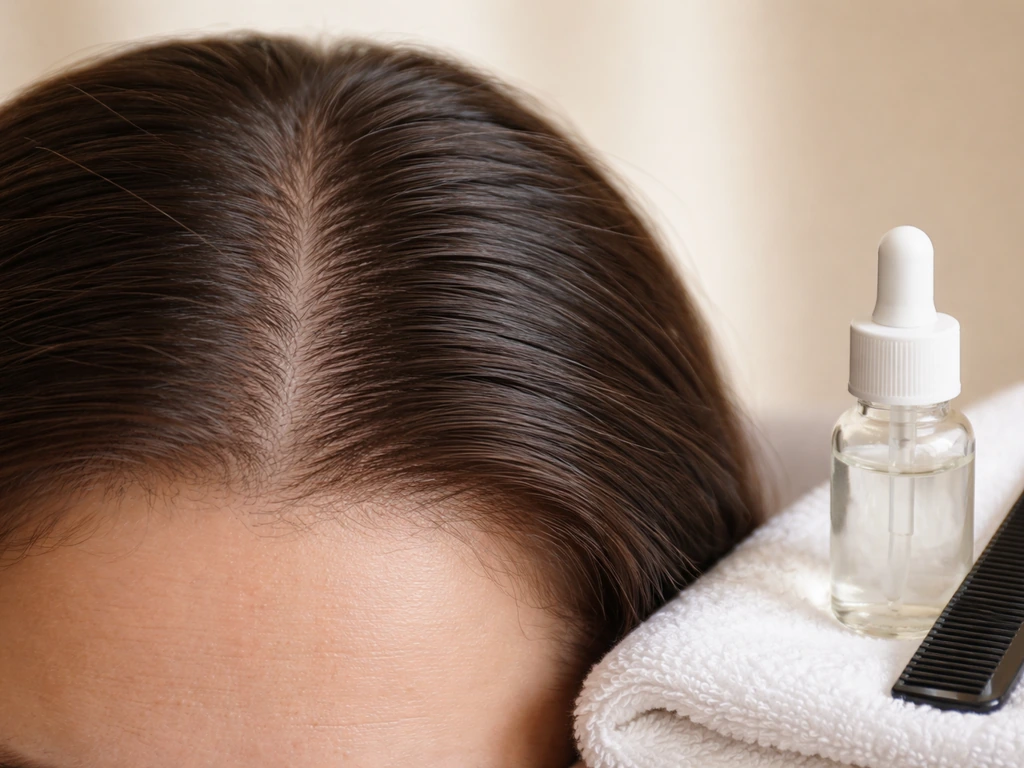
Figure out why your hairline is thinning
Before you buy a single product or start a new routine, spend five minutes honestly diagnosing what you are dealing with. The hairline thins for a handful of distinct reasons, and the treatment that works brilliantly for one will do nothing for another.
- Androgenetic alopecia (hereditary hair loss): In men this almost always starts at the hairline, with the temples receding first and a gradual shift backward over months or years. In women it tends to show up as a widening central part and overall loss of density rather than an obvious bald patch at the front, though some women do develop frontal midline thinning, sometimes called a Christmas tree pattern.
- Traction alopecia: Repeated pulling from tight braids, weaves, locs, ponytails, or edge tools stresses the follicles along the hairline and temples. Early warning signs include small pimples (folliculitis), broken hairs, and hair casts (white sheaths on the hair shaft) before density actually drops. If traction continues long enough, the follicle can scar and stop producing hair permanently.
- Telogen effluvium: A high-stress event, illness, surgery, crash diet, or hormonal shift can push a large portion of follicles into a dormant (telogen) phase. You usually won't notice the shedding until 2 to 4 months after the trigger, which makes it confusing to connect the dots. The hairline and part line are often where you first see it.
- Seborrheic dermatitis and scalp inflammation: Chronic flaking, itching, or scaling creates an inflammatory environment that disrupts the hair growth cycle. It does not directly destroy follicles but can contribute noticeably to hairline thinning if left untreated.
- Breakage mistaken for shedding: Heat, chemical processing, and rough handling can snap the hair shaft near the scalp, making the hairline look sparse when the follicle is actually fine. This is fixable faster than true hair loss because the root is intact.
Pinning down the likely cause shapes everything that follows. If you have a blank" rel="noopener noreferrer">family history of hairline recession plus miniaturizing hairs (hairs that are getting finer and shorter over time), that points to androgenetic alopecia. If you have worn tight styles for years and the thinning is worst right at the edge, traction is almost certainly involved. If your hairline seemed fine six months ago and you were under significant stress or had an illness, telogen effluvium is your most likely culprit. Telogen effluvium shedding can be delayed, with hairs pushed into the telogen phase remaining in place for about 2 to 4 months before shedding becomes noticeable after an inciting event blank" rel="noopener noreferrer">telogen effluvium is your most likely culprit.
Spot the difference: regrowth vs breakage vs traction
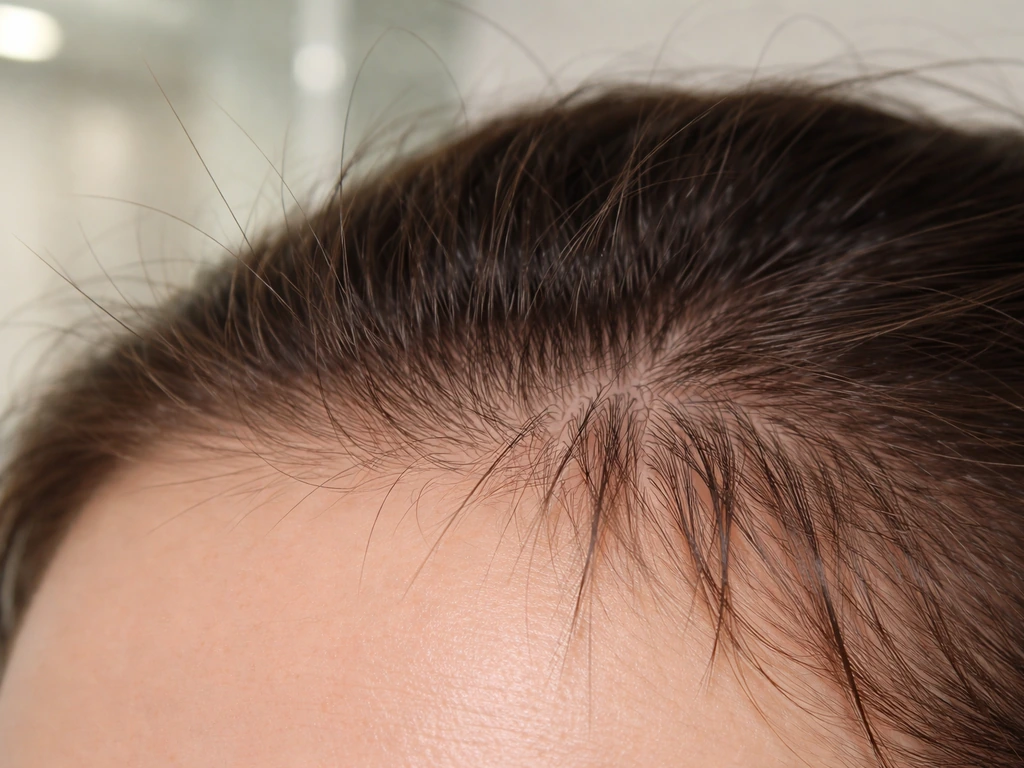
One of the most useful things you can do right now is look at the hairs around your hairline closely, ideally with a magnifying mirror or a phone camera zoomed in. What you find changes your entire plan.
| What you see | What it likely means | What helps |
|---|---|---|
| Short, wispy baby hairs that taper to a point | Actual new regrowth already happening | Protect and support with a good scalp routine |
| Short hairs with blunt or frayed ends | Breakage from mechanical or heat damage | Strengthen with protein, moisturize, reduce manipulation |
| Hairs getting finer/lighter over successive cycles | Miniaturization from androgenetic alopecia or traction | Minoxidil, DHT management, or stop traction immediately |
| Sparse edges with no stubble at all | Follicle dormancy or traction alopecia | Scalp stimulation, anti-inflammatory approach, see a derm if persistent |
| Itchy, flaky, red skin along the hairline | Scalp inflammation or seborrheic dermatitis | Treat the scalp condition first before focusing on regrowth |
Baby hairs that taper naturally to a fine point are a good sign: growth is already happening and you mostly need to get out of its way. Blunt-ended short hairs are broken strands, not new growth, and need a completely different approach focused on strength and protection rather than stimulation. Hairs that are visibly getting finer cycle after cycle are miniaturizing, which is the hallmark of androgenetic alopecia or prolonged traction and needs a more targeted intervention.
Scalp care routine to support hairline growth
The follicle lives in the scalp, so the condition of the scalp directly controls how well it can produce hair. A clogged, inflamed, or dry scalp creates friction in the growth process even when everything else is dialed in.
Keep the scalp clean without over-stripping it

Washing the scalp regularly, at least twice a week and more often if you use heavy styling products, removes sebum, product buildup, and dead skin that can clog follicles. Use a gentle, sulfate-free shampoo unless you are dealing with seborrheic dermatitis, in which case a medicated shampoo containing ketoconazole, zinc pyrithione, or selenium sulfide is worth rotating in once or twice a week. Focus the shampoo on the scalp itself and let it rinse through the lengths.
Moisturize the scalp, not just the hair
A dry, tight scalp is often part of the problem, especially for people with naturally drier hair textures. A lightweight scalp oil or serum applied to the hairline and massaged in two to three times a week can improve circulation and reduce dryness without clogging pores. Jojoba, argan, and grapeseed oils are light enough for most scalp types. Heavier products like thick butters or petroleum-based edges gels applied daily directly to the hairline can build up and suffocate follicles over time.
Reduce inflammation first
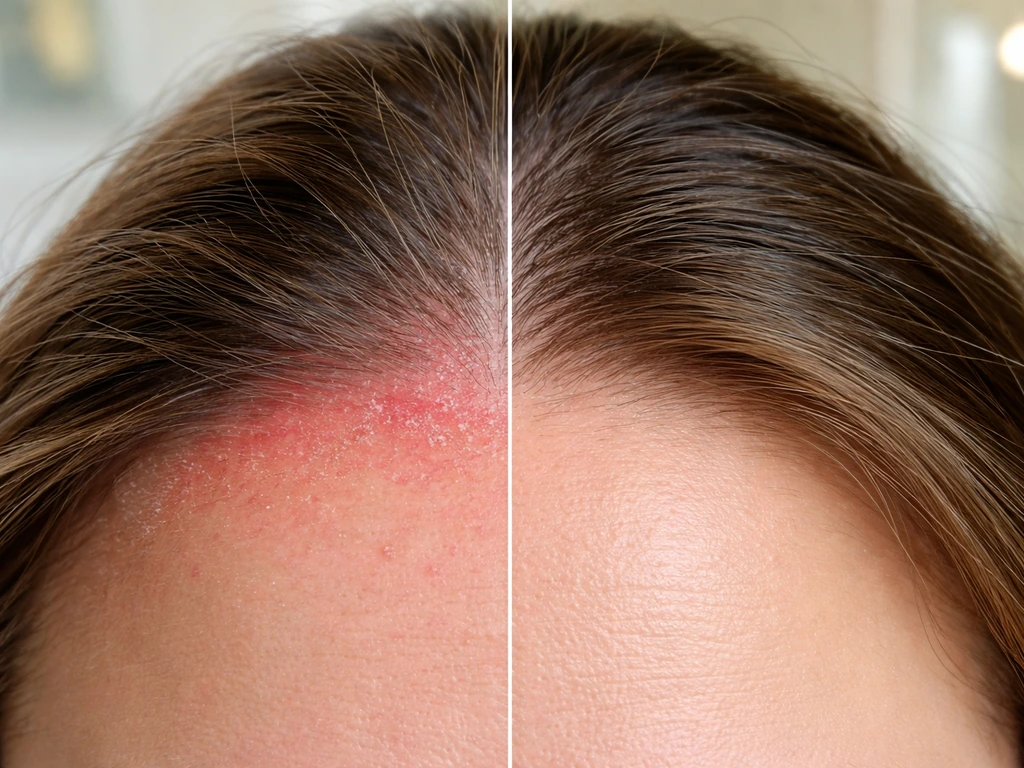
If your scalp is itchy, red, or visibly irritated along the hairline, regrowth will stall until that is addressed. Seborrheic dermatitis in particular creates a pro-inflammatory environment that disrupts the growth cycle and can confuse the picture of how much hair loss is actually occurring. Use the medicated shampoo consistently for four to six weeks before expecting to evaluate whether your hairline is improving. Anti-inflammatory scalp serums containing niacinamide or salicylic acid can also help calm chronic irritation.
Natural and evidence-based topicals for the hairline
There is a real spectrum here from well-researched clinical options to promising naturals with less rigorous backing. Knowing where each one sits helps you set the right expectations.
Minoxidil
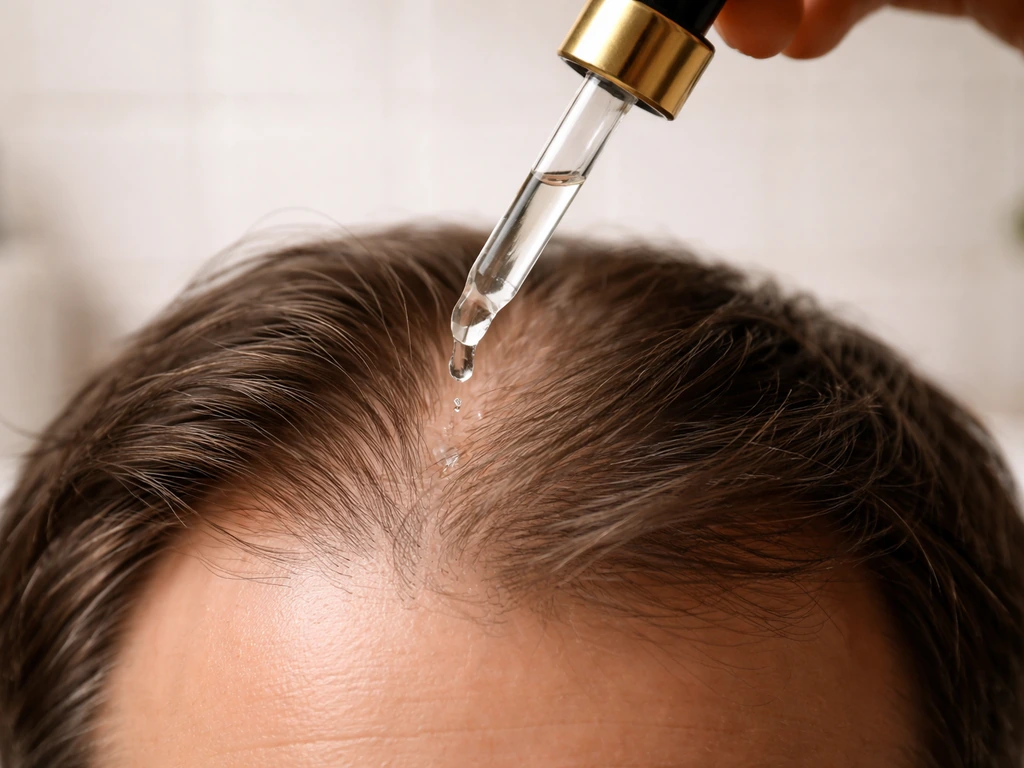
Minoxidil is the most evidence-backed topical option available without a prescription. It works by prolonging the anagen (active growth) phase and increasing blood flow to follicles. The 2% solution or 5% foam formulation applied directly to the hairline once or twice daily is the standard approach. It takes a minimum of 3 to 4 months to see results, and shedding in the first few weeks is normal and does not mean it is making things worse. It works for androgenetic alopecia and can help with telogen effluvium recovery. It does not reverse scarring from advanced traction alopecia.
Rosemary oil
Rosemary oil has some of the strongest natural evidence behind it. A well-cited study found it comparable to 2% minoxidil for promoting hair growth after six months, though it works more slowly at first. Dilute it to about 2 to 3 drops per teaspoon of a carrier oil like jojoba and apply to the hairline, massaging it in for a few minutes before washing out or leaving it on overnight two to three times per week. Do not apply essential oils undiluted to the skin.
Peppermint oil
Peppermint oil has shown real promise in animal studies for stimulating follicle activity, likely through increased circulation and a cooling vasodilating effect. Use the same dilution rule as rosemary (2 to 3 drops per teaspoon of carrier). Some people find blending rosemary and peppermint together gives them a product they enjoy using regularly, which matters a lot for consistency.
Castor oil
Castor oil is widely used for hairline and edge growth, particularly in natural hair communities. The clinical evidence is limited, but ricinoleic acid in castor oil has demonstrated anti-inflammatory properties, and it is deeply moisturizing for both scalp and hair shaft. The main practical issue is that it is very thick, so use it sparingly at the hairline and mix it with a lighter carrier oil to avoid buildup. Using too much too often can actually clog follicles if not washed out properly.
Ketoconazole shampoo (for inflammation and possibly DHT)
If seborrheic dermatitis is part of your hairline picture, a ketoconazole-based shampoo is genuinely useful. There is also early evidence that ketoconazole may have some anti-androgenic effect on the scalp, which is why some people with androgenetic alopecia use it as a supporting measure. It is not a substitute for minoxidil or finasteride in that context, but it is a worthwhile addition.
Nutrition and supplements that support regrowth
Hair is one of the fastest-growing tissues in the body and it is metabolically expensive to produce. Deficiencies in key nutrients can stall growth or push follicles into early shedding, and the hairline is often where you see it first because those follicles are among the most sensitive to internal stress.
Nutrients that matter most
- Iron and ferritin: Low ferritin (stored iron) is one of the most commonly overlooked contributors to hairline thinning, especially in women with heavy periods or restrictive diets. Even if your hemoglobin looks fine, ferritin below 30 to 40 ng/mL is often associated with hair loss. Get it tested.
- Protein: Hair is made of keratin, which is protein. If you are under-eating protein (less than 0.7 grams per pound of body weight for most adults), your body will deprioritize hair production. Eggs, lean meats, legumes, Greek yogurt, and fish are all excellent sources.
- Biotin: Biotin deficiency does cause hair loss, but true deficiency is genuinely rare. Most people do not need high-dose biotin supplements unless they have a specific deficiency, and taking too much can interfere with some lab tests. That said, if your diet is restrictive, a B-complex supplement covering biotin, B12, and folate makes sense.
- Zinc: Zinc deficiency is associated with hair shedding. Shellfish, pumpkin seeds, meat, and legumes are good food sources. Zinc supplements should be taken with caution as excess zinc can actually cause hair loss.
- Vitamin D: Low vitamin D is linked to telogen effluvium and alopecia areata. It is extremely common, especially in people who live in northern climates or spend little time outdoors. A 1000 to 2000 IU supplement is reasonable if you are not getting tested regularly.
- Omega-3 fatty acids: Found in fatty fish, flaxseed, and walnuts, omega-3s help reduce scalp inflammation and support the follicle environment. A fish oil supplement (1000 to 2000 mg EPA/DHA combined) is a reasonable option if dietary intake is low.
Supplement considerations worth knowing
Saw palmetto is a plant-based option that may help block some DHT conversion, which is relevant if androgenetic alopecia is your primary issue. The evidence is much weaker than finasteride but it is a reasonable addition for people who want a natural approach. Nutrafol and similar multi-ingredient hair supplements combine several of these nutrients plus adaptogens, and some users report good results, though they are expensive and the research on the full formulas is largely industry-funded. If budget is a concern, prioritizing getting your iron, vitamin D, and protein right through food and targeted single-ingredient supplements will cover most of the bases.
How to stimulate growth safely: massages and microneedling
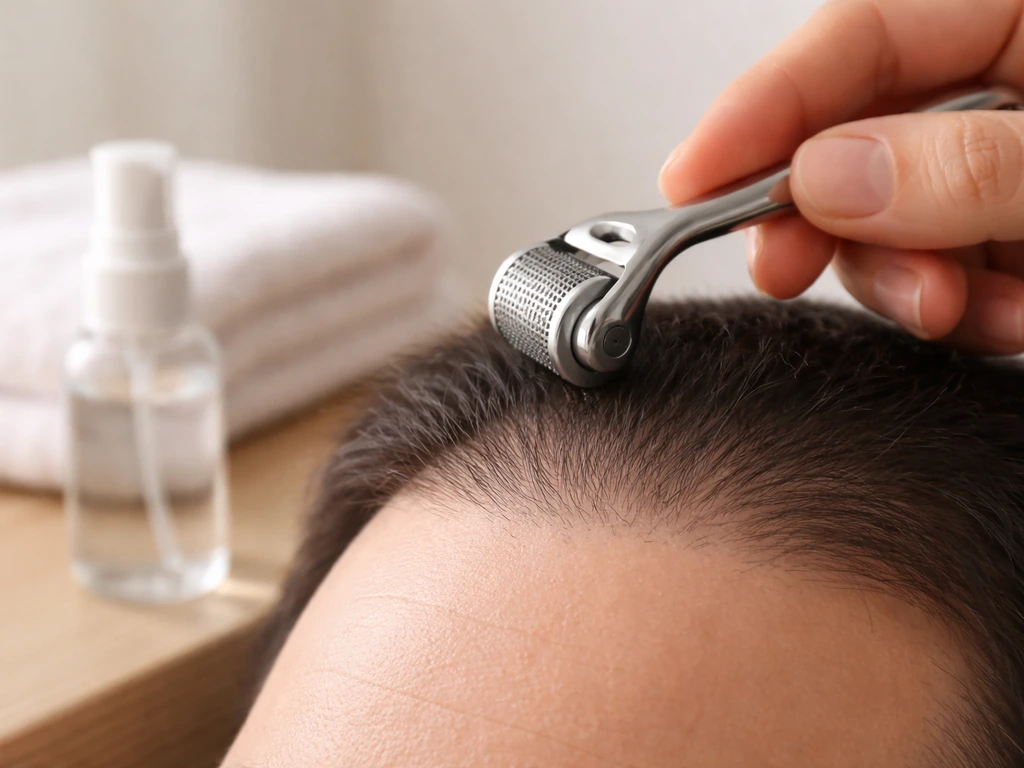
Physical stimulation of the scalp is one of the most underrated and underused tools for hairline growth, and the evidence behind it has gotten more serious in the last few years.
Scalp massage
Daily scalp massage for as little as 4 minutes has been shown in small studies to increase hair thickness over 24 weeks, likely by stretching dermal papilla cells at the follicle base and improving blood flow. At the hairline specifically, use the pads of your fingertips (not nails) and apply gentle circular pressure moving along the edge and temples. You can do this dry or with a light oil applied before washing. Consistency is everything here: one massage session won't do anything, but daily practice over 12 weeks is a different story.
Microneedling
Microneedling with a dermaroller (0.25 to 0.5mm needle length for at-home use) creates micro-injuries in the scalp that trigger a wound-healing and growth factor response. When combined with minoxidil or a topical oil, it can significantly enhance absorption and follicle stimulation. At the hairline, use a 0.25mm roller or a small dermastamp tool designed for the edges rather than a full-head roller for better control. Roll or stamp once a week, not more, and keep tools clean and sterile between uses. Avoid microneedling over active inflammation, breakouts, or any area of active infection. If you are newer to this, starting with weekly scalp massage for a month before adding microneedling is a sensible progression.
One important note for people dealing with traction alopecia: be cautious about aggressive stimulation techniques on follicles that are already damaged or inflamed. The priority there is removing the mechanical stress first and letting the follicle recover before you add stimulation.
Your 8 to 12 week plan for measurable results
Hairline regrowth is a slow game. Even in the best-case scenario, hair grows about half an inch per month, and follicles coming out of a dormant phase take 4 to 12 weeks just to start visible production. Here is a practical, phase-based plan to get you moving in the right direction.
Weeks 1 to 2: Assess, remove, and set the foundation

- Take close-up photos of your hairline in consistent lighting. This is your baseline. Progress photos are the only reliable way to track something that changes this slowly.
- Stop any hairstyle or tool that pulls on the hairline immediately if traction is a factor. This includes tight ponytails, edges tools used daily, weaves installed without protective buffering, and any style that leaves you with scalp tenderness.
- Start a gentle, consistent wash routine: twice a week minimum, medicated shampoo once weekly if you have any scalp irritation or flaking.
- Get bloodwork done if you have not recently: ferritin, vitamin D, thyroid panel (TSH), and a complete blood count are the most relevant starting points.
- Cut back on heat styling at the hairline. If you flat iron or use a blowdryer on your edges regularly, this is the first thing to reduce.
Weeks 3 to 6: Build the active routine
- Start daily scalp massage: 4 to 5 minutes focusing on the hairline and temples each morning or evening.
- Introduce your chosen topical: minoxidil applied once to twice daily, or a diluted rosemary/peppermint oil blend massaged in two to three times per week.
- Optimize nutrition: add a targeted supplement based on your bloodwork results or dietary gaps. Most people benefit from getting protein, iron, and vitamin D right before anything else.
- If you are using minoxidil, expect some initial shedding around weeks 3 to 6. This is normal, means it is working, and will stop.
Weeks 7 to 12 and beyond: Add stimulation and track
- If your scalp is healthy and non-irritated, introduce weekly microneedling at 0.25mm at the hairline, followed immediately by your topical treatment to maximize absorption.
- Compare your photos every four weeks, not every few days. Daily checking causes anxiety and misses the slow, cumulative change that is actually happening.
- Assess hairstyle habits honestly: protective styling is great, but protective styles that pull on the hairline are not protective for the hairline.
- If you have seen zero change by week 12 with consistent effort, that is your signal to escalate to professional evaluation rather than switching to a different DIY product.
For people dealing specifically with thinning edges or traction damage, the timeline for recovering visible density can be longer, sometimes 6 to 12 months, because the follicle needs time to fully recover from repeated stress before it produces thick hair again. Patience here is not a cliche, it is biologically necessary.
When to escalate: treatments and when to see a professional
Natural and over-the-counter approaches cover a lot of ground, but there are situations where they genuinely are not enough and seeing a dermatologist or trichologist is the most practical next step, not a last resort.
Red flags that need prompt evaluation
- Rapid or sudden hairline loss happening over weeks rather than months
- Patches of complete baldness at the hairline with no stubble or regrowth (possible alopecia areata)
- Scalp that is persistently sore, burning, or showing signs of scarring or smooth, shiny skin where hair once grew (possible lichen planopilaris or frontal fibrosing alopecia, which are scarring forms of hair loss)
- Hair loss accompanied by significant weight change, fatigue, or other systemic symptoms (thyroid or autoimmune issues)
- No visible response after 12 weeks of consistent, well-targeted treatment
What a professional can offer that OTC options cannot
A dermatologist can perform a trichoscopy, a magnified examination of the scalp and follicles, to confirm the type of hair loss you are dealing with. If you are specifically trying to grow your hairline back for African hair and traction-damaged edges, that trichoscopy step can help you pick the safest plan for regrowth thinning edges from traction. This matters because treating androgenetic alopecia with the same approach as frontal fibrosing alopecia could actually make the latter worse.
Prescription options including oral minoxidil (lower doses, fewer side effects than many expect), finasteride or dutasteride for men and some women, spironolactone for women with hormonal hair loss, and platelet-rich plasma (PRP) injections are all meaningfully more powerful than anything available over the counter. Hair transplants are an option for permanent hairline recession once the loss has stabilized, but they require a stable foundation first.
If you are dealing specifically with thinning edges from traction or chemical damage, a trichologist with experience in textured hair types can be especially valuable. The nuances of how different hair types respond to traction damage and what restoration looks like varies enough that someone with that specific background is often more useful than a general dermatologist for that particular issue.
The bottom line is that the hairline is one of the most responsive areas of the scalp when the right cause is identified and addressed consistently. If you are trying to grow your hairline back as a Black man, start by matching your plan to the exact cause, like traction, androgenetic alopecia, or shedding from inflammation.
Most people give up before the 12-week mark, switch products too frequently, or try to solve traction damage with stimulating oils while still wearing the same tight styles. Getting clear on the cause, being patient with the timeline, and escalating when appropriate will put you ahead of almost everyone who has tried to tackle this problem before.
If you want a clear, step-by-step guide on how to grow hairline at home, focus on diagnosing the cause and choosing the right routine for your scalp.
FAQ
How long should I wait before I decide a hairline regrowth routine is not working?
Give most approaches a 3 to 4 month test window, since follicles can take weeks just to re-enter visible growth. If you are treating scalp inflammation, evaluate after 4 to 6 weeks of consistent medicated shampoo first, then reassess. If you see no change at all by 12 weeks, revisit the likely cause rather than switching products again and again.
Is it better to start with minoxidil or with fixing my scalp first?
If your scalp is itchy, flaky, red, or has obvious buildup, stabilize the scalp first (for example with a medicated shampoo) before heavily layering multiple actives. If your scalp is generally calm and the pattern suggests androgenetic alopecia or early shedding, starting minoxidil can be reasonable, then add scalp support around it.
What should I do if I get increased shedding after starting minoxidil?
Early shedding can happen when hairs transition out of resting growth phases, it usually settles after the first few weeks. Do not stop abruptly after week 1 or 2, and keep dosing consistent. If shedding continues beyond the early window or your scalp becomes very irritated, reduce frequency and consider switching to a foam or reviewing whether irritation or dermatitis is the real issue.
How do I tell broken, cut-off “new growth look-alikes” from real regrowth at the hairline?
Use close-up checks for length and taper. True regrowth grows progressively longer and becomes more defined over time, while breakage tends to produce very short, uneven hairs with blunt, frayed tips that do not lengthen despite the same routine. Track with the same lighting and angle every 2 to 3 weeks to reduce guesswork.
Can I regrow hairline edges if traction is still ongoing?
You usually cannot fully regain density while the mechanical stress continues. Remove tight styles, reduce tension on the hairline, and avoid daily pulling or edge-tension patterns. Even then, expect longer timelines for traction alopecia, often 6 to 12 months for meaningful density recovery.
Are essential oils safe for the hairline, and how do I avoid irritation?
Essential oils must be diluted, undiluted application is a common cause of burning, dermatitis, and worse shedding. Start with a low dilution and patch test on a small area 24 to 48 hours before regular use. If you notice persistent redness, itching, or scaling, stop and switch to an approach that targets scalp inflammation.
How often should I massage my scalp, and what technique matters most?
Daily, short massage sessions work better than occasional long ones (about 4 minutes). Use fingertip pads only, gentle circular pressure, and do not grind at the hairline. If you have active irritation or inflamed follicles, pause massage and focus on calming the scalp first.
Is microneedling worth it, and who should avoid it?
Microneedling can help some people, especially when combined with a topical like minoxidil, but it is not for everyone. Avoid microneedling over active acne, open sores, infection, or visibly inflamed scalp. If your hairline is traction-damaged and still irritated, fix tension first and consider waiting until the scalp is calm.
What size and frequency microneedling tool is safest for hairline edges?
For home use, a 0.25mm roller or a small dermastamp designed for the edges is generally the cautious starting point. Use it about once per week, do not increase frequency to speed results, and keep tools sterile between sessions to reduce infection risk.
Can I use oils and growth actives together without clogging follicles?
Yes, but timing and product type matter. Thick, daily edge gels and heavy butters are more likely to build up and worsen follicle stress, especially if you are not washing regularly. If you use scalp oil, choose lighter options and keep application off the scalp areas that feel sticky or get flaky after products sit.
What nutrients matter most if my hairline thinning is from shedding or internal stress?
Iron, vitamin D, and adequate protein are common priorities, but deficiencies should ideally be confirmed rather than guessing. If you suspect deficiency from heavy periods, recent illness, or rapid weight change, ask a clinician about relevant bloodwork and correct the underlying gap, because oils and topicals cannot fully compensate for systemic shortages.
Do supplements like saw palmetto, Nutrafol, or similar blends really help?
They may help some people with androgen-related shedding, but evidence is weaker than prescription options. If you try supplements, pick one approach and track results for at least 3 to 6 months. Also be cautious about high-cost blends if you can more reliably address nutrients with food and targeted supplements.
When should I see a dermatologist or trichologist instead of continuing at home?
Escalate if you have rapid progression, patchy loss with visible scalp changes, burning or significant itch that keeps returning, or if you cannot identify the cause after a solid 12-week routine. A trichoscopy exam can clarify whether it is androgenetic alopecia, traction, inflammatory shedding, or another pattern, which changes what actually works.
Can I get a hair transplant for hairline recession?
Hair transplant results depend on stability and diagnosis. If your hair loss is still actively progressing, transplant timing matters, since you need a stable foundation before investing in permanent coverage. Discuss whether medical treatment to slow progression should come first.
Next Articles
How to Grow Back a Thinning Hairline: Step-by-Step
Step-by-step plan to regrow a thinning hairline with causes, scalp care, targeted topicals, nutrition, and realistic tim
Tips on How to Grow Your Hair Out: A Step by Step Guide
Step-by-step tips to grow hair out: stop breakage, build scalp routine, nutrition, safe actives, and track progress.
Grow Hair Long Tips: Step-by-Step Routine to Reach Length
Step-by-step grow hair long tips: boost scalp health, cut breakage, improve diet, and track progress for length.