
Growing wings hair means nurturing your hair long enough and healthy enough to develop that distinctive outward flare at the sides, then keeping it shaped with the right layered cut so it actually wings out instead of drooping flat. The realistic timeline is around 6 to 12 months of consistent effort for most people starting from shorter hair, but the good news is you can start improving your scalp environment, nutrition, and styling habits today and see a real difference in texture and thickness within the first 8 to 12 weeks.
How to Grow Wings Hair: Routine, Timeline, and Care Tips

Marcus Holloway
2 Jun 2026
What 'wings hair' actually means (and what you're aiming for)
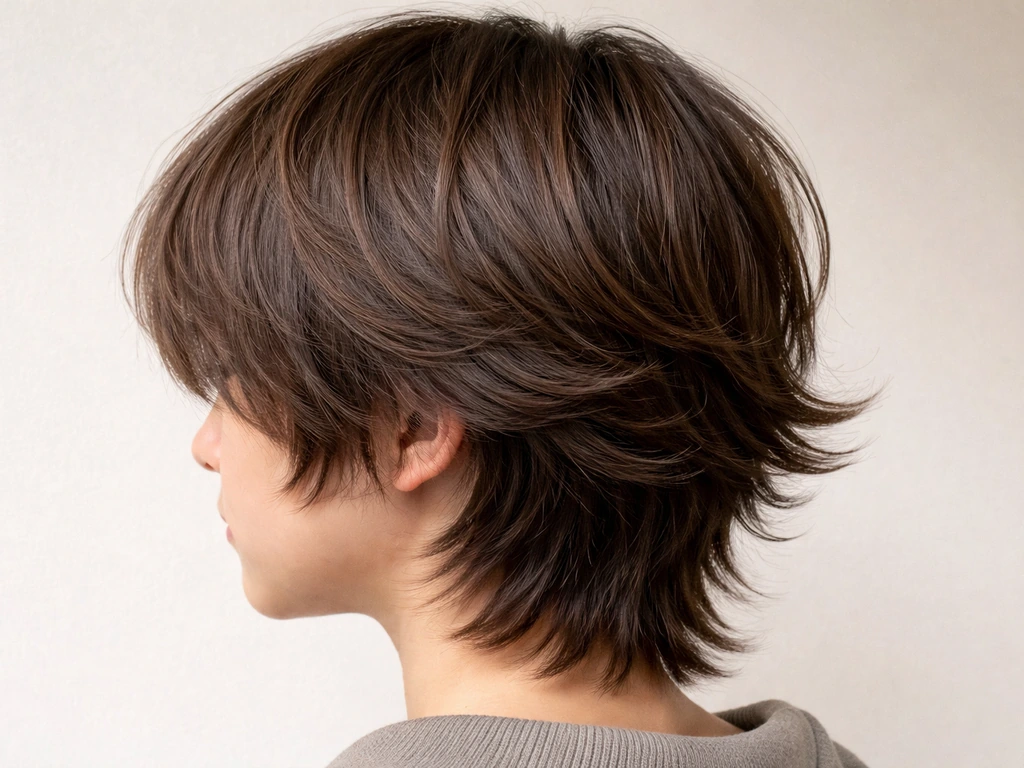
The wings hairstyle, sometimes called the Mod cut, mop top, or flippies, is defined by hair that flares outward from the sides of the head rather than lying flat against the ears. The Wings haircut can also vary in length, with longer versions sometimes dropping below the eyes while still keeping the outward flared side shape longer versions sometimes droop below the eyes while keeping the outward flared side shape.
Think of the silhouette of an airplane wing: the hair sweeps out and slightly upward at the sides, often partially covering the ears. It can range from a shorter, tidier version to longer styles where the hair almost droops near the eyes, but the key feature is always that outward movement at the sides.
The shape is achieved through layering, not just length. A wing cut keeps longer sections framing the face and sides, swept outward to create body and movement. This is important to understand from the start, because simply growing your hair long without the right cut won't give you wings, it'll give you shapeless length. You need both growth and periodic shaping to reach the goal. The practical plan below covers both.
How hair actually grows: timelines and what you can realistically change
Scalp hair grows at roughly 1.3 cm (about half an inch) per month. That's the biological average, and while you can support it, you can't dramatically accelerate it beyond your genetic ceiling. Hair growth happens in cycles: the anagen (active growth) phase lasts around 150 weeks on the scalp, the catagen (transition) phase wraps up in a week or two, and the telogen (resting) phase lasts about 2 to 3 months before the hair sheds. At any given moment, around 85 to 95 percent of your scalp follicles are in anagen, with only 5 to 10 percent in telogen. That means most of your hair is actively growing right now.
Normal daily shedding is roughly 100 to 150 hairs, which sounds alarming until you realize it's just the telogen cycle completing. The frustrating part is that changes you make today, whether in diet, scalp care, or reducing stress, don't show up as visible growth for weeks to months because the hair biology lags behind your behavior. So building a consistent routine and sticking to it for at least 3 to 6 months before judging results is the only honest approach.
For wings specifically, starting from a very short cut, you're looking at roughly 6 months to reach a length where the sides can start to flare, and closer to 9 to 12 months to have enough volume and movement to hold a proper wing shape. If you already have some length, you might get there in 2 to 4 months with the right cut and care.
Build a scalp-care routine that actually supports growth
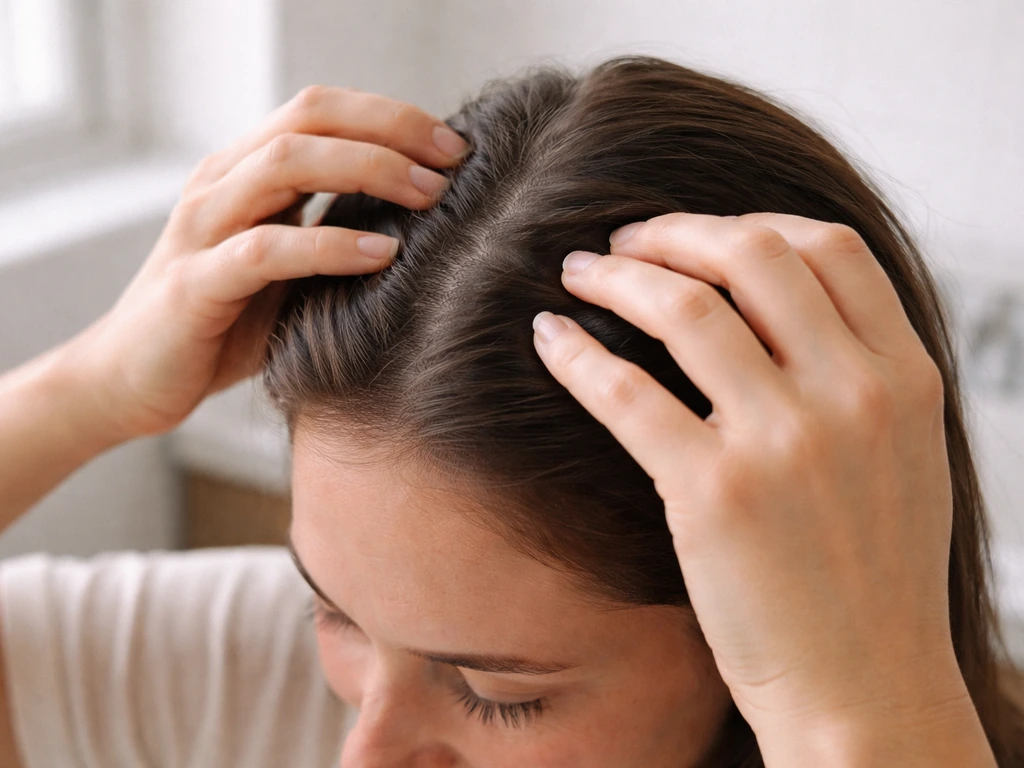
Your scalp is the soil your hair grows from. A congested, inflamed, or overly dry scalp shortens the anagen phase and contributes to increased shedding. Keeping it clean, well-circulated, and free from buildup is the most direct lever you have for healthier, faster growth.
Weekly scalp routine
- Shampoo 2 to 3 times per week with a gentle, sulfate-free formula, or as needed based on your scalp's oiliness. Over-washing strips natural oils; under-washing allows buildup to block follicles.
- Do a 5-minute scalp massage every day or every other day, using your fingertips (not nails) in circular motions. There's real evidence that consistent scalp massage increases hair thickness over time by stretching follicle cells and improving circulation.
- If you have dandruff or an itchy/flaky scalp, use a ketoconazole shampoo (1% OTC or 2% prescription) once or twice weekly. Seborrheic dermatitis is a common silent cause of scalp inflammation that slows growth. Leave it on for the recommended contact time (usually 3 to 5 minutes) before rinsing.
- Once a week, apply a lightweight scalp oil (see the topical options section below) 30 to 60 minutes before shampooing to moisturize without leaving residue.
- Avoid very hot water, which dries the scalp, and rinse with cool to lukewarm water.
If you're dealing with persistent flaking, tenderness, or patches of redness, treat those as a scalp health issue first before expecting growth to improve. An inflamed scalp environment genuinely disrupts the hair cycle.
Feed your follicles: the nutrition side of growing wings
Hair is made of keratin, a protein, so the basics of a good growth diet come down to protein, specific micronutrients, and staying hydrated. You don't need exotic supplements if your diet is solid, but there are a few specific gaps that commonly slow hair growth and are easy to miss.
Protein

Hair is essentially protein, so if you're consistently eating too little (common in restrictive diets), growth will stall. Most adults need around 0.8 to 1.2 grams of protein per kilogram of body weight daily. Good sources include eggs, chicken, fish, legumes, and Greek yogurt. That said, Harvard Health points out that in people with adequate dietary access, simply adding more protein beyond your needs isn't going to turbocharge growth. The goal is meeting your baseline, not overloading.
Iron, zinc, and vitamin D
These three are the most common deficiency-related causes of increased shedding and slowed growth, and they're often overlooked. Iron is stored as ferritin in the body, and low ferritin (even without clinical anemia) is frequently associated with telogen effluvium, that frustrating diffuse shedding all over the scalp. If you suspect low iron, ask your doctor for a ferritin test specifically, not just a standard hemoglobin check.
Zinc absorption varies a lot depending on diet, and people eating mostly plant-based foods tend to absorb less. Vitamin D deficiency is also linked to hair cycling disruption; the NIH sets deficiency risk at serum levels below 30 nmol/L (12 ng/mL). The upper safe limit for vitamin D supplementation is generally 1,000 to 4,000 IU daily depending on age, so don't self-supplement at very high doses without a blood test confirming a deficiency.
Biotin: honest expectations
Biotin is heavily marketed for hair growth, but the evidence only supports it in people with an actual biotin deficiency, which is genuinely rare if you're eating a varied diet. The NIH confirms that beyond deficiency, supporting evidence is limited to case reports. If you want to take it, a standard 2,500 to 5,000 mcg dose is unlikely to harm you, but it may simply pass through without benefit if you're not deficient. I'd prioritize the iron/zinc/vitamin D check before spending money on biotin.
Hydration and overall diet quality
Chronic dehydration affects the scalp and hair shaft quality. Aim for at least 2 liters of water per day, more if you're active. A Mediterranean-style diet rich in vegetables, healthy fats (olive oil, oily fish, avocado), and whole grains supports overall inflammation levels, which directly affects scalp health.
| Nutrient | Why It Matters for Hair | Best Food Sources | Supplement Note |
|---|---|---|---|
| Protein | Building block of keratin (hair structure) | Eggs, chicken, fish, legumes, Greek yogurt | Only supplement if diet falls short |
| Iron (Ferritin) | Low stores linked to diffuse shedding | Red meat, lentils, spinach, fortified cereals | Test ferritin first; supplement with guidance |
| Zinc | Supports follicle repair; deficiency causes shedding | Pumpkin seeds, beef, chickpeas, cashews | Absorption lower from plant sources; 8-11 mg/day RDA |
| Vitamin D | Linked to hair cycling; deficiency disrupts anagen | Oily fish, fortified dairy, sunlight | Test levels; 1,000-4,000 IU/day upper safe range |
| Biotin | Only helpful in confirmed deficiency | Eggs, almonds, sweet potato, salmon | Evidence weak without deficiency; rarely needed |
Styling and maintaining the wings shape as your hair grows
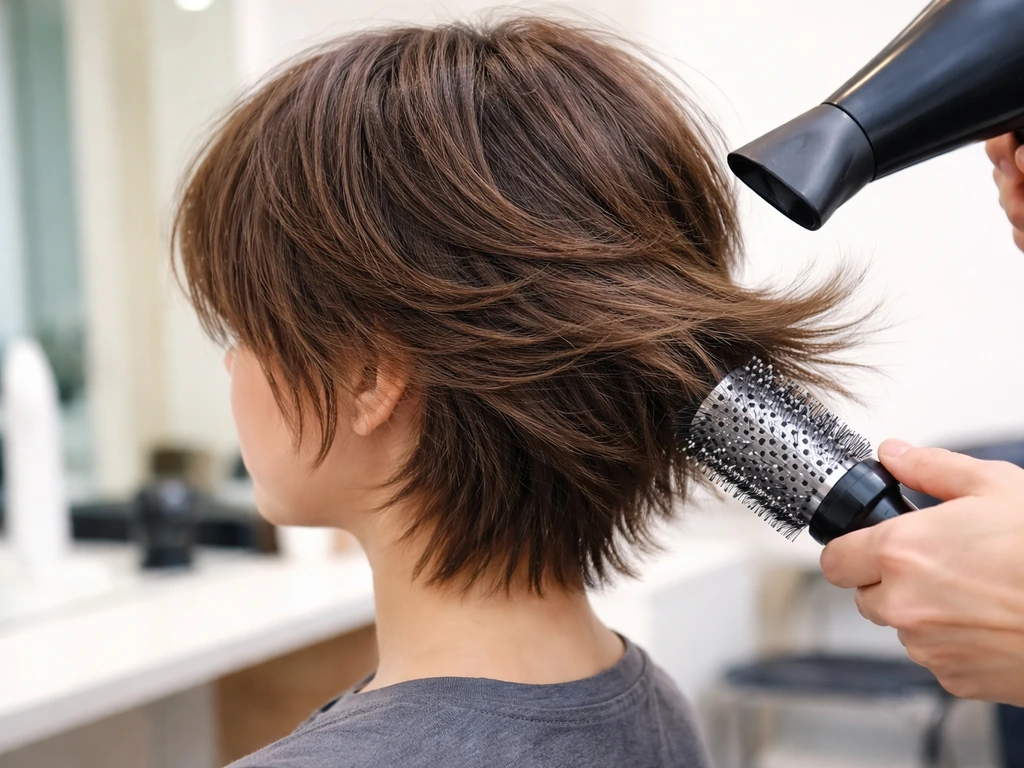
This is the part most growth guides skip, and it's where a lot of people lose momentum. You can have perfect nutrition and a great scalp routine, but if you're not managing the actual shape of your hair as it grows, you'll end up with a shapeless mop instead of wings. The styling side matters just as much as the growth side.
Get layered trims every 8 to 10 weeks
This might feel counterintuitive when you're trying to grow length, but strategic trims are essential for wings. The outward flare comes from layering, not from one uniform length. Ask your stylist specifically for a wing cut or layered sides where the hair at the sides and around the face is encouraged to sweep outward. Tell them you're growing it out and want to preserve length at the top while maintaining the wing movement at the sides. A good trim removes split ends that would otherwise cause breakage and travel up the shaft, costing you length anyway.
Heat and chemical protection
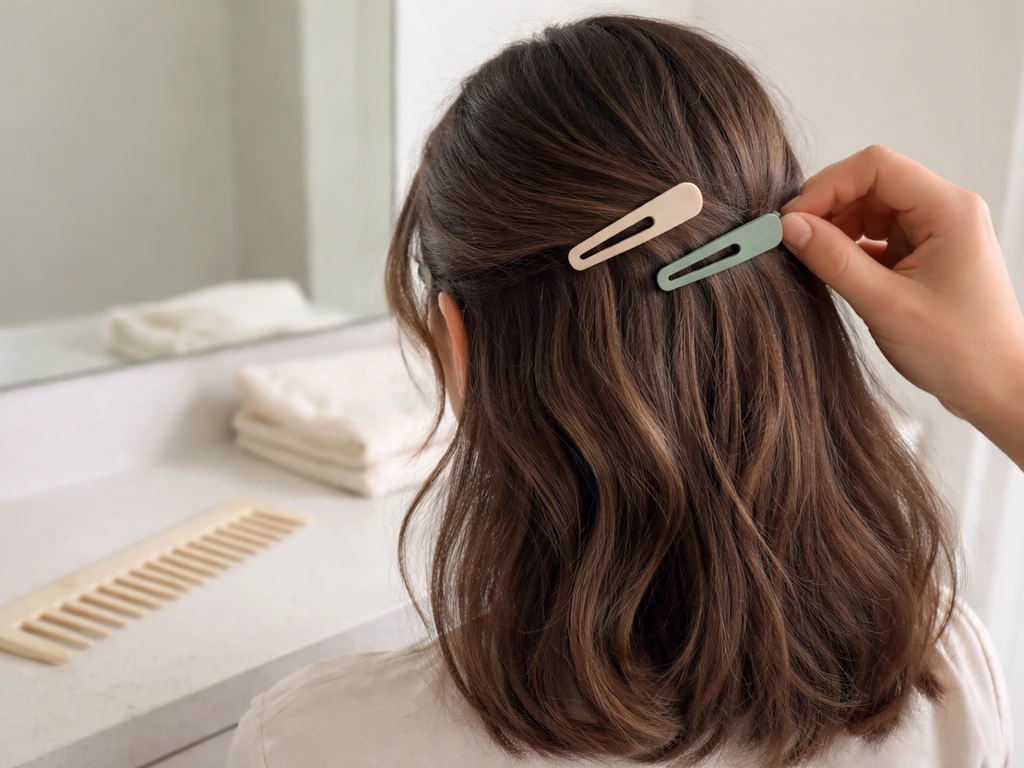
Heat styling (blow-drying, flat irons, curling wands) is the fastest way to sabotage growth progress through breakage. If you use heat, always use a heat protectant spray first, keep temperatures below 180C (350F) where possible, and avoid daily heat use. For growing wings, a round brush blow-dry technique can actually help coax the side hair outward into the wing shape while adding volume, so it's worth learning rather than avoiding heat entirely. Just don't do it every day on high heat.
Protective and low-tension styling between washes
Avoid tight hairstyles that pull the sides of your hair flat against your head, since this works directly against the wing shape and puts the very area you're trying to flare under tension. Tight repeated tension at the sides also risks traction alopecia, a real and preventable condition where chronic pulling damages follicles. In early stages it causes folliculitis, broken hairs, and reduced density. If it becomes chronic, it can progress to permanent scarring. Keep the sides loose and low-tension whenever you're not actively styling.
Use a wide-tooth comb or a paddle brush on damp hair, and always work from the ends upward toward the roots to detangle. Silk or satin pillowcases reduce friction overnight and meaningfully reduce breakage over time, especially at the sides where your head rests.
Natural and topical options that may help (with realistic expectations)
There are a handful of topical and natural approaches with at least some evidence behind them. None of them are magic, but used consistently they can support the growth environment you're building.
Rosemary oil
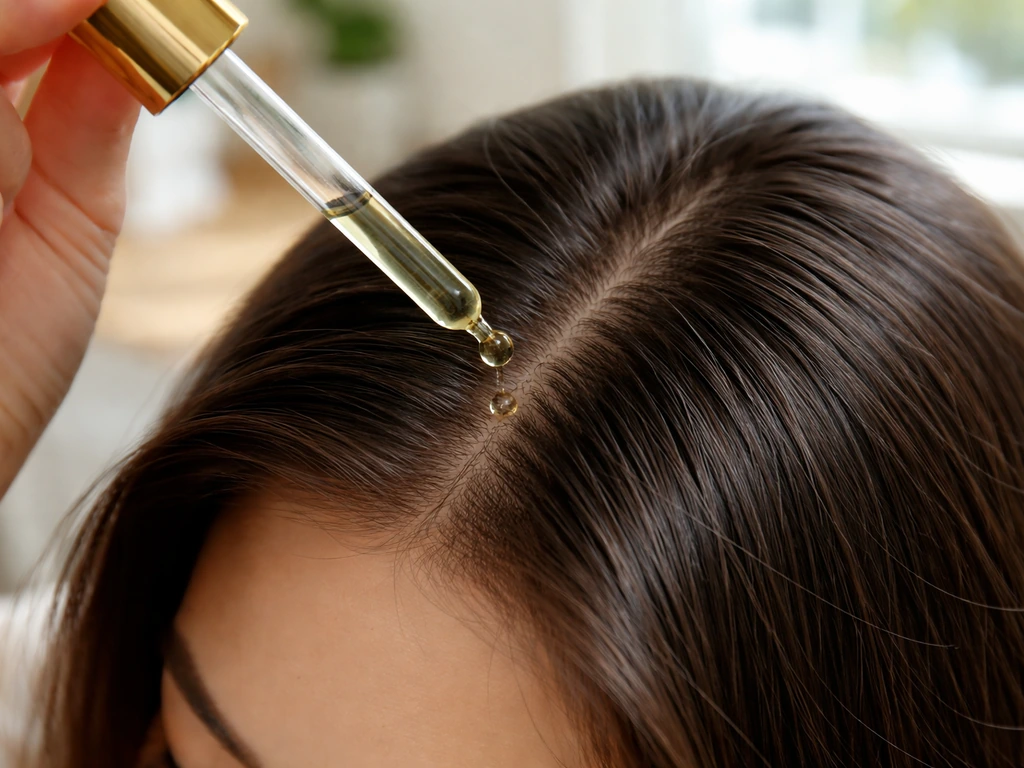
Rosemary oil is probably the most evidence-backed natural topical for hair growth. Some studies suggest it performs comparably to 2% minoxidil for scalp stimulation, though the research is still developing. Mix 2 to 3 drops of rosemary essential oil into a carrier oil like jojoba or coconut (never apply essential oils undiluted), massage into the scalp 3 to 4 times a week, and leave for 30 to 60 minutes before shampooing out. Give it at least 3 months of consistent use before evaluating.
Caffeine (topical)
Topical caffeine has been studied in the context of androgenetic alopecia, and a randomized multicenter trial compared a 0.2% caffeine solution directly to 5% minoxidil. The evidence is promising but systematic reviews note that more high-quality trials are still needed. Caffeine shampoos and serums are low-risk and affordable, making them a reasonable addition to a scalp-care routine even if they're not a guaranteed fix.
Minoxidil
Minoxidil is the most clinically supported OTC topical for hair loss. The 5% solution for men is typically applied twice daily, and the 2% or 5% formula for women once daily. JAMA Dermatology confirms low-to-moderate quality evidence that topical minoxidil improves female pattern hair loss, and StatPearls outlines standard dosing protocols.
However, the FDA label is clear that minoxidil is not appropriate for all types of hair loss, specifically not for sudden or patchy loss of unknown cause, and you should stop use and see a doctor if you experience scalp irritation or unexpected shedding. If your main goal is growing wings hair on a generally healthy scalp, rosemary oil and improved scalp care are good starting points before reaching for minoxidil.
Scalp oils and massage combined
Combining a scalp massage with a lightweight oil (jojoba, argan, or a diluted rosemary blend) works on two levels: the massage increases circulation to the follicles, and the oil supports scalp moisture balance. Five minutes of firm circular massage daily is the format most commonly used in studies showing thickness improvements. This is the easiest, cheapest thing you can start tonight.
When growing wings hair means seeing a professional first
Most people searching for how to grow wings hair are dealing with normal hair that's just not where they want it yet. But some signs during your growth journey mean the problem goes beyond styling and nutrition, and pushing through without professional input can make things worse.
See a dermatologist (ideally one who specializes in trichology) if you notice any of the following:
- Sudden or patchy hair loss, especially if the patches are clearly defined and not related to a hairstyle you wear. This pattern is characteristic of alopecia areata, which the AAD describes as sudden, patchy, nonscarring loss without signs of irritation or swelling. It has specific treatment options that DIY routines won't address.
- Diffuse shedding (hair coming out in handfuls from all over the scalp) that persists for more than 3 months. This is the hallmark of telogen effluvium, often triggered by stress, illness, surgery, or nutritional deficiency. Harvard Health confirms diagnosis is based on history and scalp exam, and the key intervention is identifying and removing the trigger. Shedding after a trigger can take 3 to 6 months to stop, and meaningful regrowth can take 12 to 18 months, so early identification matters.
- Tenderness, itching, or redness at the hairline or sides, especially if you wear tension-heavy hairstyles. These are early traction alopecia warning signs. Caught early, it's reversible. Left untreated, it can scar.
- A persistently inflamed, scaly, or sore scalp that doesn't respond to an antifungal shampoo after 4 to 6 weeks of consistent use.
- A family history of significant hair loss and visible thinning specifically at the crown or temples (androgenetic alopecia). Trichoscopy (dermoscopy of the scalp) significantly improves diagnostic accuracy beyond visual inspection, and a specialist can guide you on whether minoxidil or other treatments are appropriate for your specific pattern.
It's also worth asking your GP for a basic blood panel including ferritin, full iron studies, vitamin D (25-OH), zinc, and thyroid function if you've been experiencing unusual shedding alongside fatigue or other systemic symptoms. Hair loss is frequently the most visible sign of an internal deficiency or condition that's worth catching early.
Your practical weekly routine to start now
Growing wings hair is a long game, but a consistent weekly structure makes it manageable. Here's what a realistic week looks like:
| Day/Frequency | What to Do |
|---|---|
| Daily | 5-minute scalp massage with fingertips, morning or evening. Drink at least 2 liters of water. Eat protein at every main meal. |
| Every other day | Apply diluted rosemary oil (2-3 drops in a carrier oil) to scalp 30-60 mins before washing, or before bed if not washing that day. |
| 2-3x per week | Gentle sulfate-free shampoo and condition. Use cool or lukewarm rinse water. Detangle with wide-tooth comb from ends to roots. |
| Once per week | Antifungal/ketoconazole shampoo if you have dandruff or scalp oiliness. Leave on 3-5 minutes before rinsing. |
| Every 8-10 weeks | Layered trim with a stylist who understands the wing cut shape. Brief them on your goal and ask them to preserve length while shaping the outward flare. |
| Monthly | Check in on your diet quality: protein, iron-rich foods, zinc, and vitamin D. Consider getting a blood panel if shedding feels above normal. |
The wings style shares a lot of its growth challenges with other back-and-sides growth goals. If you're also interested in growing out the hair at the back of your head, the nape area, or working toward tailbone-length growth, much of this same foundation applies since scalp health, nutrition, and low-tension styling are the common thread across all those goals. If you mean the back-and-sides specifically, use the same routine mindset: support scalp health, nutrition, and low-tension styling while keeping trims that encourage the outward sweep how to grow hair backwards.
The most important mindset shift is this: you're not trying to hack your biology into going faster. You're trying to remove the barriers (poor scalp health, nutritional gaps, mechanical damage) that are already slowing it down. Do that consistently for 3 to 6 months, keep the shape managed with layered trims, and the wings you're after will follow. If you want to grow tailbone-length hair, the same principles of consistent scalp care, nutrition, and reducing breakage will help you reach your far longer goal growing wings hair. If your main goal is how to grow your nape hair, focus on the same three basics: healthy scalp conditions, adequate nutrition, and low-tension handling.
FAQ
Can I grow wings hair if my hair is stick-straight or very fine?
Yes, but only if your hair has enough natural weight and movement to flare once it is layered. If your hair is very straight and fine, you may need more deliberate side layering plus a light styling product (for example, a lightweight mousse or volumizing cream) to hold the outward sweep after you blow-dry.
How often should I get trims while growing wings hair?
Aim for a trim cadence of about every 8 to 12 weeks while you are growing out wings, not a single “wait and see” cut. Tell your stylist to preserve length on top while repeatedly refining the side layering, so split ends are removed before they travel upward and force you to lose length later.
Why do I see less growth early on, even though my routine is working?
Expect the first 8 to 12 weeks to show improved feel and shedding consistency rather than a full wing flare. The outward movement usually becomes clear closer to the 6 to 9 month mark (from short hair), because styling can only work with the length and density that arrives after the growth lag.
My hair wings when wet but falls flat when dry, what should I change?
If your hair looks “winged” when wet but collapses when dry, the issue is usually insufficient side volume or product choice. Use a round-brush blow-dry on the sides, add a small amount of root-lifting product, and let it cool before touching it, because warmth loss helps the shape set.
Is it okay to detangle my hair while it is wet, and how do I avoid damaging the side pieces?
Yes. Wet detangling is fine, but use a wide-tooth comb, start at the ends, and avoid aggressive pulling at the sides (that area is under most friction). After detangling, pat dry or blot gently, then air-dry or blow-dry with low tension so you do not create breakage that prevents the wing length from building.
What are the signs that tight styles are interfering with wings hair?
Repeated traction from hats, headbands, or tight styles is especially likely to interfere with wing growth because it targets the exact side sections you need to flare. Stick to loose styles, avoid daily tight pulling, and if you notice soreness or tiny bumps at the hairline, stop the tension immediately and consider a clinician assessment.
How do I handle product buildup while growing wings hair?
You typically do not need to remove all product, you need the right balance. If you are using heavy oils, thick masks, or high-friction styling, clarify occasionally (for most people, once every 2 to 4 weeks) to prevent buildup that can worsen scalp dryness or inflammation.
Can I use minoxidil specifically to speed up wing hair growth?
If you use minoxidil, expect results to track after consistent use (often months), and do not start it based on guesswork about hair density or style issues. Minoxidil is for specific hair-loss patterns, and it can irritate the scalp, so if your goal is mainly wing shape with generally healthy scalp, start with scalp health and layered cuts first, then reassess with a professional if shedding is excessive.
When should I ask for bloodwork instead of continuing the routine?
Consider getting labs if you have unusual shedding (more than typical daily shedding), shedding plus fatigue, or visible scalp symptoms that do not improve with routine changes. Ask specifically for ferritin plus iron studies, vitamin D (25-OH), zinc, and thyroid labs, because hemoglobin alone can miss low iron stores that affect hair cycling.
What symptoms mean wings hair growth issues are not just styling or nutrition?
If you are experiencing patchy loss, sudden clumps of shedding, scalp burning, or rapid progression, do not treat it as a normal “growth phase.” Those are red flags for conditions like inflammatory or autoimmune causes, and early dermatology care can prevent longer-term scarring or chronic shedding.
Next Articles
How to Grow Your Back Hair: A Step-by-Step Guide
Step-by-step routine to grow back hair: reduce breakage, use safe topicals like minoxidil, and track density gains.
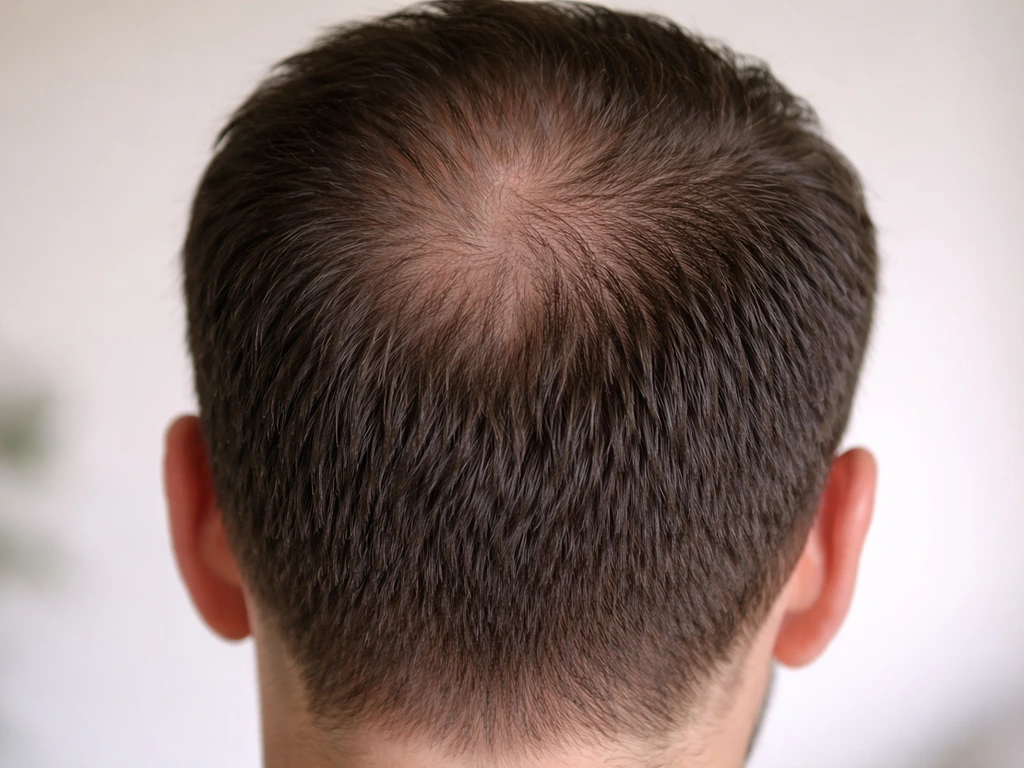
How to Grow Hair at the Back: Fix Thinning Fast
Learn why back-of-head thinning happens and get a step-by-step routine, targeted treatments, and timelines to regrow hai
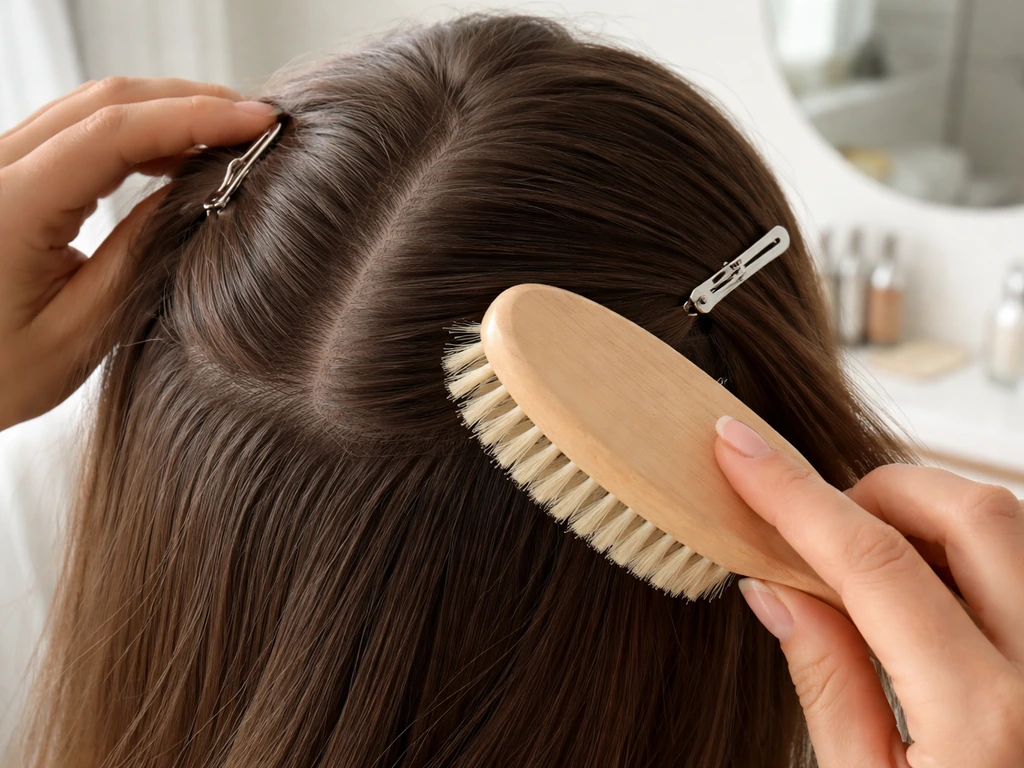
How to Grow Hair Backwards: Train the Direction Safely
Train hair to grow backward with safe brushing, sectioning, scalp care, and timelines to stop breakage and friction.