
Growing your nape hair comes down to two things: keeping what grows from breaking off, and giving your scalp the right environment to push out healthy strands in the first place. Hair at the back of your neck grows at roughly the same rate as the rest of your scalp (about 0.35 to 0.5 mm per day), but the nape is uniquely exposed to friction, heat, chemicals, and tension that snap it off faster than it can accumulate length. Fix those two leaks, breakage and scalp health, and you'll see real progress within 30 to 60 days.
How to Grow Your Nape Hair Fast Without Breakage

Marcus Holloway
27 Jun 2026
Why nape hair is harder to grow
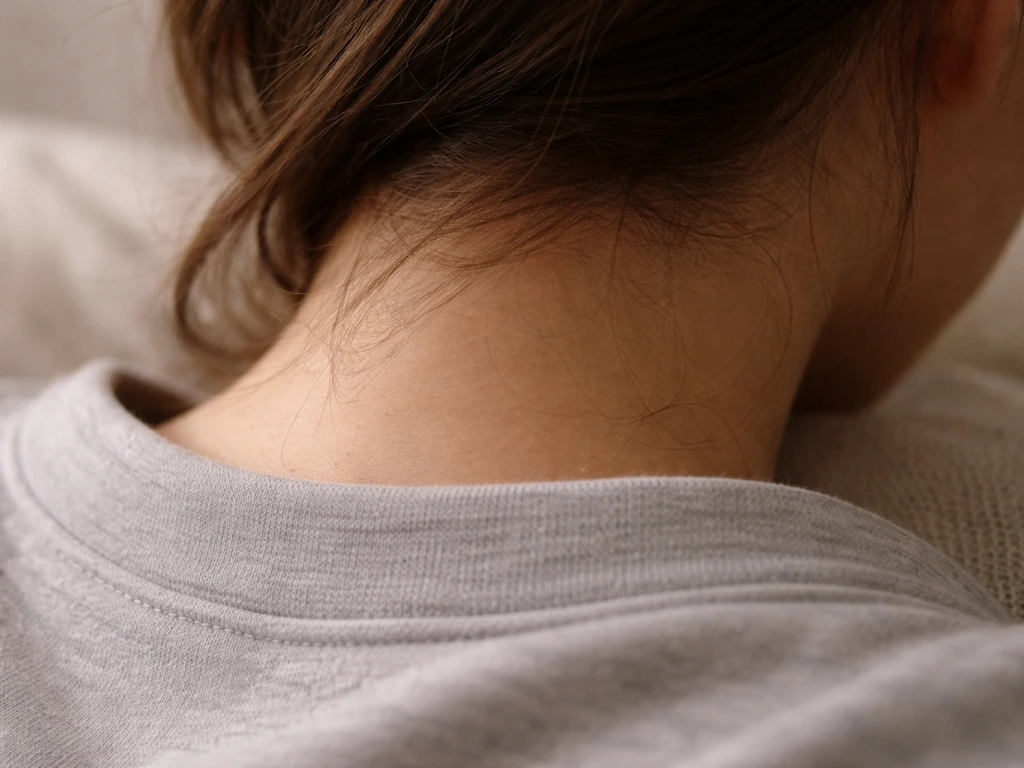
The nape of your neck is a friction hotspot. Your collar rubs against it every time you move your head. Your pillow grinds against it every night for seven-plus hours. If you wear hats, scarves, or high buns, the tension and rubbing concentrate right there at the hairline. That constant mechanical stress causes breakage, and breakage is the number one reason nape hair seems stuck at a certain length.
On top of friction, the nape is often the first area to get hit with relaxers, color, or heat during styling sessions, and the last area to get properly moisturized and conditioned. Chemical processing with permanent dye introduces compounds like PPD that can irritate the scalp barrier, and when the scalp is inflamed or irritated, healthy hair growth gets disrupted. Heat tools cause shaft damage and split ends, which travel up the strand and cause more breakage higher up.
There are also follicle-level reasons nape hair can struggle. Folliculitis (inflammation of the hair follicles, often from infection or ingrown hairs) is surprisingly common at the nape, especially if you get regular haircuts or shave that area. Mild folliculitis can quietly slow regrowth; severe or chronic forms like folliculitis decalvans can actually scar the follicle and cause permanent loss. Seborrheic dermatitis, which causes flaking and scalp inflammation, is another under-recognized culprit. If your nape scalp is itchy, flaky, or red, those follicles are not working at their best.
- Friction from collars, pillows, hats, and scarves breaking strands mechanically
- Heat styling damage (split ends, shaft weakening) concentrated at the nape
- Chemical processing irritating the scalp barrier and damaging hair structure
- Tight hairstyles causing traction and tension at the nape hairline
- Folliculitis or ingrown hairs inflaming follicles, especially post-cut or post-shave
- Seborrheic dermatitis or scalp inflammation reducing follicle efficiency
- Under-moisturizing the nape zone compared to the rest of the hair
- Systemic causes like iron deficiency, vitamin D shortfall, or telogen effluvium
Diagnose your nape hair problem: breakage vs slow growth
Before you throw products at the problem, figure out what you're actually dealing with. Breakage and slow growth look similar (short, sparse hair at the nape) but have different fixes. Breakage means hair is growing but snapping off. Slow or absent growth means the follicle itself isn't producing hair at its normal rate, or it's been damaged.
Check the hairs you find on your collar, pillow, or brush. Hairs that broke off will have no white bulb at the root end, they're just a strand fragment. Hairs that shed naturally from the follicle will have a small white or translucent bulb at the base. If most of what you're finding are rootless fragments, breakage is your primary issue. If you're seeing full strands with roots, you may be dealing with increased shedding, which points toward a systemic or scalp health issue.
Also look at your nape scalp directly (use two mirrors or ask someone). Redness, bumps, pustules, persistent flaking, or tenderness all suggest a scalp condition that needs attention before any growth routine will work properly. The American Academy of Dermatology is clear that it's worth seeing a dermatologist if you genuinely can't tell whether you have a growth-cycle problem or a breakage problem, because the wrong approach wastes months.
| Sign | Likely cause | What to focus on |
|---|---|---|
| Short fragments on pillow/collar, no white root bulb | Breakage | Moisture, protective styling, friction reduction |
| Full strands with white bulb, diffuse thinning | Shedding (telogen effluvium) or slow growth | Scalp health, nutrition, possible dermatologist visit |
| Itchy, flaky, red scalp at nape | Seborrheic dermatitis or folliculitis | Medicated shampoo, reduce irritation, see a doctor if persistent |
| Bumps or pustules at nape hairline | Folliculitis (often from shaving or ingrown hairs) | Treat infection, stop shaving or waxing area temporarily |
| No new growth visible after months | Possible follicle damage or systemic issue | Dermatologist evaluation |
Nape-focused daily protection and styling routine
This is where most people get the biggest wins fastest. Reducing friction and tension at the nape doesn't require products or money, it requires habit changes you can start today. If you want a step-by-step plan for how to grow your back hair, focus first on reducing friction and breakage, then support the scalp.
Sleep setup
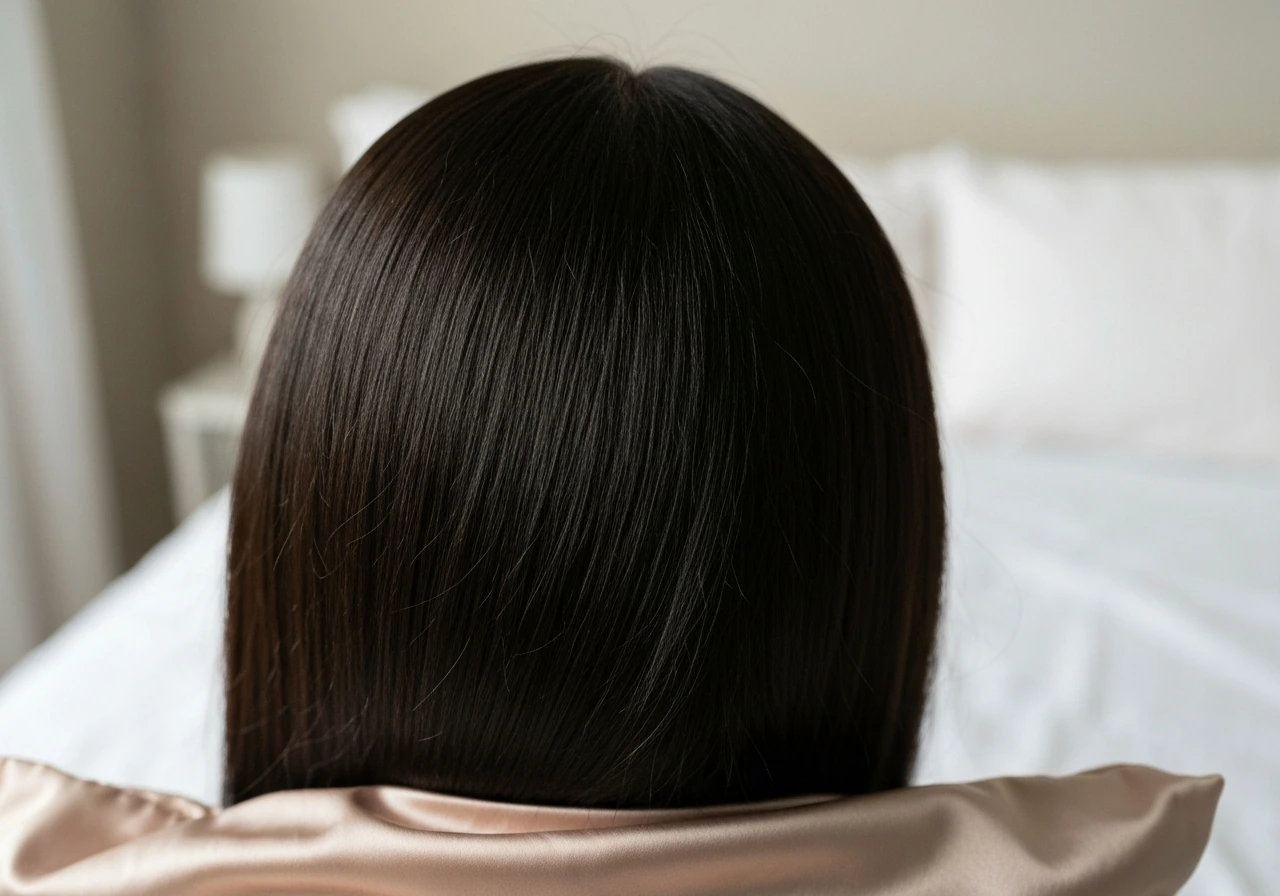
Switch to a satin or silk pillowcase. This is not a gimmick. A smooth pillow surface dramatically reduces the friction your nape hair experiences for seven or eight hours every night. Consumer Reports, the Sleep Foundation, and multiple dermatologists confirm that less friction means fewer broken hairs. If you'd rather not change your pillowcase, a satin-lined bonnet or silk scarf wrapped around your hair achieves the same thing. Either way, your nape needs protection while you sleep because that's when a lot of the mechanical damage happens.
Collar and clothing choices
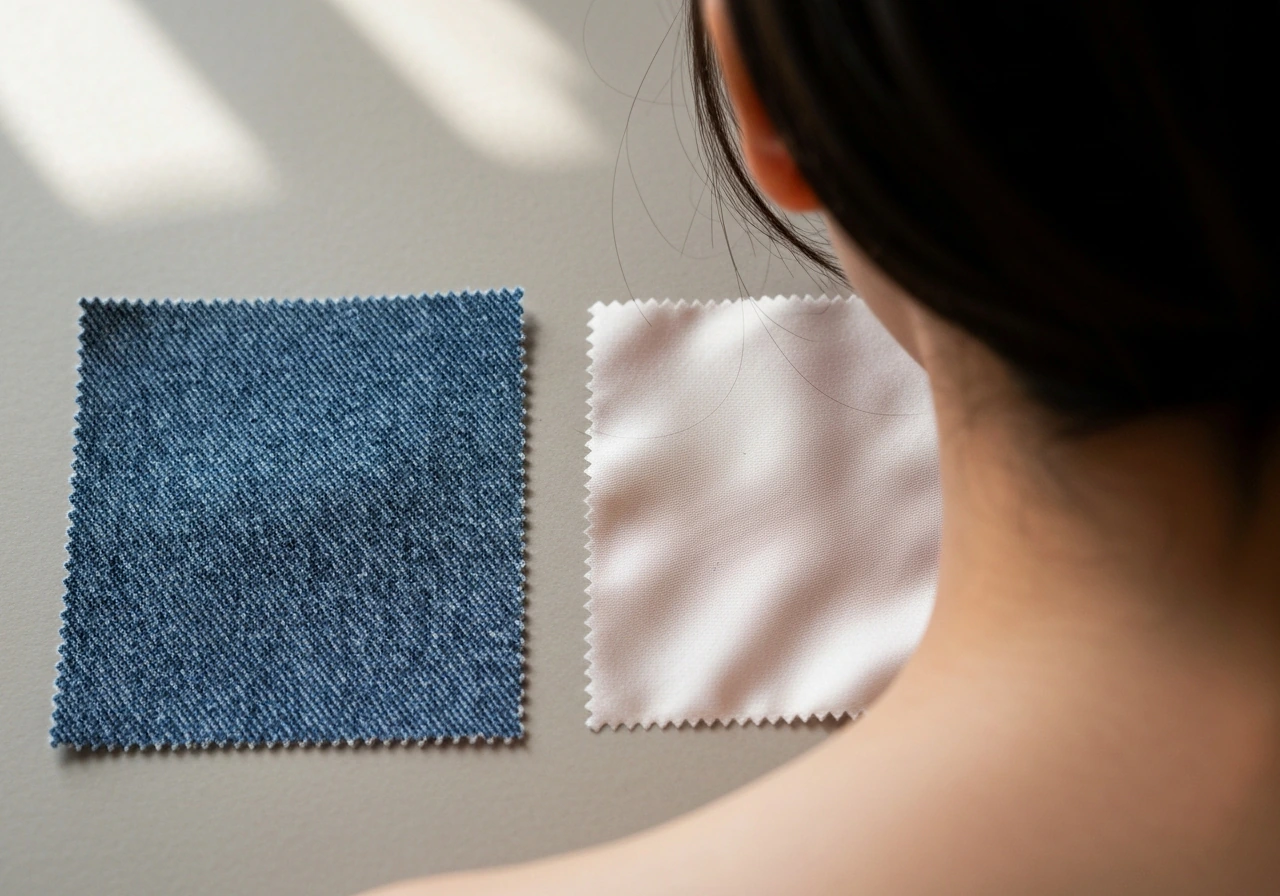
Rough fabric collars (wool, denim, coarse cotton) are sandpaper for nape hair. When you're in a growth phase, swap to softer collar fabrics when possible, or tuck a small piece of satin or a scarf between your collar and your nape hair. It sounds fussy but it genuinely makes a difference over weeks of daily wear.
Hairstyles and tension
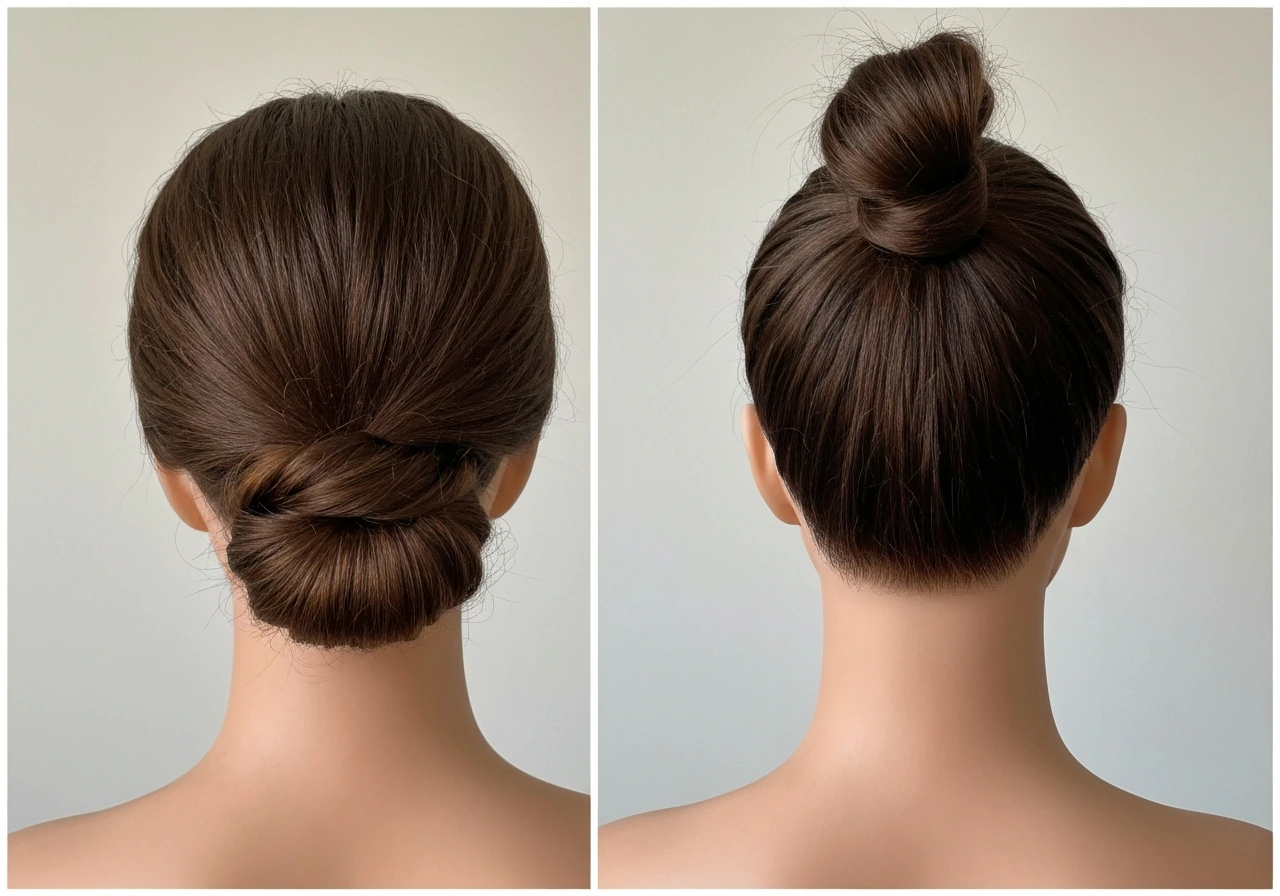
Tight ponytails, high buns, and styles that pull the nape hairline taut are a major culprit in nape breakage and traction. During your growth period, keep the nape area in low-tension or protective styles. Loose twists, braids tucked away from the collar, or simply wearing hair down with a gentle scrunchie (never a rubber band) are all good options. If you usually slick the nape down tightly with gel for a neat look, that chronic tension adds up.
Detangling technique
Always detangle the nape section last, starting from the ends and working upward toward the root, with a wide-tooth comb or your fingers. The nape is often the most tangled area because of friction, and yanking a fine-tooth comb through dry knots there will snap strands every time. Detangle on damp, conditioned hair only.
Heat and chemical use
If you use heat tools, apply a heat protectant specifically to the nape before any other section, and aim to reduce heat frequency during your growth push. Split ends from heat damage travel up the shaft and cause breakage higher up, so the nape, which already gets extra heat exposure, suffers the most. The same goes for chemical relaxers or color: if the nape is already fragile, extending your touch-up intervals and avoiding direct chemical application to the nape edges will help retention significantly. The same goes for chemical relaxers or color: if the nape is already fragile, extending your touch-up intervals and avoiding direct chemical application to the nape edges will help retention significantly how to grow a tail hair.
Scalp and hair routine to support growth
A healthy scalp is the foundation. Follicles sitting in an inflamed, dry, or product-buildup-clogged environment don't perform well. Here's how to build a routine that keeps the nape scalp clean, nourished, and stimulated.
Washing
Wash often enough that your scalp doesn't accumulate sweat, oils, and product buildup at the nape, but not so often that you strip moisture and cause dryness. For most people, that's every 5 to 7 days (or 2 to 3 times per week for natural hair worn in wash-and-go styles). Use a sulfate-free or gentle clarifying shampoo, and make sure you're actually massaging the shampoo into the nape scalp, not just the top of your head. If you have visible flaking, itching, or redness at the nape, a ketoconazole shampoo (1% or 2%) used twice a week has good clinical evidence for improving seborrheic dermatitis and reducing scalp inflammation. Results from ketoconazole typically show up within 4 weeks of consistent use. Note that ketoconazole can occasionally cause scalp irritation or alter hair texture for some people, so watch how your hair responds.
Conditioning and moisture
The nape is usually the driest, most neglected section when it comes to conditioning. Every wash day, apply a generous amount of conditioner specifically to the nape section and let it sit for at least 5 minutes before rinsing. Follow with a leave-in conditioner applied while hair is still damp. For natural or coily nape textures, a water-based leave-in followed by a light oil or butter to seal in moisture (the LOC or LCO method) works well to prevent the rapid moisture loss that makes the nape section brittle and snap-prone.
Scalp massage
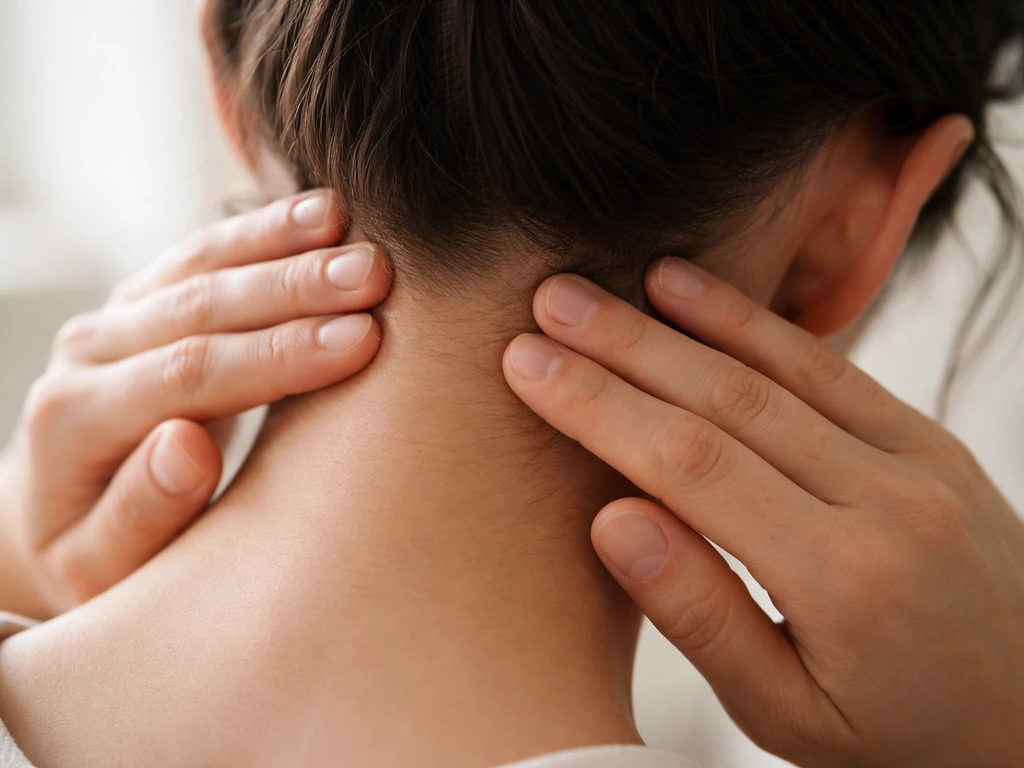
A 3 to 5 minute scalp massage at the nape each day or every other day improves circulation to the follicles and helps distribute natural sebum. You can do this with your fingertips on a dry scalp, or apply a few drops of a lightweight oil (like jojoba or grapeseed) and massage it in before bed. Focus on the nape and the lower occipital area specifically, using circular motions without dragging or pulling the hair. Consistency here matters more than technique.
Targeted actives and home remedies that may help growth
Once your protective routine and scalp hygiene are dialed in, you can layer in actives that may further support growth. These work best when the basics are already in place, don't expect a serum to compensate for nightly pillow friction.
Minoxidil
Topical minoxidil is the most evidence-backed option for stimulating follicle activity. It's available over the counter in 2% and 5% strengths. Applied directly to the nape scalp once or twice daily, it prolongs the anagen (active growth) phase of the hair cycle. Realistic expectations: most people start noticing a difference around 4 months, with meaningful results by 6 to 12 months of consistent use. To target tailbone-length hair, focus on both reducing nape breakage and supporting healthy growth with a consistent nape routine Realistic expectations. There's often an initial shedding phase in the first few weeks as resting hairs cycle out, this is normal and not a sign it's not working. Do not apply minoxidil to an irritated, inflamed, or broken-skin nape scalp. Some people experience contact dermatitis from the propylene glycol in the solution form; if that happens, switching to the foam version often resolves it. And because minoxidil can stain fabric, make sure your nape area is fully dry before lying down on your pillow.
Rosemary oil
Rosemary oil has some promising early evidence for supporting hair growth, with a few small studies comparing it favorably to minoxidil. Dilute a few drops in a carrier oil (jojoba, coconut, or argan) and massage into the nape scalp 2 to 3 times per week. It's low-risk and pairs well with a scalp massage routine. Just don't expect it to perform as strongly as minoxidil, and evidence is still limited.
Caffeine topicals
Caffeine-containing shampoos and serums are widely marketed for hair loss. The honest summary: a systematic review of clinical evidence found the data is inconsistent and insufficient to confidently recommend caffeine topicals as a meaningful hair-growth treatment. It's not harmful, and many people use these shampoos without issue, but don't put it at the center of your routine.
Castor oil
Thick castor oil is a popular home remedy for nape edges. It works primarily as a moisturizer and sealant, it reduces breakage by coating the strand and preventing moisture loss. It doesn't stimulate follicles in a clinically proven way, but keeping hair moisturized and pliable definitely reduces breakage. Apply a small amount to the nape hair and edges, not heavily to the scalp itself (it can clog follicles if overused). Use it 2 to 3 times per week, not daily.
Nutrition and supplements for hair growth support
Your hair grows from the inside out, and nutritional gaps show up at the follicle level. Nape hair is part of the same follicle system as the rest of your scalp, so systemic deficiencies affect it just as much. The most common culprits are iron, vitamin D, and zinc. Low ferritin (stored iron) is particularly well-linked to increased shedding and slower growth. DermNet and clinical guidelines both note ferritin as the most sensitive test for iron deficiency, and Cleveland Clinic confirms that correcting iron deficiency can support hair regrowth. If you've been losing hair across the scalp (not just at the nape) and feel fatigued, it's worth getting a blood panel including ferritin, vitamin D, and a full thyroid panel before spending money on topicals.
Telogen effluvium (a form of increased shedding triggered by stress, illness, hormonal changes, or nutritional dips) can cause dramatic temporary hair loss including at the nape. The good news is that once the underlying trigger is corrected, the hair growth cycle normalizes. This is one reason why nape hair sometimes spontaneously recovers after a period of loss, the trigger resolved, even if you didn't change your hair care routine.
| Nutrient | Why it matters for hair | Where to get it |
|---|---|---|
| Iron (ferritin) | Low ferritin is one of the most common causes of increased shedding; supports red blood cell oxygen delivery to follicles | Red meat, lentils, spinach, fortified cereals; supplement only if bloodwork confirms deficiency |
| Vitamin D | Deficiency linked to hair loss and disrupted hair cycle; many people are low without realizing it | Sun exposure, fatty fish, fortified dairy; supplementation often needed in winter months |
| Zinc | Supports follicle repair and protein synthesis; low zinc disrupts the hair cycle | Pumpkin seeds, oysters, beef, chickpeas; supplement only as needed |
| Biotin | Widely marketed for hair; deficiency is actually rare in people eating varied diets; extra biotin does little if you're not deficient | Eggs, nuts, salmon; high-dose supplementation usually unnecessary |
| Protein | Hair is made of keratin (protein); inadequate protein intake limits what the follicle can build | Lean meats, eggs, legumes, Greek yogurt; aim for 1.2–1.6g per kg of body weight daily |
If you eat a varied whole-food diet, you likely don't need a full supplement stack. A blood test is the only reliable way to know which gaps you actually have. Throwing a handful of hair supplements at the problem without knowing your baseline is guesswork, and some high-dose supplements can even interfere with test results or cause issues at excess doses.
Realistic timelines and your 30 to 60 day plan
Let's be direct about what "fast" actually means here. Your follicles grow hair at a biologically fixed rate, roughly 1 to 1.5 cm per month. You can't meaningfully exceed that ceiling. What you can do is stop the breakage that's robbing you of the length you're already growing, and optimize the scalp environment so every follicle is working at its best. If you're focused specifically on how to grow wings hair, the same breakage prevention and scalp-support steps matter most. That combination can make a dramatic visible difference within 30 to 60 days, even though the total hair length gained in that window will be about 1 to 3 cm at most.
If your nape hair grows 1 cm per month but breaks off 0.8 cm each month from friction and dryness, you net 0.2 cm of visible progress. Fix the breakage, and suddenly you're retaining the full 1 to 1.5 cm. That's the real "fast growth hack", and it's completely realistic within a month or two of consistent changes. Treatments like minoxidil take longer (4 to 12 months) and are more appropriate if you've already addressed the basics and still see poor growth.
Your 30 to 60 day nape growth plan
- Week 1 — Audit and reduce friction: Switch to a satin pillowcase or bonnet tonight. Stop using rubber bands or tight elastics at the nape. If your collars are rough, find softer alternatives or use a scarf buffer. Photograph your nape hairline from the same angle and distance for tracking.
- Week 1 — Diagnose your scalp: Check for redness, bumps, or flaking at the nape. If present, start a ketoconazole shampoo twice per week. If clear, use your regular gentle shampoo on your normal schedule.
- Week 2 — Start a moisture routine: Add a dedicated leave-in conditioner to the nape section after every wash. Begin a daily or every-other-day 3 to 5 minute scalp massage at the nape using fingertips or diluted rosemary oil.
- Week 2 — Cut heat and tension: Reduce heat tool use to once a week maximum. Avoid styles that pull tightly at the nape for the next 60 days. Wear protective styles that keep the nape tucked away from your collar.
- Week 3 — Consider an active: If your nape scalp is healthy (no irritation, no active dermatitis), evaluate adding topical minoxidil once daily to the nape area. Alternatively, add a rosemary oil massage 3 times per week if you prefer to start with a gentler option.
- Week 3 — Check nutrition: If you've had widespread hair thinning or feel run-down, book a blood test for ferritin, vitamin D, and thyroid function. Start eating a protein-rich diet if you haven't been.
- Week 4 to 6 — Track and adjust: Take a comparison photo of the nape hairline against your Week 1 photo. Look for less breakage (fewer short fragments on pillow/collar), improved texture, and the beginning of new growth. Adjust moisture levels based on whether nape hair feels dry, brittle, or improved.
- Day 60 — Reassess: If you've been consistent for 60 days and see minimal improvement despite addressing breakage and scalp health, this is a good time to consult a dermatologist. You may be dealing with a follicle-level issue, a scarring condition, or a systemic cause that needs diagnosis rather than a better routine.
Tracking matters because hair growth is slow enough that you won't notice day-to-day changes. Monthly photos from the same angle, with the same lighting, are your most reliable feedback tool. Some people also track using a small ruler against the nape hairline in photos. It takes patience, but the changes do come, and they're measurable.
One last thing worth knowing: the nape, the back hairline, and the lower occipital area are all interconnected in how they behave and how they respond to care. If you're curious about growing hair further up the back of the head, or about the mechanics of growing hair in a specific direction along the back, those challenges share a lot of the same principles, friction, moisture retention, and scalp health are consistently the biggest levers regardless of exactly which section you're focused on.
FAQ
How can I tell whether my nape hair problem is breakage or shedding?
If you can tell the difference, treat it faster. Rootless snips and shorter-looking hairs that lack the white bulb point to breakage (prioritize friction reduction, detangling, and conditioning). Full-length strands with a root bulb, plus increasing shedding across the scalp, suggests shedding or scalp inflammation (prioritize scalp evaluation, gentle shampooing, and consider checking ferritin and thyroid if shedding is widespread). If you cannot reliably tell, a dermatologist can prevent months of using the wrong approach.
Can I use oils and butters on my nape to help it grow, or will that clog my follicles?
Use a “hands-off” approach on the nape edges. Avoid applying heavy oils or thick butters directly to the scalp if you’re prone to bumps or flaking, and focus sealants on the hair strand. If your scalp is itchy or you get follicle bumps, consider reducing leave-on buildup first (clarify gently and keep products light) before adding growth actives.
What’s the safest way to use heat on nape hair if I’m trying to grow it out?
Yes, but be strategic. Apply heat protectant on the nape before any other section, keep the tool on the lowest effective temperature, and limit passes (multiple quick passes damage less than one prolonged pass). If you need styling frequency, rotate protective styles that do not require constant pressing or direct heat on the nape hairline.
What should I do if minoxidil irritates my nape scalp?
Minoxidil should not be used on irritated skin, cuts, or visibly inflamed bumps. If you develop worsening redness, burning, or swelling, stop and switch to evaluation rather than pushing through. Also plan it so your nape is fully dry before bed, because the solution can transfer to fabric and increase mess or irritation.
How long should I try friction and conditioning changes before adding treatments like minoxidil or ketoconazole?
Change one variable at a time for clean results. For example, if you start a satin pillowcase and ketoconazole at the same time, you may not know what helped. A practical plan is to focus on friction and conditioning for 2 to 4 weeks, then add scalp-targeted treatment, and only then consider actives like minoxidil if growth still lags.
How often should I wash my nape scalp while trying to grow it?
Wash frequency depends on buildup and scalp symptoms. If your nape gets flaky, itchy, or oily quickly, do not wait a full week, you may need more frequent gentle cleansing. Conversely, if washing too often makes your nape feel tight and dry, back off to the lowest frequency that keeps the scalp comfortable, usually within the same 5 to 7 day range for many people.
How tight are too tight for protective styles at the nape?
If you use braids or twists, keep the tension off the nape hairline. A good rule is that you should be able to fit a finger between the style and your skin without pulling or pain. Also avoid styles that repeatedly press the same spot all day, rotate where the style’s tension sits, and limit how often you refresh a tight style.
How soon should I expect visible length at my nape after starting a routine?
Expect small changes first, then measurable length later. Most people see less breakage and better retention within 30 to 60 days, but follicle-driven regrowth typically takes months. Use monthly photos from the same angle, same lighting, and the same hair part, and compare to yourself, not others.
What if my nape got thinner but my hair elsewhere also started shedding?
If you are noticing a lot of shed hairs with roots or sudden diffuse thinning, switch from “growth-only” thinking to “trigger” thinking. Track recent stress, illness, new medications, childbirth, dieting, or changes in hair routines. Consider a blood panel that includes ferritin, vitamin D, and a full thyroid panel if shedding continues more than a couple of months or you feel systemically unwell.
Why don’t weekly length checks seem to work, and what should I track instead?
If you are tempted to test progress weekly, you may overreact to normal daily variation. Hair growth is slow, so the more reliable check is monthly photos and a consistent ruler mark in the same spot. If you must check more often, focus on breakage reduction indicators (fewer short fragments on collars or brush) rather than length.
Next Articles
How to Grow Wings Hair: Routine, Timeline, and Care Tips
Learn how to grow wings hair with a weekly routine, realistic timeline, scalp care, nutrition, and styling to reduce bre
How to Grow Your Back Hair: A Step-by-Step Guide
Step-by-step routine to grow back hair: reduce breakage, use safe topicals like minoxidil, and track density gains.
How to Grow Hair at the Back: Fix Thinning Fast
Learn why back-of-head thinning happens and get a step-by-step routine, targeted treatments, and timelines to regrow hai