
You can absolutely improve thinning hair naturally, but the honest answer is that what you can achieve depends on why it's thinning in the first place. If your follicles are still alive and your thinning is driven by shedding, nutrient gaps, scalp inflammation, or damage, a consistent natural routine can make a real, visible difference over 8 to 12 weeks. If you're dealing with true genetic miniaturization that's been progressing for years, natural approaches can slow things down and improve overall hair quality, but they won't fully reverse deep follicle shrinkage on their own. Knowing which situation you're in is the most important first step, and that's exactly where this guide starts.
How to Grow Thinning Hair Naturally: A Practical Guide

Marcus Holloway
6 Jun 2026
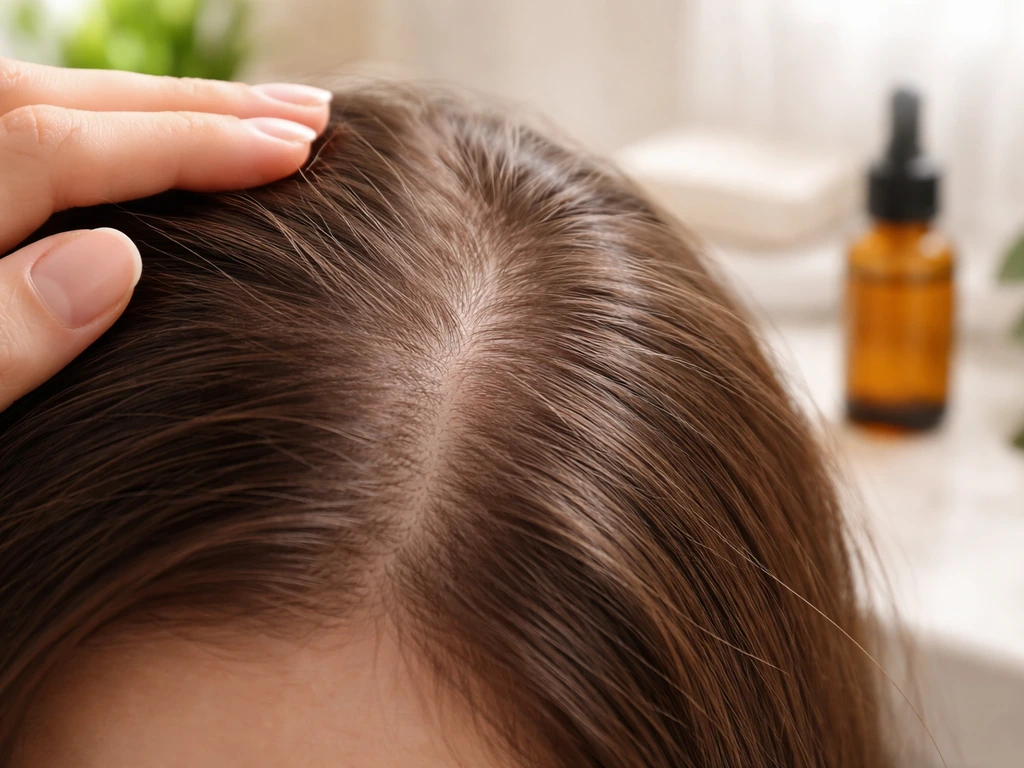
Reality check: what natural regrowth can and can't do
Let's be upfront about this, because a lot of content online overpromises. Natural methods work best when the underlying cause is correctable: a nutritional deficiency, a temporary shedding event (like post-illness or post-pregnancy shedding), scalp inflammation, or mechanical damage from heat and tight styling. Fix the root issue, and your hair genuinely can recover. I've seen people write off their thinning as genetics when they were actually depleted in iron or going through chronic stress-related shedding, both of which respond well to natural intervention.
What natural approaches struggle with is androgenetic alopecia (genetic pattern thinning), where the follicles are being miniaturized by hormonal signals over time. You can support the scalp environment, reduce inflammation, and slow the process, but reversing decades of follicle shrinkage usually requires clinical tools. That said, if you catch pattern thinning early, the natural strategies in this guide are genuinely worthwhile, and they complement any medical treatment you might add later.
Pinpoint your cause first: shedding, breakage, or miniaturization
These three causes look similar but they need different solutions, so getting this right matters a lot. The quickest way to start sorting it out is to look closely at the hairs you're losing.
Shedding (telogen effluvium)
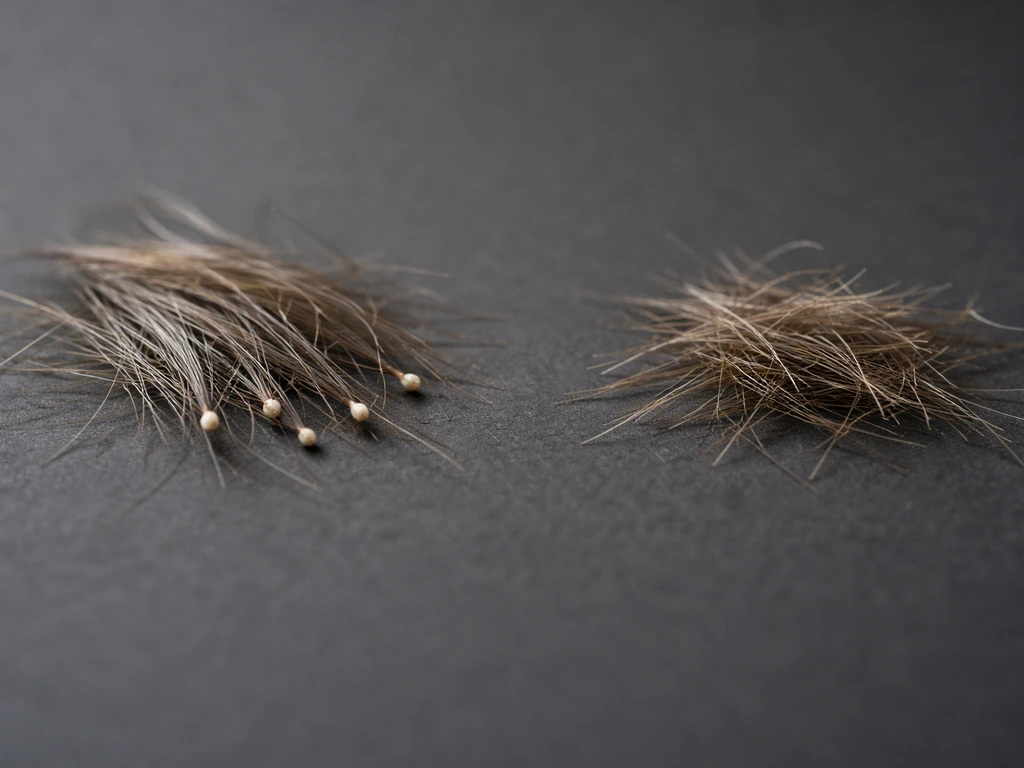
If you're losing full-length hairs with a small white bulb at the root, that's shedding from the follicle itself, which is classic telogen effluvium. This type typically shows up 2 to 4 months after a trigger: a fever or illness, surgery, a big dietary change like crash dieting, significant emotional stress, pregnancy, or a medication change. The delay happens because hairs don't fall until weeks after they stop growing. Cleveland Clinic notes acute telogen effluvium usually lasts fewer than 6 months before shedding slows on its own, and new growth follows. The good news is that this type is highly responsive to natural correction, especially if you address the trigger.
A rough self-test: take a small section of clean, dry hair (about 30 strands), hold it at the root, and gently pull toward the tips. Pulling out more than 4 to 6 hairs suggests active shedding is occurring. This is the pull test dermatologists use in clinical practice, so it's actually useful at home for a ballpark check, not a diagnosis, but good information to have.
Breakage
If the hairs you find are short fragments without a white bulb at the end, you're likely dealing with breakage rather than shedding. This usually comes from damage: heat tools, chemical processing, tight braids or ponytails causing traction, or dryness. Breakage doesn't mean your follicles are affected at all, it means the hair strand itself is snapping mid-shaft. Good news: this type responds fastest to natural intervention because you just need to stop the damage and strengthen the strand.
Miniaturization (androgenetic alopecia)
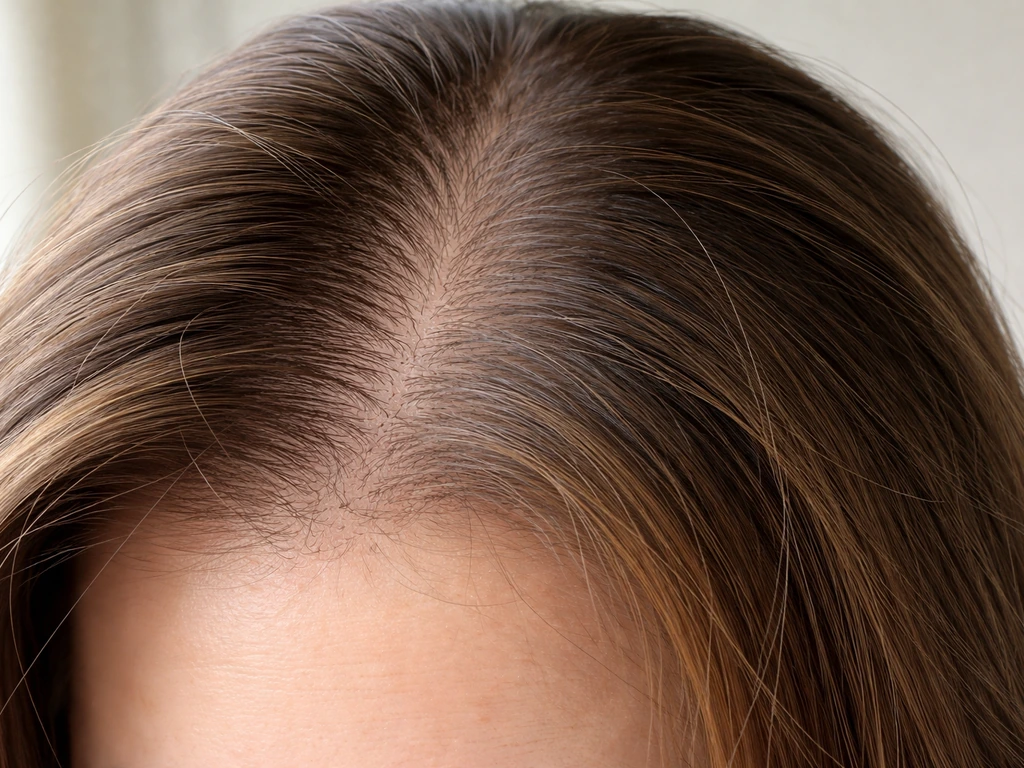
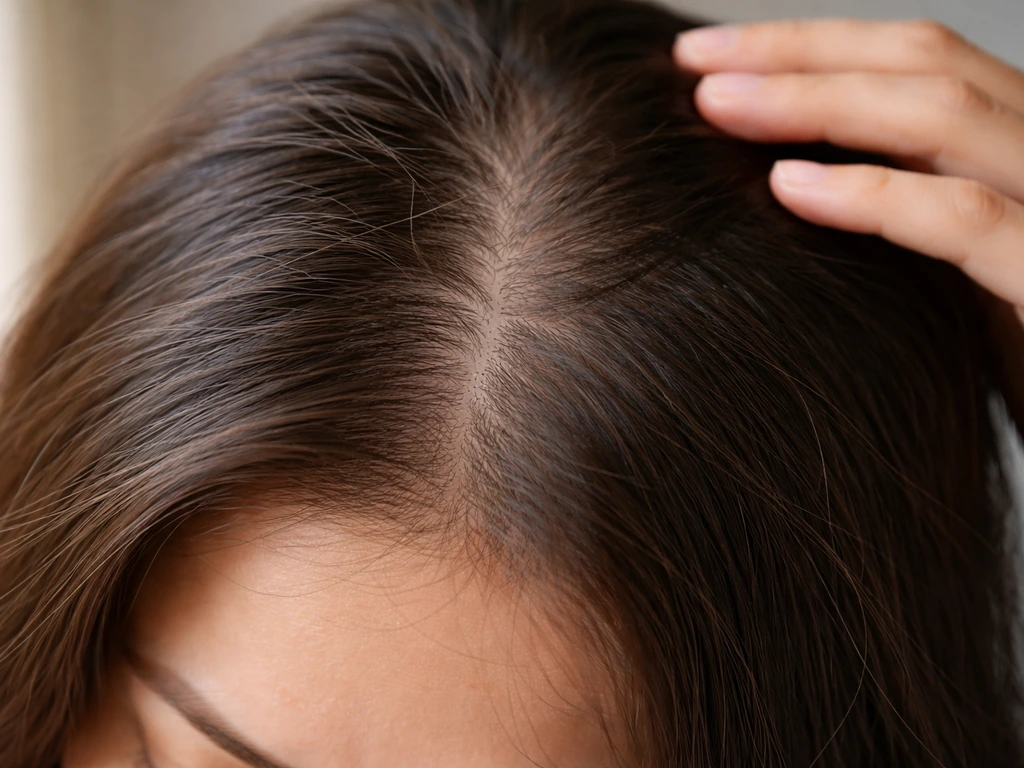
If your hair is thinning gradually in a pattern, widening part, thinning crown, or receding temples, over months to years, and new hairs look finer and shorter than they used to, that's more consistent with androgenetic alopecia. In women this often appears as diffuse thinning concentrated on the crown while the frontal hairline stays mostly intact. In men it follows the classic recession and crown-thinning pattern. StatPearls notes this female presentation specifically to help distinguish it from diffuse shedding. This type is harder to reverse naturally, but early intervention still matters, and natural tools can support a slowed-down version of the process.
Scalp care basics that actually support growth
Your scalp is the soil your hair grows from, and an inflamed, clogged, or irritated scalp makes everything harder. You don't need a complicated routine, but you do need a consistent one.
Wash frequency and technique
One common mistake is washing too infrequently in an attempt to 'protect' the hair. A clean, healthy scalp actually supports better follicle function. Most people with thinning hair do well washing every 2 to 3 days. Use a gentle, sulfate-free shampoo and focus the lather on the scalp rather than the length. When you rinse, cool water is kinder to the cuticle than hot. While you're shampooing, use your fingertips (not nails) to gently massage the scalp for 1 to 2 minutes. Scalp massage improves circulation to the follicles and is one of the most underrated zero-cost tools in a natural hair growth routine.
Managing dandruff and scalp irritation
Dandruff and seborrheic dermatitis cause scalp inflammation that can worsen shedding and make the environment hostile to healthy hair growth. If you have visible flaking, itching, or redness, this needs to be addressed directly. Mayo Clinic is clear that anti-dandruff shampoos with active ingredients (like zinc pyrithione, ketoconazole, or selenium sulfide) are the evidence-based treatment for dandruff, and that alternatives like tea tree oil have limited supporting data. A 5% tea tree oil shampoo has been studied for dandruff with some positive results, but it's a weaker option than a dedicated anti-dandruff formula. If your scalp doesn't improve after 3 to 4 weeks of consistent treatment, see a dermatologist, because untreated scalp inflammation can actively interfere with regrowth.
Nutrition and supplements that support hair density
Diet is one of the most underestimated levers for thinning hair, especially when shedding is involved. Hair is non-essential tissue to your body, meaning it gets nutrition last. When you're depleted, your follicles notice first.
The nutrients that matter most
| Nutrient | Why it matters for hair | Good food sources | Supplement note |
|---|---|---|---|
| Iron | Deficiency is a key driver of telogen effluvium; ferritin below ~45 ng/mL is associated with increased shedding | Red meat, lentils, spinach, pumpkin seeds | Get blood work first; supplementing without deficiency isn't helpful and can cause issues |
| Zinc | Deficiency causes hair loss; needed for follicle repair and protein synthesis | Oysters, beef, chickpeas, pumpkin seeds, nuts | Upper limit is 40 mg/day for adults; long-term high-dose zinc can deplete copper |
| Biotin (B7) | Required for keratin production; deficiency causes hair and nail changes | Eggs, liver, salmon, almonds, sweet potato | Most people are not deficient; supplementing rarely helps unless deficient |
| Vitamin D | Low levels associated with some hair loss patterns | Fatty fish, fortified foods, sunlight exposure | Very common deficiency; worth testing and correcting if low |
| Protein | Hair is made of keratin; inadequate protein directly causes shedding | Eggs, chicken, fish, Greek yogurt, legumes | Aim for at least 0.7–1g per pound of body weight if active |
| Omega-3 fats | Reduce scalp inflammation; support hair follicle health | Salmon, sardines, walnuts, flaxseed, chia | Fish oil supplements are a practical option if diet is low in fatty fish |
Practical meal ideas to hit these targets

You don't need a complicated meal plan. A breakfast of scrambled eggs with spinach covers protein, biotin, and iron in one shot. A lunch of salmon with lentils and a handful of pumpkin seeds covers omega-3s, iron, and zinc. The goal is consistent intake, not perfection. Crash dieting is one of the most common triggers of telogen effluvium because it pulls protein and micronutrients away from hair follicles almost immediately. If you've been restricting calories heavily, even gradually increasing your intake can help stop shedding within a few months.
A word of caution on supplements
More isn't better here. Zinc above 40 mg/day long-term can cause copper deficiency, which itself causes hair loss, a frustrating irony. Zinc: Health Professional Fact Sheet (NIH Office of Dietary Supplements) notes that there is a tolerable upper intake level for zinc and warns that high-dose zinc can cause adverse effects and interfere with copper balance blank" rel="noopener noreferrer">Zinc above 40 mg/day long-term can cause copper deficiency. Biotin supplements are widely marketed for hair growth but the evidence supports them mainly in people who are actually deficient, which is uncommon. The smartest move before loading up on supplements is to get a basic blood panel: ferritin, full blood count, thyroid (TSH), vitamin D, and zinc if possible. That gives you real information about what to correct rather than guessing.
Topical natural remedies and how to use them safely
There's a lot of hype around topical oils and home remedies for hair growth, and it's worth separating what has some evidence behind it from what's mostly marketing.
Rosemary oil: the most evidence-backed natural topical
Rosemary oil is the natural topical remedy with the strongest human trial data. A 6-month randomized clinical trial compared topical rosemary oil against 2% minoxidil in people with androgenetic alopecia and found comparable hair count improvements at 6 months (with more scalp itching in the minoxidil group). This is a genuinely encouraging finding, though it's one trial and results take time. To use rosemary oil: dilute a few drops (typically 2 to 3 drops per tablespoon of carrier oil such as jojoba or coconut oil), massage into the scalp, leave for at least 30 minutes or overnight, then shampoo out. Consistency matters more than the individual application, so aim for 4 to 5 times per week.
Other commonly used oils

- Peppermint oil: some animal studies show promise for stimulating follicles; dilute well (1–2 drops per tablespoon of carrier oil) as it's potent and can cause irritation
- Castor oil: popular for thickness, though evidence is mostly anecdotal; it can help coat and strengthen the hair shaft, reducing breakage, which improves apparent density
- Coconut oil: excellent at penetrating the hair shaft and reducing protein loss; particularly useful for preventing breakage in people with fine or chemically processed hair
- Jojoba oil: mimics the scalp's natural sebum, making it a great carrier oil and mild scalp conditioner without clogging follicles
Always patch test before you apply to your scalp
This step gets skipped constantly and it causes real problems. Apply your diluted oil blend to the inside of your forearm, cover with a bandage, and wait 24 to 48 hours. If there's no redness, itching, or swelling, you're likely fine to apply it to the scalp. Essential oils in particular can cause contact dermatitis, and applying an irritant to an already-inflamed scalp will make thinning worse. If you notice any scalp burning, flaking, or increased shedding after starting a new topical, stop using it immediately.
Lifestyle habits that directly affect your shedding
Stress management
Chronic stress is a legitimate driver of hair loss, not just a cliche. Physiological stress shifts more hairs into the resting (telogen) phase, and you typically see that shedding 3 to 4 months later. This is also why managing stress is one of the few lifestyle changes with a direct, biological mechanism behind it for hair. You don't need to meditate for an hour a day. Even short consistent practices, 10 minutes of walking outdoors, a regular wind-down routine before bed, or reducing caffeine if you're running on anxiety, can gradually lower the physiological stress load your body is carrying.
Sleep
Hair growth happens primarily during sleep. Growth hormone release peaks at night, and poor sleep raises cortisol levels, which creates a stress-like signal for the body. Seven to nine hours of consistent, quality sleep is genuinely relevant here, not just general wellness advice. If your sleep is poor and your hair is thinning, that's a connection worth taking seriously.
Heat, chemicals, and traction
If you're trying to grow back thinning hair naturally and still using flat irons at 400 degrees, bleaching, or wearing tight braids and ponytails daily, you're fighting an uphill battle. If you want to grow long thin hair, focus on whether you are dealing with shedding, breakage, or miniaturization, because the right plan depends on the cause. If you are wondering how to grow hair that is thinning, this is one of the most overlooked steps because ongoing heat and traction can keep hair from thickening. Tight styles cause traction alopecia, and the AAD notes that repeated traction can lead to permanent follicle damage if sustained. Heat causes protein denaturation in the hair shaft and cumulative breakage that makes hair look and feel thinner. You don't have to quit everything, but during your active regrowth phase, turning down heat tools to under 350°F, using a heat protectant every time, and loosening any styles that pull at the hairline will make a noticeable difference in your results.
Smoking
Smoking reduces blood flow to the scalp, impairs nutrient delivery to follicles, and increases oxidative stress. If you smoke and are experiencing thinning, this is a factor worth acknowledging. It doesn't have to be addressed before you start everything else, but it's worth knowing it's working against you.
Your 8 to 12 week natural plan
Here's a realistic structure you can start today. Progress with hair is slow by nature: a hair follicle cycle takes months, not weeks. But within 8 to 12 weeks you should be able to see early signs of progress if your approach is working.
Weeks 1 to 2: assess and set up
- Do the pull test and examine shed hairs (white bulb vs broken ends) to identify your likely cause
- Take clear photos of your thinning areas in consistent lighting: this is your baseline, and it's more useful than memory
- Book a blood test if possible (ferritin, TSH, vitamin D at minimum)
- Switch to a gentle sulfate-free shampoo and start washing every 2 to 3 days with a 1 to 2 minute scalp massage
- If you have dandruff or itching, start an evidence-based anti-dandruff shampoo
- Clean up your diet: add protein to every meal, reduce processed food, add leafy greens daily
- Patch test your chosen topical remedy (rosemary oil blend) on your forearm
Weeks 3 to 6: build consistency
- Apply diluted rosemary oil to the scalp 4 to 5 nights per week, massage in for 2 minutes, shampoo out in the morning
- Continue scalp massage every wash day
- Address any confirmed deficiencies with targeted supplementation (based on blood work results)
- Reduce heat styling frequency and dial down temperatures; use heat protectant every time
- Implement a consistent sleep routine: target 7 to 9 hours
- Add a daily stress-reduction habit, even a short one
- Note any changes in shed hair count on a consistent collection day each week (collect from the shower drain or brush)
Weeks 7 to 12: measure and adjust
- Retake photos in the same lighting and angle as your week 1 baseline
- Look for short new hairs (1 to 2 cm 'baby hairs') growing in thinning areas as a sign of follicle reactivation
- Compare weekly shed hair counts: a reduction in daily shedding is a meaningful early signal
- If you are not seeing any change in shedding or density by week 10 to 12, this is your signal to escalate to a dermatologist appointment
How to measure progress accurately
Photos are your best tool. Take them in the same spot, same lighting, same hair parting, every 4 weeks. Mirrors lie and your perception shifts daily. Count shed hairs in the shower or on your brush on the same day each week. Look for new growth in the thinning area: tiny, fine, short hairs are a positive sign, even if they're not yet visible from a normal distance. Scale your expectations to biology: hair grows roughly half an inch per month, so regrowth that started at week 4 won't be obvious until week 12 or beyond.
When natural approaches aren't enough: red flags and when to see a doctor
Natural strategies are a powerful starting point, but they have limits. Knowing when to escalate is just as important as knowing what to try first.
Red flags that need medical attention promptly
- Patchy hair loss (round or irregular bald patches) rather than diffuse thinning, which could indicate alopecia areata
- Scalp pain, burning, bleeding, or visible inflammation alongside hair loss
- Loss of the visible hair follicle openings (smooth scalp skin in bald areas) which can signal scarring (cicatricial) alopecia, a condition where hair follicles are permanently destroyed and speed of treatment matters
- Sudden, rapid, severe shedding that doesn't slow after a few months
- Hair loss accompanied by symptoms like extreme fatigue, weight changes, irregular periods, or skin changes, suggesting a systemic cause
- No improvement in shedding after 10 to 12 weeks of consistent natural intervention
What a dermatologist can offer
A dermatologist can do a proper pull test, examine your scalp under magnification, and order targeted blood tests to check for the conditions that natural approaches can't fix on their own: thyroid dysfunction, hormone imbalances (androgens, estrogen, prolactin), iron deficiency, autoimmune triggers, and more. The AAD notes that if a disease, vitamin deficiency, hormone imbalance, or infection is suspected, blood tests or even a scalp biopsy may be needed for an accurate diagnosis. Early diagnosis of pattern hair loss in particular matters, because the earlier you address it, the more follicles you can preserve. A dermatologist can also confirm whether what you're experiencing is actually hair loss or breakage, which changes the entire treatment approach.
If you've been told by a professional that your thinning is specifically in certain areas, like the crown, you might also want to explore guidance specific to thinning crown regrowth, which has some nuances around positioning topical treatments and identifying early pattern loss. For more targeted strategies on how to grow hair in thinning areas, follow the specific cause-based steps in this guide. Thinning crown hair can respond differently than general shedding, so tailoring your routine to crown regrowth often makes your results more consistent thinning crown regrowth. And if your concern is less about overall density and more about managing fine, fragile strands that won't seem to grow long, the challenges there are slightly different and worth addressing separately. If your goal is specifically to address the feeling that your hair is thin and won't grow, the next step is to figure out whether it is shedding, breakage, or true miniaturization. If you have thin, fine hair and you're wondering whether you can still grow it long, the key is pairing scalp support with breakage prevention can i grow my hair long if it's thin.
The bottom line is this: natural approaches work, they take time, and they work best when you've correctly identified why your hair is thinning. If your goal is to make body hair grow thinner, focus on how you manage hormones, follicle health, and irritation that can change growth patterns over time. Start with the basics today, document everything from day one, give it a real 10 to 12 week run, and escalate if you need to. The readers who see the best results aren't the ones with the most expensive products or the most elaborate routines. They're the ones who stay consistent and patient long enough to let biology catch up.
FAQ
How can I tell if my thinning is shedding, breakage, or true hair loss?
Not always. If you see lots of shedding but the individual hairs have a small white bulb at the root, that points to shedding from the follicle. If you mainly see shorter, snapped pieces without a bulb, that is breakage (often from heat, chemicals, or tight styling). Knowing which one it is changes the plan, because you treat inflammation and triggers for shedding, and you prevent damage for breakage.
When should I expect results from a natural routine for thinning hair?
Yes, but timing matters. For telogen effluvium, shedding often improves before you see thicker appearance, because new growth takes time to become visible at the scalp surface. A good decision rule is to evaluate early signs at 8 to 12 weeks, then reassess at 4 to 6 months if shedding has not clearly slowed or if thinning is progressing.
What should I do if my scalp gets irritated after using an oil or natural treatment?
Stop and switch approaches if you get a clear skin reaction, like burning, swelling, worsening redness, or increased shedding after starting a topical. The forearm patch test is meant to catch contact dermatitis, but some people react only after repeated scalp exposure, so watch for irritation over the first 1 to 2 weeks. If irritation happens, discontinue and simplify your routine to a gentle cleanser and non-irritating products.
Is there a safe way to use supplements for thinning hair naturally?
Generally, avoid taking high-dose zinc, vitamin A, or “hair” multivitamins long term unless labs show a deficiency. Excess zinc can reduce copper and itself contribute to hair loss, and too much of certain nutrients can be counterproductive. If you are supplementing, set a time limit to correct suspected deficiencies, then retest rather than continuing indefinitely.
Can I use hair oils if I have dandruff or seborrheic dermatitis?
If you have visible flaking, itching, or redness, you may need an anti-dandruff active ingredient, not just oil. A practical approach is to start an anti-dandruff shampoo consistently for 3 to 4 weeks, keep it on the scalp for a few minutes before rinsing, and avoid layering harsh oils right on top of an inflamed scalp. Once symptoms calm down, you can add scalp-friendly moisturizing steps.
How does diet change affect thinning hair over time, and how strict do I need to be?
Yes, especially if you are under eating. Even without crash dieting, consistent low protein or low calories can trigger shedding because hair is non-essential tissue. A useful check is whether you are getting a protein source at most meals, then gradually increase intake if you have been restricting, because rapid changes can also trigger shedding in either direction.
Will washing more often make thinning hair worse?
Yes. Wash frequency is not the enemy, scalp health is. If your scalp feels oily quickly or you have itching or buildup, washing every 1 to 2 days with a gentle sulfate-free shampoo can help you maintain a clean environment, and you can still be gentle with massage. If you wash very rarely, buildup can worsen irritation for some people.
What’s the most important thing to avoid doing if I’m not sure what’s causing my thinning?
Use the “how it looks on the root” clue. Hairs that are short fragments suggest breakage, so focus on heat reduction, protective styling, and conditioning. Hairs with a white bulb at the root suggest shedding, so focus on correcting the trigger (like iron deficiency, recent illness, stress, postpartum changes) and supporting scalp inflammation.
When should I stop trying to handle thinning hair at home and see a dermatologist?
If your hairline or crown looks like it is progressively thinning over months to years, or you are noticing increasing fineness in new growth, schedule a dermatology visit earlier rather than waiting it out. Even if you start natural steps now, a clinician can confirm whether it is pattern loss versus chronic shedding, and that distinction affects how aggressively you should escalate.
Could my thinning be stress or a recent life event even if it looks like “genetics”?
Yes, and it can be a clue that your body is under a physiologic stress load, not just genetics. Typical signs include a change after a trigger (illness, surgery, pregnancy, major life stress) with more uniform shedding, often starting a couple months later. If you suspect a trigger-related shed, start documenting it and consider getting a basic blood panel rather than assuming it is only pattern hair loss.
How should I safely apply rosemary oil, and can I overuse it?
If you want to use rosemary oil, dilute it and keep it consistent, but do not apply it to an already irritated scalp. Also, avoid getting it in your eyes or onto broken skin. If you have very sensitive skin, start with fewer applications per week and increase only if there is no irritation.
Can improving sleep alone regrow thinning hair?
If sleep is poor, it can support the same biological pathway as stress by raising stress hormones, but it will not fix nutritional deficiencies, scalp infections, or traction and heat damage on its own. Treat sleep as one lever among others, and if thinning is rapid or severe, still prioritize identifying shedding versus miniaturization.
If I wear tight hairstyles, how do I know whether it’s causing my thinning, and what changes should I make first?
Traction alopecia is a common, fixable contributor when styles pull on the hairline or crown repeatedly. If you wear tight ponytails, braids, extensions, or heavy protective styles, switch to lower-tension styles, reduce pull at the hairline, and give the scalp downtime during your regrowth phase. Damage from sustained traction can become permanent, so the earlier you reduce tension, the better.
Next Articles
How to Grow Long Thin Hair: Grow Length Without Breakage
Learn how to grow long thin hair without breakage, boost thickness with scalp, gentle styling, nutrition, and timelines.
How to Grow Hair That Is Thinning: Step-by-Step Guide
Step-by-step plan to regrow thinning hair: find the cause, start scalp routine, use evidence-based treatments, track res
Tips on How to Grow Your Hair Out: A Step by Step Guide
Step-by-step tips to grow hair out: stop breakage, build scalp routine, nutrition, safe actives, and track progress.