
Growing long hair when your strands are thin or fine is absolutely possible, but the strategy is different from what works for thicker hair types. The single biggest limiter is almost never your growth rate, it's breakage. Fine and thin hair snaps before it can reach length, so the practical work is about keeping every inch you grow attached to your head, while supporting your scalp and follicles so what comes in is as healthy as it can be. If you are wondering can you grow your hair long if it's thin, focus first on reducing breakage and supporting your scalp so growth actually stays attached can i grow my hair long if it's thin.
How to Grow Long Thin Hair: Grow Length Without Breakage

Marcus Holloway
3 Jun 2026
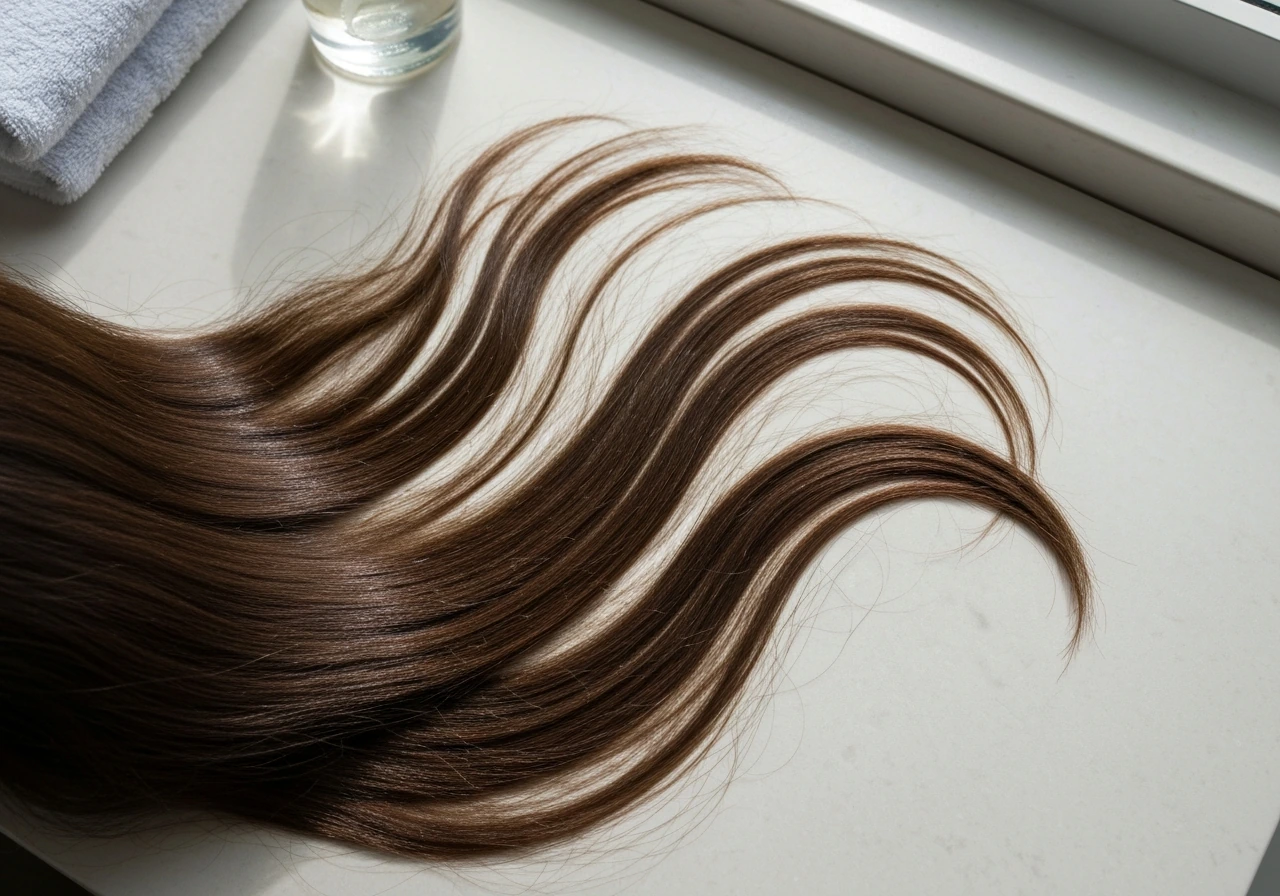
First, figure out what "thin hair" actually means for you
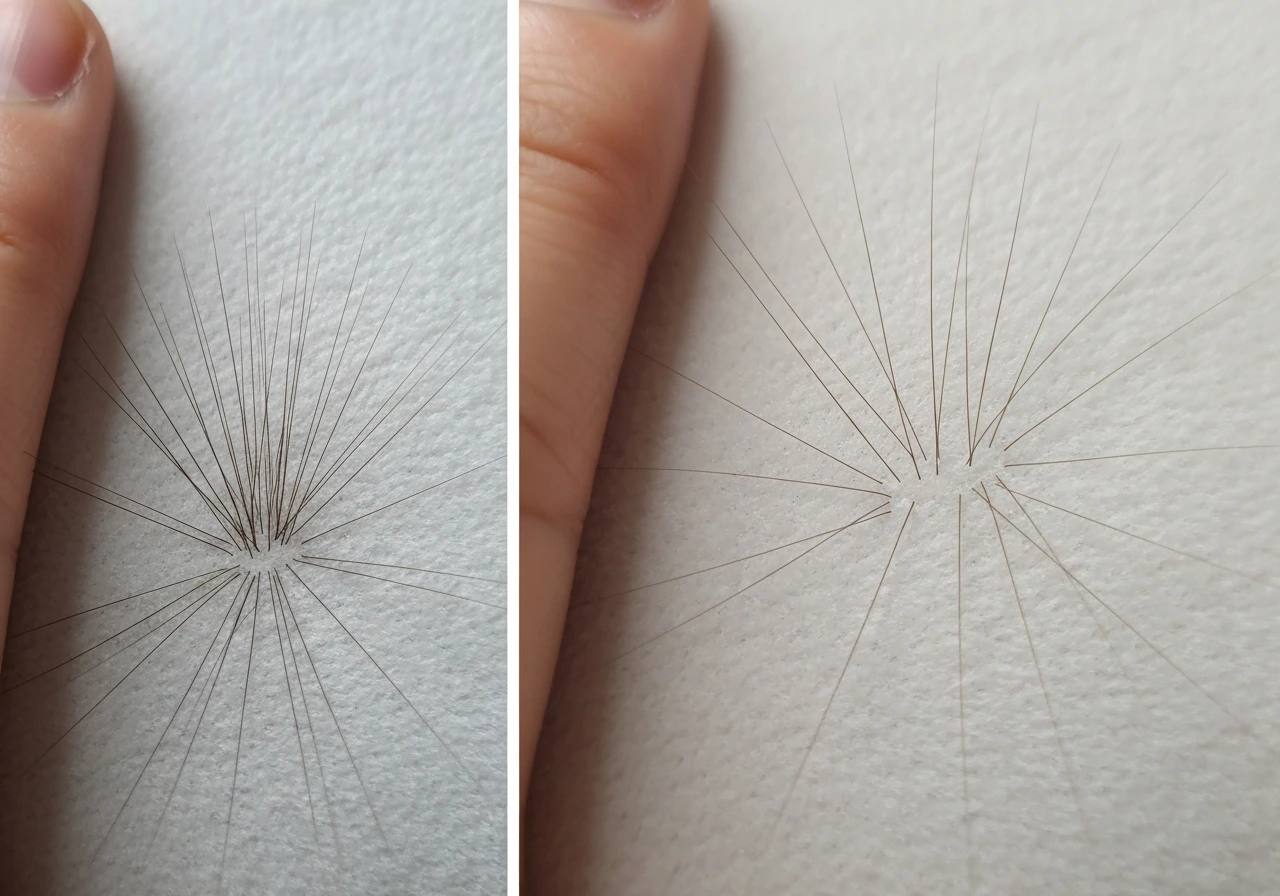
This distinction matters because the solution is different depending on which problem you have. "Thin hair" can mean two completely separate things, and mixing them up leads to a lot of wasted effort.
Fine strands refers to the diameter of each individual hair shaft. You might have a full head of hair, but each strand is narrow and lightweight. Fine hair is a genetic trait. It's not a sign of damage or loss, it's just how your follicles are built. Fine hair tends to look flat, goes limp easily, and breaks more readily than coarser hair because there's less structural mass to each strand.
Thinning hair, or density loss, means you have fewer hairs per square centimeter of scalp than you used to. This can happen from pattern hair loss (androgenetic alopecia), where follicles progressively miniaturize and produce shorter, finer, and eventually invisible hairs over time. Or it can come from shedding events, where a large number of hairs enter the resting (telogen) phase at once, a condition called telogen effluvium. The American Academy of Dermatology draws a clear line between these two: shedding tends to be temporary and triggered by a specific stressor, while hair loss involves an ongoing process that reduces follicle function.
You can also have both at once, fine strands AND reduced density, which is where things get genuinely discouraging. But even then, the framework below applies. Identify which problem you're dealing with (or both), and you'll know which tools to prioritize.
| Feature | Fine Strands | Density Loss / Thinning |
|---|---|---|
| What it is | Narrow strand diameter (genetic) | Fewer hairs on scalp than before |
| Visible sign | Limp, flat hair; full scalp coverage | Wider part, scalp visibility, reduced volume at roots |
| Common causes | Genetics, hair type | Pattern hair loss, shedding events, nutritional deficiency |
| Is it reversible? | No — but manageable | Partially, depending on cause |
| Primary growth strategy | Breakage prevention + length retention | Scalp health + addressing root cause |
What's actually stopping your hair from getting long
Before you build any routine, check for these three blockers. They're the most common reasons thin and fine hair stalls at a certain length and never seems to grow.
Breakage, the length thief
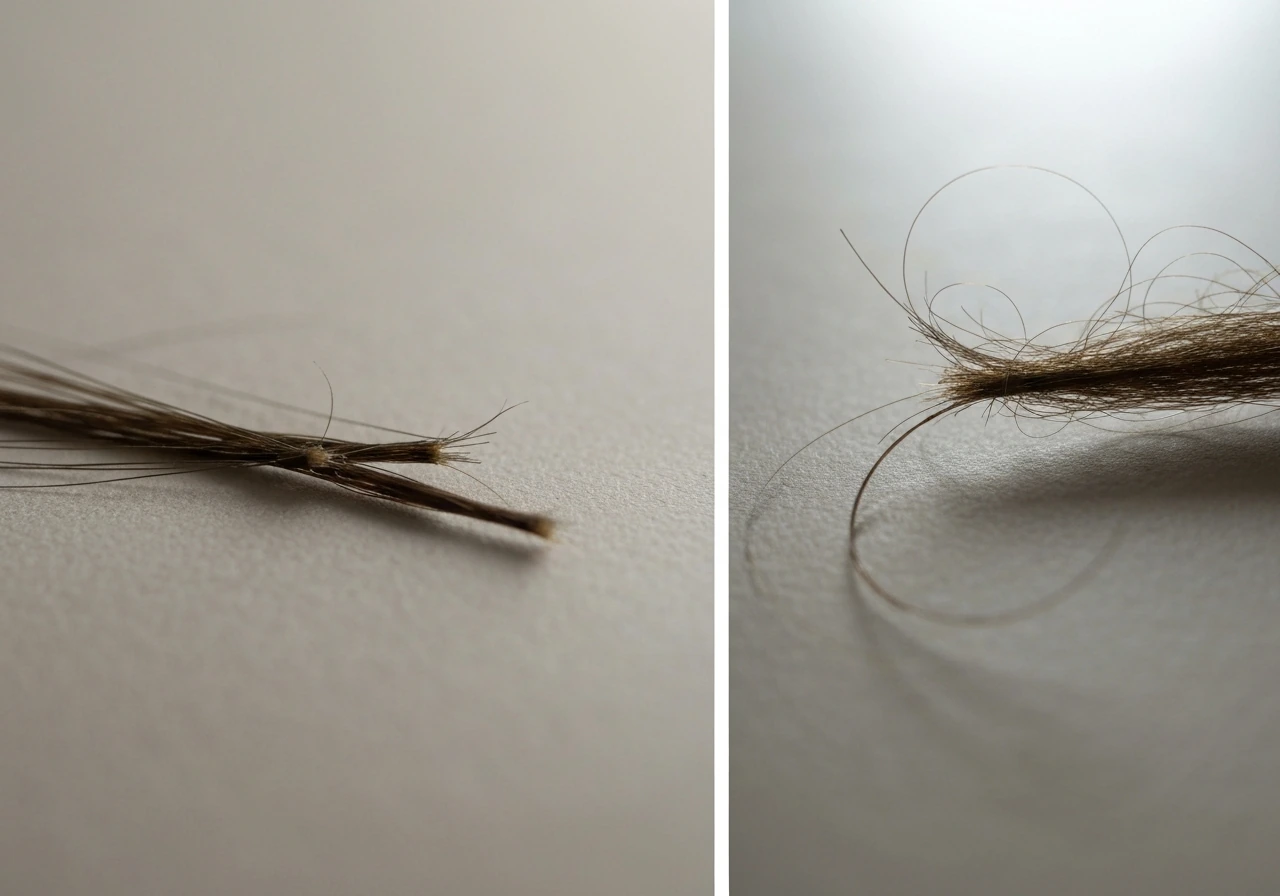
Fine hair breaks more easily than coarse hair, it's just physics. For body hair that’s thinner over time, focus on reducing breakage and supporting the scalp-to-follicle environment, similar to what helps fine hair retain length. If your hair is growing half an inch a month (a typical rate) but breaking off at the same pace near the ends, your length stays flat. Signs of breakage include short pieces of hair on your pillow or in your brush that have no bulb (root) at the end, and ends that feel rough or frayed. This is distinct from shedding, where the full strand falls out with a small white bulb attached.
Shedding from a stress event or deficiency
Telogen effluvium is more common than most people realize. StatPearls lists the triggers: major illness or fever, surgery, trauma, postpartum hormonal shifts, hypothyroidism, stopping estrogen-containing medications, crash dieting, low protein intake, and iron deficiency. The tricky part is timing, Harvard Health notes that hair enters a resting phase for 2 to 4 months before falling out, so you'll often see heavy shedding months after the actual trigger. If you've recently gone through any of those stressors, the shedding is likely temporary. Acute telogen effluvium typically resolves within 6 months, and regrowth follows. The issue for long-hair goals is that a shedding episode can wipe out density just when you're trying to gain length.
Scalp inflammation and follicle health
A chronically inflamed or sebum-clogged scalp creates a hostile environment for hair to grow. Seborrheic dermatitis, scalp psoriasis, and buildup from products can all shorten the window each hair spends in the active growth (anagen) phase. In pattern hair loss, follicle miniaturization also shortens anagen duration, which is part of why hairs never reach meaningful length, they exit the growth phase too early. If your scalp itches, flakes, or feels tight, that's worth addressing directly before anything else.
Build a routine that keeps fine hair growing
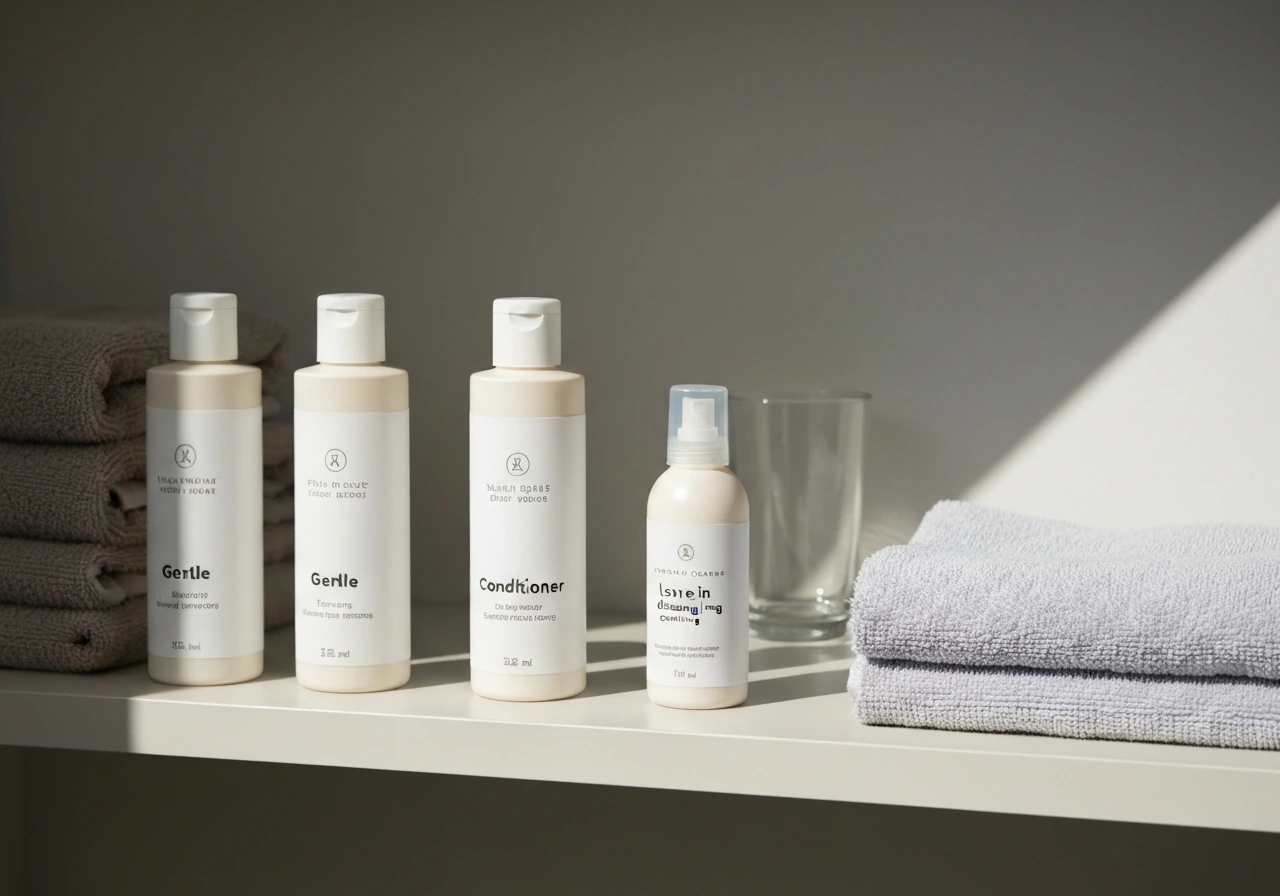
The goal of your daily and weekly routine is to minimize mechanical stress on each strand while keeping your scalp clean and your hair moisturized enough to resist snapping. Fine hair is actually easier to over-manipulate than people think, every rough towel dry, tight ponytail, or aggressive brush-through is costing you length.
Washing
Wash as often as your scalp needs, for fine hair, that's usually every 1 to 3 days, because fine strands pick up oil and product buildup fast. A clean scalp supports healthy growth. Use a gentle, sulfate-free or low-sulfate shampoo and focus it on the scalp, letting it rinse through the lengths without vigorous scrubbing.
Conditioning
Fine hair needs moisture to stay flexible and resist breakage, but heavy conditioners can weigh it flat. Apply conditioner from mid-shaft to ends, not the scalp, and rinse well. A lightweight rinse-out conditioner plus a leave-in conditioner or detangler after washing is a combination the AAD specifically recommends for managing breakage. The leave-in doesn't have to be heavy; even a few spritzes of a lightweight formula makes detangling dramatically safer.
Detangling
Always detangle before washing if your hair tends to mat, and after washing when a leave-in or conditioner is still in your hair. Start from the ends and work up to the roots. Use a wide-tooth comb or a flexible detangling brush, the goal is zero yanking. Forcing a fine strand through a knot can snap it mid-shaft, and you'll never get that length back.
Drying
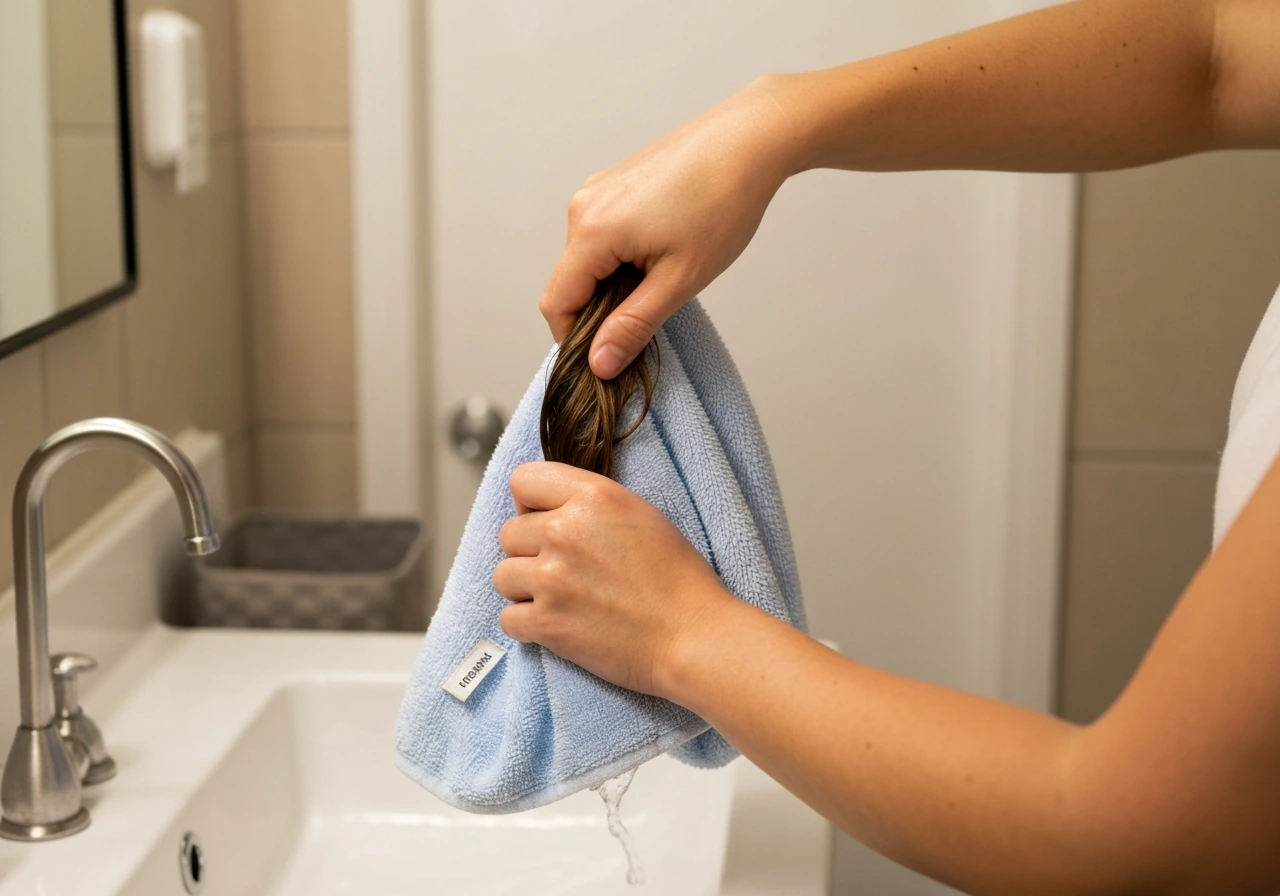
Skip the regular terrycloth towel rub, which creates friction on the cuticle and causes breakage. Squeeze water out gently and blot with a microfiber towel or a soft cotton T-shirt. Research on fabric and mechanical wear suggests microfiber causes less mechanical stress on hair than standard cotton terry, which is worth considering if you're aggressively towel-drying every day. If you use a blow dryer, use the lowest heat setting that gets the job done, hold it at least 6 inches from your hair, and use a heat protectant.
Styling habits that protect length
- Avoid tight hairstyles like high ponytails, tight buns, and braids that pull constantly on fine strands — traction at the hairline and roots adds up over time
- Use snag-free hair ties (fabric-covered or spiral-style) instead of rubber bands
- Minimize heat styling; when you do use heat tools, always use a heat protectant and keep temperatures below 350°F for fine hair
- Sleep on a satin or silk pillowcase to reduce overnight friction — this is a small habit with a real impact on breakage over months
- Trim split ends every 8 to 12 weeks; a small trim prevents splits from traveling up the shaft and causing mid-shaft breakage later
Scalp care and topical options worth knowing about
Your scalp is where growth actually happens, so taking care of it isn't vanity, it's foundational. Here's what the evidence supports and what the realistic expectations are for each approach.
Scalp massage
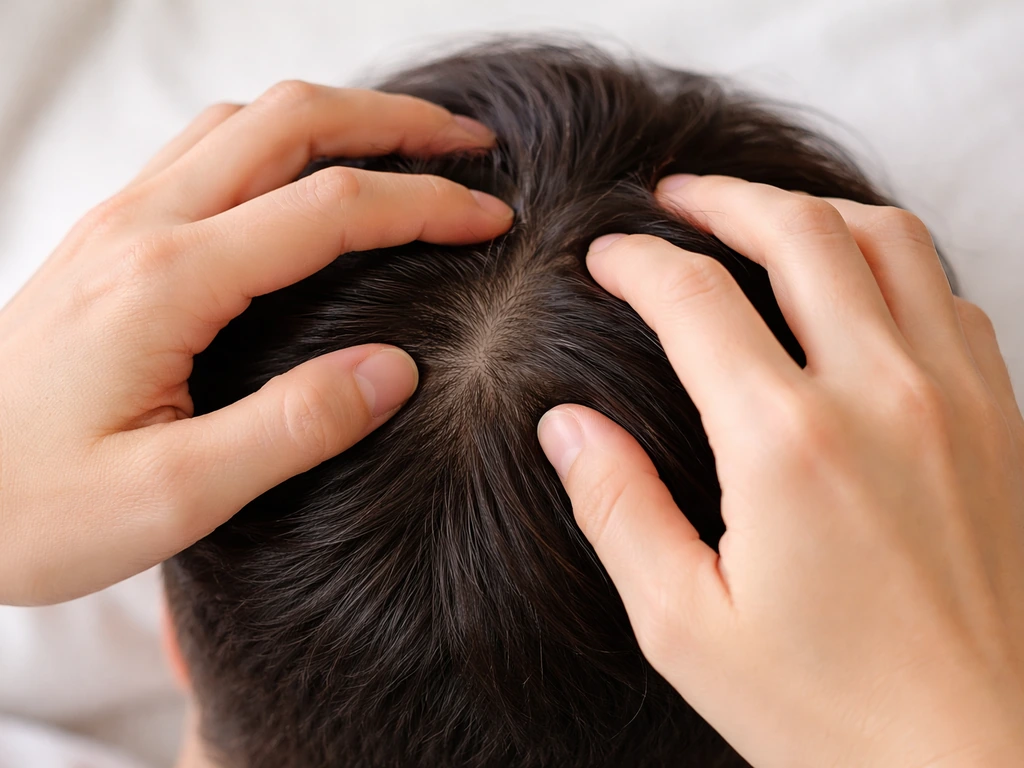
A daily 4 to 5 minute scalp massage increases blood circulation to the follicles and has been shown in small studies to increase hair thickness over time. It costs nothing and has no downside. Use your fingertips (not nails) in small circular motions across your scalp. You can do this dry or while applying a scalp oil or serum.
Ketoconazole shampoo
If you have scalp inflammation, dandruff, or seborrheic dermatitis alongside your hair concerns, a ketoconazole shampoo (available over the counter at 1% strength) is worth adding to your rotation. A systematic review found ketoconazole shampoo has real anti-inflammatory effects at the scalp and some clinical support for use in androgenetic alopecia specifically, beyond just treating dandruff. The mechanism isn't fully understood, but reducing scalp inflammation creates better conditions for follicle function. Use it 2 to 3 times per week if you're treating dandruff, or once a week as a scalp health maintenance wash. Be aware that some people experience minor dryness or texture changes with frequent use, so balance it with a moisturizing conditioner on wash days.
Minoxidil
If your concern is density loss rather than just fine strands, topical minoxidil (5% for women, available over the counter) is the most evidence-backed topical treatment available without a prescription. It works by prolonging the anagen (growth) phase and increasing follicle size. It won't turn fine hair coarse, but it can help with density over time. Commit to at least 4 to 6 months of consistent use before assessing results, and know that if you stop, any gains typically reverse within a few months.
Microneedling
Microneedling the scalp has growing clinical support, particularly when combined with minoxidil. A randomized study using a 1.5mm dermaroller plus 5% minoxidil showed better hair count outcomes than minoxidil alone in androgenetic alopecia. The theory is that microneedling stimulates growth factors and may enhance absorption of topical treatments. At-home dermarollers (0.25mm to 0.5mm) are used by many people as a scalp health tool, but clinical protocols use deeper needles under professional supervision. If you're considering this route, the side effects from the AAD-referenced guidance are typically transient, clearing within about 5 days. This is best approached with guidance from a dermatologist, especially at deeper needle depths.
Scalp oils and serums
Rosemary oil has shown comparable results to 2% minoxidil for hair growth in one well-cited study. Peppermint oil has also shown follicle-stimulating properties in animal research, though human data is more limited. These are low-risk additions to a scalp massage routine. Apply a few drops to the scalp, massage in, and leave for at least 30 minutes before washing. Don't apply oils directly to fine hair lengths, they'll weigh strands flat.
What you eat and drink matters more than most products
Hair is a non-essential tissue from your body's perspective, meaning when nutrients are scarce, your follicles get cut off first. Nutritional gaps are one of the most common and most overlooked causes of both shedding and slow growth, especially in people who diet frequently or eat a restricted diet.
Iron and ferritin
Iron deficiency is one of the most common nutritional drivers of telogen effluvium, particularly in women. The key number to ask for is serum ferritin, not just standard hemoglobin. Research suggests a ferritin level below 40 ng/mL has high sensitivity for diagnosing iron deficiency as a contributor to hair shedding, and levels above 70 ng/mL are generally considered to be in the range that supports normal anagen growth. If you haven't had ferritin checked and you're shedding more than usual, this is the first blood test to request.
Protein
Hair is made almost entirely of keratin, a protein. Under-eating protein, including during crash diets, which StatPearls lists as a telogen effluvium trigger, directly starves follicles. Most adults need at least 0.8g of protein per kilogram of body weight daily as a minimum, and people focused on hair growth benefit from reaching 1.2g/kg or higher. Prioritize whole food protein sources: eggs, chicken, fish, legumes, dairy, and tofu.
Zinc
Zinc deficiency can contribute to hair shedding. If you suspect a deficiency, a blood test can confirm it, though the Merck Manual notes that serum zinc levels can be tricky to interpret. Supplementing confirmed zinc deficiency is straightforward; supplementing when you're not deficient doesn't appear to add benefit and excess zinc can actually cause hair loss at very high doses. Zinc-rich foods include meat, shellfish (especially oysters), legumes, nuts, and seeds.
Biotin, honest expectations
Biotin is aggressively marketed for hair growth, and yes, a biotin deficiency does cause thinning hair, as the NIH Office of Dietary Supplements confirms. But here's what doesn't get said in the marketing: actual biotin deficiency is rare in people eating a normal diet, and StatPearls is direct that there are no trials supporting biotin supplementation for hair quality or quantity in people who aren't deficient. If you're eating eggs, nuts, and a varied diet, you're almost certainly not deficient. Biotin supplements are low-risk and low-cost, but don't expect dramatic results from them unless you've confirmed a deficiency.
Vitamin D, hydration, and overall diet quality
Vitamin D deficiency has been associated with alopecia areata and telogen effluvium in multiple studies. Get it tested as part of a standard panel. Hydration matters too, chronically dehydrated hair is more brittle and prone to breakage at the shaft. Drink enough water daily (most adults need around 2 to 2.5 liters), and consider that caffeine and alcohol both increase fluid loss. The simplest nutritional advice: eat enough total calories, prioritize protein, minimize processed food, and plug any identified deficiencies with targeted supplements rather than a shotgun approach.
How to make fine and thin hair look thicker right now
While you're doing the long-term work of growing length and improving scalp health, there's a lot you can do to create the appearance of more volume and density today. These aren't tricks, they're legitimate styling and product strategies that fine-haired people swear by.
Product choices for volume
- Use a volumizing or thickening shampoo — these often contain proteins or polymers that temporarily coat the strand and add body
- Apply mousse or a lightweight volumizing spray to damp hair at the roots before blow-drying; this supports lift without weight
- Avoid heavy creams, butters, or oils on fine hair lengths — they flatten strands immediately
- Dry shampoo at the roots adds texture and lift between washes and is one of the most effective volume tools for fine hair
Styling and cut strategies
- Blow dry with a round brush, lifting sections at the root — this creates volume that lasts hours
- Flip your head upside down while blow-drying to build root lift
- Ask your stylist for a cut with internal layers — layers remove weight and create movement that makes fine hair look fuller
- A slight wave or loose curl (from a large barrel curling wand on low heat) adds visible body and the illusion of more hair
- Scalp powders and hair fibers are useful for disguising visible scalp at the part while you're building density
Color and contrast
Strategic highlights or balayage add dimension that makes hair look thicker. A single flat color, especially very dark or very light, emphasizes fineness. That said, bleach and chemical processing weaken fine strands significantly, so if you go this route, keep up with protein treatments and trims, and don't stack chemical processes close together.
Realistic timelines and when to get professional help
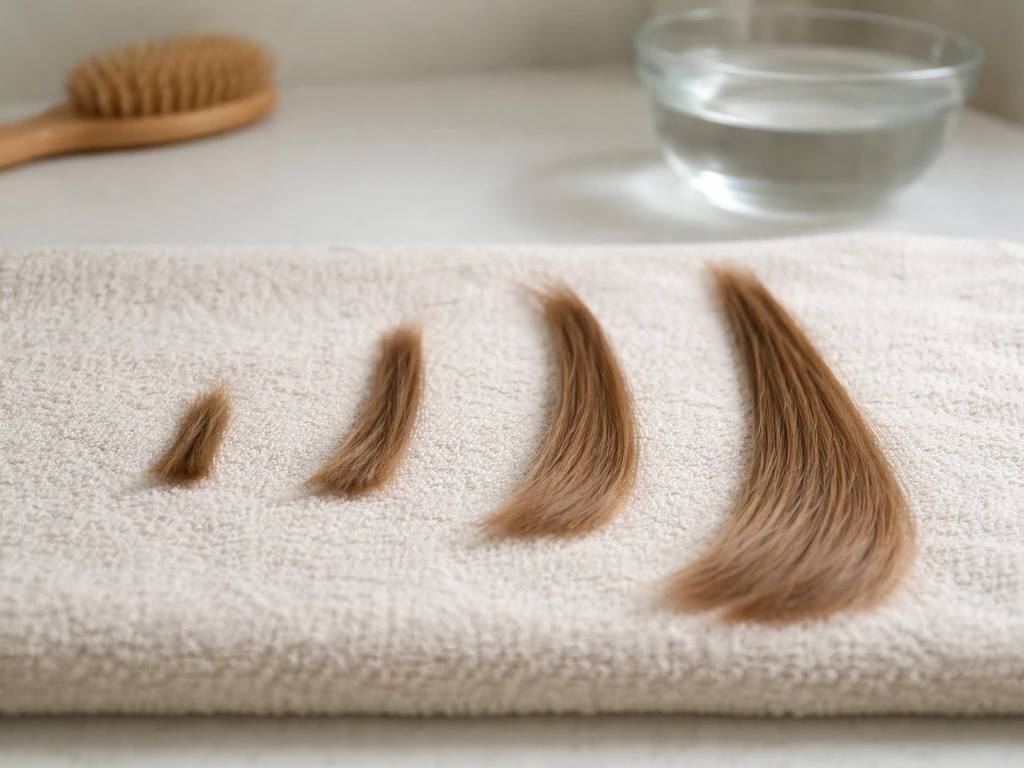
The honest reality: growing long hair takes time regardless of hair type, and fine hair requires extra patience because the margin for error on breakage is smaller. Here's a rough framework for what to expect.
| Timeframe | What to expect |
|---|---|
| Weeks 1 to 4 | Scalp health improving, less breakage from routine changes — you won't see length yet |
| Months 1 to 3 | Reduced shedding if a nutritional deficiency or stressor has been addressed; first noticeable length if breakage is under control |
| Months 3 to 6 | Roughly 1.5 to 3 inches of retained length if the routine is working; if using minoxidil, early density changes may begin |
| Months 6 to 12 | 3 to 6 inches of retained growth; texture and density improvements more visible; minoxidil effects clearer |
| 12+ months | Significant length gains possible; ongoing density improvement with consistent scalp care and topicals |
If you went through a stressor, illness, surgery, postpartum, crash diet, and you're now shedding heavily, the Cleveland Clinic notes that shedding typically peaks around 2 to 3 months after the trigger. Most acute telogen effluvium resolves within 6 months, and you should notice new growth starting to come in after that window. Harvard Health recommends tracking lost hair counts every 1 to 2 weeks so you can actually see the trend improving rather than relying on feel alone.
Signs it's time to see a dermatologist
- Shedding is heavy and has continued for more than 6 months with no clear trigger or improvement
- You're seeing significant scalp visibility, especially at the crown or temples, that is worsening over months
- You notice hair shaft thickness is becoming increasingly uneven — very fine hairs mixed with normal hairs can be a sign of follicle miniaturization (androgenetic alopecia)
- Scalp inflammation, itching, or scaling isn't responding to over-the-counter treatment
- You've corrected any nutritional deficiencies and maintained a solid routine for 6 months with no improvement in density
A dermatologist can do a trichoscopy (dermoscopic scalp exam) to look for signs of miniaturization, perifollicular inflammation, and the ratio of vellus to terminal hairs, details that clearly distinguish pattern hair loss from shedding disorders. That distinction determines whether your long-term strategy is primarily about breakage prevention and retention (fine strands) or about medical treatment to preserve and regrow follicle function (density loss). If you're wondering how to grow hair in thinning areas, the next step is focusing on density loss versus simple breakage.
If you're specifically dealing with thinning at the crown or diffuse thinning all over, those are related concerns with their own targeted approaches. If you are dealing with thinning at the crown, focus on both breakage prevention and density-supporting scalp treatments such as minoxidil thinning at the crown hair. And if you're wondering whether thin hair can realistically get long, the answer is yes, with the right approach.
If you are trying to figure out how to grow hair that is thinning, focus on both density causes and length retention. The key is treating length retention as the priority rather than just waiting and hoping. Start with the routine changes, get your blood work checked if you haven't, and give it at least 3 to 6 months of consistent effort before reassessing what's working.
FAQ
How can I tell if my hair is shedding or breaking when I am trying to grow long thin hair?
If you see lots of short, snapped pieces without white bulbs, focus on breakage control, not shedding. A quick check is to look at the end of the hair, shed strands usually have a small white bulb, while snapped pieces end abruptly and feel rough at the break.
Do I really need trims to grow long thin hair, or will they slow my progress?
For thin or fine hair, a trim helps mainly by removing already damaged ends, it does not “create” new length. Many people do a micro-trim every 8 to 12 weeks, and only switch to longer intervals once ends stop feeling frayed and tangly.
What if I still want to wear my hair up or in braids, can I do that without preventing growth?
If the goal is length retention, reduce high-friction routines, you can still wash, condition, and style, just change the method. Detangle gently, blot rather than rub, use low heat, and avoid tight styles that place tension on the same hair sections day after day.
What type of conditioner or leave-in is best for fine hair that gets weighed down?
Yes, but choose products based on weight and slip. Lightweight leave-in detanglers and silicone-free or low-weight formulations often work better than heavy creams, and you should apply only from mid-shaft to ends to avoid flattening your roots.
How long should I stick with supplements or treatments before deciding they are not working?
If you have diffuse shedding or density loss, stopping hair supplements after 1 to 2 months can be reasonable only if you have not tested deficiencies. If you do supplement, confirm what you are targeting (for example ferritin or vitamin D) because “more” is not always helpful, especially for zinc.
Can I grow long thin hair if I dye or bleach it?
Color and bleach can increase breakage, especially with frequent touch-ups. If you do chemical processing, keep the schedule as far apart as possible, use protein support treatments periodically, and consider a longer period between chemical services rather than stacking them.
Does stress affect how long thin hair can get, even if I do everything right with washing and conditioning?
It can, if the issue is breakage or product-related inflammation. Stress can also trigger temporary shedding, so if you also notice increased shedding, track timing from the stressor and consider asking your clinician about telogen effluvium.
What should I expect when using topical minoxidil for fine or thinning hair?
After minoxidil, changes can include increased shedding early on, typically within the first weeks, then gradual improvement. If shedding feels extreme or you develop scalp irritation, switch to a gentler formulation or discuss alternatives with a dermatologist rather than stopping abruptly without a plan.
How often should I scalp massage, and what is “too much”?
Texture guides are better than time estimates. A scalp massage routine should feel comfortable, 4 to 5 minutes is a good starting range, if you notice tenderness, it is a sign to reduce pressure and check for existing scalp inflammation.
Are essential oils safe for the scalp, and how do I use them without making my hair look thinner?
Rosemary oil and peppermint oil should be scalp-applied and diluted appropriately for comfort, then removed during washing. Avoid applying directly to the lengths, and stop if you get burning, redness, or worsening itch, since scalp sensitivity can mimic or worsen shedding.
What blood tests should I request if I am shedding but my hair type is fine and thin?
The most useful first step is a short blood panel plus the specific ferritin number, especially if you have recent shedding, fatigue, heavy periods, or dietary restriction. Ask for serum ferritin, vitamin D, and also thyroid testing (TSH) because hypothyroidism can contribute to shedding.
When should I see a dermatologist instead of just changing my hair routine?
A trichoscopy helps, it can distinguish signs of follicle miniaturization versus active shedding. If you are seeing crown thinning or a widening part, book a dermatology visit sooner rather than waiting 6 months because pattern hair loss can require medical therapy to protect follicles.
Next Articles
How to Grow Hair That Is Thinning: Step-by-Step Guide
Step-by-step plan to regrow thinning hair: find the cause, start scalp routine, use evidence-based treatments, track res
Tips on How to Grow Your Hair Out: A Step by Step Guide
Step-by-step tips to grow hair out: stop breakage, build scalp routine, nutrition, safe actives, and track progress.
Grow Hair Long Tips: Step-by-Step Routine to Reach Length
Step-by-step grow hair long tips: boost scalp health, cut breakage, improve diet, and track progress for length.