
If your hair feels like it barely moves the needle in length no matter what you do, the problem usually isn't that your follicles are lazy. Hair grows at roughly 1. 25 cm (about half an inch) per month for most people, and that rate is surprisingly consistent across individuals.
Slow Grow Hair Minimizer: Fix Breakage and Thin Hair Fast

Marcus Holloway
18 Jun 2026
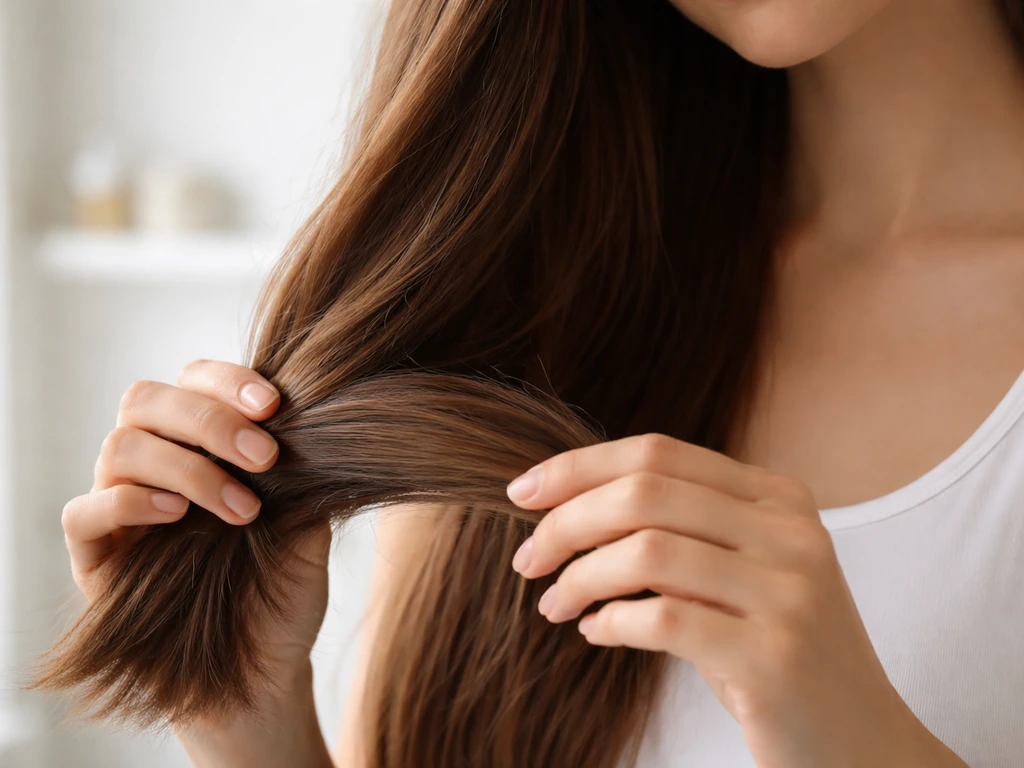
What actually makes growth appear slow is almost always something else: excessive shedding, breakage eating away at length before you can keep it, or follicle miniaturization that quietly shortens each hair's growth phase. If you are trying to remove hair and keep it from coming back, the strategy is about targeting growth drivers rather than just reducing shed or breakage follicle miniaturization.
A slow grow hair minimizer plan, then, is really about two things working together: removing the blockers that make growth feel stalled, and protecting the length you're already generating.
What 'slow grow hair' usually means
Hair spends the vast majority of its time in the anagen (active growth) phase, which lasts roughly 2 to 4 years on average. If your goal is how to grow stunted hair, start by identifying whether the issue is shedding, breakage, inflammation, or shortened anagen so you can target the real cause slow grow hair minimizer. After that, it enters a brief transitional phase and then telogen, a resting phase of about 2 to 4 months, before it sheds.
The length your hair can reach is almost entirely determined by how long it stays in anagen, not by how fast it grows day to day.
So if your hair seems to max out at a certain length or looks thinner over time, one of three things is usually happening: more follicles are entering telogen earlier than they should (increased shedding), the hair shafts are breaking before they can accumulate length, or in cases of androgenetic alopecia, the anagen phase is gradually shortening over successive cycles, producing progressively finer and shorter hairs.
It's worth separating shedding from breakage because they need different fixes. Shedding is hair falling from the root, usually after completing its cycle. Breakage is the shaft snapping mid-length due to damage or dryness. Both reduce visible length and density, but a dermatologist would treat them very differently, and you'll want to know which one you're dealing with before throwing products at the problem.
Common root causes that slow (or appear to slow) hair growth
Scalp health and inflammation
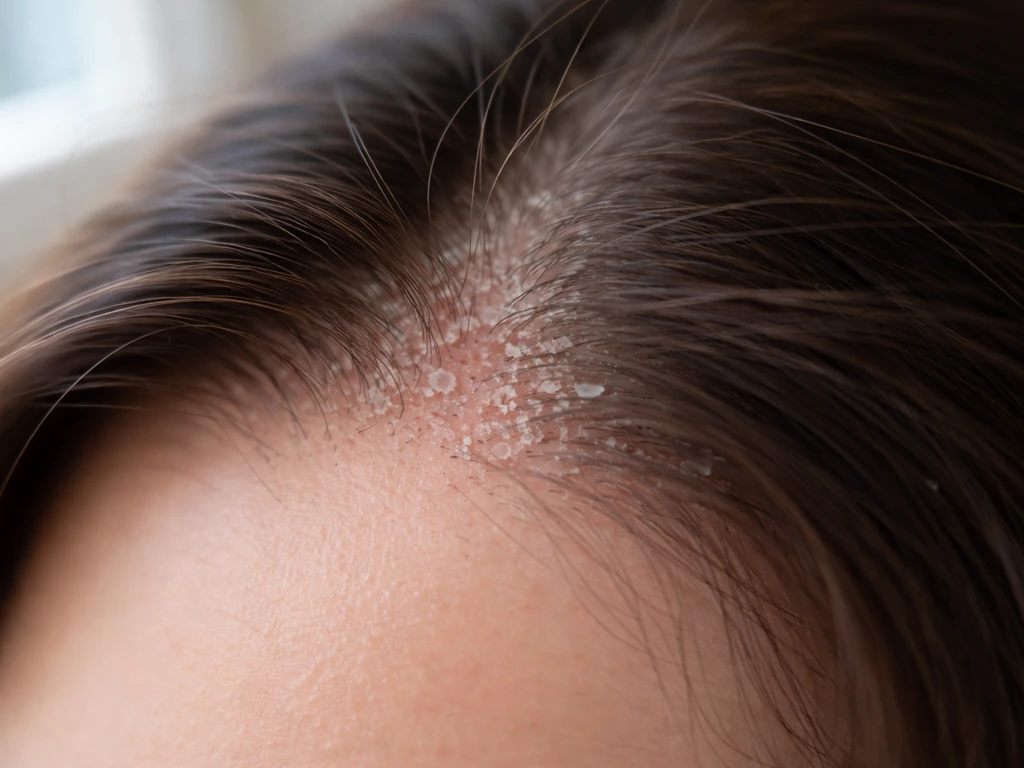
An inflamed scalp is not a friendly environment for growing hair. Conditions like seborrheic dermatitis, caused by an overgrowth of Malassezia yeast, produce scaling, itching, and chronic inflammation that can worsen diffuse shedding patterns and compound breakage at the root. Left untreated, scalp inflammation keeps the environment in a state that perpetuates hair loss appearance even when the follicles themselves are technically functional. This is one of the most overlooked pieces of the slow-growth puzzle.
Telogen effluvium (stress and trigger-driven shedding)
Telogen effluvium is the clinical name for a surge in shedding caused by follicles prematurely shifting into their resting phase. The frustrating part is the timing: the trigger, whether it's physical stress, illness, surgery, significant weight loss, or even childbirth, typically happened 2 to 3 months before you notice the shedding. The good news is that acute telogen effluvium usually resolves on its own within 6 to 8 months once the underlying cause is addressed. The hair isn't gone; it's just resting. But it absolutely makes growth look stalled in the meantime.
Hormones and androgenetic alopecia
In androgenetic alopecia (pattern hair loss), androgens cause follicle miniaturization where each successive hair cycle produces a thinner, shorter hair than the last. The elongation rate per day may not change much, but the anagen phase gets progressively shorter, so the hair never reaches its previous length. This affects both men and women, though the pattern differs. It's a fundamentally different mechanism from telogen effluvium and requires different treatment strategies.
Nutrition deficiencies
Genuine nutrient deficiencies, particularly low iron (ferritin), vitamin D, zinc, and in rarer cases biotin, can contribute to increased shedding and impaired follicle cycling. The key word is deficiency. Most of the supplements marketed for hair growth only help if your levels are actually low, which is something a simple blood panel can tell you.
Breakage from damage
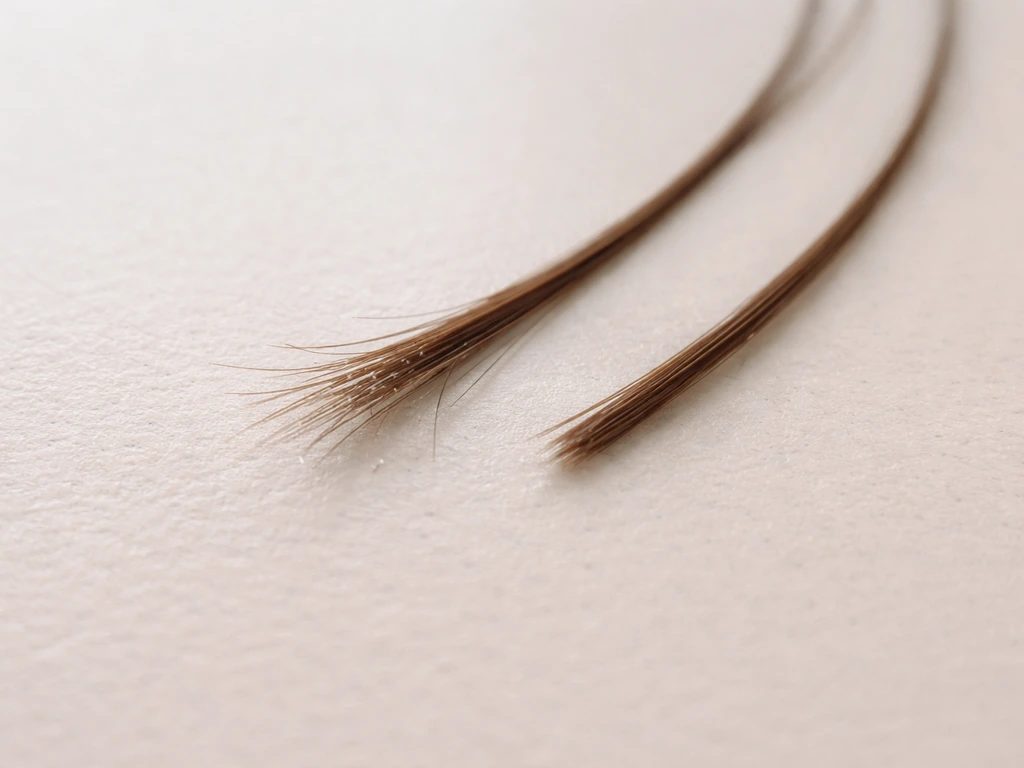
Heat styling, chemical processing, tight hairstyles, and aggressive brushing on wet hair can all cause enough breakage that your hair genuinely doesn't seem to grow, even when your follicles are perfectly healthy. If breakage is your main issue, all the scalp serums in the world won't help as much as changing how you handle your hair day to day. Fixing the root causes that lead to ingrown hairs can also help you reduce irritation and prevent new bumps from forming breakage.
Hair minimizer vs hair grower: understanding what you actually need
The phrase 'slow grow hair minimizer' pulls in two directions, and it's useful to be honest about which goal applies to you. If you want to minimize hair growth in a specific area (like body hair), that's a different conversation entirely.
But in the context of a hair health site like this one, a 'minimizer' approach is really about minimizing the things that slow your scalp hair growth: reducing shedding triggers, limiting breakage, controlling scalp inflammation, and addressing the conditions that shorten each hair's productive life. If your main goal is how to grow less hair on your scalp, focus on reducing shedding triggers and breakage first.
Think of it less as speeding up the factory and more as stopping the leaks.
If you're dealing with thinning rather than just slow length accumulation, that's where treatments targeting follicle miniaturization come in. The two problems overlap but aren't identical, and your approach should reflect which one is actually affecting you. If you're unsure, a dermatologist can usually distinguish them in a single appointment.
Nutrition and supplements that genuinely support hair growth
Before you spend money on supplements, get a blood panel. The most common deficiencies linked to hair shedding are low ferritin (stored iron), low vitamin D, and sometimes low zinc. These are worth testing for specifically because restoring deficient levels can make a noticeable difference in shedding within a few months, while supplementing nutrients you already have enough of does essentially nothing for your hair.
What to focus on from food first
- Adequate protein: hair is made almost entirely of keratin, a protein. If you're eating well and not significantly restricting calories, you're likely getting enough. But if you've been dieting aggressively or eating very low protein for months, that can show up as shedding. Aim for a varied diet with complete protein sources like eggs, fish, poultry, legumes, or dairy.
- Iron-rich foods: red meat, lentils, spinach, tofu, and fortified cereals. Pair plant-based iron sources with vitamin C to improve absorption.
- Vitamin D: fatty fish, egg yolks, and fortified foods, but most people need to supplement if they're deficient since food sources alone rarely bring levels up enough.
- Zinc: found in meat, shellfish (especially oysters), seeds, and nuts. Zinc deficiency is less common but worth checking if you're experiencing significant shedding.
- Omega-3 fatty acids: found in fatty fish, walnuts, and flaxseed. Some evidence suggests anti-inflammatory benefits for scalp health, though the direct hair-growth evidence is modest.
The honest truth about biotin
Biotin is the most marketed hair supplement, but the evidence for it is weak outside of actual deficiency. True biotin deficiency is uncommon, and multiple reviews have found insufficient data to support supplementation for hair growth in people who aren't deficient. If you have symptoms of deficiency (hair loss plus brittle nails plus a skin rash), it's worth checking. Otherwise, biotin supplements are unlikely to do much beyond giving you expensive urine. That said, they're generally safe, so if you've already confirmed deficiency or just want to try, the risk is low.
| Nutrient | Best food sources | Supplement warranted? | Evidence level for hair |
|---|---|---|---|
| Iron (ferritin) | Red meat, lentils, spinach, tofu | Yes, if serum ferritin is low | Strong when deficient |
| Vitamin D | Fatty fish, egg yolks, fortified foods | Yes, if blood levels are low | Moderate when deficient |
| Zinc | Oysters, meat, seeds, nuts | Only if deficient | Moderate when deficient |
| Biotin | Eggs, nuts, sweet potatoes | Only if truly deficient | Weak without deficiency |
| Protein | Eggs, fish, poultry, legumes, dairy | Only if diet is severely low | Relevant only in malnutrition |
| Omega-3s | Fatty fish, walnuts, flaxseed | Optional (fish oil) | Modest for scalp inflammation |
Topical scalp care and your at-home routine
Your scalp is skin, and it needs the same basic respect you'd give any skin on your body: keep it clean, don't let it get chronically inflamed, and don't strip it so aggressively that it overcompensates. Here's how to build a routine that actually supports growth.
Cleansing
Wash frequency depends on your scalp type and hair texture, but the goal is a scalp that isn't either greasy and inflamed or parched and flaky. For most people with straight to wavy hair, washing every 2 to 3 days works well. For curly or coily hair types, less frequent washing (once a week or so) is common, but the scalp still needs consistent cleansing to prevent product buildup and fungal overgrowth.
If you have dandruff or seborrheic dermatitis, medicated shampoos with ingredients like zinc pyrithione, ketoconazole, selenium sulfide, or salicylic acid can reduce the inflammation and flaking. Let the medicated shampoo sit on your scalp for a few minutes before rinsing; that contact time matters for effectiveness. For curly and coily hair types, apply the medicated shampoo directly to the scalp and minimize how much it coats the hair shafts, since these formulas can be drying.
Scalp massage
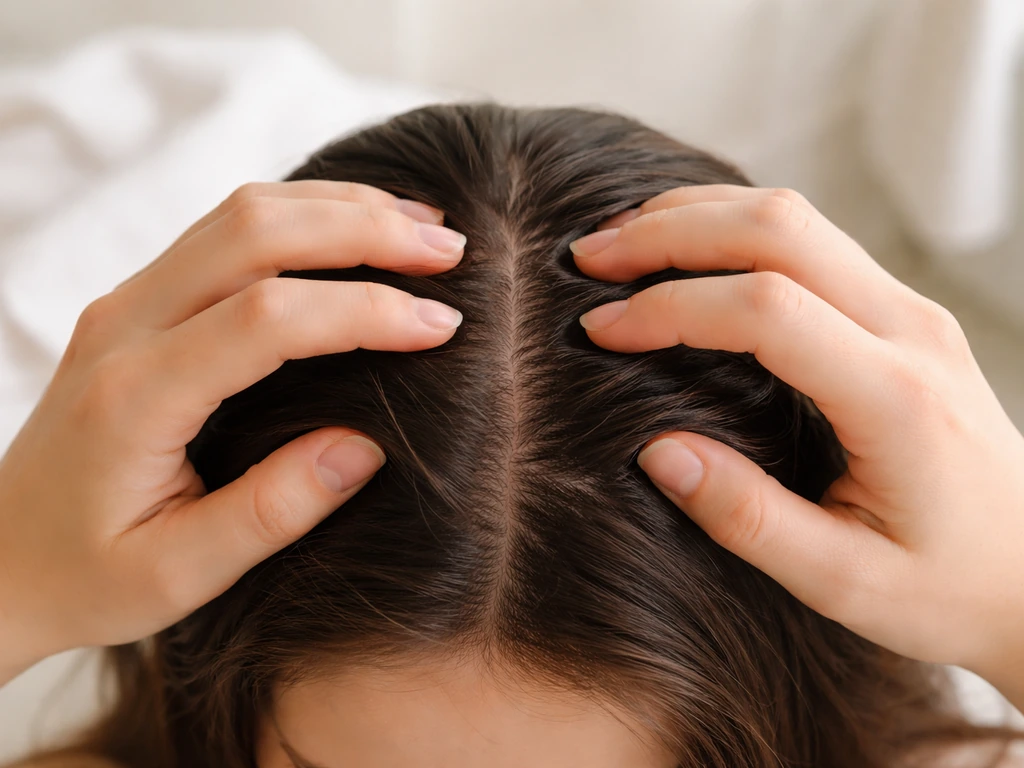
Scalp massage has some preliminary evidence behind it, with small studies suggesting that regular mechanical stimulation may improve hair thickness over time, likely by increasing blood flow to follicles. It costs nothing and has essentially no downside. A few minutes of fingertip pressure on your scalp (not nails) daily or during shampooing is a reasonable habit to build. You can also use a silicone scalp massager if that's easier to keep up with.
Moisturization and protective styling
Keeping the hair shaft moisturized reduces breakage, which is one of the most underrated ways to make hair 'grow' visibly faster. For fine or straight hair, a lightweight leave-in conditioner or hair oil on the ends works well. For curly, coily, or color-treated hair, moisture retention is even more critical. Reduce heat tool use where possible, always use a heat protectant when you do, and avoid tension hairstyles that pull on follicles over time. Sleeping on a satin or silk pillowcase (or using a satin bonnet) reduces friction-related breakage noticeably, especially for textured hair.
Active treatments for thinning or persistent growth delays
Minoxidil
Minoxidil is the most accessible FDA-approved treatment for pattern hair loss and is available over the counter. It works by prolonging the anagen phase and improving follicle blood supply, which translates to less shedding and, over time, improved density in people with androgenetic alopecia. The 5% topical formula is used twice daily; some results may appear within about 2 months, but full benefit takes considerably longer in practice, often 6 to 12 months of consistent use.
An important note: when you first start minoxidil, you may experience a short-term increase in shedding as dormant follicles are pushed out and new growth cycles begin. This is normal and temporary. Minoxidil is appropriate for both men and women, though formulation options differ slightly. It requires ongoing use because hair loss typically returns if you stop.
Finasteride and other prescription options
Oral finasteride is FDA-approved for androgenetic alopecia in men. It works by blocking the conversion of testosterone to dihydrotestosterone (DHT), the androgen responsible for follicle miniaturization. It requires a prescription and isn't typically used in women of childbearing age due to risk during pregnancy. Other prescription-level options include oral minoxidil at low doses (increasingly used off-label), spironolactone for women with hormonally driven thinning, and platelet-rich plasma (PRP) injections administered by a dermatologist. These all fall outside what you can manage entirely at home, which is exactly why a dermatologist visit matters when over-the-counter approaches haven't moved the needle.
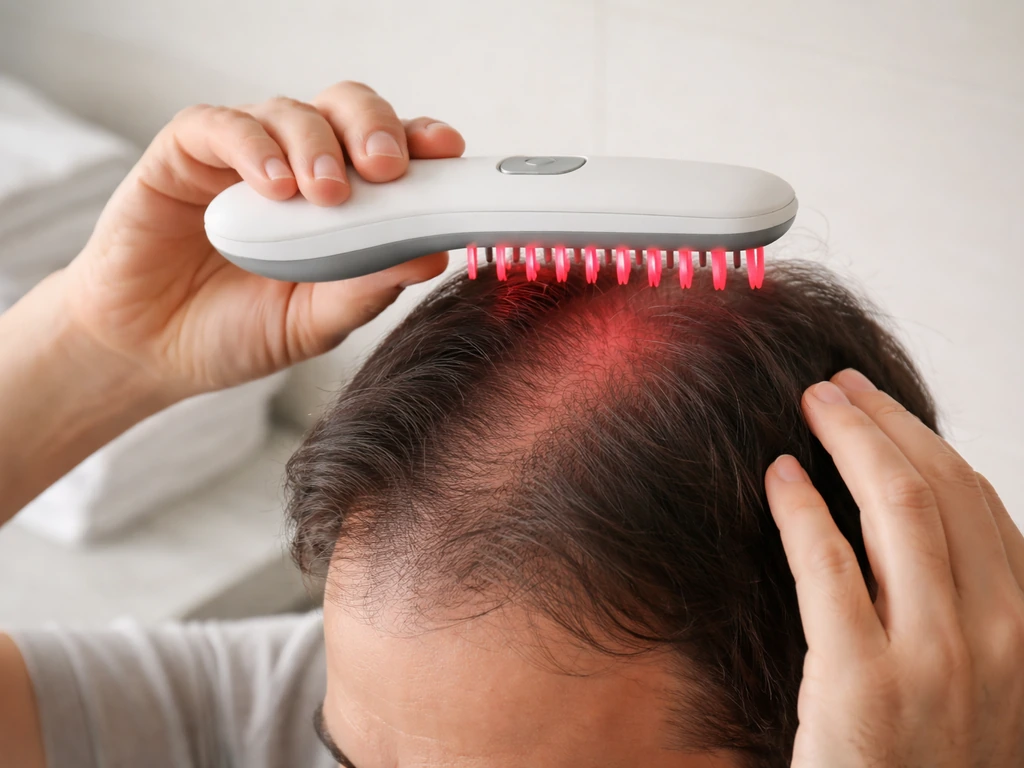
Low-level laser therapy (LLLT)
FDA-cleared LLLT devices (like laser combs and helmets for home use) have shown modest but measurable improvements in terminal hair density in randomized controlled trials for pattern hair loss, typically evaluated over about 26 weeks. They're safe and non-invasive, but the gains are generally modest, and these devices can be expensive. They're a reasonable add-on to other treatments rather than a standalone solution.
Natural and DIY remedies: what actually has evidence
This is an area where it's worth being honest: most natural remedies have limited or early-stage evidence, but a few have more data behind them than others.
Rosemary oil
Rosemary oil has the best natural evidence among topical options. A randomized comparative trial matched it against 2% minoxidil for androgenetic alopecia over 6 months, with both groups showing similar improvements in hair count. That's a real study with a real comparator, which puts rosemary oil in a different category from most herbal remedies. You can dilute a few drops in a carrier oil like jojoba or coconut oil, massage it into the scalp, leave it on for 30 minutes, and then shampoo out. Consistency matters: most studies run for at least 3 to 6 months.
Saw palmetto
Saw palmetto extracts (particularly standardized oil formulations) have been studied in androgenetic alopecia with some randomized placebo-controlled trials showing reductions in hair fall and improvements in growth measures at 16 weeks. The proposed mechanism, blocking DHT similar to finasteride but more mildly, is plausible. Evidence is promising but less robust than prescription options. It's available as both oral supplements and topical products.
What doesn't have much evidence

Onion juice, rice water, castor oil, and egg masks are frequently recommended online. None have strong clinical trial evidence for hair growth or significantly reducing shedding. Some, like castor oil, may help with moisture and reduce breakage as a mechanical effect, but that's different from stimulating follicles. They're generally harmless to try if you're curious, but don't let them substitute for addressing root causes.
A caution on at-home microneedling
Microneedling with dermarollers has some clinical evidence when done professionally, but the FDA has flagged safety concerns with at-home microneedling devices, including risks of infection and cross-contamination. If you're interested in this approach, have it done by a trained professional rather than attempting it at home.
Realistic timeline: what to expect and when
Hair growth is slow by nature, and the biology doesn't care about your timeline. If you want to focus specifically on how to grow slow growing hair, the key is addressing the root cause that is limiting anagen growth or increasing shedding and breakage. Here's what's actually realistic:
| Timeframe | What you might notice |
|---|---|
| Weeks 1–4 | Scalp feels healthier if you've started treating inflammation; no visible length change yet |
| Months 1–3 | Reduced breakage if you've overhauled your hair care routine; shedding may start to decrease if a nutritional deficiency is being corrected |
| Months 3–6 | Visible reduction in shedding if telogen effluvium was the cause; early density improvements from minoxidil possible around 2 months but subtle |
| Months 6–12 | Meaningful density and length improvements become noticeable with consistent treatment; rosemary oil and saw palmetto studies typically measure outcomes here |
| 12+ months | Full results from minoxidil or finasteride; new hair from recovering follicles reaches noticeable length |
Telogen effluvium, if triggered by a stressor like illness or a crash diet, typically resolves within 6 to 8 months after the cause is removed. The shed hairs grow back; it just takes time for the new anagen phase to produce visible length. Pattern thinning from androgenetic alopecia is a longer-term management situation, not a fix, and requires ongoing treatment to maintain gains.
When to see a dermatologist
Most slow-growth and mild shedding situations can be improved with the steps above, but there are clear signals that you need professional evaluation rather than more trial and error at home.
- Sudden, dramatic increase in daily shedding (noticeably more hair on your pillow, in the drain, or on your brush than usual)
- Patchy hair loss, bald spots, or unusual patterns that don't match typical diffuse thinning
- Scalp symptoms like persistent itching, pain, burning, visible sores, or significant scaling that don't respond to over-the-counter medicated shampoos
- No improvement in shedding or density after 6 months of consistent, targeted effort
- Hair loss alongside other symptoms like fatigue, unexplained weight changes, irregular periods, or skin changes (which could point to a thyroid issue, PCOS, or other systemic condition)
- Visible hairline recession or crown thinning that is progressing, which warrants early treatment to slow miniaturization
A dermatologist can do a proper scalp examination, order the right blood tests, and distinguish between the various causes of hair loss in a single visit. That diagnosis is worth far more than months of guessing with products. If you've been working at this consistently and not seeing movement, make the appointment.
One final thought: if you're interested in the flip side of this topic, growing hair that's genetically predisposed to stay short, or encouraging growth in areas that feel stunted, the approach overlaps significantly with what's covered here. If you are trying to learn how to grow genetically short hair, focus on removing growth blockers and reducing breakage while targeting the right underlying cause, like hormones or scalp inflammation. The biology of the follicle and the role of scalp health, nutrition, and hormones stays consistent regardless of the specific variation you're working with.
FAQ
How can I tell if my “slow grow hair minimizer” problem is mostly shedding, breakage, or anagen shortening?
Do a simple comparison test for 2 to 3 weeks. If you see many hairs with small white bulbs at the end, that points to shedding from the root. If most hairs are short, snapped mid-shaft, or look frayed, breakage is the driver. If your hair length seems stable but the overall diameter keeps getting finer over months, that suggests anagen shortening, often consistent with pattern miniaturization.
When should I worry that thinning is not just slow growth but something like androgenetic alopecia?
If you notice a steady reduction in thickness (wider scalp show-through, part widening, smaller ponytail diameter) without a clear shedding trigger, that leans more toward chronic miniaturization. Telogen effluvium usually comes in waves after an event and then improves within months once the trigger is removed.
Can telogen effluvium and inflammation (like seborrheic dermatitis) happen together?
Yes, inflammation can increase shedding and also make breakage worse at the same time. That can make recovery feel slower because both the scalp environment and the hair shaft are under stress, even if follicles are capable of restarting anagen after treatment.
If I start minoxidil, why does shedding sometimes get worse, and how long should I wait before judging results?
The initial shed is usually a temporary “wake-up” phase as growth cycles restart. Don’t judge efficacy before at least 4 to 6 months, and expect the short-term shed window to be most noticeable early on. If shedding is extreme or you develop scalp irritation, stop and reassess the plan (often switching vehicle or addressing dermatitis first).
Is it better to wash more often or less often to reduce shedding and speed up growth?
There’s no one-size-fits-all, but the mistake is using washing frequency to “panic-clean.” Wash often enough that your scalp does not stay inflamed or coated with buildup. If you have dandruff or seborrheic dermatitis, more frequent medicated shampoo with proper contact time can help, but the goal is control of inflammation rather than daily stripping.
What blood tests matter most for slow or thinning hair, and what do I do with normal results?
Ask specifically for ferritin (and sometimes iron studies), vitamin D, and zinc, since deficiencies are the main case where supplements can help. If results are normal, it often means your issue is more likely breakage, inflammation, shedding from telogen effluvium, or androgen-driven miniaturization rather than nutrient lack.
Can I take biotin “just in case” for slow grow hair minimizer goals?
Only if you have a reason to suspect deficiency, because biotin is unlikely to help when levels are already adequate. Also note that high-dose biotin can interfere with some lab tests, so tell your clinician before bloodwork and avoid starting it right before tests.
How long should I run a treatment before switching, especially for natural options like rosemary oil or supplements like saw palmetto?
For anything intended to influence shedding or growth cycles, give it a minimum of 3 to 4 months, not weeks. Many studies evaluate at around 16 weeks or longer. If you’re not seeing any improvement by 4 to 6 months, switch strategy based on diagnosis rather than layering more products.
Are hair vitamins safe if I don’t know whether I’m deficient?
Many are generally safe, but “safe” is not the same as “effective.” The practical risk is wasting money and possibly overdoing certain nutrients. If you’re taking multiple products, check totals, and avoid mega-doses without labs, since excess can cause side effects or disrupt other nutrient balance.
What’s the most common reason people see no improvement even after following a routine?
They’re treating the wrong mechanism. For example, they moisturize to reduce breakage but continue a regimen that leaves the scalp chronically inflamed, or they treat shedding but miss a hormonal driver. Another frequent issue is inconsistency, because hair cycle changes require consistent treatment over months.
How can I reduce breakage enough to make it look like my hair is “growing faster”?
Focus on preventing friction and mechanical stress on the shaft. Use a satin or silk pillowcase or bonnet, detangle gently, avoid aggressive brushing on wet hair, and keep heat to a minimum with proper heat protection. Trimming only helps if breakage is actively cutting the ends back more than you can grow.
If I suspect follicle miniaturization, what’s the quickest way to get the right treatment direction?
Get a scalp evaluation rather than trialing multiple fixes. A clinician can often distinguish pattern thinning from diffuse shedding and decide whether to start anagen-prolonging and DHT-targeting approaches. This saves months of “minimizer” strategies aimed at the wrong bottleneck.
When should I seek professional help instead of continuing at-home trials?
If you have rapid or patchy hair loss, scalp pain or heavy scaling that doesn’t improve with medicated shampoo, significant shedding lasting beyond expected timelines, or visible widening of the part with progressive thinning, schedule a dermatologist visit. Also seek help if you have symptoms of anemia or hormonal issues, since the cause may extend beyond hair care.
Next Articles
Tips on How to Grow Your Hair Out: A Step by Step Guide
Step-by-step tips to grow hair out: stop breakage, build scalp routine, nutrition, safe actives, and track progress.
Grow Hair Long Tips: Step-by-Step Routine to Reach Length
Step-by-step grow hair long tips: boost scalp health, cut breakage, improve diet, and track progress for length.
Tips for How to Grow Long Hair: A Practical Guide
Actionable tips to grow long hair naturally: care routine, scalp habits, nutrition and breakage prevention for healthy l