
Growing a horse's mane out means protecting what's already there while giving the hair follicles everything they need to keep producing strong, healthy strands. Whether you're dealing with a rubbed-out, patchy mane or simply trying to get it longer and thicker, the same principles apply: fix the root cause of slow growth or breakage, feed the follicles properly from the inside, keep the hair moisturized and friction-free on the outside, and then handle it gently enough that you're not undoing your progress every time you groom. Done right, you can expect about an inch of new growth per month once things are on track.
How to Grow Horse’s Mane Hair Faster and Longer

Marcus Holloway
11 Jun 2026
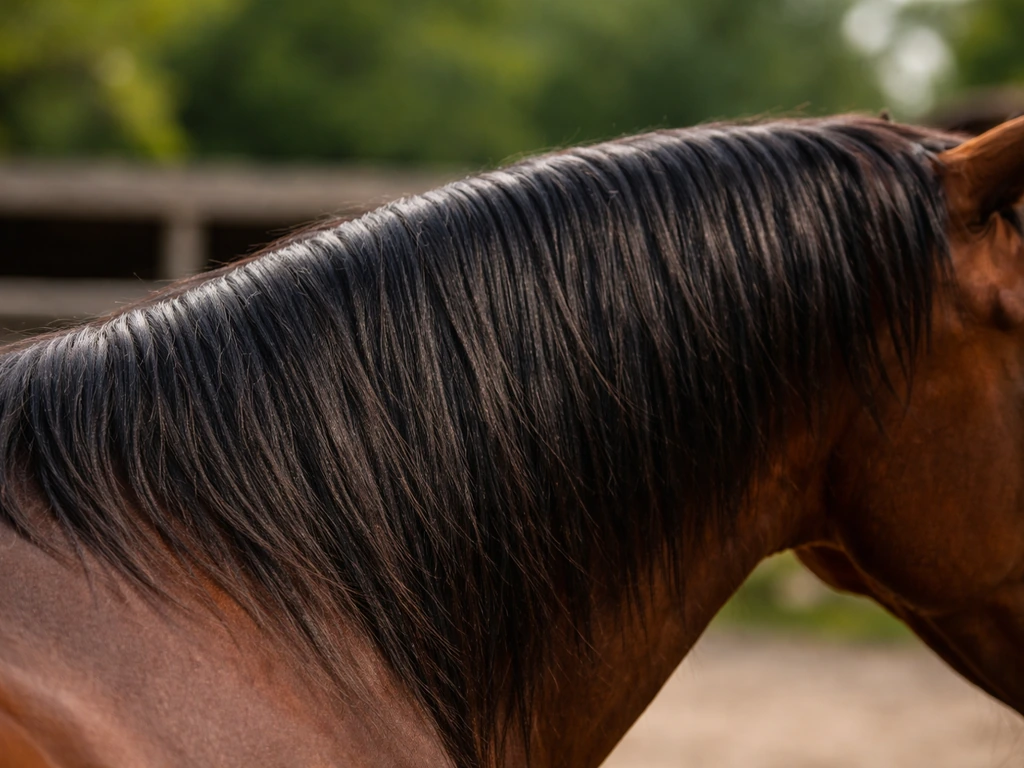
What we actually mean by 'growing the mane' (and what to expect)
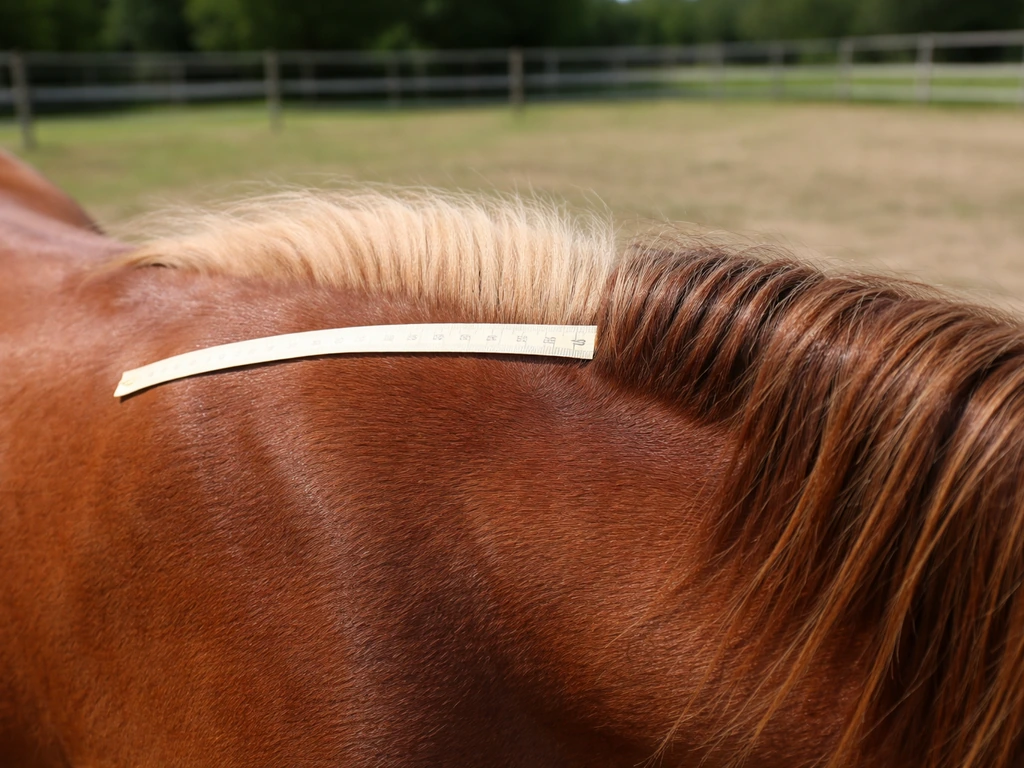
A horse's mane is the band of long, thick hair that runs along the top of the neck, from the poll down to the withers. The individual fibers are coarse (typically 50 to 150 microns in diameter, compared to around 70 microns for average human scalp hair), but they grow from follicles that follow the exact same biological cycle as any other mammalian hair: an active growth phase (anagen), a brief transition phase (catagen), and a resting phase (telogen) before the hair sheds and a new strand begins. That biology is important because it tells you why mane growth stalls and what actually fixes it.
Set realistic expectations upfront. Mane hair grows at roughly 1 cm (about half an inch) per month under good conditions, so going from a rubbed-out mane to genuinely long hair takes months, not weeks. If the mane was clipped short or suffered significant breakage, a full recovery to mid-neck length can take six months to a year. The goal of everything in this guide is to maximize that monthly growth rate and stop breakage from stealing the length you've already earned.
Why the mane isn't growing: find the real problem first
Before you throw products at the problem, it helps to figure out what's actually going on. Most mane growth problems fall into one of a few categories, and the fix is different for each.
Breakage vs. actual slow growth
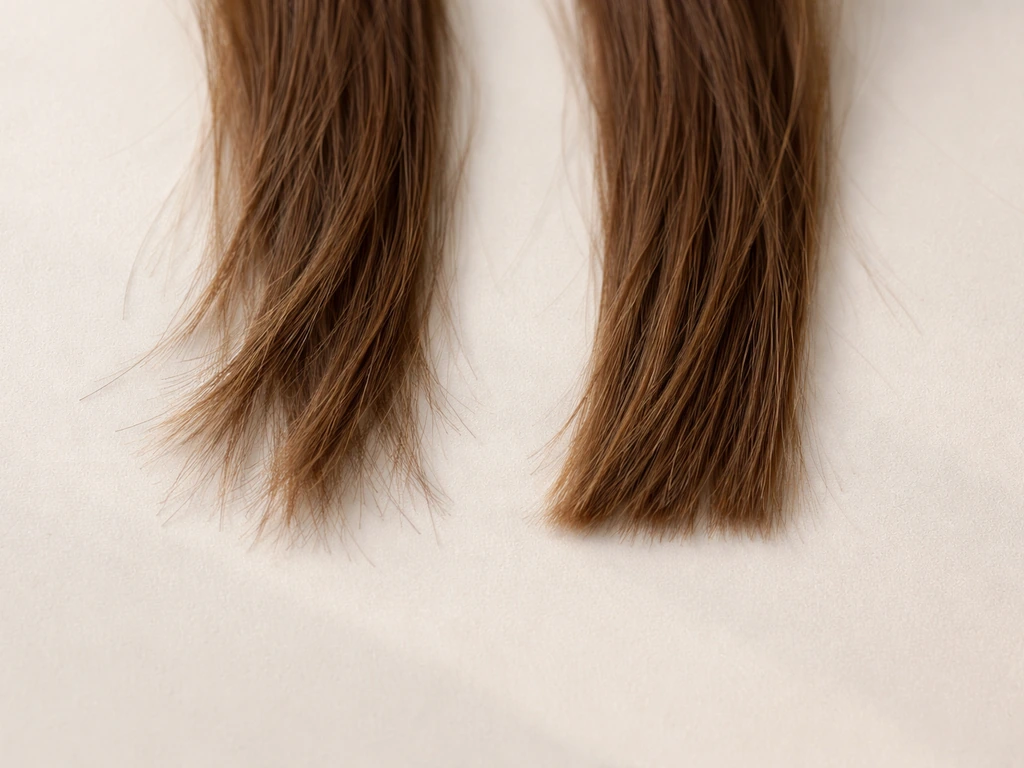
This is the most common mistake. The mane may be growing just fine, but the ends are snapping off at roughly the same rate, so the length never changes. Look at the ends of the mane hairs: are they tapered and thin (natural shed hair) or blunt and frayed (breakage)? Frayed or split ends almost always mean the hair is too dry, it's rubbing against something (a rug, a fence, another horse), or it's being handled too roughly during grooming. Fix the breakage and the length you already have will start to show.
Shedding and growth cycle disruption
Just like in humans, a significant physical or metabolic stressor can push a large number of hair follicles into the resting (telogen) phase at once. You'll notice excessive shedding about two to three months after the trigger, whether that was illness, a major dietary change, a heavy parasite burden, or a difficult season. The good news is that this kind of shedding is usually self-limiting. Once the stressor is removed, follicles cycle back into the active growth phase and the mane begins filling in again, typically over the following three to six months.
Friction, rubbing, and follicle damage
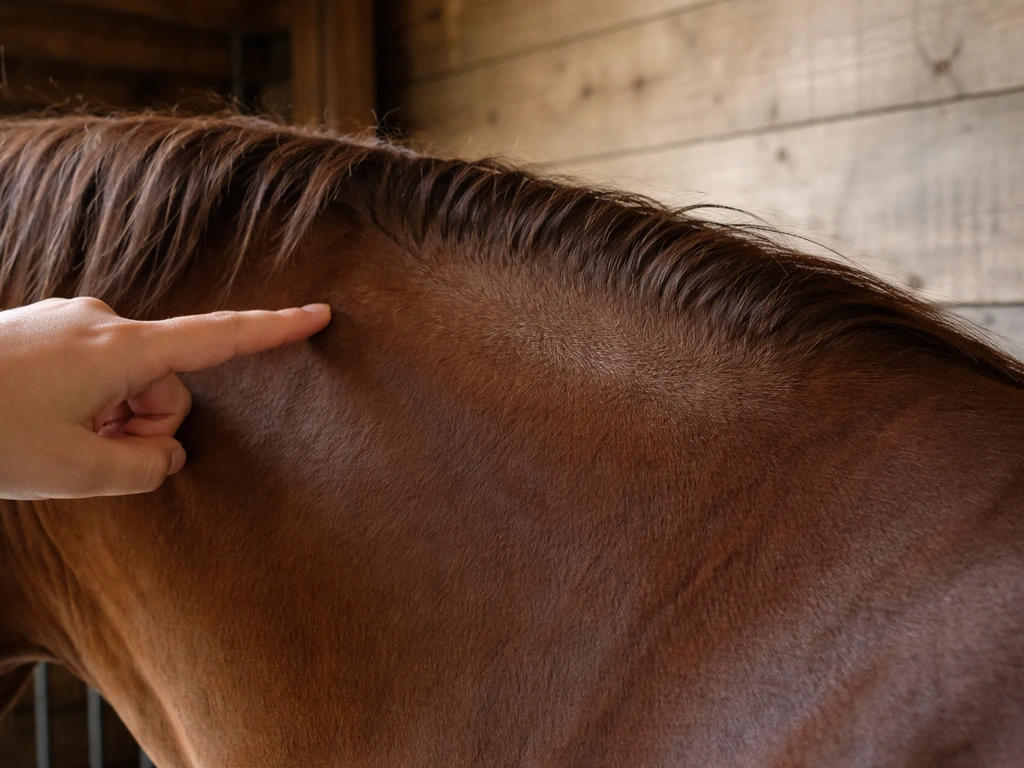
Constant rubbing is one of the most underappreciated mane-growth killers. A horse that rubs its neck against fencing, a gate, or a stall wall is essentially pulling hairs out repeatedly. Over time, this kind of mechanical stress can inflame follicles and cause patchy thinning along the crest, similar to what happens with traction alopecia in humans. The fix here is environmental first: identify and remove whatever the horse is rubbing on, check for skin irritation or sweet itch (a common culprit), and let the follicles recover.
Nutritional gaps
Hair is a low-priority tissue. When the body is running short on key nutrients, it directs resources toward vital organs first and the hair follicles get whatever's left. A diet that's borderline on protein, zinc, certain B vitamins, or calories will show up in the coat and mane before almost anywhere else. If the rest of the coat looks dull or sparse alongside a slow-growing mane, nutrition is almost certainly part of the picture.
Feed the follicles: nutrition and supplements that actually help
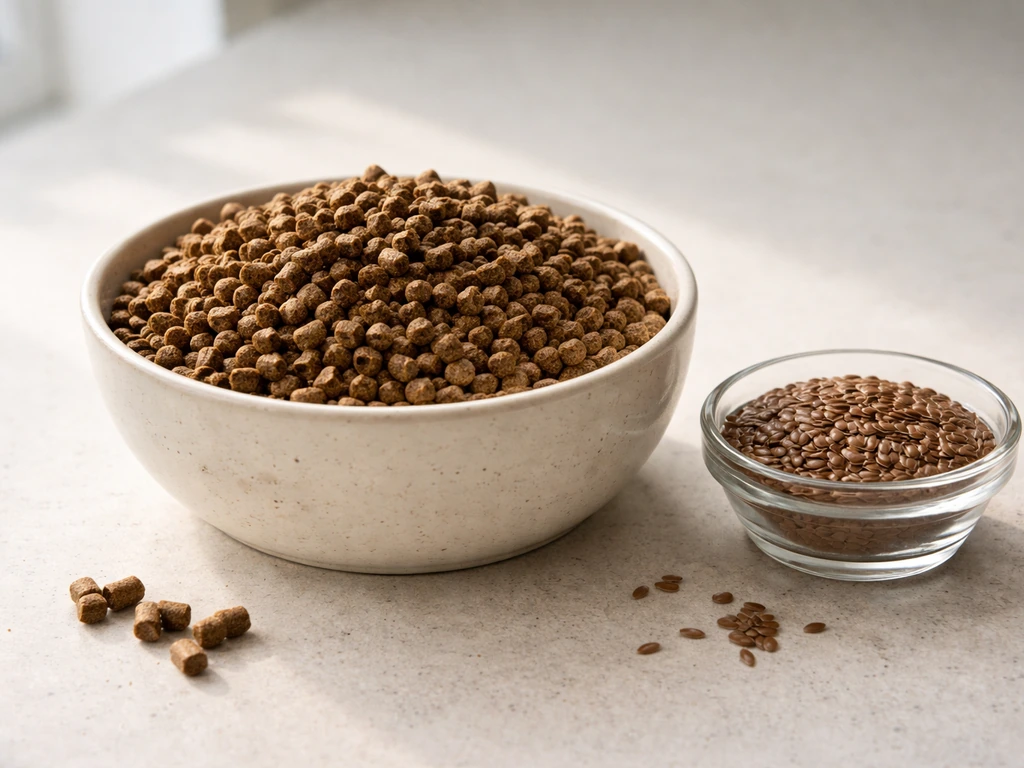
There's no magic supplement that doubles mane growth overnight, and I'd encourage skepticism toward any product that claims otherwise. What nutrition can do is remove a deficiency that's acting as a brake on growth. Once the follicles have what they need, they perform at their biological best, which is about that 1 cm per month. Here's what to focus on.
Protein and amino acids
Hair is made primarily of keratin, a protein, so the single most important nutritional factor for mane growth is adequate dietary protein. For horses, this usually means ensuring the base diet (forage plus any grain or balancer) meets daily crude protein requirements, with particular attention to the quality and amino acid profile. Lysine and methionine are the amino acids most commonly deficient in horse diets and most directly tied to coat and hoof quality.
Key vitamins and minerals
Beyond protein, a handful of micronutrients are consistently linked to healthy hair follicle function. Zinc supports the cell division that drives hair growth and is commonly borderline in forage-based diets. [Biotin is widely marketed for mane and hoof growth](https://www. ncbi.
nlm. nih. gov/books/NBK547751/? report=printable), and while the evidence is honest about its limits (it mainly helps when there's an existing deficiency, and deficiency is relatively rare in well-fed animals), it's low-risk and inexpensive enough to try if other basics are covered.
Vitamins A, D, and E all play roles in skin and follicle health, and iron is worth checking if the horse has had any history of blood loss or very poor-quality pasture. A good vitamin and mineral balancer or a targeted equine supplement that covers these bases is usually a more practical approach than buying individual supplements separately.
Omega-3 fatty acids
Adding a source of omega-3 fatty acids (flaxseed, chia seeds, or a marine-based oil) is one of the most consistently supported nutritional moves for improving coat shine, skin health, and hair quality. Omega-3s reduce low-grade skin inflammation and support the sebaceous glands that keep hair naturally conditioned. A tablespoon or two of ground flaxseed or a purpose-made coat supplement added daily is an easy, low-cost upgrade.
Topical care and home remedies: clean, condition, and protect
What you put on the mane matters almost as much as what you feed. If you're wondering how to grow dog hair back home remedies, focus on gentle cleansing, moisturizing, and reducing friction that can cause shedding and breakage. The goal of any topical routine is simple: keep the scalp (crest skin) clean and healthy, keep the hair shaft hydrated and flexible so it doesn't snap, and reduce any friction or irritation that might be disrupting follicle function.
Cleansing
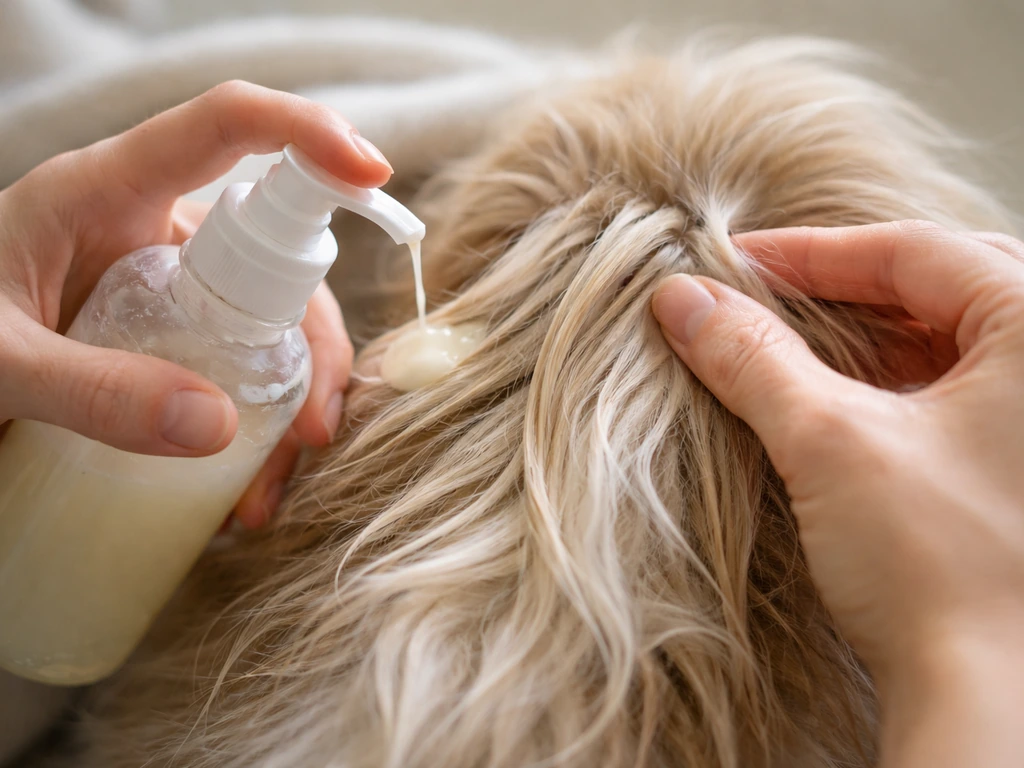
Use a gentle, moisturizing shampoo on the mane and crest skin. Harsh detergents strip the natural oils from both the hair shaft and the skin, leaving the hair brittle and the follicle environment dry and irritated. You don't need to wash the mane every time you bathe the horse. For most horses in light to moderate work, washing the mane once every one to two weeks (or when visibly dirty) and rinsing thoroughly is plenty.
Mayo Clinic notes that wash frequency depends on whether your hair and scalp need cleansing and that regular shampooing can be important for keeping the scalp from being difficult to clean wash the mane once every one to two weeks (or when visibly dirty). When you do shampoo, work it gently into the crest skin rather than scrubbing aggressively, and rinse until the water runs completely clear.
Conditioning and moisturizing
A leave-in conditioner or detangler applied after washing (and lightly between washes) is one of the highest-return things you can do for mane length. It coats the hair shaft, reduces friction between hairs, and makes detangling possible without breakage. Look for products with silicones, panthenol, or natural oils like argan or coconut. Between washes, a light spray-on detangler keeps the mane manageable without buildup.
Home remedies worth trying
A few simple home options genuinely work. Coconut oil applied to the length of the mane (not the root, or it can clog follicles) adds slip, reduces breakage from tangling, and keeps the hair shaft hydrated in dry conditions. Diluted apple cider vinegar as a final rinse after shampooing can help balance scalp pH and remove any residue. Aloe vera gel applied to the crest skin can soothe irritation and may support a healthier scalp environment. These aren't miracle treatments, but they're cheap, safe, and genuinely useful when used consistently. Skip anything that promises dramatic growth acceleration; the research on ingredients like topical caffeine and niacinamide for hair growth is limited at best.
A grooming routine that protects length
How you handle the mane during daily care can make or break your progress. The number one rule is to never pull through dry tangles from root to tip. That single habit causes more breakage than almost anything else.
- Apply a detangler or conditioner before you start. Never comb a dry, uncoated mane.
- Work from the ends upward. Start detangling at the bottom few inches, work out the knots there, then move a few inches higher. This stops you from dragging tangles the full length of the hair.
- Use your fingers first for major knots, then follow with a wide-tooth comb or a soft-bristle brush. Avoid fine-tooth combs entirely.
- Be especially careful at the crest. Pulling against the crest skin repeatedly can stress the follicles and cause localized thinning over time.
- After detangling, consider loosely braiding or banding the mane in a low-friction style to protect it between grooming sessions, especially in turnout.
- Avoid tight braids, rubber bands directly on hair, or any style that puts consistent tension at the same point on the mane. Repeated tension causes breakage at that exact spot.
If the horse wears a turnout rug or neck cover, check that the edge doesn't sit directly against the mane and rub during movement. A small amount of daily friction in that spot adds up over weeks into noticeable hair loss. The same applies to poorly fitting halters that sit against the crest.
How to make it grow faster and longer: a practical schedule
You can't force follicles to work faster than their biology allows, but you can make sure nothing is slowing them down. Consistency is the actual secret. Here's a realistic weekly routine:
| Task | Frequency | Why it matters |
|---|---|---|
| Detangle with conditioner or detangler | Every 2–3 days | Prevents matting and stops small tangles becoming breakage |
| Apply leave-in conditioner or oil to length | Every 2–3 days | Keeps hair shaft flexible and reduces friction damage |
| Wash crest skin and mane with gentle shampoo | Once every 1–2 weeks | Keeps follicle environment clean without stripping oils |
| Check for rubbing spots or skin irritation | Weekly | Catches friction damage before follicles are affected |
| Review diet and supplement routine | Monthly | Ensures nutritional support stays consistent |
| Trim split or damaged ends only if needed | Every 2–3 months | Removes breakage points without sacrificing length |
A few things to actively avoid: heat styling tools on the mane, bleaching or chemical processing, tight elastic bands left in for extended periods, and leaving the mane wet in cold weather without protection. Each of these either damages the hair shaft directly or stresses the follicle environment. Keeping the mane down and loose (rather than tightly banded) as much as possible also reduces the risk of traction-related thinning along the crest.
How long it takes to grow back (and when something might be wrong)
With everything working in your favor, expect roughly 1 cm of new growth per month. A mane that was rubbed down to 2 inches and needs to reach 10 inches will take close to a year under good conditions. A mane recovering from telogen effluvium (stress-triggered shedding) typically starts visibly regrowing three to six months after the stressor is resolved, and fills back in over the following six to twelve months. That timeline feels slow, but it's normal and the biology is consistent.
Where things get more complicated is when regrowth simply doesn't appear after six months of good care, or when the patchy areas keep expanding despite removing friction and improving nutrition. In those cases, it's worth involving a veterinarian to rule out underlying conditions: sweet itch or other allergic skin reactions, fungal or bacterial skin infections, hormonal imbalances (Cushing's disease in older horses is a common culprit), or heavier-than-expected external parasite pressure. Scarring folliculitis, where repeated inflammation has permanently damaged follicles, is rare but does happen, and it won't respond to topical or nutritional care alone.
Troubleshooting checklist for slow growth or ongoing breakage
- Is the diet meeting protein and amino acid requirements? Check lysine and methionine specifically.
- Is there a zinc, biotin, or omega-3 gap in the current supplement routine?
- Is anything in the environment causing physical rubbing against the mane or crest?
- Is the mane being detangled dry or with a fine-tooth comb?
- Are tight braids, bands, or rugs creating repeated tension at specific points?
- Has there been a significant illness, major dietary change, or stressful event in the past three to six months?
- Is there visible skin irritation, flaking, or redness along the crest under the mane?
- Has the horse been checked for sweet itch, ringworm, or other skin conditions recently?
- If the horse is over 15 years old, has PPID (Cushing's disease) been ruled out?
- Has it been less than six months since starting the new care routine? (If so, keep going, it takes time.)
One last thing worth knowing: hair growth goals for animals follow the same underlying biology you'll find discussed across this site for human hair, whether that's the growth cycle, the role of nutrition, or the way mechanical damage affects retention. Similar patience and follicle-focused care can also apply when you're trying to figure out how to grow hair on cattle. If you're also dealing with hair growth challenges in other animals or in yourself, the core principles around reducing friction, supporting follicle health through nutrition, and being patient with the timeline carry over directly. If you want to apply these same growth, nutrition, and breakage-control principles to a Yorkie's coat, you can follow a dedicated guide on how to grow Yorkie hair.
FAQ
What should I do if my horse’s mane is not growing after 6 months?
If regrowth does not show after about 6 months of good breakage control, consistent grooming, and a balanced diet, treat it as a diagnostic problem rather than a patience problem. Schedule a vet check focused on crest skin inflammation (sweet itch, allergic dermatitis), fungal or bacterial folliculitis, external parasites, and less common hormonal causes (for example, pituitary issues in older horses).
How often should I shampoo a mane to help it grow longer?
Only wash as often as needed, then prioritize thorough rinsing and immediate drying. Even if you wash infrequently, detergent residue and trapped moisture can increase tangling and friction, which leads to more snapping. For most horses in light work, once every 1 to 2 weeks is enough, and spot-clean with water on dirty days instead of full shampoo.
Can conditioner or oil buildup at the mane root slow growth?
Be careful with leave-in products near the crest skin. Thick oils or heavy buildup can worsen clogged follicles or irritation in some horses. Apply conditioner and detangler to the hair shaft, keep the crest skin lightly treated, and if you see dandruff-like flakes or increased itching, pause the product and simplify the routine.
What’s the safest way to detangle a tangled horse mane without snapping it?
Choose a comb or brush that matches the mane’s thickness, and detangle only when the hair is flexible (after washing with conditioner or with a proper detangling spray). Work in sections, start from the bottom, and stop if you feel snagging, because forcing through tight tangles is what drives breakage.
My horse still rubs the crest even after I changed grooming, what should I check next?
If your horse rubs despite changing tack and removing obvious rubbing surfaces, widen the search to turnout habits and body contact points. Check stall walls, trailer ties, automatic feeders, water buckets, and fence posts, and look for repeated wear patterns that match the mane’s thinning areas. Addressing the exact friction point matters more than using more topical products.
Why might trimming or blending make it seem like mane growth isn’t happening?
Yes, clipped or previously damaged manes can look like they are not growing because the new growth may start softer and blend in slowly. Also, if the old length is fraying and splitting, the visible ends can keep breaking at the same rate as new strands appear. Evaluate progress by looking for new, thicker hairs along the crest and by trimming only when ends are clearly dead and snag-prone.
Can flax or omega-3 supplements help, and how do I avoid over-supplementing?
Omega-3 sources can help hair quality, but if your horse is already on a well-balanced ration, avoid overdoing fatty additions because calorie excess can affect overall nutrition balance. Start with a small daily amount (such as ground flax) and confirm the total diet still meets crude protein and micronutrient targets via your feed plan or supplement label guidance.
Is biotin worth trying for mane growth, or is it mostly hype?
Biotin usually helps mainly when a horse is deficient, which is uncommon in well-fed animals. If you are not seeing other signs like brittle coat, hoof issues, or poor overall body condition, focus first on total protein adequacy, zinc, overall calories, and crest skin comfort. If you do try biotin, give it time and reassess after a few months alongside diet and friction changes.
Why did shedding increase after I changed my horse’s diet or deworming?
Feed changes can trigger temporary shedding. If you recently dewormed, altered forage, switched grain, or changed protein sources, expect shedding to potentially appear 2 to 3 months later rather than immediately. Keep care consistent during that window, because the shed can be part of the normal shedding cycle after a stressor.
How can I tell whether my patchy mane is due to breakage or true follicle loss?
For patchy areas, “creeping” thinning can be from ongoing friction, not a lack of follicle activity. Measure before-and-after by photographing the same crest spot in the same lighting, and check whether the patch edges are expanding toward the most irritated area. If the patch grows outward, intensify friction and skin checks before increasing supplements.
Next Articles
How to Grow Dog Hair Back: Home Remedies That Help
At-home remedies to regrow dog fur safely: grooming, skin care, nutrition, timelines, and vet red flags for thinning.
Tips on How to Grow Your Hair Out: A Step by Step Guide
Step-by-step tips to grow hair out: stop breakage, build scalp routine, nutrition, safe actives, and track progress.
Grow Hair Long Tips: Step-by-Step Routine to Reach Length
Step-by-step grow hair long tips: boost scalp health, cut breakage, improve diet, and track progress for length.