
You can support your dog's coat regrowth at home by focusing on three things: a gentle, consistent grooming routine, a nutrient-complete diet rich in protein and essential fatty acids, and removing any obvious irritants from their skin and environment. Most healthy dogs regrow a shaved or thinned coat within 3 to 6 months, though the timeline depends on breed, age, and why the hair was lost in the first place. The honest caveat is that home remedies can only do so much, if the underlying cause is a parasite, infection, allergy, or hormonal problem, no amount of coconut oil or brushing will fix it. This guide covers what actually helps, what to skip, and how to know when it's time to call your vet.
How to Grow Dog Hair Back: Home Remedies That Help

Marcus Holloway
27 May 2026
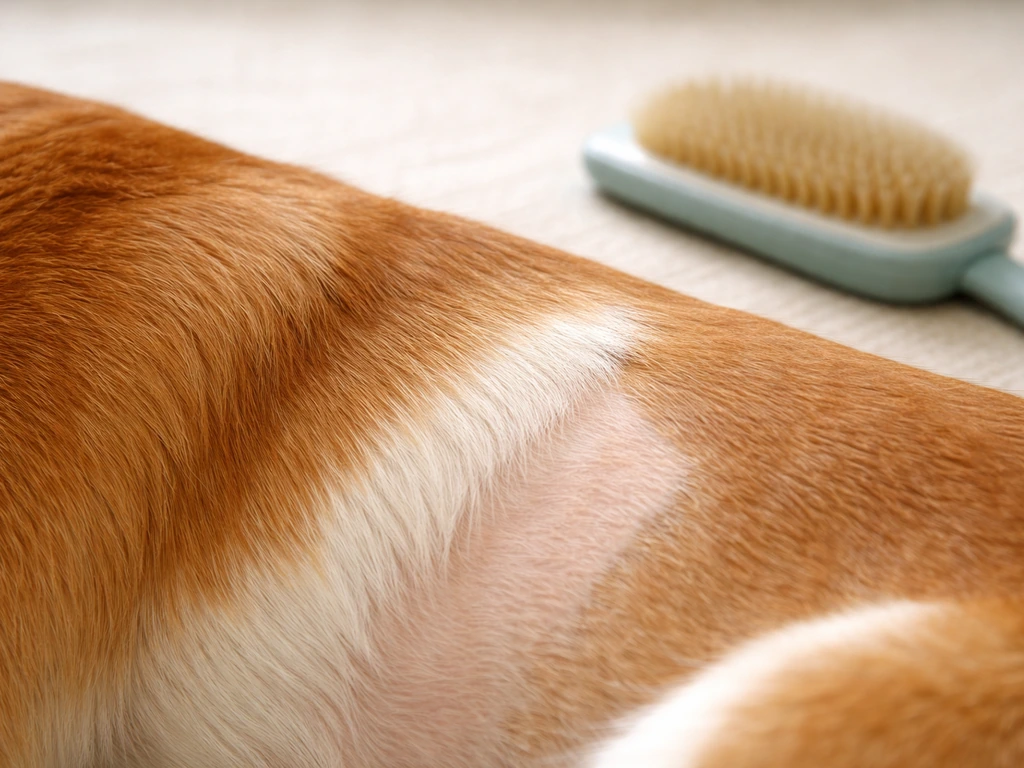
Why your dog's coat isn't growing back
Before jumping into remedies, it's worth understanding why the hair stopped growing or fell out to begin with. The most common reasons are pretty fixable at home. But some causes need a vet, and confusing the two is the biggest mistake dog owners make.
Normal shedding is exactly that, normal. Dogs shed old hair as new growth pushes through, so you'll often see thinning and loose fur at the same time a new coat is coming in. That's not a problem. The issues worth paying attention to are patchy or asymmetrical hair loss, bald spots, hair loss paired with itching or odor, and coats that seem dull, brittle, or slow to grow for no obvious reason.
Here are the most common underlying causes to be aware of:
- Parasites: Sarcoptic mange (scabies) causes red, crusted skin with significant itch and hair loss. Demodectic mange is caused by Demodex mites living in the hair follicles—dogs can lose patches of fur without itching much, especially in localized cases. Fleas are also a frequent trigger, with flea allergy dermatitis causing itching and hair loss often concentrated around the base of the tail and hindquarters.
- Ringworm (dermatophytosis): Despite the name, this is a fungal infection. Signs include hair loss, scaling, crusting, and redness. It can look deceptively mild but spreads easily—including to humans.
- Bacterial or yeast infections: These often show up as greasy, smelly, or scaly skin alongside hair loss. They can be primary infections or secondary to allergies or parasites.
- Allergies: Atopic dermatitis (environmental allergies) typically starts between 6 months and 3 years of age and causes chronic itching that leads to hair loss through self-trauma—scratching, licking, and chewing. Food allergies can look similar.
- Hormonal and endocrine conditions: Hypothyroidism and Cushing's disease are the two most common hormonal causes of coat thinning in dogs. These usually produce symmetrical hair loss, often without itching. Your vet can evaluate for these with blood and urine tests.
- Nutritional deficiencies: A diet low in protein, essential fatty acids, zinc, or copper can cause a dull, dry, brittle coat and slowed regrowth. This is one of the few causes where home nutrition changes genuinely move the needle.
- Physical damage: Rough grooming, tight mats, trauma, or a collar rubbing the same spot can damage hair follicles directly. Mats are especially problematic—they trap moisture against the skin, cause pain, and can lead to skin infections that make regrowth even slower.
Realistic timeline: how fast dog hair actually grows back

Dog hair grows roughly half an inch to an inch per month on average, though this varies a lot by breed. Short-coated breeds like Beagles or Boxers regrow a shaved area noticeably within 4 to 8 weeks. Double-coated or long-haired breeds like Huskies, Golden Retrievers, or Shih Tzus can take 3 to 6 months or longer for full regrowth, and in some double-coated breeds the texture or density may be slightly different after a full shave. Puppies transition from soft puppy fuzz to their adult coat between about 6 and 12 months of age, so if your pup's coat looks patchy during this period, some of that is completely normal development, though anything that looks like true bald spots still deserves a vet's eye.
The most important thing I can tell you about timelines is this: if you fix the underlying problem (nutrition, parasites, irritation), regrowth usually follows within one to two coat cycles. If you don't fix the underlying problem, no home remedy will produce lasting results. Patience matters, but so does accuracy about what you're dealing with.
At-home grooming and skin care routine to support regrowth
A consistent, gentle grooming routine is one of the most underrated things you can do for coat health. For Yorkies specifically, focus on gentle, consistent brushing and a protein-rich, omega-fatty-acid diet to support steady regrowth how to grow yorkie hair. It stimulates circulation at the skin surface, removes dead hair and debris that can clog follicles, and helps you catch early signs of problems before they get worse.
Brushing the right way
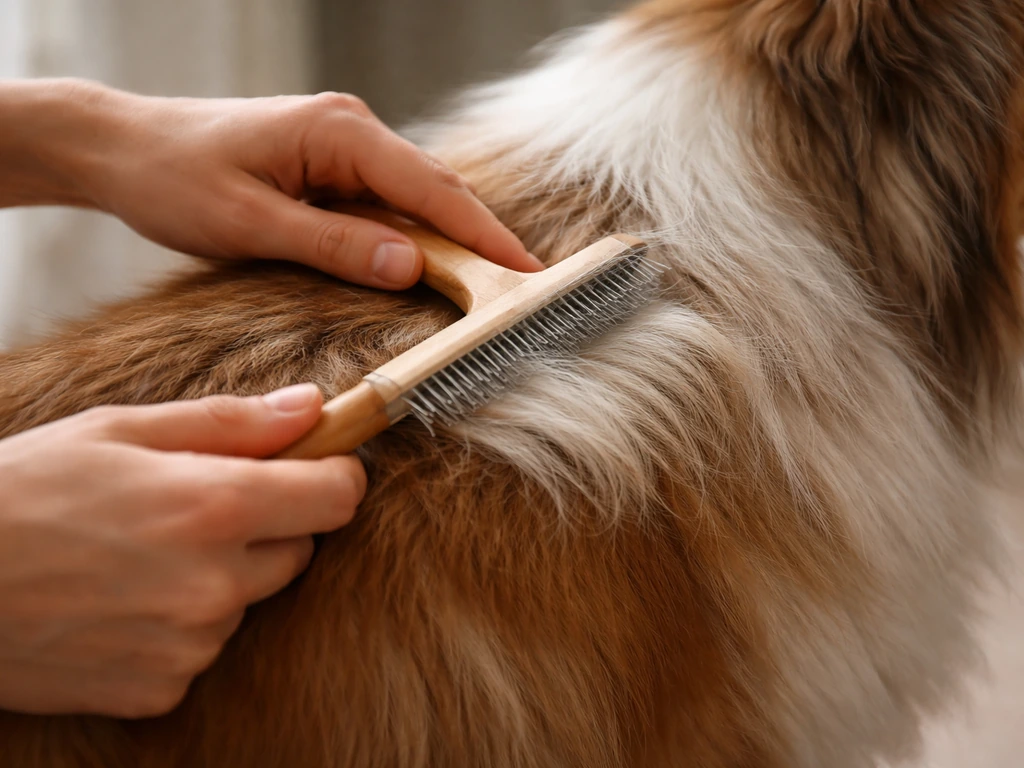
Brush before you bathe, not after. Loose hair and mats that get wet trap shampoo and moisture against the skin, which can cause irritation and even infection. Virginia Tech's veterinary dermatology team specifically advises brushing thoroughly before wetting to prevent this. Use a brush appropriate for your dog's coat type, a slicker brush for long or curly coats, a rubber curry brush for short coats. Be gentle around sensitive areas: mats commonly develop behind the ears, under the collar, and in the armpits, and aggressive brushing or pulling in these spots can damage follicles and hurt your dog.
Daily or every-other-day brushing is ideal for long-haired breeds during regrowth. For short-coated dogs, two to three times a week is plenty. The goal is stimulation and maintenance, not over-handling.
Bathing frequency and product choice
Most healthy dogs do well with a bath every 4 to 12 weeks depending on their coat type and how much time they spend outdoors. Over-bathing strips the natural skin barrier, which slows coat recovery. Under-bathing lets bacteria, yeast, and allergens accumulate on the skin, which also slows things down. Find the middle ground for your individual dog.
Use a mild, dog-specific shampoo with as few unnecessary additives as possible. Avoid human shampoos, the pH is wrong for dogs and can strip the skin barrier. If a medicated shampoo is prescribed by your vet (for example, one containing chlorhexidine for bacterial/yeast issues), follow their dilution instructions carefully. Prediluting medicated shampoos improves distribution and reduces the risk of skin irritation. Rinse thoroughly, residue left on the skin is a common but overlooked cause of itching and coat problems.
After bathing, watch for redness, bumps, excessive scratching, or unusual odor. Any of those is a signal the product isn't right for your dog, and you should check in with your vet.
Dealing with mats
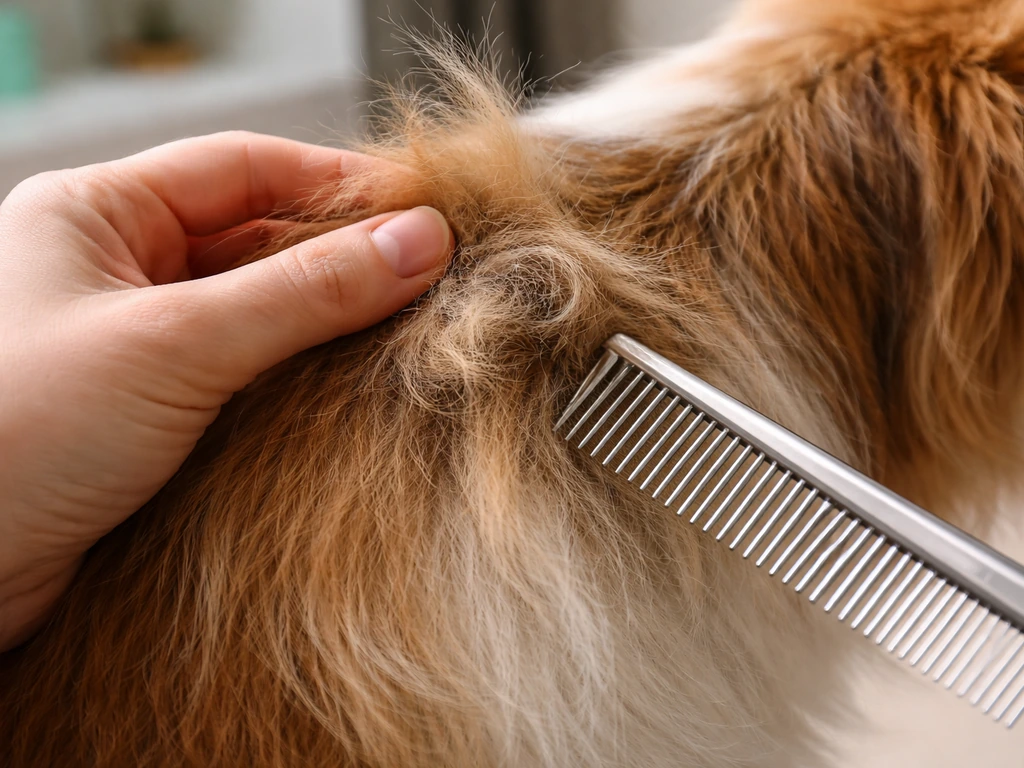
Mats are more than a cosmetic issue. They cause pain, trap moisture and bacteria, and can damage the skin underneath, in severe cases affecting joints and circulation depending on where they form. If a mat is tight against the skin, don't try to pull it out with a brush. Work a detangling spray or a tiny amount of coconut oil into the mat to loosen it, then gently work outward from the edges with a wide-tooth comb. For severe matting, a professional groomer or vet is the right call, cutting through tight mats too close to the skin risks nicking your dog.
Home remedies and topicals: what's safe and what to skip
There's a lot of advice floating around about topical remedies for dog hair regrowth, coconut oil, apple cider vinegar, essential oils, aloe vera. Some of these are reasonable and low-risk. Others are genuinely dangerous. Here's a practical breakdown.
| Remedy | Safety for dogs | What the evidence actually says |
|---|---|---|
| Coconut oil (topical) | Generally safe in small amounts as a moisturizer | May soothe dry, flaky skin and help loosen mats. No strong evidence it directly stimulates hair growth. Avoid large amounts—dogs groom themselves and excess ingestion can cause GI upset. |
| Aloe vera (pure, no additives) | Safe topically; avoid products with added fragrances or preservatives | Has mild anti-inflammatory and soothing properties. Can help with dry or irritated skin. Do not let your dog ingest the latex layer of a raw aloe leaf—that part is toxic. |
| Oatmeal rinses | Safe and well-tolerated | Colloidal oatmeal is a classic soothing agent for itchy, inflamed skin. Works well as a rinse or in dog-specific shampoos. Won't directly grow hair but removes a barrier to regrowth by calming irritation. |
| Essential oils | Not safe without veterinary guidance | Dogs are at real risk of essential oil toxicosis via skin absorption and self-grooming. Merck specifically flags this risk. Skip tea tree oil, eucalyptus, peppermint, and similar oils entirely unless a vet has okayed them for your specific dog. |
| Apple cider vinegar (diluted) | Caution: irritating to broken skin | Sometimes used as a diluted rinse for mild yeast issues, but it's acidic and can worsen inflammation on already irritated skin. Don't use on open wounds, hot spots, or raw skin. |
| Zinc-containing creams or ointments | Risk of toxicity | Zinc is toxic to dogs—ingestion via self-grooming of topical zinc products can cause serious harm including hemolysis and organ damage. Avoid applying zinc-containing products to areas your dog can lick. |
The general rule with topicals: if your dog can lick it off, treat it like something they'll eat. When in doubt, skip the remedy and focus on the fundamentals, good nutrition, gentle grooming, and identifying the actual cause.
Diet and nutrition: what your dog eats directly affects their coat
The coat is one of the first places you see the effects of nutritional shortfalls. A dry, dull, brittle coat that sheds excessively or grows slowly is often a sign that the diet isn't providing what the skin and follicles need. The good news is this is one area where the right changes at home can make a genuine, visible difference over 6 to 12 weeks.
Protein: the foundation of every strand
Hair is made of keratin, a protein. Dogs on low-protein diets simply don't have the raw material to build and maintain a healthy coat. Make sure you're feeding a diet where a named animal protein (chicken, beef, salmon, etc.) is the first ingredient, and that the food carries an AAFCO complete-and-balanced claim for your dog's life stage. That AAFCO statement is your clearest signal that the food has been formulated or tested to meet your dog's basic nutrient needs.
Essential fatty acids: the skin's structural support
Linoleic acid (omega-6) and alpha-linolenic acid (omega-3) are the essential fatty acids most critical to skin homeostasis in dogs, meaning the body can't make them, they have to come from food. A deficiency in these shows up quickly as a dry, scaly, lusterless coat. Fatty acids also help the body absorb fat-soluble vitamins, so a diet low in fat can compound nutritional deficiencies. Foods naturally rich in these fatty acids include fish (especially salmon and sardines), flaxseed, and chicken fat. If your dog's current food is low in fat or omega content, adding a small amount of canned fish (in water, no salt) a few times a week is a simple, practical boost.
Key micronutrients for coat health
Zinc deficiency is associated with hair loss, thickening or cracking of the skin over joints and foot pads, and skin ulcers. Copper deficiency causes a dull, dry coat with patchy hair loss and can affect pigmentation. Both of these micronutrients should be present in a complete-and-balanced commercial diet, but they can become insufficient if you're feeding a lot of table scraps, homemade meals without proper formulation, or a diet that's been stored improperly (oxidized fats interfere with fat-soluble nutrient absorption).
What puppies need specifically
Puppies have higher overall nutritional demands than adult dogs, and their coats often look uneven or thin during the transition from puppy fuzz to adult fur (roughly 6 to 12 months). The most important thing you can do for a puppy's coat is feed a diet specifically formulated and AAFCO-approved for growth or all life stages. Don't cut corners with adult food for large-breed puppies, the calcium and phosphorus ratios matter for bone development, but they also reflect the overall care that went into the formulation. If your puppy has true bald patches rather than just a patchy coat transition, get a vet check, puppies are particularly susceptible to Demodex mites and ringworm, and both are much easier to treat early.
Supplements and vitamins: what may help and how to choose safely
Supplements can genuinely help in specific situations, mostly when there's a gap the diet isn't filling. But there's a real risk of over-supplementing, and more is not better with certain nutrients. Zinc is the clearest example: a small therapeutic dose helps a deficient dog, but too much zinc is toxic, causing hemolysis, organ damage, and pancreatitis. The same principle applies to fat-soluble vitamins. Before adding any supplement, it's worth asking: is my dog's current food already meeting this need?
Omega-3 fatty acid supplements
Fish oil (EPA and DHA) is the supplement with the most evidence behind it for canine coat and skin health. Multiple studies have looked at omega-3 fatty acids in dogs with atopic dermatitis, showing benefit for skin barrier function and reduced inflammation. For general coat support, a fish oil supplement formulated for dogs (not human-grade, which may have additives) is a reasonable addition if your dog's diet is already good but their coat still looks dull. Dose according to the product's weight-based guidelines and choose products that have been third-party tested.
Biotin and B vitamins
Biotin deficiency is uncommon in dogs eating a complete diet, but it's often included in coat supplement blends. It's water-soluble and generally safe at reasonable doses. There's limited direct evidence it speeds coat regrowth in dogs who aren't deficient, but it's low-risk enough that it's not worth worrying about if it's part of a well-formulated blend.
How to choose a supplement safely
- Choose products labeled specifically for dogs, not human supplements—dosing and formulation are different.
- Look for a named manufacturer with transparent ingredient sourcing and a certificate of analysis or third-party testing.
- Avoid blends with high-dose zinc unless recommended by your vet for a diagnosed deficiency.
- Steer clear of products making dramatic claims about fast regrowth—coat growth is a slow biological process and no supplement changes that.
- If your dog has an underlying health condition or is on medication, check with your vet before adding anything.
If you're already feeding a well-formulated commercial diet and your dog's coat still isn't improving, the answer is more likely a health issue than a supplement gap. That's when the vet conversation needs to happen.
When home remedies aren't enough: red flags to take seriously
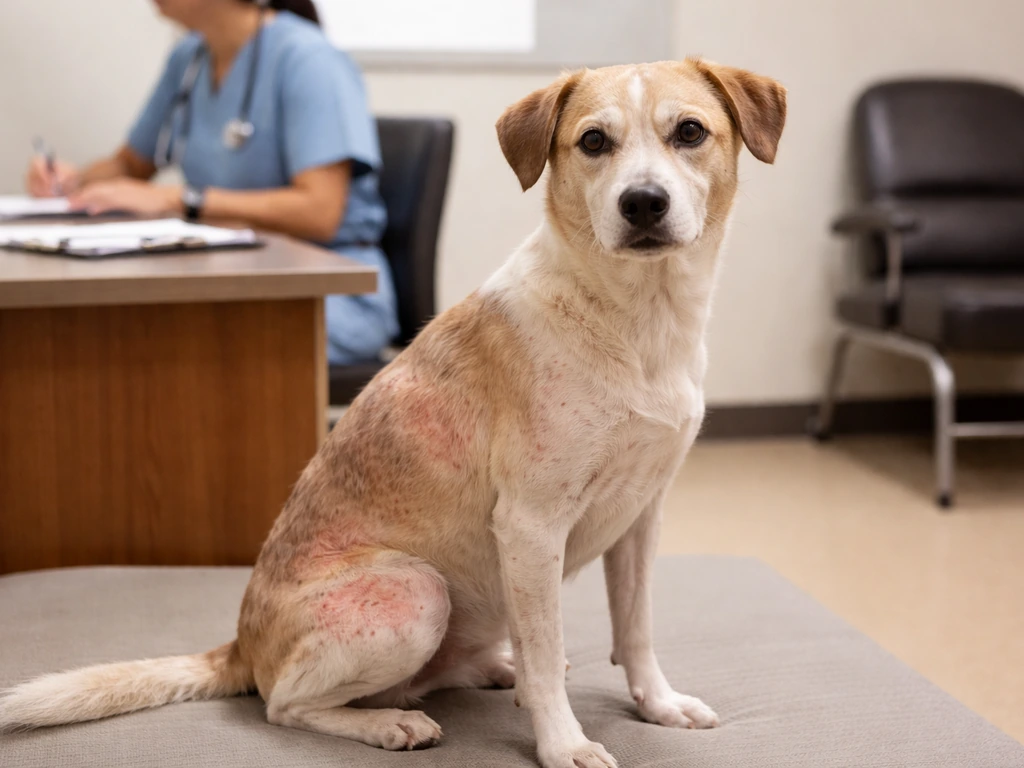
I want to be direct here: home remedies are appropriate for supporting a healthy coat that's just recovering from a shave, seasonal shed, or mild nutritional gap. They are not appropriate for active infections, parasites, allergies, or hormonal disease. Trying to home-remedy these conditions doesn't just fail, it can let the underlying problem get worse while you wait for results that won't come.
Get your dog to a vet if you notice any of the following:
- Bald patches that are spreading, circular, or have crusting, scaling, or redness at the edges—these are classic signs of ringworm or mange.
- Intense itching that causes your dog to scratch, lick, or chew to the point of raw or bleeding skin—this level of self-trauma means something medical is driving it.
- Hair loss paired with a bad smell, greasy or oily skin, or visible skin thickening—common signs of a bacterial or yeast skin infection.
- Symmetrical hair loss on the flanks or trunk without itching—a pattern associated with hormonal conditions like hypothyroidism or Cushing's disease.
- Patchy hair loss in a puppy—puppies are particularly susceptible to Demodex mites and ringworm, and both need veterinary treatment.
- Any hair loss that's worsening despite 4 to 6 weeks of addressing nutrition and grooming.
- Hair loss alongside other symptoms like weight changes, lethargy, increased thirst or urination, or skin changes over the whole body.
A vet diagnosing a coat problem will typically do a physical exam, take a detailed history of when and where the hair loss started, and may run skin scrapings (to look for Demodex and sarcoptic mange mites), impression smears (to check for bacteria or yeast), a fungal culture using a dermatophyte test medium (for ringworm), and blood or urine work if hormonal disease is suspected.
Cornell’s veterinary dermatology team describes sarcoptic mange as typically causing red skin with crusts and hair loss, and it notes that it must be differentiated from other itch-causing skin diseases sarcoptic mange mites.
Merck notes that dermatophytosis (ringworm) clinical signs can include hair loss, scaling, crusting, erythema, papules, hyperpigmentation, and variable pruritus, and that diagnosis may involve microscopic exam, superficial fungal culture, or PCR Dermatophytosis in Dogs and Cats. These aren't expensive or scary tests, they're the only way to actually know what you're dealing with so treatment can work.
It's also worth noting that the principles for supporting coat regrowth in dogs share a lot of common ground with coat care in other animals. If you're looking for how to grow hair on cattle, the same basics apply, but you will need to address species-specific nutrition, parasites, and skin conditions coat regrowth in other animals. If you're managing multiple animals and curious how these approaches translate, similar nutrition and grooming fundamentals apply to situations like growing a horse's mane or supporting healthy coat growth in other breeds with specific coat types.
Putting it all together: your at-home regrowth plan
Here's the practical version of everything above, condensed into a realistic week-by-week approach: If you meant horse hair specifically, use gentle, targeted growth care and proper grooming tailored to equine hair type how to grow horse hair.
- Week 1: Audit the food. Check that you're feeding a complete-and-balanced diet appropriate for your dog's life stage with a named animal protein as the first ingredient. If you're not, switch. This is the single highest-leverage change you can make.
- Week 1 to 2: Start a consistent grooming routine. Brush before bathing, use a gentle dog-specific shampoo, bathe every 4 to 6 weeks unless your dog needs more frequent cleaning due to lifestyle. Remove any mats carefully.
- Week 2 to 3: Consider adding a fish oil supplement if the diet is already good but the coat is still dull. Follow weight-based dosing on a dog-specific product.
- Week 4 onward: Monitor for progress. The coat should look healthier and less dull before you see significant length. Take photos to track changes—it's easy to miss gradual improvement.
- At any point: If you see the red flags listed above, skip the home remedy phase and go straight to the vet. Early diagnosis makes treatment faster and cheaper.
Realistic expectations matter here. You're not going to see dramatic changes in two weeks. A full coat recovery after a shave or nutritional deficit typically takes 3 to 6 months. What you're doing at home is removing obstacles and providing the raw materials, the biology does the rest on its own schedule. Stay consistent, keep an eye on your dog's skin, and trust the process.
FAQ
What should I do if my dog’s hair loss is patchy or one-sided but there’s no itching?
Patchy or asymmetrical hair loss can still signal a localized cause like fungal infection, mites, or a skin inflammation hotspot. Even without itching, watch for scaling, redness, or odor and consider a vet visit if the bald spot is growing or new spots appear. Home coat support is reasonable while you monitor, but it should not replace diagnosing a focal skin issue.
Is coconut oil or apple cider vinegar safe to use on my dog’s skin for hair regrowth?
If your dog can lick it, treat it like something they might ingest. Coconut oil can sometimes worsen conditions in dogs prone to folliculitis or yeast, and apple cider vinegar can irritate skin, especially if there are already bumps or broken skin. The safest “topical” approach is to avoid these unless your vet recommends them, and instead focus on diet quality, correct bathing frequency, and friction-free grooming.
How long should I try home remedies before I assume they’re not working?
If you have corrected the likely driver (diet balance, parasites, irritants) regrowth often shows within one to two coat cycles, but visible improvement usually takes weeks, not days. If there is no improvement within 8 to 12 weeks, or if hair loss is expanding, new bald spots are appearing, or skin is getting worse, shift to veterinary diagnosis rather than adding more supplements or more topicals.
Can I speed up regrowth by brushing harder or brushing more often?
No. Over-brushing can irritate skin, worsen inflammation, and damage follicles when mats are pulled or tugged. Stick to gentle, consistent brushing based on coat type, and if you encounter tight mats, loosen them with a detangling spray or a small amount of coconut oil as described, then comb from the edges outward.
Should I change my dog’s shampoo or bathing schedule during coat regrowth?
Only adjust if you see skin changes. Over-bathing can strip the skin barrier, under-bathing can allow yeast and bacteria to build up. Use a mild dog-specific shampoo with minimal additives, rinse thoroughly to prevent residue itching, and if you notice redness, bumps, or persistent odor, stop that product and consult your vet.
What diet changes make the biggest difference for filling coat gaps at home?
Start with a complete-and-balanced food that has an animal protein as the first ingredient and an AAFCO claim for your dog’s life stage. Then address essential fatty acids by choosing foods that naturally include omega-3 and omega-6, or add small, simple boosts like canned fish in water a few times per week if the current diet seems low in fat or omega content.
Are supplements like zinc, biotin, or extra omega-3 always helpful?
Not always. Zinc is a clear example, too little helps if deficient, too much is toxic. Biotin is often included in blends, but deficiency is uncommon in dogs on a balanced diet, so it may not speed regrowth. Fish oil can help skin barrier and inflammation when used appropriately, but you still need a good base diet first and should follow dog-specific dosing.
What grooming signs mean I should stop home care and book a vet appointment?
Stop and book a vet if you see scabs, pus, worsening redness, swelling, a strong persistent odor, painful skin, or rapidly spreading bald patches. Also seek care if hair loss appears alongside skin thickening, scaling, or repeated scratching that disrupts sleep. Those patterns fit infection, parasites, allergy, or hormonal causes that home remedies cannot reliably fix.
My puppy’s coat looks thin in patches, is that normal?
Some patchiness between about 6 and 12 months can be normal puppy-to-adult coat transition, especially if there are no true bald spots and the skin looks healthy. If you see clear bald areas, increased scaling, circular lesions, or symptoms that suggest parasites or ringworm, get a vet check promptly, since these can be easier to treat early.
Do different breeds take different timelines to regrow after a shave?
Yes. Short-coated breeds often show noticeable regrowth within 4 to 8 weeks, while double-coated and long-haired breeds can take 3 to 6 months or longer for full recovery. Also note that double-coated coats may come back with slightly different texture or density after a full shave, so judge success by regrowth and skin health, not exact texture matching.
If I suspect parasites, can I wait and support the coat with brushing and diet?
You generally should not wait if you suspect parasites. Coat support helps overall skin quality, but parasites like mange and ringworm require targeted treatment. If hair loss is paired with itch, flaking, or lesions, or if other pets in the home have similar issues, prioritize a vet-guided diagnosis and treatment plan.
Next Articles
Tips on How to Grow Your Hair Out: A Step by Step Guide
Step-by-step tips to grow hair out: stop breakage, build scalp routine, nutrition, safe actives, and track progress.
Grow Hair Long Tips: Step-by-Step Routine to Reach Length
Step-by-step grow hair long tips: boost scalp health, cut breakage, improve diet, and track progress for length.

Tips for How to Grow Long Hair: A Practical Guide
Actionable tips to grow long hair naturally: care routine, scalp habits, nutrition and breakage prevention for healthy l