
The most common reason hair thins on the sides and temples is androgenetic alopecia (pattern hair loss), but traction from tight hairstyles, scalp inflammation, nutritional gaps, and stress-triggered shedding all show up in the same area. Before you buy anything or start a new routine, you need to figure out which one you're dealing with, because the fix is different for each. This guide walks you through exactly that: how to identify your cause, what to actually do about it, and what realistic progress looks like.
How to Grow Hair on the Sides of Your Head Step by Step

Marcus Holloway
23 Jun 2026
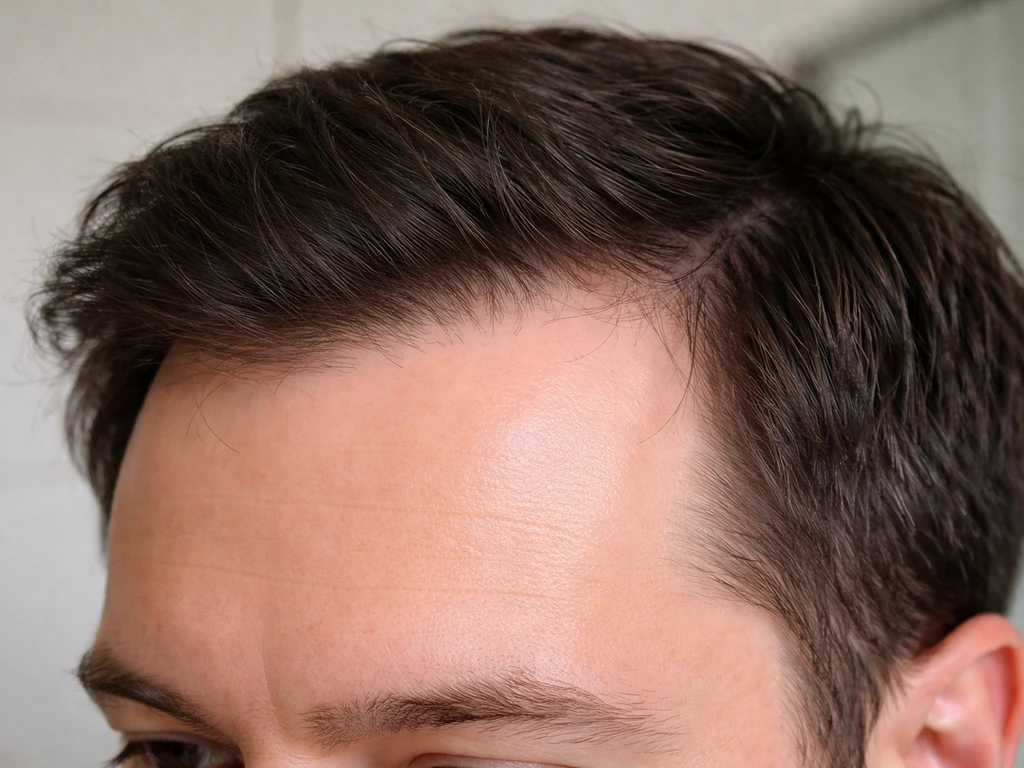
Why the sides are thinning in the first place
The sides and temporal areas are some of the first places to show hair loss, and there are a handful of reasons for that. Androgenetic alopecia (AGA) is the most common culprit in both men and women. In men, it typically starts at the temples and crown; the hair follicles in those areas are genetically sensitive to dihydrotestosterone (DHT), which shortens the growth cycle until the hairs become too fine to see. Women experience AGA too, though it often shows as diffuse thinning across the top and sides rather than a sharp recession.
Beyond pattern loss, the sides take a hit from traction. If you regularly wear tight braids, ponytails, weaves, or extensions, the repeated tension on the marginal hairline, including the temples, is a known cause of traction alopecia. Caught early, it's reversible. Left alone for years, the follicles can scar and stop producing hair permanently.
Seborrheic dermatitis and scalp inflammation are underrated contributors. When Malassezia yeast overgrows on the scalp, it triggers flaking, itching, and low-grade inflammation that can interfere with healthy follicle function. The hairline and sides are common spots for this. Telogen effluvium (TE) is another possibility: about 2 to 3 months after a major stressor (illness, surgery, childbirth, crash dieting), hair shifts into the shedding phase in large numbers. This tends to be diffuse, but the temples can look noticeably thinner. Acute TE typically resolves within 6 to 8 months once the trigger is dealt with.
Less common but important to know: scarring alopecias like folliculitis decalvans can destroy follicles permanently through inflammation and pustules. These need a dermatologist, not a home routine.
Quick self-check: pattern loss, breakage, or scalp issues?
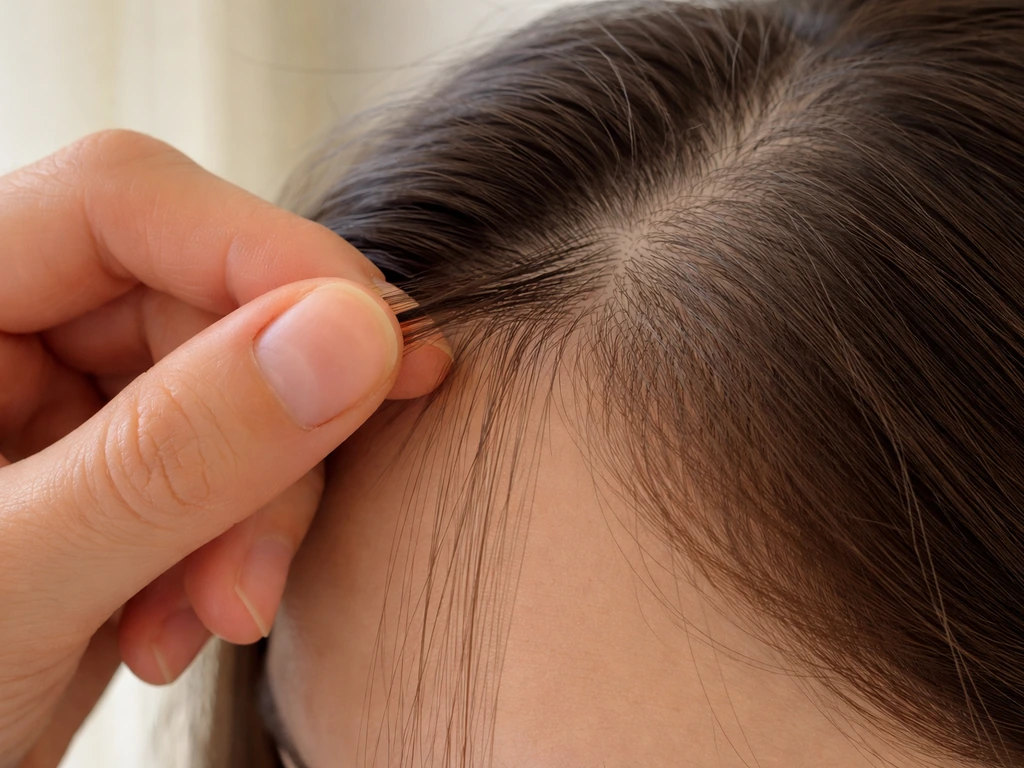
You can narrow down the cause yourself before spending any money. Here's how to look at what's actually happening.
- Pull test: Gently grasp about 40 strands near the temple between your thumb and forefinger and pull with light, steady pressure. If 6 or more hairs come out easily, active shedding is happening. If the hairs are short, broken, and uneven rather than coming out from the root, you're looking at breakage from damage, not follicle loss.
- Look at the hairline under good light: A gradual, symmetrical recession at the temples with shorter, finer hairs at the edges is a classic early sign of androgenetic alopecia. A patchy, uneven edge with some areas bare and others normal points more toward traction or alopecia areata.
- Check your scalp: Redness, scaling, flaking, or an itchy hairline suggests seborrheic dermatitis or inflammation. Pustules or crusting with visible scarring at the surface is a warning sign for something like folliculitis decalvans, and that's a 'see a dermatologist now' situation.
- Think about your recent history: Did you have a stressful event, illness, or major dietary change 2 to 4 months before you noticed the shedding? That timing points toward telogen effluvium. Has your hairstyle involved tight pulling on the sides for months or years? That's traction.
- Look at the hair itself: If you're finding short, tapered regrowth hairs at the temples, that's a good sign. Follicles are working. If you're finding miniaturized, fine, wispy hairs in the same spot for a long time, that's more consistent with AGA progression.
If you genuinely can't tell, or if you're seeing pustules, patches with no regrowth, or rapid widespread loss, skip the self-diagnosis and go straight to a dermatologist or trichologist. A trichoscopy exam can distinguish telogen effluvium from early AGA and scarring conditions far more accurately than any mirror check at home.
Build a side-specific scalp care routine
Whatever the underlying cause, a clean, calm, irritation-free scalp is the foundation. You can't grow hair well in an inflamed or clogged environment. Here's how to set that up.
Washing frequency and product choice
Wash your scalp at least every 2 to 3 days if you have any tendency toward oiliness, flaking, or dandruff at the hairline. Under-washing lets Malassezia yeast proliferate, which drives inflammation. For seborrheic dermatitis, the Merck Manual professional guidance notes that scalp shampooing at least twice weekly can help prevent less frequent washing from enabling Malassezia proliferation, and it highlights ketoconazole 2% as an antifungal option blank" rel="noopener noreferrer">shampooing lets Malassezia yeast proliferate. Use a gentle, sulfate-free shampoo for regular washing, and if you're dealing with dandruff or seborrheic dermatitis at the sides, blank" rel="noopener noreferrer">rotate in a ketoconazole 2% shampoo twice weekly. Clinical evidence supports twice-weekly use for 2 to 4 weeks to get flaking and inflammation under control, and it's significantly more effective than zinc pyrithione shampoos for moderate-to-severe seborrheic dermatitis. When you wash, focus the lather on your scalp rather than the hair shaft, and rinse thoroughly so no residue sits at the hairline.
Scalp massage
Daily scalp massage at the temples is low-cost and worth the 3 to 4 minutes it takes. Use the pads of your fingers (not nails) and apply firm but gentle circular pressure across the sides and temples for about 3 to 5 minutes. This supports blood circulation to the follicles and can help with product absorption if you're applying a topical afterward. You can do this dry or with a few drops of a carrier oil like jojoba, but don't expect the oil itself to regrow hair. It's about the mechanical stimulation.
Protecting the sides from further damage
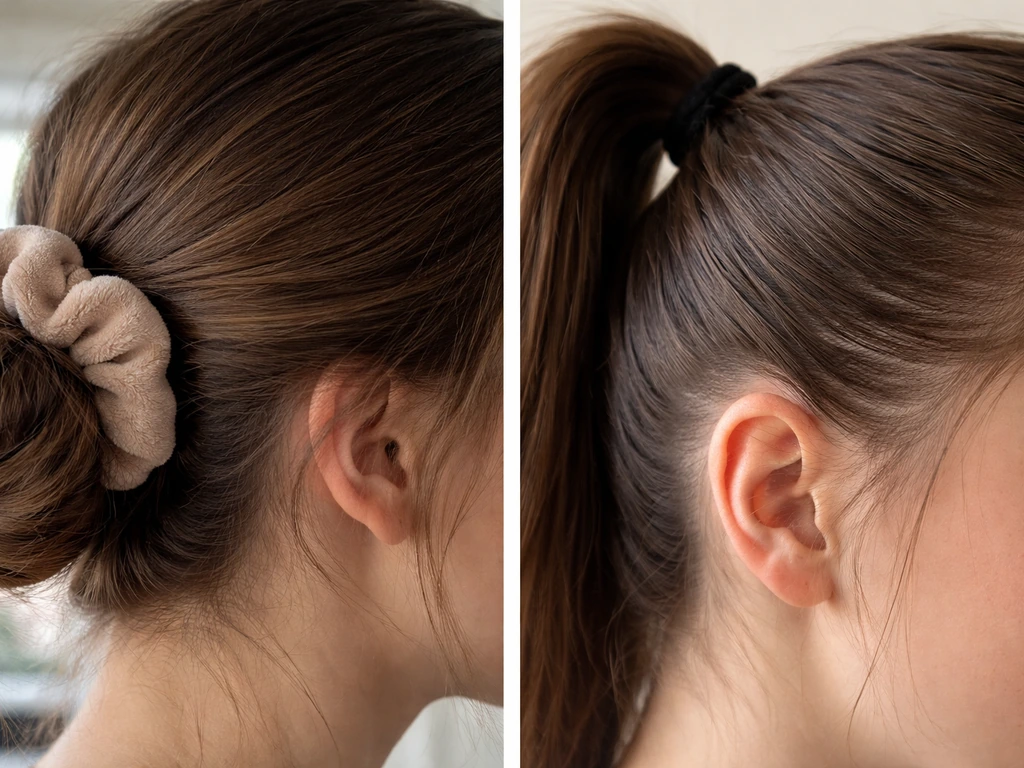
- Avoid tight styles that pull on the temples: this means tight ponytails, cornrows, braids, and weaves worn repeatedly in the same way. If your temples are already thinning, any tension there makes it worse.
- Let your hair air dry when possible. If you use heat tools near the sides, keep the temperature below 300°F (150°C) and always use a heat protectant.
- Skip chemical processes (relaxers, perms, bleach) directly at the hairline and temple area while you're trying to recover. Chemicals damage the hair shaft and can irritate the scalp at the margins.
- Change your part or hairstyle periodically if you always wear your hair the same way. The same repeated tension on the same follicles adds up.
- Use a silk or satin pillowcase or a satin bonnet if you sleep with your hair in a style that causes friction at the temples.
Proven topicals and how to use them consistently
If your thinning is due to androgenetic alopecia (or you suspect it is), topical minoxidil is the most evidence-backed over-the-counter treatment you can start today. For thinning specifically on the top of your head, use these steps alongside targeted treatments like minoxidil to support regrowth how to grow hair on top of head. It works by prolonging the anagen (growth) phase of the hair follicle and increasing blood flow to the area. It doesn't block DHT, but it directly supports follicle activity.
Minoxidil: which strength and how to apply it
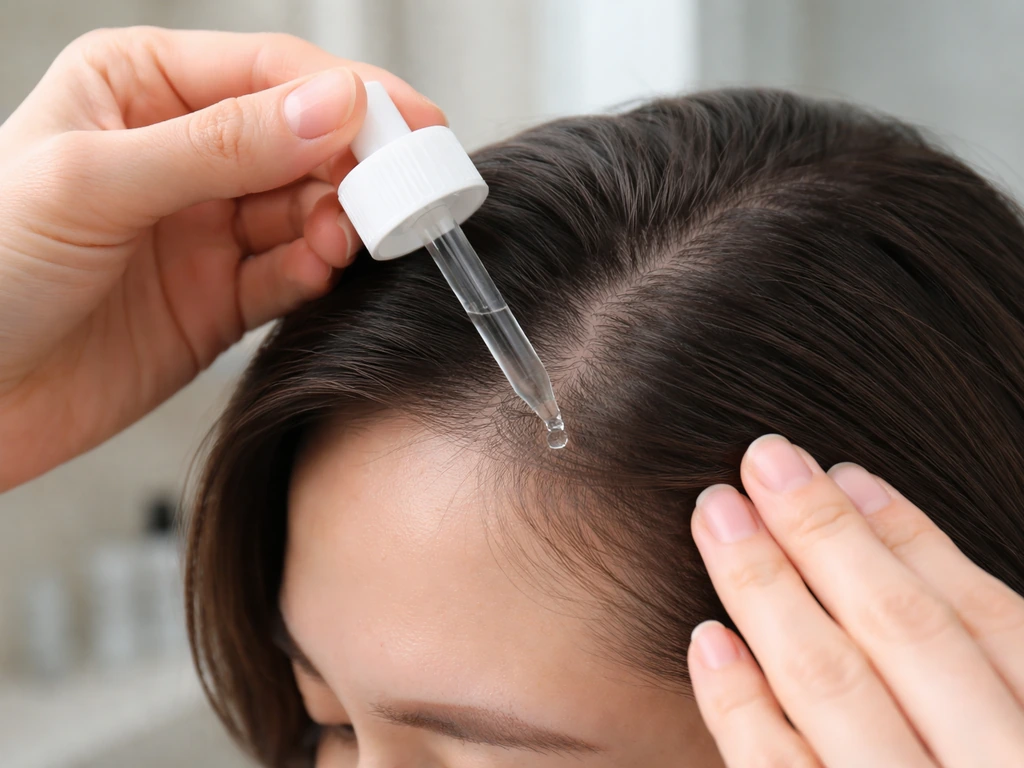
For men, a 48-week randomized controlled trial found that 5% topical minoxidil was significantly better than 2% for increasing non-vellus hair count and improving scalp coverage. The 5% formulation is the standard recommendation for men. For women, 2% topical minoxidil has been the standard, though some dermatologists now recommend the 5% foam formulation at once-daily application. Check with your doctor on dosing if you're a woman starting for the first time.
Apply minoxidil directly to the dry scalp at the temples and sides, not to the hair. Use the dropper or foam applicator to target the thinning areas specifically. The standard dosing is 1 mL of the liquid solution or half a capful of foam, twice daily (or once daily for the 5% foam in women). Part your hair to expose the scalp, apply, and gently spread with your fingertips. Let it dry completely before styling or going to bed. Consistency matters more than anything else with minoxidil. Missing days slows or reverses progress.
One thing to expect: within the first 2 to 8 weeks of starting minoxidil, you may notice more shedding. This happens because the treatment pushes resting follicles out of the telogen phase and into anagen, causing existing hairs to shed before new ones grow in. It's a known and temporary response, not a sign the treatment is making things worse. Stick with it.
Complementary scalp serums and oils
Rosemary oil, peppermint oil, and caffeine-based serums are popular and have some early supportive research, but they're not a substitute for minoxidil if pattern loss is involved. Think of them as supportive, not transformative. If you want to add a scalp serum, apply it during your massage before minoxidil (or on days you're not applying minoxidil) and be careful not to layer so many products that you're irritating the hairline. Less is more here.
Nutrition and supplements that support follicle growth
Hair follicles are metabolically demanding. If your body is short on key nutrients, the follicles are among the first things to get deprioritized. The good news is that nutritional hair loss is one of the more correctable causes once you identify the gap.
What to test before you supplement
Before buying a stack of supplements, get bloodwork done. Ask your doctor to check ferritin (iron storage), vitamin D, zinc, and a complete blood count. Ferritin is especially important: research suggests that a ferritin level below 40 ng/mL is associated with telogen effluvium-related hair loss, with high sensitivity. Many labs consider anything above 12 to 15 ng/mL 'normal,' but that cutoff is too low for optimal hair growth. If your ferritin is in the 20s or 30s and you're losing hair, addressing iron is worth doing. Vitamin D deficiency is extremely common and linked to hair loss in multiple studies. Get the number before you guess.
Nutrients that actually matter for side hair growth
| Nutrient | Role in hair growth | What to do |
|---|---|---|
| Protein | Hair is made of keratin; inadequate protein directly causes shedding | Aim for 0.7–1g per pound of body weight daily from whole food sources |
| Iron/Ferritin | Low ferritin is a documented trigger for telogen effluvium | Test ferritin; supplement only if below 40 ng/mL and under guidance |
| Vitamin D | Vitamin D receptors are present in follicles; deficiency linked to hair loss | Test levels; supplement if deficient (typically 1,000–4,000 IU/day depending on baseline) |
| Zinc | Supports follicle cycling and sebum regulation | Test before supplementing; excess zinc can actually cause hair loss |
| Biotin | Often marketed for hair; deficiency is genuinely rare in healthy adults | Only supplement if you have confirmed deficiency; skip if your diet is adequate |
Biotin deserves a specific note because it's heavily marketed for hair. The NIH states that biotin deficiency is very rare in people eating a normal diet, and Mayo Clinic confirms that the claims around biotin supplements for hair loss are not proven. If your ferritin, vitamin D, and zinc are all fine and you're eating enough protein, adding biotin is unlikely to change anything at the sides of your head.
Lifestyle habits that protect the sides long-term
Traction and styling
Traction alopecia is preventable and, in its early stages, reversible. The American Academy of Dermatology is clear that repeated tight pulling on the hairline can cause permanent loss if it continues long enough. If you've been wearing tight styles for years and your temples have been receding in a pattern that matches the tension, the number one intervention is to stop the tension. Give those follicles at least 3 to 6 months without any pulling styles before you judge whether topical treatments are working.
Heat and chemical damage
Heat damage causes breakage, which can mimic thinning at the sides. If you're regularly flat ironing or using curling wands near your temples without heat protection, you may be snapping the hair shaft rather than losing it from the follicle. The fix is straightforward: lower heat, heat protectant spray every time, and fewer heat styling sessions per week. For curly and coily hair types especially, the hairline and temple area are delicate and prone to dryness and mechanical breakage. Deep conditioning the ends and keeping the perimeter moisturized (with leave-in conditioners or light oils) helps reduce that breakage.
Hormones and stress
Chronic stress elevates cortisol, which disrupts the hair cycle and can push follicles into the resting phase prematurely. Acute stress events (a major illness, surgery, extreme caloric restriction) typically cause telogen effluvium with a 2 to 3 month delay, then shedding that can last several months. Addressing the underlying stressor, whether through sleep, exercise, therapy, or medical treatment, is part of the hair recovery plan, not just a nice-to-have. Hormonal shifts, like postpartum changes, thyroid dysfunction, or perimenopause, can also cause side thinning. If you suspect a hormonal cause, a blood panel (TSH, free T4, sex hormones) gives you something concrete to work with.
What a realistic timeline looks like
Hair grows about half an inch per month on average. Regrowing visible density at the temples takes longer than you expect, and you have to think in seasons, not weeks. Here's an honest breakdown of what to expect. If you're wondering how to grow more head hair overall, use the same cause-specific approach while tracking progress over time.
- Weeks 2 to 8: If you've started minoxidil, expect the initial shedding phase. This is normal. Don't stop. Your scalp may also take a few weeks to adjust to new products.
- Months 2 to 4: Shedding slows. You might start to see short, fuzzy new hairs at the temples, especially under good lighting. Don't expect density yet.
- Months 4 to 6: This is when most people start to see a real difference in density and coverage, assuming consistent treatment. Hair count improvements are measurable at around 48 weeks in clinical trials.
- Month 6 and beyond: Full assessment time. Take photos every 4 weeks in the same lighting and position. Compare at 3 months and 6 months. 'Results' at this stage means more hairs per square centimeter, less scalp showing, and less shedding. For telogen effluvium, most acute cases resolve within 6 to 8 months after the trigger is removed.
- 12 months: For AGA specifically, a 12-month mark gives you a solid read on whether topical minoxidil alone is working, or whether you need to discuss additional options with a dermatologist.
Take baseline photos before you start anything. Hold your phone at the same distance, use the same lighting (natural light or a ring light), and photograph both temples from the front and side. This removes the guesswork and gives you something objective to compare against. Don't rely on memory.
When to see a dermatologist and what they can offer
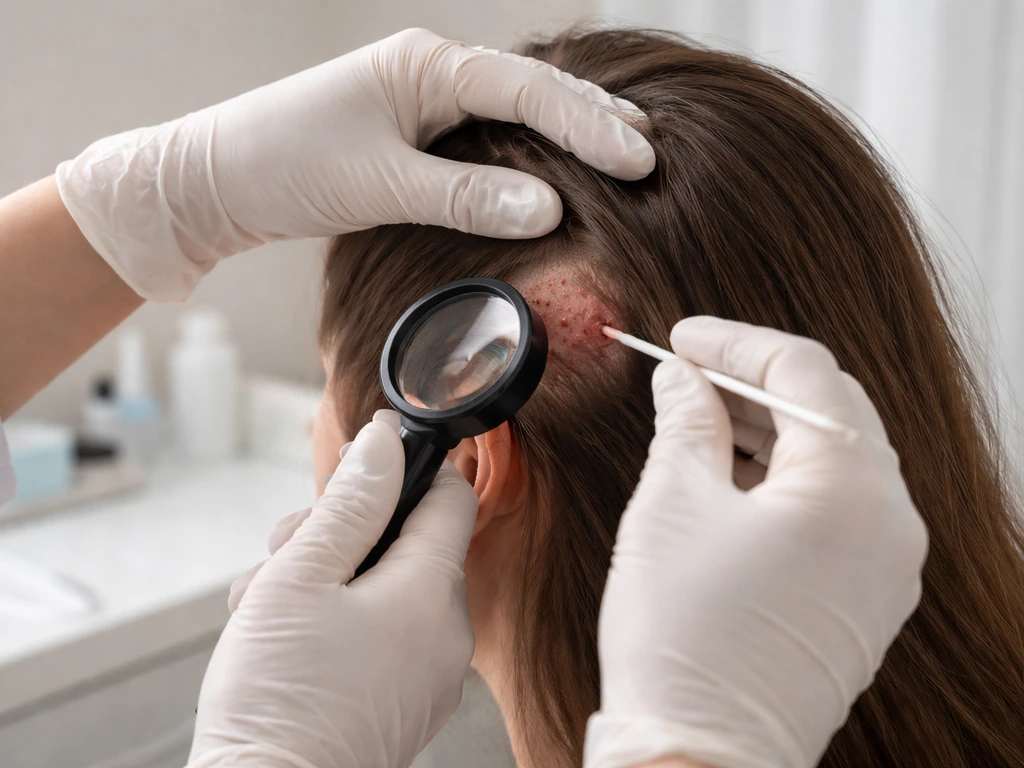
Some causes of side thinning genuinely require professional diagnosis and treatment, and waiting too long to get help can mean the difference between reversible and permanent loss. Go see a dermatologist or trichologist if:
- You're seeing pustules, crusting, significant redness, or scarring at the temples, which can indicate folliculitis decalvans or another scarring alopecia that destroys follicles permanently.
- You've used topical minoxidil consistently for 6 months with no improvement.
- The shedding is rapid, widespread, or accompanied by other symptoms like fatigue, weight changes, or nail changes (which may point to a systemic cause).
- You have patchy, well-defined areas of loss rather than diffuse thinning (alopecia areata needs different treatment).
- You suspect your hair loss is hormonal or related to a medical condition.
A dermatologist can do a trichoscopy exam, which gives a far more accurate picture than a mirror check at home. They can distinguish telogen effluvium from early AGA from scarring conditions, and that distinction changes everything about treatment. They can also prescribe oral finasteride for men with AGA (an FDA-approved option that works alongside topical minoxidil by blocking DHT systemically), or discuss prescription-strength oral minoxidil, which is increasingly used at low doses for both men and women with AGA. Low-level laser therapy (LLLT) via a cap or comb device is another clinically supported add-on for AGA that a dermatologist may recommend. Procedures like platelet-rich plasma (PRP) injections and hair transplant surgery are further-step options for people who haven't responded adequately to topical treatments.
If scarring alopecia is suspected or confirmed, see a dermatologist urgently. The American Academy of Family Physicians notes that scarring alopecia is best evaluated by a specialist because early intervention is what limits permanent follicle damage. This is not a situation where home remedies buy you time.
If you're working on other areas beyond just the sides, the approach overlaps significantly with strategies for crown thinning and general density on the top of the head, since many of the same causes (AGA, TE, nutrition, scalp health) affect those zones too. The temple and side area is just often where the story starts, which makes addressing it early especially worthwhile.
FAQ
How can I tell if my temple thinning is from pattern hair loss versus shedding (telogen effluvium)?
A useful clue is timing and uniformity. Telogen effluvium often starts 2 to 3 months after a clear trigger and looks more diffuse, with more hairs coming out during washing or brushing. Androgenetic alopecia tends to show a gradual, patterned reduction at the temples, with thinner miniaturized hairs. If you cannot map a trigger, or if you are seeing no regrowth after months, a trichoscopy appointment helps confirm what’s happening under the surface.
Will minoxidil work if my thinning is mainly caused by traction or scalp inflammation?
Minoxidil may help some people, but it is not the primary fix for traction alopecia. If the follicles are still under ongoing tension, the gains can be limited even with good minoxidil use. For inflammation-driven thinning, getting the scalp under control (for example, rotating an appropriate anti-dandruff treatment and avoiding irritants) is usually the first step, then reassessing whether minoxidil is needed.
Do I need to stop hair oiling or leave-ins when using minoxidil?
You do not have to avoid oils entirely, but you should prevent residue from interfering with absorption. Apply minoxidil to completely dry scalp, and avoid layering heavy conditioners, pomades, or thick oils directly at the hairline before your minoxidil dose. Many people do scalp massage and any lighter serum first, wait for it to dry, then apply minoxidil.
Is it normal to itch or get flakes after starting ketoconazole or minoxidil?
Mild dryness or temporary sensitivity can happen, especially if your scalp was already irritated. If itching becomes intense, you develop new burning, worsening redness, or crusting, stop and reassess the regimen, because that can point to contact irritation or an incorrect diagnosis. Also check that you are rinsing thoroughly and not leaving shampoo residue at the temples.
How long should I wait before deciding a treatment is not working on the sides?
Track at least 3 months before making a call, because follicles need time to shift into a new growth phase. Visible density at the temples often takes longer, closer to 4 to 6 months for meaningful changes, with best perspective at 6 to 12 months for pattern loss. Always compare to baseline photos taken with the same lighting and distance.
Can heat styling or breakage make my temples look thinner even if follicles are fine?
Yes. Breakage lowers the length of hairs, which can look like thinning, especially near the hairline. A common sign is that individual hairs snap near the ends, and you may see shorter regrowth fuzz rather than a widening scalp display. Use heat protectant, reduce frequency, and prioritize perimeter conditioning to distinguish breakage from follicle loss.
If I have dandruff, should I treat it before I start minoxidil?
Often it helps. A calm scalp supports better tolerance and reduces the chance that inflammation is driving shedding. For many people, starting a ketoconazole shampoo routine while beginning minoxidil is reasonable, but keep doses separated as needed and ensure the scalp is fully dry before minoxidil application.
Can I use rosemary oil or caffeine serum instead of minoxidil for temple hair?
They can be complementary, but they are unlikely to match minoxidil’s evidence for androgenetic alopecia. If pattern loss is suspected, consider minoxidil the core treatment and use supportive serums during massage or on non-minoxidil days. If you skip minoxidil entirely, expect slower or smaller changes if AGA is present.
How should I apply minoxidil to avoid getting it on my face or causing irritation?
Part the hair to expose the scalp and apply only to the thinning area at the temples and sides. Use the dropper or foam applicator precisely, then wash your hands after. Let it fully dry before touching your face, and avoid sleeping with it still wet to reduce transfer and irritation.
What are red flags that mean I should see a dermatologist sooner rather than later?
Seek evaluation urgently if you notice pustules, painful bumps, thick crusting, smooth bald patches with no regrowth, or rapidly expanding loss. Those can signal scarring alopecias or active follicular inflammation where early treatment can prevent permanent follicle damage.
Should I get bloodwork even if I think my temple thinning is genetic?
It can still be useful, because mixed causes are common. If you have recent stressors, dietary changes, heavy shedding, or symptoms of deficiency, testing ferritin, vitamin D, and possibly zinc can identify an additional reversible driver. If results are normal and thinning is patterned, that supports focusing on AGA-directed treatment.
Does biotin actually help with side hair thinning?
Usually not, unless you are truly deficient. In people with normal diets, biotin deficiency is rare, so supplements often do not change outcomes. If you want to supplement, consider doing it only after checking other more actionable factors like ferritin and vitamin D, because those deficiencies are more commonly linked to shedding.
Next Articles
How to Grow Hair on Top of Head: Step by Step Plan
Step-by-step plan to regrow and thicken crown hair for men and women using scalp care, minoxidil, and proven routines.
How to Grow Hair on Head: Step-by-Step Follicle Plan
Step-by-step plan to grow hair on head by boosting scalp health, hair cycle, nutrition, and evidence-based treatments.
How to Grow More Head Hair: Step-by-Step Guide
Step-by-step guide to grow more head hair with nutrition, topical care, lifestyle fixes, timelines, and when to see a de