
Growing hair on the top of your head comes down to three things: figuring out why it's thinning there in the first place, removing whatever is working against your follicles, and consistently applying the treatments that actually have evidence behind them. If you want the practical answer to how to grow more head hair, start by identifying which of these causes you’re dealing with and then follow the evidence-based routine that matches it. For most people, that means addressing androgenetic hair loss or a nutritional/stress trigger, protecting the scalp, and giving minoxidil or targeted scalp care a real runway of at least four to six months before judging results. The top and crown area is where thinning shows up first and most visibly for a reason, and that same biology tells you exactly where to focus.
How to Grow Hair on Top of Head: Step by Step Plan

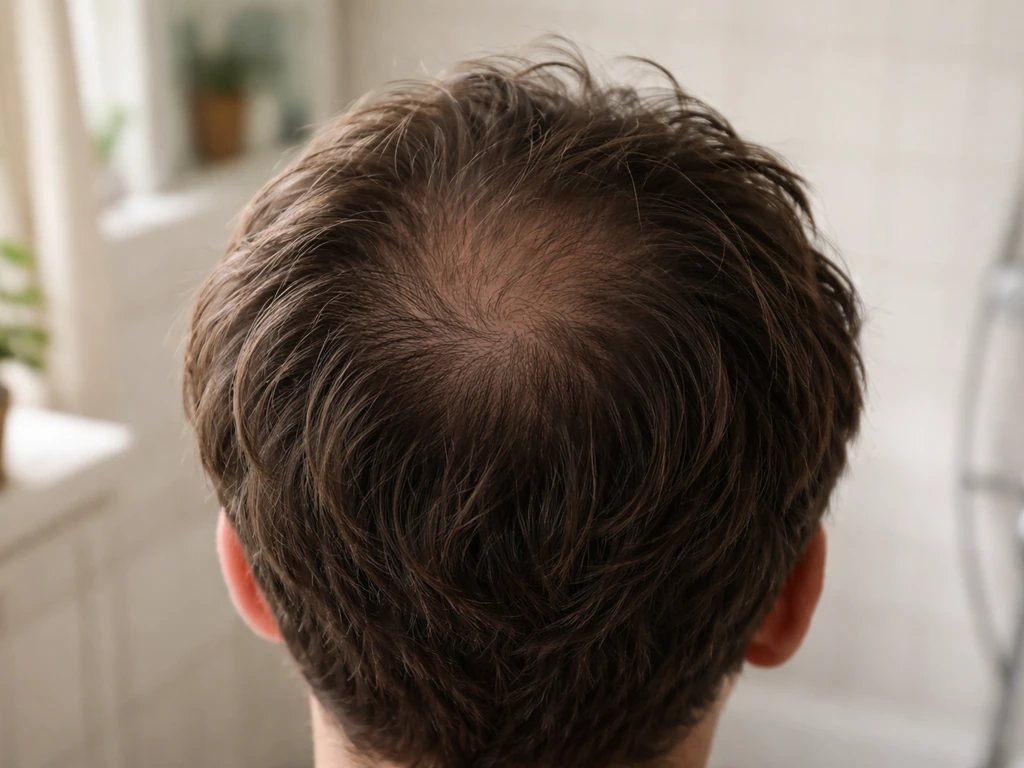
Why hair thins on top of your head (and not everywhere else)
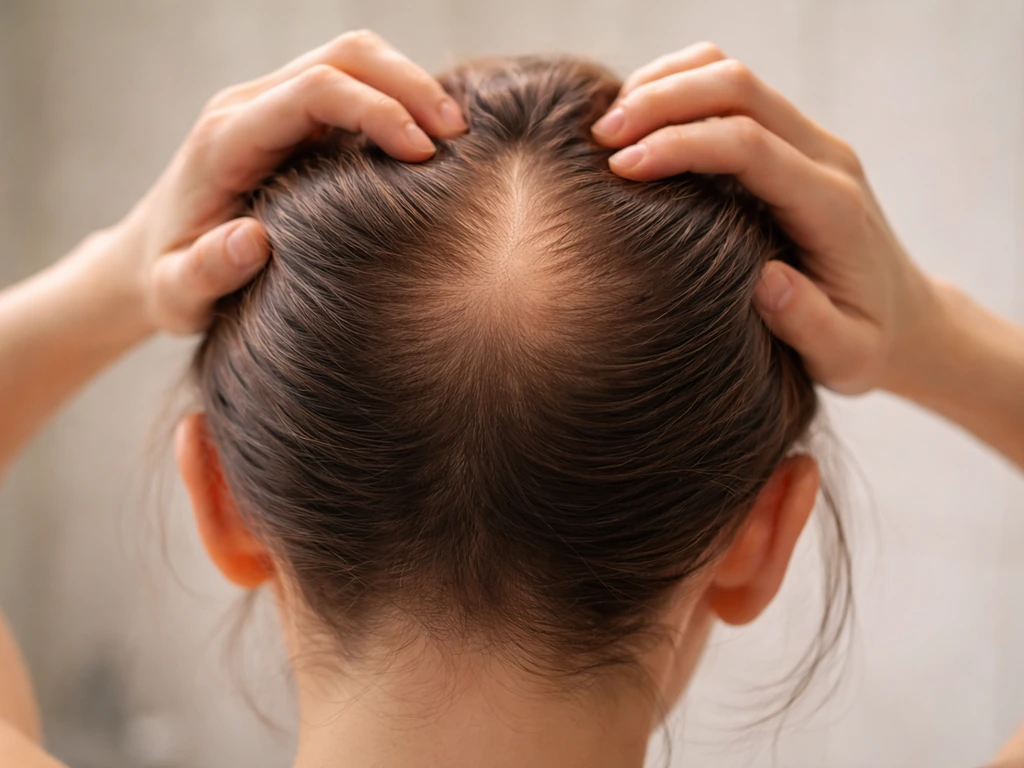
The top of the scalp, especially the crown and vertex area, has follicles that are more sensitive to androgens than the follicles on the sides and back. That sensitivity is largely genetic, which is why androgenetic alopecia (commonly called male-pattern or female-pattern hair loss) always starts there. Over time, dihydrotestosterone (DHT) binds to receptors in those follicles, shortening the active growth phase and causing each successive hair to grow in thinner and shorter until the follicle eventually stops producing visible hair at all. Women experience this too, though the pattern usually looks different: instead of a receding hairline, the part widens and the top-central scalp becomes progressively thinner while the frontal hairline stays mostly intact.
But androgenetic alopecia isn't the only story. Telogen effluvium is a diffuse shedding that happens when a significant physical or emotional stress pushes a large percentage of hairs into the resting (telogen) phase simultaneously. You'll often notice the shedding one to six months after the triggering event, whether that's surgery, illness, a crash diet, childbirth, or a period of intense psychological stress.
The scalp itself looks completely normal with no redness or scaling, and the shedding tends to be all over, though it can look most dramatic on top because that's where hair is most visible. Some estimates suggest telogen effluvium can shed up to half of scalp hair in severe cases. The good news is that it's usually reversible once the trigger is addressed.
Two other causes worth knowing: scalp inflammation and traction. Seborrheic dermatitis, scalp psoriasis, or chronic inflammation can compromise the follicular environment on the top of the scalp and slow growth even when everything else is fine. And traction alopecia, caused by tight hairstyles that constantly pull on follicles, most often damages hair at the hairline and crown. If you wear tight buns, braids, or ponytails regularly and your thinning is centered where the tension sits, traction is a real suspect.
Central centrifugal cicatricial alopecia (CCCA) is a scarring condition that also starts at the crown and vertex, and it's more common in women of African descent. Scarring causes are less common overall but important to rule out early because follicle damage can become permanent.
Are you dealing with pattern thinning, shedding, or breakage? How to tell
Before you buy anything or start a routine, it's worth doing a quick self-assessment. Treating the wrong cause wastes months and sometimes worsens the problem. Here's how to read your own situation:
- Pattern thinning: Hair on top gradually gets finer and shorter over months or years. Your part looks wider than it used to. Hair loss is slow and progressive, not a sudden event. This points toward androgenetic alopecia.
- Telogen effluvium shedding: You're losing noticeably more hair in the shower or on your pillow than usual. It started weeks or months after a stressful event, illness, or diet change. The scalp looks and feels normal. Hairs fall out from the root (you can see a small white bulb at the end).
- Breakage, not loss: Shorter strands scattered throughout, especially on top, often near the hairline or where you tie your hair. No white bulb at the end of broken hairs. This is a hair shaft problem, not a follicle problem, and is caused by heat, chemical damage, or mechanical stress.
- Alopecia areata: Smooth, coin-shaped patches of complete hair loss anywhere on the scalp, including the top. This is an autoimmune condition and needs professional evaluation.
- Scalp issues: Flaking, itching, redness, or tenderness on the scalp alongside thinning often signals inflammation or a skin condition that's disrupting the follicular environment.
A simple pull test can also give you a clue. Gently grip about 40 to 60 hairs between your fingers and pull slowly from root to tip. Losing more than 6 hairs consistently is considered a positive pull test and suggests active shedding rather than chronic pattern loss. If you're genuinely unsure, or if you're seeing patchy loss or scalp changes, skip straight to the dermatologist section below before spending money on treatments.
A daily routine that actually supports hair growth on top
Consistency in your daily habits matters more than any single product. The goal of a good hair routine is to keep the scalp clean and well-circulated, minimize mechanical damage, and maintain a follicular environment where growth can happen. Here's what a practical daily and weekly routine looks like:
Washing and scalp care
Wash your hair often enough to keep the scalp free of excess sebum, product buildup, and flaking, which can clog follicles and worsen inflammation. For most people, that's every two to three days. Use a gentle, sulfate-free shampoo for everyday washing, and if you have dandruff or an itchy scalp, use a medicated shampoo with ketoconazole, zinc pyrithione, or selenium sulfide once or twice a week. These antifungal and anti-inflammatory ingredients reduce scalp inflammation that can quietly undermine hair growth.
When you shampoo, spend a minute or two massaging the scalp with your fingertips, not your nails. Research on scalp massage is modest but promising, with some evidence suggesting it can modestly increase hair thickness over consistent practice. At minimum, the circulation boost is real and it costs nothing.
Handling and styling
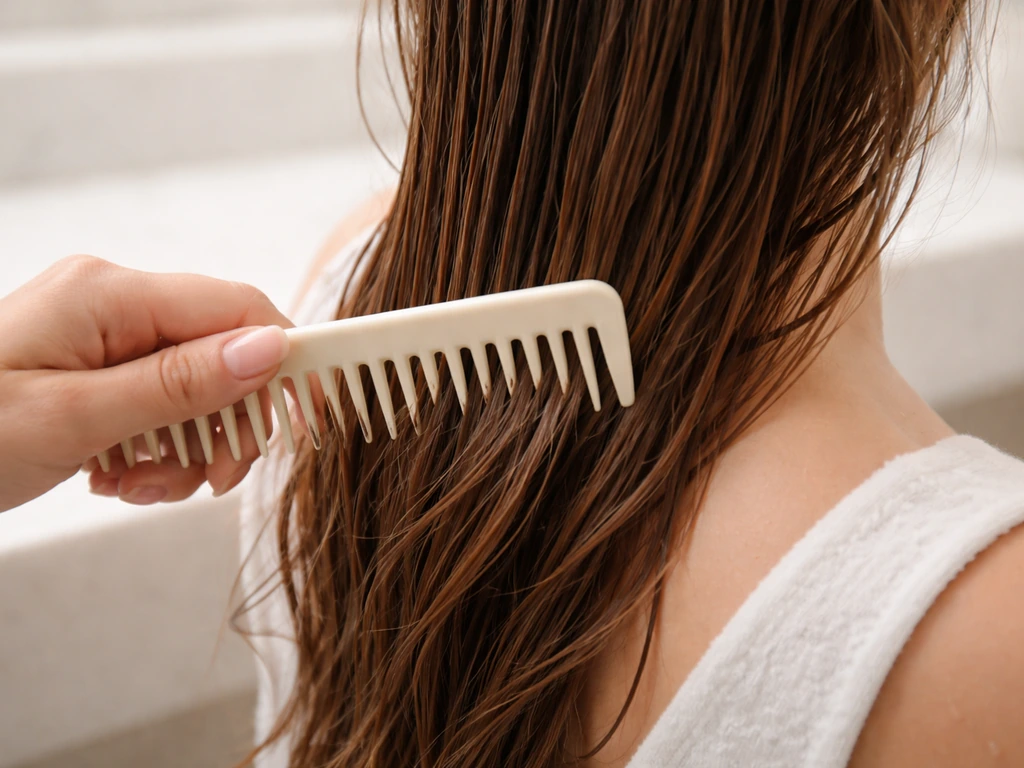
This is where a lot of people quietly make things worse. Wet hair is at its most fragile, so avoid brushing it aggressively right out of the shower. Use a wide-tooth comb and work from the ends up. Limit heat tools to a few times a week maximum, and always use a heat protectant spray when you do. If you wear your hair in tight styles regularly, buns, tight braids, or high ponytails, give your scalp rest days where hair is down or loosely tied. Persistent pulling on follicles is a documented cause of traction alopecia. This matters especially if your thinning is centered right where you typically tie your hair.
Weekly scalp treatment
Once a week, consider applying a lightweight scalp oil or serum and massaging it in for five to ten minutes. Oils like rosemary oil have shown some early evidence for promoting hair growth, with one small study comparing it favorably to 2% minoxidil at six months, though the evidence base is still limited. Use it as a supportive addition, not a replacement for evidence-based treatments. After applying, you can cover with a warm towel for 20 to 30 minutes before washing out. Keep the focus on the top and crown area.
Treatments with real evidence behind them
If your thinning is related to androgenetic alopecia, or even a prolonged telogen effluvium that isn't reversing on its own, you'll get the most traction from treatments that are clinically supported. Here's what actually has evidence and how to use each one.
Minoxidil: the first-line option for most people
Minoxidil is the most widely recommended topical treatment for both male and female pattern hair loss, and it's the only FDA-approved topical treatment for women. It works by prolonging the anagen (active growth) phase of the hair cycle and increasing blood flow to the follicle. For women, 2% or 5% minoxidil solution is commonly used; 5% is generally more effective but can occasionally cause facial hair in women, so some start at 2%. Men typically use 5% foam or solution.
Apply it directly to the dry scalp on the top and crown area, twice daily for the solution, or once daily for most foam formulations. Rub it gently into the scalp and leave it on. Do not rinse it off. The single biggest mistake people make with minoxidil is stopping too soon.
You will likely see increased shedding in the first four to eight weeks. That's normal and indicates the treatment is working, pushing old hairs out to make room for new growth. Stick with it for at least four to six months before assessing whether it's working. If you want a simple starting plan, focus on proven options like minoxidil and scalp treatments and keep them consistent for months.
If you're wondering how to grow crown hair, the key is to start the right evidence-based treatment early and stay consistent long enough to judge results. Many people see the most significant improvement between months six and twelve.
Oral minoxidil (low-dose)
Low-dose oral minoxidil (typically 0.25 to 2.5 mg daily for women, up to 5 mg for men) has grown significantly in clinical use and shows strong results in published studies. Some people find it more convenient than remembering twice-daily topical application, and it covers the entire scalp uniformly rather than just where you apply it. It requires a prescription and carries some cardiovascular considerations, so it's a conversation to have with a dermatologist rather than something to self-prescribe. But if topical minoxidil isn't giving you results or you're struggling with consistency, it's worth asking about.
Anti-inflammatory scalp care as a treatment layer
If scalp inflammation is part of your picture, treating it directly is not optional. A chronically irritated scalp environment can work against any growth treatment you're applying. A ketoconazole shampoo (1% over the counter, 2% by prescription) used two to three times a week has anti-inflammatory and mild anti-androgenic properties at the scalp level, making it a useful adjunct treatment for androgenetic alopecia even without obvious dandruff. This is something you can add without any downside.
Platelet-rich plasma (PRP) and microneedling
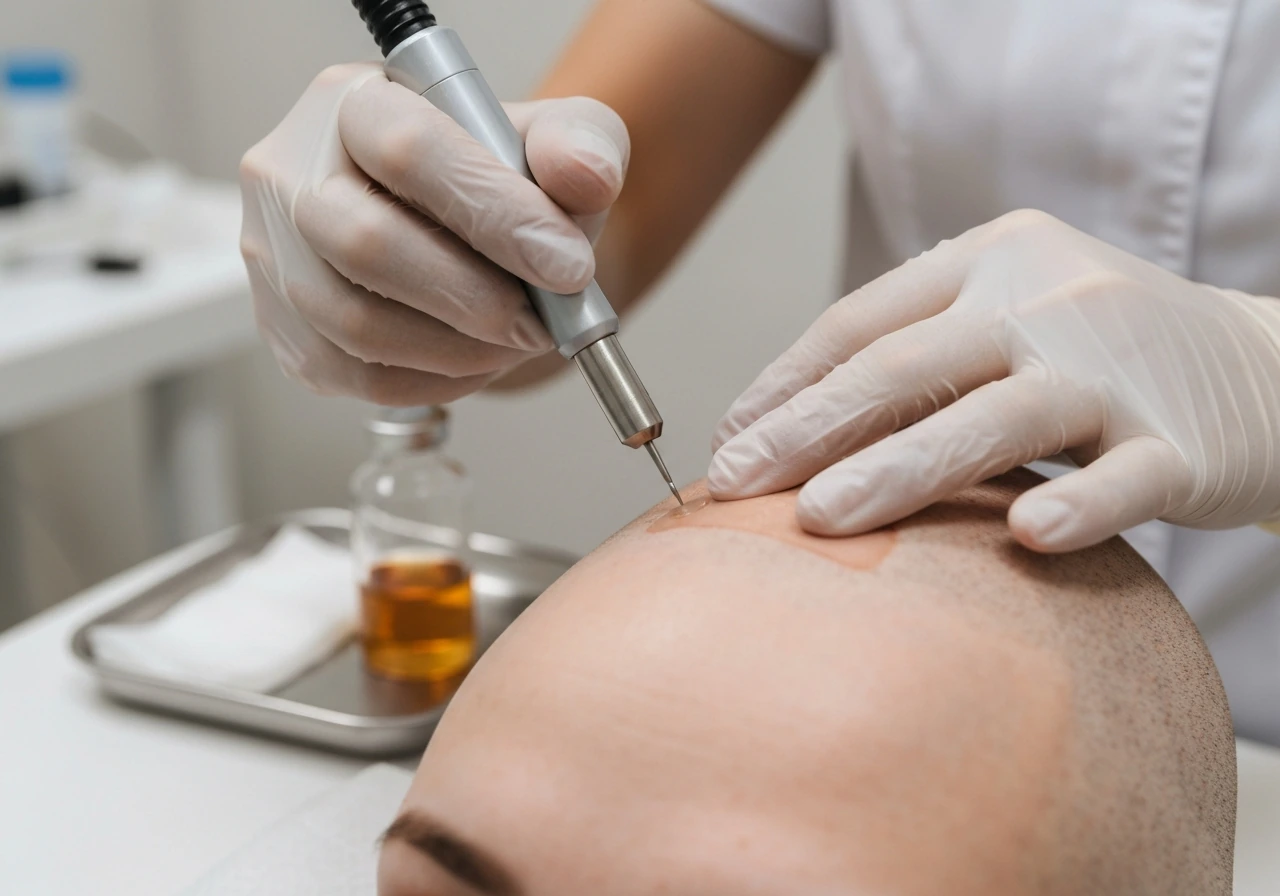
Microneedling the scalp (using a dermaroller or a professional device) has shown promising results for androgenetic alopecia in several clinical trials, and it may enhance absorption of topical minoxidil when used together. PRP, where your own growth-factor-rich blood plasma is injected into the scalp, has a growing evidence base for both male and female pattern hair loss. These are clinic-based procedures, not home solutions, but they're worth considering if first-line topical treatment plateaus. A dermatologist or trichologist can tell you whether you're a good candidate.
Nutrition and lifestyle: the foundation everything else is built on
No topical treatment works well on a body that's nutritionally depleted. Hair follicles are metabolically demanding, and they're one of the first things the body de-prioritizes when resources are scarce. These are the dietary and lifestyle factors most directly tied to hair growth on top of the head:
Protein
Hair is made almost entirely of keratin, a protein. If you're not eating enough protein, your body simply doesn't have the raw material to build hair. Most adults need at least 0.8 grams of protein per kilogram of body weight per day, but if you're actively trying to regrow hair and are physically active, aiming for closer to 1.2 to 1.6 grams is sensible. Eggs, fish, poultry, legumes, and Greek yogurt are all solid daily sources.
Iron and ferritin
Iron deficiency, even without full anemia, is one of the most commonly overlooked causes of hair shedding, especially in women who menstruate. The marker to ask for is serum ferritin, not just hemoglobin. Many labs flag ferritin as normal if it's above 12 micrograms per liter, but most hair loss specialists consider 70 to 80 micrograms per liter a more appropriate threshold for hair health. If your ferritin is low, correcting it through iron-rich foods or supplementation is essential before expecting other treatments to work well. Red meat, lentils, spinach paired with vitamin C, and fortified cereals are practical sources.
Vitamin D
Vitamin D receptors are present in hair follicles, and low vitamin D levels are consistently associated with various forms of alopecia in the literature. Many people are deficient without knowing it, especially in winter months or with limited sun exposure. Getting your level tested and supplementing to maintain 40 to 60 ng/mL is a low-risk, reasonable step. A daily supplement of 1,000 to 2,000 IU is typically enough for maintenance, though people with documented deficiency may need more under medical guidance.
Zinc
Zinc deficiency is a documented trigger for telogen effluvium and is associated with hair loss more broadly. Symptoms of deficiency can be subtle. Good food sources include pumpkin seeds, beef, chickpeas, and cashews. If you're supplementing, 25 to 40 mg daily of zinc (as zinc gluconate or zinc picolinate) is a common range, but more is not better. High-dose zinc supplementation can actually interfere with copper absorption and cause its own problems, so food sources are preferable if possible.
Stress and sleep
Chronic stress is a real trigger for telogen effluvium, and ongoing psychological stress keeps the hair cycle disrupted even after the initial shock. Sleep is when the body does most of its repair and growth processes. Consistently sleeping fewer than seven hours is linked to elevated cortisol, which works against hair follicle function. You don't need to overhaul your life overnight, but if stress and poor sleep are a permanent backdrop, addressing them directly will matter as much as anything you put on your scalp.
Mistakes that quietly sabotage your progress
Most people trying to regrow hair on the top of their head make at least a few of these mistakes. Recognizing them is genuinely half the battle.
- Stopping treatment too early: Minoxidil takes a minimum of four to six months to show meaningful results, and most people need a full year to assess its potential. Stopping at week eight because you haven't seen results (or because you're experiencing normal initial shedding) is the most common reason treatments seem to fail.
- Treating breakage like hair loss: If your issue is broken strands from heat or chemical damage rather than true follicle-level loss, no growth treatment will fix it. You need to address the mechanical damage first.
- Tight hairstyles worn constantly: Daily tight buns, braids, or ponytails create ongoing traction that physically stresses follicles. The Canadian Dermatology Association specifically highlights tight styles as a cause of traction alopecia. If you can't avoid them, at least vary where the tension sits.
- Using too many products at once: Layering multiple serums, oils, and treatments makes it impossible to know what's working, and some combinations can reduce minoxidil absorption or irritate the scalp.
- Ignoring underlying deficiencies: Applying minoxidil to a scalp that's working with depleted iron or vitamin D stores is fighting uphill. Get bloodwork done so you know what you're actually dealing with.
- Expecting fast results: Hair grows roughly half an inch per month on average. Even when a follicle is reactivated, it takes time for that new hair to become visible and longer. Set a realistic review window of six to twelve months, not six to twelve weeks.
How long until you actually see results
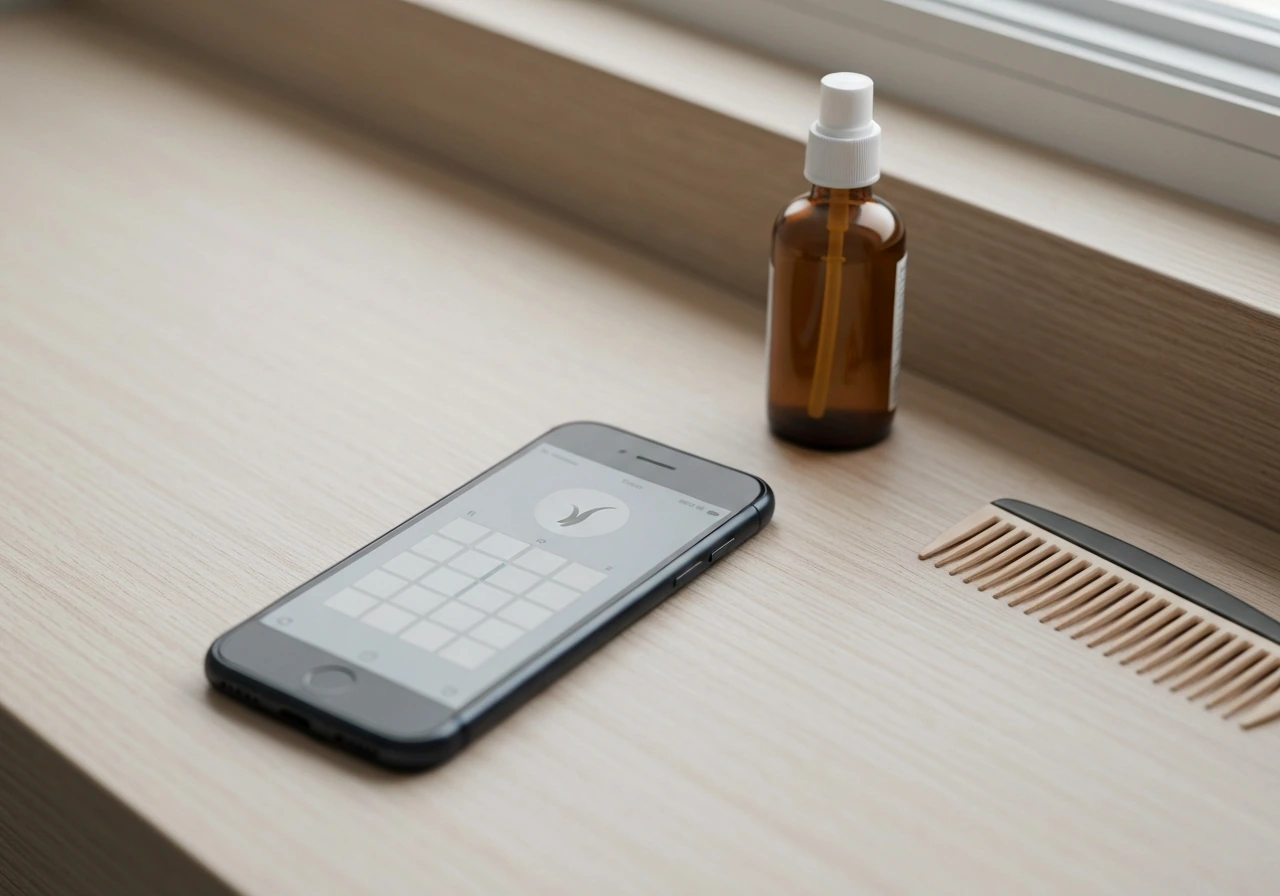
Here's a realistic timeline so you can calibrate expectations:
| Timeframe | What to expect |
|---|---|
| Weeks 1 to 4 | No visible new growth. Possible increase in shedding if using minoxidil (this is normal). |
| Months 2 to 3 | Shedding should normalize. Scalp health improvements may be visible if inflammation was a factor. |
| Months 4 to 6 | Early new growth may appear as fine, short hairs at the crown and top. This is the first real checkpoint. |
| Months 6 to 12 | Noticeable improvement in density for people who respond well. This is when most meaningful change happens. |
| Beyond 12 months | Continued gradual thickening. Pattern hair loss management is long-term, not a one-time fix. |
Telogen effluvium, if the trigger is removed, often resolves within six to twelve months without aggressive treatment. Pattern hair loss requires ongoing management because the underlying genetics don't change. Stopping treatment will usually mean gradual return to the previous level of thinning.
When it's time to see a dermatologist (and what to ask)
You can do a lot on your own, but there are situations where professional evaluation is the smartest next step rather than experimenting with more products. See a dermatologist or trichologist if any of the following apply to you:
- You're seeing smooth, patchy hair loss rather than diffuse thinning — this may indicate alopecia areata or another condition needing different treatment.
- Your scalp has tenderness, persistent redness, scaling, or a burning sensation alongside the hair loss — scarring conditions like CCCA are easier to treat when caught early.
- You've been on minoxidil consistently for six months with no response at all.
- Hair loss is rapid and progressing visibly over weeks, not months.
- You're a woman and your loss is severe enough that you'd like to discuss prescription options like oral minoxidil, spironolactone, or finasteride.
- You want baseline bloodwork to rule out nutritional deficiencies or thyroid dysfunction.
When you go, be specific about your history. Bring notes on when you first noticed thinning, any recent stressful events or illnesses, your diet over the past year, any medications you take, and whether anyone in your family has the same pattern. Ask for a trichoscopy (dermoscopy of the scalp) if available, as it gives the dermatologist real-time information about follicle miniaturization and scalp health without a biopsy.
Request a blood panel that includes serum ferritin, full iron studies, vitamin D (25-OH), zinc, TSH and free T4 for thyroid, and a complete blood count. These are the baseline tests that most hair loss cases benefit from. If the dermatologist seems to dismiss your concern quickly without a thorough examination, it's entirely reasonable to ask for more detailed assessment or seek a second opinion from a trichologist.
Your starting point: what to do this week
If you want to take action right now, start here. You don't need to do everything at once. Build on it progressively.
- Assess your situation honestly: Is this pattern thinning, active shedding, or breakage? Match your approach to the actual problem.
- Book bloodwork if you can: Even a basic panel checking ferritin, vitamin D, and thyroid function will tell you a lot. Many GP visits can include this.
- Start a gentle, anti-inflammatory scalp routine: Switch to a sulfate-free shampoo, add a ketoconazole shampoo two times a week, and start doing a gentle scalp massage for two to three minutes every wash.
- Audit your diet for protein and iron: Add one high-protein, iron-rich meal daily if you're not already eating enough. Eggs and lentils with leafy greens are practical daily staples.
- If you suspect androgenetic alopecia, start minoxidil: 5% foam for men, 2% or 5% solution for women, applied to the dry scalp on top and crown. Set a six-month minimum before judging results.
- Ditch tight hairstyles for a month and see if it makes a difference, especially if your thinning is concentrated where you typically tie your hair.
- Track your progress with monthly photos taken in the same lighting. Memory is unreliable over long timelines, and photos keep you honest.
If you're also concerned about density on the crown specifically, or thinning on the sides of your head, those areas sometimes involve slightly different patterns and considerations worth looking into separately. If you want a more side-focused approach, look at the causes and targeted steps for how to grow hair on the sides of your head. The top-of-head and crown areas often overlap, but the most important thing is that you now have a clear enough picture to take real action rather than just worrying about it.
FAQ
How long should I try minoxidil before deciding it is not working?
Plan on at least 4 to 6 months before judging, because early shedding during the first 4 to 8 weeks can mask improvement. If you see no improvement by 6 months, reassess the diagnosis and adherence (timing, correct amount, applying to dry scalp, consistent twice daily for solutions).
Is it okay to use minoxidil if my scalp is flaky or itchy?
Yes, but you should treat the scalp issue alongside it. Use an appropriate medicated shampoo (for example ketoconazole) 1 to 3 times weekly, and keep your scalp irritation under control so minoxidil is not being applied to an inflamed environment.
Why is my hair shedding more after I start treatment?
In pattern hair loss, increased shedding after starting minoxidil is often a normal early “reset” effect, where older hairs are pushed out to make room for new growth. If shedding comes with redness, burning, or heavy scaling, it can also be irritation or an underlying inflammatory condition that needs adjustment.
Can I regrow hair on the top if I have a family history of pattern thinning?
Often you can improve density and slow further loss, but regrowth depends on whether follicles are still producing miniaturized hairs. The earlier you start and the longer you stay consistent, the more likely you are to preserve active follicles rather than only thickening what remains.
What if my thinning is sudden, and my scalp looks normal?
That pattern fits telogen effluvium, especially if it started 1 to 6 months after a trigger like illness, surgery, childbirth, or a crash diet. In that case, the priority is identifying and fixing the trigger plus correcting deficiencies, rather than jumping immediately to multiple scalp procedures.
Should I stop taking vitamins or iron supplements if my lab results are “normal”?
Not automatically. Hair specialists focus on specific markers like serum ferritin, thyroid tests, and iron studies, because “normal” hemoglobin can still hide low iron stores. If you supplement without confirming the deficiency, you may waste money and potentially cause imbalance, like too much zinc affecting copper.
How do I tell traction alopecia from androgenetic thinning?
Traction alopecia often tracks with habitual tension styles and is most noticeable along the crown and hairline where pull forces concentrate. Androgenetic thinning usually shows a more genetic, progressive miniaturization pattern even without tight styling. If you change hairstyles but thinning continues for months, reassess the primary cause.
Does scalp massage actually grow hair?
It can help scalp comfort and circulation, but it is best viewed as a supportive habit, not a standalone treatment. If you do it, keep it gentle (fingertips, no nails) and consistent, and prioritize evidence-based therapies if thinning is confirmed.
Is rosemary oil a replacement for minoxidil?
No. Early studies suggest possible benefit, but the evidence base is limited compared with minoxidil. Use rosemary oil as an add-on if you tolerate it, and stop if you develop irritation or worsening itching.
Can microneedling be combined with topical minoxidil?
Often yes, because microneedling may improve delivery, but timing matters. Many clinicians recommend using topical minoxidil after the scalp calms down from the procedure, rather than immediately, to reduce irritation risk. Ask your dermatologist for a specific schedule for your device and treatment frequency.
What blood tests are most useful, and why?
Serum ferritin (with iron studies if needed), vitamin D (25-OH), zinc, TSH and free T4, and a complete blood count are practical baseline tests because they uncover common reversible contributors to shedding. If results are borderline, discuss whether your clinic uses a different target range for hair health rather than relying only on the lab’s reference cutoffs.
When should I see a dermatologist instead of trying more products?
Seek care sooner if you have patchy loss, scalp pain or burning, visible scarring or shiny smooth areas, sudden rapid shedding that is not clearly linked to a recent trigger, or thinning that is concentrated at the crown with suspicious patterning for scarring alopecia. Getting a trichoscopy and targeted workup early can prevent permanent follicle damage.
Will hair stop thinning if I stop treatment later?
If you have androgenetic hair loss, stopping treatments usually leads to gradual return toward your prior thinning level because the underlying biology persists. With telogen effluvium, the cycle can stabilize once the trigger is removed, but you still may need time for regrowth as new anagen hairs grow in.
Does washing more often make hair thinning worse?
Not usually, as long as you use a gentle approach and avoid harsh scrubbing. The bigger risk is failing to control excess buildup or inflammation that can affect scalp environment. For most people, washing every 2 to 3 days is reasonable, and medicated shampoos should be used on a schedule that matches your scalp symptoms.
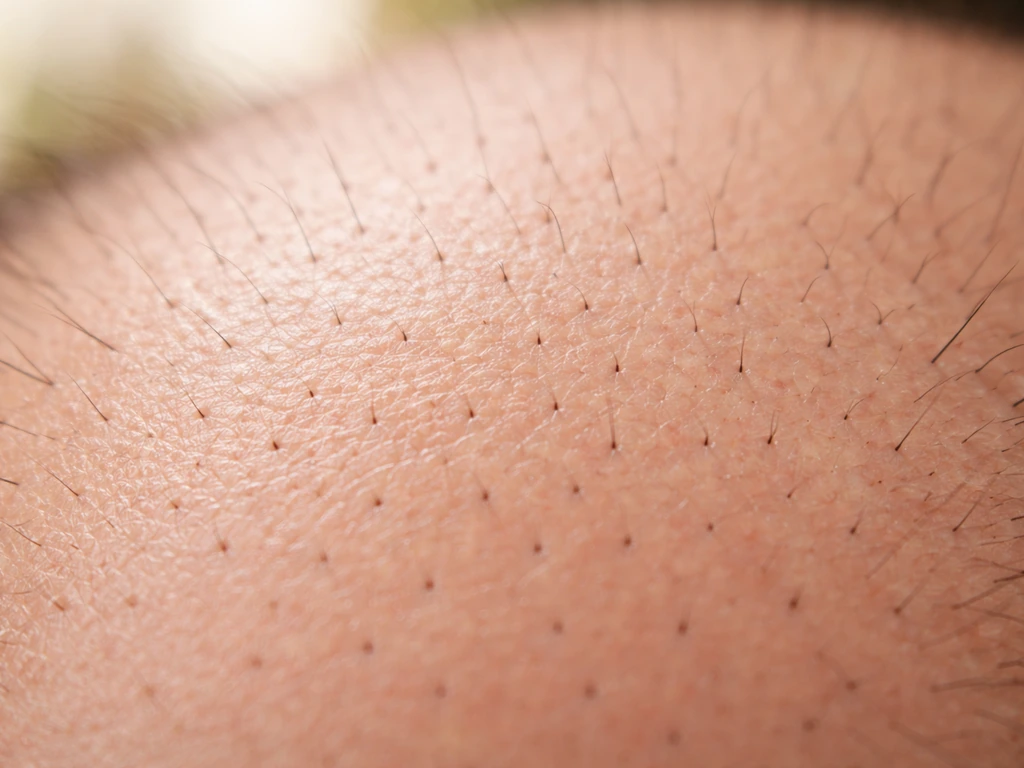
Step-by-step plan to grow hair on head by boosting scalp health, hair cycle, nutrition, and evidence-based treatments.
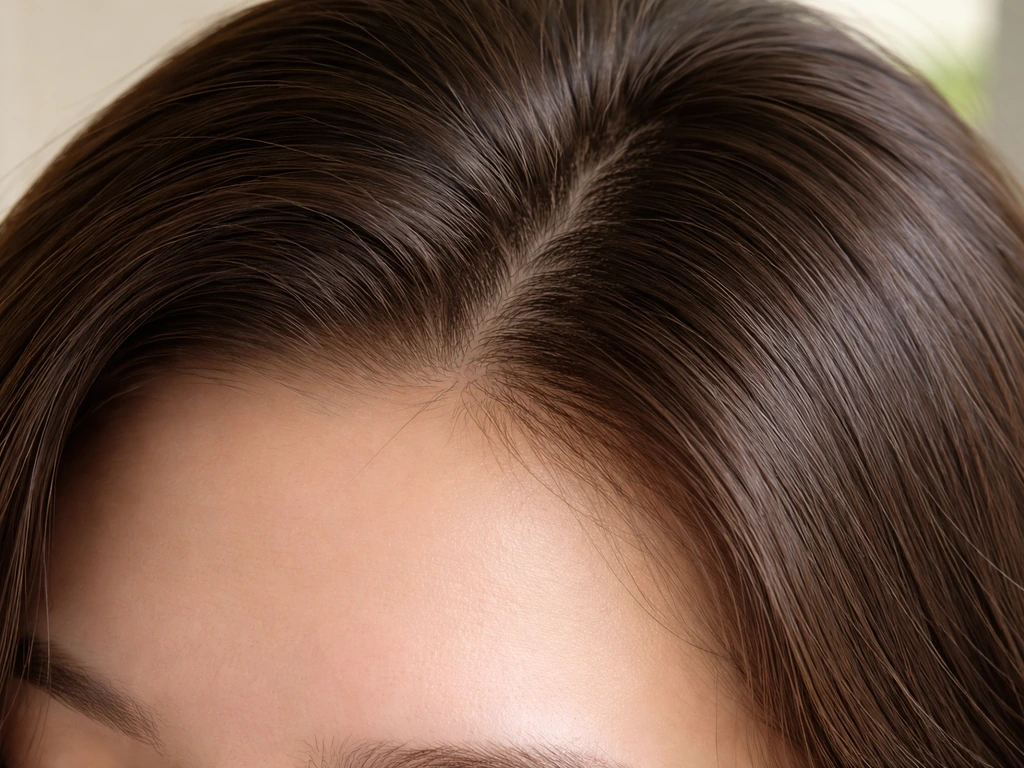
Step-by-step guide to grow more head hair with nutrition, topical care, lifestyle fixes, timelines, and when to see a de
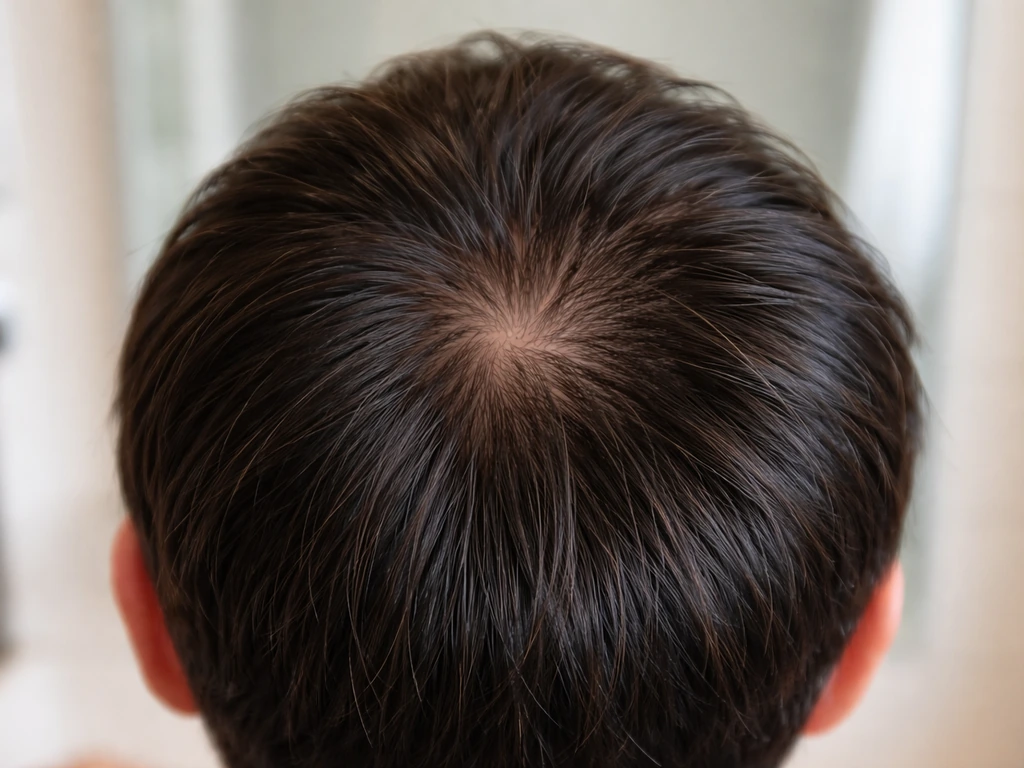
Learn how to grow crown hair with a plan: assess cause, improve scalp health, use natural tips, and add evidence-based t