
Growing crown hair comes down to three things: figuring out why it's thinning in that spot, getting your scalp environment in good shape, and then picking the right treatment for the cause. For most people, crown thinning is androgenetic alopecia (pattern hair loss), and that responds well to topical minoxidil used consistently, sometimes combined with scalp massage, a clean scalp routine, and targeted nutrition. Natural strategies can help support growth and slow shedding, but if the follicles are miniaturizing due to androgens, you'll likely need more than oils and supplements to see real regrowth.
How to Grow Crown Hair: Natural Steps and Evidence-Based Treatments

Marcus Holloway
23 May 2026
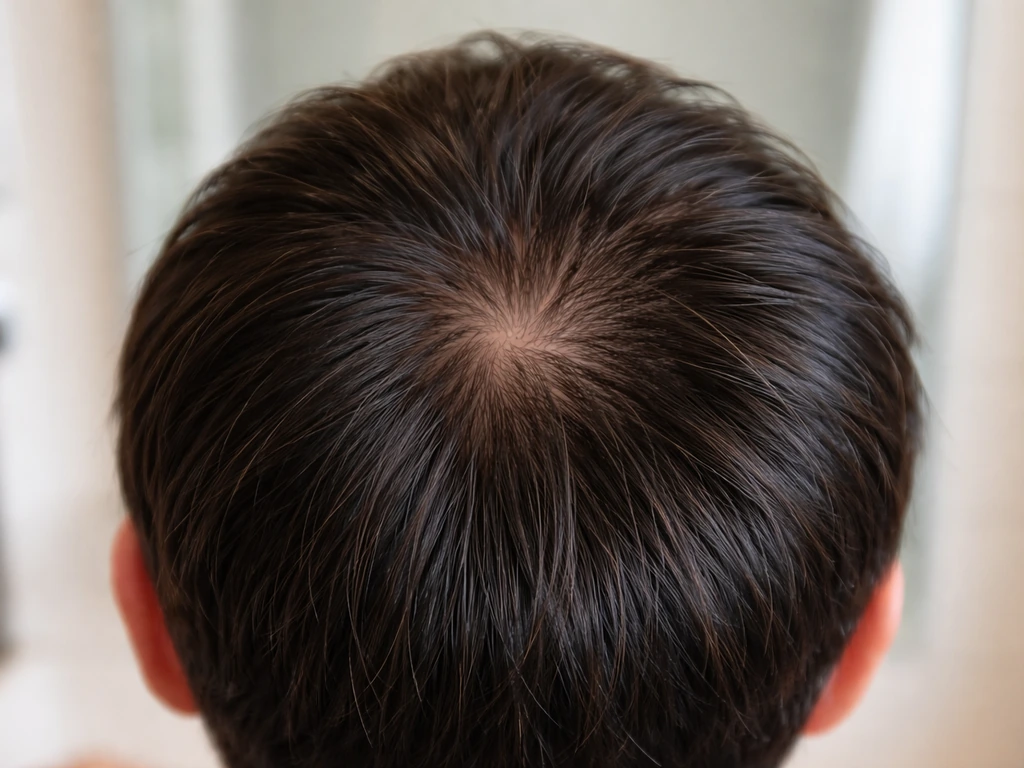
Why the crown thins differently than the rest of your scalp
The vertex (crown) area is one of the first places androgenetic alopecia shows up. This isn't random. The follicles in the crown region are more sensitive to dihydrotestosterone (DHT), a hormone derived from testosterone. Over time, DHT causes those follicles to miniaturize: terminal hairs (the thick, pigmented ones you want) gradually transform into shorter, finer, paler vellus-like hairs, and the growth phase shortens with each cycle. Eventually, some follicles stop producing visible hair altogether.
That said, not all crown thinning is pattern hair loss. Telogen effluvium, a form of diffuse shedding triggered by stress, illness, hormone shifts, surgery, crash dieting, or nutritional deficiencies, can cause noticeable crown thinning because the top of the scalp is often where you first notice overall density loss. Seborrheic dermatitis and scalp inflammation can worsen any underlying thinning. And in some cases, traction from tight hairstyles repeatedly pulled at the crown can cause localized damage. The crown can also be affected by alopecia areata, though that usually presents as a distinct patchy bald spot rather than gradual diffuse thinning.
Figure out what's actually causing your crown thinning
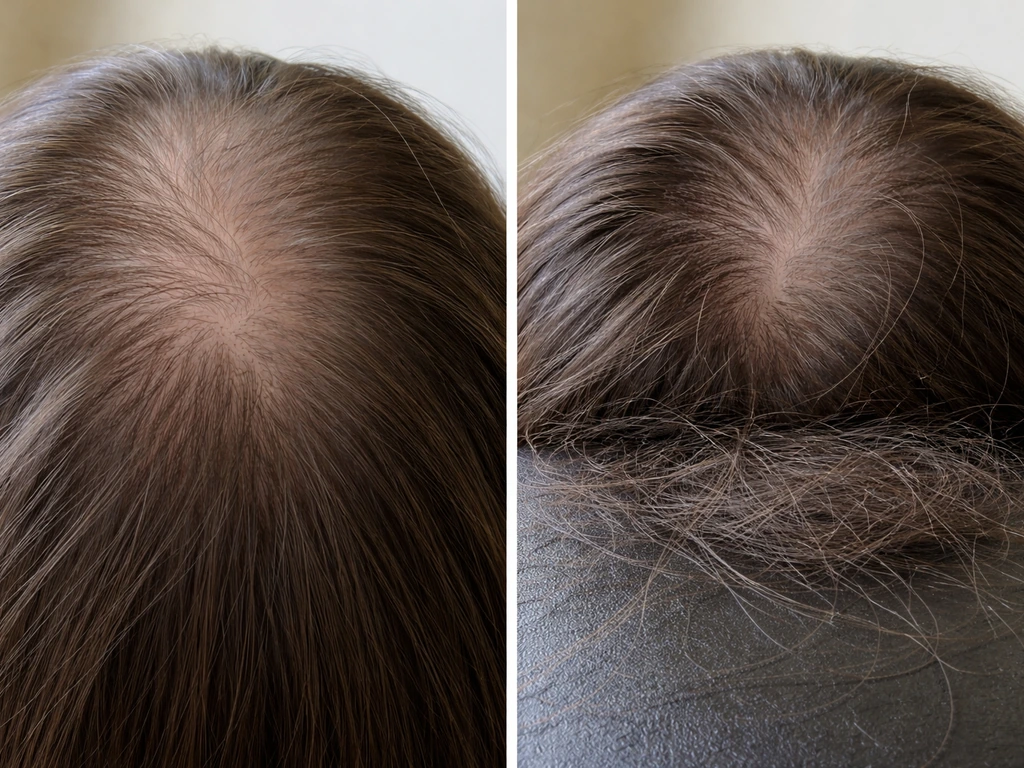
Before you throw products at the problem, it helps to take 10 minutes to honestly assess what's going on. The cause shapes everything: the treatments, the timeline, and how much you can realistically expect.
Pattern hair loss vs. shedding: the key differences
Androgenetic alopecia tends to progress slowly over months and years. You'll notice the crown getting thinner but you won't typically see big clumps in the shower. The hairs that do come out are often finer and shorter than they used to be. If you look closely at the crown, you might see hairs of noticeably different thicknesses, some thick and healthy-looking, some very fine and pale. That variation in caliber is a classic sign.
Telogen effluvium looks different. You'll often see a sudden increase in shedding, sometimes dramatically more hair in the shower, on your pillow, or in your brush, usually starting one to three months after a stressor. The shed hairs tend to be uniform in thickness (not miniaturized), and if you look at the root, you'll often see a white bulb, which means the hair completed its cycle. The shedding in telogen effluvium is typically diffuse across the whole scalp, not just the crown.
Do a quick pull test at home
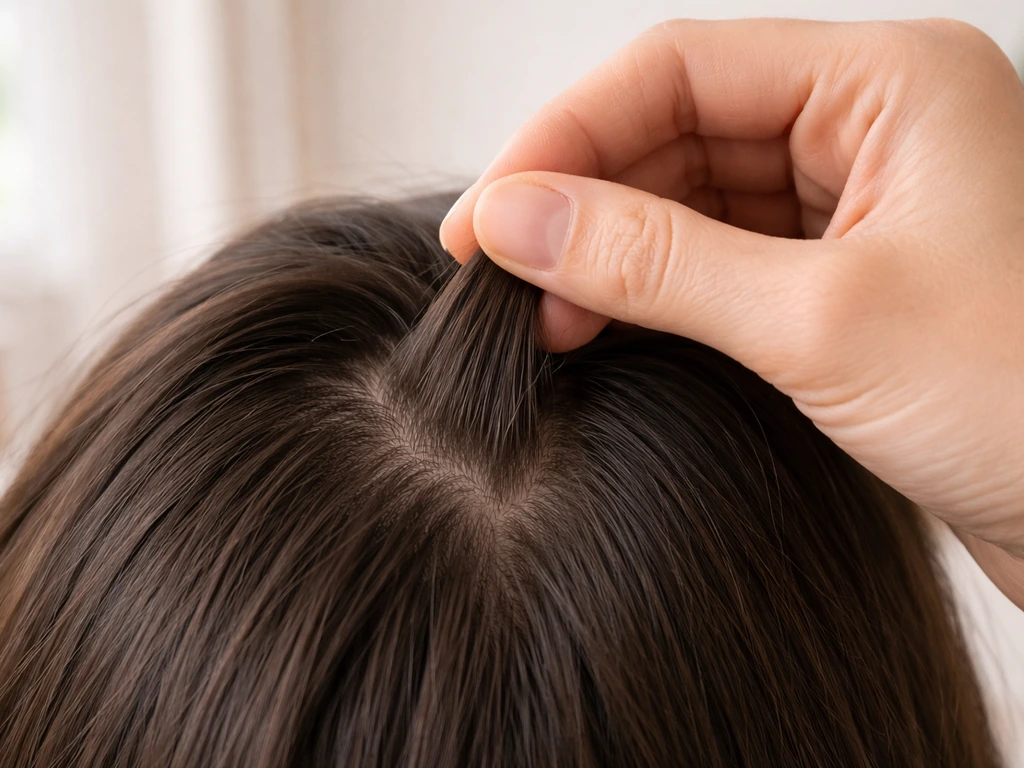
A simple pull test can give you useful information. Grasp about 40 to 60 hairs between your fingers and apply gentle, firm traction as you slide your fingers down the hair shaft. Do this in several spots, including the crown and sides. If you’re targeting how to grow hair on the sides of your head, be sure to include those side zones in your pull test as well.
If you consistently pull out more than 4 to 6 hairs per grab, that's considered a positive pull test and suggests active shedding, which points more toward telogen effluvium than stable pattern hair loss. In pattern hair loss, the pull test is usually negative because hairs aren't actively shedding in large numbers.
Check for scalp symptoms
Look at your scalp in good lighting, ideally using a handheld mirror and a phone camera. Redness, flaking, greasiness, or itchiness at the crown points toward seborrheic dermatitis or scalp inflammation. A perfectly smooth, shiny patch with no visible follicle openings is a warning sign for scarring alopecia (rare, but worth knowing about) and warrants a dermatologist visit rather than a DIY approach. A patchy, well-defined bald circle rather than diffuse thinning raises the possibility of alopecia areata. If the pattern is clearly centered on the crown and gradually expanding outward, that classic presentation is consistent with androgenetic alopecia.
What to ask yourself about recent history
- Did you experience a major illness, high fever, surgery, or significant emotional trauma in the past 3 to 6 months? That's a common telogen effluvium trigger.
- Did you recently have a baby, start or stop hormonal contraceptives, or go through a major hormonal shift?
- Have you been restricting calories hard, eating very low protein, or following a crash diet?
- Do you have a family history of pattern hair loss on either side (not just dad's side)?
- Do you wear your hair in tight buns, ponytails, or braids pulled at the crown regularly?
Get your scalp in the right condition for regrowth
A healthy scalp environment won't reverse androgenetic alopecia on its own, but an unhealthy one will absolutely make thinning worse. Chronic inflammation, excess sebum buildup, fungal overgrowth, and poor circulation all create conditions that are hostile to hair growth. Getting this right is a genuine foundation, not just filler advice.
Washing and cleansing
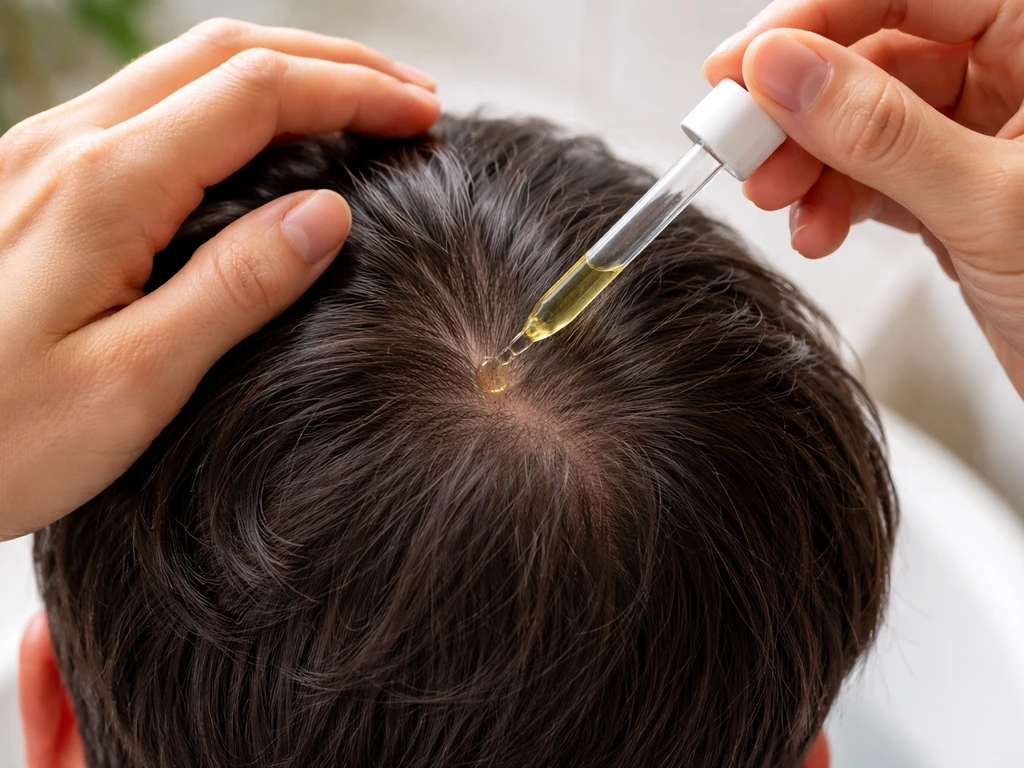
Wash your hair often enough to keep the scalp clean, but not so aggressively that you strip and irritate it. For most people with crown thinning, washing every two to three days is reasonable. Use a gentle, sulfate-free or low-sulfate shampoo if your scalp tolerates it, and focus the lather on the scalp, not the lengths.
If you have visible dandruff or scaling, itching, or oiliness, add an antifungal shampoo into the rotation: ketoconazole 1% or 2% is the most well-studied option and is highly effective at controlling the Malassezia yeast that drives seborrheic dermatitis. You don't need to use it every wash. Two to three times per week or even just once a week for maintenance works well for many people.
Zinc pyrithione and selenium sulfide are reasonable alternatives if ketoconazole isn't available or causes irritation.
Scalp massage
Daily scalp massage is one of the most underrated things you can do for crown growth, and it costs nothing. The mechanism is mechanical: consistent pressure and movement on the scalp creates tension in dermal papilla cells, which can stimulate hair growth signaling. Aim for at least 4 minutes daily, using your fingertips (not nails) in small circular motions across the crown. You can do this dry or with a small amount of oil. Some people find a soft silicone scalp massager helps them be more consistent. Stick with this for at least 3 to 6 months before judging results.
What to avoid
- Tight hairstyles that pull at the crown: ponytails, buns, and braids applied daily over months can cause traction alopecia, especially along the edges and vertex.
- Heat tools directly on already-thin crown hair: high heat weakens the hair shaft and worsens the appearance of density.
- Leaving heavy conditioners or styling products sitting on the scalp itself, which can clog follicles and worsen inflammation.
- Over-washing with harsh shampoos, which disrupts the scalp microbiome and strips the natural lipid barrier.
Natural approaches worth trying (with realistic expectations)
If you specifically want to grow crown hair naturally, there are a few approaches with at least some supporting evidence. None of them are going to reverse significant androgenetic alopecia on their own, but they're safe, low-cost, and can complement your main treatment plan.
Scalp massage (mentioned again for emphasis)
It's worth repeating: consistent daily massage is probably the best free tool you have. The research on massage alone is limited but encouraging, and it's one of the rare natural approaches where the proposed mechanism makes physiological sense.
Rosemary oil
Rosemary oil has the most convincing evidence among plant-based topicals for hair growth. A well-cited study compared rosemary oil directly to 2% minoxidil over six months and found comparable hair count improvements. The theory is that it improves circulation and may have some DHT-blocking properties. To use it: dilute a few drops in a carrier oil (jojoba or coconut work well), massage into the crown, and leave for at least 30 minutes before washing out. Daily application is ideal. Don't expect dramatic results before the 3-month mark.
Pumpkin seed oil
Pumpkin seed oil taken orally at 400 mg per day was studied in a randomized double-blind placebo-controlled trial in men with mild to moderate androgenetic alopecia over 24 weeks, and showed meaningful increases in hair count compared to placebo. It's thought to work as a mild 5-alpha reductase inhibitor, similar in mechanism (but much weaker in effect) to finasteride. It's a reasonable supplement to add to a broader plan, especially if you want to keep things natural.
Topical caffeine
Topical caffeine has been studied for androgenetic alopecia with some positive findings. It appears to stimulate hair follicle growth in vitro and may counteract some of the DHT-induced suppression of follicle activity. Caffeine shampoos and serums are widely available. They're safe to use, and while the evidence is not as strong as for minoxidil, using a caffeine-containing shampoo is a low-effort addition with minimal downside.
Oils: what helps and what's just conditioning
Most oils (coconut, castor, argan) are primarily conditioning agents. They can reduce breakage and improve the look of existing hair, which matters when you're trying to maximize the appearance of density, but they're not going to stimulate new follicle activity in the way rosemary oil might. Use them if your hair is dry or prone to breakage, but don't expect regrowth from them alone.
Evidence-based treatments that actually drive regrowth
If you want real regrowth of crown hair, especially against the backdrop of androgenetic alopecia, you need treatments that address the underlying biology. Here's what has the strongest evidence.
Topical minoxidil: the first-line option
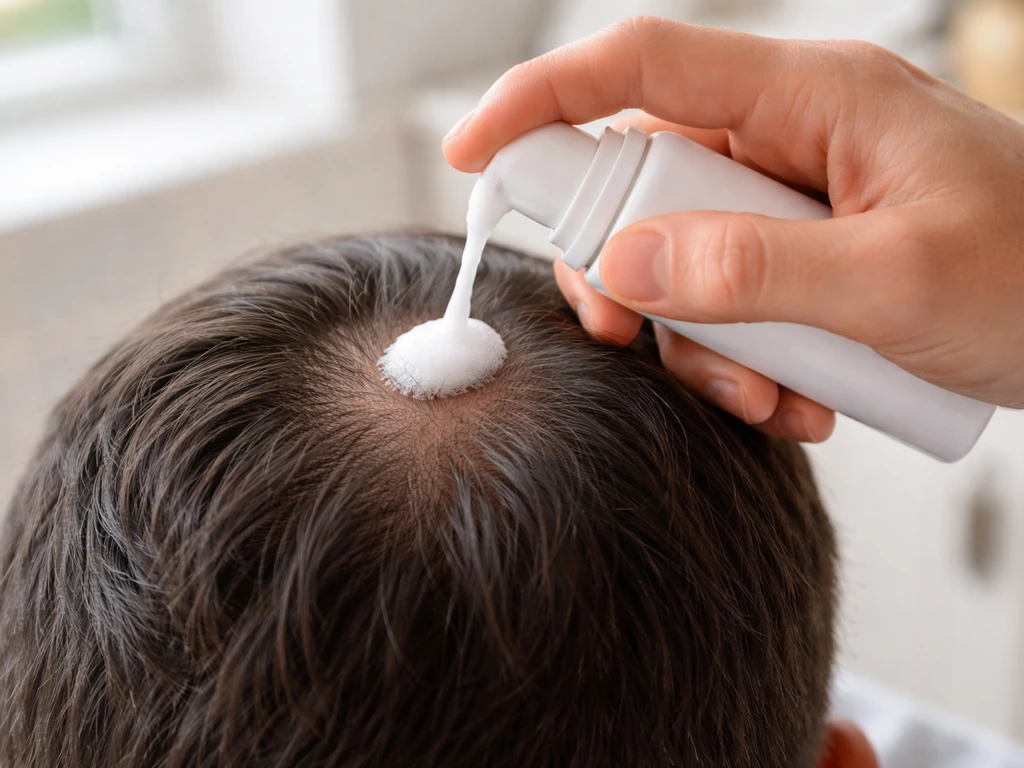
Topical minoxidil is FDA-approved for pattern hair loss and is the most accessible evidence-based treatment you can start today without a prescription. It works by prolonging the anagen (growth) phase of the hair cycle and improving blood flow to follicles. It doesn't block DHT, so it addresses the symptom rather than the root hormonal cause, but it's genuinely effective at slowing further loss and stimulating regrowth in many people.
Standard dosing for men is 1 mL of 5% solution or half a capful of 5% foam applied directly to the scalp twice daily. Women typically use 1 mL of 2% solution twice daily, though many dermatologists now recommend 5% once daily for women as well. Apply to a dry scalp, which means towel-dry first if you've just washed. With the solution, wash your hands thoroughly afterward. With the foam, dispense it into your fingers and work it into the crown area. Don't use a hairdryer to dry the scalp immediately after applying the solution form, as heat can degrade the formulation.
Important safety notes: stop using and see a doctor if you experience chest pain, rapid heartbeat, dizziness, or faintness. Scalp irritation and redness are common in the first few weeks, especially with the solution (which contains propylene glycol). If your scalp gets very irritated, the foam version is generally better tolerated. Unwanted facial hair growth is a reported side effect in women using high concentrations.
One more thing about minoxidil that trips people up: shedding often increases in the first 4 to 8 weeks of use. This is normal. It happens because minoxidil pushes telogen hairs out to make way for new anagen growth. Don't panic and stop using it. Push through to at least the 3-month mark before evaluating whether it's working.
Combining minoxidil with microneedling
A randomized evaluator-blinded pilot study found that combining microneedling (dermaroller) with topical minoxidil produced statistically superior hair growth outcomes compared to minoxidil alone in men with androgenetic alopecia. The theory is that microneedling creates microchannels that enhance minoxidil penetration and also triggers wound-healing growth factors. Sessions in studies have typically been done every 3 to 4 weeks. This is a worthwhile addition if you're already using minoxidil and want to maximize results, though it does require care in technique. If you DIY, use a clean 0.5 mm to 1 mm dermaroller on the crown, avoid broken or irritated skin, and don't microneedle on the same day as minoxidil application.
Prescription options to discuss with a dermatologist
If topical minoxidil isn't giving enough results after 6 months, or if your crown thinning is progressing noticeably, it's worth talking to a dermatologist about oral options. Finasteride (a 5-alpha reductase inhibitor) has moderate-quality evidence from systematic reviews showing it increases hair count and improves hair appearance versus placebo in men with androgenetic alopecia, though it carries an increased risk of sexual side effects that you should discuss with your doctor. Dutasteride inhibits more DHT production pathways than finasteride and may be more effective based on meta-analysis data, with a comparable safety profile in studies, though it's used off-label for hair loss in most countries. Oral minoxidil at low doses is also increasingly used off-label for hair loss, including in women, and can be effective when topical doesn't work or isn't tolerated, but it requires monitoring given potential cardiovascular considerations including the possibility of low blood pressure.
Treatments at a glance
| Treatment | Evidence level | Prescription needed? | Best for |
|---|---|---|---|
| Topical minoxidil 5% (men) | High (FDA-approved) | No | AGA, FPHL, early-stage crown thinning |
| Topical minoxidil 2–5% (women) | High (FDA-approved) | No | FPHL, crown thinning in women |
| Minoxidil + microneedling | Moderate (RCT data) | No | Boosting minoxidil results in AGA |
| Oral finasteride | Moderate-high (systematic review) | Yes | Men with AGA unresponsive to topical alone |
| Oral dutasteride | Moderate (meta-analysis) | Yes | Men needing stronger DHT blockade |
| Low-dose oral minoxidil | Moderate (off-label reviews) | Yes | When topical isn't tolerated or effective |
| Rosemary oil (topical) | Low-moderate (1 RCT) | No | Mild AGA, natural preference |
| Pumpkin seed oil (oral) | Low-moderate (1 RCT) | No | Mild AGA, natural preference |
Nutrition, supplements, and knowing what to test
Nutrition matters more than most people realize for hair growth, but it's also one of the most over-hyped areas. A deficiency in the right nutrients can absolutely cause or worsen shedding. But taking supplements you don't need won't make your hair grow faster, and some can interfere with lab tests (biotin, in particular, skews thyroid and other blood panels). Here's how to think about this practically.
Iron and ferritin: the big one
Iron deficiency is one of the most common and most overlooked contributors to diffuse hair shedding, particularly in women of reproductive age. The issue is that standard blood tests might show hemoglobin in a technically normal range while your ferritin (stored iron) is depleted. Research suggests ferritin levels below 30 ng/mL and especially below 20 ng/mL are associated with telogen effluvium. Ask your doctor for a full iron panel: complete blood count, serum iron, iron saturation, and serum ferritin. If your ferritin is low, correcting it through diet (red meat, lentils, leafy greens with vitamin C to enhance absorption) or supplements can dramatically reduce shedding over 3 to 6 months.
Vitamin D
A systematic review and meta-analysis found that people with non-scarring alopecia (including AGA and telogen effluvium) had significantly lower serum vitamin D levels than healthy controls. Vitamin D receptors are found in hair follicles, and deficiency appears to disrupt the hair cycle. Get your 25(OH)D level tested. Many people are deficient, especially if you live in northern latitudes, spend most time indoors, or have darker skin. If you're low, supplementing to bring levels into a healthy range (typically 40 to 60 ng/mL) is worthwhile.
Protein and overall diet
Hair is almost entirely protein (keratin), so chronic low protein intake directly impairs hair growth. This is a common culprit in people following very low-calorie diets or plant-heavy diets without adequate protein planning. Aim for at least 0.8 to 1 gram of protein per kilogram of body weight daily, and more if you're active. The amino acids most directly relevant to hair include cysteine, glycine, and methionine.
Zinc and B vitamins
Zinc deficiency can cause hair shedding, and it's more common in people who eat little red meat or who have absorption issues. A hair-specific blood test for zinc can be useful if you suspect deficiency, but don't supplement high-dose zinc without confirmation: too much zinc can actually cause hair loss by interfering with copper absorption. B vitamins, especially B12, are relevant if you're vegan or vegetarian or have absorption issues. Get B12 tested if you're in these groups.
Biotin: the supplement that's usually unnecessary
Biotin gets enormous marketing attention for hair growth, but the NIH is clear: biotin deficiency is rare in the general population, and there's limited evidence that biotin supplementation benefits hair in people who aren't deficient. Taking biotin without a confirmed deficiency is likely a waste of money, and high-dose biotin can interfere with thyroid and other lab tests. If you've had your levels checked and you're actually deficient, supplementing makes sense. Otherwise, skip it.
Useful tests to ask your doctor about
- Complete blood count (CBC) to check for anemia
- Serum ferritin (ask specifically, as it's often not included automatically)
- Serum iron and iron saturation
- Serum 25(OH)D (vitamin D)
- TSH and free T4 (thyroid function, since hypothyroidism is a major telogen effluvium trigger)
- Serum zinc
- Serum B12 and folate (especially if plant-based diet)
- Androgen panel if FPHL is suspected in women (DHEA-S, total and free testosterone)
What to expect, how to track progress, and when to see a dermatologist
Crown hair regrowth is a long game. I know that's not what anyone wants to hear, but setting realistic expectations matters enormously here because most people quit too early. The hair cycle means that even if you trigger a new growth phase today, you won't see significant length or density change for several months.
Realistic timelines
- Weeks 1 to 8: Scalp health should start improving. If you're on minoxidil, you may notice increased shedding at first, which is normal. No visible regrowth yet.
- Months 2 to 4: Some people start noticing fine, short hairs appearing at the crown (called 'vellus' or baby hairs). Shedding from telogen effluvium, if that was your cause, should begin to slow if the trigger has been addressed.
- Month 4 to 6: Meaningful density improvement becomes visible in responders to minoxidil. Telogen effluvium typically resolves within 6 months of addressing the trigger, and full recovery can take up to 12 months.
- Month 6 to 12 and beyond: This is the window to evaluate whether your current approach is working and decide whether to escalate treatment.
How to monitor your progress at home
Take consistent photos of your crown every 4 weeks under the same lighting conditions. The easiest method: stand under a ceiling light and use your phone's selfie camera pointed down at the crown. It's surprisingly hard to notice gradual improvements day-to-day, but comparing month 1 to month 4 photos is much more revealing. You can also track the number of hairs you lose in the shower each week as a rough measure of whether shedding is slowing.
When to see a dermatologist rather than going it alone
Some situations genuinely call for professional evaluation rather than a DIY protocol. See a dermatologist if: your crown shows any smooth, shiny patches with no visible follicle openings (possible scarring alopecia, which is urgent); if you have a distinct, sharply bordered bald patch that appeared suddenly (possible alopecia areata); if your pull test is significantly positive across the whole scalp and you can't identify a clear trigger; if you've been using topical minoxidil correctly for 6 full months and see no improvement at all; or if you're a woman with signs of elevated androgens (irregular periods, excess facial/body hair, acne). A dermatologist can perform trichoscopy (dermoscopy of the scalp) to distinguish between the different causes of hair loss visually, and in difficult cases, a scalp biopsy can give a definitive diagnosis. Getting the diagnosis right before spending months on the wrong treatment is always worth it.
Your starting plan for today
- Do the quick self-assessment: pull test, scalp check, and review recent health/diet history to narrow down the likely cause.
- Book a blood test to check ferritin, vitamin D, thyroid function, and CBC if you haven't done this recently.
- Start a daily scalp massage routine (minimum 4 minutes) at the crown.
- If you have dandruff or scalp inflammation, add a ketoconazole shampoo to your wash routine two to three times per week.
- Start topical minoxidil (5% foam or solution for men; 2–5% for women) applied twice daily to a dry scalp, and commit to at least 4 to 6 months before judging results.
- Address any confirmed nutritional deficiencies with targeted food or supplement changes.
- Consider adding rosemary oil massage or pumpkin seed oil supplementation if you prefer a more natural adjunct approach.
- Take your first crown photo today so you have a baseline to compare against.
Crown thinning shares some overlap with the general challenge of growing hair on other parts of the scalp, but it has its own quirks, especially the higher androgen sensitivity of that region. The core principle is the same as with hair regrowth anywhere: identify the cause, create the best possible environment for growth, use the most appropriate treatment for your situation, and give it real time. Three to six months of consistent effort is the minimum meaningful trial period. Most people who stick with a well-matched plan do see meaningful improvement.
FAQ
Should I start minoxidil even if I am not sure whether my crown thinning is pattern hair loss or telogen effluvium?
If you truly cannot distinguish the cause, a cautious approach is to get at least one round of clues (shedding timing, pull test, and scalp look) before committing. Minoxidil is often still reasonable for progressive crown thinning, but if you have a strong telogen effluvium picture (sudden shedding 1 to 3 months after a trigger, uniform shed hairs with white bulbs), the priority is fixing the trigger and checking labs (especially ferritin and vitamin D), because minoxidil alone may not solve the underlying driver.
How long should I use a treatment before deciding it is not working?
For crown regrowth efforts, 6 months is the minimum meaningful trial for most topicals and natural adjuncts. With minoxidil, early shedding in weeks 4 to 8 is expected, so judging it before 3 months commonly leads to premature stopping. For microneedling plus minoxidil, evaluate around the 3 to 6 month window as well, since hair growth still follows the hair cycle.
Is it normal to see more hair shedding when I begin massaging my scalp or switching shampoo?
Yes, mild increases can happen when you change routine, because you may dislodge hairs that were already in the shed phase. The key difference is pattern and severity: telogen effluvium usually causes a noticeable jump in shedding across weeks with a clear trigger, while minoxidil shedding is typically confined to the first couple months after starting and then stabilizes. If shedding is abrupt, intense, and diffuse across the whole scalp, consider telogen effluvium and rule out deficiencies or recent stressors.
Does rosemary oil work if my crown thinning is from seborrheic dermatitis or inflammation?
Rosemary oil may support growth for some people, but it is not a substitute for controlling yeast-driven inflammation if you have dandruff or scaling. If your scalp shows flaking, oiliness, or itch, using an antifungal such as ketoconazole on a schedule, then layering rosemary oil once the scalp is calmer, is a more rational plan than using oil first.
What is the safest way to apply rosemary oil without irritating my scalp?
Always dilute it in a carrier oil, start with a small amount on a limited area first, and stop if you get burning, persistent redness, or worsening itch. Avoid applying to broken, inflamed, or scabbed skin, and do not leave it on for excessive time beyond what you can tolerate comfortably. If you are already using minoxidil, many people choose to apply minoxidil to the scalp and keep rosemary for a different time of day to reduce irritation risk.
Can I combine microneedling with minoxidil, or will it make side effects worse?
It can be effective, but spacing matters. A practical rule is to avoid microneedling on the same day as minoxidil application, because adding both can increase irritation. Also, use an appropriate needle length (commonly 0.5 to 1 mm for crown at-home use), sterilize the device, and never needle over irritated or infected skin.
Is massaging the crown daily actually safe, and how hard should I press?
Daily massage is generally safe if it is gentle and controlled. Use fingertip pressure, small circles, and avoid aggressive nail scraping. If massage leaves your scalp sore, inflamed, or more itchy, reduce duration or frequency and reassess whether you are dealing with dermatitis or active shedding that needs medical attention.
How often should I wash my hair if my goal is crown regrowth?
For most people with crown thinning, washing every 2 to 3 days is a reasonable balance of cleanliness and scalp comfort. If you have visible dandruff, scaling, or oiliness, introduce an antifungal shampoo into the rotation (often 1 to 3 times per week) rather than increasing scrubbing. Over-washing can irritate the scalp, which can worsen perceived thinning and make treatments feel harsher.
If my pull test is negative, can I still have androgenetic alopecia?
Yes. A negative pull test suggests that active shedding is not prominent at that moment, but androgenetic alopecia can still be present and slowly progressive without dramatic daily shedding. In that situation, you may see gradual caliber changes at the crown rather than a surge of hairs coming out.
Do nutrition supplements help more than correcting a deficiency?
Deficiency correction usually matters more than adding extra nutrients blindly. If your iron stores are low, raising ferritin can reduce shedding over 3 to 6 months. If vitamin D is low, bringing it into a healthy range can support the hair cycle. Supplements without confirmed need often have limited upside, and some (like high-dose zinc or biotin) can cause problems or interfere with lab interpretation.
Should women with crown thinning consider checking hormone-related causes before starting hair treatments?
If you have irregular periods, new acne, or increased facial or body hair, it is smart to bring that up with a clinician, because elevated androgens can change the choice and urgency of treatment. This matters because addressing the hormonal driver, when present, can improve the likelihood that standard hair-loss regimens work.
What should I do if I have no improvement after 6 months of correct minoxidil use?
First, confirm technique consistency (applied to dry scalp, correct amount, and twice daily for solutions as directed by your regimen). Then consider adding or escalating options with a dermatologist, such as microneedling with minoxidil, discussing oral therapies for appropriate candidates, and re-checking the diagnosis with trichoscopy if progress is absent.
When does crown thinning warrant urgent professional evaluation?
Seek prompt dermatology evaluation if you notice a smooth shiny patch with no visible follicle openings (possible scarring alopecia), a sharply bordered bald spot that appeared quickly (alopecia areata), or if you have rapidly progressive symptoms that do not fit pattern hair loss. Early diagnosis can prevent months of ineffective treatment and, in scarring cases, protect remaining follicles.
How should I take progress photos so they actually show changes?
Use the same spot on the scalp (mark the area), the same distance, and the same lighting each time, since crown changes are subtle. Taking photos every 4 weeks under a consistent overhead light and using the phone camera aimed downward improves comparability. If you can, keep hair parting and styling consistent too, because it can visually mimic density gains or losses.
Next Articles
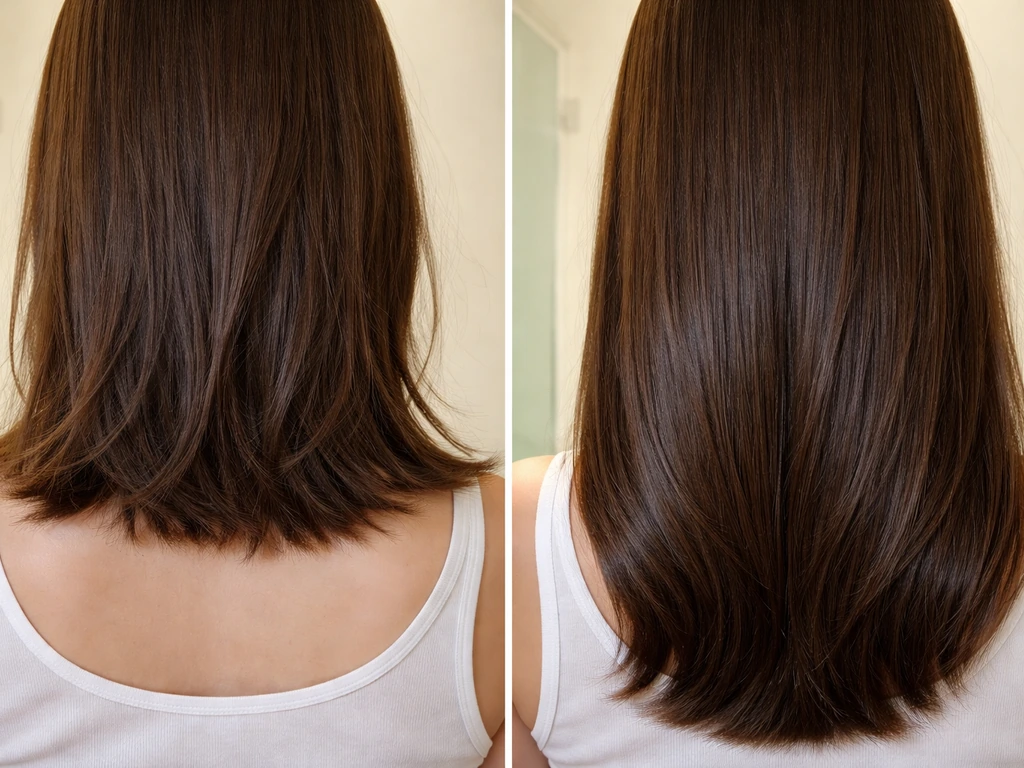
Tips on How to Grow Your Hair Out: A Step by Step Guide
Step-by-step tips to grow hair out: stop breakage, build scalp routine, nutrition, safe actives, and track progress.
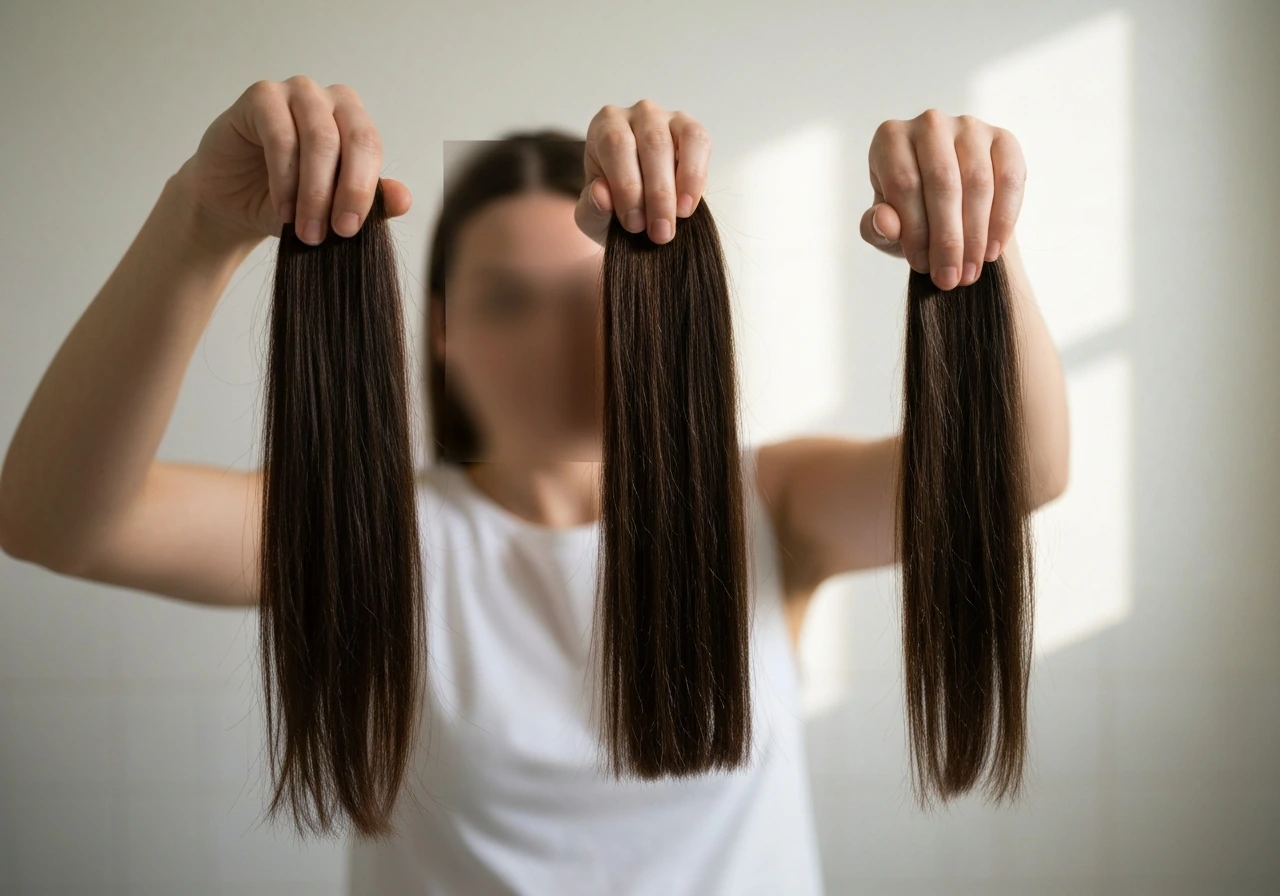
Grow Hair Long Tips: Step-by-Step Routine to Reach Length
Step-by-step grow hair long tips: boost scalp health, cut breakage, improve diet, and track progress for length.
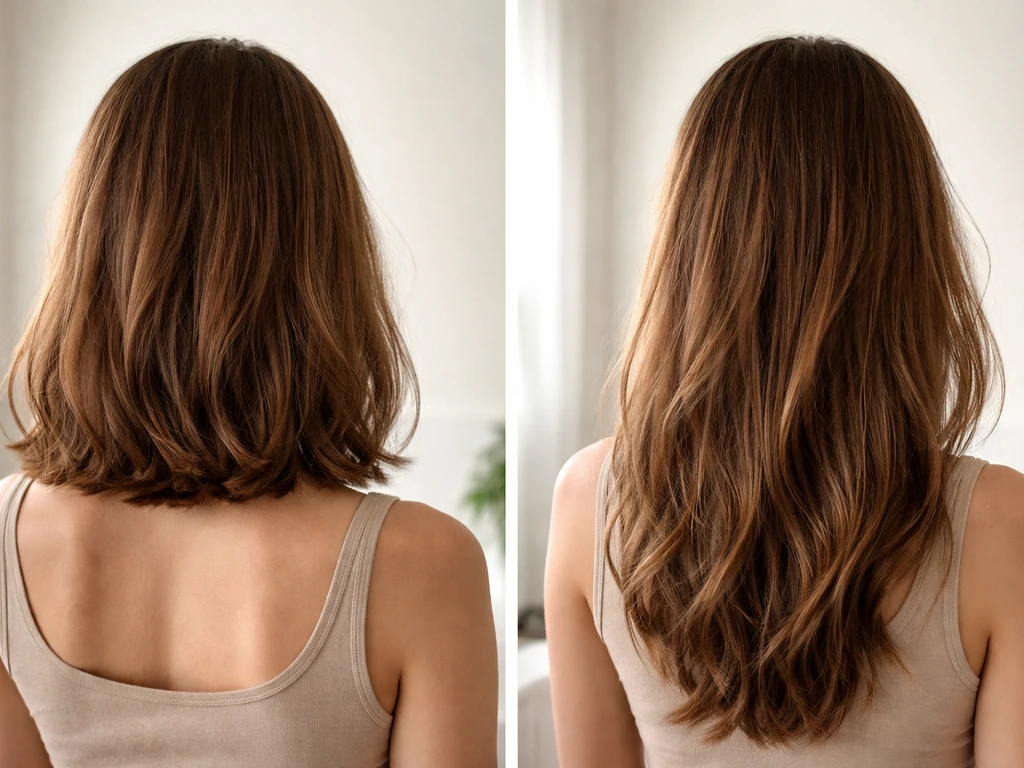
Tips for How to Grow Long Hair: A Practical Guide
Actionable tips to grow long hair naturally: care routine, scalp habits, nutrition and breakage prevention for healthy l