
Yes, you can grow more head hair in many cases, but how much depends entirely on what's causing your thinning in the first place. If you're losing hair due to stress, a nutrient deficiency, or a hormonal shift, most of it can come back once the trigger is addressed. If it's genetic pattern hair loss, you can slow it down and often regrow some of what's been lost, but you'll need the right tools and realistic expectations.
How to Grow More Head Hair: Step-by-Step Guide

Marcus Holloway
28 May 2026
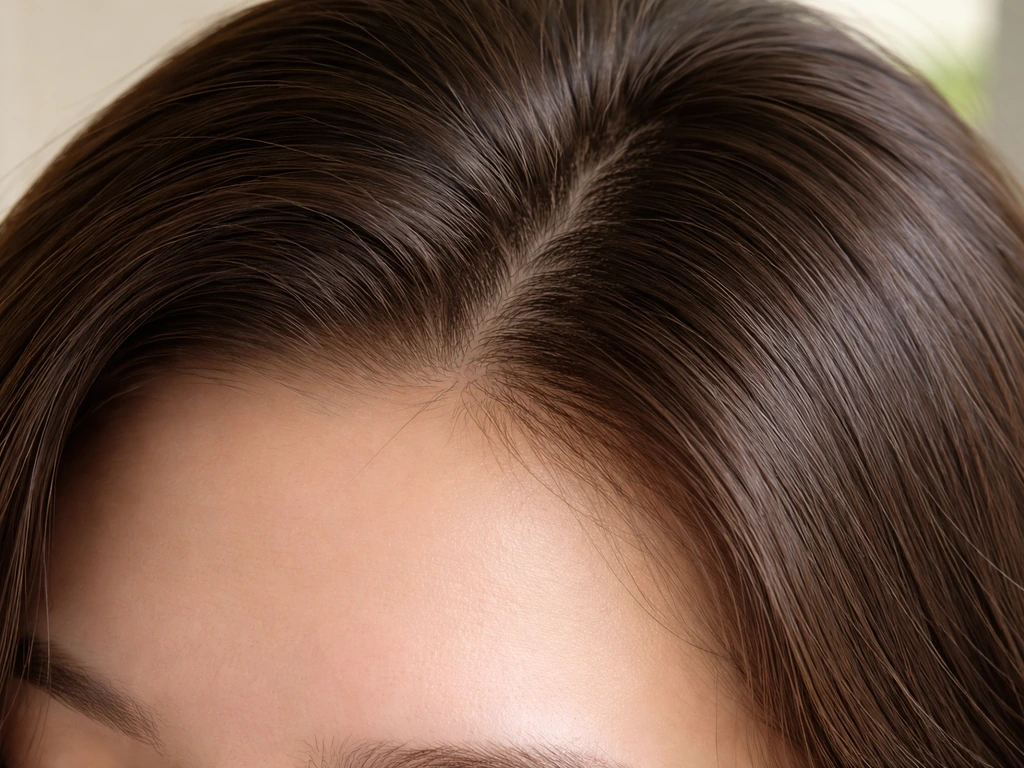
If you're focused on regrowing hair on top of your head, the right next step is choosing treatments that match your type of hair loss and using them consistently grow hair on top of your head. The good news is there are concrete steps you can start today, whether that's fixing your scalp environment, dialing in your nutrition, or adding a clinically proven topical treatment.
What you can realistically expect and how long it takes
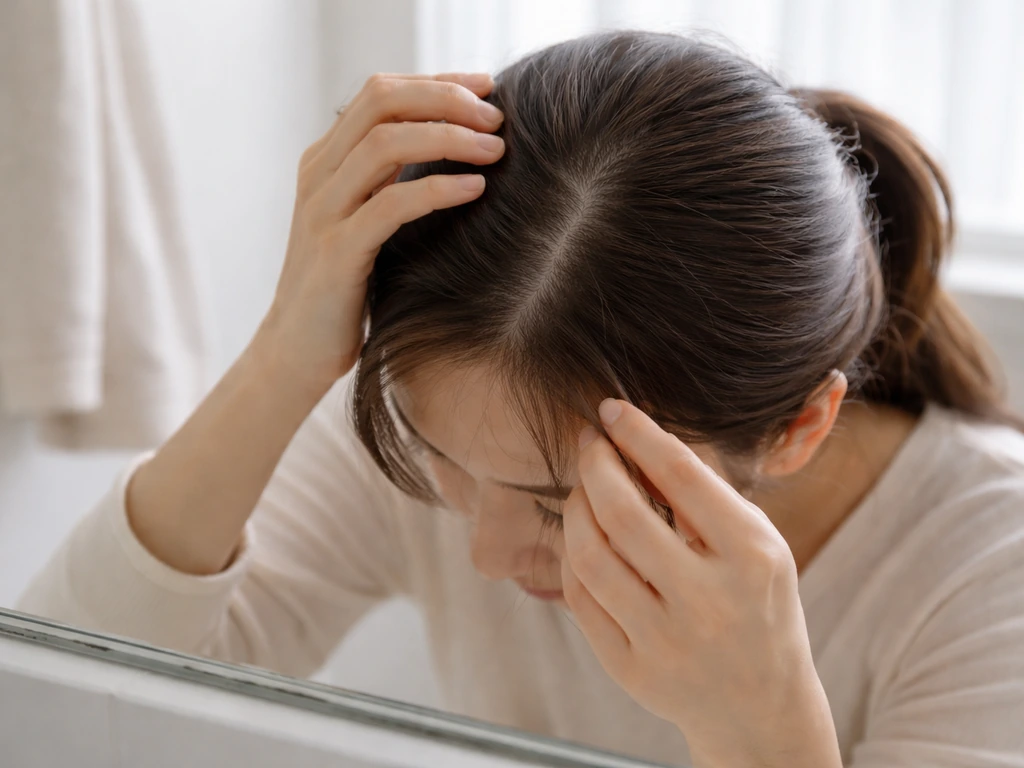
Hair growth is slow, and the treatments that actually work are not fast. This isn't a reason to give up; it's just something you need to know so you don't quit three weeks in thinking nothing is happening. Here's a rough timeline for the most common scenarios.
| Scenario | What to expect | Typical timeline |
|---|---|---|
| Telogen effluvium (stress/illness-triggered shedding) | Most cases resolve fully without treatment once the trigger is removed | 6 to 8 months after removing the trigger |
| Androgenetic alopecia treated with minoxidil | Noticeable improvement; full results take longer | First signs around 4 months; meaningful results at 6 to 12 months |
| Male pattern hair loss treated with finasteride (1 mg/day) | Slowed loss and some regrowth in many men | Some improvement after 3 to 6 months |
| Nutrient deficiency-related shedding | Shedding reduces as levels normalize; regrowth follows | 2 to 6 months after correcting the deficiency |
| Seborrheic dermatitis-related shedding | Scalp health improves; shedding decreases | Weeks to a few months with consistent treatment |
The honest truth is that if you're expecting a dramatic change in 30 days, you're going to be disappointed regardless of what you use. Hair cycles are measured in months, not weeks. Commit to a plan for at least 3 to 6 months before judging results.
Figure out why your hair is thinning before you do anything else
The most common mistake people make is jumping straight to products without identifying the actual cause. The treatment for stress-related shedding is completely different from the treatment for genetic hair loss, and using the wrong approach wastes time. Here are the most common causes by gender and life stage.
Diffuse shedding (affects anyone, often temporary)
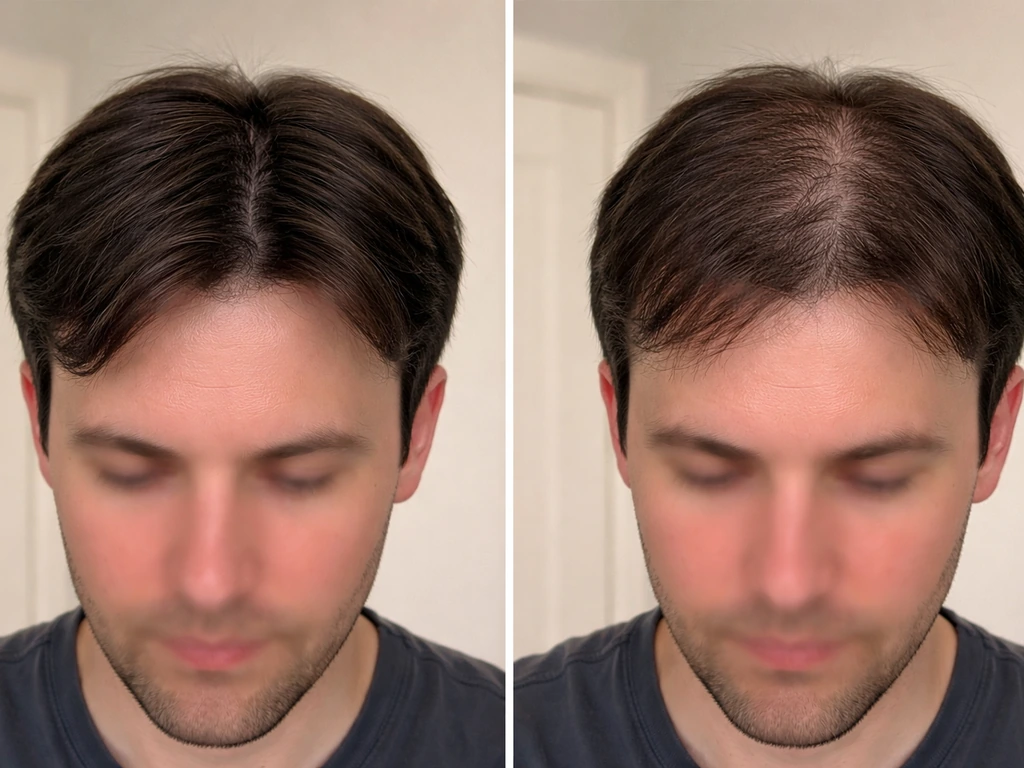
Telogen effluvium is the type of hair loss most people experience after a stressful event, illness, major surgery, crash diet, or hormonal shift like pregnancy or stopping birth control. What makes it confusing is the lag: shedding typically starts 2 to 3 months after the triggering event, so you might not connect the dots. You'll notice a lot of hair on your brush or in the shower, often diffusely across the whole scalp rather than in a specific pattern.
Acute telogen effluvium usually resolves within 6 months. Harvard Health notes that telogen effluvium rarely lasts longer than six months, and because shedding happens after a lag, people may notice thinning before fullness returns [Acute telogen effluvium usually resolves within 6 months. ](https://www. health.
harvard. edu/atoz/telogen-effluvium-a-to-z). If shedding continues past 6 months, it's considered chronic and warrants a closer look.
Pattern hair loss (androgenetic alopecia)
This is genetic and driven by androgens (hormones). In men it typically starts at the temples and crown; women usually see diffuse thinning across the top of the scalp, with the part widening over time. In many cases, that same pattern can also affect how well hair grows on the sides of your head, so early treatment matters hair loss at the temples and crown. Pattern hair loss is progressive without treatment, meaning it gets worse gradually.
The follicles shrink but aren't immediately dead, which is why early treatment with proven options makes a big difference. If you're concerned about specific zones like crown thinning or hair loss on top of the head specifically, those areas tend to respond well to targeted scalp care and topical treatments.
Women-specific triggers
Women face a wider range of hormonal triggers: pregnancy and postpartum shifts, perimenopause and menopause, thyroid dysfunction, and polycystic ovary syndrome (PCOS) are all common culprits. Iron deficiency is also far more common in women and is one of the leading correctable causes of hair thinning. If you're a woman and your hair is visibly thinning, a blood test to check ferritin (stored iron), thyroid function, and vitamin D is usually the first thing worth doing.
Scalp conditions
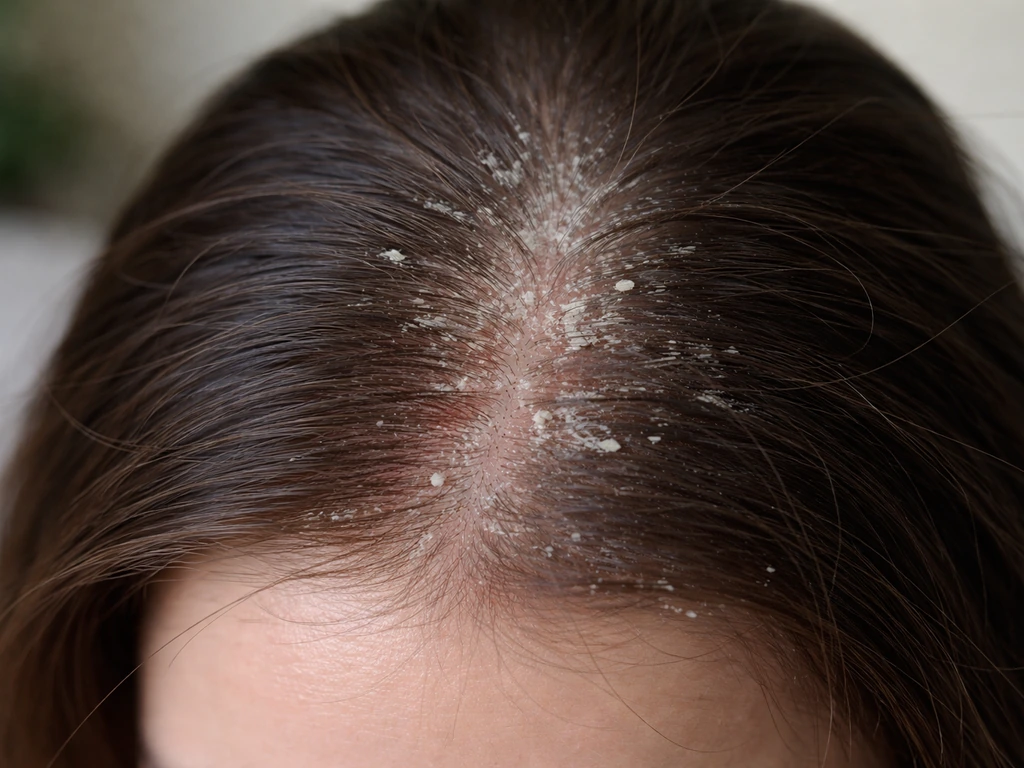
Seborrheic dermatitis (dandruff's more inflamed cousin) causes scalp irritation and can worsen shedding. If your scalp is flaky, itchy, or oily, this could be contributing to your hair loss picture. It's very treatable and often overlooked.
Build a scalp routine that actually supports growth
Your scalp is the soil your hair grows from. A healthy scalp means good blood flow, a balanced microbiome, clean follicles, and no chronic inflammation. Most people neglect it entirely.
- Wash your hair often enough to keep the scalp clean without stripping it. For most people, every 2 to 3 days is a reasonable baseline. Letting oil and product buildup sit on the scalp can clog follicles and irritate the skin.
- Use lukewarm water, not hot. Hot water increases scalp irritation and can exacerbate seborrheic dermatitis symptoms.
- Massage your scalp when you shampoo. Even a few minutes of fingertip pressure improves circulation to the follicles, and consistency matters more than intensity.
- If you have flaking, itching, or excessive oiliness, treat the dandruff directly. Ketoconazole 2% shampoo and ciclopirox shampoo have strong clinical evidence for controlling seborrheic dermatitis. Use a medicated shampoo 2 to 3 times a week when symptoms are active, then back off to maintenance once things settle.
- Avoid scratching the scalp aggressively. It creates micro-inflammation that can worsen shedding around already-sensitive follicles.
If you're also experimenting with microneedling (dermarolling) at home, keep your scalp clean and use a dermaroller designed for the scalp. Research has combined weekly microneedling sessions with twice-daily minoxidil to assess hair counts in androgenetic alopecia, with outcome measures taken at 12 weeks. It's not a first-line solo strategy, but as a complement to minoxidil it may help.
Eat and supplement to give your follicles what they need

Hair is mostly protein, and the follicle is one of the most metabolically active tissues in your body. That means it's one of the first things to suffer when your body is under-resourced. Deficiencies in iron, protein, and zinc are well-documented causes of increased shedding. Correcting them won't grow hair out of nowhere, but it removes a barrier that's actively working against you.
What to prioritize in your diet
- Protein: Aim for adequate daily intake (roughly 0.7 to 1 gram per pound of body weight). Eggs, lean meats, fish, legumes, and Greek yogurt are practical sources. Hair is made of keratin, a protein, so chronic low protein intake directly limits growth.
- Iron: Red meat, lentils, spinach, and fortified cereals. Pair plant-based iron sources with vitamin C to improve absorption. Women especially should get ferritin levels checked before assuming this is fine.
- Zinc: Pumpkin seeds, meat, shellfish (especially oysters), and chickpeas. Zinc plays a role in the hair growth cycle and tissue repair.
- Vitamin D: Fatty fish, egg yolks, and fortified foods. Many people are deficient, particularly in winter or with limited sun exposure, and low vitamin D has been linked to telogen effluvium.
- Omega-3 fatty acids: Salmon, sardines, walnuts, and flaxseed. They support scalp health and reduce inflammation.
Supplements worth considering
Biotin gets a lot of attention, and it does support hair structure, but it's mostly relevant if you're actually deficient. Most people eating a reasonably varied diet get enough biotin. Iron supplementation is genuinely useful if your ferritin is low, but don't guess on this one; too much iron has its own risks. Vitamin D supplementation is worth discussing with your doctor if blood tests show you're deficient. A word of caution on megadosing: taking excessive amounts of vitamin A or selenium can actually cause hair loss rather than prevent it. More is not always better with supplements, and sticking to recommended doses is the safer move.
Topical treatments: what has real evidence behind it
Minoxidil (the most accessible starting point)
Minoxidil is FDA-approved for androgenetic alopecia in both men and women, and it has solid systematic review evidence supporting its effectiveness. It's available over the counter in 2% and 5% solutions or foam. It works by extending the active growth phase of hair follicles and increasing blood flow to the scalp. Apply it to a dry scalp, let it dry before adding any styling products, and use it consistently. You're looking at around 4 months before noticing early improvement and 6 to 12 months for meaningful results. One critical thing to know: if you stop using it, the regrowth you gained tends to be lost over time. This is a long-term commitment, not a course of treatment.
Finasteride (for men with pattern hair loss)
Finasteride at 1 mg daily is FDA-approved for male androgenetic alopecia and works by blocking the conversion of testosterone to DHT, the hormone that shrinks hair follicles in pattern baldness. It's prescription-only in most countries. Men can expect some improvement after 3 to 6 months of consistent use. It's not appropriate for women of childbearing age and requires a discussion with a doctor about side effects. Like minoxidil, stopping it means losing the benefit.
Low-level laser therapy
FDA-cleared laser devices (combs, helmets, caps) have been included in meta-analyses showing effectiveness for androgenetic alopecia in men alongside minoxidil and finasteride. The evidence is less robust than for the two drugs, but it's a reasonable add-on, especially for people who want to avoid medication side effects.
Natural and complementary options
Rosemary oil has attracted genuine research interest as a topical scalp treatment, with some small studies suggesting it may have comparable effects to 2% minoxidil in people with androgenetic alopecia over several months. It's not a replacement for proven treatments in more advanced cases, but it's a low-risk, accessible option to try alongside scalp massage. Peppermint oil, castor oil, and caffeine-containing shampoos also have proponents, but their evidence bases are thinner. If you want to experiment with these, they're unlikely to cause harm and may provide a meaningful benefit for some people, but keep your expectations measured.
Lifestyle habits that quietly make or break your hair growth
This section gets skipped a lot, and it shouldn't. Some of the most significant changes you can make don't require a single product.
Stress and sleep
Chronic stress is one of the most underappreciated drivers of shedding. The connection is physiological: high cortisol disrupts the hair growth cycle and can push follicles prematurely into the resting (telogen) phase. Poor sleep has a similar effect. Getting 7 to 9 hours of quality sleep and managing stress through whatever works for you (exercise, therapy, reducing workload) is not a soft recommendation; it's a direct intervention for hair health.
Heat and chemical damage
Heat styling doesn't cause pattern hair loss, but it absolutely causes breakage, which can make your hair look dramatically thinner than it is. If you're using a flat iron or blow dryer daily on high heat without protection, you're likely adding a significant visual hair loss problem on top of any underlying biological one. Use a heat protectant spray, keep temperatures below 350°F (175°C) where possible, and let hair air dry whenever you can. Chemical processing (bleaching, perms, relaxers) similarly weakens the hair shaft; if you're already experiencing thinning, this is worth scaling back.
Traction and styling tension
Tight hairstyles like high ponytails, braids, buns, and extensions worn regularly can cause traction alopecia, particularly along the hairline and temples. This type of hair loss starts as shedding and inflammation but can become permanent if the tension is sustained for years. Switching to looser styles and alternating high-tension looks with low-tension ones is a simple protective change.
Washing and conditioning habits
Detangle gently, always starting from the ends and working up. Avoid brushing wet hair aggressively, as it's at its most elastic and prone to breakage when wet. Use a conditioner on lengths and ends after every shampoo to reduce friction and breakage. These small habits reduce mechanical loss, which compounds over time.
When home strategies aren't enough: seeing a dermatologist
If you've been losing hair for more than 3 to 6 months with no clear trigger, if your shedding is rapid and severe, if you're noticing bald patches rather than diffuse thinning, or if at-home treatments haven't made any difference after 6 months of consistent use, it's time to see a dermatologist. Hair loss has many causes and some of them, including alopecia areata (an autoimmune condition causing patchy loss) and scarring alopecias, require diagnosis and treatment that simply can't happen at home.
A dermatologist will typically start with a physical examination of your scalp, pull tests, and blood work checking ferritin, thyroid function (TSH), vitamin D, complete blood count, and hormones where relevant. The results tell them whether you're dealing with a deficiency-driven shed, androgenetic alopecia, an autoimmune process, or something else entirely. This matters enormously because the treatments are different.
What medical treatments are available
- Androgenetic alopecia (men): Topical minoxidil and oral finasteride are the two FDA-approved options. Prescription-strength minoxidil, platelet-rich plasma (PRP) injections, and hair transplant surgery are further options a dermatologist can discuss.
- Androgenetic alopecia (women): Topical minoxidil has solid evidence from clinical trials for female pattern hair loss. Spironolactone (an anti-androgen) is commonly prescribed off-label and often effective.
- Alopecia areata: Intralesional and topical corticosteroids have good evidence, particularly for milder cases. For moderate to severe alopecia areata, JAK inhibitors are a newer FDA-approved treatment class offering meaningful options that weren't available just a few years ago.
- Seborrheic dermatitis contributing to loss: Prescription-strength ketoconazole or ciclopirox, along with topical corticosteroids for inflammation, are standard management tools.
- Telogen effluvium: There's no specific drug treatment that speeds resolution. The focus is on identifying and removing the trigger, correcting any nutrient deficiencies, and waiting out the natural recovery window.
The bottom line is that growing more head hair is genuinely achievable for a lot of people, but only if you match the solution to the actual problem. If you want a practical guide, start with a clear plan for how to grow hair on head based on the cause of your thinning. Start by understanding what's driving your hair loss, then build a consistent routine around scalp health, nutrition, and evidence-backed treatments. Give it time, measure your progress in months rather than weeks, and loop in a dermatologist if things aren't moving in the right direction. The biology is on your side as long as you're not waiting too long to act.
FAQ
How can I tell if my hair is actually growing back, not just shedding less?
Take 1 month “baseline” photos in the same lighting and part your hair in the same way, then track weekly shed counts by counting hairs in a shower catch or on a comb. This helps you avoid the common mistake of judging by daily fluctuations, which are normal.
Can I regrow hair quickly if I fix my diet or reduce stress?
Yes, but only when the cause is addressed. For telogen effluvium, follicles can rebound, but regrowth is expected after the trigger and shedding phase, typically months later. For scarring or some autoimmune causes, “seeing regrowth” may be limited and delay matters, so get evaluated if patches or scaly, painful areas appear.
What happens if I stop using minoxidil after I see improvement?
If you stop minoxidil, the improvements you gained usually fade over time. To reduce shock, some people taper by reducing frequency rather than stopping abruptly, but you should still expect gradual loss of the extra growth. Don’t start, then stop repeatedly, because that undermines the cycle you are trying to shift.
Is it better to use minoxidil and finasteride together or pick one?
Finasteride and minoxidil are often used together, but don’t assume it’s ideal for everyone. A practical decision aid is this: if you are male with pattern loss, and you tolerate side effects, you can consider combining, but you should have a clinician review contraception needs, sexual side effect risk, and your duration plan before starting.
Should I take biotin, iron, and vitamin D all at once to speed up results?
Don’t start supplementation beyond a basic multivitamin without labs if you can. Ferritin, thyroid markers, vitamin D, and sometimes zinc help identify the real bottleneck. Guessing is risky because excess iron, vitamin A, or selenium can worsen shedding or cause other problems.
What if I’m using hair-growth products but my scalp is still flaky or itchy?
If your scalp is oily, flaky, and itchy, treat dandruff or seborrheic dermatitis first (often with an anti-dandruff shampoo regimen). Inflammation can interfere with consistency because people stop treatments that sting or irritate. Look for improvement in itch and scale within a few weeks, then evaluate hair changes over months.
Is microneedling safe to do at home, and what are the biggest mistakes?
Yes, but technique and hygiene matter. Keep microneedling depth appropriate for scalp use, clean the device, and avoid going over irritated areas. If you see burning, increasing redness, or bumps that persist, pause and get guidance, because infection and worsening inflammation can set you back.
How long after an event like stress or childbirth should shedding start?
If shedding has a clear trigger like illness, surgery, childbirth, or a crash diet, the timeline matters: shedding often begins 2 to 3 months after the event. If shedding starts immediately or only affects one small region, think beyond telogen effluvium and consider a dermatology evaluation earlier.
When is hair loss a red flag and I should not wait 3 to 6 months?
A dermatologist visit is especially urgent if you notice sudden bald patches, visible scarring or smooth shiny areas, significant scalp pain, pus-like bumps, or rapid widening over weeks. Those patterns can indicate causes that may not respond to routine regrowth routines.
How do I know if my thinning is real hair loss or mostly breakage?
Yes, and it can be misleading. Heat styling, bleaching, and tight hairstyles can reduce hair shaft diameter or cause breakage, which looks like thinning even when follicles are fine. A quick self-check is whether hairs shed are short and snapped versus full-length from the root.
Does the location of thinning change what treatment I should try?
Some people lose density but keep the same hairline pattern, others see widening parts or temple recession, and those differences point to distinct causes. If you can, map where you’re thinning (temples, crown, center part, diffuse top) because it helps decide whether androgenetic alopecia, telogen effluvium, or another issue is more likely.
What timeline should I use to judge success for different treatments?
Expect a meaningful response window of months for active treatments. For minoxidil, early signs can appear around the 4-month mark, while stronger changes are more typical at 6 to 12 months. If you see zero change by 6 months with consistent use, it’s reasonable to reassess diagnosis and adherence with a clinician.
Next Articles
How to Grow Crown Hair: Natural Steps and Evidence-Based Treatments
Learn how to grow crown hair with a plan: assess cause, improve scalp health, use natural tips, and add evidence-based t
Tips on How to Grow Your Hair Out: A Step by Step Guide
Step-by-step tips to grow hair out: stop breakage, build scalp routine, nutrition, safe actives, and track progress.
Grow Hair Long Tips: Step-by-Step Routine to Reach Length
Step-by-step grow hair long tips: boost scalp health, cut breakage, improve diet, and track progress for length.