
Growing more hair on your arms is possible in some situations, but whether you can meaningfully change what you see depends almost entirely on why your arm hair is sparse in the first place. Platelet‑rich plasma for the treatment of alopecia: systematic review and meta‑analysis (PMC) notes that Platelet‑rich plasma (PRP) injected into the scalp shows positive but heterogeneous effects for androgenetic alopecia in multiple systematic reviews/meta‑analyses; however, PRP protocols (blood volume, centrifugation, platelet concentration, activation, injection depth, session number/interval) vary widely across studies, limiting generalizability. If genetics and normal variation are the reason, your options are genuinely limited. If an underlying cause like iron deficiency, thyroid dysfunction, or a medication is involved, fixing that root cause can absolutely bring hair back. And if you're somewhere in the middle, a combination of optimizing nutrition, circulation, and skin conditions, plus carefully considering off-label topical treatments, gives you the best realistic shot. This guide walks you through exactly how to figure out which situation you're in and what to do about it.
How to Grow More Hair on Your Arms: Evidence-Based Plan

Who this guide is for, and what it can realistically do
This article is for adults who've noticed their arm hair is thinner, patchier, or sparser than it used to be, or than they'd like it to be. Maybe you've always had light arm hair and want more of it. Maybe you've noticed it thinning over the past few years and aren't sure if that's normal aging or something worth investigating. Either way, you're in the right place.
What this guide won't do is promise you thick, dense forearm hair if your body simply isn't genetically programmed to grow it. Hair biology is honest that way. What it will do is help you identify whether a correctable cause is at play, show you which treatments have real clinical support (even if limited for arm-specific use), and give you a logical order of steps to follow. I'll be straight with you throughout about where the evidence is strong and where it's thin.
Quick evidence-weighted summary and starter action plan
Before diving into the biology and causes, here's the honest hierarchy of what actually works and where to start. Think of this as your north star before you read the rest.
- Rule out a medical cause first: get basic bloodwork (thyroid panel, ferritin, CBC, vitamin D, B12) before spending money on treatments. This single step can save months of frustration.
- Fix any nutritional deficiencies found: iron, vitamin D, B12, and zinc deficiencies all impair hair growth and are correctable with supplementation or diet changes.
- Optimize your diet and lifestyle baseline: adequate protein (at least 0.7–1g per pound of bodyweight), omega-3 fats, regular exercise, and stress management support hormonal balance and circulation to hair follicles.
- Consider topical minoxidil as the most evidence-supported off-label option for non-scalp hair stimulation: it has randomized trial data for facial and eyebrow hair, though arm-specific trials are currently absent. Use cautiously and read the safety notes in this article.
- Use supportive skin care: regular gentle exfoliation, moisturizing, and massage improve the local environment for follicles — low-risk steps with modest potential upside.
- Skip unproven topical oils as a primary strategy: rosemary oil, castor oil, and similar remedies have very limited evidence even for scalp hair; for arms, there are no trials at all. They won't hurt, but don't rely on them.
- Consult a dermatologist or endocrinologist if bloodwork is abnormal, hair loss has been sudden, or you have other symptoms suggesting a systemic condition.
How arm hair actually grows: terminal vs vellus hairs and the growth cycle
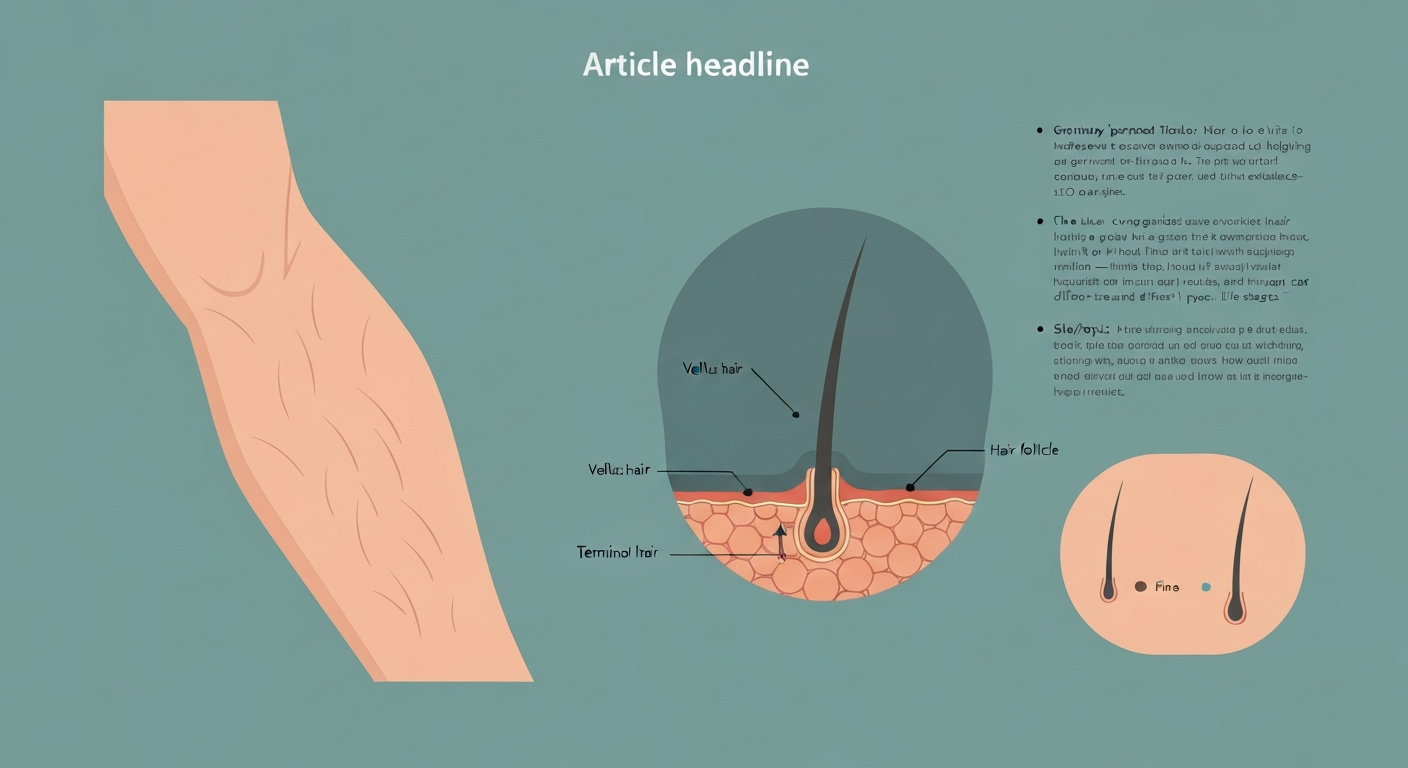
Your arm is covered with two fundamentally different types of hair, and understanding the difference matters because treatments affect them in completely different ways. Vellus hairs are the fine, almost colorless, short hairs that cover most of your body's skin surface. They're essentially invisible. Terminal hairs are the longer, thicker, pigmented hairs you can actually see, the ones people typically mean when they say they want more arm hair. The follicles that produce terminal hairs are larger and deeper in the skin, fed by a better blood supply and far more responsive to hormonal signals, particularly androgens like testosterone and DHT.
The transformation from vellus to terminal is called terminalization, and it's a key concept here. During puberty, androgens cause many vellus follicles on the arms, legs, armpits, and face to terminalize, that's where visible body hair comes from. The extent of terminalization is largely genetically determined. Some people terminalize a lot of follicles; others terminalize few. This is why arm hair density varies so much between people even of the same sex.
Like all hair, arm hair follows a cyclical growth pattern. The anagen phase is active growth, lasting weeks to a few months for body hair (much shorter than the 2–7 years typical on the scalp). Catagen is a brief transitional phase. Telogen is the resting phase, after which the hair sheds and the cycle restarts. Body hair spends a larger proportion of its cycle in telogen compared to scalp hair, which is why arm hair stays short, it doesn't grow long enough before shedding. Any condition that shortens anagen or prematurely shifts follicles into telogen will reduce visible hair density.
Common reasons arm hair is sparse
Genetics is the most common explanation, and it's worth acknowledging upfront. If your parents or siblings have light arm hair, there's a good chance your follicle density and androgenic sensitivity are simply set that way. Ethnicity also plays a significant role, people of East Asian, Southeast Asian, and some Indigenous backgrounds often have less visible body hair by genetic default, with no underlying problem at all.
Beyond genetics, hormones are the next biggest factor. Androgens (testosterone and DHT) drive the terminalization of body hair follicles. Low androgen levels from any cause, hypogonadism, hypothyroidism, adrenal insufficiency, or even significant caloric restriction, can reduce body hair. In women, certain hormonal contraceptives with anti-androgenic progestins can also reduce body hair over time. Conversely, conditions involving very high androgens tend to increase body hair, which is why transgender men undergoing testosterone therapy typically see measurable increases in facial and body hair within 6–12 months, with full effects continuing for years.
Age matters too. Body hair often thins as people enter their 50s and 60s due to declining androgen levels and reduced follicular activity. This is entirely normal but can be alarming if it happens faster than expected.
Nutritional deficiencies are a frequently overlooked and very correctable cause. Iron deficiency (even without full anemia), low vitamin D, low B12, and zinc insufficiency all impair the hair growth cycle. Protein deficiency is another contributor, hair follicles are metabolically demanding, and inadequate dietary protein can push follicles into telogen prematurely.
Skin conditions affecting the arms can also reduce visible hair locally. Keratosis pilaris, a common condition where keratin plugs clog follicle openings, can physically impede hair growth on the upper arms. Eczema, psoriasis, or chronic skin inflammation can disrupt follicular function in affected areas. Scarring from burns, injuries, or severe inflammatory skin conditions can permanently damage follicles.
Certain medications are well-documented causes of diffuse hair loss that affects body hair as well as scalp hair. Chemotherapy drugs are the most obvious, but others include some antifungals, retinoids at high doses, blood thinners like heparin and warfarin, and some beta-blockers. If you started a new medication around the time you noticed arm hair thinning, that timing is worth flagging with your doctor.
Systemic diseases can cause body hair loss as a symptom. Hypothyroidism is a classic example, the outer third of the eyebrows thinning is taught as a textbook sign, but diffuse body hair thinning is also common. Alopecia areata can affect body hair as well as scalp hair. Lupus, liver disease, severe malabsorption disorders, and eating disorders with chronic malnutrition can all manifest with reduced body hair.
How responses differ by sex, age, and body area
Men typically have more terminal arm hair than women because of higher baseline androgen levels, but the variation within each sex is enormous. A man with naturally low androgen sensitivity can have very light arm hair; a woman with higher androgen sensitivity may have noticeably visible arm hair. Neither is abnormal by itself.
Younger adults (teens through 30s) who experience arm hair thinning are more likely to have a correctable underlying cause than older adults, for whom gradual reduction with age is normal. If you're under 35 and noticing significant arm hair loss, that's worth investigating more actively than if you're 60 and seeing a slow reduction over years.
Different areas of the arm also behave differently. The forearm tends to have more androgen-responsive terminal follicles than the upper arm. The upper arm in many people is dominated by vellus hair even when androgens are normal, which is why you shouldn't expect treatments to produce thick coverage there even if they work on the forearm. This is similar to why hair on the chest, hands, and other body areas each follow their own hormonal and genetic rules, something worth keeping in mind if you're also curious about growing hair in other body areas.
When sparse arm hair is a medical concern: red flags to watch for
Most sparse arm hair is genetic and completely benign. But certain patterns should prompt you to see a doctor rather than just trying home remedies. Pay attention to these warning signs.
- Sudden or rapid loss of arm hair over weeks to a few months, rather than gradual change over years
- Loss accompanied by loss of eyebrow hair, eyelashes, or scalp hair in patches (possible alopecia areata)
- Sparse arm hair alongside fatigue, cold intolerance, weight gain, dry skin, or constipation (possible hypothyroidism)
- Hair loss with unexplained weight loss, chronic diarrhea, or abdominal symptoms (possible malabsorption or systemic illness)
- Loss of arm hair alongside loss of pubic hair and axillary hair, particularly in women (possible hypopituitarism or adrenal insufficiency)
- New medications started within 3–6 months before noticing hair changes
- Hair changes accompanied by skin rash, joint pain, or other systemic symptoms (possible autoimmune conditions including lupus)
- In women: irregular periods, acne, or unexpected facial hair growth alongside body hair loss (hormonal imbalance worth investigating)
None of these are cause for panic, they're just signals that something beyond normal variation may be happening, and that basic testing will help you understand what you're dealing with before trying any treatment.
Diagnostic tests worth considering
If your arm hair has thinned noticeably, or if you have any of the red flags above, a basic panel of bloodwork can tell you a lot. None of these tests require specialist referral initially, your primary care doctor can order them.
| Test | What it checks for | Why it matters for hair |
|---|---|---|
| TSH (thyroid-stimulating hormone) | Thyroid dysfunction, particularly hypothyroidism | Hypothyroidism is one of the most common correctable causes of diffuse hair loss including body hair |
| Ferritin (iron stores) | Iron deficiency, even before anemia develops | Low ferritin is strongly linked to hair loss; ferritin below ~40 ng/mL is often considered suboptimal for hair growth |
| CBC (complete blood count) | Anemia, blood cell abnormalities, signs of systemic illness | Helps identify iron-deficiency anemia and other conditions affecting hair follicle nutrition |
| Vitamin D (25-OH) | Vitamin D insufficiency or deficiency | Vitamin D receptors are present in hair follicles; deficiency is linked to alopecia areata and diffuse hair thinning |
| Vitamin B12 | B12 deficiency, especially relevant for vegans/vegetarians or those on metformin | B12 deficiency can cause diffuse hair loss; easy to correct with supplementation |
| Zinc | Zinc insufficiency | Zinc is required for hair follicle cell division; deficiency impairs growth |
| Total and free testosterone (men and women) | Hypogonadism in men; androgen imbalance in women | Androgen levels directly drive terminalization of body hair follicles |
| DHEA-S and free testosterone (women with other symptoms) | Androgen excess or adrenal issues | Relevant when hair loss occurs alongside other hormonal symptoms |
| ANA (antinuclear antibody) | Autoimmune conditions like lupus | Relevant if other systemic symptoms accompany hair loss |
A dermatologist can provide a skin and follicle assessment if your primary care workup is normal but you're still losing body hair. An endocrinologist is the right referral if bloodwork suggests a hormonal imbalance. In my experience, a lot of people skip this step and go straight to treatments, but knowing what you're treating makes everything else more effective and safer.
Treatments with clinical backing: what the evidence actually shows
Topical minoxidil: the most evidence-supported off-label option
Topical minoxidil is FDA-approved for scalp hair regrowth (androgenetic alopecia) at 2% and 5% concentrations. It works by prolonging the anagen phase of the hair cycle and may also promote the terminalization of vellus follicles. Crucially for our purposes, randomized controlled trials have shown it can increase hair growth at non-scalp sites: a 16-week RCT using 3% minoxidil lotion showed significant increases in beard and facial hair counts versus placebo, and a 16-week RCT of 2% topical minoxidil showed improvement in eyebrow hypotrichosis. These aren't scalp studies, they're real evidence that minoxidil can stimulate terminalization in non-scalp hair.
The honest caveat: there are no published randomized trials specifically testing minoxidil applied to the arms for increasing arm hair. The leap from beard and eyebrow evidence to limb evidence is plausible (the mechanism would be the same), but it hasn't been directly tested. So if you try it, you're using it off-label for an off-label site, with indirect supporting evidence. That's not necessarily a reason to avoid it, but it is a reason to have realistic expectations and to approach it carefully.
On the safety side, topical minoxidil's percutaneous absorption is generally low, typically about 1–4% of the applied dose reaches systemic circulation, with serum concentrations usually staying below about 2 ng/mL after standard scalp use. However, absorption increases meaningfully if you apply it over a large surface area, to damaged or occluded skin, or use more than directed. Applying minoxidil to both full arms represents a much larger surface area than the scalp, which raises the question of systemic exposure. Common side effects at the application site include local irritation and itching. Hypertrichosis (unwanted hair growth elsewhere) can occur, particularly with overuse or occlusion, there are case reports of generalized hypertrichosis from systemic absorption after topical overuse. Minoxidil is not recommended during pregnancy or breastfeeding due to limited safety data and the possibility of fetal exposure even via low systemic absorption.
If you do try topical minoxidil for arm hair, the practical approach is to start with the 2% formulation applied once daily to a limited area (forearms only, not the full arm), use the minimum effective amount, and avoid applying it to broken, sunburned, or irritated skin. Give it at least 4–6 months before evaluating whether it's working, hair cycle changes take time.
Oral minoxidil: higher risk, not recommended for this purpose
Low-dose oral minoxidil (LDOM), typically 0.625–5 mg daily, is used off-label for scalp hair loss and does produce dose-dependent increases in hair density across the body. But it also carries a meaningfully higher risk of generalized hypertrichosis than the topical version, plus real cardiovascular concerns including tachycardia, fluid retention, edema, and rare pericardial effusion. These risks require baseline cardiovascular assessment and ongoing monitoring. Using LDOM specifically to grow more arm hair would be an extreme risk-to-benefit imbalance, I'd steer clear unless a dermatologist or cardiologist is actively involved.
Hormone therapy: effective when indicated, not a DIY strategy
If testing reveals hypogonadism (low testosterone in men, or androgen deficiency in women) as the cause of sparse body hair, hormone replacement therapy prescribed and monitored by an endocrinologist is the most targeted and effective treatment. This isn't a DIY approach, it requires diagnosis, prescribing, and follow-up. The Endocrine Society notes that hormonal therapies take around 6 months to show effects on hair and up to 9 months to reach maximal effect. For transgender men, testosterone therapy produces measurable increases in facial and body hair within 6–12 months, with effects continuing for more than 5 years. The key takeaway is that when hormones are the root cause, addressing them directly works far better than any topical approach.
Low-level laser therapy (LLLT)
LLLT devices using red wavelengths (typically around 630–670 nm, most commonly 655 nm) have randomized trial support for modest but statistically significant increases in scalp hair count and density in androgenetic alopecia. Meta-analyses of FDA-cleared home-use devices confirm a real effect for scalp hair. Meta‑analyses and systematic reviews of low‑level laser/light therapy (LLLT) for androgenetic alopecia (scalp) report modest but statistically significant increases in hair count/density versus sham; most positive RCTs use red wavelengths (~630–670 nm, commonly ~655 nm) and treatment regimens of multiple sessions per week over months A Systematic Review and Meta‑analysis of RCTs of FDA‑cleared home‑use low‑level light/laser therapy devices for pattern hair loss (PMC). For non-scalp body sites including arms, however, systematic reviews find little or no trial evidence. The mechanism (photobiomodulation of follicular metabolism) could theoretically apply to arm follicles, but there's simply no good data to support it there yet. LLLT is safe, low-risk, and may be worth trying as part of a broader approach, but don't lead with it.
Microneedling and PRP: scalp evidence doesn't extend to arms
Microneedling (using needle lengths of about 0.5–2.5 mm, depending on protocol) has shown benefit for scalp hair loss, particularly when combined with topical minoxidil, in randomized trials and systematic reviews. Platelet-rich plasma (PRP) injected into the scalp also shows positive effects for androgenetic alopecia in multiple meta-analyses, though protocol variability makes generalizability tricky. Neither microneedling nor PRP has been tested in randomized trials for arm hair specifically. Applying microneedling to your arms at home without professional guidance carries real risks of infection, scarring, and skin damage. If you're interested in PRP for body hair, that conversation belongs in a dermatologist's office, not a YouTube tutorial.
Nutrition, supplements, and lifestyle: the foundation that actually moves the needle
Protein and key micronutrients
Hair follicles are among the most metabolically active cells in the body, which means they're early casualties of nutritional shortfalls. Protein is the structural basis of hair (keratin), and getting enough, I'd suggest at least 0.7–1g per pound of body weight daily, is a genuine prerequisite for any other strategy to work. Iron is probably the single most under-recognized dietary driver of hair loss in women; even sub-anemic iron deficiency (ferritin below 40 ng/mL is often cited as suboptimal for hair) can impair the growth cycle. Vitamin D insufficiency is extremely common and directly relevant, vitamin D receptors are present in hair follicles, and deficiency is associated with both alopecia areata and diffuse hair thinning. B12 deficiency causes hair loss and is easy to miss, especially in vegans, vegetarians, older adults, or anyone taking metformin long-term. Zinc is required for follicle cell division and protein synthesis; low dietary zinc (from insufficient meat, seafood, or legumes) is a correctable cause of thinning.
What about biotin? It's massively marketed for hair growth but only reliably helps when you're actually biotin deficient, which is uncommon in people eating a varied diet. Taking extra biotin beyond what you need won't grow more hair. It will, however, interfere with several common lab tests including thyroid panels and troponin, so stop biotin supplements at least a week before bloodwork.
Omega-3 fatty acids (from fatty fish, flaxseed, or quality fish oil supplements) support scalp and skin health and have some evidence for reducing hair shedding. For body hair specifically, the evidence is indirect, but keeping inflammatory processes in skin low is always a plus for follicular health.
Exercise and stress
Regular exercise supports hair growth through a few mechanisms: it improves peripheral circulation (bringing more oxygen and nutrients to skin and follicles), supports healthy hormonal balance including testosterone levels in men, and reduces chronic cortisol. High chronic stress elevates cortisol, which can push hair follicles into telogen prematurely, this is the biology behind telogen effluvium, a form of diffuse shedding triggered by physical or psychological stress. Resistance training in particular supports androgen levels, which are the primary driver of body hair terminalization. You don't need to become a competitive athlete, 3–4 sessions of meaningful physical activity per week is enough to get these benefits. Exercise as a strategy for improving hair growth is worth exploring more broadly if you're interested in that angle.
Home remedies and topical care: what helps and what doesn't
Massage and circulation
Regular massage of the arms improves local blood flow and can stimulate follicles mechanically. There's decent trial evidence for scalp massage increasing hair thickness over time with consistent practice. For arms, there are no dedicated trials, but the mechanism is sound and the risk is zero. If you're applying a topical treatment anyway, massaging it in for a few minutes is a good habit.
Rosemary oil, castor oil, and similar remedies
Rosemary oil has gained attention for scalp hair because one small study compared it favorably to 2% minoxidil for scalp hair regrowth. That's genuinely interesting but applies to scalp hair, not body hair, and the study was small with methodological limitations. Castor oil is popular but lacks any rigorous trial evidence even for scalp use. For arm hair specifically, neither has been studied. Both are low-risk and might support skin hydration and follicle environment as part of a broader routine, but neither should be your primary strategy. Treat them as supportive additions, not core treatments.
Exfoliation and moisturizing
This one matters more than people realize, particularly if you have keratosis pilaris on your upper arms (the small bumpy texture many people have). Those keratin plugs physically block follicle openings. Regular gentle exfoliation, a mild chemical exfoliant like lactic acid a few times per week, or a gentle physical scrub, can clear those plugs and allow hairs that were trapped to emerge. Keeping the skin well moisturized (a simple ceramide-based lotion works well) reduces inflammation and barrier dysfunction that can interfere with follicular health. This won't create new terminal hairs where none existed, but it can unmask hairs that were technically present but blocked.
Comparing your main options side by side
| Approach | Evidence level for arm hair | Realistic timeline | Key risk/caveat |
|---|---|---|---|
| Fix nutritional deficiencies (iron, D, B12, zinc) | Strong indirect evidence; direct for correcting deficiency-related loss | 3–6 months after correcting deficiency | Requires bloodwork to confirm deficiency first |
| Adequate dietary protein and omega-3s | Strong foundational evidence for hair health broadly | Ongoing; 3–4 months to notice difference | No risk; baseline requirement not a standalone treatment |
| Topical minoxidil 2–5% | Strong for scalp/beard/eyebrow; no arm-specific RCTs | 4–6 months minimum to evaluate | Avoid in pregnancy; limit surface area; watch for irritation |
| Hormone therapy (when deficiency confirmed) | Strong when hormonal cause confirmed | 6–9 months for full hair effect | Requires medical diagnosis and ongoing monitoring |
| Exercise and stress reduction | Moderate indirect evidence via androgen/cortisol effects | 3–6 months of consistent practice | No risk; broad health benefits beyond hair |
| Skin care (exfoliation, moisturizing, massage) | Low-moderate; mostly mechanistic rationale | Weeks to months for local improvement | Low risk; most relevant for keratosis pilaris |
| LLLT devices | Moderate for scalp AGA; no arm-specific evidence | 3–6 months of regular use | Safe; expensive devices; no arm trial data |
| Topical oils (rosemary, castor) | Very limited even for scalp; no arm data | Unknown | Low risk; no reliable evidence for body hair |
| Microneedling / PRP | Moderate for scalp; no arm-specific RCTs | Multiple sessions over months | Infection/scarring risk without professional supervision |
Realistic timelines and how to track your progress
One thing I want to be really clear about: hair changes are slow. Even the fastest-acting interventions, correcting a nutritional deficiency, for example, take 3–6 months to produce visible results because follicles need to cycle through before you see new growth. Topical minoxidil studies in non-scalp sites generally run 16 weeks before measuring outcomes. Hormonal therapies take 6–9 months. If you try something for 4 weeks and see nothing, that tells you almost nothing about whether it's working.
The best way to track progress is to take standardized photos from the same angle, distance, and lighting once a month. Hold a ruler next to the area if you want to be rigorous about density. Compare photos at 3 months and 6 months rather than week to week. Note any other changes, skin texture, overall energy, other hair areas, because improvement in those can also signal that a nutritional or hormonal fix is working systemically.
A practical starting point is to focus on one or two interventions at a time rather than throwing everything at the problem simultaneously. Start with bloodwork and nutrition. Add topical minoxidil if you want to pursue that after discussing it with a doctor. Give each change at least 3–4 months before deciding it isn't working. This kind of methodical approach will tell you far more than a scattershot routine.
A note on growing hair in other body areas
People often come to arm hair questions as part of a broader interest in body hair, whether that's chest hair, hand hair, or general body hair growth. For step-by-step, chest-specific advice, see our guide on how to grow hair on your chest. For more on general strategies for how to grow hair on skin across different body areas, see our guide. For a broader overview on how to grow hair on body, see the related guide (internal resource ID 2111e00d-1783-40ce-8a63-6474bdffe05e). The same biological principles apply across all body areas: androgen sensitivity of follicles, the hair growth cycle, and nutritional status all govern what grows where. That said, each area has its own baseline follicle density and hormonal responsiveness, so what works on the forearm won't necessarily produce the same result on the chest or hands, and vice versa. The medical red flags and diagnostic approach described in this article apply equally to those other areas, if you're noticing unexplained thinning across multiple body sites, that's a stronger signal to investigate than sparse hair in one location. For information focused specifically on pubic or scrotal hair, see our related guide on how to grow hair on your balls.
FAQ
Can adults increase visible hair on their arms, and what affects success?
Yes, some adults can increase visible arm hair, but results vary widely. Arm hair growth depends on hair type (terminal vs vellus), genetics, local androgen sensitivity, age, sex, and underlying health. Treatments that reliably increase scalp or facial hair (topical minoxidil, LLLT, microneedling, PRP, systemic hormones) have clinical evidence for those sites but limited direct trial data for arms. Expect slower and smaller effects on limbs than on scalp/face; realistic timelines are months (often 3–6 months) with maximal changes taking longer (6–12+ months). (Sources: FDA minoxidil review; systematic reviews of LLLT, microneedling, PRP.)
Is topical minoxidil a good option for growing more arm hair?
Topical minoxidil can stimulate hair growth by prolonging anagen phase and promoting terminalization, and it is proven for scalp and has RCT evidence for some facial sites (beard, eyebrows). However, high‑quality trial evidence specifically for arm/limb hair is lacking. Off‑label limb use may work for some people but is unpredictable. Use increases surface area and occlusion raise systemic absorption; common side effects include local irritation and unwanted hair (hypertrichosis) elsewhere. Avoid during pregnancy/breastfeeding. If you try it, start with low concentration and limited area, monitor for local/systemic effects, and expect at least 3–6 months to judge response. (Sources: FDA minoxidil documents; Dailymed label; clinical trials of facial/eyebrow minoxidil.)
What strengths and application advice apply if I try topical minoxidil on my arms?
Most clinical evidence uses 2% or 5% topical solutions/foam for scalp; facial trials have used 3% or 5%. For off‑label limb use, clinicians often start with lower concentration (2% or 3%) applied once or twice daily to a small target area. Use a measured dose, avoid occlusion, do not apply to broken skin, wash hands after application, and avoid combining with other potent topical agents unless advised. Stop and seek medical care if you develop chest pain, rapid heartbeat, dizziness, fainting, or significant swelling. Pregnant or breastfeeding people should avoid. Monitor for local dermatitis. (Sources: FDA label; topical minoxidil pharmacology.)
How much systemic absorption and risk is there when applying minoxidil to arms?
Percutaneous absorption of topical minoxidil is usually low (roughly 1–4% of applied dose for standard scalp use) and systemic serum levels are typically very low, but absorption increases with larger treated surface area, damaged or occluded skin, excessive dosing, or use on thinner skin. Case reports document generalized hypertrichosis and, rarely, systemic effects when absorption is increased. Use conservative dosing and avoid treating very large areas to minimize risk. (Sources: PubChem/PK summaries; case reports of hypertrichosis.)
Are there safer or more effective alternatives to minoxidil for arm hair?
There are no proven, FDA‑approved treatments specifically for increasing arm hair. Options with some evidence on scalp/face include low‑level laser/light therapy (LLLT), microneedling (often combined with topicals), PRP injections, and systemic hormones when medically indicated. LLLT and microneedling have RCT evidence for scalp; PRP shows heterogeneous but positive results for scalp. None have strong trial data for arms. Hormone therapy (e.g., testosterone) reliably increases body hair in people who need masculinizing treatment but requires medical supervision due to systemic effects. Low‑dose oral minoxidil can increase body hair but carries cardiovascular risks and needs clinician monitoring. (Sources: meta‑analyses and systematic reviews; WPATH/Endocrine guidance; LDOM reviews.)
What diagnostic tests should I consider if I notice thinning or loss of arm hair?
If arm hair loss is new, patchy, or accompanied by other symptoms (fatigue, weight changes, menstrual irregularities, skin changes), consider evaluation including: thyroid function tests (TSH, free T4), ferritin (iron stores), CBC (anemia), sex hormones when indicated (total testosterone, DHEA‑S, LH/FSH in women with virilizing signs), and other targeted tests per history. For suspected dermatologic causes, a dermatology exam (and sometimes skin biopsy) can clarify scarring vs nonscarring hair loss. Discuss testing with your clinician; treat reversible deficiencies (e.g., low ferritin, thyroid dysfunction) which can improve hair. (Sources: endocrine/hirsutism guidelines; general diagnostic practice.)},{
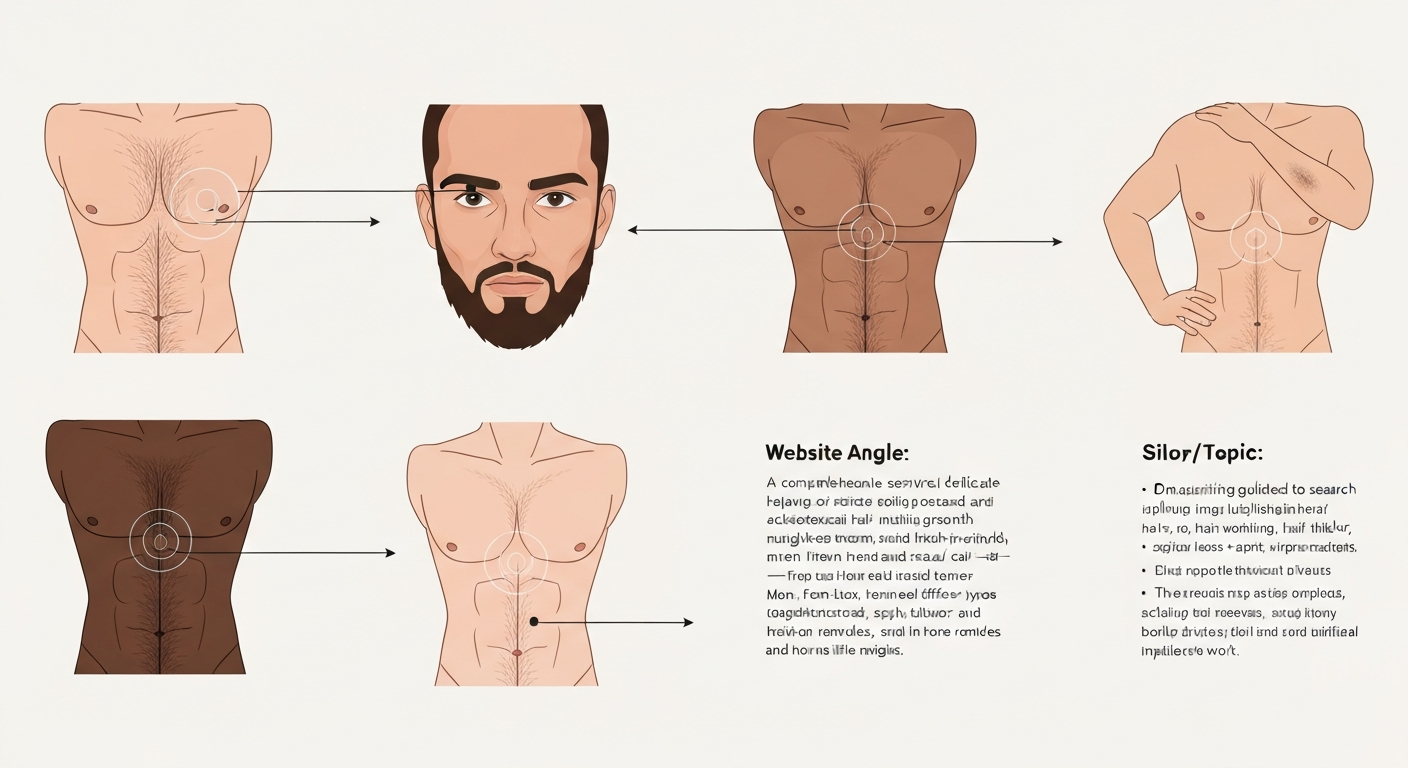
Evidence-based ways to encourage thicker body hair: biology, diet, topical & medical options, safety, timelines.

Learn how to grow chest hair with genetics, hormones, nutrition, safe topicals, and realistic timelines for thicker grow
Practical steps to boost pubic hair density safely, manage irritation, support follicles with diet, track progress, and