
You can't force chest hair to grow where your genetics say no, but if the follicles are there (and for most men they are, just dormant or underdeveloped), optimizing your hormones, nutrition, and skin environment genuinely gives them the best shot at activating. The practical playbook comes down to three things: remove the blockers, feed the follicles what they need, and be patient with a process that takes months, not weeks.
How to Grow Hair on Your Chest: Evidence-Based Steps

Marcus Holloway
5 Jul 2026
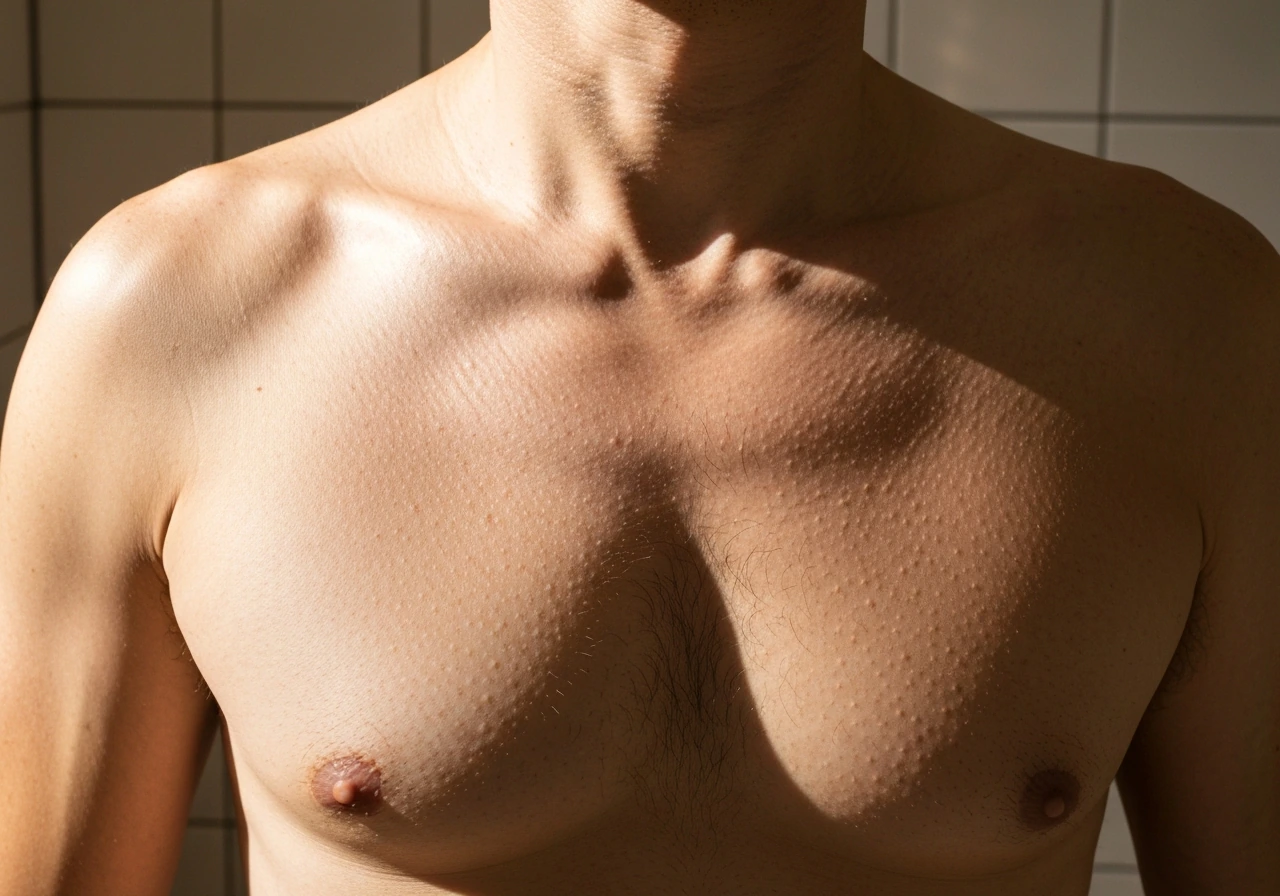
Why chest hair is different from beard or arm hair
Chest hair is what researchers call an androgen-stimulatory area. That means the follicles on your chest respond to androgens (primarily testosterone and its more potent conversion product, DHT) by transforming from fine, almost invisible vellus hairs into thicker, darker terminal hairs. The same mechanism drives beard growth and is completely different from what happens on your scalp, where DHT actually shrinks follicles. So growing chest hair is the opposite problem from scalp hair loss.
Here's the catch though: follicle sensitivity varies wildly from person to person, and even from one part of your chest to another. Two men with identical testosterone levels can have completely different amounts of chest hair because their follicles' androgen receptors respond differently. This is why your father or brother's chest hair tells you more about your likely outcome than any supplement can. That said, follicles that haven't fully activated yet, especially if you're in your late teens or early-to-mid twenties, can still develop over time as androgen exposure accumulates.
Arm hair and body hair in general follow similar androgen-dependent logic, but the chest and stomach are particularly sensitive to androgens compared to, say, the forearms. If you also want to grow more hair on your arms, the same androgen-dependent logic and blocker-first thinking apply to how forearms and arm follicles respond. If you've noticed patchy or thin arm hair alongside sparse chest hair, that pattern is worth paying attention to when you're evaluating potential blockers.
Look for what might be blocking growth first
Before trying any topical or supplement approach, it's worth doing a quick self-audit. Chest hair under-development is almost always downstream of something: hormones, health, age, or medications. Fixing the upstream issue does more than anything else you could apply to your skin.
Testosterone and androgen levels
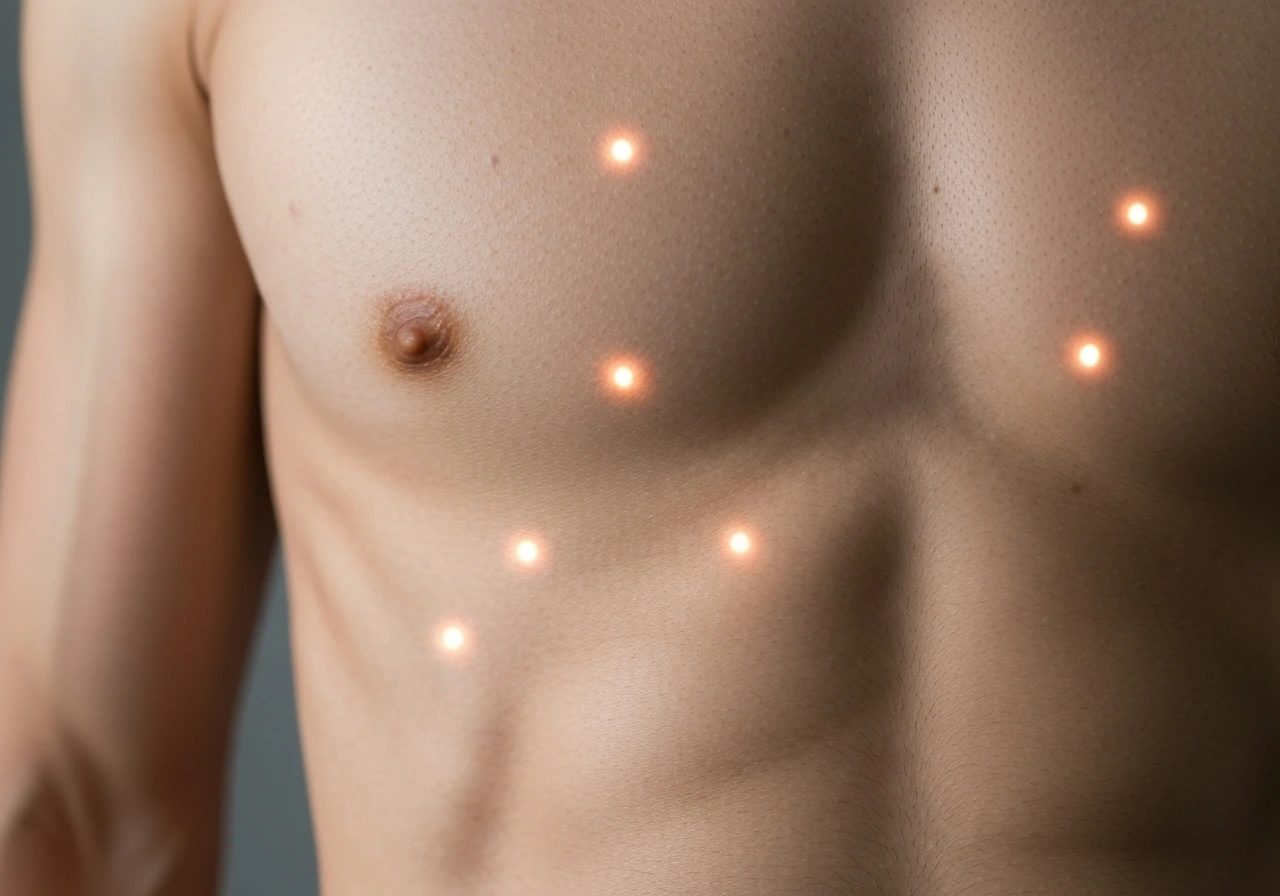
Low testosterone (hypogonadism) is one of the most direct causes of reduced body and chest hair. The Cleveland Clinic lists reduced body hair, including armpit and pubic hair, as a classic symptom of low testosterone alongside fatigue, low libido, and mood changes. If you're experiencing those alongside sparse chest hair, a simple blood test (total testosterone, and if borderline, free testosterone too) is genuinely worth doing. Normal ranges vary slightly by lab, but consistently low readings warrant a conversation with a doctor, not just a trip to the supplement aisle.
On the flip side, certain androgen-related conditions can disrupt normal hair patterns in complicated ways. The key point is that chest hair growth requires both adequate androgen levels and follicles with functional androgen receptors and 5-alpha reductase enzyme activity. If either piece is missing or blunted, the vellus-to-terminal conversion just doesn't happen as fully.
Medications that can slow body hair
Several common medications interfere with androgen signaling or overall hair cycling. Anti-androgens (used for prostate issues, some blood pressure medications like spironolactone, and certain hair loss treatments like finasteride) can directly suppress the androgen activity chest follicles depend on. Chemotherapy drugs, immunosuppressants, and some antifungals can also disrupt hair growth broadly. If you started a new medication and noticed a change in body hair density, mention it to your prescribing doctor. Don't stop any medication on your own, but it's a valid question to raise.
Age and puberty timing
Chest hair often continues developing well into a man's mid-to-late twenties, and for some men even into their early thirties. If you're under 25 and frustrated by sparse chest hair, time itself is a real factor. Androgen exposure accumulates, and follicles that were dormant at 18 can activate by 26. This doesn't mean there's nothing you can do now, but it does mean setting expectations accordingly.
Underlying health conditions
Thyroid disorders, adrenal issues, and chronic illness can all impair hair growth. Alopecia areata, an autoimmune condition, can cause patchy hair loss in any hair-bearing area including the chest and stomach. If you're noticing sudden patches of missing hair (rather than just generally sparse coverage you've always had), that pattern warrants a dermatologist visit rather than a DIY approach.
Feed your follicles: nutrition that actually matters
Hair is metabolically expensive tissue, and follicles are among the first things the body deprioritizes when resources are tight. Getting your nutrition right won't override genetics, but deficiencies are a genuine and fixable blocker.
Calories and protein: the foundation

Severe caloric restriction and protein malnutrition are well-documented causes of telogen effluvium, a condition where large numbers of hair follicles shift into the resting/shedding phase. This applies to body hair as much as scalp hair. If you're in a significant caloric deficit (aggressive dieting, restricted eating, or very low carbohydrate intake without adequate total calories), that alone can suppress hair growth. Aim for adequate total calories first. On protein: research is clear that true protein deficiency causes hair loss, but if you're eating a varied diet with reasonable protein intake (roughly 0.7 to 1 gram per pound of body weight is a practical target), adding more protein beyond that probably won't unlock new chest hair on its own.
The key micronutrients for hair follicle function
Several micronutrients have solid evidence linking their deficiency to impaired hair growth. Getting a blood panel that includes ferritin, vitamin D, and zinc is a smart first step if you haven't recently had one.
| Nutrient | Why it matters for hair | Signs of deficiency | Practical action |
|---|---|---|---|
| Iron (ferritin) | Iron deficiency is one of the best-documented causes of hair shedding; some specialists target ferritin above 70 ng/mL for hair-specific concerns | Fatigue, pale skin, cold hands/feet | Get a ferritin blood test; supplement only if deficient, ideally with a doctor's guidance |
| Vitamin D | Low vitamin D is associated with alopecia areata and general hair loss; follicle cycling depends on vitamin D receptor activity | Fatigue, mood changes, bone aches | Test first; 1000-2000 IU daily maintenance is reasonable for most adults, more if deficient |
| Zinc | Zinc deficiency can cause hair shedding; zinc is critical for protein synthesis and androgen metabolism in follicle cells | Slow wound healing, white spots on nails | Eat zinc-rich foods (red meat, pumpkin seeds, oysters); supplement cautiously since excess zinc can backfire |
| B vitamins (especially biotin, B12) | Support cell metabolism in rapidly dividing follicle cells; B12 deficiency is common in people avoiding animal products | Fatigue, neurological symptoms (B12) | Eat varied whole foods; vegans/vegetarians should supplement B12 |
| Omega-3 fatty acids | Essential fatty acid deficiency can trigger telogen effluvium within 2-4 months; omega-3s also reduce scalp/skin inflammation | Dry skin, dry hair, joint stiffness | Eat fatty fish 2-3x per week or take a quality fish oil supplement |
The key rule with supplements: fix deficiencies first, don't mega-dose nutrients you're already getting enough of. More isn't better and can sometimes interfere with absorption of other minerals (excess zinc, for example, can deplete copper).
Topical approaches for chest hair: what to use and what to avoid
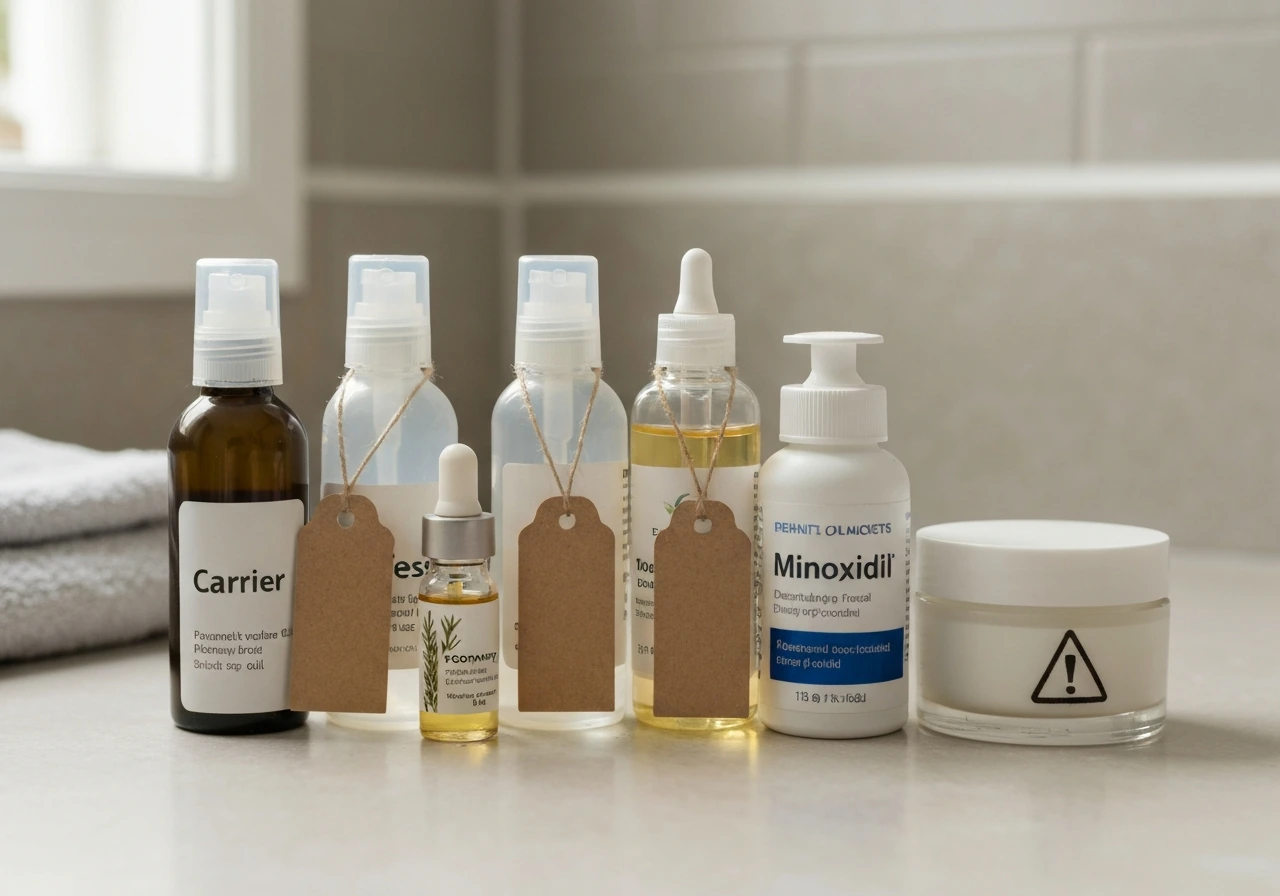
This is where things get more nuanced, because most topical hair growth research is done on the scalp, not the chest. But there are some sensible approaches worth trying, and one off-label option that requires an honest conversation about risks.
Daily gentle massage and circulation
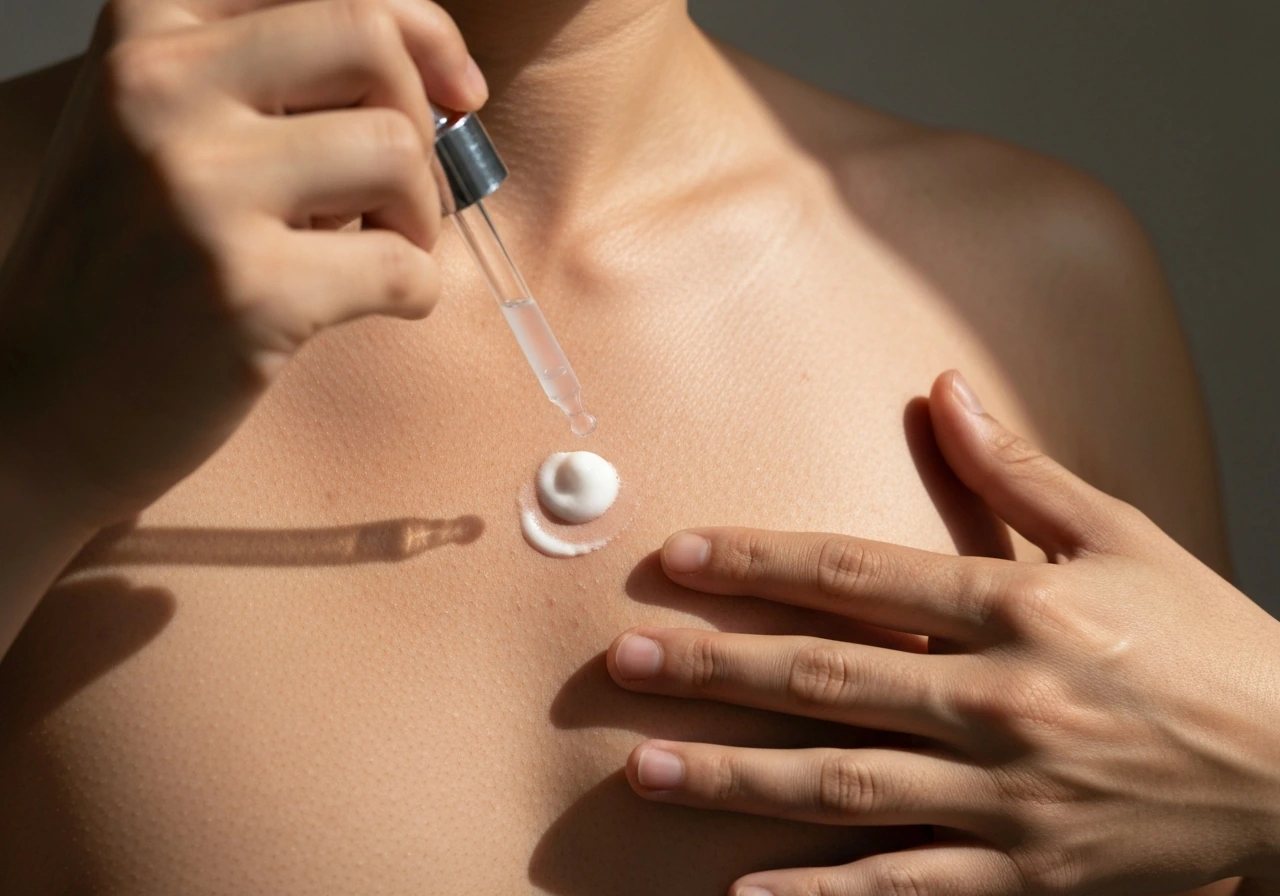
Consistent, gentle mechanical stimulation of the skin increases local blood flow and may help keep follicles active. This isn't magic, but it costs nothing and has zero downside. Spend 3 to 5 minutes a day doing gentle circular friction massage over your chest with your fingertips, ideally after a warm shower when the skin is supple. Think of it the way scalp massage is used in hair growth routines: it won't build new follicles, but it may improve the environment for existing ones.
Carrier oils and rosemary oil
Rosemary oil has the most credible human evidence for topical hair growth support. A randomized trial found rosemary oil performed comparably to 2% minoxidil for androgenetic alopecia over 6 months. That's scalp evidence, not chest evidence, but the mechanism (improved microcirculation and possible 5-alpha reductase inhibition) is plausible for body hair too. Mix a few drops of rosemary essential oil into a carrier oil like jojoba or coconut oil (roughly 2-3 drops per teaspoon of carrier) and massage it into your chest skin daily. Keep it away from your face, eyes, and any broken skin. This is low-risk and worth including in a consistent routine.
Minoxidil on the chest: an honest look
Minoxidil is an FDA-approved topical treatment for scalp hair loss, and some people do use it off-label on the beard and body. However, Mayo Clinic explicitly cautions against applying topical minoxidil to other parts of the body beyond the indicated area, and MedlinePlus warns to keep it away from other body areas. The reasons are real: minoxidil gets absorbed through skin, and applying it to the large surface area of the chest significantly increases systemic absorption compared to the scalp. StatPearls notes that topical minoxidil has important contraindications and precautions, including risks like hypertrichosis (localized and generalized) and considerations for monitoring topical minoxidil gets absorbed through skin. The cardiovascular effects that made minoxidil famous (it was originally an oral blood pressure drug) are dose-dependent, and higher systemic levels can cause fluid retention, edema, and cardiovascular effects including palpitations and tachycardia. Even low-dose oral minoxidil studies in large patient groups track these side effects carefully.
If you're seriously interested in minoxidil for body hair, the conversation to have is with a dermatologist, not a DIY experiment. They can discuss whether oral low-dose minoxidil (which is increasingly used under supervision for hair loss) makes more sense for your situation than topical chest application. Don't just buy a bottle and start applying it to your chest on your own. The risk-to-benefit math is different here than on the scalp.
Keeping chest skin healthy
Healthy follicles need a healthy skin environment. Chronic skin inflammation, clogged follicles, or fungal/bacterial overgrowth on the chest skin can impair hair growth and cause folliculitis (inflamed hair follicles that look like small red bumps). Use a gentle, non-comedogenic body wash. Don't over-exfoliate. If you use heavy gym supplements or wear tight synthetic fabrics all day, both can contribute to chest follicle issues. Exercise can help support hormone balance and circulation, which may improve the environment for existing chest hair follicles to grow. Keeping the skin barrier intact is the same principle you'd apply to scalp care, just adapted to a larger, more variable body surface.
Natural remedies and home approaches: realistic expectations
There's a lot of folklore around natural remedies for body hair growth, and most of it outpaces the evidence. That doesn't mean everything is useless, but it does mean you should apply a basic filter: does this have any plausible mechanism, and does it at minimum not cause harm?
- Castor oil: Widely recommended for hair growth but has very limited clinical evidence. It does have moisturizing and anti-inflammatory properties that support skin barrier health. Using it as a carrier oil for rosemary oil is reasonable. Don't expect dramatic results from castor oil alone.
- Saw palmetto (topical or oral): Has some biochemical evidence for inhibiting 5-alpha reductase (similar mechanism to finasteride), and one 16-week RCT showed reduced DHT and improved hair outcomes in androgenetic alopecia. Evidence is still limited overall, and its effect on chest hair specifically is unknown. If you try it, use the standardized oil form and track your results over at least 4 months.
- Onion juice: Popularized online but has minimal credible evidence for hair growth outside one small scalp study. Not worth the smell and skin irritation on your chest.
- Cold and hot water alternation in the shower: May mildly stimulate circulation. Low risk, easy to do. Don't expect measurable impact but it won't hurt.
- Reducing chronic stress: Stress triggers cortisol elevation, which can suppress androgen activity and push follicles into the resting phase. This is real biology, not woo. Sleep, stress management, and regular exercise all support the hormonal environment that chest hair depends on.
- Exercise: Resistance training in particular has a well-documented short-term effect on testosterone levels. It won't dramatically change your baseline, but consistently low activity levels paired with poor sleep genuinely blunt the androgen environment your chest follicles need.
Think of the natural remedy layer as maintaining an optimal environment for whatever your genetics and hormones allow, not as overriding those fundamentals. The same philosophy applies to scalp and general body hair care: support the biology, don't expect miracles from any single ingredient.
What to realistically expect and how to track progress
This is probably the most important section, because unrealistic timelines cause people to quit strategies that might actually be working.
The biological timeline you're working with
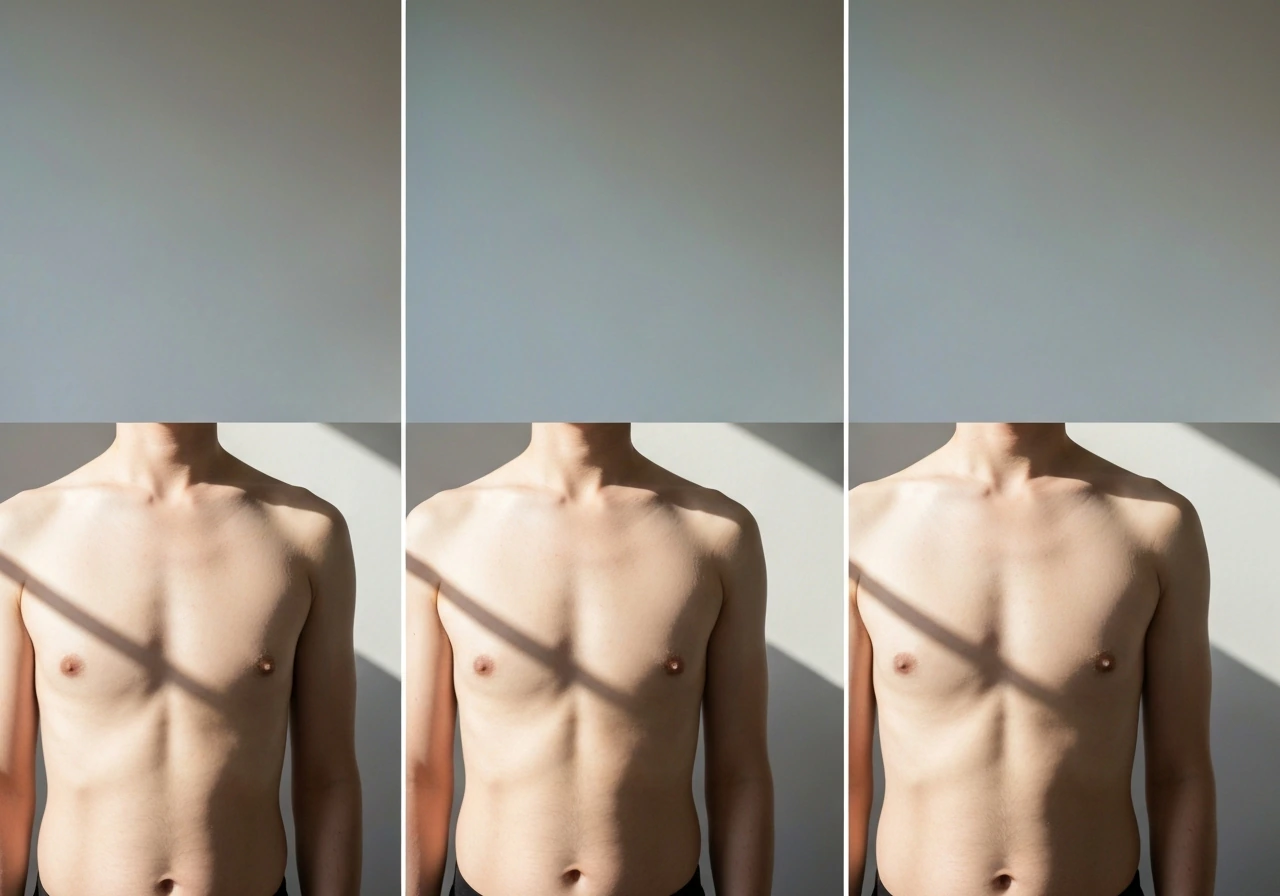
Hair follicles cycle through growth (anagen), transition (catagen), and rest (telogen) phases. The resting phase alone is roughly 2 to 4 months. That means even if you fixed a major nutritional deficiency or optimized your testosterone levels today, you wouldn't see visible new growth for at least 2 to 4 months, and meaningful density change takes 6 to 12 months of consistent effort. The hirsutism treatment literature (which deals with the opposite problem but gives us useful timing data) notes that even hormonal therapies aimed at changing terminal hair take 6 to 12 months to show full effect. Body hair just moves slowly.
How to actually track what's working
Take clear, consistent reference photos every 4 to 6 weeks under the same lighting. Monthly progress feels slow but this is the only reliable way to see gradual change. Note the coverage area, any new terminal hairs appearing in previously vellus-only zones, and whether existing hairs seem to be getting thicker or darker over time. If you mean hair specifically on your hands, use the same basics: check for blockers, support nutrition, and expect slow follicle cycling how to grow hair on hands. These are the measurable signals that something is working. If after 6 months of consistent nutrition optimization and topical care you're seeing zero change, that's informative data, not a reason to double down on supplements.
A practical starting timeline
- Week 1: Get bloodwork done (total testosterone, ferritin, vitamin D, thyroid panel if warranted). Clean up your diet for adequate calories, protein, zinc, and iron.
- Weeks 2-4: Start daily chest massage, add rosemary oil to your routine, address any identified deficiencies with targeted supplementation under guidance.
- Month 2-3: Maintain consistency. No visible change yet is completely normal. Hair follicle cycling means you're still in the setup phase.
- Month 4-6: Begin looking for early signals: any new fine hairs in sparse areas, slight darkening of existing vellus hairs, increased coverage density. These are signs the biology is responding.
- Month 6-12: Meaningful density and terminal hair development should be visible by now if it's going to happen. This is when you can honestly assess whether the approach is working for your genetics.
- Beyond 12 months: If you've been consistent and seen no change despite normal hormone levels and good nutrition, that's a signal that your baseline genetics may be the limiting factor rather than anything fixable.
When to see a doctor or dermatologist
See a doctor if you notice sudden or patchy chest/body hair loss rather than just sparse coverage you've always had. Patchy loss that appears over weeks or months could indicate alopecia areata, a fungal infection, or another treatable skin condition. See a doctor if you have symptoms of low testosterone (fatigue, reduced libido, mood changes, reduced body hair broadly) alongside sparse chest hair. See a dermatologist if you've been using any topical treatment consistently for 6 months with no response, or if you're considering minoxidil for off-label body use. And if you're under active treatment for any hormonal condition, loop in your existing care team before adding supplements or topicals that interact with androgen pathways.
The honest bottom line: genetics sets the ceiling, but most people haven't optimized the floor. Sorting out hormones, filling nutritional gaps, maintaining healthy chest skin, and being genuinely patient with a slow biological process gives you the best realistic shot. If increased androgen activity is contributing to excess terminal hair, Mayo Clinic recommends diagnostic evaluation and then tailoring treatment around the underlying hormonal cause blank" rel="noopener noreferrer">Mayo Clinic’s guidance on diagnosing hormonal causes of excess terminal hair. If you're also exploring hair growth on other body areas, the same androgen and nutrition fundamentals apply broadly, though each region has its own sensitivity profile and timeline. For more region-specific guidance, check out our tips on how to grow hair on body hair growth on other body areas.
FAQ
Can I increase my chest hair if I used to have more of it than I do now?
Yes, but it usually depends on what caused the change. If you were always sparse and just want more density, androgen optimization and skin care are the main levers. If your chest hair used to be more dense and then thinned over weeks to months, treat it as a different problem, and get checked for inflammatory skin conditions, alopecia areata, hormonal shifts, or medication effects.
How do I safely try rosemary oil on my chest without irritating my skin?
If you use essential oils, do a patch test first, because chest skin can react even when the ingredient is “natural.” Apply a small amount of the diluted rosemary oil mixture to an inconspicuous area (or the inner arm) once daily for 2 to 3 days and watch for redness, burning, or itching. Stop if you get irritation, and never apply to broken or recently shaved skin.
What’s the best way to combine hair-growth approaches without making things worse?
Avoid stacking multiple androgen-altering products at the same time. Even if each one seems mild, combined effects can increase side effects or skin irritation, and it becomes impossible to tell what is helping. Pick one upstream change (nutrition and hormones, or a single topical routine), run it consistently for months, then adjust based on photos and symptoms.
Do supplements that claim to increase DHT actually help grow chest hair?
No supplement can reliably “boost DHT” in a targeted way to create new terminal chest hair. The more useful approach is to identify true blockers like low overall calories, protein deficiency, iron deficiency (low ferritin), low vitamin D, or zinc deficiency. If those are corrected and your follicles are responsive, you often get better results than with high-dose herbal blends.
What chest-hair changes mean I should see a dermatologist sooner?
Patchy chest hair in the absence of a long history of sparsity is a red flag. Sudden or rapidly expanding bald patches can be alopecia areata or infection-related conditions. A dermatologist can often distinguish causes by exam (sometimes with dermoscopy) and guide whether you need topical treatment, antifungals, or steroids.
Should I get hormone testing if my chest hair is sparse but I feel mostly okay?
Testosterone can be “normal” on paper and you can still have symptoms from borderline levels or altered conversion, but labs still help you decide your next step. If you have symptoms like low libido, fatigue, or reduced body hair, ask your clinician about repeating early-morning total testosterone, considering free testosterone if borderline, and reviewing medications that can affect androgen signaling.
Can gym-related sweat or folliculitis stop chest hair from growing?
It’s possible, especially if the issue is chronic skin irritation or folliculitis from friction and sweat. If you notice red bumps, itch, or tenderness, pause any oily topicals that could clog pores, switch to gentle cleansing after workouts, and consider dermatology evaluation. Hair growth routines work best when the skin environment is calm.
If I diet down, will it affect chest hair growth?
Changing your diet can cause temporary shedding-like effects when caloric intake or protein intake shifts abruptly, similar to telogen effluvium. If you start aggressive dieting, you might see more shedding before you see any density gains. The safer move is steady nutrition for months, not short-term rapid cut cycles.
How long should I wait for visible change if I’m under 25?
If you’re under 25, the timing matters more than most people think. Chest follicles can activate into the late 20s, so the goal should be “optimize and track,” not “force a result in weeks.” Use the 4 to 6 week photo check and give any consistent routine at least 6 months before concluding it did nothing.
What are the main safety signs that mean I should stop off-label minoxidil on my chest?
If you use minoxidil on your chest, systemic absorption risk is the big concern, which is why medical guidance generally discourages off-label application to large body areas. If you are considering it, talk to a dermatologist about safer dosing strategies and monitoring, and stop and seek care if you develop palpitations, swelling, dizziness, or chest discomfort.
Next Articles
How to Grow Hair on Your Balls: Safe, Practical Steps
Practical steps to boost pubic hair density safely, manage irritation, support follicles with diet, track progress, and
How to Grow Hair on Body: Steps, Timeline, and What Works
Learn why body hair grows or thins, then start a step-by-step routine and realistic timeline to thicken regrowth safely.
Tips on How to Grow Your Hair Out: A Step by Step Guide
Step-by-step tips to grow hair out: stop breakage, build scalp routine, nutrition, safe actives, and track progress.