
Growing more body hair comes down to three things: giving your follicles the hormonal and nutritional environment they need, keeping the skin around them healthy so nothing blocks regrowth, and being patient enough for the hair cycle to actually complete. There's no cream or supplement that will sprout hair overnight, but if sparse body hair is bothering you, there are concrete, evidence-based steps you can start this week that genuinely move the needle.
How to Grow Hair on Body: Steps, Timeline, and What Works

Marcus Holloway
19 May 2026

How body hair actually grows
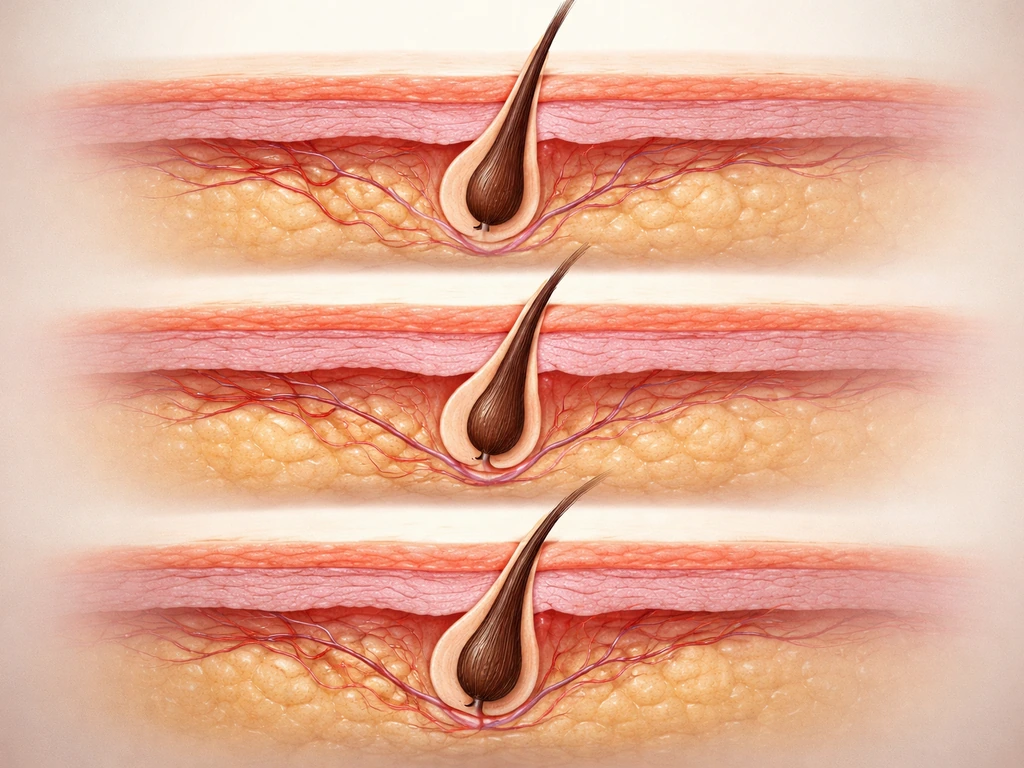
Every hair on your body sits inside a follicle that cycles through three phases: anagen (active growth), catagen (a brief transitional phase lasting just a few days), and telogen (resting, before the hair sheds). On your scalp, the anagen-to-telogen ratio is roughly 9:1, meaning most hairs are actively growing at any given time. Body hair is different.
The same general principles can help if you are wondering how to grow hair on your balls, starting with follicle-supporting skin health and hormones Body hair is different. . Depending on where it is, body hair spends a much shorter time in anagen and a longer proportion of time resting, which is why leg hair doesn't grow to floor length the way head hair can.
Androgens, particularly testosterone and its more potent derivative DHT, are the main hormonal drivers of body hair. They work by converting fine, barely-visible vellus hairs into thicker, pigmented terminal hairs in areas like the chest, arms, and legs. This is why puberty is the biggest body-hair growth event most people experience. Genetics determine how sensitive your follicles are to those androgens, which is why body hair density varies so dramatically from person to person, even with identical hormone levels. Age and ethnicity also play a significant role in baseline hair density, and none of those factors are things you can change.
What you can influence is the environment those follicles operate in: your nutrition, stress levels, skin health, and whether any underlying condition is shortening the anagen phase or damaging follicles directly. If your goal is how to grow hair on skin, focus on keeping the follicle environment supportive so hair can regrow without getting blocked skin health.
Why you might have less body hair than you'd like
First, it's worth separating 'less than average' from 'less than your personal baseline.' A lot of what people interpret as a hair growth problem is actually just normal genetic variation. Genes, sex, age, and ethnicity all shape your default body hair density, and if you've always had sparse arm or chest hair, that's likely just your biology.
That said, several real causes can reduce body hair that you previously had, or slow growth you'd expect to see:
- Telogen effluvium: A surge of follicles shifting into the resting phase after physical or emotional stress, illness, crash dieting, or major surgery. Shedding typically starts 2 to 3 months after the trigger and resolves once the trigger is removed.
- Nutritional deficiencies: Low iron (especially ferritin), zinc, or vitamin D can impair the hair cycle. Severe caloric restriction and protein malnutrition are also established causes of diffuse body hair loss.
- Hormonal imbalances: Low androgen levels, thyroid dysfunction, and conditions like PCOS can all alter body hair patterns. These need a blood panel to confirm.
- Follicle-blocking skin conditions: Keratosis pilaris (keratin buildup in follicles causing rough bumps) and folliculitis (inflamed follicles, often from shaving or friction) can interfere with normal hair emergence without actually destroying follicles.
- Scarring conditions: Scarring alopecia involves physical destruction of the follicle by inflammation. Hair lost to scarring is typically permanent and requires a dermatologist's input.
- Medications: Certain drugs affect the hair cycle as a side effect. If hair loss started after a medication change, that's worth flagging with your doctor.
- Alopecia areata: An autoimmune condition causing patchy, non-scarring hair loss that can affect body sites as well as the scalp. About 34 to 50 percent of people with small patches recover within a year without treatment.
A daily routine that supports body hair follicles
Body hair follicles respond to the same basic skin-health principles that scalp follicles do. The goal is to keep the surrounding skin clear, unclogged, and non-irritated so emerging hairs aren't blocked or damaged before they break the surface.
Gentle exfoliation (2 to 3 times per week)
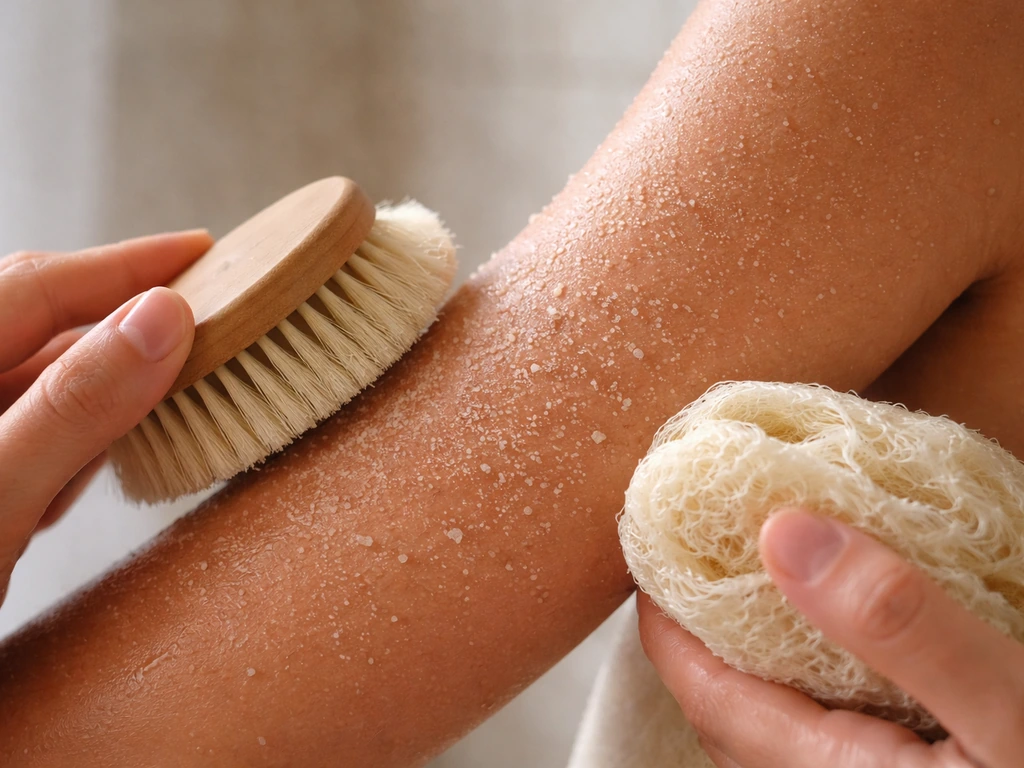
Keratin and dead skin cells can accumulate around follicle openings, which is exactly what happens in keratosis pilaris. Regular, gentle exfoliation with a soft body brush, loofah, or a mild chemical exfoliant like lactic acid helps keep the follicle opening clear. Don't overdo it. Aggressive scrubbing causes irritation and micro-inflammation that can make things worse, not better.
Moisturize after every shower
Dry, flaky skin can clog follicles and make hair look even sparser than it is. Apply a lightweight, non-comedogenic moisturizer while your skin is still slightly damp. If you have keratosis pilaris, look for a moisturizer containing urea or lactic acid, which both hydrate and gently exfoliate at the same time.
Reduce friction and irritation
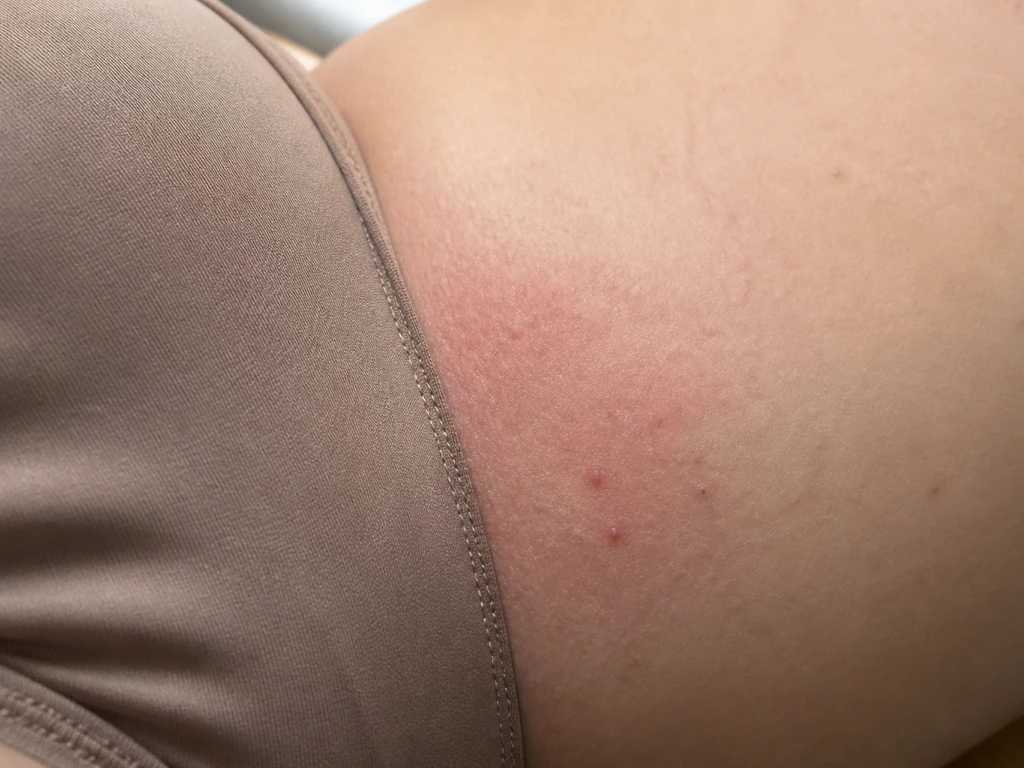
Tight clothing that constantly rubs against the same patch of skin can cause folliculitis and ingrown hairs. If you shave body areas where you're trying to encourage growth, know that shaving does not actually make hair grow back thicker (that's a myth), but it can contribute to folliculitis, razor bumps (pseudofolliculitis barbae), and inflamed ingrown hairs that block re-emerging growth. If recurrent shaving issues are a problem in a specific area, reducing shaving frequency is the most effective fix.
Nutrition and lifestyle changes that actually help
You can't out-supplement a bad diet when it comes to hair. The foundation is getting enough calories, enough protein, and correcting any specific micronutrient deficiencies. Everything else is secondary.
Protein
Hair is made of keratin, which is protein. Severe protein malnutrition is a well-documented cause of hair loss. For most people eating a varied diet with adequate calories, protein intake is probably not the limiting factor. But if you're restricting calories heavily or eating a very low-protein diet, that's the first thing to fix. Aim for roughly 0.8 to 1 gram of protein per kilogram of body weight per day as a minimum, and higher if you're very active.
Iron and ferritin
Iron deficiency is one of the most common nutritional causes of hair loss, particularly in women. Serum ferritin (stored iron) is a more sensitive marker than hemoglobin alone. If you suspect iron deficiency, get a CBC plus ferritin level checked before supplementing, as excess iron has its own risks.
Zinc
Zinc deficiency causes visible hair loss and can result from inadequate dietary intake, malabsorption, or increased metabolic demand. Good dietary sources include meat, shellfish, legumes, and seeds. Supplementing without confirmed deficiency is generally unnecessary and high-dose zinc supplementation can actually interfere with copper absorption over time.
Vitamin D
Low vitamin D levels have been associated with non-scarring alopecia conditions including telogen effluvium and androgenetic alopecia. Deficiency is genuinely common, especially in people with limited sun exposure. A simple blood test will tell you where you stand. If you're low, supplementing is cheap and safe.
Sleep and stress
Chronic stress is one of the clearest triggers for telogen effluvium because the physiological stress response pushes follicles into the resting phase en masse. Poor sleep compounds this. There's no supplement that compensates for consistently poor sleep or unchecked chronic stress. Prioritizing 7 to 9 hours of sleep and actively managing stressors is genuinely part of the hair-growth equation, not just a vague wellness platitude. Exercise can help support the overall hormone and circulation environment that hair follicles need to grow.
Topicals and supplements: what's worth trying and what isn't
| Option | Evidence Level | Best Use Case | Cautions |
|---|---|---|---|
| Minoxidil (topical) | Strong for scalp; limited but plausible for body hair | Off-label use for body hair thinning or alopecia areata patches | Can cause localized hypertrichosis; contains alcohol/propylene glycol; not for use during pregnancy |
| Iron supplementation | Strong if deficient | Confirmed iron-deficiency-related hair loss | Test ferritin first; excess iron is harmful |
| Zinc supplementation | Strong if deficient; weak if not | Confirmed zinc deficiency | High doses interfere with copper; get tested first |
| Vitamin D supplementation | Moderate; stronger if deficient | Low vitamin D confirmed by blood test | Stick to recommended doses; toxicity possible at very high doses |
| Biotin supplementation | Very weak for non-deficient people | Only useful if true biotin deficiency (rare) | Can interfere with certain lab tests at high doses |
| Ketoconazole shampoo/wash | Moderate as an adjunct | Body areas affected by androgenic thinning or seborrheic dermatitis | Anti-androgenic and anti-inflammatory; generally well tolerated |
| Omega-3 fatty acids (diet or supplement) | Limited but low risk | General follicle support, especially if diet is low in oily fish | Supplement form: watch for blood-thinning effects at high doses |
Minoxidil deserves a specific note. It's the most evidence-backed topical option and has been studied off-label for conditions beyond scalp androgenetic alopecia, including alopecia areata variants and eyebrow hypotrichosis. If you're using it on body areas, start with a lower concentration (2%) and apply only to the targeted area. Be aware that it can cause localized hypertrichosis (increased hair in the application zone and sometimes just beyond it), which is worth knowing before you commit.
On biotin: it's heavily marketed for hair growth but the evidence simply doesn't support taking it unless you have a confirmed deficiency (which is rare). A systematic review of available human trials found insufficient evidence to recommend biotin supplementation for hair loss in people without proven deficiency. Save your money unless a blood test says otherwise.
How long it takes and how to track progress

This is where most people get frustrated, because the honest answer is: several months at minimum. The hair cycle doesn't care about your timeline. If you've had telogen effluvium, shedding typically starts 2 to 3 months after the trigger and regrowth begins as the trigger resolves, with visible improvement usually appearing over the following 3 to 6 months. For alopecia areata patches, small areas often recover within 6 to 12 months on their own. For general hair thickening driven by lifestyle changes, expect to be evaluating results at the 3 to 6 month mark, not the 3 to 6 week mark.
The most practical way to track progress is to take consistent photos in the same lighting, angle, and skin condition (dry, not just out of the shower) every 4 to 6 weeks. This removes the day-to-day noise and lets you actually compare over time. If you're using a topical like minoxidil, mark your start date and commit to a 4-month evaluation window before deciding whether it's working.
A few realistic milestones to set:
- Weeks 1 to 4: Address the basics. Fix nutrition gaps (get bloodwork if you haven't), establish your skin care routine, remove irritation triggers.
- Months 1 to 3: If using minoxidil or correcting a deficiency, stay consistent. Don't expect visible change yet. Initial shedding with minoxidil is normal and temporary.
- Months 3 to 6: This is when nutritional and topical interventions should start showing measurable results. Compare your photos.
- Month 6 and beyond: If you've done everything right and still see no change, or if hair loss is progressing, it's time to see a specialist.
It's also worth noting that body hair in different locations has different growth dynamics. Chest and abdominal hair, for instance, is more androgen-dependent than arm hair, which means the approach and timeline may differ depending on which area you're focused on. If your goal is how to grow more hair on your arms, focus on lowering follicle irritation and supporting the hormones and nutrition that affect terminal hair growth arm hair.
If you’re specifically wondering how to grow hair on your chest, focus on androgen-related factors and reduce anything that blocks follicle growth. If your interest is in a specific area, the underlying biology and best tactics can vary, which is something to keep in mind when evaluating what's working.
When to stop self-treating and see a doctor
Most sparse body hair is benign and responds to the steps above. But there are situations where you need a professional in the loop, and the sooner you go, the better the outcome.
- Scarring alopecia: If you have patches with shiny, smooth skin where follicle openings are no longer visible, that suggests scarring. Hair lost to scarring is likely permanent. A dermatologist can confirm the diagnosis and start treatment to prevent further loss.
- Suspected hormonal imbalance: Sudden changes in body hair pattern (either significant loss or unexpected gain in androgen-sensitive areas), combined with other symptoms like fatigue, weight changes, or irregular periods, warrant a full hormonal workup including thyroid function, testosterone, and DHEA-S.
- Alopecia areata affecting multiple body sites: Patchy hair loss that spreads or involves eyebrows, lashes, or extensive body areas should be evaluated by a dermatologist. Associated autoimmune conditions, especially thyroid disease, are worth screening for.
- Recurrent folliculitis or ingrown hairs that don't resolve: If you have ongoing inflamed follicles that don't clear with basic skin care changes, don't just wait. See a dermatologist to rule out infection and prevent scarring.
- No improvement after 6 months of consistent effort: If you've genuinely addressed nutrition, skin care, stress, and (if appropriate) used a topical for 4 to 6 months with no change, you're past the point of self-management. Get a proper evaluation.
- Medication-related hair loss: If hair changes started around a medication change, speak with your prescribing doctor before adjusting anything. Do not stop a prescribed medication without guidance.
A dermatologist is usually the right first stop for skin and follicle concerns. If a hormonal issue is suspected, an endocrinologist becomes relevant. Getting bloodwork before that appointment (ferritin, vitamin D, zinc, thyroid panel, and relevant sex hormones) will make the visit more productive and save time.
Body hair growth is slower and more hormonally dependent than scalp hair, but the core principles overlap significantly. The strategies that support healthy scalp follicles, including good nutrition, reduced inflammation, and appropriate topicals, apply to body follicles too. Whether you're focused on your chest, arms, or any other area, the starting point is always the same: remove the barriers first, then support the biology. If you want a practical, step-by-step plan specifically for how to grow hair on hands, focus on follicle-friendly skin care, nutrition, and reducing friction or irritation in that area.
FAQ
How long does it take to actually see new body hair after changing diet, skincare, or using minoxidil?
Even if you remove blockers quickly, visible density changes usually show up after months, not weeks. A practical rule is to reassess at the 3 to 6 month mark for general lifestyle changes, and around 4 months if you started a topical like minoxidil, because the hair cycle needs time to complete.
Can I speed up body hair growth with supplements like biotin or “hair vitamins”?
Not reliably. Biotin generally helps only when deficiency is present, which is uncommon. For others, the more efficient approach is targeted bloodwork first, then supplement the specific deficiency if confirmed, since high-dose zinc or excess iron can create new problems.
Is shaving making my body hair grow back thicker, or can it help it look fuller?
Shaving does not make hair grow thicker, it only cuts hair at the surface. It can worsen ingrowns or folliculitis in friction-prone areas, which can delay regrowth by inflaming follicles. If bumps happen, reduce shaving frequency and consider gentler alternatives like trimming.
How do I know if my sparse body hair is normal for me versus something like telogen effluvium or an underlying issue?
A key clue is change over time. If your density has been low since puberty, genetics are more likely. If you notice new thinning or shedding after a trigger (stress, illness, rapid weight loss, new meds), that pattern fits telogen effluvium more, and you should consider labs and medical evaluation rather than just adding more skincare.
What skin conditions should make me pause and get evaluated before trying exfoliation or topicals?
If you have persistent redness, pain, pus-like bumps, worsening itch, scaly plaques, or patchy hair loss that expands, avoid aggressive scrubbing and get a dermatologist opinion. Those symptoms can reflect infections, inflammatory dermatoses, or alopecia types that need different treatment.
Can friction from clothes or workouts permanently reduce body hair in specific areas?
It can. Repeated rubbing can trigger chronic follicle irritation and ingrowns, and over time that may keep follicles stuck in a cycle where hairs have trouble emerging. For problem zones, reduce tightness, shower after heavy sweat, and avoid occlusive buildup from heavy oils or thick moisturizers.
If I use minoxidil on a body area, will the extra hair spread beyond the target?
Sometimes. Localized hypertrichosis can occur within the application zone and occasionally just beyond it, especially if the product migrates through skin contact or friction. Use only on the specified area, wash hands after application, and avoid letting it touch nearby skin.
Should I use different concentrations or routines for different body areas like chest, arms, or groin?
Yes, start lower when experimenting. The article recommends beginning with a 2% concentration for body use and applying only to the targeted area. Sensitive regions (like groin) also have higher irritation risk, so you may need slower frequency and careful patch-testing rather than jumping to a fast schedule.
What blood tests are most useful if I suspect a nutrient or hormonal driver of sparse body hair?
For nutritional and common alopecia-related drivers, ferritin (stored iron) and vitamin D are especially informative, plus zinc if dietary intake or absorption might be an issue. The broader “hair workup” commonly includes a CBC, ferritin, vitamin D, zinc, thyroid panel, and relevant sex hormones, depending on symptoms and sex at birth.
Is it ever worth treating the hair loss like an alopecia condition rather than “body hair growth” with skincare only?
Yes, if you have patchy loss, smooth bald patches, eyebrow or scalp involvement, or rapid shedding after a clear trigger. Patch-like patterns, especially with autoimmune features, may respond to medical treatments different from keratosis pilaris-style exfoliation, so earlier evaluation improves odds.
How should I track progress to avoid getting discouraged?
Use consistent photos every 4 to 6 weeks with the same lighting, angle, and skin state (dry, not right after showering). If using a topical, note the exact start date and commit to a full evaluation window, because early results can be misleading while follicles transition phases.
Next Articles
Tips on How to Grow Your Hair Out: A Step by Step Guide
Step-by-step tips to grow hair out: stop breakage, build scalp routine, nutrition, safe actives, and track progress.
Grow Hair Long Tips: Step-by-Step Routine to Reach Length
Step-by-step grow hair long tips: boost scalp health, cut breakage, improve diet, and track progress for length.
Tips for How to Grow Long Hair: A Practical Guide
Actionable tips to grow long hair naturally: care routine, scalp habits, nutrition and breakage prevention for healthy l