
If you want more hair on your balls or in the pubic area generally, the honest starting point is figuring out whether you're dealing with normal variation and genetics, gradual thinning from aging or hormones, or something that actually needs a clinician's attention. For most people, pubic hair density is driven almost entirely by androgen levels and genetics, and there are real, practical things you can do to support that system: protecting existing follicles from irritation, optimizing nutrition, and cleaning up lifestyle habits that tank testosterone and drive inflammation. This guide walks through all of it, in the order that actually matters.
How to Grow Hair on Your Balls: Safe, Practical Steps

Marcus Holloway
3 Jul 2026
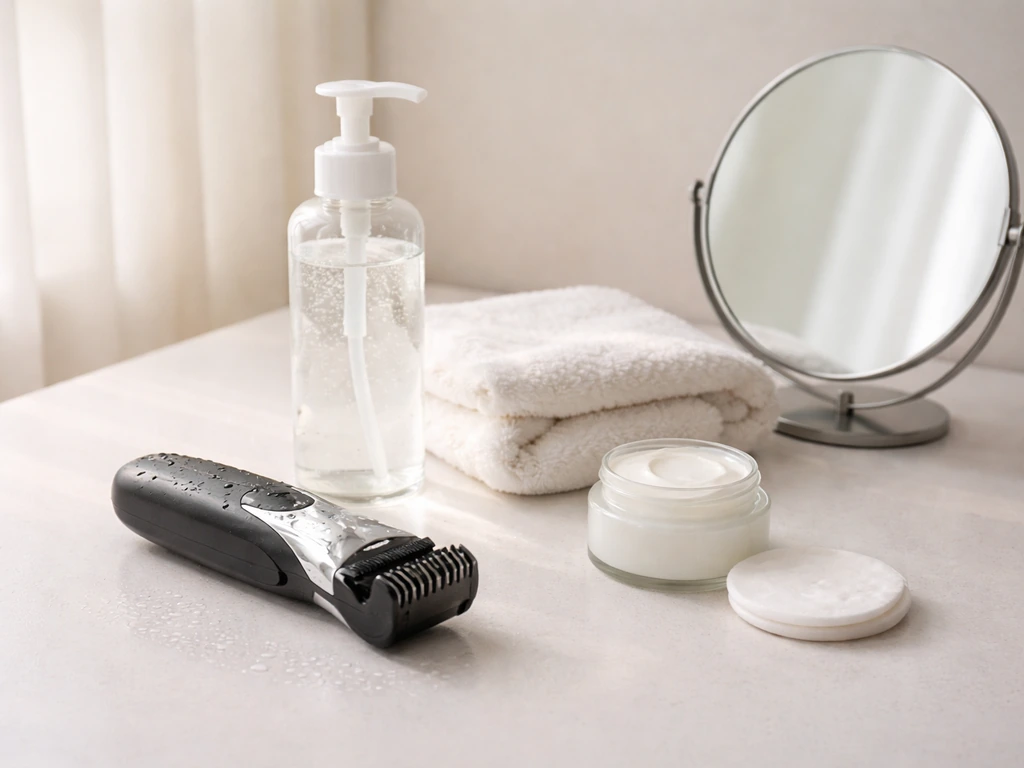
Is your pubic hair actually thinning, or is this just normal?
This is worth asking before you do anything else, because the answer changes your strategy completely. Pubic hair density varies enormously between people, and a lot of that comes down to genetics. Some guys naturally have thick, coarse coverage from the mid-20s onward; others have always had sparse, fine hair in that area and assume something is wrong. If you've always been on the sparser side and nothing has changed, that's almost certainly just your baseline.
That said, gradual thinning over years is real and fairly common. Testosterone peaks in your late teens to early 20s and then drifts slightly lower through your 30s and 40s. That slow decline can translate into modest changes in body hair density, and most of the time it's not dramatic enough to notice unless you're paying close attention. What you don't want to dismiss is a more sudden or patchy change, hair loss that comes with other symptoms, or a noticeable shift over a short period of months.
Another big and underappreciated cause of apparent thinning is mechanical damage. Frequent shaving, waxing, or using depilatory creams in the groin creates repeated irritation, ingrown hairs, and folliculitis that can look like reduced hair density. If you've been grooming aggressively in that area, there's a reasonable chance some of your hair loss is actually follicle damage from the grooming itself, not a hormonal issue. Learning how to grow hair on skin usually starts with protecting the follicles from repeated irritation groom aggressively.
What actually drives hair growth down there
Pubic hair is androgen-dependent, which is the key biological fact to understand here. Before puberty, the follicles in the groin area produce fine, colorless vellus hair. When androgen levels rise at puberty, those follicles respond to testosterone and its more potent derivative DHT (dihydrotestosterone) by converting to terminal hair, the thicker, pigmented hair you recognize as pubic hair. This conversion is driven by androgen receptors in the follicles themselves, and the pubic region is one of the most androgen-sensitive areas of the body.
DHT in particular plays a central role in maintaining pubic hair. This is actually the opposite of what happens on the scalp, where DHT is the main culprit in male pattern baldness. Body and genital hair follicles respond to androgens by growing more, while scalp follicles in genetically susceptible people respond by shrinking. So when DHT or total testosterone falls, you can see the reverse: gradual thinning of body and pubic hair over time.
Genetics sets the ceiling here. Your androgen receptors, 5-alpha reductase enzyme activity, and the inherent sensitivity of your follicles are all genetically determined. If your father and grandfather had sparse body hair, you're likely working with similar biology. You can optimize the conditions for what your genetics allow, but you can't override the blueprint entirely.
Evidence-based ways to actually encourage regrowth
Stop damaging what's already there
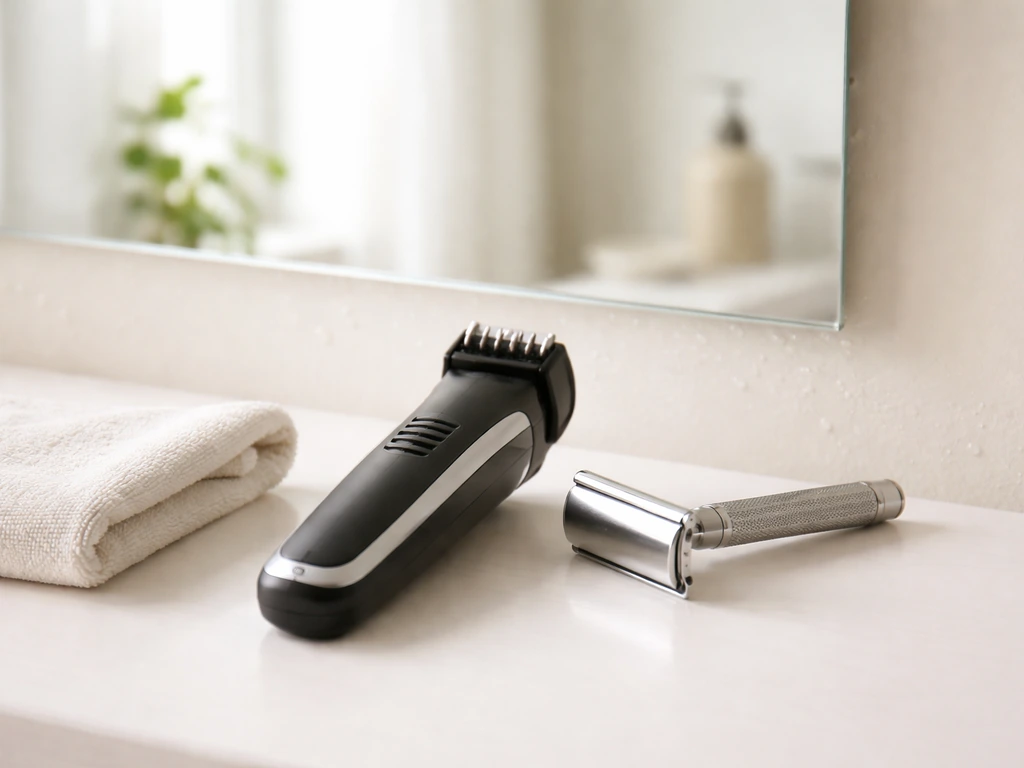
The single most impactful thing many people can do is simply stop repeatedly injuring the follicles. Razor shaving the scrotal area causes chronic microtrauma and pseudofolliculitis, where hairs curl back into the skin and trigger inflammation that can permanently damage follicles over time. If you're shaving down there regularly and wondering why hair looks sparse or patchy, this is likely a major contributor. Switch to a trimmer with a guard instead of shaving close to the skin. Johns Hopkins' guidance on chronic ingrown hairs recommends exactly this: use a clipper rather than a razor and avoid very close shaving to reduce follicle damage.
Depilatory creams are another issue. They work by chemically breaking down hair keratin, and on thin, sensitive scrotal skin they can cause chemical burns, irritation, and post-inflammatory changes. If you've been using them and you're seeing less hair, stop. The same applies to any product with alcohol or propylene glycol applied to the groin area, as these can irritate the skin and compromise follicle health over repeated use.
Topical minoxidil: the most direct option, with caveats
Topical minoxidil is the only evidence-backed topical that promotes hair growth, and some people do use it off-label on body hair. If you're asking how to grow hair on body, topical minoxidil is one of the more direct options, but it needs careful, area-specific consideration. It works by prolonging the growth phase of hair follicles and improving blood flow to the follicle. The evidence for off-label use on body hair is limited, but its safety profile is generally reasonable when used correctly. The problem with applying it to the scrotal or groin area is that the skin there is thin, highly vascular, and much more absorptive than scalp skin. You'll absorb significantly more minoxidil systemically, which increases the risk of side effects. The 5% formulation causes more local irritation than 2%, so if you're considering trying it, the 2% solution is the more cautious starting point. This is genuinely a situation where you want to talk to a dermatologist or GP before experimenting, rather than going it alone.
Keep the skin healthy and the follicles unclogged

Healthy follicles need healthy skin as their base. Keeping the groin area clean and dry reduces the risk of folliculitis (infected or inflamed follicles) and fungal infections like tinea cruris (jock itch), both of which can impair hair growth if they become chronic. Dry the area thoroughly after showering and exercise. Regular exercise can help support healthy body composition, sleep, and hormone balance, which may make it easier for your follicles to recover. Wear breathable underwear. If you notice persistent itchy, scaly patches or red bumps that won't resolve, treat those with appropriate antifungal or antibacterial measures before worrying about regrowth, because inflamed or infected follicles can't perform normally.
Nutrition that supports hair follicles
Hair follicles are metabolically active and nutritionally demanding. You don't need exotic supplements, but you do need to make sure you're not deficient in the micronutrients that follicles depend on. For example, the NIH Office of Dietary Supplements notes that biotin deficiency is associated with thinning hair and other skin findings, and that supplementation evidence is largely tied to correcting deficiency You don't need exotic supplements, but you do need to make sure you're not deficient. Here's what the evidence actually supports:
| Nutrient | Role in hair growth | Key sources | When to supplement |
|---|---|---|---|
| Protein | Hair is primarily keratin; inadequate protein slows growth | Meat, fish, eggs, legumes, dairy | If dietary intake is genuinely low |
| Iron / Ferritin | Ferritin (stored iron) supports follicle cell division; levels ≤30 ng/mL associated with shedding | Red meat, lentils, spinach, fortified cereals | If serum ferritin is confirmed low |
| Zinc | Supports protein synthesis and follicle structure; deficiency causes hair thinning | Oysters, beef, pumpkin seeds, chickpeas | If deficiency is confirmed or suspected |
| Vitamin D | Immunomodulatory role; deficiency linked to alopecia areata | Fatty fish, egg yolks, fortified foods, sunlight | If blood levels are low, especially in winter |
| Biotin | Deficiency causes hair thinning and scaly skin; evidence mainly applies to deficiency states | Eggs, nuts, seeds, organ meats | Only if genuinely deficient or at risk |
Protein is worth highlighting because hair follicles are among the most protein-hungry cells in the body. That said, for most people eating a reasonably varied diet, protein deficiency is not the cause of their thinning hair. Where it does matter is if you're in a significant caloric deficit, following a very restrictive diet, or recovering from illness. Aim for around 0.7 to 1 gram of protein per pound of bodyweight daily if you're active.
For the micronutrients, the principle is the same across all of them: supplementing beyond what you need doesn't give you extra growth. It just corrects a deficiency. If you're eating a varied diet and have no symptoms of deficiency, throwing money at biotin or zinc tablets is unlikely to change anything noticeable. Where it's worth getting labs is if you're experiencing noticeable hair loss across the body, in which case checking ferritin, vitamin D, zinc, and a basic metabolic panel makes sense.
Lifestyle factors that influence androgens and skin health
Because pubic hair growth is androgen-driven, anything that chronically suppresses testosterone and DHT works against you. If you want to grow hair on your hands, the main idea is to focus on the same fundamentals that support healthy hair follicles, like nutrition, avoiding irritation, and managing hormones Because pubic hair growth is androgen-driven. The lifestyle factors that matter most here overlap a lot with general men's health: sleep, stress management, body composition, and exercise.
- Sleep: Testosterone is produced primarily during sleep, particularly during REM. Chronic sleep restriction (under 6 hours) measurably reduces testosterone levels. Getting consistent 7 to 9 hours is one of the most straightforward ways to support your androgen baseline.
- Stress: Chronic psychological stress elevates cortisol, and sustained high cortisol suppresses testosterone production. Stress management isn't soft advice here; it has a direct hormonal mechanism that affects hair-bearing tissue.
- Body fat: Excess adipose tissue (especially visceral fat) converts testosterone to estrogen via aromatase. Carrying significant extra body weight, particularly around the abdomen, is associated with lower free testosterone. Even modest fat loss can meaningfully shift hormone balance.
- Exercise: Resistance training is the most well-supported exercise type for maintaining healthy testosterone. Compound movements like squats, deadlifts, and rows trigger the most hormonal response. Overtraining and extreme endurance training can temporarily suppress testosterone, so balance matters.
- Alcohol: Heavy alcohol use suppresses testosterone production at the testicular level and increases estrogen. Moderate or minimal intake is consistently associated with better hormonal profiles.
It's also worth noting that inflammation is an enemy of follicle health across the body, not just the scalp. An anti-inflammatory dietary pattern (plenty of vegetables, fatty fish, limited ultra-processed food) supports skin health in the groin area the same way it does elsewhere. This connects to topics like how diet and exercise influence body hair more broadly, and the same principles that help hair growth in other body areas apply here too. If you want to grow more hair on your arms, the same basics apply: support healthy follicles, optimize nutrition, and avoid anything that chronically harms your skin or hormones.
When to see a doctor
Most of the time, gradual pubic hair thinning is a slow hormonal or genetic story with no urgent underlying cause. But there are specific situations where you really do want a clinician involved, not because it's dangerous to wait, but because the treatment is completely different and delaying makes things worse.
- Sudden patchy hair loss: If hair disappears in a distinct patch rather than diffusely thinning over time, that pattern points toward alopecia areata, an autoimmune condition where the immune system attacks hair follicles. It can affect any body area including the genitals and can spread. It's not dangerous, but it needs a proper diagnosis.
- Skin changes alongside the hair loss: Itchy bumps, purple-tinged patches, scaling, open sores, or bright red lesions in the groin alongside hair loss could indicate lichen planus or another inflammatory dermatosis. Lichen planus in particular can cause scarring if untreated. A dermatologist can diagnose and treat this before follicles are permanently damaged.
- Persistent folliculitis: Painful red pustules around hair follicles that keep coming back, don't respond to basic hygiene, or leave scars need professional evaluation. Severe folliculitis can destroy follicles permanently.
- Other signs of low testosterone: If you're experiencing reduced libido, fatigue, loss of muscle mass, mood changes, or changes in erections alongside pubic hair thinning, that constellation points toward hypogonadism. A GP can order a morning total testosterone and follow up if it's low.
- Medication side effects: Some medications, including 5-alpha reductase inhibitors like finasteride, certain antidepressants, and some blood pressure medications, can reduce body hair as a side effect. If thinning started after a medication change, raise it with your prescribing doctor before stopping anything.
A standard workup for unexplained body hair loss will typically include total and free testosterone, LH, FSH, a complete blood count, ferritin, and vitamin D, and possibly thyroid function. It's a routine panel and very straightforward to get through a GP.
What to realistically expect and how to track it
Hair grows roughly half an inch per month under good conditions, and the anagen (active growth) phase for body hair is shorter than for scalp hair, meaning you're working with a different cycle. Pubic hair follicles that have been temporarily suppressed by stress, poor nutrition, or hormonal dips can recover, but the timeline is measured in months, not weeks. If you make real changes to diet, sleep, and reduce follicle-damaging grooming habits, don't expect to notice anything meaningful before 3 months, and allow 6 months for a fair assessment.
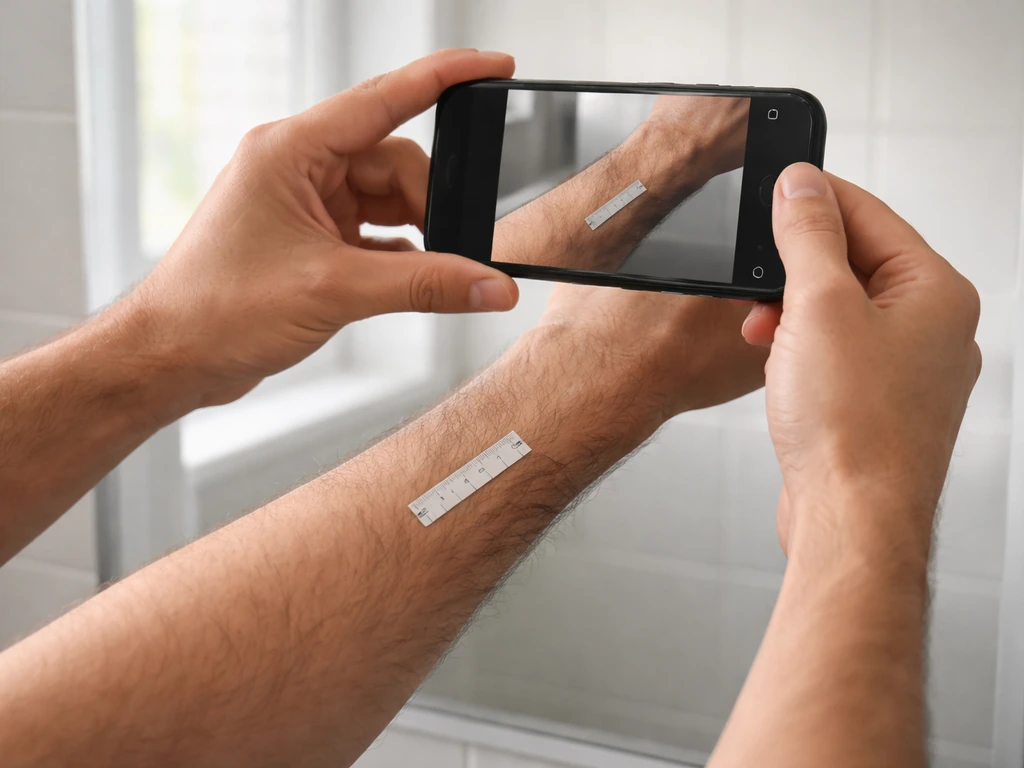
Tracking progress is simple but requires consistency. Take a close-up photograph in the same lighting once a month. Don't rely on daily visual assessment because day-to-day variation in how hair looks (different lighting, grooming state, skin condition) will drive you crazy. A monthly photo comparison over 6 months tells you much more accurately whether anything is changing. Note the date, any supplements you started, grooming changes you made, and any lifestyle changes, so if you do see improvement you can actually credit the right variable.
Be patient with yourself here. The same patience that applies to scalp or chest hair growth applies to pubic hair. The same general principles for stimulating hair growth on the body can also help with how to grow hair on your chest, especially when follicle health and hormones are the limiting factors. Follicles don't respond overnight, and there's no shortcut that bypasses the underlying biology. Fixing sleep, reducing stress, getting nutritional deficiencies corrected, and stopping mechanical damage to follicles are the unsexy but genuinely effective foundations. If you do those things consistently for 6 months, you'll have a real answer about what your baseline looks like with optimized conditions, and at that point you'll know whether a clinician conversation is worth having.
FAQ
How long does it take to actually see pubic hair regrowth if I stop shaving and fix my routine?
Yes, but “more hair” can be confused with “hair looking darker or fuller.” The best non-sneaky way to track change is monthly photos with identical lighting and the same trimming length, because shaving closer can make regrowth appear patchier even when follicles are fine.
When should I suspect something more than “normal thinning” and avoid self-treating?
If you have sudden, patchy loss, rapidly changing lesions, pain, drainage, or systemic symptoms, don’t start with minoxidil. Those signs raise the odds of infection, inflammatory dermatoses, or another condition that requires targeted treatment before follicle growth can normalize.
Could my current grooming routine make it look like I’m losing hair even if follicles aren’t shrinking?
Potentially. If you recently changed grooming tools, shaving frequency, or use of any chemical product, wait out the skin irritation cycle first. Many people get folliculitis or post-inflammatory marks that temporarily make hair look sparser, so reassess after consistent gentler care for several months.
What are common mistakes when switching from shaving to trimming in the groin area?
If you use clippers/trimmers, avoid very aggressive passes over the same spot, and clean the device regularly to reduce bacterial transfer. Also, don’t apply multiple new products at once (for example, a new cleanser plus new antifungal plus minoxidil), because it becomes impossible to know what’s helping or irritating.
How do I tell if the problem is follicle loss versus an ongoing skin condition like jock itch or recurrent folliculitis?
Yes, and it matters whether you’re dealing with “surface hair” issues or true follicle problems. If the area is itchy, scaly, or has recurrent red bumps, treat the skin condition first, since chronic fungal or bacterial inflammation can disrupt the follicle environment and block regrowth.
If minoxidil is an option, what safety and “how not to mess up” precautions should I follow for the groin?
Start low on irritation. If you choose to try topical minoxidil, use a formulation and amount intended for skin use, and avoid applying to broken or inflamed skin. Because groin skin is thin and absorptive, watch for burning, increased redness, swelling, and unintended hair growth elsewhere.
Which supplements are actually worth considering, and when is it better to get labs instead?
Biotin is unlikely to help unless you’re deficient, which is uncommon. If you have symptoms across multiple hair areas (scalp, eyebrows, body) or unexplained broader changes like fatigue or weight shifts, that’s a better reason to get targeted labs like ferritin and vitamin D rather than taking high-dose supplements blindly.
Does improving my diet help pubic hair, and what happens if I’m dieting or in a calorie deficit?
If you increase protein while also increasing total calories, you can support follicles without unintentionally gaining weight. However, a big caloric deficit can reduce androgen support and overall skin recovery, so if you’re dieting hard, hair density changes may lag behind your nutrition changes by months.
Could sexual activity, lubricants, or condoms be affecting hair regrowth through irritation?
Yes. If you’re using condoms, diaphragms, or sex-related lubricants, some products can irritate the area and worsen follicle inflammation. If irritation is recurring after sex or after using a new lubricant, pause new products and simplify skin care for a few weeks.
What other symptoms would make a hormone or medical workup more important than changing grooming and skincare?
If hair density changes come with other androgen-related symptoms, consider evaluation. Examples include fatigue with libido changes, gynecomastia, erectile changes, reduced morning erections, or unexplained breast tenderness, since the underlying cause could be hormonal rather than grooming-related.
Next Articles
How to Grow Hair on Body: Steps, Timeline, and What Works
Learn why body hair grows or thins, then start a step-by-step routine and realistic timeline to thicken regrowth safely.
Tips on How to Grow Your Hair Out: A Step by Step Guide
Step-by-step tips to grow hair out: stop breakage, build scalp routine, nutrition, safe actives, and track progress.
Grow Hair Long Tips: Step-by-Step Routine to Reach Length
Step-by-step grow hair long tips: boost scalp health, cut breakage, improve diet, and track progress for length.