
The most useful thing Reddit threads about thicker hair will tell you, and the thing most people skip, is this: figure out whether you're losing hair from the root or breaking it off mid-shaft before you buy a single product. Those are two completely different problems with different solutions, and conflating them is how people end up three months into a supplement stack wondering why nothing is working.
How to Grow Thicker Hair: Reddit-Style Plan That Works

Marcus Holloway
3 Jul 2026
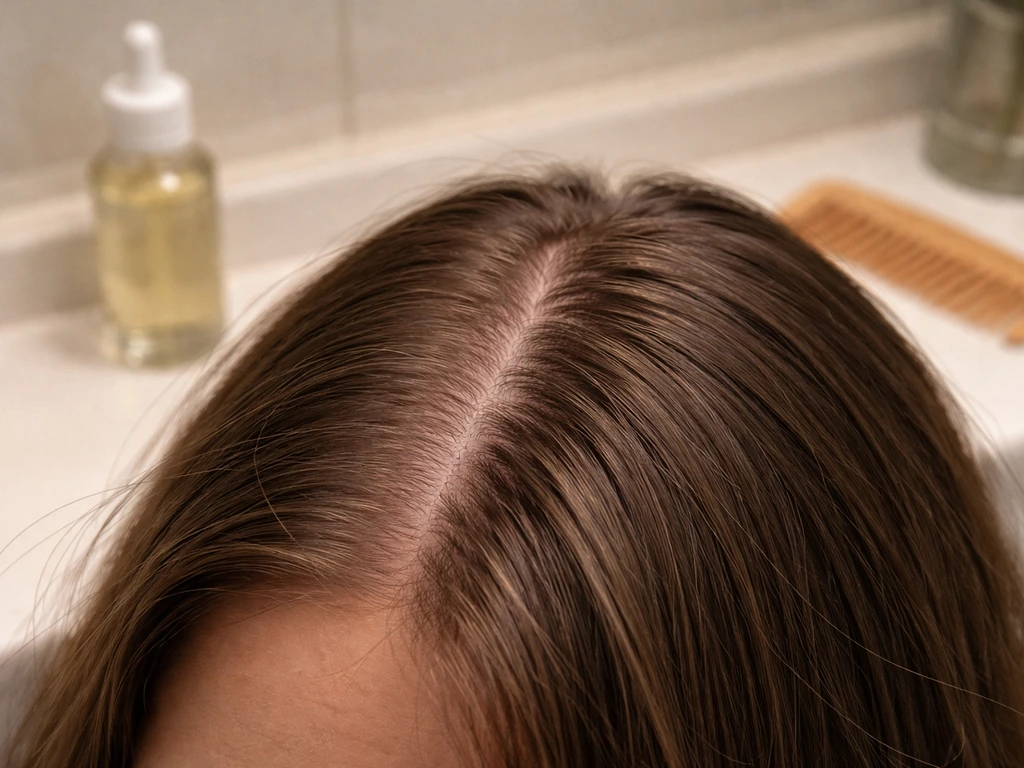
Shedding vs. Breakage: What's Actually Happening to Your Hair
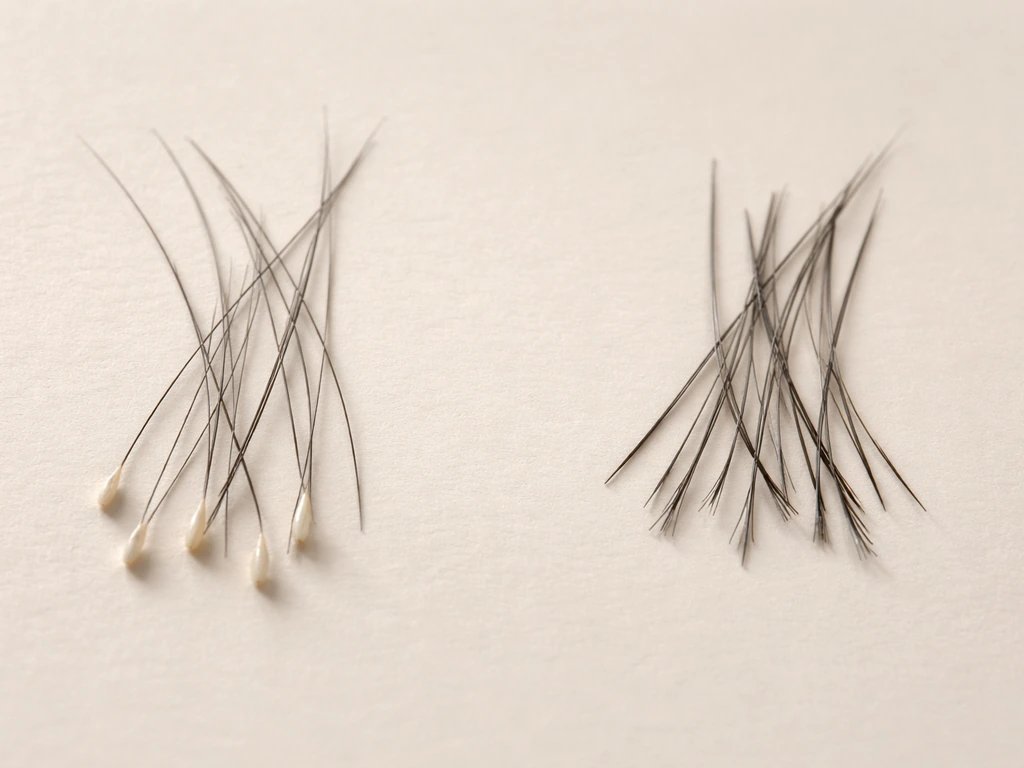
When people say their hair is "thinning," they usually mean one of three things: they're shedding more hairs from the root than usual (telogen effluvium or pattern loss), they're breaking hairs mid-shaft due to damage or dryness, or their individual hair strands have genuinely gotten finer over time due to follicle miniaturization. The fix for each is completely different.
Here's the quickest way to tell the difference at home: pull out a few of the hairs you're losing and look at the end. If your concern is thicker hair in front, focus on whether you're dealing with shedding at the root or breakage along the strands first thinning. If you see a small white or translucent bulb at the root end, that hair came out from the follicle, that's true shedding. If the end is tapered, jagged, or frayed with no bulb, it broke off. Breakage is almost always caused by mechanical damage (heat, chemical processing, tight styles, aggressive brushing) or severe dryness, not by anything happening at the follicle level. If your "thinning" is mostly breakage, scalp-focused treatments and supplements will do almost nothing, you need to stop the damage first.
For shedding, a simple pull test gives you useful information: grab a small section of clean, dry hair (about 40–60 strands), hold it near the roots, and run your fingers firmly from root to tip. If more than 4–6 hairs come out, the pull test is considered positive and suggests active shedding, likely telogen effluvium. For a more accurate picture of how much you're shedding, try the wash test: go 5 days without shampooing, then wash and collect every hair that falls during that session. A high count after 5 days of buildup is a more reliable indicator than daily counts, which can be inflated by breakage.
Why You're Thinning: The Most Common Causes
Getting this right is honestly half the battle. Once you know your likely cause, everything else, what you eat, what you apply, whether you need a doctor, becomes much clearer.
Telogen Effluvium (TE)
This is the most common cause of sudden, diffuse shedding in otherwise healthy people, and it's almost always triggered by something that happened 2–4 months before the shedding started. The hair cycle has a built-in delay, which is why you lose hair after the stressor, not during it. Common triggers include childbirth (postpartum hair loss is classic TE), rapid weight loss, crash dieting, surgery, a high fever or serious illness, and severe psychological stress. The good news: TE is usually self-limiting. Once the trigger is addressed, most cases resolve within about 6–8 months, sometimes closer to 2–6 months. You don't need to treat the shedding itself, you need to treat the cause.
Androgenetic Alopecia (Pattern Hair Loss)
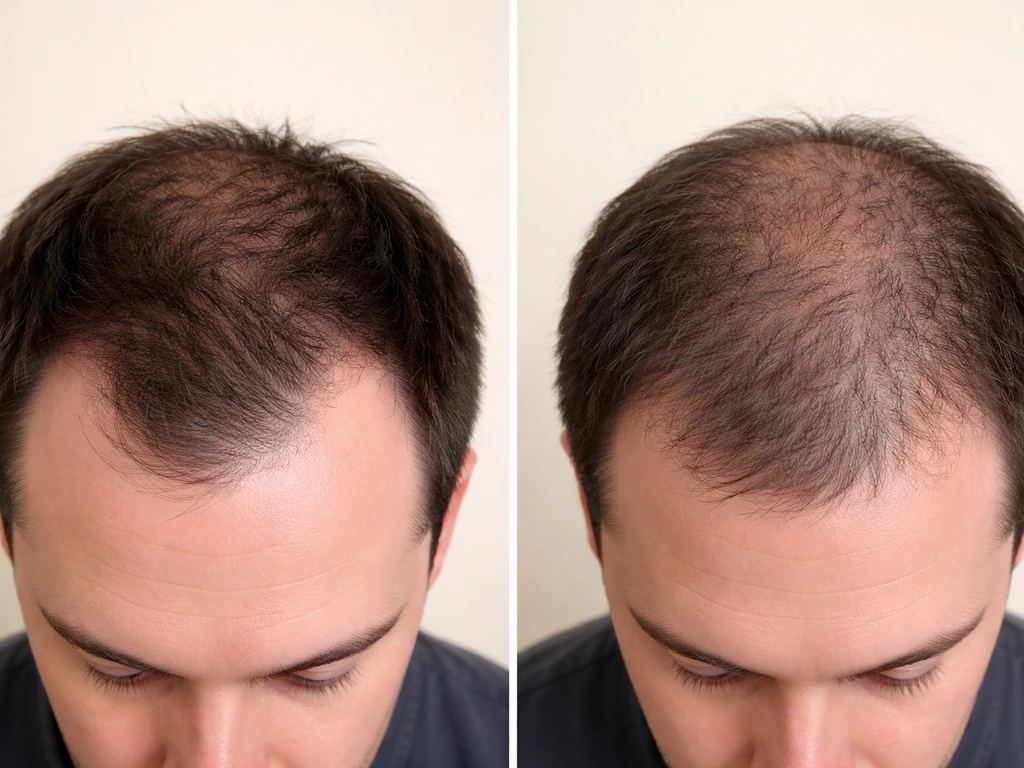
This is the genetic kind, and it works differently. In men, it typically starts at the temples and crown in an M-shape, sparing the sides and back. In women, it usually shows as diffuse thinning at the crown and a widening part, with the hairline mostly intact. The key distinguishing feature is follicle miniaturization: individual hairs get progressively finer and shorter over time as follicles shrink under the influence of androgens. Unlike TE, pattern hair loss doesn't resolve on its own, it requires ongoing treatment to slow or reverse. A trichoscopy exam (dermoscopy of the scalp) can confirm miniaturization, sometimes even when it's early.
Nutritional Deficiencies
Low ferritin (stored iron) is one of the most under-recognized contributors to diffuse hair shedding, especially in women. This can happen after postpartum hemorrhage, during heavy periods, or with restrictive diets. Iron deficiency doesn't have to be severe enough to cause anemia to affect hair. Thyroid dysfunction (both hypo and hyper) and very low vitamin D are also worth checking if you have other symptoms. If you're shedding and have no obvious stress trigger, blood work is worth getting before you assume it's genetic.
Scalp Conditions
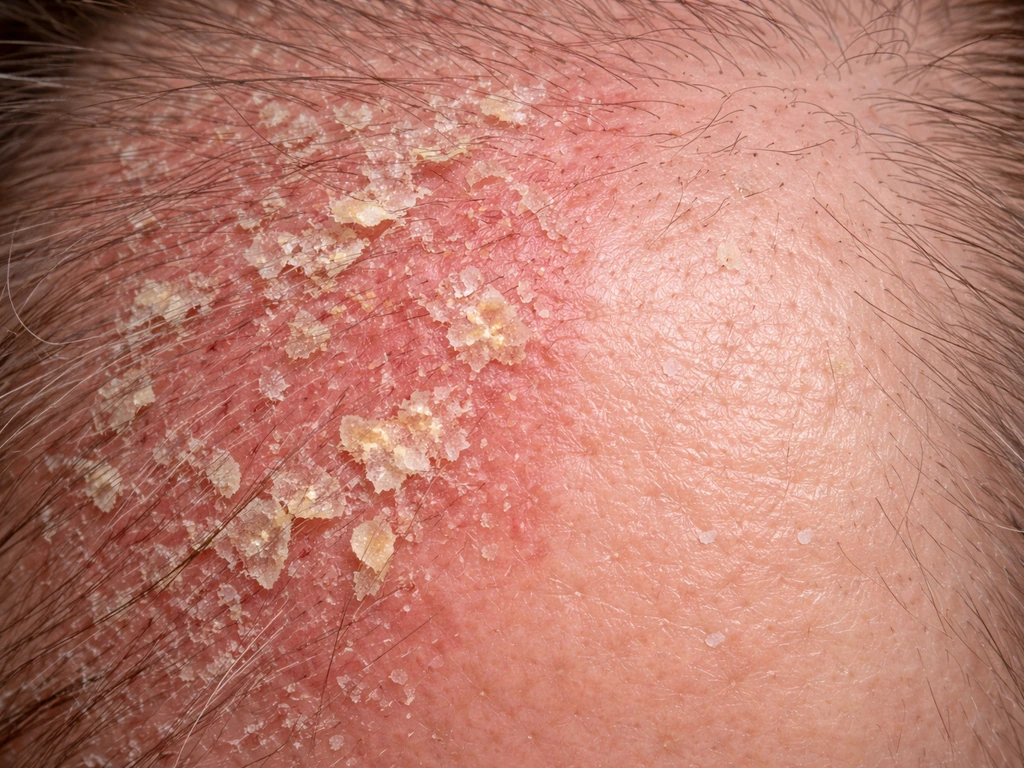
Seborrheic dermatitis (chronic dandruff with flaking, itching, and scalp inflammation) can contribute to a hostile environment for hair growth. It doesn't directly cause follicle miniaturization, but chronic scalp inflammation isn't doing your hair follicles any favors, and the scratching and irritation can accelerate shedding and breakage. If your scalp is consistently itchy, oily, and flaky, treating that is a prerequisite, not an optional step.
When to Suspect Something Else
If you're losing hair in distinct patches, losing eyebrow or eyelash hair, noticing hair loss on your arms or legs, or seeing a rash anywhere, those are signals to see a dermatologist before doing anything else. Patchy loss can indicate alopecia areata, which has its own treatment pathway. These are patterns that Reddit advice simply can't safely address.
What You Eat (and What You're Probably Missing)

Hair is made of protein, and your follicles are metabolically active tissue that needs consistent nutritional support. If your diet is restrictive, inconsistent, or high in processed food and low in whole sources of nutrients, that shows up in your hair, usually with a 2–4 month lag, just like TE.
The Nutrients That Actually Matter
- Protein: Aim for adequate daily intake (roughly 0.8–1g per kg of body weight at minimum). Hair is almost entirely keratin—a protein—and chronic low protein intake is a direct driver of increased shedding.
- Iron/ferritin: Get your serum ferritin tested. A level below 30 ng/mL is often associated with hair shedding even without full anemia. Food sources include red meat, lentils, spinach, and fortified cereals. If your ferritin is genuinely low, a supplement (with medical guidance) can help—but don't supplement blind.
- Vitamin D: Deficiency is widespread and linked to various types of hair loss. Get your 25-OH vitamin D tested. Most people who are deficient benefit from 1,000–2,000 IU daily, but dosing should be based on your actual level.
- Zinc: Involved in hair tissue growth and repair. Low zinc shows up in restricted diets (especially vegan/vegetarian). Food sources include pumpkin seeds, beef, chickpeas, and cashews. Excess zinc supplementation can actually worsen hair loss, so more is not better.
- Omega-3 fatty acids: Found in fatty fish, flaxseeds, and walnuts. They support scalp health and reduce inflammation. A fish oil or algae-based omega-3 is a reasonable add-on if your diet is low in these.
A Note on Biotin
Biotin is the most marketed hair supplement by a significant margin, and the evidence that it improves hair in people who aren't actually deficient is genuinely weak. Most people eating a reasonably varied diet aren't biotin-deficient. More importantly, high-dose biotin (the kind in most "hair, skin, nails" products) can interfere with certain blood tests, including thyroid panels and cardiac enzyme tests, by interfering with biotin-streptavidin immunoassay technology. If you're taking high-dose biotin and getting bloodwork done, tell your doctor, or stop the biotin a few days beforehand. If you want to take it anyway, that's fine, but don't expect it to be a game-changer unless you were deficient.
What to Avoid
- Crash dieting or very low calorie intake: Rapid weight loss (especially below ~1,200 kcal/day for women) is a well-documented TE trigger.
- Mega-dosing single nutrients: Excess vitamin A is a direct cause of hair shedding. Excess selenium and zinc can also backfire.
- Skipping meals or extended fasting: Intermittent fasting done aggressively can stress the body enough to affect the hair cycle, especially if caloric intake is already low.
Scalp Care: The Foundation Most People Skip
Think of your scalp as the soil your hair grows from. If it's inflamed, clogged with product buildup, or chronically dry or oily, hair growth is going to be suboptimal regardless of what supplements you're taking. Getting your scalp routine right is probably the fastest way to see improvement in hair density and quality within the first 30 days.
How Often to Wash
The "washing too often strips your scalp" idea is mostly myth for people with straight or wavy hair. For seborrheic dermatitis specifically, washing less frequently allows Malassezia yeast to proliferate, the opposite of what you want. For most scalp types, washing 2–3 times per week is a good baseline. If you have seborrheic dermatitis, you may need to start washing more frequently (daily or every other day) with a medicated shampoo until symptoms are controlled, then taper to twice weekly for maintenance. For coily or tightly curled hair types, less frequent washing (once weekly) is more appropriate to avoid dryness, but scalp cleansing remains important.
Scalp Massage
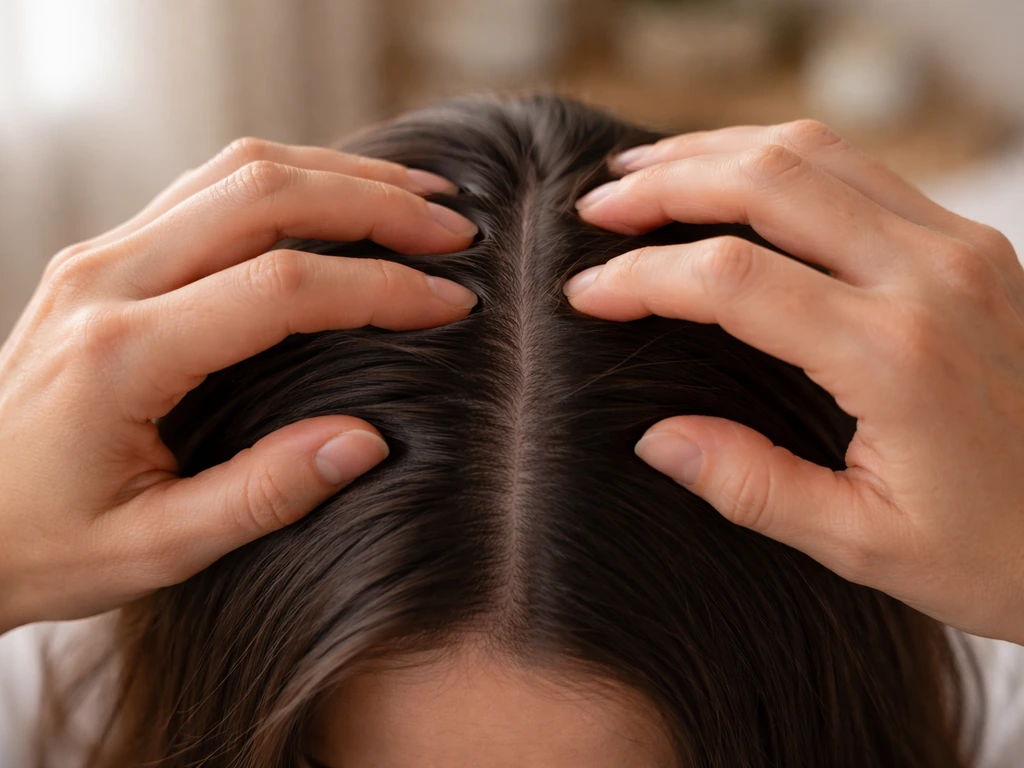
This is one of the few free, low-risk interventions with some evidence behind it. A daily 4-minute scalp massage with fingertips (or a silicone scalp massager) has been linked in small studies to increased hair thickness over 24 weeks, likely through mechanical stimulation of follicles and improved blood circulation. It's not a dramatic intervention, but it costs nothing and takes less than 5 minutes. Apply light pressure in circular motions across the entire scalp, not just the crown.
What to Look for in a Shampoo
If you have dandruff, flaking, or scalp itch, a shampoo with one of the following actives is worth using before you invest in anything fancier. Zinc pyrithione (1–2%) and ketoconazole (1–2%) both have evidence for reducing seborrheic dermatitis and the Malassezia yeast that drives it. Selenium sulfide is another option. For most people, rotating between a medicated shampoo and a gentler everyday shampoo works well. Leave the medicated shampoo on for 3–5 minutes before rinsing, it's not a rinse-off product.
Minimizing Mechanical Damage
If breakage is part of your picture, look honestly at your styling habits. Heat tools above 365°F (185°C) on fine or chemically processed hair, tight ponytails and braids worn daily, and aggressive wet brushing are the most common culprits. Using a wide-tooth comb on wet hair, a heat protectant before any hot tool, and switching to silk or satin pillowcases are small changes that add up.
Topical Treatments That Can Actually Improve Density
Minoxidil
This is the most evidence-backed over-the-counter option for pattern hair loss and the one that comes up most in Reddit threads for good reason. Topical minoxidil works by prolonging the growth phase of the hair cycle and widening blood vessels around follicles. For men, 5% minoxidil foam or solution is the standard. For women, 5% minoxidil foam once daily has been shown in a Phase III trial to be effective for female pattern hair loss. There's some confusion in Reddit discussions about why women's products are labeled differently, the short answer is that it's a regulatory and dosing history issue, not a physiological one. Off-label 5% use in women is common and supported by evidence.
One thing to be prepared for: when you first start minoxidil, shedding may increase for about 2 weeks. This is a known adjustment period as the treatment pushes resting hairs out to make way for new growth. It's not a sign it's not working. Patience is the operative word with minoxidil, realistic results take 3–6 months of consistent daily use. If you stop, any gains reverse within a few months.
Ketoconazole Shampoo (as a Topical Treatment)
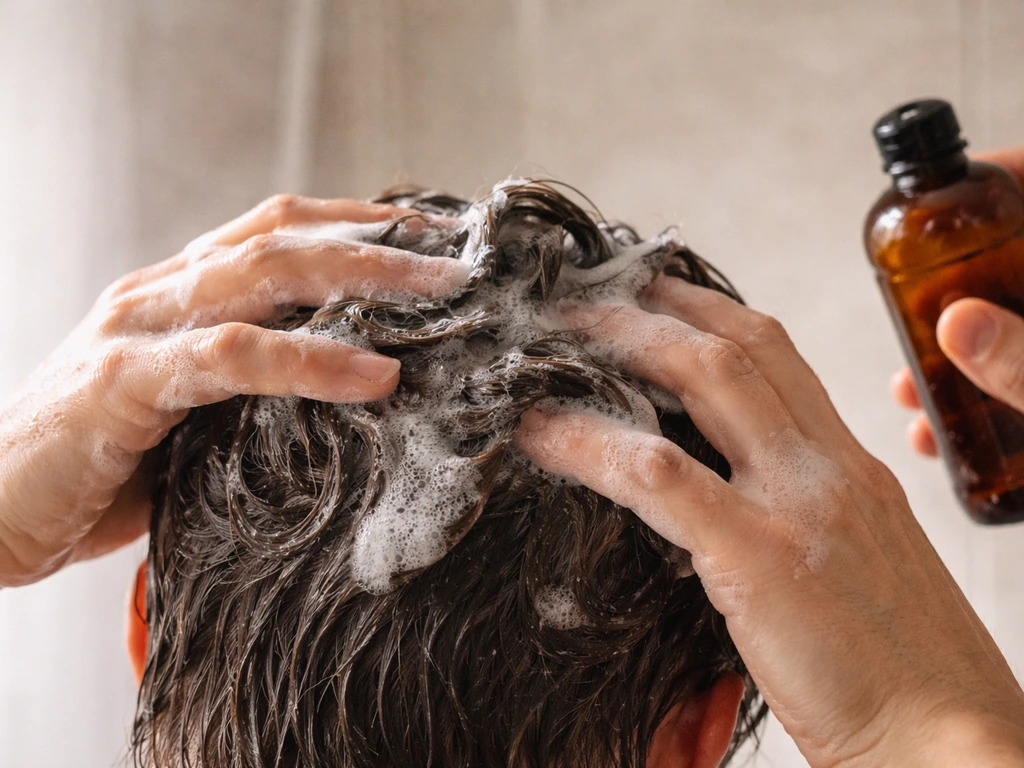
Beyond dandruff control, ketoconazole has some evidence suggesting it may mildly support hair density in androgenetic alopecia, possibly by reducing scalp inflammation and having weak anti-androgenic activity at the follicle level. It's not a substitute for minoxidil, but using a 1–2% ketoconazole shampoo 2–3 times per week is a reasonable low-effort addition to a routine for anyone with scalp inflammation or pattern loss.
Microneedling
Dermarolling (microneedling) of the scalp has emerged as a useful adjunct treatment for androgenetic alopecia, particularly when combined with minoxidil. A randomized pilot study using a 1.5 mm dermaroller showed improvements in hair count and density compared to minoxidil alone. The mechanism likely involves wound-healing signals that stimulate follicle stem cells and growth factors. At-home dermarolling with smaller needle sizes (0.25–0.5 mm) is lower risk than the 1.5 mm used in clinical studies, but results are likely more modest. If you go this route, use it on clean, dry scalp, apply minoxidil after (not before), and do it once weekly.
Low-Level Laser Therapy (LLLT)
Helmet-style and comb-style laser devices delivering light around 655 nm have FDA clearance for androgenetic alopecia and have been evaluated in randomized controlled trials, including a 16-week multicenter trial showing improvements in men and women with pattern loss. The effect size is generally modest, and these devices are expensive (often $200–$500+). They're worth considering as an adjunct if you're already using minoxidil and want to layer in another evidence-based option, but they're not a first-line choice for most people because of cost.
When You Need a Doctor, Not a Reddit Thread
Reddit is great for comparing experiences and getting product recommendations, but there are situations where you genuinely need a dermatologist or physician involved. Recognizing those situations early can save you months of trying the wrong things.
Medical Treatments for Pattern Hair Loss
Finasteride is an FDA-approved oral medication for male pattern hair loss that works by blocking the conversion of testosterone to DHT, the androgen primarily responsible for follicle miniaturization. It's significantly more effective than minoxidil alone for men with androgenetic alopecia, and early treatment gives the best outcomes. It is not for use in women who are pregnant or may become pregnant, pregnant women should not even handle crushed or broken tablets due to risk to a male fetus. For women, oral antiandrogens like spironolactone are often used off-label by dermatologists for female pattern hair loss with good results, particularly for women who haven't responded adequately to minoxidil.
Oral minoxidil at low doses (typically 0.625–2.5 mg daily for women, up to 5 mg for men) has gained significant traction as an off-label prescription option. A pooled analysis of safety data suggests adverse events like postural hypotension and heart rate changes occur at low frequencies (around 1%) at these low doses, but it still requires a prescription and a physician who can assess your cardiovascular history. This is not something to self-prescribe.
For Patchy Loss and Other Conditions
Patchy hair loss (distinct round or irregular bald spots) can indicate alopecia areata, an autoimmune condition where the immune system attacks hair follicles. Intralesional corticosteroid injections (typically triamcinolone acetonide) directly into affected areas are a common first-line treatment, showing good regrowth rates in many patients. This is entirely outside the scope of DIY treatment, if you have patchy loss, get a dermatology referral.
Signs You Need Blood Work
If you're a woman with diffuse shedding and no clear trigger, the standard workup worth asking for includes serum ferritin (not just hemoglobin), thyroid function (TSH, free T4), vitamin D (25-OH), and potentially androgens if pattern loss is suspected. A dermatologist can guide this, but you can also ask your GP. Getting these results before you start supplementing is genuinely useful, you'll know what you're actually addressing.
| Situation | What You Need | Who to See |
|---|---|---|
| Sudden diffuse shedding, no obvious cause | Blood work (ferritin, thyroid, vitamin D) | GP or dermatologist |
| Pattern thinning at crown/temples (male) | Finasteride and/or topical minoxidil | Dermatologist or prescribing GP |
| Pattern thinning in women | Minoxidil, possibly spironolactone or oral minoxidil | Dermatologist |
| Patchy bald spots | Intralesional steroids or other alopecia areata treatment | Dermatologist (urgent referral) |
| Scalp inflammation, dandruff, itch | Medicated shampoo (ketoconazole, ZPT), possibly topical steroids | Can start OTC; see derm if persistent |
| Hair breakage, no shedding | Reduce heat/chemical damage, improve moisture | No doctor needed initially |
Your 30–90 Day Action Plan
Here's how to actually put this into practice. The goal in the first 30 days isn't dramatic thickness, it's stopping what's making things worse and building a consistent routine. If your goal is thicker body hair, the same fundamentals apply, but you may need to focus on your skin and hair follicle health rather than your scalp routine. Thickness and density improvements take time because the hair cycle itself runs on a 3–6 month clock.
Days 1–7: Diagnose Before You Buy
- Do the pull test and examine shed hairs for bulbs vs. breakage. Write down what you find.
- Photograph your scalp (parting line, crown, temples) in consistent lighting. This is your baseline. You will not remember what it looked like in 90 days without this.
- If you've had a major stressor, illness, weight change, or gave birth in the last 2–6 months, flag that as your likely trigger.
- Order blood work if you're a woman with no clear trigger: ferritin, TSH, vitamin D at minimum.
- Stop any harsh styling habits (high heat, tight styles, chemical treatments) until you've assessed breakage vs. shedding.
Days 7–30: Build the Routine
- Start a scalp massage: 4 minutes daily, fingertips or silicone tool, anywhere on the scalp.
- Fix your shampoo: if you have scalp itch or dandruff, switch to a zinc pyrithione or ketoconazole shampoo 2–3 times per week. Leave it on for 3–5 minutes.
- Audit your diet: add one protein-rich food to each meal, reduce processed snacks, and identify any obvious gaps (especially iron-rich foods if you're vegetarian/vegan or have heavy periods).
- If you have confirmed or strongly suspected pattern hair loss, start topical minoxidil. Expect the adjustment shed in weeks 1–2 and don't panic.
- If blood work comes back showing low ferritin or vitamin D, start appropriate supplementation under medical guidance.
Days 30–90: Stay Consistent and Track
- Retake your scalp photos every 4 weeks in the same lighting and position. Compare parting width and overall density.
- Track shedding qualitatively: is the amount in the shower drain decreasing week over week? This is more useful than counting individual hairs every day.
- If you're using minoxidil, don't expect visible thickness changes before 12–16 weeks. Reduced shedding usually comes first.
- For TE triggered by a stressor, expect shedding to start slowing 2–3 months after the trigger is resolved, with regrowth visible as short, fine new hairs near the scalp.
- If you see no improvement or worsening after 3 months of consistent effort, book a derm appointment. You may need a prescription option or a more thorough diagnosis.
Realistic Expectations
This is the part of the Reddit threads that often gets glossed over in favor of before/after photos. Hair growth is genuinely slow, about half an inch per month, and the hair cycle means you're often waiting 3–6 months to see results from any change you make today. Telogen effluvium resolves in most people without any treatment at all, but it still takes 6–8 months. Pattern hair loss responds to minoxidil and finasteride, but results are gradual and maintenance is lifelong. The single most common reason people fail to see results is inconsistency, stopping a treatment at 6 weeks because "it isn't working" when the biology requires 16. Set a 90-day minimum before you evaluate whether something is or isn't helping.
One more thing worth saying: thinning in very specific zones like the sides or temples can have different causes and slightly different management than diffuse thinning. If your goal is thicker hair on the sides, the right plan depends on whether you're dealing with shedding, breakage, or a pattern-loss process. If your concern is concentrated in those areas, it's worth digging into the specifics of those patterns as a separate question, because the approach isn't always identical to what works for overall density.
FAQ
If I do the pull test at home, how many hairs is “normal” vs concerning?
A few shed hairs can be expected day to day. The point of the test is whether shedding seems active right now, so using the article’s threshold (more than about 4–6 hairs from a 40–60 strand sample) is the practical cutoff. If you consistently see more than that, especially after 5 days without washing, focus on identifying telogen effluvium triggers rather than buying new products immediately.
Can shedding from breakage look like “true thinning” on Reddit, and how do I avoid getting misled?
Yes. Breakage often looks like shedding because hairs come out, but they usually lack the root bulb and have frayed or tapered ends. Another giveaway is when your hair feels rough, not just thinner. If your ends look damaged and you have a lot of short pieces in the sink, treat breakage first (heat, tight styles, brushing, dryness) before scalp supplements or minoxidil.
What should I do if my hair shedding started right after a new supplement or medication?
Don’t assume it’s coincidence. Many changes, including stopping hormones or starting thyroid-active supplements, can coincide with telogen effluvium timing. A practical step is to pause nonessential supplements and track your start dates, then discuss the timeline with a clinician if shedding is significant or persists beyond 2–3 months.
How long should I give minoxidil before deciding it’s not working?
Plan for a realistic 90-day minimum before judging results, and 3–6 months for the main change in density. Also account for the initial adjustment shed that can happen for about 2 weeks. If you quit early, any gains usually reverse within a few months, so consistency matters more than perfect product choice.
If I start minoxidil and my shedding is worse after a week, should I stop?
Usually no. Early increased shedding can be part of the process, not failure. Stop only if you have concerning side effects (like significant scalp irritation, chest symptoms, or dizziness). If possible, troubleshoot application technique (consistent daily use, clean scalp, proper amount) before making changes.
Does minoxidil work better on certain hair patterns or hair types?
It tends to be most helpful for androgenetic (pattern) loss, not diffuse shedding from stress or nutritional triggers. If your issue is mainly breakage or telogen effluvium, minoxidil may not address the root cause. If you’re unsure, use the root-bulb vs breakage check and consider labs if you have a diffuse picture without an obvious trigger.
How can I tell if my “diffuse thinning” is pattern loss versus telogen effluvium?
Telogen effluvium often follows a recognizable event 2–4 months earlier and usually improves over time. Pattern loss typically shows progressive miniaturization and may present with a widening part or crown thinning while the hairline stays relatively intact. If the pattern is unclear or persists beyond about 6–8 months, a clinician can confirm miniaturization with scalp exam or trichoscopy.
Which labs are most useful for diffuse shedding, and is hemoglobin enough?
Hemoglobin alone is not enough. Asking for serum ferritin (stored iron) is important because hair can respond to low iron even without anemia. Thyroid labs (TSH and free T4) and vitamin D (25-OH) are also common, and if pattern loss is suspected, androgens may be considered. Getting labs before heavy supplementation helps you avoid guessing.
If I treat seborrheic dermatitis, how long until my hair looks better?
Don’t expect immediate density changes, because hair growth still follows the hair cycle clock. Many people notice reduced itching and fewer shedding strands within weeks, with cosmetic improvement in density taking closer to 3–6 months. If symptoms don’t improve after adjusting medicated shampoo frequency, it may be the wrong diagnosis or the product dose timing needs tuning.
How often should I use a medicated ketoconazole or zinc pyrithione shampoo without irritating my scalp?
Use the medicated shampoo to control inflammation first, then taper once symptoms settle. A common approach is leaving it on for a few minutes during medicated days (as described in the article) and rotating with a gentler shampoo. If you get burning, severe dryness, or worsening flaking, reduce frequency and consider a dermatologist, because overuse can increase dryness-related breakage.
Can I combine microneedling and minoxidil, and what’s the safest order?
Yes, microneedling is often paired with minoxidil for androgenetic alopecia. The key operational detail is timing: apply minoxidil after microneedling (not before). Also keep needle depth conservative if doing at-home sessions, and keep the schedule simple (about once weekly) to reduce irritation and infection risk.
Is derma-rolling safe on irritated or flaky scalp?
Not ideal. If your scalp is actively inflamed, very itchy, or heavily flaking, microneedling can worsen irritation and complicate treatment. Address seborrheic dermatitis first, then consider microneedling once your scalp is calmer and you can tolerate medicated shampoo routines.
Do laser helmets help enough to be worth the cost, and how should I evaluate results?
They can help modestly for androgenetic alopecia, but they are not usually a first-line step. If you consider one, evaluate after several months with consistent use and realistic expectations. Also treat inflammation or breakage issues in parallel, because laser devices cannot fix mechanical damage or true nutrient-triggered shedding.
When should I stop trying DIY approaches and see a dermatologist?
Go sooner if you have patchy round or irregular bald spots, loss of eyebrow or eyelash hair, visible rash, sudden rapid changes, or hair loss plus scalp symptoms that don’t respond to medicated shampoo. These are situations where conditions like alopecia areata or other inflammatory disorders need targeted treatment, not only minoxidil or supplements.
Can I use biotin for thicker hair if I already eat well?
If your diet is reasonably varied, biotin is unlikely to be a game-changer because deficiency is not common. The bigger practical issue is that high-dose biotin can interfere with certain lab tests. If you have blood work planned, tell your doctor or consider stopping several days beforehand, unless your clinician advises otherwise.
Will finasteride work if I’m a woman, and what’s the pregnancy safety concern?
Finasteride is generally not used for women who are pregnant or may become pregnant due to risk to a male fetus, even from handling crushed tablets. For women, dermatologists often consider other options, like spironolactone off-label, but the decision should be individualized based on pattern-loss features, other health conditions, and pregnancy plans.
Is oral minoxidil a safer alternative to topical?
It’s a prescription option, but safety depends on your cardiovascular history. Even at low doses, adverse effects like blood pressure changes and heart rate changes can occur. Because of this, it should not be self-prescribed, and it’s usually best when your clinician can monitor and adjust the dose if side effects show up.
How do I avoid the biggest reason people see no results?
The most common failure is inconsistency, stopping after only 4 to 6 weeks. Hair cycle effects require time, so set a decision timeline up front (at least 90 days for an initial assessment, longer for density changes). If you’re not improving, troubleshoot cause first, then adjust the plan rather than jumping randomly between products.
Next Articles
Tips on How to Grow Your Hair Out: A Step by Step Guide
Step-by-step tips to grow hair out: stop breakage, build scalp routine, nutrition, safe actives, and track progress.
Grow Hair Long Tips: Step-by-Step Routine to Reach Length
Step-by-step grow hair long tips: boost scalp health, cut breakage, improve diet, and track progress for length.
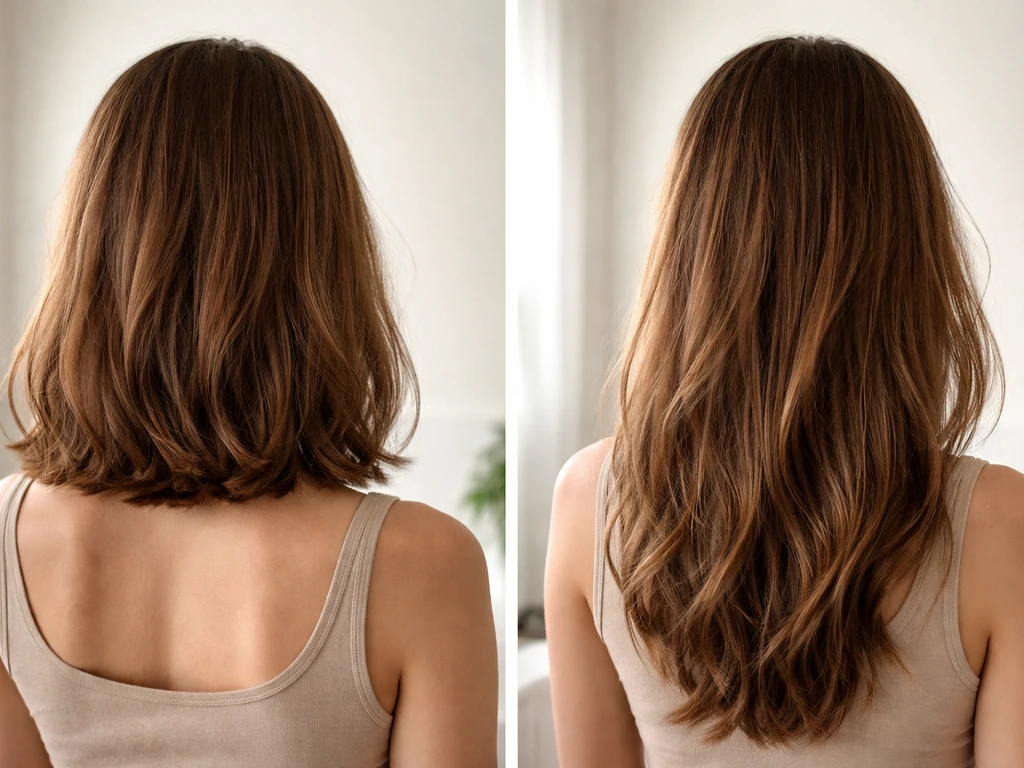
Tips for How to Grow Long Hair: A Practical Guide
Actionable tips to grow long hair naturally: care routine, scalp habits, nutrition and breakage prevention for healthy l