
Growing "Korean hair" means working toward hair that is long, glossy, and visibly healthy, the kind you see in K-dramas and on the street in Seoul. You get there the same way most Korean hair-care culture approaches it: consistent scalp care, moisture-first product choices, low heat, high protein and iron intake, and a lot of patience. Hair grows roughly 1 cm per month no matter your ethnicity, so the real difference between average hair and that mirror-shine length is not genetics alone, it is what you do (and avoid) every single day between washes.
How to Grow Korean Hair: Complete Guide to Long, Shiny Hair

Marcus Holloway
20 Jul 2026
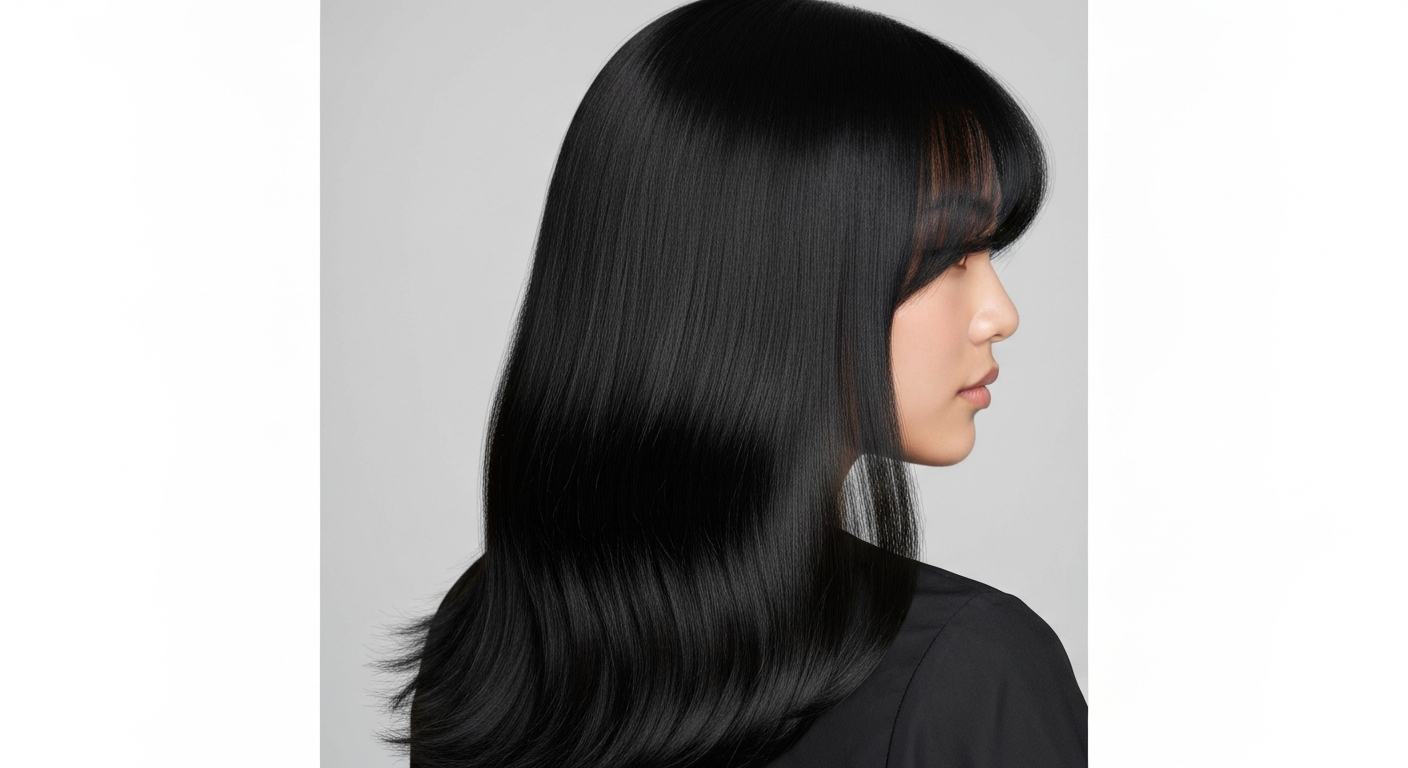
What 'Korean Hair' actually means
The term is shorthand for a specific visual result rather than a biological type. Korean hair aesthetics typically prioritize high shine (from a sealed, flat cuticle layer), smooth texture, defined movement without frizz, and length that ranges from a polished medium cut to hip-length or beyond. Common reference styles include long layers that fall past the collarbone, see-through bangs, blunt hime cuts, and soft curtain-bang looks. What unites them is that the hair looks hydrated and intact, not just long.
It is worth being realistic: many Korean people have hair that is naturally round in cross-section (contributing to a smoother cuticle appearance), moderate in porosity, and relatively high in sebum production, all of which help that shine. If you have fine, high-porosity, curly, or low-sebum hair, you can absolutely reach the same aesthetic, but your product stack and routine will look different. The goal is not to replicate someone else's hair type; it is to optimize your own toward the same outcome: length, health, and gloss.
Realistic growth timelines: short, medium, and waist-length
Research measures average scalp hair growth at around 1 cm per month, with a realistic personal range of about 0.6 cm to 1.5 cm per month for most adults. That means growing from a short pixie to a chin-length bob takes roughly 6 to 12 months under good conditions. Reaching a medium length (collarbone to shoulder) from very short typically takes 18 to 24 months. Waist-length hair, often a goal for the longer Korean aesthetic, can take 4 to 6 years or more depending on where your waist sits and how well you retain the length you grow. For a practical step-by-step guide on how to grow your hair to your waist, see our detailed guide. For a step-by-step guide on how to grow waist-length hair, see our detailed how to grow waist-length hair resource. The growth rate itself is largely fixed by your follicle biology, but retention, meaning how little you break or cut off, is the part you control most.
| Starting length | Target length | Estimated time (at ~1 cm/month) |
|---|---|---|
| Pixie (2–5 cm) | Chin/bob (20–25 cm) | 15–24 months |
| Bob (20–25 cm) | Collarbone / medium (35–40 cm) | 12–18 months |
| Medium (35–40 cm) | Bra-strap (50–55 cm) | 12–18 months |
| Bra-strap (50–55 cm) | Waist (65–75 cm) | 12–24 months |
| Short to waist (full journey) | Waist (65–75 cm) | 4–6+ years |
These numbers assume you are retaining most of what you grow. Chronic breakage, heat damage, or frequent trims can quietly erase 3 to 6 months of growth per year. If you are currently growing from short to long or targeting waist length, a dedicated retention strategy matters as much as growth speed.
Start here: assess your scalp, hair type, and health baseline
Before committing to any routine, spend 15 minutes honestly evaluating what you are working with. This assessment changes which products you pick, which treatments are worth trying, and whether you need to see a doctor first.
Scalp condition
Part your hair under good light and look at your scalp. It should be pale and slightly moist. Redness, visible flaking, significant oiliness within 24 hours of washing, tenderness, or itching are all signals worth addressing before layering on growth treatments. An inflamed or clogged scalp produces sluggish growth because follicle-level circulation and oxygen delivery are compromised.
Hair type and porosity
Porosity tells you how easily moisture enters and exits the hair shaft. High-porosity hair (often from bleach, heat, or mechanical damage) absorbs products fast but loses moisture just as fast, leading to frizz and brittleness. Low-porosity hair repels water and can build up product. A simple float test (drop a clean strand in water for 2 to 4 minutes: sinking suggests higher porosity, floating suggests lower) is a rough guide. This matters because high-porosity hair needs heavier sealants and protein treatments; low-porosity hair needs lighter, heat-activated products to open the cuticle.
Breakage versus true hair loss
Run your fingers through dry hair and check what falls out. A strand with a small white bulb at the root is a naturally shed hair (telogen effluvium or normal shedding, 50 to 100 strands daily is typical). A strand that snaps mid-shaft with no bulb is breakage, a retention problem, not a growth problem. Distinguishing these two matters a great deal because the solutions are completely different. Most people chasing the Korean hair look have a breakage problem, not a true growth problem.
Medical history and when to get blood work
If you are experiencing diffuse shedding across the whole scalp, visible thinning at the part line, or shedding that started suddenly, a blood panel is worth the conversation with your doctor. Clinical guidelines consistently recommend checking at minimum: CBC (complete blood count), ferritin (iron stores), and TSH (thyroid). Vitamin D, B12, and zinc may be added when there is clinical reason. Low ferritin, even without full anemia, is one of the most commonly found correctable contributors to diffuse shedding in women. Correcting it does not guarantee regrowth but it removes a barrier to it.
How your scalp and follicles actually grow hair
Each follicle cycles independently through three phases: anagen (active growth, lasting 2 to 7 years), catagen (a brief 2 to 3 week transition), and telogen (resting and shedding, lasting 3 to 4 months). The length of your anagen phase is the single biggest determinant of how long your hair can get before it sheds. Someone with a 7-year anagen phase can grow hair past their waist without trying; someone with a 2-year phase will plateau around shoulder length. You cannot dramatically extend your anagen phase through topical products, but you can avoid cutting it short through chronic stress, nutrient deficiency, or scalp inflammation.
Sebum (the natural oil produced by sebaceous glands beside each follicle) is your scalp's built-in conditioner. It travels down the hair shaft and is a major contributor to that natural gloss in healthy hair. Over-washing strips it. Under-washing allows it to oxidize, clog follicle openings, and contribute to inflammation. Most hair types thrive with washing every 2 to 3 days, though fine or oily scalps may need every other day and coarse or dry hair may do better with twice a week.
Porosity, which you assessed earlier, is about the state of the cuticle layer, the overlapping scale-like cells that surround each strand. When the cuticle lies flat and smooth, light reflects off it evenly and the hair looks shiny. When it is raised or damaged, the strand absorbs and loses moisture unevenly, appears dull, and breaks more easily. Almost every product decision in a Korean-inspired hair routine is aimed at keeping that cuticle flat.
Your daily Korean-inspired hair routine
The morning routine is largely about protection and shine maintenance. The evening routine is when you do the real repair and treatment work. Keeping them separate in your mind helps because rushing treatment steps in the morning usually means applying products you have not let absorb properly.
Morning steps
- Detangle gently with a wide-tooth comb or paddle brush, starting from the ends and working upward. Never start at the root.
- Apply a small amount of leave-in conditioner or hair essence to damp or dry hair, focusing on mid-lengths and ends, not the scalp.
- If you are using a scalp serum or caffeine tonic, apply it to the scalp and massage in for 1 to 2 minutes. This is a good time to build in the scalp massage habit.
- Style with the lowest heat setting needed, ideally below 180°C (356°F). Always use a heat-protectant spray or cream first. Hair that is already coated with a protective layer suffers less cuticle damage from thermal tools.
- Avoid tight elastic bands at the same spot daily. Rotate your ponytail height or use a silk scrunchie.
Evening steps
- On non-wash nights, lightly mist dry ends with water or a hydrating spray and seal with 1 to 2 drops of a lightweight oil (camellia, argan, or squalane work well for most hair types).
- Apply any targeted treatments such as ampoules, scalp tonics, or growth serums now, not in the morning, so they have 6 to 8 hours of uninterrupted contact time.
- Loosely braid or twist hair before sleeping. This reduces friction tangling and mechanical breakage overnight.
- Sleep on a silk or satin pillowcase, or use a silk bonnet. Cotton pillowcases create significant friction that raises the cuticle and causes split ends over time.
Your weekly hair and scalp routine
Wash day timing and technique
Most people growing toward the Korean hair aesthetic wash 2 to 3 times per week. If your scalp is genuinely oily (producing visible shine within 12 to 18 hours of washing), washing every other day is fine. Start every wash by rinsing your scalp with lukewarm water for at least 60 seconds before applying shampoo. This alone removes a significant amount of buildup and softens the sebum so your shampoo works more efficiently with less product and less rubbing.
Apply shampoo only to the scalp, not the lengths. The lengths get cleansed by rinse-off alone. Use the pads of your fingers, not your nails, and work in small circular motions. Double-shampooing (a short first wash to remove surface oil, followed by a proper second wash) is a genuine Korean hair-care practice and makes a real difference to scalp clarity without the over-stripping that comes from scrubbing harder. Rinse thoroughly; incomplete rinsing is one of the most common causes of buildup that looks like dandruff.
Conditioning and masking
Apply conditioner from the mid-lengths down. Leave it on for 2 to 5 minutes (not just a quick rinse), then finish with a 10 to 20 second cool water rinse. The cool rinse closes the cuticle and is a major contributor to that fresh-from-the-salon gloss. Once per week, swap your regular conditioner for a deep conditioning mask and leave it on for 15 to 30 minutes, ideally under a shower cap to trap warmth. For high-porosity or chemically treated hair, add a protein-containing mask every 2 to 3 weeks and a purely moisture-focused mask the other weeks. Over-using protein on already balanced or low-porosity hair can cause stiffness and breakage.
Scalp exfoliation
A weekly or biweekly scalp scrub removes dead skin cell buildup, excess sebum, and product residue that regular shampoo leaves behind. You can use a physical scalp scrub (fine sugar or salt-based), a chemical scalp exfoliant (salicylic acid-based tonic is the most common), or a clarifying shampoo. Apply before wetting hair, work in gently for 2 to 3 minutes, then shampoo as normal. Do not exfoliate if your scalp is actively irritated, broken, or sunburned.
Weekly scalp massage
A small controlled study found that a standardized daily scalp massage of several minutes increased hair-shaft thickness in participants after about 24 weeks, though the sample was small and it did not show density increases. The mechanism is thought to involve increased scalp circulation and mild mechanical stimulation of the follicle. Whether or not the science scales up, the practice costs nothing and takes 4 to 5 minutes. Use your fingertips (not nails) to apply firm but comfortable pressure in small circles, working from the nape of the neck to the temples and crown.
Monthly and salon schedule
Deep treatments at home
Once a month is a good cadence for a more intensive at-home treatment. This could be a hot oil treatment (warm camellia, coconut, or olive oil applied for 30 to 60 minutes before shampoo), a bond-building treatment if you use heat or color, or a scalp detox using a clay-based mask to pull out deeper-seated buildup. Monthly is also when you reassess the protein-moisture balance: if hair feels stiff or snaps easily, scale back protein and increase moisture. If it feels limp and stretchy without snapping, add a protein treatment.
Trim timing when growing
Trims do not make hair grow faster; that is a myth. What they do is remove split ends that would otherwise travel up the shaft and cause mid-shaft breakage, effectively erasing length you already grew. When actively growing, micro-trims of 0.5 to 1 cm every 3 to 4 months are enough to keep ends healthy without sacrificing length. If you are growing from short to long, you can stretch to every 4 to 6 months between trims as long as your ends are genuinely healthy. If you want a specific Korean style like long layers or see-through bangs, communicate clearly to your stylist that you are in a growth phase and want shape maintenance, not a length reset.
Salon treatments worth considering
A professional keratin or glossing treatment every 3 to 6 months can dramatically improve cuticle smoothness and shine for high-porosity or frizzy hair without permanently altering structure. Olaplex-type bond-building salon services are worth it after bleaching or repeated heat styling. For thinning concerns, in-clinic options backed by good-quality research include platelet-rich plasma (PRP) injections, which systematic reviews suggest can improve hair parameters and is generally well tolerated, though results are variable and protocols differ between clinics. Microneedling combined with a topical agent like 5% minoxidil has randomized trial support for improving hair counts better than topical therapy alone; as a standalone it has weaker evidence. If you are at the point of considering these clinic-based options, a dermatology or trichology consultation is the right first step.
Essences, ampoules, and serums: what they actually do
This is where Korean hair care diverges most visibly from Western routines. The layered "essence, ampoule, serum" approach borrows from Korean skin care philosophy and applies it to the scalp and hair shaft. Each product type has a distinct job.
| Product type | Texture | Primary target | When to apply | Who needs it most |
|---|---|---|---|---|
| Hair essence | Lightweight, watery to thin lotion | Hair shaft: smoothing, shine, frizz control | On damp hair post-wash or dry hair before styling | All hair types; especially fine or easily weighed-down hair |
| Scalp ampoule | Concentrated liquid or serum | Scalp: targeted nutrient delivery, inflammation, circulation | Directly to dry or towel-dried scalp, evening | Thinning, slow-growing, or inflamed scalps |
| Hair serum (finishing) | Silicone or oil-based | Cuticle sealing, heat protection, shine | Last step before or after drying | High-porosity, frizzy, color-treated hair |
| Growth/caffeine tonic | Light liquid | Scalp: stimulation, DHT modulation (in some formulas) | Morning or evening scalp application | Those experiencing thinning or slower growth |
Topical caffeine preparations have multiple clinical trials and a 2024 systematic review showing some positive effects on hair parameters versus placebo, though many trials are industry-sponsored and evidence quality is variable. The proposed mechanism is that caffeine counteracts the testosterone-driven suppression of hair follicle growth at the cellular level, at least in lab conditions. Whether it reaches the follicle in meaningful concentration from a rinse-off shampoo is debated, but leave-on tonics or scalp drops are a more credible delivery route. For genuine hair loss rather than slow growth, rosemary oil has one randomized trial showing it performed comparably to 2% minoxidil for mild androgenetic alopecia over 6 months, though that trial was small and has not been widely replicated. It is a reasonable addition to an evening scalp routine, especially combined with a carrier oil and massage.
How to layer these products correctly
- After washing, towel-dry gently by blotting, not rubbing. Hair is most fragile when wet.
- Apply any scalp ampoule or tonic directly to the scalp in sections. Massage in for 1 to 2 minutes and do not rinse.
- While hair is still slightly damp, apply a hair essence from mid-lengths to ends. This is your base hydration layer.
- If using a heat tool, apply a heat-protectant serum next, coating the hair shaft.
- After drying (or on dry hair for a finishing touch), 1 to 2 drops of a lightweight finishing serum or hair oil pressed between your palms and smoothed over the surface of the hair adds the final cuticle seal and gloss.
Nutrition, supplements, and what the evidence actually supports
Your hair is protein, built from keratin, and it grows from follicles fed by your bloodstream. That makes diet genuinely important, not in a marketing sense, but in a biological one. Adequate protein (roughly 50 to 60g daily as a minimum for most adults, more if you are active) is a non-negotiable foundation. Iron is the nutrient most commonly linked to diffuse shedding in women: systematic reviews and meta-analyses connect low serum ferritin (many studies use thresholds below 20 to 40 ng/mL) with telogen effluvium and diffuse hair loss, though an exact therapeutic target is still debated. Red meat, lentils, spinach with vitamin C, and tofu are solid sources. If you suspect iron deficiency, get a ferritin test before supplementing, as iron excess has its own risks.
Vitamin D deficiency is more prevalent in certain hair loss conditions, particularly alopecia areata, but supplementing vitamin D when you are not deficient is unlikely to improve hair growth. The same applies to biotin: evidence reviews are consistent that biotin supplementation does not improve hair growth in people without an actual deficiency. High-dose biotin also interferes with common lab assays, which is worth knowing if you are having bloodwork done. Zinc and vitamin B12 follow the same logic: correct a deficiency if one exists, but supplementing above sufficiency does not speed growth.
Where supplements do have broader support is in products that combine multiple micronutrients (marine collagen, amino acids, zinc, iron, vitamin C) rather than isolated megadoses of single vitamins. These tend to be safer and address multiple potential gaps at once. If you eat a varied omnivore diet with adequate protein and your bloodwork is normal, a balanced multivitamin is usually sufficient.
Heat management and protective styling
High heat is the single fastest way to destroy the cuticle integrity you are working to build. Flat irons above 230°C (446°F) can cause irreversible protein degradation in a single pass on fine or already-damaged hair. If you want that sleek, straight Korean hair look, work at 160 to 180°C (320 to 356°F) with a high-quality heat-protectant, use slow single passes rather than repeated passes over the same section, and limit to 2 to 3 times per week maximum. On non-heat days, experiment with heatless styling: braids, rollers, and twist-outs on damp hair produce smooth waves or gentle volume without thermal damage.
Protective styling for longer lengths includes loose braids or buns that keep ends tucked away from rubbing against clothing (particularly rough wool or knit collars), avoiding metal hair accessories that catch and snap strands, and using a wide satin scrunchie at night. These sound minor but cumulative friction breakage at the ends accounts for a surprising amount of length stall for people growing past shoulder length.
Medical options: when to consider and who should guide them
If you have been consistent with your routine for 6 or more months and are seeing progressive thinning at the part line or crown, or if hair loss runs strongly in your family, it is worth a dermatology or trichology appointment rather than escalating over-the-counter interventions alone. Topical minoxidil (2% and 5%) has the strongest evidence base of any widely available topical treatment for androgenetic alopecia in both men and women, with systematic reviews and a Cochrane review confirming meaningful improvements versus placebo. Benefits typically appear at 12 to 24 weeks with continued use required to maintain results. The 5% formulation generally produces greater terminal hair increases than 2%.
For men, oral finasteride 1 mg daily has strong randomized trial and meta-analysis support for slowing male-pattern loss, though a minority of users report sexual adverse effects and there are rare reports of persistent symptoms after stopping, so it is a decision to make with a doctor, not a pharmacist. Network meta-analyses rate oral dutasteride among the highest-efficacy options for male androgenetic alopecia. Ketoconazole shampoo has some RCT-level support as an adjunctive therapy for improving hair-shaft diameter and is lower-risk than systemic medications. A network meta-analysis (Comparative Effect of Conventional and Non‑Conventional Treatments for Male AGA: Network Meta‑Analysis (PMC)) reviewing conventional and non‑conventional topical agents, including ketoconazole, found RCT-level support for ketoconazole as an adjunctive treatment that can improve hair‑shaft diameter. None of these are appropriate as first-line self-prescribing; they belong in a conversation with a qualified clinician who can assess your pattern and health history.
Troubleshooting: why your hair might not be growing
If your hair seems stuck at the same length despite consistent effort, work through this checklist before assuming your growth rate is the problem. Most length plateaus are retention failures.
- Check your ends every 6 weeks: if you see splits or white dots (trichorrhexis nodosa), breakage is outpacing growth and you need a small trim plus more moisture or protein treatment.
- Review your heat habits honestly. Even occasional very high-heat styling can undo months of retention work on the ends.
- Consider whether you are getting enough dietary protein and iron, especially if you have changed your diet recently or are in a period of high physical or emotional stress.
- Stress-related telogen effluvium (sudden shedding 2 to 3 months after a major physical or emotional event) is common and usually self-resolving within 6 months once the stressor resolves, but it can look alarming.
- Review your scalp health: persistent dandruff, seborrheic dermatitis, or scalp psoriasis can disrupt follicle function and should be treated directly, not masked with growth products.
- If you are female and experiencing fatigue, cold intolerance, or other thyroid symptoms alongside hair shedding, a TSH test is a priority before anything else.
- Some medications cause diffuse hair shedding as a side effect. If shedding started within a few months of starting a new medication, mention it to your prescribing doctor.
Adapting the routine for your hair type
| Hair type | Key challenge | Routine adaptation | Product priority |
|---|---|---|---|
| Fine / low-density | Easily weighed down; shows oiliness fast | Wash every 1–2 days; use lightweight essence only on ends; avoid heavy oils on scalp | Volumizing or lightweight conditioner; scalp tonic instead of heavy serum |
| Coarse / thick | Slower moisture penetration; dullness | Wash every 3–4 days; use steaming or heat cap for deep masks; heavier oils acceptable | Rich deep conditioner; camellia or argan oil finishing serum |
| High-porosity / chemically treated | Frizz; breakage; protein loss | Protein treatment every 2–3 weeks; heavy sealant on ends; minimal heat | Bond-building conditioner; leave-in with protein; light oil seal |
| Oily scalp / dry ends | Over-washing strips ends; scalp gets oily fast | Scalp-only shampooing; condition ends only; consider scalp exfoliation weekly | Balancing shampoo; rich end treatment; lightweight scalp toner |
| Curly or wavy (any texture) | Shrinkage; harder to retain length | Co-wash or low-poo between full washes; finger detangle; heatless styling default | Moisturizing leave-in; defining gel or cream; regular protein-moisture rotation |
Tracking progress without frustration
Hair growth is slow enough that daily observation is counterproductive. Instead, measure and photograph at consistent monthly intervals. Use a ruler from a fixed reference point (such as the top of your ear or eyebrow) to the tip of the longest strands and note it in a simple log. Photograph in the same lighting, same position, each time. You will not see a difference week to week, but a 3-month photo comparison is often genuinely motivating. If you are also tracking a health intervention like correcting ferritin or starting minoxidil, note the date so you can correlate any changes in shedding rate or density with the timeline of that intervention. Most evidence-backed treatments take a minimum of 3 to 6 months to show visible results.
Growing toward the Korean hair aesthetic is ultimately a cumulative practice. The routine itself, washing with care, minimizing heat, keeping the scalp clean and stimulated, layering light hydration, eating enough protein and iron, is not complicated. What it requires is consistency over months and years, not intensity over a few weeks. For a step-by-step guide on how to grow short hair to long hair, see our detailed growth plan. If you are also working toward a specific length goal, whether that is a polished medium cut or full waist-length hair, the same principles apply throughout the journey: protect what you have, support what you grow, and treat your scalp like the living tissue it is.
FAQ
What is the "Korean hair" aesthetic and is it realistic for all hair types?
“Korean hair” typically refers to long, smooth, glossy, healthy-looking hair with controlled frizz, soft layers, and often a natural shine. It's an aesthetic, not a single hair type; people with fine, curly, coarse, or textured hair can achieve a version of this look by optimizing hair health, using smoothing/protective routines, and choosing cuts/styles that suit their structure. Realistic results depend on genetics (anagen phase length, hair shaft type), baseline health, and consistent care. Expect individual limits on maximum terminal length and shine based on your biology.
How fast does hair grow and what timelines should I expect when trying to grow longer hair?
Average scalp hair growth is roughly 1 cm per month (range ~0.6–3.4 cm/month depending on individual factors). Visible improvements from topical or medical treatments often appear by 3–6 months, with clearer changes by 6–12 months. Growing from short to shoulder length (20–30 cm growth) can take ~2–3 years on average; waist length often requires several years and depends on your anagen phase duration.
What baseline assessment should I do before starting a hair growth plan?
Start with a focused history and scalp/hair exam: duration/onset of shedding, pattern (diffuse vs patchy), family history, medications, diet, stress, and styling habits. Baseline photos, a hair count or pull test, and measurement of length at a fixed point help track progress. If shedding or diffuse thinning is present, consider labs guided by history: CBC, ferritin, TSH, and selective tests (vitamin D, B12, zinc). Refer to a dermatologist/trichologist for abnormal findings or suspected patterned/autoimmune loss.
Which evidence-based medical and in-office treatments speed growth or reverse thinning?
For androgenetic alopecia (AGA): topical minoxidil (2%–5%) has strong RCT/meta-analysis support; oral finasteride (1 mg) and dutasteride show high efficacy in men but have sexual and other potential adverse effects. PRP shows heterogeneous but generally positive results in trials. Microneedling combined with topical minoxidil improves outcomes versus topical alone. Treatment choice depends on diagnosis (AGA vs telogen effluvium vs alopecia areata), sex, reproductive plans, and risk tolerance; consult a dermatologist before systemic meds.
What evidence-based topical or over-the-counter options help hair thickness and shine?
Topical minoxidil (OTC in many places) increases terminal hair counts in AGA. Ketoconazole shampoo can be a useful adjunct to improve hair-shaft diameter and scalp health. Some plant extracts (e.g., rosemary oil) showed benefits similar to 2% minoxidil in a single small trial; caffeine-containing shampoos have mixed but positive trial data. Choose well-formulated products and use consistently; expect gradual benefit over months.
Which nutritional steps and supplements are recommended?
Correct true deficiencies: iron-replete ferritin (many studies link low ferritin with shedding; thresholds vary but commonly <20–40 ng/mL is concerning), treat iron deficiency under medical guidance. Check and treat hypothyroidism if present. Vitamin D supplementation only if deficient. Routine high-dose biotin is not recommended unless deficiency is proven (it can interfere with lab tests). Use a balanced diet with adequate protein, iron, zinc, and essential fatty acids; consider targeted supplementation when tests or history indicate deficiency.
Next Articles
How to Grow Short Hair to Long Hair: Realistic Plan & Timeline
How to grow short hair to long hair: realistic timelines, routines, nutrition, scalp care, treatments & styling tips.
How to Grow Medium Length Hair: Step-by-Step Guide
Step-by-step plan to grow medium length hair, reduce breakage, improve scalp health, and reach your goal length.
How to Grow Your Hair to Your Waist: Step-by-Step
Step-by-step plan to grow hair to waist length, stop breakage, improve scalp health, and track progress safely.