
Yes, there are genuinely effective natural ways to support hair growth, and the best approach combines a healthy scalp environment, consistent nutrition, and a few evidence-backed topicals. Hair grows about 1 centimeter per month on average, so you won't see dramatic results overnight. But if you fix what's slowing growth down, stack the right habits, and give it 3 to 6 months of consistency, most people see a real difference. If you want a simple checklist to follow, use this guide on what do i need to grow my hair to focus on the biggest levers first. If you want the most science-backed approach, focus on evidence-based scalp health and habits rather than myths. The catch is that 'natural' doesn't mean magic, and knowing which methods have actual evidence behind them versus which are mostly hype will save you a lot of wasted time and money. If you want the best way to grow your hair naturally, start with a realistic plan that targets scalp health, nutrition, and evidence-backed routines.
Best Natural Ways to Grow Hair: What Works Fast


What 'natural' actually means here (and whether it works)
When people search for natural ways to grow hair, they usually mean one or more of three things: no pharmaceuticals, no harsh chemicals, or a preference for food and plant-based approaches. That's a totally reasonable starting point. What it doesn't mean, though, is unproven or gentle-to-the-point-of-useless. Some of the most effective scalp interventions, like scalp massage and anti-inflammatory cleansing, are completely natural and have real clinical data behind them. Others, like certain herbal oils, have biological plausibility but limited human trials.
It's also worth being honest: if you're dealing with pattern hair loss (androgenetic alopecia), the strongest evidence points to medications like minoxidil, not natural remedies. Natural approaches can genuinely support the hair cycle, reduce shedding triggers, and create an optimal environment for follicles to do their job. But they're unlikely to fully override genetic hair loss in the way a clinically proven drug can. Knowing that distinction upfront helps you use natural methods where they shine and recognize when you might need more support.
Realistic timelines: how fast can hair actually grow naturally?
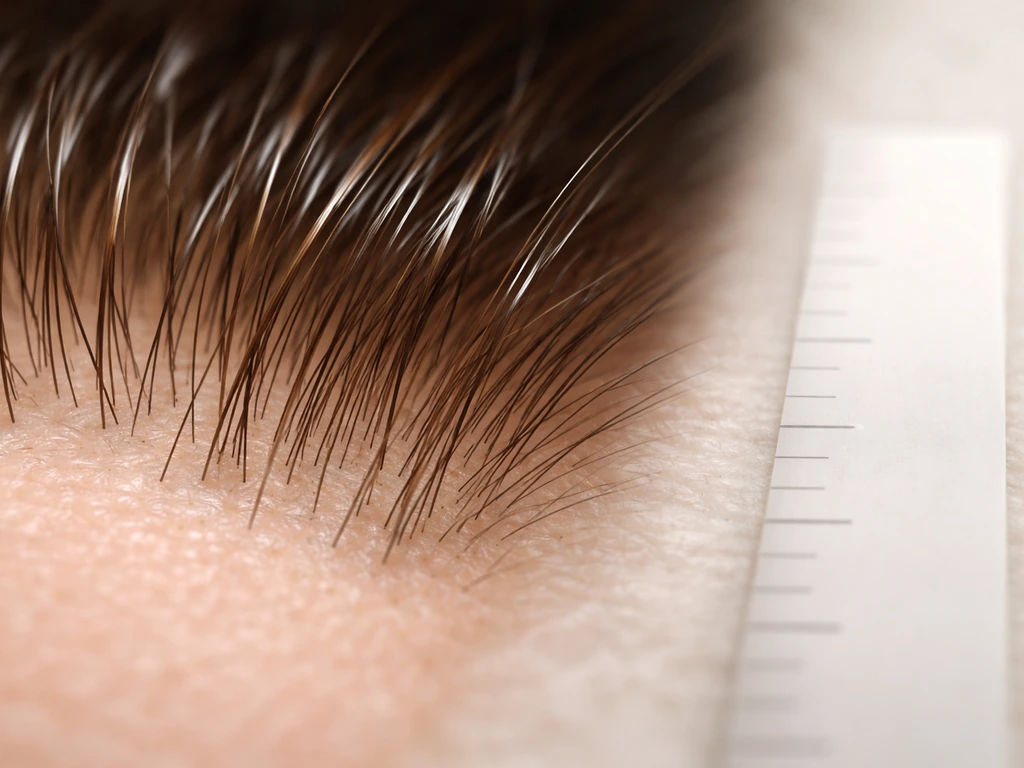
Scalp hair grows at roughly 0.3 mm per day, which works out to about 1 cm per month or around 6 inches per year. That's the ceiling under ideal conditions. You can't push your follicles to grow faster than their biological rate, but you can make sure they're not being slowed down by inflammation, deficiency, stress, or damage.
Hair also goes through phases: the growth phase (anagen) lasts roughly 2 to 6 years, the short transition phase (catagen) about 2 to 3 weeks, and the resting phase (telogen) about 2 to 3 months before the hair sheds. When something disrupts the cycle, like illness, crash dieting, or major stress, follicles shift into telogen early. The shed you notice typically happens 2 to 3 months after the trigger. New growth then starts its own cycle, which means you often won't see visible regrowth for another 3 to 6 months. Patience isn't optional here. It's built into the biology.
If you're just trying to grow longer, thicker hair from a healthy baseline, you can expect to see meaningful progress after about 3 months of consistent effort. If you're regrowing hair after shedding or thinning, budget 4 to 6 months before you can fairly assess whether your approach is working.
Start with your scalp: the foundation of natural hair growth
Your scalp is where follicles live, and a scalp that's inflamed, congested, or irritated is not going to support optimal hair growth. Most people underestimate how much scalp health matters. Before you reach for any oil or supplement, get your scalp routine right.
Cleanse consistently but don't strip
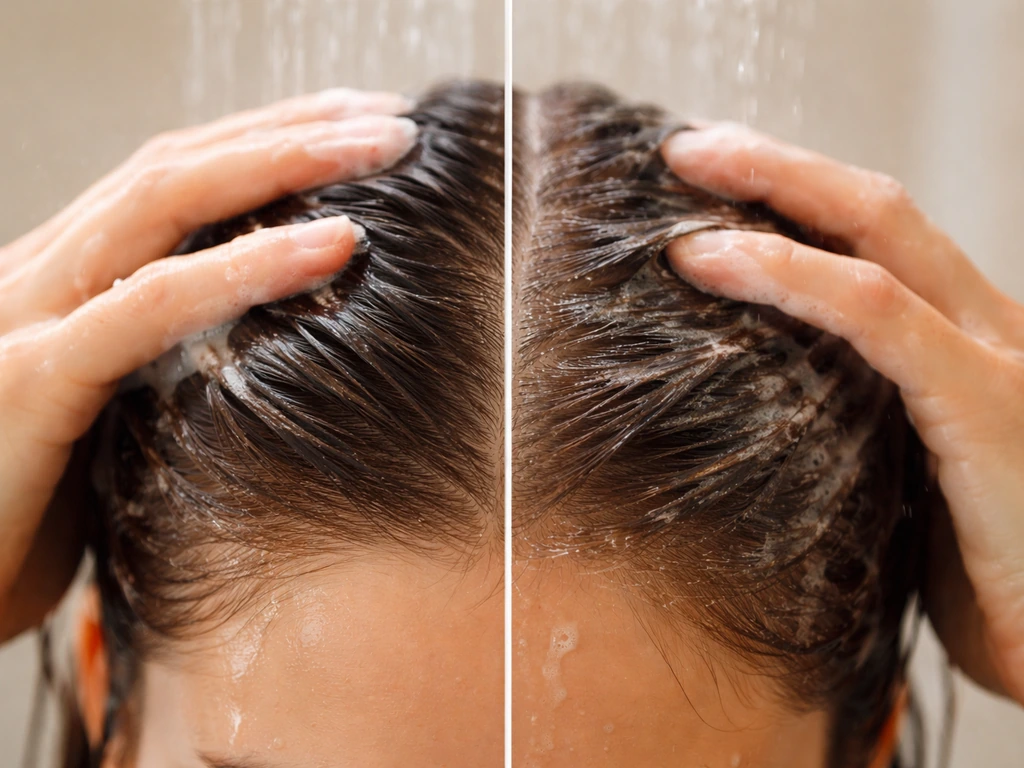
Washing your scalp regularly removes buildup of sebum, product, and dead skin cells that can clog follicles. How often depends on your hair type, but most people benefit from shampooing 2 to 4 times per week. The goal is a clean, non-irritated scalp, not a dry, tight one. If you have dandruff or seborrheic dermatitis, this matters even more. Both conditions create chronic scalp inflammation that's been linked to increased shedding. Using an anti-dandruff shampoo (with zinc pyrithione, ketoconazole, or piroctone olamine) 2 to 3 times per week can bring that inflammation down and, in studies, has been associated with reduced hair fall. The American Academy of Dermatology recommends exactly this frequency as a starting point for managing dandruff and seborrheic dermatitis. Avoid alcohol-heavy styling products on the scalp, since these increase dryness and irritation.
Scalp massage: the one truly natural habit with real data
Scalp massage is probably the most underrated natural hair growth tool. It works by increasing blood circulation to the follicles, which improves oxygen and nutrient delivery. It may also mechanically stimulate follicle activity. You don't need a special device. Use your fingertips, apply firm but comfortable pressure, and move in small circular motions across your scalp for 4 to 5 minutes daily. Do it before or during shampooing, or with a small amount of oil as a standalone practice. Consistency is the key. A few minutes every day will outperform an hour-long treatment once a month.
Feed your follicles: nutrition that actually supports hair growth
Hair is made of protein, and your follicles need a steady supply of amino acids, micronutrients, and energy to cycle properly. If your diet is lacking in any of the key building blocks, growth slows down and shedding increases. You don't need to follow a special hair-growth diet, but you do need to cover the basics consistently.
Protein and calories come first
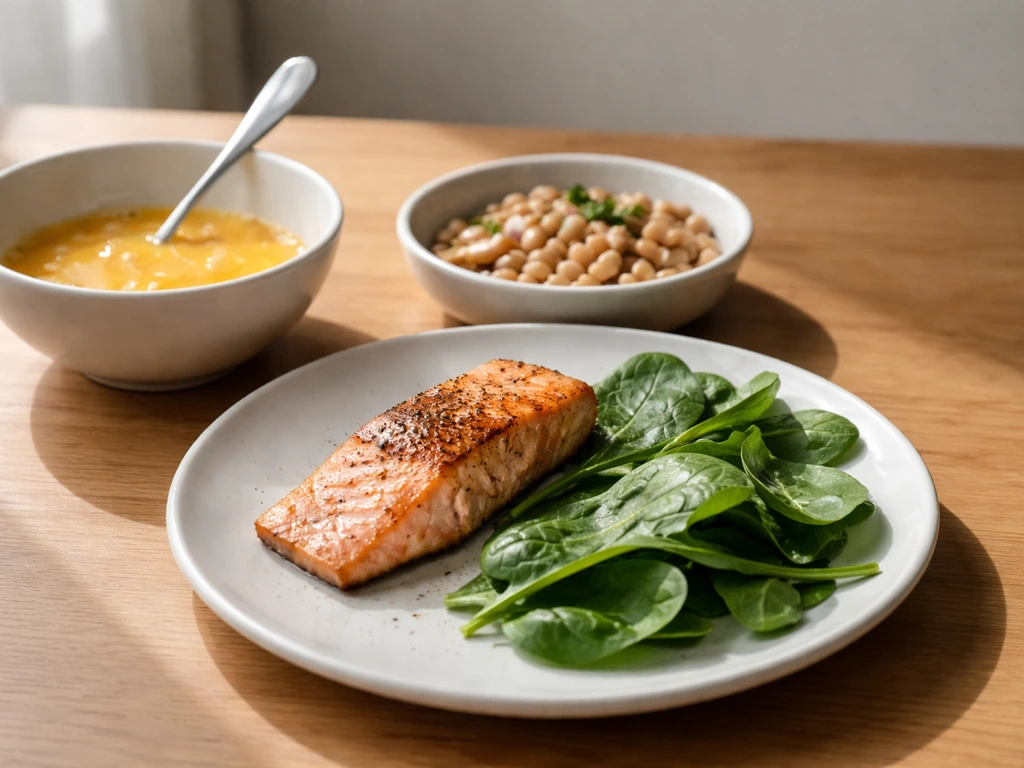
Hair is made almost entirely of keratin, a protein. If you're under-eating or eating very low protein, your body will deprioritize hair growth. Aim for adequate total protein from sources like eggs, fish, poultry, legumes, and dairy. If you've recently come off a crash diet or had a period of restricted eating, expect a telogen effluvium shedding phase 2 to 3 months later. The fix is consistent adequate nutrition, not a quick supplement.
Key nutrients to prioritize
- Iron: Low ferritin (stored iron) is one of the most common nutritional contributors to hair shedding, especially in women with heavy periods or low red meat intake. Get your ferritin tested before supplementing, since iron overload is also a problem.
- Zinc: Involved in follicle cell division and protein synthesis. Deficiency causes shedding, but excess zinc can also interfere with hair growth, so food sources like meat, shellfish, and pumpkin seeds are preferable to high-dose supplements unless you're confirmed deficient.
- Vitamin D: A large portion of people are deficient, and low vitamin D has been associated with hair thinning. Test your levels and supplement to correct a deficiency rather than taking it empirically.
- Omega-3 fatty acids: Found in oily fish, flaxseed, and walnuts. Omega-3s reduce systemic inflammation and support scalp health. The evidence specifically for hair regrowth is limited, but they support the overall environment follicles need.
- B vitamins (especially folate and B12): Important for red blood cell production and oxygen delivery to the scalp. Vegans and vegetarians are at higher risk of B12 deficiency.
- Biotin: Genuinely useful if you're deficient, but most people eating a varied diet aren't. High-dose biotin supplements can also interfere with thyroid blood tests, so mention it to your doctor if you take them.
Foods that bring many of these together include eggs (protein, biotin, vitamin D, zinc), fatty fish like salmon (omega-3s, vitamin D, protein), lentils (iron, folate, protein), and leafy greens like spinach (iron, folate). A Mediterranean-style diet that emphasizes these whole foods is a practical framework that covers most of the bases without needing to obsess over individual nutrients.
Natural topical options: what to use, how to apply, and what to expect
There are a few plant-based topicals with genuine evidence or strong biological plausibility for hair growth support. None of them are as well-studied as minoxidil, but they're meaningful tools, especially for people looking to optimize their scalp environment naturally.
| Topical | Evidence Level | How to Use | Realistic Expectation |
|---|---|---|---|
| Rosemary oil | A small RCT showed results comparable to 2% minoxidil for hair count at 6 months | Dilute a few drops in a carrier oil (like jojoba), massage into scalp, leave 30+ minutes before washing | Modest improvement in density with consistent daily use over 3 to 6 months |
| Peppermint oil | Preclinical data (mouse studies) shows strong follicle stimulation; human trials limited | Dilute heavily in carrier oil (1 to 2 drops per tablespoon), massage into scalp | Plausible scalp stimulator; results in humans not well quantified yet |
| Saw palmetto (topical) | A 16-week RCT reported reduced hair fall and improved growth measures in androgenetic alopecia | Available in topical serums; apply per product directions | Modest anti-androgen effect at scalp level; better evidence than most herbal options |
| Caffeine (topical) | Some in-vitro and small study data; no large double-blind standardized hair count RCT yet | Use caffeine-containing shampoos or serums; leave on scalp before rinsing | Possible but not confirmed; low risk, reasonable to try |
| Scalp oils (castor, coconut, argan) | Mostly anecdotal; some evidence for reducing breakage and protecting hair shaft | Apply sparingly to scalp and hair, massage in, wash out thoroughly | Better for hair moisture and breakage reduction than actual follicle regrowth |
A note on application: with any oil-based topical, always dilute essential oils in a carrier oil before touching your scalp. Undiluted essential oils can irritate or burn the scalp, making conditions worse. Less is more. And consistency over weeks and months matters far more than how much you use in a single session.
Supplements worth considering (and when diet alone isn't enough)
Supplements can genuinely help, but only when they're correcting an actual deficiency or gap. The evidence base for supplements across hair loss types is inconsistent. A 2025 network meta-analysis found that some supplement interventions were associated with improvements in terminal hair measures, but results varied significantly across trials, and no single supplement works universally.
The most evidence-supported supplementation strategy is to test first and supplement based on results. Get a blood panel that checks ferritin, vitamin D (25-OH), zinc, B12, and thyroid function (since thyroid imbalance is a common overlooked cause of shedding). Then correct any confirmed deficiencies with targeted supplementation. This approach is both safer and more effective than buying a generic 'hair, skin, and nails' formula and hoping for the best.
If you want to add something beyond deficiency correction, saw palmetto (oral) is one of the better-supported natural options for androgenetic alopecia, based on RCT data showing reduced hair fall. Omega-3 supplements (fish oil or algae-based) are low risk and anti-inflammatory. Biotin should only be added if your diet is genuinely low in eggs, meat, and dairy, and you should inform your doctor if you're taking it before any blood tests.
Daily habits that actually speed results
The lifestyle factors below don't get as much attention as oils and supplements, but they're some of the most powerful levers you have. Think of them as the multiplier on everything else you're doing.
Sleep
Hair cell division is partially regulated by circadian rhythms, and poor sleep disrupts hormone balance, raises cortisol, and reduces growth hormone release, all of which affect the hair cycle. Aim for 7 to 9 hours. If your sleep is consistently poor, it's worth addressing before spending money on topicals.
Stress management
Chronic stress is a major and underappreciated driver of telogen effluvium. Elevated cortisol pushes follicles prematurely into the resting phase, triggering the shed you notice 2 to 3 months later. Exercise, meditation, therapy, and even basic breathing practices all reduce cortisol over time. You don't need to eliminate stress, but managing it consistently changes your hair cycle over months.
Exercise
Moderate regular exercise improves scalp circulation, reduces systemic inflammation, regulates hormones, and lowers stress. It's free and it works. The caveat: extreme endurance exercise without adequate fueling can trigger stress-related shedding, so if you train hard, make sure you're eating enough.
Avoiding shedding triggers
Some habits are silently slowing your hair growth. Tight hairstyles (braids, ponytails, buns) that pull on the follicle cause traction alopecia over time. Heat styling damages the hair shaft, leading to breakage that masquerades as poor growth. Chemical processing weakens the hair structure. You don't have to avoid all of these forever, but if growth is your goal, reducing unnecessary mechanical and chemical stress on the hair and scalp gives you a head start.
When natural methods aren't enough: signs it's time to reassess
Natural approaches work well for many people, but there are situations where they're unlikely to be sufficient and where waiting too long to get proper evaluation can make things harder to reverse. Know these signs.
- You're losing more than about 100 to 150 hairs per day consistently for longer than 3 to 6 months, with no obvious trigger like illness, stress, or dietary change.
- You notice a receding hairline or widening part that has been progressing steadily over months to years. This pattern is more consistent with androgenetic alopecia, where medical options like minoxidil have significantly stronger evidence than any natural remedy.
- You have patchy bald spots. Circular or irregular patches often point to alopecia areata, an autoimmune condition that sometimes resolves on its own within a year, but often benefits from dermatological treatment.
- Your shedding is accompanied by other symptoms like fatigue, weight changes, or irregular periods. These can signal thyroid dysfunction, iron deficiency anemia, or hormonal imbalances that require medical diagnosis.
- You've done 6 months of consistent natural approaches, confirmed your nutrition is solid, addressed stress and sleep, and still see no improvement.
A dermatologist can examine your scalp, order the right labs, and give you a diagnosis. Mayo Clinic also emphasizes that getting medical evaluation based on your diet, hair care routine, history, and exam helps identify causes like alopecia areata that may regrow within a year without treatment get proper evaluation. That diagnosis changes everything, because what works for telogen effluvium (often just time and nutrition) is completely different from what works for androgenetic alopecia or alopecia areata. Going in without a clear picture means you could be treating the wrong problem for months. Natural approaches are a strong foundation, but they work best when you know what you're actually dealing with.
If you're early in this process and not sure where to start, the science on what really works to grow hair and how to grow hair in a way that's evidence-based is worth understanding before investing in any single product or protocol. The most important thing is not to confuse activity with progress. Doing a few things consistently and correctly will always beat doing everything haphazardly.
FAQ
How long should I wait before deciding a natural hair growth routine is actually working?
Yes, but the “when” matters. If hair loss follows a trigger like illness, major stress, or crash dieting, the visible shedding usually peaks 2 to 3 months later, and regrowth takes another 3 to 6 months. If you start natural routines today and expect immediate thicker hair within weeks, you will likely think it is not working.
Can natural oils or essential oils make hair growth worse?
It can, and it usually does so indirectly. Undiluted essential oils can irritate the scalp, and overuse of any oil-heavy topical can worsen follicle congestion for some people. Stick to diluted, small amounts, and watch for redness, itching, or increased flaking, if those appear, scale back or stop.
How can I tell if I’m shedding hair or just breaking it?
Often. The problem is that shedding and breakage look similar. Shedding means more hairs with a small bulb at the end, breakage means shorter pieces without the bulb. If breakage is the issue, focusing only on scalp treatments will not fix the damage, you need shaft protection (gentler handling, lower heat/chemicals).
What’s the biggest mistake people make when trying natural hair growth?
If you have dandruff or seborrheic dermatitis, adding growth-focused topicals to an untreated inflamed scalp can underperform. Prioritize an anti-dandruff strategy (for example, anti-dandruff shampoo 2 to 3 times per week) and keep the rest of your routine simpler until the scalp is calm.
How often should I wash my scalp if I’m trying to grow hair naturally?
Yes, especially if you use “hair-friendly” products but wash too rarely for your scalp. Buildup of sebum, product, and dead skin can contribute to clogged or inflamed follicles. As a practical approach, start with 2 to 4 washes per week and adjust based on oiliness and scalp comfort.
Should I start supplements for hair growth or get labs first?
You can, but it’s not the best first step when the cause is unclear. Natural options are most efficient when they’re correcting a known gap, so a targeted blood panel for ferritin, vitamin D, zinc, B12, and thyroid function can prevent wasting money on supplements that won’t help your specific issue.
Is biotin worth taking, and can it affect bloodwork?
Biotin is the common pitfall. If you add biotin without knowing your baseline, it can interfere with certain lab tests, and it is most useful only when your diet is genuinely low. If you plan labs, tell your clinician before taking biotin.
What if my sleep is irregular, can that still affect hair growth?
Yes. Circadian disruption from inconsistent sleep can shift hormones and the hair cycle. If you can’t reliably hit 7 to 9 hours, first stabilize your sleep schedule (consistent wake time, less late-night light, earlier bedtime if possible) before you expand your topical and supplement routine.
How hard should I massage my scalp, and how often?
Avoid “more is better” with scalp massage. You want firm but comfortable pressure, 4 to 5 minutes daily, and circular fingertip motions. Aggressive scrubbing or scratching can irritate the scalp and worsen shedding.
Do natural hair growth steps work equally for all types of hair loss?
Yes. A natural routine should change if your hair loss pattern suggests a different diagnosis. For example, rapid shedding with thinning throughout can point toward telogen effluvium, while progressive recession or crown thinning can suggest androgenetic alopecia, which often responds differently.
When should I stop self-treating and get professional help?
See a dermatologist sooner if you have patchy smooth bald spots, scalp pain or intense itch with scaling, sudden major shedding, or symptoms like fatigue and weight changes that could suggest systemic causes. Early diagnosis prevents months of treating the wrong mechanism.
Step-by-step plan to grow longer, thicker hair: scalp routine, nutrition, supplements, topicals, and a 12-week timeline.
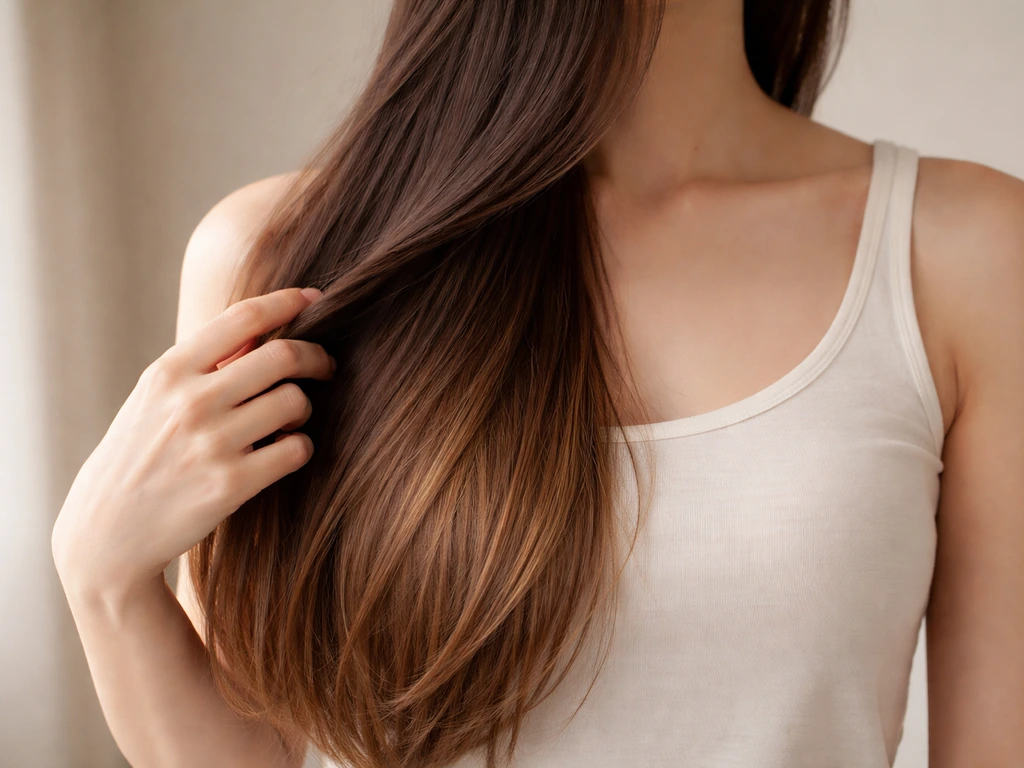
Step-by-step, evidence-based hair growth plan for longer hair, less breakage, or thinning recovery, plus when to see a d
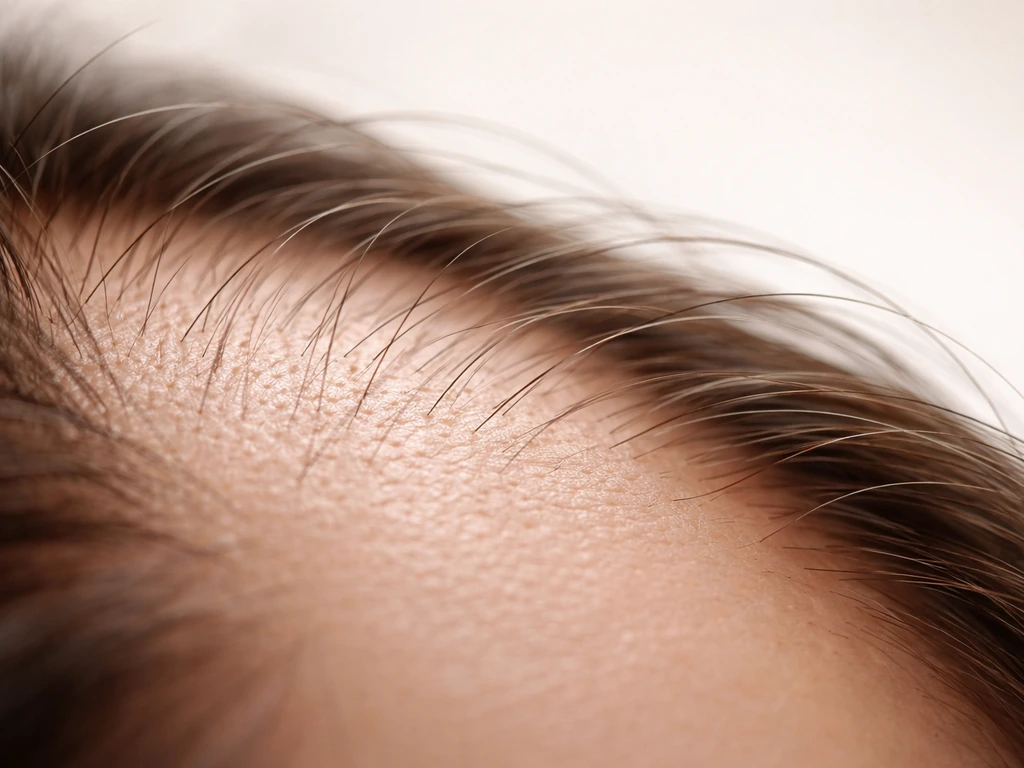
Evidence-based hair regrowth plan: causes, true regrowth vs shedding, proven treatments like minoxidil, and safe supplem