
Growing your hair actually comes down to three things working together: keeping your follicles healthy, giving your body the raw materials it needs, and stopping whatever is interfering with the process in the first place. There is no single magic step, but there is a logical order to follow, and once you understand why each piece matters, it stops feeling overwhelming.
How to Actually Grow Your Hair: A Step-by-Step Plan

Marcus Holloway
26 May 2026
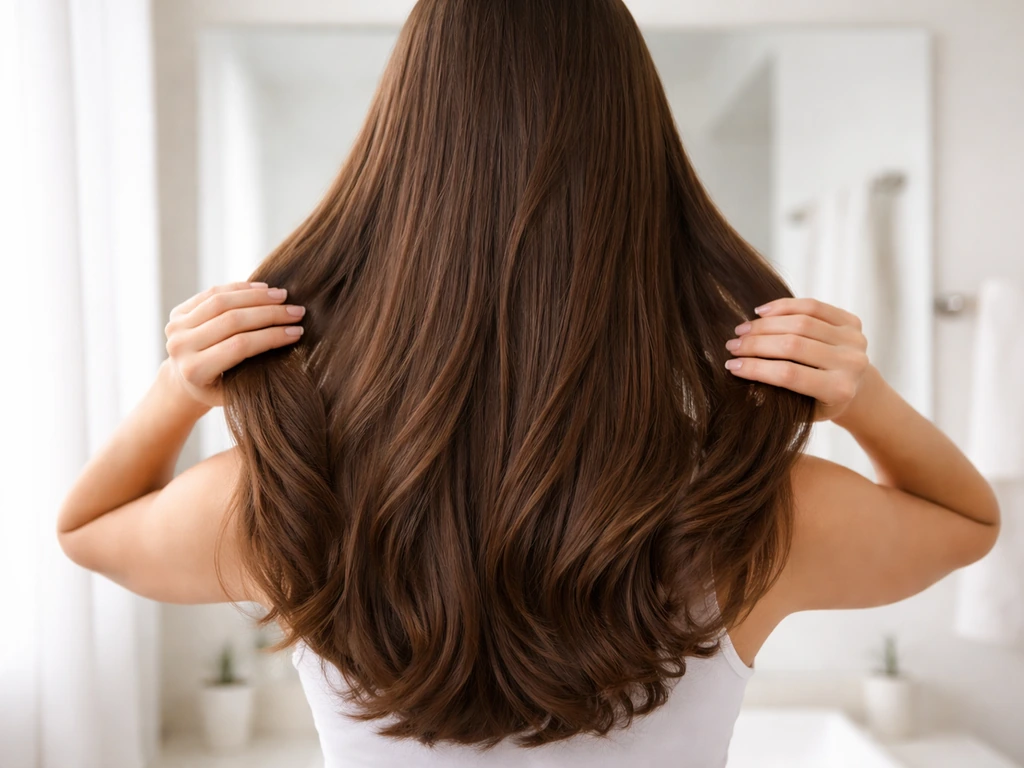
How hair growth actually works
Every hair on your head goes through three stages: anagen (active growth), catagen (a short transition phase), and telogen (resting, then shedding). The anagen phase is where the magic happens, and it can last anywhere from two to seven years depending on your genetics. That is why some people can grow hair to their waist and others seem stuck at shoulder length no matter what they do. The longer your anagen phase, the longer your hair can get.
At any given moment, roughly 85 to 90 percent of your hair is in anagen, and about 10 to 15 percent is in telogen, waiting to shed. Losing 50 to 100 hairs a day is completely normal. When something goes wrong, it is almost always because follicles are either being pushed into telogen too early, staying in telogen too long, or being structurally damaged so they cannot produce a normal hair shaft. Everything in this guide is aimed at one of those three problems.
Figure out why your hair is not responding
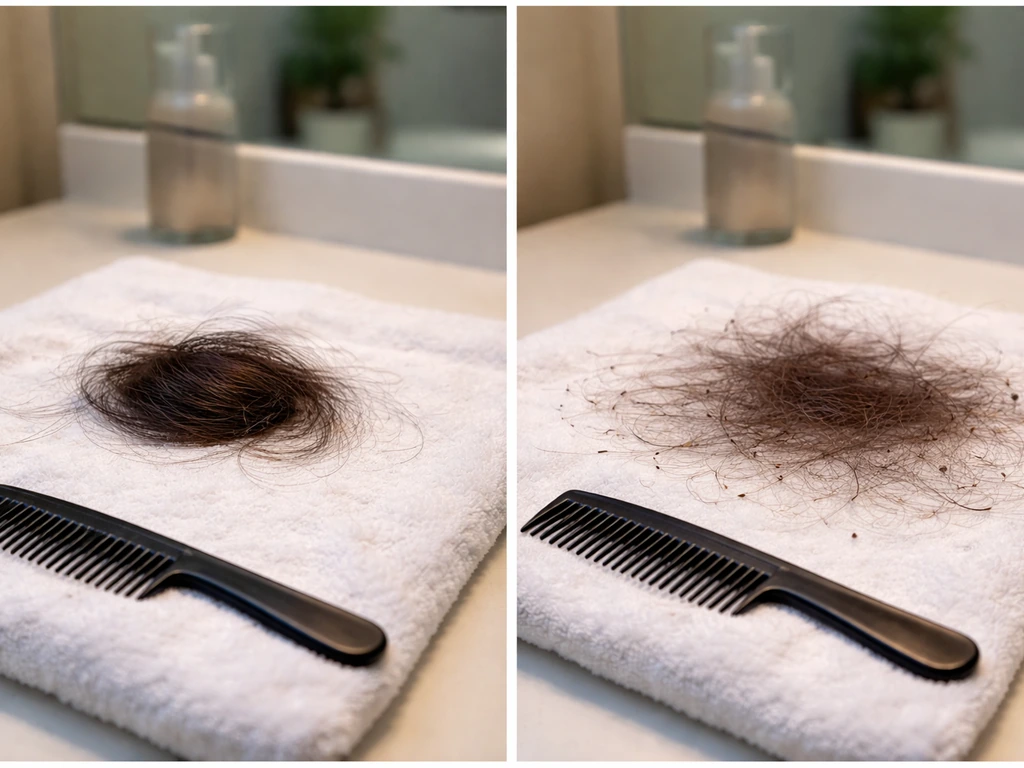
Before you spend money on anything, you need a rough diagnosis. There is a big difference between slow growth (hair grows but not as fast or thick as you want) and hair loss (hair is actively shedding more than normal or not regrowing). Treating them the same way is one of the most common mistakes people make.
Slow growth vs. active hair loss
Slow growth usually means your anagen phase is just shorter than you want, or your hair is breaking so often it never seems to gain length. You will not see a receding hairline or a noticeably thinner part. Active hair loss is different: you are seeing more shedding than usual, a widening part, thinning at the temples, or visible scalp where there was not before. Androgenetic alopecia (pattern hair loss) follows a predictable pattern and is driven by hormones. Telogen effluvium (sudden, diffuse shedding) often follows stress, illness, surgery, or a nutritional crash and tends to resolve once the trigger is gone. Alopecia areata shows up as patchy, distinct bald spots.
Ask yourself a few questions: Did the shedding start suddenly or creep up gradually? Is it all over your scalp or concentrated in one area? Has anything major changed in the last three to six months, like a illness, diet shift, new medication, or high-stress period? Your answers will point you toward which section of this guide to prioritize and whether you need a dermatologist sooner rather than later.
Common causes worth ruling out
- Iron deficiency or low ferritin (one of the most common and most overlooked causes in women)
- Vitamin D deficiency, which is associated with disrupted hair cycling
- Thyroid dysfunction (both hypothyroid and hyperthyroid states can cause shedding)
- Protein deficiency or crash dieting
- Scalp conditions like seborrheic dermatitis or scalp psoriasis that inflame follicles
- Hormonal shifts from pregnancy, postpartum changes, or menopause
- Androgenetic alopecia (genetic pattern hair loss in men and women)
- Mechanical damage from tight hairstyles, excessive heat, or chemical treatments
Scalp care: the foundation you cannot skip
A healthy scalp is the soil your hair grows from. You can take every supplement in the world, but if your scalp is clogged, inflamed, or out of balance, growth will stall. The good news is that fixing your scalp routine is usually free or very cheap.
Washing and managing buildup
How often you should wash depends on your scalp, not a universal rule. If your scalp is oily or you use styling products regularly, washing every one to two days keeps pores clear and reduces inflammation. If your scalp is dry, every two to three days is usually fine. Use a gentle, sulfate-free shampoo unless you have significant dandruff or seborrheic dermatitis, in which case a shampoo with zinc pyrithione, ketoconazole, or selenium sulfide will actually treat the root cause. Focus the shampoo on your scalp, not your lengths, and rinse thoroughly. Product residue and hard-water mineral buildup are real problems: a clarifying shampoo or an apple cider vinegar rinse (one part vinegar to four parts water) once every two to four weeks can help reset things.
Scalp exfoliation
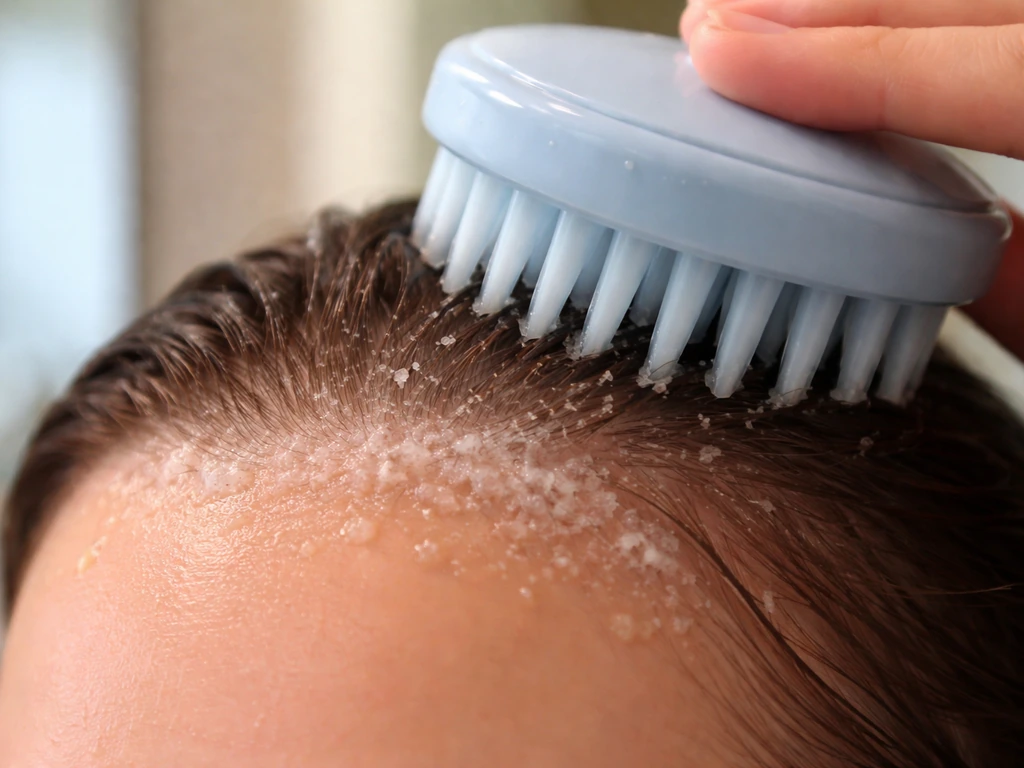
Exfoliating your scalp every one to two weeks removes dead skin and product buildup that can block follicle openings. You can do this physically with a silicone scalp brush used during shampooing, or chemically with a scalp scrub or serum containing salicylic acid or glycolic acid. Be gentle, especially if your scalp is irritated. Overdoing physical exfoliation can cause microabrasions that make things worse.
Scalp massage
Scalp massage is widely recommended, and it is a reasonable, low-risk habit to build. The idea is that mechanical stimulation increases blood flow to follicles and may mechanically stimulate dermal papilla cells. One small 24-week study found that standardized scalp massage increased hair shaft thickness, though it did not show a significant difference in hair count, and the study involved only nine men. In a 24-week study, standardized scalp massage did not show a significant difference in hair growth rate between massage and control areas blank" rel="noopener noreferrer">standardized scalp massage increased hair shaft thickness, though it did not show a significant difference in hair count. GoodRx notes that evidence for scalp massage increasing hair growth is limited, and a small 24-week study in nine men found no significant increase in hair count blank" rel="noopener noreferrer">did not show a significant difference in hair count. So the evidence is limited and you should not expect dramatic regrowth from massage alone. That said, spending four to five minutes massaging your scalp with your fingertips or a silicone brush daily, especially when applying a serum or oil, costs nothing and supports relaxation, which is its own benefit.
Nutrition: what your hair follicles actually need

Hair is made of keratin protein, and your follicles are some of the most metabolically active cells in your body. They are extremely sensitive to nutritional shortfalls. If your diet is missing key nutrients, no topical product will fully compensate.
The nutrients that matter most
| Nutrient | Why it matters for hair | Good food sources |
|---|---|---|
| Protein | Hair is primarily keratin; inadequate protein triggers shedding and weak strands | Eggs, chicken, fish, legumes, Greek yogurt |
| Iron / Ferritin | Carries oxygen to follicles; low ferritin is a top cause of diffuse shedding | Red meat, lentils, spinach, fortified cereals (pair with vitamin C) |
| Zinc | Supports hair tissue repair and oil gland function; deficiency causes shedding | Pumpkin seeds, beef, chickpeas, cashews |
| Vitamin D | Plays a role in follicle cycling; deficiency is linked to alopecia | Fatty fish, egg yolks, fortified milk, sunlight exposure |
| Omega-3 fatty acids | Reduce scalp inflammation and support follicle health | Salmon, mackerel, sardines, walnuts, flaxseed |
| Biotin (B7) | Involved in keratin production; true deficiency is rare but does cause hair loss | Eggs, almonds, sweet potato, most varied diets cover it |
| B12 | Supports red blood cell production and oxygen delivery to follicles | Meat, fish, dairy, fortified foods (critical for vegans) |
In practical terms, aim for 0.8 to 1 gram of protein per pound of body weight if you are active, include at least two to three servings of fatty fish per week, and make sure your diet has plenty of iron-rich foods paired with vitamin C sources (the combination dramatically improves iron absorption). These are not dramatic changes for most people, but they make a real difference to follicle health over time.
Supplements: when they help and when they are a waste of money
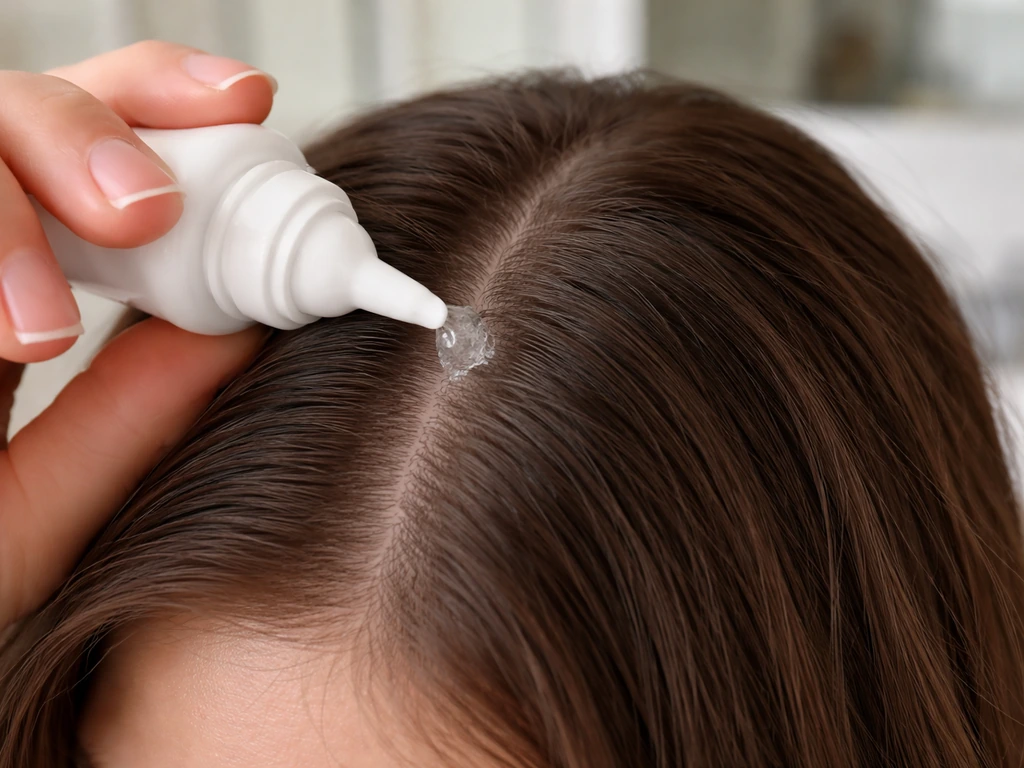
The supplement market for hair growth is enormous and largely overhyped. Supplements work best when you are correcting a deficiency or a specific gap. If your levels are already normal, adding more of a nutrient will not accelerate growth beyond your genetic baseline.
Get tested before you supplement
A simple blood panel from your doctor can check ferritin, vitamin D, zinc, B12, and thyroid function. This is worth doing before spending money on anything. Low ferritin is especially common in women who menstruate, and supplementing iron when your ferritin is genuinely low can produce noticeable improvement in shedding within three to six months. Supplementing iron when your levels are normal, however, is not helpful and can be harmful.
Evidence-based options
- Iron: supplement only if blood work confirms low ferritin (ideally under 30 ng/mL for hair health); ferrous bisglycinate is gentler on the stomach than ferrous sulfate
- Vitamin D: supplement if levels are below 30 ng/mL; 1000 to 2000 IU daily is a typical maintenance dose
- Zinc: relevant if dietary intake is consistently low; 8 to 11 mg per day from diet plus supplemental zinc is usually sufficient, and excess zinc can actually worsen hair loss
- Omega-3 (fish oil): 1 to 3 grams of EPA/DHA daily is a reasonable addition if you do not eat fatty fish regularly
- Biotin: only supplement if you have a confirmed deficiency (extremely rare on a normal diet); high-dose biotin can interfere with thyroid and cardiac lab results
- Saw palmetto: a commonly used option for androgenetic alopecia with some supportive evidence, though weaker than minoxidil or finasteride
- Collagen peptides: emerging evidence for hair shaft quality, but more research is needed
Generic 'hair, skin and nails' supplements are often just high-dose biotin with a few extras. They are not harmful for most people, but they are rarely the targeted solution your follicles actually need. Focus on what your blood work or diet audit reveals first.
Topical treatments and remedies: what to actually try
This is where most people start, and that is not wrong. Topicals work directly at the follicle level, which makes them some of the most effective tools available for both slow growth and active hair loss.
Minoxidil
Minoxidil is the most evidence-backed over-the-counter option available. It works by prolonging the anagen phase and increasing blood flow to follicles. The 2% solution is approved for women and the 5% for men, but many dermatologists now use 5% foam for women too. Apply it directly to a dry scalp (not the hair lengths) twice daily. You need to commit for at least four to six months to see results, and shedding in the first few weeks is normal as telogen hairs are pushed out to make way for new anagen hairs. If you stop using it, the benefits reverse within several months.
Low-level laser therapy (LLLT)
LLLT devices (laser caps, combs, and helmets) work by hypothetically stimulating anagen re-entry in resting follicles and prolonging active growth. Clinical trials have used protocols like 25 minutes every other day over 16 weeks or roughly three sessions per week at 655 nm. Results are real in some studies, particularly for androgenetic alopecia, but the evidence is still classified as limited, and results vary by device and protocol. If you are considering one, look for devices with published clinical data behind them and keep expectations measured. They are most useful as an adjunct to other treatments, not a standalone.
Microneedling
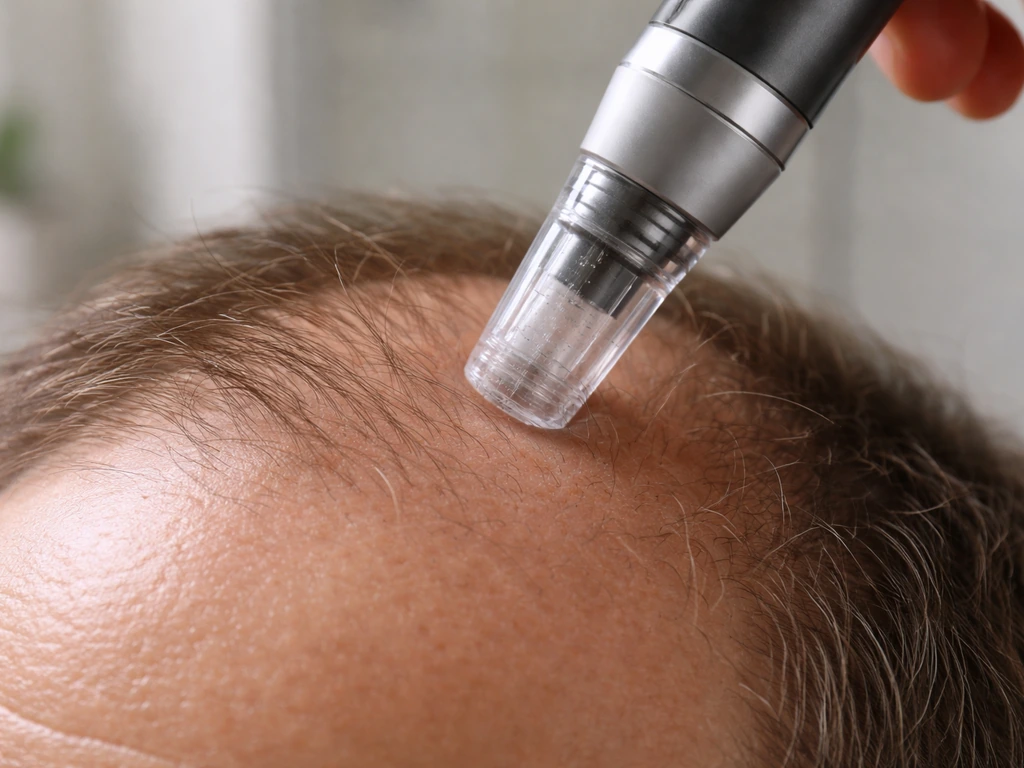
Microneedling with a 1.5 mm dermaroller creates micro-injuries that trigger a wound-healing response and may enhance absorption of topicals like minoxidil. A well-known pilot study used weekly microneedling sessions alongside twice-daily 5% minoxidil and found better hair count outcomes than minoxidil alone at 12 weeks. Typical assessment in trials happens at around 4 and 16 weeks after completing a session cycle. Roll in multiple directions until you see mild redness, then apply your topical. Use only a sterile device, replace needles regularly, and do not microneedle over active scalp infections or irritation.
Natural and home remedies
Rosemary oil is probably the most compelling natural option right now. A 2015 study found 2% rosemary oil performed similarly to 2% minoxidil for androgenetic alopecia over six months. Mix a few drops into a carrier oil like jojoba or coconut, apply to the scalp, leave on for at least 30 minutes (or overnight), and wash out. Consistent daily use for at least three to four months is needed before judging results. Peppermint oil has shown promise in animal studies for increasing anagen hair counts, but human data is limited. Castor oil is popular but has no strong clinical evidence for hair growth specifically; it may help with moisture and reducing breakage. These remedies are low-risk and worth trying, but manage your expectations accordingly. If you want a simple starting point for the best natural ways to grow hair, rosemary and peppermint oils are common options, but pair them with the rest of the scalp, nutrition, and lifestyle steps in this guide.
Lifestyle factors that quietly derail your hair
You can do everything right nutritionally and topically, but if your lifestyle is working against you, progress will be slow. These four areas come up again and again.
Stress
Chronic stress elevates cortisol, which can push follicles into telogen prematurely, causing the diffuse shedding pattern known as telogen effluvium. The shedding often shows up two to four months after the stressful period, which is why people often cannot connect the dots. Managing stress is genuinely part of a hair growth strategy, not just general wellness advice. Consistent exercise, adequate downtime, and even something as simple as a daily five-minute breathing practice all contribute.
Sleep
Most tissue repair and growth hormone release happens during deep sleep. Consistently sleeping less than seven hours disrupts hormonal signaling that supports cell turnover, including in follicles. Prioritizing sleep is not optional if you are serious about growing your hair.
Smoking
Smoking restricts blood flow to the scalp and generates oxidative stress that damages follicle DNA. Studies consistently link smoking to earlier onset and greater severity of androgenetic alopecia. If you smoke, quitting is one of the most impactful things you can do for your hair (and everything else).
Heat and chemical damage
Breakage is not the same as a growth problem, but it looks identical from the outside. If your hair is growing but breaking off at the same rate, length never accumulates. Use heat tools no more than two to three times per week, always with a heat protectant, and keep temperatures at or below 350°F (175°C) for most hair types. Chemical processes like bleaching, relaxing, and perming weaken the hair shaft permanently. If you are doing these regularly, deep conditioning treatments every one to two weeks and regular trims to remove split ends are non-negotiable.
A realistic plan with actual timelines
Hair grows about half an inch (roughly 1.25 cm) per month on average, so six months of consistent effort will add about three inches of new growth if breakage is controlled. If you are trying to figure out what you need to grow your hair, this timeline helps you separate real growth from changes you will only see after your follicles fully shift into a longer anagen phase. Here is how to think about the timeline in phases.
- Weeks 1 to 4 (Foundation): Get a blood panel to check ferritin, vitamin D, B12, zinc, and thyroid. Audit your diet for protein and iron. Start your scalp care routine: wash correctly, add weekly exfoliation, and begin daily massage. Reduce heat styling frequency and start using a heat protectant. If you are starting minoxidil, begin now and expect a possible initial shed.
- Months 1 to 3 (Correction): Address any deficiencies identified in blood work with targeted supplementation. Add rosemary oil to your scalp routine if you want a natural topical. If relevant, introduce microneedling weekly. Track your starting point with photos taken in good lighting at the same angle every four weeks.
- Months 3 to 6 (Assessment): This is when you should start seeing real results from minoxidil and nutritional corrections. Hair count may improve and shedding should reduce if a deficiency was the cause. Assess your scalp condition honestly. If seborrheic dermatitis or dandruff is still a problem, switch to a medicated shampoo.
- Month 6 and beyond (Maintenance and escalation): Compare your month-6 photos to your baseline. If you have made consistent lifestyle and nutritional changes and results are minimal, or if you are seeing patterned hair loss that is progressing, book a dermatologist appointment. At this stage, prescription options (oral minoxidil, finasteride, spironolactone depending on your profile) are worth discussing.
When to see a dermatologist sooner
Do not wait six months if you are losing hair in patches, your part has widened noticeably in a short time, your scalp is painful or severely itchy, or you have already tried the basics for three months with no change. A dermatologist can do a proper scalp exam, run a trichoscopy, and offer prescription treatments that are simply not available over the counter. Androgenetic alopecia is progressive, and earlier treatment consistently produces better long-term outcomes. The same applies if you suspect a thyroid issue or your blood work flags something that needs medical management.
The most important thing to take away is that growing your hair is not about finding one breakthrough product. It is about stacking the right conditions: a healthy scalp, solid nutrition, minimal damage, managed stress, and targeted interventions matched to your specific situation. In many cases, it is possible to grow more hair by focusing on the root cause of why your follicles are not producing or retaining it grow your hair. Start with the basics today, give each change a fair runway (at least three months), and track what you are doing so you can actually tell what is working. If you want the best way to grow your hair, start by fixing the biggest bottleneck first: scalp health and nutrition, then targeted treatments if growth is still slow.
FAQ
How long should I wait before I can tell whether my hair growth plan is working?
Use a staged timeline. For scalp routines and nutrition, look for changes after about 3 months. For targeted topicals like minoxidil, evaluate at 4 to 6 months, and expect a temporary shed in the first few weeks. If you have true active shedding or rapid thinning, waiting longer than 3 months without improvement is usually too slow.
Is it better to treat slow growth and hair loss the same way?
No. Slow growth is often masked by breakage or a shorter growth phase, while active hair loss usually reflects follicles being pushed into or kept in telogen, or structural damage. If you are seeing a widening part or visible scalp, prioritize hair loss diagnostics (including medical options) rather than only trying growth boosters.
What’s the difference between “normal shedding” and an actual problem?
Normal shedding is typically about 50 to 100 hairs per day and does not produce scalp visibility. A red flag is a noticeable increase in shedding for more than 6 to 8 weeks, a visibly wider part, or measurable thinning at the temples or crown. If shedding started within the last 2 to 4 months after stress, illness, or a nutrition crash, it may fit telogen effluvium, but you still should track severity.
Should I stop supplements if my blood work comes back normal?
Often, yes. If ferritin, vitamin D, zinc, B12, and thyroid markers are within range, extra high-dose supplementation rarely accelerates growth beyond your genetic baseline and can create imbalances. A practical approach is to keep only a standard daily multivitamin if you need it for general coverage, and avoid adding extra iron unless ferritin is genuinely low and supervised.
Can I use minoxidil and natural oils at the same time?
Yes, but keep it compatible. Apply minoxidil to a dry scalp, wait for it to absorb, then oil only if your routine allows residue-free contact with the scalp. Heavy oils can reduce spread and adherence if applied too soon after minoxidil. If you get itch, flakes, or redness, switch to a simpler carrier oil or pause oils and consider whether your minoxidil formulation is irritating you.
Why does minoxidil sometimes cause increased shedding at first?
Early shedding can happen because some hairs in telogen are pushed out to make way for new anagen growth. It is more likely in the first several weeks and should gradually settle. If shedding stays extreme beyond about 2 months, or if you develop significant scalp irritation, reassess use (frequency, formulation, and irritation) and consider a clinician review.
How should I choose a shampoo schedule if my scalp is both oily and flaky?
Treat it as a scalp condition, not just hygiene. If you have dandruff or seborrheic symptoms, use an active medicated shampoo (like ketoconazole, zinc pyrithione, or selenium sulfide) as directed, and wash often enough to keep the scalp calm, even if that means more frequent washing than you are used to. If flakes persist, consider that you may need a different medicated ingredient or a longer treatment window.
Is scalp exfoliation always helpful?
No. Gentle exfoliation can reduce buildup, but overdoing it can worsen irritation and micro-injure the scalp, which may indirectly increase shedding. If you are already inflamed, prioritize a medicated shampoo and reduce exfoliation frequency until the scalp is stable.
Can microneedling replace minoxidil?
Usually not. Microneedling may support better response to topicals by enhancing absorption and triggering wound-healing signals, but it is not a direct substitute for evidence-backed treatments in most cases. If you do microneedling, use sterile equipment, avoid needle reuse, and do not proceed over active infection or significant irritation.
What if I suspect androgenetic alopecia but I’m young?
It still can happen, and early evaluation is useful. Pattern thinning in temples or crown, progressive widening of the part, or family history are strong clues. If you suspect it, book a dermatology visit rather than relying only on supplements, because earlier treatment can improve long-term outcomes.
When should I see a dermatologist urgently?
Go sooner if you have patchy bald spots, painful or severely itchy scalp, rapid thinning over weeks, or scalp scaling that does not respond to basic care. Also seek prompt help if you have sudden diffuse shedding with systemic symptoms, because some causes require prescription treatment and timeline planning.
How can I tell whether I’m dealing with breakage versus true hair loss?
Breakage often shows shorter, uneven pieces and damage at the ends, while true hair loss usually shows more diffuse thinning at the scalp with an increased shed from follicles. A simple check is to compare hair density at the part and crown over time and track shed volume, if you are comfortable doing so. If length is not increasing despite reasonable shedding control, breakage may be the bottleneck.
Does smoking affect hair growth even if I start quitting now?
Yes, smoking is consistently linked with worse and earlier androgenetic alopecia, mainly via reduced scalp blood flow and oxidative stress. Quitting can improve the environment for follicles, even though it will not instantly reverse progression, so it is still one of the highest-impact changes you can make alongside targeted treatments.
What’s the biggest mistake people make when trying to grow hair longer?
They focus on products that promote growth while ignoring the main category of failure in their case. The most useful decision aid is to separate follicle-driven shedding from breakage, then match the plan to the cause. Another common mistake is changing multiple variables at once, which makes it impossible to know what actually worked.
Next Articles

What Is the Best Way to Grow Your Hair Longer
Step-by-step, evidence-based hair growth plan for longer hair, less breakage, or thinning recovery, plus when to see a d
What Really Works to Grow Hair: Evidence-Based Plan
Evidence-based hair regrowth plan: causes, true regrowth vs shedding, proven treatments like minoxidil, and safe supplem
Tips on How to Grow Your Hair Out: A Step by Step Guide
Step-by-step tips to grow hair out: stop breakage, build scalp routine, nutrition, safe actives, and track progress.