
Yes, it is possible to grow more hair, but how possible depends entirely on what's causing the problem in the first place. For many people dealing with thinning or shedding, the follicles are still alive and fully capable of producing new hair once you address the underlying cause. For others, especially those with long-standing genetic hair loss or scarring from certain conditions, the window for regrowth is narrower and requires more targeted help. The good news is that the majority of people searching this question fall into the "reversible" camp, and there's a clear, practical path forward.
Is it Possible to Grow More Hair? What Works and How

Marcus Holloway
2 Jul 2026
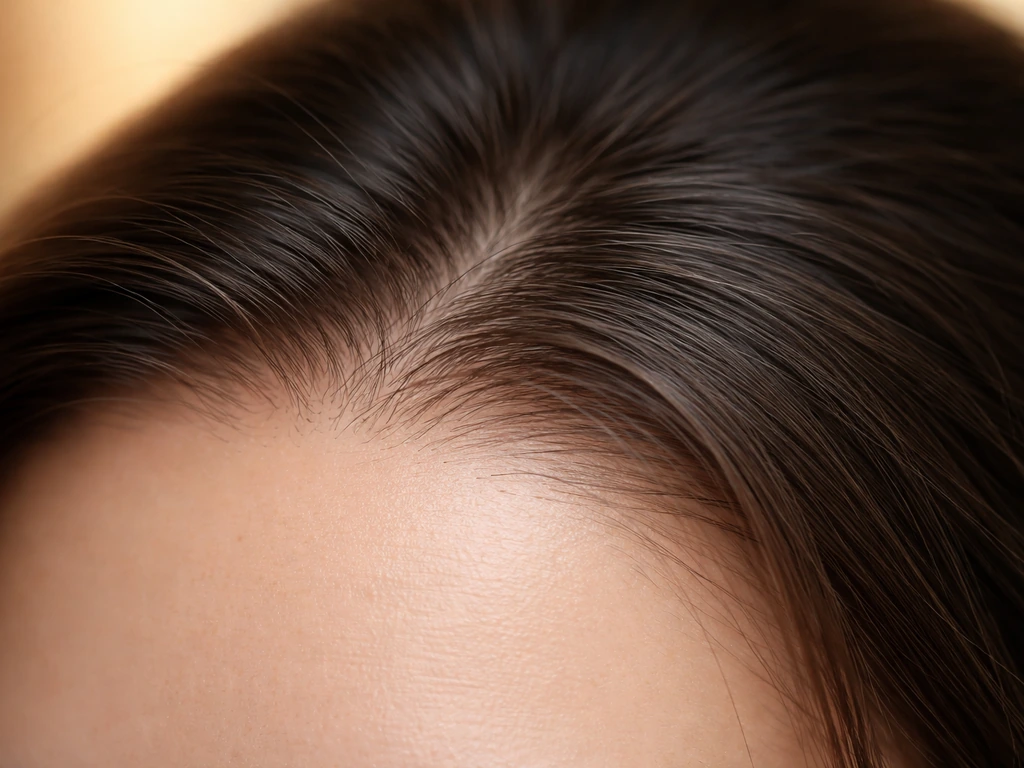
When growing more hair is actually possible (and when it isn't)
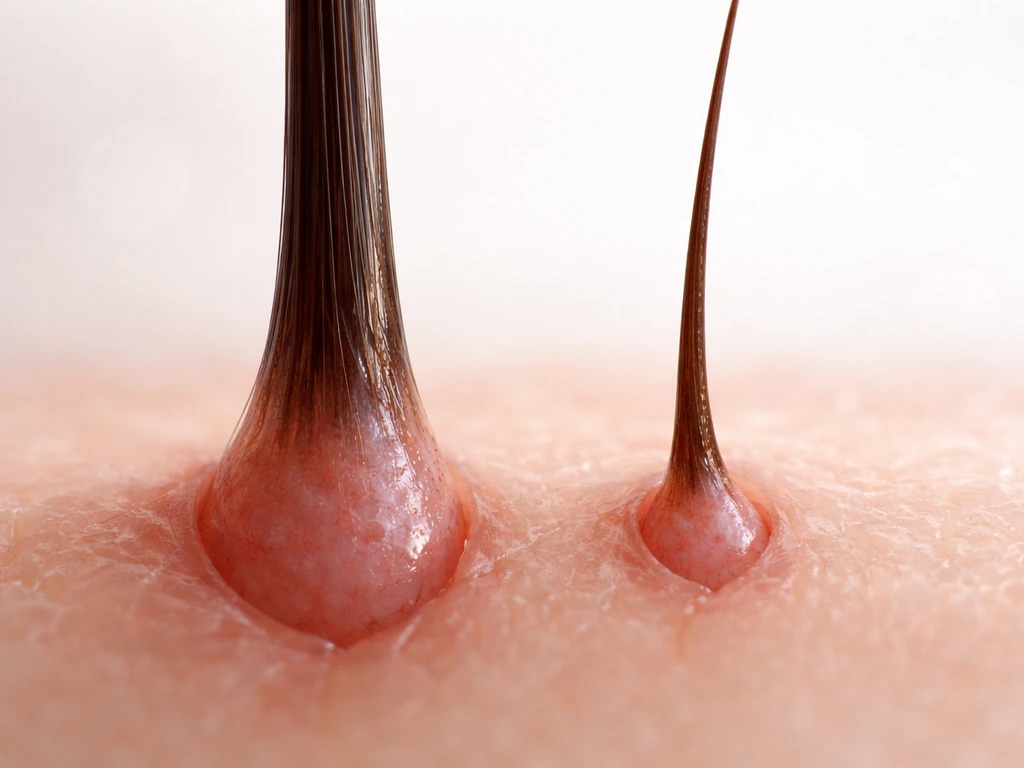
The most important thing to understand about hair regrowth is that your follicles are the key. As long as the follicle is intact and functional, regrowth is on the table. Hair loss becomes permanent only when follicles are destroyed, which happens in a specific set of circumstances.
Regrowth is very much possible if your hair loss is linked to telogen effluvium (stress- or illness-triggered shedding), nutritional deficiencies, hormonal shifts like postpartum changes, scalp inflammation or dandruff, or mechanical damage from tight styles or heat. These are all situations where the follicle itself is intact, it's just been pushed into a resting or dormant state, or it's being irritated or starved of what it needs. Fix the root issue and the follicle can get back to work.
Regrowth becomes significantly harder, and sometimes impossible, in two main scenarios. The first is advanced androgenetic alopecia (pattern hair loss) where follicles have been miniaturized over many years and have essentially shut down. The second is scarring alopecia, a group of conditions where the follicle itself is destroyed by inflammation or fibrosis. Once that destruction happens, that follicle cannot regrow hair. The scalp tissue where scarring has occurred is essentially permanent. If you have scarring alopecia, the focus shifts from regrowth to stopping further loss as quickly as possible, which means getting a dermatologist involved right away.
Most people land somewhere in the middle. They have some follicles that are genuinely dormant or miniaturized from pattern hair loss, alongside active shedding from a secondary cause like stress or a nutrient gap. That combination actually gives you more to work with than you might think, because fixing the reversible parts often produces visible improvement even if the genetic component remains.
Common reasons hair thins and how they change your plan
Getting your approach right depends on knowing which cause (or causes) you're actually dealing with. Here's a breakdown of the most common ones and what each means for your next steps.
Telogen effluvium
This is one of the most common and most reversible types of hair loss. It happens when a significant physical or emotional stressor, illness, surgery, rapid weight loss, a major life event, pushes a large chunk of your hair follicles into the resting (telogen) phase at the same time. The frustrating part is the delay: you typically won't notice the shedding until 2 to 4 months after the trigger, sometimes longer. Most cases resolve on their own within 6 to 8 months once the triggering stressor is addressed, without needing specific hair treatments. If you suspect telogen effluvium, the best way to grow your hair usually starts with addressing the trigger and giving your follicles time to recover what is the best way to grow your hair. Your plan here is to identify and remove the trigger, support your body with good nutrition and stress management, and give it time.
Androgenetic alopecia (pattern hair loss)
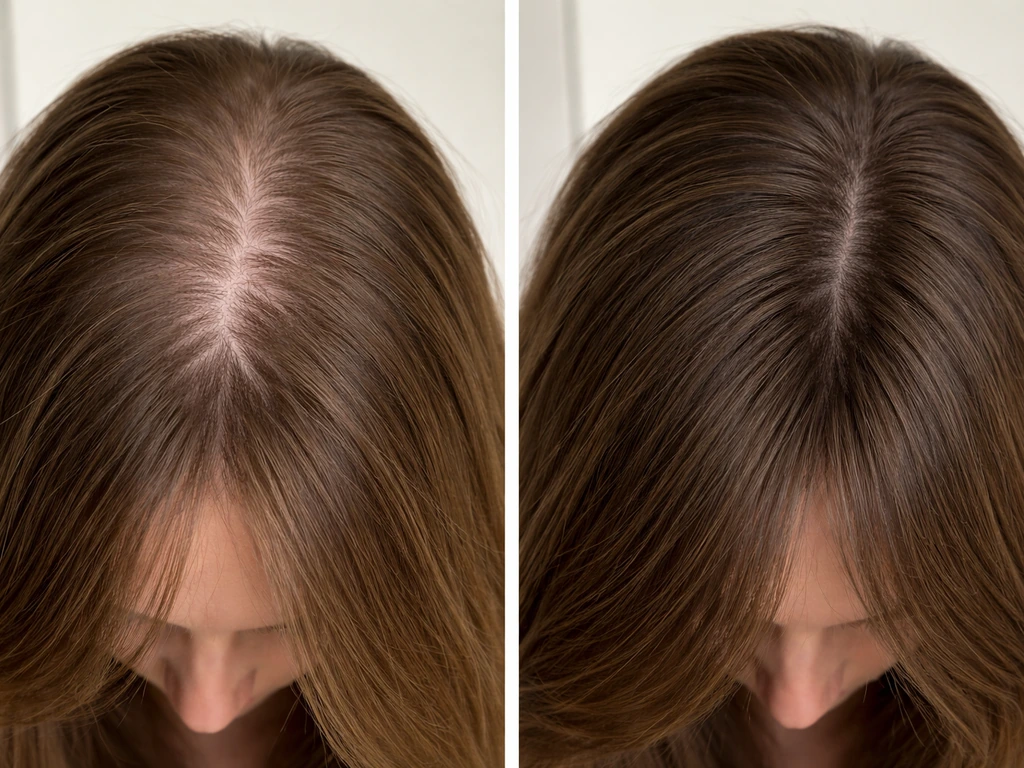
This is the genetic type, gradual thinning at the crown or temples in men, diffuse thinning across the top of the scalp in women. The follicles miniaturize over time due to sensitivity to DHT (a testosterone derivative). It doesn't resolve on its own, and lifestyle changes alone won't reverse it, but treatments like minoxidil and finasteride (or spironolactone for women) can meaningfully slow it, stabilize it, and in some cases produce partial regrowth, especially when started early.
Hormonal changes
Postpartum hair loss is extremely common, it's essentially a form of telogen effluvium triggered by the hormonal drop after delivery. It usually resolves within 6 to 12 months without treatment. Thyroid dysfunction (both hypo and hyper) and other hormonal imbalances like PCOS can also drive significant shedding. In these cases, treating the underlying hormonal issue is the single most important step.
Nutritional deficiencies
Low ferritin (stored iron), vitamin D deficiency, inadequate protein intake, and low zinc are among the most well-documented nutritional contributors to hair shedding. If your diet has been restricted or your bloodwork shows deficiencies, correcting them can produce noticeable regrowth. The challenge is that deficiency-related shedding often doesn't look different from other types, so blood tests are genuinely useful here rather than just guesswork.
Scalp conditions
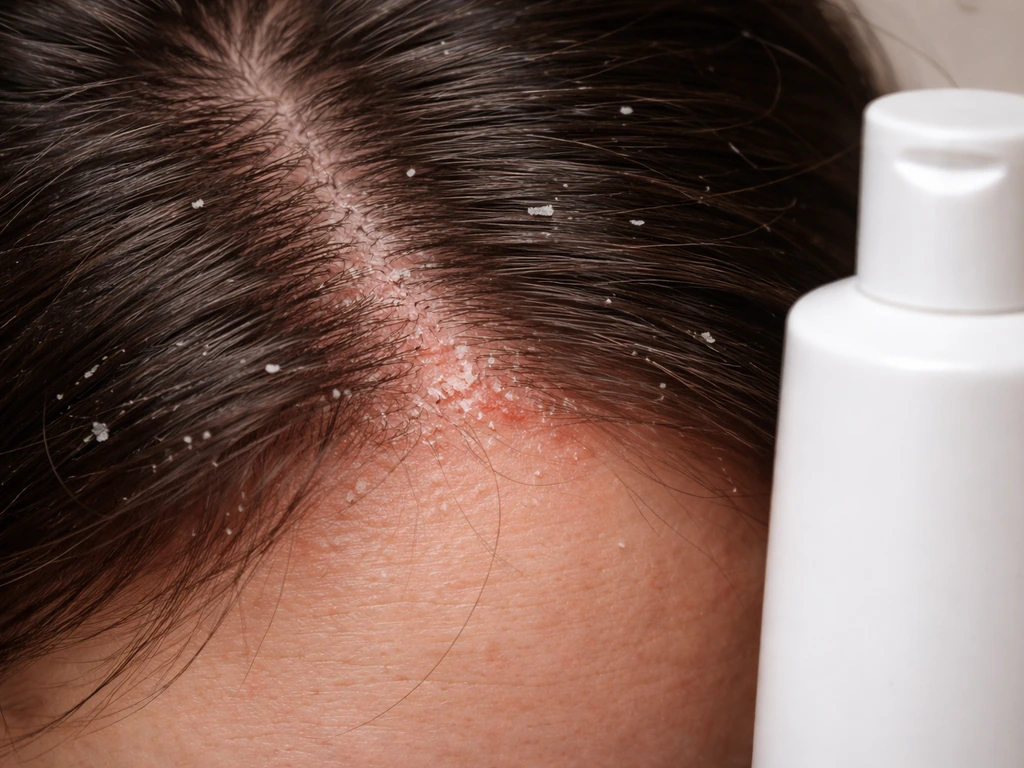
Seborrheic dermatitis, psoriasis, and fungal issues (like tinea capitis) create an inflammatory environment at the follicle level that can disrupt growth. Dandruff that goes untreated for months can contribute to diffuse thinning. The fix is targeted scalp treatment, often medicated shampoos, and once the inflammation is under control, hair often improves significantly.
Traction, heat, and chemical damage
Tight hairstyles (braids, extensions, high ponytails) can cause traction alopecia, which is reversible in the early stages if you stop the tension. If it goes on for years, it can progress to permanent scarring. Similarly, repeated heat or chemical processing doesn't destroy follicles directly, but it can break hair at the shaft and damage the scalp environment. Stopping the damaging practice and giving the scalp time to recover is the core fix.
At-home habits that actually support growth
The foundation of any regrowth effort is consistently supporting the scalp environment and avoiding practices that add unnecessary stress to your hair. None of this is glamorous, but it's the unsexy stuff that makes everything else work better.
Scalp care
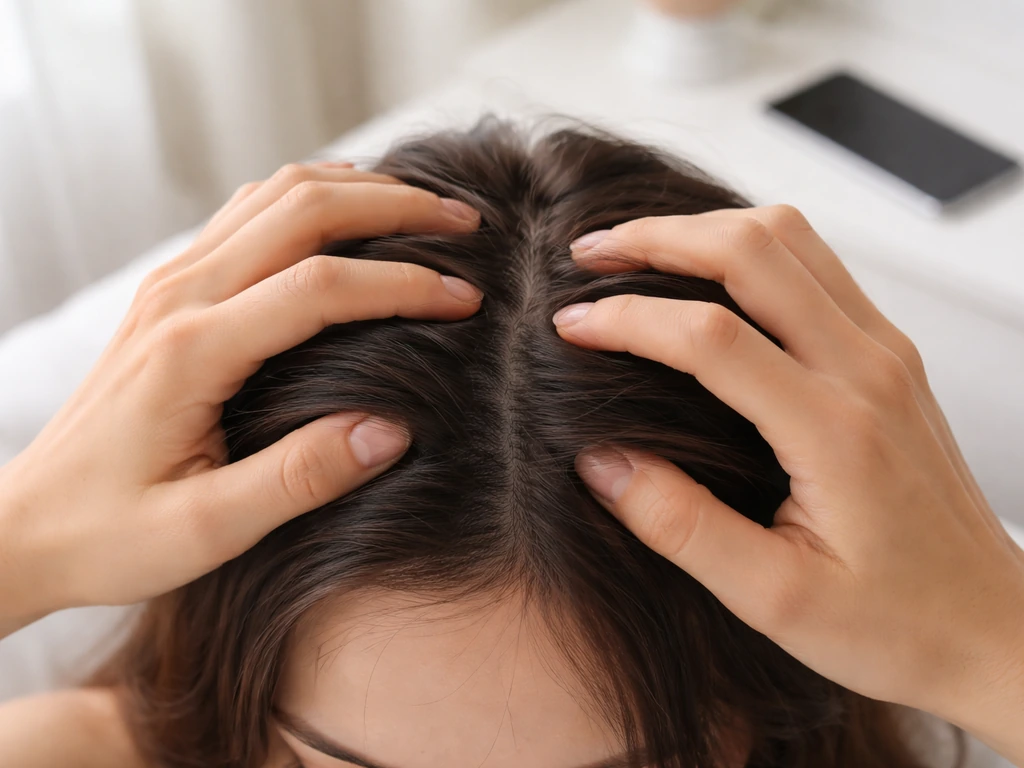
Your scalp is where hair growth actually happens, and keeping it clean, well-circulated, and free of product buildup matters more than most people realize. Wash your hair often enough that you're not letting sebum and dead skin cells build up around follicle openings, for most people that means 2 to 4 times a week, though this varies by hair type and activity level. Use a gentle, sulfate-free shampoo unless you have a specific scalp condition that requires a medicated formula.
Scalp massage is one of the most underrated and well-supported home techniques. Even 4 to 5 minutes daily of firm fingertip massage increases blood flow to follicles and may mechanically stimulate them. Some studies have shown measurable improvements in hair thickness with consistent daily massage over several months. You can do it dry or use a few drops of a carrier oil if your scalp tends to be dry.
Hair-handling practices
Reducing mechanical stress on your hair reduces breakage, which means more of the hair you're growing actually makes it to a visible length. Use a wide-tooth comb instead of a brush on wet hair. Sleep on a satin or silk pillowcase to cut down on friction overnight. Limit heat tools to a couple of times a week at most, and always use a heat protectant when you do. Avoid pulling hair into tight styles regularly. These habits don't directly stimulate follicles, but they stop you from undoing progress.
Stress and sleep
Chronic stress keeps cortisol elevated, which directly disrupts the hair growth cycle. Getting 7 to 9 hours of sleep consistently and using whatever stress management tools actually work for you, exercise, mindfulness, therapy, social connection, is not just general wellness advice. It's a real part of the regrowth equation, especially if your shedding started during or after a stressful period.
Nutrition and supplements: filling genuine gaps
Supplements are one of the most over-marketed areas of hair care, so it's worth being clear: if you're not deficient, most supplements won't do much. But if you are deficient, correcting the gap can make a real difference.
| Nutrient | What the research says | How to know if you need it | Practical target |
|---|---|---|---|
| Iron / Ferritin | Low ferritin is strongly associated with diffuse hair shedding, even when full anemia isn't present | Blood test for serum ferritin; many clinicians aim for ferritin above 70 ng/mL for hair | Address through diet (red meat, lentils, leafy greens) or supplementation if bloodwork confirms deficiency |
| Vitamin D | Deficiency is common and linked to telogen effluvium and alopecia areata | Blood test for 25-OH vitamin D | Supplement with D3 if deficient; typical doses range from 1,000–4,000 IU daily based on levels |
| Protein | Hair is made of keratin (a protein); inadequate dietary protein directly limits hair growth | Track intake; most adults need 0.7–1.0g per kg of body weight daily as a baseline | Prioritize whole protein sources at each meal: eggs, meat, fish, legumes, Greek yogurt |
| Zinc | Deficiency causes hair shedding; excess zinc can also cause hair loss, so more isn't better | Blood test; symptoms include hair loss plus slow wound healing and frequent illness | Only supplement if confirmed deficient; food sources include oysters, pumpkin seeds, beef |
| Biotin | Only useful if you're genuinely biotin-deficient, which is rare; widely over-hyped for hair | Most people don't need it; high-dose biotin can interfere with thyroid lab tests | Skip unless your doctor specifically recommends it based on bloodwork |
Before you spend money on a hair supplement stack, get basic bloodwork done. A full blood count, ferritin, vitamin D, thyroid panel, and zinc will tell you far more than any supplement brand's marketing ever will. If your levels are fine, put your money toward a good scalp care routine and topical treatments instead.
Topical treatments and home remedies with real evidence
Minoxidil (the most evidence-backed topical option)
Minoxidil is the most thoroughly studied over-the-counter topical for hair growth. It works by prolonging the growth phase of the hair cycle and increasing blood flow to follicles. It's available in 2% and 5% concentrations (foam or solution), and both men and women can use it. The standard protocol is applying it twice daily to a dry scalp, though once-daily use of the 5% foam has become common and is well-supported. You need to use it consistently, it takes 3 to 6 months to see meaningful results, and shedding often temporarily increases in the first 2 to 4 weeks as resting hairs are pushed out to make way for new growth. This is normal and not a sign it's not working. If you stop using it, any gains typically reverse over 3 to 6 months.
Rosemary oil
Rosemary oil is the natural remedy with the most credible research behind it. If you are looking for the best natural ways to grow hair, rosemary oil is one of the most evidence-backed options to try. A well-cited study found that rosemary oil performed comparably to 2% minoxidil for increasing hair count over 6 months, with less scalp itching. It appears to work by improving scalp circulation and having mild DHT-blocking properties. To use it: dilute 3 to 5 drops in a tablespoon of carrier oil (jojoba and coconut oil work well), massage into the scalp, leave on for at least 30 minutes or overnight, then wash out. Do this 2 to 3 times per week and give it at least 3 to 4 months before evaluating results. Don't apply it undiluted, essential oils are concentrated and can irritate the scalp.
Peppermint oil
Animal studies and some early human research show peppermint oil may stimulate follicles and increase hair thickness, likely through improved circulation. The evidence is less robust than rosemary, but it's low-risk and easy to add to a routine. Dilute 2 drops in a tablespoon of carrier oil, apply to the scalp, leave for 20 to 30 minutes, and rinse. The tingling sensation is normal and a sign of the circulation effect.
Caffeine shampoos and topicals
Caffeine applied topically has shown the ability to penetrate the follicle and counteract some of the effects of DHT in lab studies. Caffeine shampoos are widely available, though the contact time during a normal wash is short. Leave-in caffeine serums are a better delivery method. Results are modest compared to minoxidil but it's a reasonable supporting tool, especially for people with androgenetic alopecia.
Medicated shampoos for scalp health
If dandruff or seborrheic dermatitis is part of your picture, a medicated shampoo with ketoconazole (1% OTC or 2% prescription), zinc pyrithione, or selenium sulfide is genuinely useful. Ketoconazole in particular has shown mild anti-androgenic effects at the follicle level beyond just its antifungal properties. Use it 2 to 3 times per week, leave it on for 2 to 5 minutes before rinsing, and don't skip this step if you have flaking or an itchy, inflamed scalp.
When to see a dermatologist (and what they can offer)
Some situations really do require professional input, and waiting too long can cost you follicles that could have been saved. See a board-certified dermatologist if: your shedding is severe or accelerating; you're seeing patchy bald spots; your scalp is visibly inflamed, scarred, or producing unusual redness; you've been consistent with at-home measures for 4 to 6 months without improvement; or you suspect hormonal or thyroid issues that need proper diagnosis. If you're wondering what you need to grow your hair, a dermatologist can help you pinpoint the cause and build a plan that fits it see a board-certified dermatologist.
A dermatologist can do a proper scalp examination, sometimes including dermoscopy (a magnified scalp inspection tool), and run targeted lab work. This leads to accurate diagnosis, which changes everything about your treatment plan.
Medical options they may recommend or prescribe include: oral or topical finasteride (blocks DHT conversion; primarily for androgenetic alopecia in men, though low-dose oral finasteride is increasingly used for women); spironolactone (an anti-androgen used for women with hormonal hair loss); platelet-rich plasma (PRP) injections, where your own blood's growth factors are injected into the scalp to stimulate follicles; low-level laser therapy (LLLT) devices, which are FDA-cleared and show modest but consistent benefits for both men and women with androgenetic alopecia; and corticosteroid injections for alopecia areata or inflammatory scalp conditions. For significant permanent loss, hair transplant surgery is an option once the underlying cause is stable, though it works best when combined with medical management to protect non-transplanted hair.
How to track progress and manage your timeline
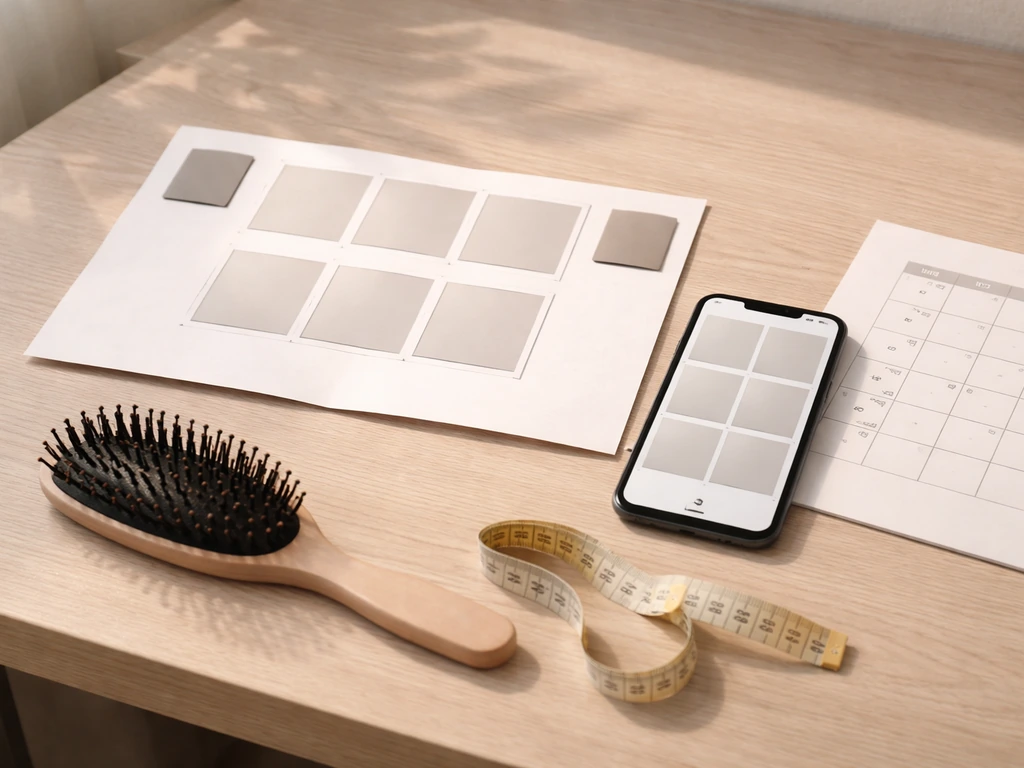
Hair growth is slow and the changes are gradual, which makes it easy to think nothing is happening when things are actually improving. Tracking progress methodically keeps you from giving up too soon or missing signals that your approach needs adjusting. If you want to know how to actually grow your hair, the key is pairing the right cause-based plan with steady, measurable progress tracking.
- Take baseline photos on day one, then monthly. Use consistent lighting and the same angles — top of head, hairline, and temples. Photos are genuinely more useful than the mirror day-to-day because you can compare them side by side.
- Track your shed count if you're dealing with active shedding. Count hairs lost during one wash session and note it weekly. Normal is roughly 50 to 100 hairs per wash. A consistent downward trend over 2 to 3 months is a good sign, even if the numbers still feel high.
- Measure hair length at a consistent point (e.g., from the crown or a specific temple area) every 4 to 6 weeks. Healthy hair grows roughly half an inch per month on average. Slower growth can signal ongoing nutritional or health issues.
- Keep a simple log of your routine, supplements, and any dietary or health changes. When results do come, you'll want to know what's working. When they don't, the log helps identify gaps.
On timelines: be patient, but not indefinitely. Telogen effluvium typically shows improvement within 6 to 8 months of addressing the trigger. Minoxidil and rosemary oil generally take 3 to 6 months of consistent use before you'll see meaningful change. Nutritional correction can take a similar timeframe because it takes time for ferritin and vitamin D levels to rise and for that to be reflected in hair growth cycles. If you've been genuinely consistent for 6 months and see no change at all, that's a signal to revisit your diagnosis, not to try more supplements.
One thing worth emphasizing: this topic overlaps closely with the question of what approaches have the strongest evidence overall, and with whether you're doing the right things in the right order. Starting with an accurate cause is more important than starting with the most aggressive treatment. Most people who feel stuck have either misidentified the cause, haven't been fully consistent, or haven't given it quite enough time. Revisiting all three of those before escalating is nearly always the right move.
FAQ
How can I tell if my hair loss is likely to regrow versus being permanent?
It can be, but you can usually tell which situation you are in by timing and pattern. If shedding started after stress, illness, childbirth, or a diet change and hair loss is fairly diffuse, regrowth is often likely within months after the trigger is addressed. If you have gradual thinning at temples or the crown over years, that pattern suggests androgenetic alopecia, where regrowth is slower and often partial rather than fully restoring baseline density.
Why do some hair regrowth routines fail even when I’m using the products correctly?
A common mistake is waiting for improvement before fixing the cause. For telogen effluvium, your goal is to remove the trigger, then give follicles time, typically 6 to 8 months. For inflammatory or dandruff-driven shedding, you may need medicated scalp care for several weeks before you judge results, because the scalp environment has to calm down first.
Is it normal to shed more when I start minoxidil?
If you are using minoxidil, expect initial shedding in the first 2 to 4 weeks. That does not mean it is not working, but you should reassess only after you have stayed consistent long enough, usually 3 to 6 months. If shedding continues aggressively beyond that window, or you get significant irritation, you may need a lower frequency, different formulation, or a different diagnosis.
Should I start minoxidil, supplements, and scalp treatments all at once?
Starting multiple treatments at once makes it hard to know what is helping and increases the chance of side effects. A practical approach is to fix one major variable first (like medicated dandruff control or stopping traction/heat damage), then add a growth-support treatment (like minoxidil) with a clear timeline for reassessment at 3 to 6 months.
Can it look like my hair is not growing even when my follicles are recovering?
Yes, especially if your hair loss includes breakage. If your scalp looks healthier but the hair you see seems shorter, that can be shaft damage from bleaching, heat, or friction rather than true follicle loss. Focusing on reducing mechanical stress and using a gentle regimen can improve visible fullness even when follicle regrowth is slow.
How do I use rosemary oil safely, and who should avoid it?
Rosemary oil can irritate if you skip dilution. For sensitive scalps, start with fewer drops per tablespoon, use it less frequently at first, and stop if you get burning or worsening redness. If you already have dermatitis, patch-test on a small area because essential oils can aggravate inflammation.
When should I get bloodwork before trying supplements for hair growth?
If your ferritin, vitamin D, thyroid, or zinc are low, correcting them can support regrowth, but hair often improves only after levels normalize and a hair growth cycle passes. That is why bloodwork helps, it prevents unnecessary supplementation when levels are already fine and also helps you set realistic timelines.
What are red flags that mean I should see a dermatologist sooner instead of trying home remedies?
You generally should not rely on over-the-counter treatment if you suspect scarring alopecia. Clues include scalp tenderness, persistent redness, visible scarring changes, or rapidly worsening loss. In those cases, delaying dermatology care can reduce the chance of preserving remaining follicles.
If my hair loss is from tight hairstyles, can I still grow it back?
If traction has been present for a while, the key decision is stage. Early traction alopecia can improve after tension is removed, while long-standing pulling can lead to scarring. If you have visible scalp changes or ongoing shedding despite stopping the hairstyle practices, get evaluated to confirm it is not transitioning to scarring alopecia.
Will telogen effluvium regrow without medication, and what should I do meanwhile?
Even when telogen effluvium resolves on its own, ongoing hair-friendly routines matter. If you notice improvement, keep the trigger corrected and maintain gentle scalp care, because new shedding cycles can be re-triggered by repeat stress, rapid weight loss, or persistent nutrient gaps.
Is hair transplant surgery a good option for regrowing hair, and when is it not?
Yes, but the best plan depends on the cause and how stable it is. Hair transplant surgery works best when active inflammation and shedding are controlled. If you have androgenetic alopecia, medical management is often continued to protect non-transplanted areas and reduce ongoing miniaturization.
What should I do if I’m consistent for 6 months and see no improvement?
A useful rule of thumb is: if you have been consistent for about 6 months with a cause-appropriate plan and there is truly no change, the diagnosis or adherence likely needs revision. Re-check whether the trigger was fully removed, whether scalp inflammation was adequately treated, and whether the product dosing and schedule were realistic for your routine.
Next Articles

Best Natural Ways to Grow Hair: What Works Fast
Evidence-based natural hair growth plan: scalp routine, massage, nutrition, and timeline to regrow faster naturally.
How to Actually Grow Your Hair: A Step-by-Step Plan
Step-by-step plan to grow longer, thicker hair: scalp routine, nutrition, supplements, topicals, and a 12-week timeline.

What Is the Best Way to Grow Your Hair Longer
Step-by-step, evidence-based hair growth plan for longer hair, less breakage, or thinning recovery, plus when to see a d