
The best way to grow your hair depends on what's actually limiting it right now. If your hair grows but keeps snapping off before it gets long, the fix is about reducing breakage and retaining length. If your hair is genuinely thinning or falling out in larger amounts than usual, you're dealing with a follicle or scalp issue that needs a different approach.
What Is the Best Way to Grow Your Hair Longer

Marcus Holloway
16 May 2026

And if you just want to maximize the rate and health of growth overall, there's a solid evidence-based routine that covers the most important bases: a healthy scalp, a low-damage hair care routine, the right nutrition, and targeted treatments when you need them. Most people need a mix of all of the above, and that's what this guide walks through.
What 'best' actually means for your situation
Before you buy a single product or try a new routine, it's worth being honest with yourself about which problem you're solving. There's a real difference between hair that's shedding (falling from the root as part of the natural cycle) and hair that's breaking (the shaft snapping from damage). Dermatologists are clear that these are two separate problems with two separate sets of solutions. If you're finding short, wispy broken pieces in your brush, that's breakage. If you're finding full-length hairs with a small white bulb at the end, that's shedding. Treating breakage like shedding, or vice versa, just wastes time and money.
Your genetics set the ceiling for how fast your hair grows (roughly half an inch per month on average for most people) and how long it can get before the follicle rests. No product changes that ceiling. What you can do is make sure you're getting close to your personal maximum, keeping what grows, and supporting the scalp environment your follicles live in. That's a realistic and genuinely useful goal, and the strategies below are built around it.
Growing hair longer: it's mostly about keeping what you already have
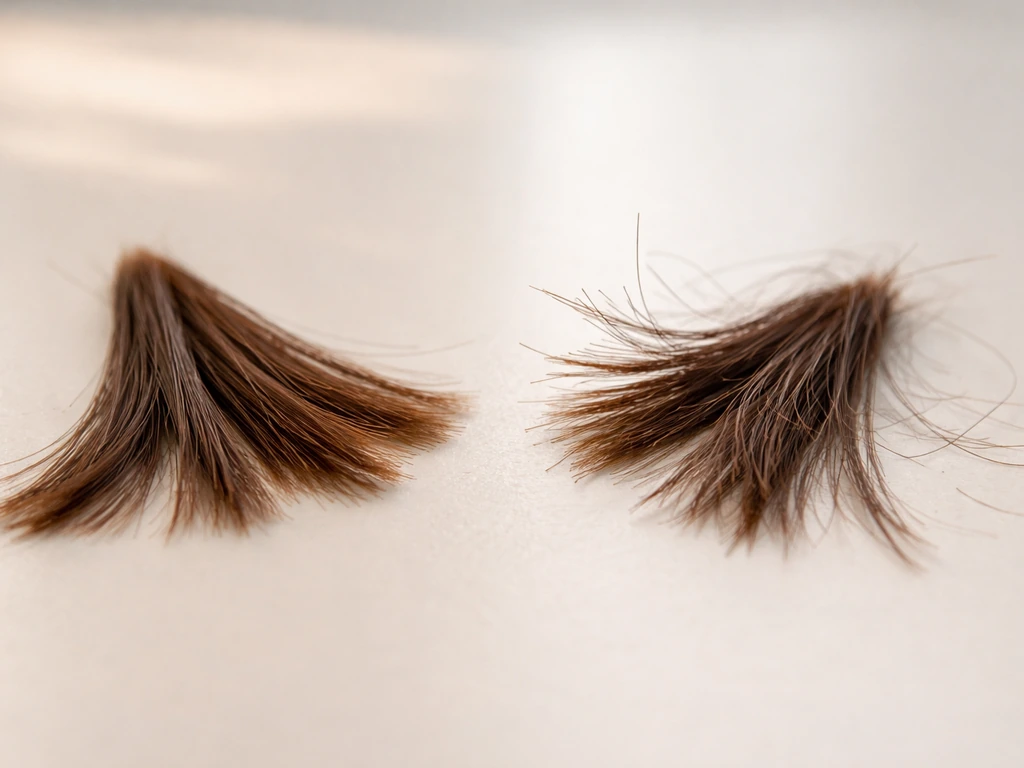
Most people trying to grow their hair longer aren't actually failing to grow it. Their hair is growing at a normal pace but breaking off at roughly the same rate, so the length never changes. Length retention is the real game, and it comes down to reducing mechanical and chemical damage to the hair shaft.
Wash and condition the right way
One of the simplest and most overlooked changes: apply shampoo only to your scalp, not scrubbed down the full length of your hair. The scalp is where oil and buildup accumulate, and dragging lathered shampoo through the lengths creates friction and dries out the mid-shaft and ends. Let the suds rinse through on their own. Conditioner does the opposite job: it coats the hair strand and fills in the cuticle, which directly reduces breakage and split ends. Apply it from mid-length to ends, not the scalp, and give it a minute or two to actually work before rinsing.
Handle your hair like it matters
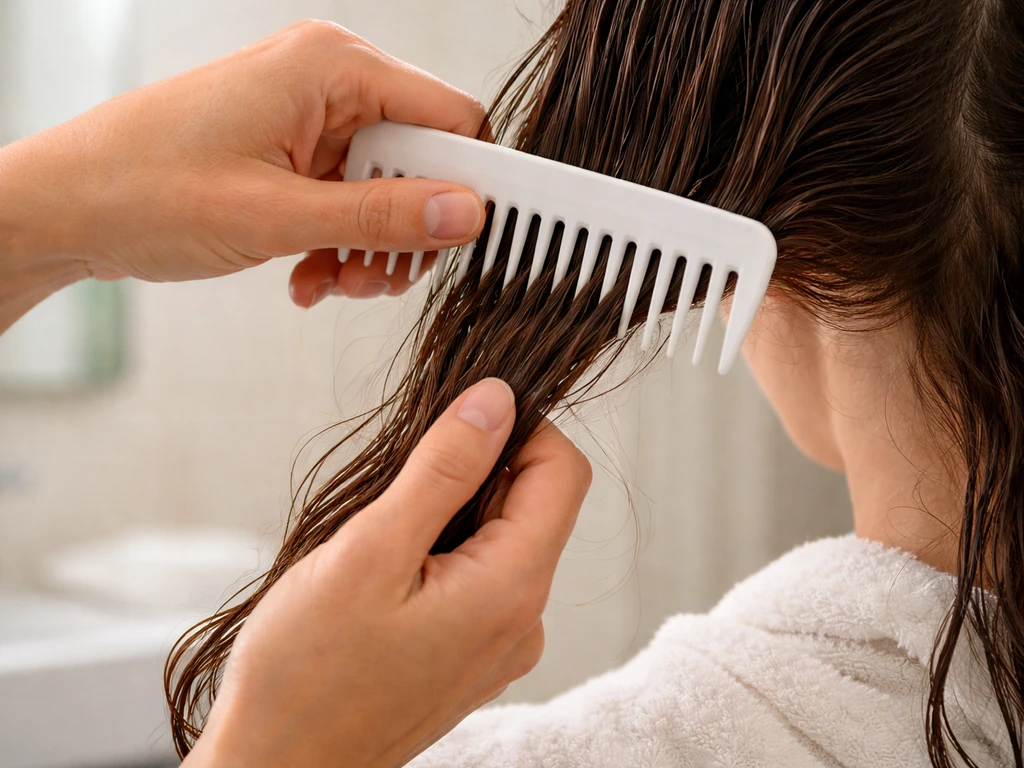
Detangle from the ends up, always. Starting at the roots and dragging a brush down creates a knot avalanche that snaps hair at multiple points along the shaft. Wet hair is especially fragile, so if you can, detangle with a wide-tooth comb and a leave-in conditioner before you get in the shower, or very gently after conditioning while the product is still in. Tight hairstyles, rubber elastics, and aggressive towel-drying all add up. Swap to a microfiber towel or an old t-shirt to blot, and use a fabric hair tie instead of a rubber band when you can.
Reduce heat and chemical exposure
Heat tools, bleach, and relaxers structurally weaken the hair shaft over time. You don't have to give them up entirely, but if your length isn't progressing, this is a serious place to look. Using a heat protectant before any tool, keeping temperatures under 350°F for most hair types, and spacing out chemical processes are basic steps that make a real difference over months. If you're working with color-treated or chemically processed hair, a weekly protein or moisture treatment helps compensate for the weakened structure.
Scalp care that actually supports growth
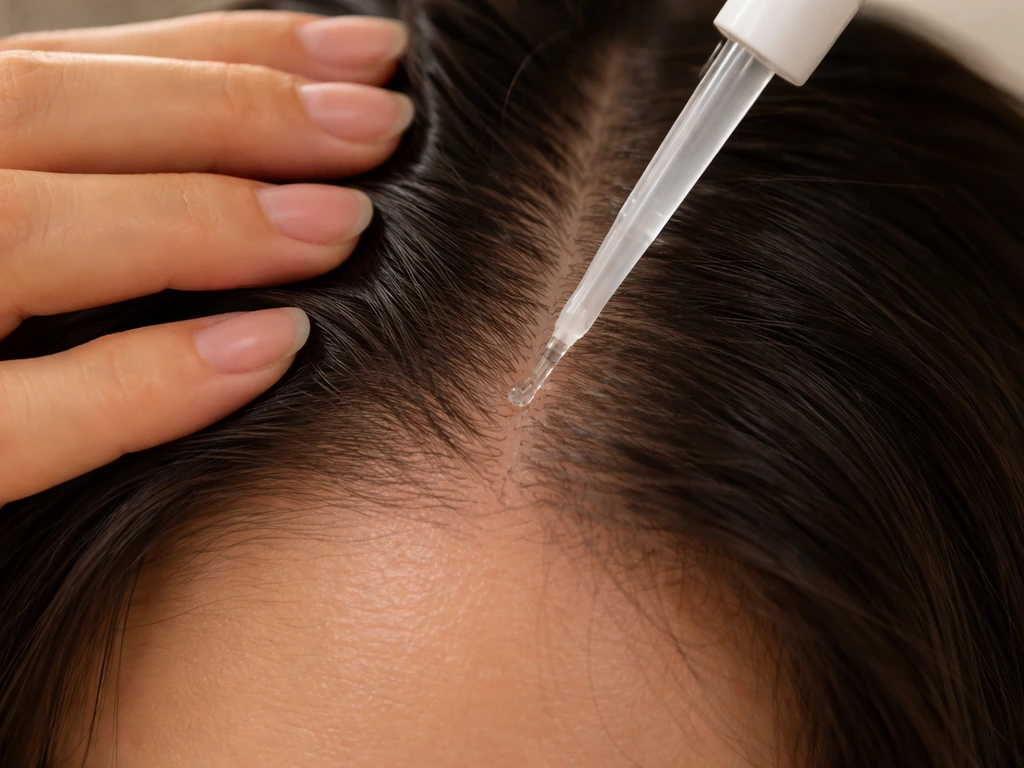
Your scalp is where your hair follicles live, and its health matters a lot more than most people think. A congested, inflamed, or overly dry or oily scalp creates a hostile environment for healthy growth. Getting this right doesn't require a complicated multi-step routine. It requires washing consistently enough to prevent buildup, using the right products for your scalp type, and addressing specific conditions if they're present.
Cleansing and sebum balance
How often you should shampoo depends on your scalp's oil production and your hair type, but leaving the scalp unwashed for too long lets sebum, dead skin cells, and product residue build up around the follicle opening. That can contribute to inflammation and sluggish growth over time. If you have fine hair or an oily scalp, washing every 1 to 2 days is often ideal. For dry or coarse hair types, 2 to 3 times per week usually works better. If you're using heavy styling products, a clarifying shampoo once every 2 to 4 weeks helps cut through buildup that regular shampoo can miss.
Treating scalp inflammation
Dandruff and seborrheic dermatitis are not the same as a dry scalp, even though they can look similar. Seborrheic dermatitis is a chronic inflammatory condition driven by an overgrowth of a naturally occurring yeast on the scalp. It needs antifungal or anti-inflammatory treatment (like shampoos containing ketoconazole, zinc pyrithione, or selenium sulfide), not just more moisturizer. Using the wrong product for months while ignoring underlying inflammation is one of the most common reasons scalp health stays poor. If you have persistent flaking, itching, or redness, treat the actual cause rather than masking it.
Scalp massage: useful habit, modest evidence
Scalp massage gets a lot of attention as a hair growth technique. The honest picture is that the evidence is inconclusive. Studies on it have been small, and many results are self-reported. That said, it's low-risk, improves blood flow to the scalp, can help loosen buildup before washing, and most people find it relaxing. Spending 3 to 5 minutes massaging your scalp with your fingertips (not nails) a few times a week while shampooing is a worthwhile habit even if it's not a guaranteed growth accelerator.
Treatments that have real evidence behind them
If you're dealing with actual hair loss or thinning rather than breakage, targeted treatments become necessary. The landscape here ranges from well-studied OTC options to prescription treatments and procedures. Here's how to think about the main categories.
Minoxidil
Minoxidil is the most widely used OTC topical for hair loss and the most well-studied option available without a prescription. It works by prolonging the growth phase of the hair cycle and is approved for androgenetic (pattern) hair loss in both men and women. It comes in 2% and 5% concentrations as a liquid or foam. Side effects can include scalp irritation, itching, and occasionally headaches. If you experience severe burning, redness, or itching, wash it off and talk to a doctor before continuing. Crucially, if you're not seeing increased hair growth after 4 months of consistent use, that's the point to check in with a clinician rather than just keep going.
Prescription and procedural options
For pattern hair loss that isn't responding to minoxidil alone, a dermatologist can discuss oral minoxidil, finasteride (for men), spironolactone (for women), or platelet-rich plasma (PRP) injections. These require medical evaluation first because they have real side effect profiles and aren't right for everyone. Low-level laser therapy (LLLT) devices are also available OTC and have a growing evidence base for androgenetic alopecia, though results vary. The point is: if minoxidil isn't working or you want more than an OTC can offer, a dermatologist visit is the right next step rather than stacking more supplements and hoping for the best.
Choosing the right treatment for your goal
| Goal | First-line option | What to know |
|---|---|---|
| Grow hair longer / reduce breakage | Improved hair care routine, conditioning, heat reduction | No topical treatment speeds shaft growth; retention is the goal here |
| Androgenetic (pattern) hair loss | Topical minoxidil (OTC) | Needs consistent use; check progress at 4 months |
| Telogen effluvium (stress/illness shedding) | Address the trigger; supportive nutrition | Usually resolves in 6 to 8 months after trigger is removed |
| Scalp inflammation / seborrheic dermatitis | Medicated shampoo (ketoconazole, zinc pyrithione) | Treat the condition specifically, not generically |
| Thinning not responding to OTC options | Dermatologist evaluation | May involve prescription treatments or procedures |
Nutrition and supplements: what genuinely helps
Hair is made of protein, and the follicles that produce it are metabolically active. Nutritional deficiencies really can cause or worsen hair shedding, and fixing them can result in noticeable improvement. But the supplement industry has dramatically overstated what vitamins can do for someone who isn't actually deficient.
What to eat
Protein is the most important macronutrient for hair. Aim for adequate intake from sources like eggs, fish, poultry, legumes, or tofu, depending on your diet. Iron deficiency is one of the most common nutritional drivers of hair shedding, especially in women who menstruate, and it's worth getting your ferritin (stored iron) checked if you're shedding more than usual. Zinc, vitamin D, and omega-3 fatty acids all play supporting roles. Getting these from whole foods (pumpkin seeds and shellfish for zinc, fatty fish for omega-3s, sunlight and fortified foods for vitamin D) is more effective and safer than guessing at supplement doses.
The honest truth about biotin and popular hair supplements
Biotin is the ingredient you'll see on almost every hair growth supplement, but the NIH is clear that evidence supporting biotin supplementation for hair loss is limited and mostly applies to people with a genuine deficiency, which is rare. Harvard Health echoes this: the scientific evidence for most hair supplements, including zinc and biotin, is conflicting, and deficiencies are rarely the sole cause of hair loss. That doesn't mean they're useless for everyone.
If you're eating a very restricted diet, recovering from illness, or have confirmed deficiencies, targeted supplementation makes sense. If you're eating a balanced diet, a high-dose biotin supplement is unlikely to meaningfully change your hair. Getting a blood panel (ferritin, vitamin D, zinc, iron) before spending money on supplements is the smarter move.
- Eat enough protein daily (aim for 0.8 to 1g per kg of body weight as a baseline)
- Ask your doctor to check ferritin, vitamin D, and thyroid function if you're shedding more than usual
- Prioritize whole food sources of iron, zinc, and omega-3s over supplements when possible
- Consider a broad multivitamin if your diet is restricted rather than stacking individual high-dose supplements
- Be skeptical of proprietary hair supplement blends with no published evidence behind them
The hair growth timeline: what to expect and when to worry
Hair grows about half an inch per month on average. If you want to know what you need to grow your hair, focus on retention first and then support your scalp with the right routine Hair grows. That means 6 inches of new growth takes roughly a year, and that's only if you're retaining it. Any real change in growth rate, density, or shed pattern takes at least 3 to 4 months to show up visibly because the hair cycle is slow. This is important to keep in mind so you don't quit a routine that's actually working, or keep using one that isn't.
If you've been through a significant stressor (illness, surgery, extreme diet, major emotional trauma), you may notice a wave of shedding 2 to 3 months afterward. This is telogen effluvium: a large chunk of follicles entering the resting phase at the same time. It looks alarming but is usually temporary. Once the trigger is removed or resolved, most cases resolve on their own within 6 to 8 months, with visible regrowth following the shedding period. Acute telogen effluvium, defined as shedding lasting less than 6 months, is the most common pattern.
A simple way to track your progress
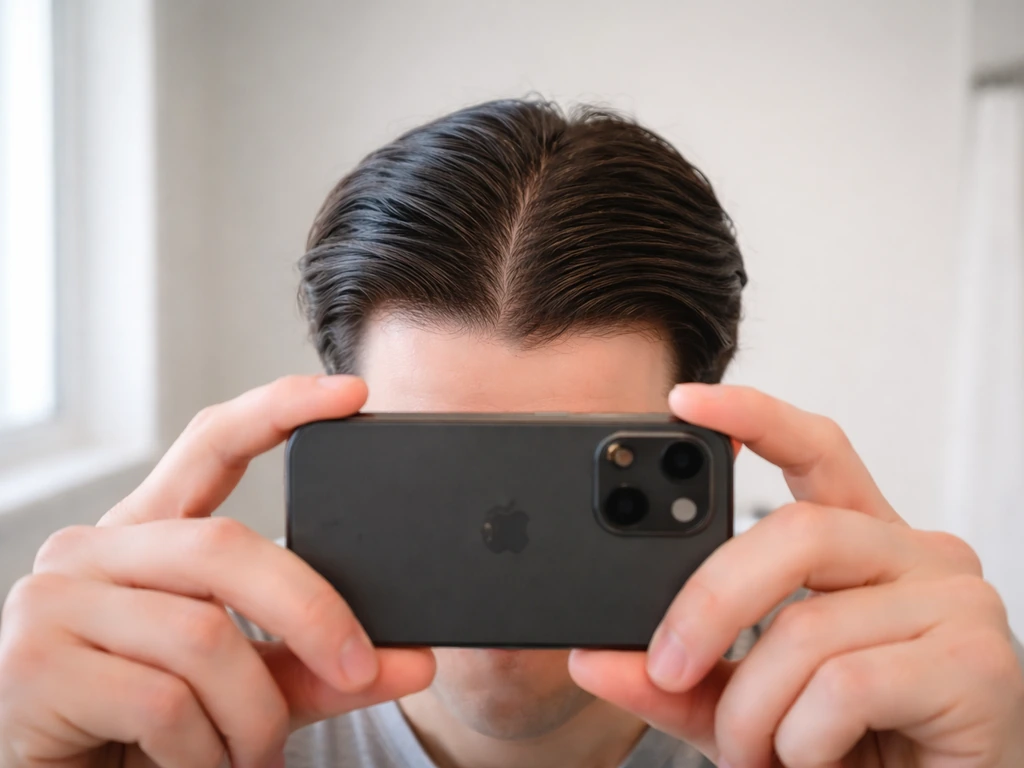
Take a photo of your hairline, part, or the area you're most concerned about every 4 weeks in the same lighting and position. It feels low-tech, but it's genuinely useful because hair change is slow enough that you lose perspective day to day. You can also do a loose pull test: gently grip about 40 to 60 hairs between your thumb and forefinger and pull with light tension. Losing 1 to 3 hairs is normal. Consistently losing 6 or more may indicate elevated shedding worth investigating. Tracking these two things gives you real data to work with rather than gut feelings.
When to see a doctor, and what kind
There are situations where a routine and some supplements are not enough, and it's important to recognize them. Certain types of hair loss won't respond to anything you do at home because they involve underlying medical conditions or processes that need clinical management.
See a dermatologist (ideally one who specializes in hair disorders, sometimes called a trichologist) if you notice any of these patterns: Mayo Clinic also notes red-flag hair loss patterns such as sudden or patchy loss, and scalp symptoms like itchiness or pain that warrant clinician evaluation red-flag hair loss patterns that warrant clinician evaluation.
- Sudden or patchy hair loss that appears quickly over days or weeks
- Itching, burning, or pain on the scalp before or during hair loss
- A receding hairline or widening part that is progressing steadily
- Hair that is not regrowing after more than 6 to 9 months of consistent shedding
- Visible scalp changes like redness, scarring, scaling, or sores
- Hair loss accompanied by other symptoms like fatigue, weight changes, or hormonal irregularities
A dermatologist can perform a pull test, use dermatoscopy (a magnified view of the scalp), and in some cases take a scalp biopsy to diagnose scarring alopecias or other inflammatory conditions. Scarring alopecia in particular is a category where early treatment matters significantly because once follicles scar over, that loss is permanent. You don't need to be dramatic about it, but you also shouldn't wait a year hoping it resolves on its own if something feels wrong. Getting an accurate diagnosis is the fastest way to an effective treatment plan.
For general thinning related to hormones or aging, a combination of a good scalp routine, consistent nutrition, and evidence-based treatments like minoxidil covers most of what you can control. If you want to grow hair scientifically, start with options backed by clinical evidence and tailor them to whether you are dealing with shedding or breakage evidence-based treatments like minoxidil.
If your goal is how to actually grow your hair, the next step is making sure you address the limiting cause, not just the symptom evidence-based treatments like minoxidil. The goal isn't perfection. It's building a consistent, low-damage routine, giving it enough time to actually work, and knowing when the situation calls for professional eyes on it.
If you're wondering "is it possible to grow more hair" beyond just keeping what you have, that's where evidence-based treatments and a timely doctor consult can help.
FAQ
Should I trim my hair to grow it faster?
Yes, but only if it is targeting breakage. If your hair is snapping off, trimming can prevent split ends from traveling upward and reduce further breakage, which helps you keep more length. If you are shedding from the root, trims will not change the rate of new hair growth and won’t fix the underlying cause.
How often should I wash if I’m trying to grow my hair longer?
If you can tolerate it, washing less often can help keep ends from drying, but it depends on your scalp. For oily or fine hair, going too long between washes can increase scalp buildup and irritation. For dry or coarse hair, you may need fewer washes but still keep the scalp clean enough to avoid inflammation.
How long will it take to see results from a new hair growth routine?
A normal “hair growth” routine is usually the one that you can follow consistently for at least 3 to 4 months. If you are treating breakage, you may see slower snapping and improved length retention within weeks, but visible thickness or density changes, even with real growth, generally take longer because the cycle is slow.
What if I think I’m both shedding and breaking?
Avoid relying on shedding versus breakage indicators alone if you have both. If you notice full-length hairs with bulbs (shedding) and also short pieces or fraying ends (breakage), treat both pathways: reduce mechanical and chemical damage for breakage and address scalp inflammation, nutrition, or hair loss treatments for shedding.
Should conditioner be applied to my scalp to help growth?
Don’t apply conditioner to the scalp as your main strategy. Conditioner is most useful on mid-length to ends because it reduces friction and split ends. If your scalp also gets dry or irritated, address that with a scalp-appropriate product rather than using regular conditioner where it does not belong.
Does biotin help you grow hair faster?
Biotin usually only helps if you are actually deficient or your diet is severely restricted. If your goal is growth, it’s more efficient to get a targeted blood check first (especially ferritin, vitamin D, and iron status if shedding is prominent) rather than taking high-dose biotin and hoping it fixes the cause.
How often should I use a clarifying shampoo?
Clarifying shampoos can help if you use heavy styling products, but overdoing them can increase dryness and breakage. If you clarify, follow with conditioner, and keep it periodic (for example, once every couple of weeks) unless your scalp clearly needs more frequent buildup removal.
Can protective styles or tight hairstyles still prevent hair growth?
It can, but the key is to keep traction low. If hairstyles are causing visible tension at the hairline or you notice more short snapped pieces, the fix is changing the style and reducing tightness. Use fabric-friendly ties and avoid consistently pulling the same direction, which can worsen localized breakage.
What should I watch for when using minoxidil?
If you want to try minoxidil, plan for consistency and correct troubleshooting. Give it about 4 months of consistent use before concluding it is not working. If you develop significant irritation like severe burning, redness, or persistent itching, stop and contact a clinician rather than pushing through the discomfort.
Why do some hair growth products not seem to work, even if they promise growth?
Not necessarily. Many “growth” claims are really about reducing breakage or making hair look fuller temporarily. Look for evidence-based treatments for hair loss, and separate goals: retention (reducing snapping and splits) versus new density (addressing shedding or thinning).
I started shedding after stress, is that normal and how long does it last?
If shedding started after a stressor (illness, surgery, extreme dieting, or major emotional stress), telogen effluvium commonly appears 2 to 3 months later. In many cases it resolves within 6 to 8 months after the trigger, so the decision is often whether the trigger is resolved and whether scalp and nutrition are also supported, rather than switching products every few weeks.
How can I tell if my hair shedding is actually increasing?
Use tracking to make decisions, but don’t overreact to daily changes. Photos every 4 weeks in consistent lighting plus a gentle pull test (light tension) helps you separate normal shedding from elevated shedding. If you consistently lose significantly more hairs on pull test or the shedding is worsening, it’s time to see a clinician.
When should I see a dermatologist instead of trying home treatments?
Yes, there are red flags where you should not rely on at-home routines. If you see patchy loss, scalp burning or pain, smooth shiny patches, heavy crusting with persistent itch or redness, or widening part with rapid progression, get a dermatologist evaluation to rule out inflammatory or scarring conditions where early treatment matters.
Next Articles
What Really Works to Grow Hair: Evidence-Based Plan
Evidence-based hair regrowth plan: causes, true regrowth vs shedding, proven treatments like minoxidil, and safe supplem
Tips on How to Grow Your Hair Out: A Step by Step Guide
Step-by-step tips to grow hair out: stop breakage, build scalp routine, nutrition, safe actives, and track progress.
Grow Hair Long Tips: Step-by-Step Routine to Reach Length
Step-by-step grow hair long tips: boost scalp health, cut breakage, improve diet, and track progress for length.