
The best products for growing hair longer fall into two categories: things that directly support a healthy scalp environment (topical treatments, scalp serums, minoxidil), and things that give your hair the raw materials it needs to grow and stay on your head (supplements, nutrition, and a protective hair care routine). Hair rarely stays short because it stopped growing. It usually stays short because it keeps breaking off before it gets there. So the real job of any 'hair growth' product is either to extend the growth phase, improve scalp conditions so follicles work properly, or reduce the damage and breakage that steals your length.
Best Products to Grow Hair Longer: What to Buy and Use

Marcus Holloway
24 May 2026
How hair actually grows (and what products can realistically do)
Your hair grows in three phases: anagen (active growth, lasting 2 to 7 years), catagen (a short transition phase), and telogen (resting, lasting about 3 months before the hair sheds). At any given time, roughly 85 to 90 percent of your hair is in anagen. The average growth rate is about half an inch per month, but follicle health, genetics, hormones, and nutrition can all affect how long a hair stays in the anagen phase before it cycles out.
Products can help by keeping follicles in the growth phase longer, reducing the inflammation or buildup that chokes follicle function, cutting down on shedding from nutritional gaps, and protecting the hair shaft so the length you do grow survives long enough to be visible. No product on earth will turn a half-inch-per-month grower into a two-inch grower. But the right routine can absolutely be the difference between hair that stays fragile and short and hair that reaches your goals.
Topical products that support longer, healthier hair
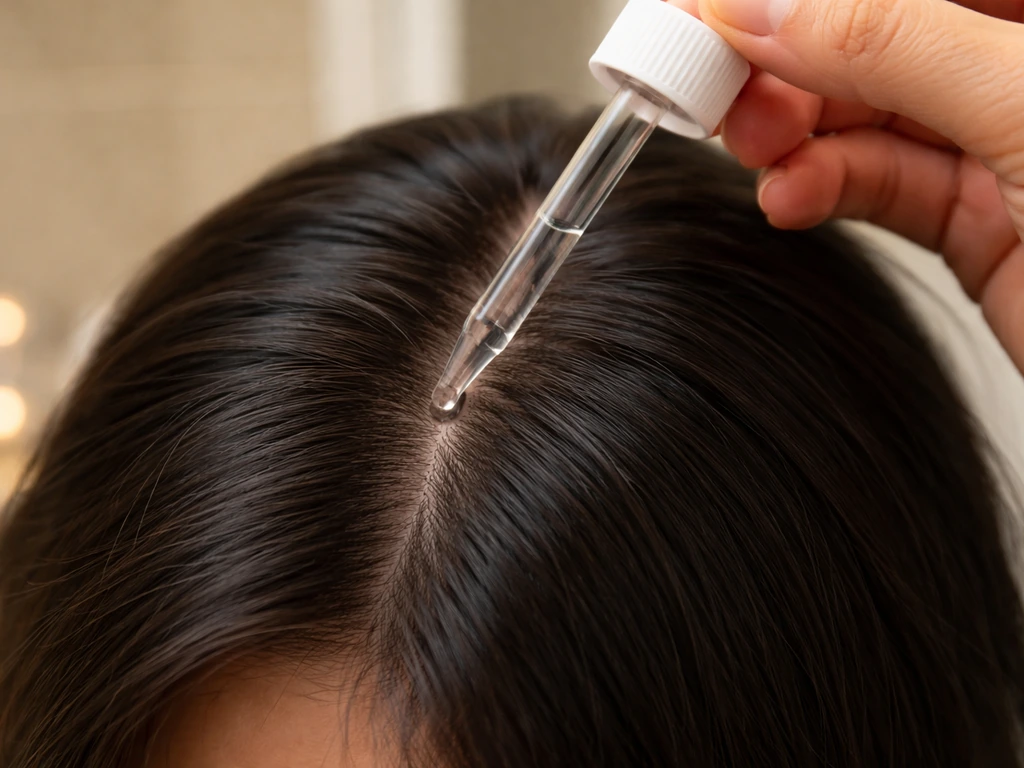
Minoxidil: the best-studied option
If you want the most evidence-backed topical for hair growth, minoxidil is it. It works by widening blood vessels around the follicle and prolonging the anagen phase. It's available over the counter in 2% (for women and men) and 5% (men's labeling, though many dermatologists recommend 5% for women too) concentrations. The important thing to know is that it takes time: the labeling on 2% minoxidil topical solution states you may need to use it twice daily for at least 4 months before seeing results. If you haven't seen regrowth in 4 months, that's the point to stop and consult a doctor rather than keep applying indefinitely. The other catch is that if you stop using it, hair loss typically resumes within a few months, so it's a long-term commitment.
Scalp serums with clinically-studied ingredients
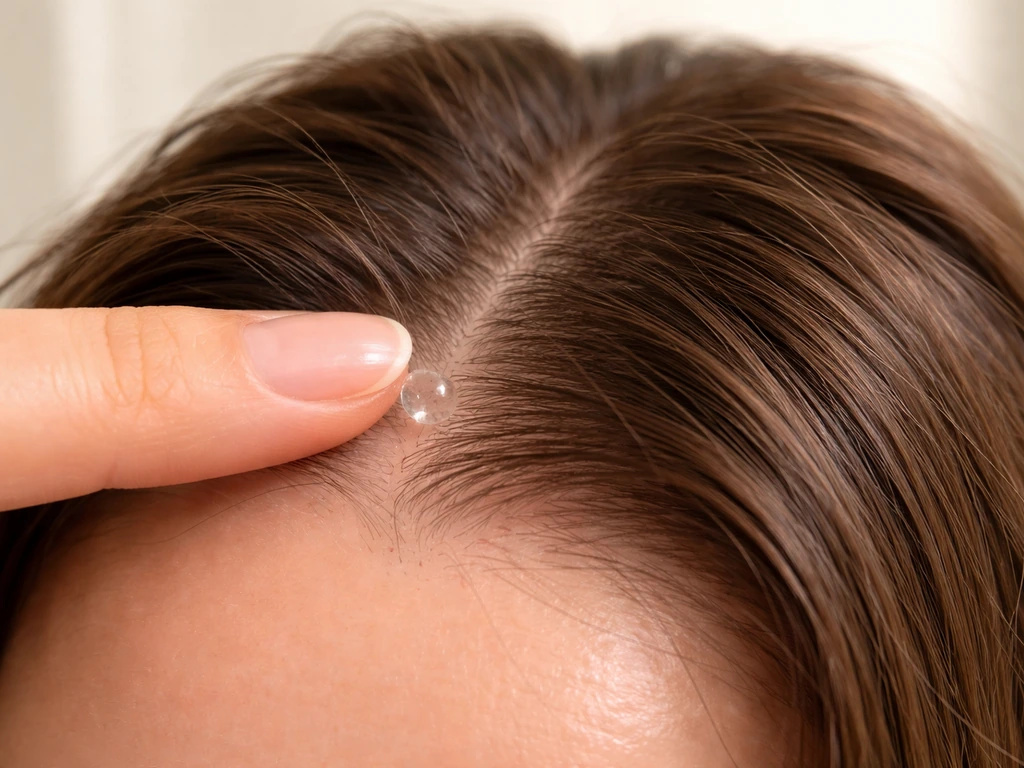
Beyond minoxidil, look for scalp serums containing caffeine (shown in lab studies to extend anagen and counteract DHT effects on follicles), peptides like copper peptides (which support follicle repair and miniaturization reversal), and adenosine (shown in at least one trial to increase hair density). Redensyl and Procapil are newer blend ingredients appearing in higher-end serums with some promising early data, though the evidence is still thinner than for minoxidil. These are best applied directly to a clean, dry scalp and massaged in rather than rinsed off.
Scalp oils
Oils don't grow hair on their own, but they do two useful things: they reduce scalp inflammation and improve the moisture barrier, and they coat the hair shaft to reduce breakage. Castor oil is popular and has some evidence for reducing shedding, likely due to its ricinoleic acid content, which has anti-inflammatory properties. Rosemary oil has shown up in one small but well-cited study as comparable to 2% minoxidil at 6 months for increasing hair count. Peppermint oil has also shown follicle-stimulating activity in animal research. These work best diluted in a carrier oil (like jojoba or argan), applied to the scalp 1 to 2 times per week, and left on for at least 30 minutes before washing out.
Supplements and vitamins linked to growth and thickness
This is where the marketing noise gets loudest, so let's be straight with each other. Supplements help with hair growth when you have a deficiency. If your levels are fine, adding more generally doesn't accelerate growth. That said, deficiencies are more common than most people realize, especially in iron and vitamin D.
Iron
Iron deficiency is one of the most common and most underdiagnosed causes of hair shedding, particularly in women. If you're experiencing increased shedding, getting your ferritin checked is one of the most useful things you can do. Ferritin is the stored form of iron and is the most sensitive marker for iron deficiency. Some dermatologists use a target ferritin level of around 70 to 100 µg/L for hair health, which is higher than the standard 'not deficient' cutoff on most lab reports. If your ferritin is low, supplementing (under medical guidance) can make a meaningful difference. The adult upper tolerable intake for iron is 45 mg/day, and higher doses can cause nausea and GI issues, so don't self-dose aggressively. For adults, NIH ODS lists a tolerable upper intake level for iron of 45 mg per day and notes that higher-dose supplemental iron can cause gastrointestinal side effects like nausea or constipation.
Vitamin D
Vitamin D receptors are expressed in hair follicles, and low levels have been associated with hair loss in several studies. Deficiency is extremely common, especially in people who work indoors or live in northern climates. A standard supplementation dose of 1,000 to 2,000 IU per day is generally considered safe for most adults. The NIH sets the upper tolerable intake at 4,000 IU per day for most adults, so there's room to supplement reasonably without concern, but getting your level tested first makes sense.
Zinc
Zinc plays a role in hair tissue growth and repair, and deficiency is linked to hair loss including the type seen in alopecia areata. Serum zinc is the standard clinical test. The adult upper tolerable intake is 40 mg/day from all sources. Most people get enough from food if they eat animal protein regularly, but vegans and vegetarians are at higher risk of deficiency. A modest supplement of 8 to 15 mg daily is reasonable if you suspect low intake.
Biotin: honest perspective
Biotin gets more shelf space than it deserves. If you have a genuine biotin deficiency, symptoms can include thinning hair and eventual hair loss, and supplementing will help. But actual biotin deficiency is rare in people eating a normal diet. A 2024 review concluded there's a major discrepancy between biotin's popularity for hair claims and what the scientific literature actually supports, with no clinical trials showing benefit for hair loss in people who aren't deficient. There's also a practical safety note: biotin supplements can interfere with thyroid and other lab tests if taken within about 24 hours of bloodwork, so flag it with your doctor. If you want to take a hair supplement, prioritizing iron, vitamin D, and zinc testing first is a better use of your energy and money.
Collagen and protein
Hair is made of a protein called keratin, and your body needs adequate dietary protein to produce it. If you want a practical way to support hair growth with food, aim for consistent protein at meals and include iron and vitamin D sources too. If your protein intake is low (under about 50 grams per day), it can directly contribute to hair shedding. Collagen supplements provide amino acids that support hair structure, and some studies show marine collagen in particular can improve hair thickness and reduce shedding. Getting enough protein from food (eggs, fish, legumes, meat, dairy) is the foundation, but a collagen peptide supplement on top of that is one of the more evidence-supported hair supplements available.
Scalp care routines and treatments that improve growth conditions
A healthy scalp is the soil your hair grows from. Clogged follicles, chronic inflammation, buildup, and conditions like seborrheic dermatitis all impair growth. If you have visible flaking, persistent itching, or scalp irritation, addressing it is not optional if you want optimal growth.
For seborrheic dermatitis, ketoconazole 1% to 2% shampoo is one of the most effective options. Clinical guidelines suggest using it 2 to 3 times per week for 4 weeks to get the condition under control, then dropping to once weekly as maintenance. The AAD recommends a shampoo containing 1% ketoconazole for self-care, while a dermatologist may prescribe 2%. Seborrheic dermatitis tends to recur, so that maintenance step matters.
Scalp massages are worth including in your routine. A small study found that 4 minutes of daily scalp massage over 24 weeks increased hair thickness, likely by stretching follicle cells and improving blood flow. It takes no product, just your fingertips. Use firm circular pressure across the full scalp for 3 to 5 minutes, ideally when applying a scalp serum or oil so you're getting two benefits at once.
Exfoliating the scalp once every 1 to 2 weeks with either a physical scalp scrub or a chemical exfoliant containing salicylic acid helps remove buildup that can interfere with follicle function. This is especially useful if you use a lot of styling products or have naturally oilier skin.
Hair-growth-friendly hair care: shampoo, conditioner, serums, and oils
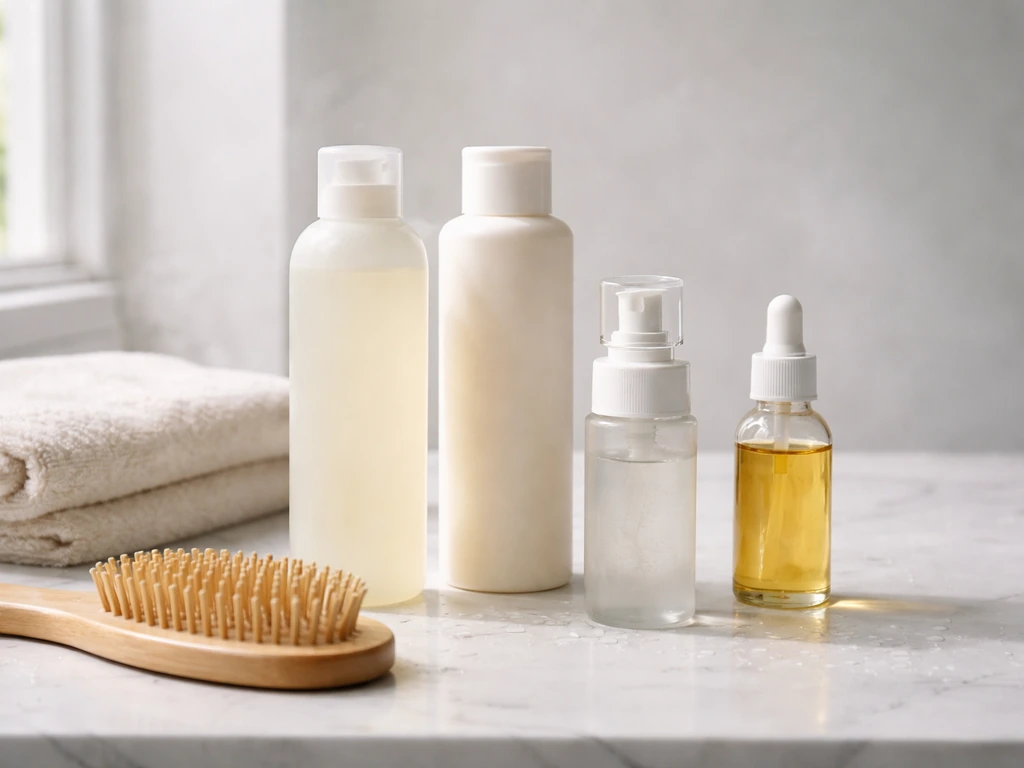
Your daily and weekly hair care routine has a huge effect on length retention, which is often the actual bottleneck for growing long hair. You can have perfectly healthy follicles producing half an inch per month, but if your ends are snapping off at the same rate, you'll stay stuck at the same length.
Choose a shampoo that cleanses without stripping. If you want to make shampoo at home, focus on gentle cleansing and ingredients that support a healthy scalp environment for growth. If you are trying to pick the best shampoo to grow hair for men, focus on formulas that support scalp health while protecting your length retention Choose a shampoo that cleanses without stripping.. Sulfate-free formulas are gentler on the cuticle and better for color-treated or naturally dry or curly hair. Look for shampoos that include ingredients like niacinamide (supports scalp barrier), saw palmetto (a mild DHT blocker with some evidence for reducing hair loss), or caffeine if you want your shampoo doing double duty. The best shampoo for growing and thickening hair focuses on scalp health first, not just lather and fragrance.
Conditioner is non-negotiable for length retention. It seals the hair cuticle, reduces friction between strands, and dramatically cuts the mechanical breakage that happens with detangling, heat styling, and everyday wear. Use it every wash, focusing on mid-lengths to ends, and consider adding a deep conditioning treatment once a week, especially if your hair is color-treated, heat-styled, or coarse and dry. A deep conditioner to grow hair can help by reducing breakage and supporting healthier-looking strands so more of your monthly growth stays in place. Deep conditioners with hydrolyzed proteins and ceramides do the most for structural repair.
Leave-in conditioners and hair oils (argan, jojoba, marula) applied to damp ends before styling create a protective seal and reduce the friction and UV damage that degrade length. A lightweight heat protectant if you use hot tools is also essential, since heat damage causes split ends that travel up the shaft and force more frequent cuts.
What to look for on labels and how to build a simple routine
Ingredients worth paying for
| Ingredient | Where to find it | What it does |
|---|---|---|
| Minoxidil (2% or 5%) | Scalp serum / treatment | Extends anagen phase, most evidence-backed topical |
| Rosemary oil | Scalp oil / serum | Stimulates follicles, comparable to 2% minoxidil in one trial |
| Caffeine | Shampoo / scalp serum | Extends anagen, counteracts DHT effects in follicles |
| Copper peptides | Scalp serum / leave-in | Supports follicle repair and reversal of miniaturization |
| Ketoconazole 1–2% | Shampoo | Treats seborrheic dermatitis, reduces scalp inflammation |
| Saw palmetto | Shampoo / oral supplement | Mild DHT inhibitor, modest evidence for reducing shedding |
| Niacinamide | Shampoo / scalp serum | Strengthens scalp barrier and improves circulation |
| Hydrolyzed proteins / ceramides | Conditioner / hair mask | Repairs cuticle damage, reduces breakage |
| Iron / ferritin support | Oral supplement (if deficient) | Directly addresses the most common nutrient cause of shedding |
| Vitamin D3 | Oral supplement (if deficient) | Supports follicle cycling and reduces shedding |
Ingredients to watch out for
- Alcohol denat or isopropyl alcohol high on the ingredient list in scalp treatments (drying and irritating)
- Heavy silicones without regular clarifying (build up on scalp over time, can clog follicles)
- Artificial fragrance in scalp products (common irritant, especially if you have scalp sensitivity)
- Megadose biotin supplements marketed as hair growth miracles (weak evidence and can skew lab results)
A simple starting routine
- Get bloodwork: Check ferritin, vitamin D, zinc, and a basic thyroid panel. This tells you whether supplements will actually help you.
- Wash 2 to 3 times per week with a scalp-focused shampoo (caffeine, niacinamide, or ketoconazole if you have dandruff).
- Condition every wash, deep condition once a week.
- Apply a scalp serum (rosemary oil blend or a caffeine/peptide serum) after washing, while your scalp is slightly damp. Massage in for 3 to 5 minutes.
- If you're dealing with significant shedding or thinning, consider adding minoxidil per label instructions (twice daily) and give it a full 4 months.
- Take only the supplements your test results support. If deficient in iron or vitamin D, address those first.
- Protect your ends: use a leave-in or oil on lengths, heat protectant before styling, and sleep on a satin pillowcase to reduce friction.
Timeline, expectations, and when to see a professional
Real talk: hair growth is slow, and product results are even slower. If you're comparing the options, the best hair treatment to grow hair is the one that matches what is limiting your growth, like scalp health, breakage, or a deficiency. At half an inch per month, reaching shoulder length from a pixie cut takes roughly two years of retained growth. The job of your routine is to make sure as much of that monthly growth survives as possible. You probably won't notice a meaningful difference from any product before 3 to 4 months. Minoxidil labeling explicitly states to give it at least 4 months. Supplement changes tied to correcting a deficiency typically take 3 to 6 months to show up in your hair, because the hair that's already grown reflects your nutritional status from months earlier.
If you're experiencing sudden increased shedding (more than 100 to 150 hairs a day, noticeable in the shower or brush), it may be telogen effluvium, a temporary shift in the hair cycle triggered by stress, illness, rapid weight loss, postpartum hormonal shifts, or nutritional depletion. This typically starts 2 to 4 months after the trigger and resolves within 6 to 8 months once the underlying cause is addressed, often without any special products. Knowing this is reassuring but also means no topical is going to shortcut the timeline.
See a dermatologist if: your shedding is severe and worsening, you notice patches of hair loss or a receding hairline, your scalp has persistent inflammation or scarring, you've been using minoxidil for 4 months with no improvement, or your bloodwork comes back normal but the shedding continues. Pattern hair loss (androgenetic alopecia) responds well to early treatment but much less well if it's left to progress, so don't wait years before getting an expert opinion. A dermatologist can also prescribe stronger topical options, oral minoxidil, finasteride, or spironolactone depending on your situation, which outperform anything available over the counter for true pattern loss.
Building the right routine matters, but so does patience and honesty about what you're working with. Most people who stay consistent with scalp care, protective hair habits, corrected nutritional gaps, and a good conditioner routine see real improvement in length retention within 6 to 12 months. That's not nothing. That's often the difference between hair that keeps breaking at chin length and hair that finally clears your collarbone and keeps going.
FAQ
What should I focus on first if my hair isn’t getting longer, even though it feels like it’s “growing”?
If you want longer hair, prioritize products that reduce breakage and protect the ends (conditioner, leave-in, heat protection, oils used on damp ends). Then add growth-focused actives only if your scalp is healthy and you are not experiencing ongoing shedding beyond normal daily loss.
How long should I try a hair-growth product before switching to something else?
Stop-and-check is a better approach than stacking everything at once. If you start minoxidil, give it at least 4 months before changing other actives, since you can mistake delayed results or temporary shedding for product failure.
Can I take hair supplements long-term even if I don’t know whether I’m deficient?
Yes, but only with the right expectations and method. If you keep taking supplements after correcting a deficiency, the extra usually does not speed up growth, and some nutrients can cause issues at high doses (for example iron). If your goal is “best products to grow hair longer,” test first and supplement only what is low.
Is it okay to combine multiple scalp serums and treatments, or will they interfere with each other?
Avoid “double dosing” similar ingredients. For example, if you use a minoxidil serum and also take a product that includes DHT-related botanicals (or saw palmetto), you might increase irritation without meaningful added benefit. Patch test scalp products and keep one active change at a time for clean feedback.
Why do some hair growth serums make my scalp itch or flake more?
Common sign is dryness plus scalp irritation from overuse. Use fewer nights per week, apply to clean, dry scalp (not oily buildup), and pause if you get persistent burning, rash, or worsening flaking. Also check whether the product is alcohol-heavy or fragranced.
My shedding is suddenly much worse. Should I switch to a stronger growth product immediately?
If shedding is sudden and heavy, treat it as a symptom, not a “topical problem.” Telogen effluvium often begins 2 to 4 months after a trigger and improves as the trigger resolves, so switching products won’t fix the underlying cause. A dermatologist can help identify whether it is temporary shedding or pattern hair loss.
If minoxidil works, can I stop after I see results?
For minoxidil, plan for ongoing use. If you stop, hair loss typically returns within a few months, so it is not a “cycle then quit” product. If you are uncomfortable committing, discuss alternatives with a dermatologist before starting.
Does applying oils or scalp serums on non-washed days hurt my results?
Yes, but it depends on the formulation. If the hair oil or scalp treatment is applied after the fact when the scalp is already coated with styling residue, it can increase buildup. For best tolerance and follicle clarity, apply serums or diluted oils to clean scalp and follow with a gentle wash as directed.
What if my scalp looks healthy, but minoxidil still doesn’t seem to do anything?
Not necessarily. Some people respond well, but others do not, especially if the real bottleneck is breakage or scalp inflammation rather than follicle cycling. If your scalp is flaking or irritated, address that first (for example ketoconazole if seborrheic dermatitis is present) before judging minoxidil.
Should I buy biotin for hair growth, and do I need to stop it before labs?
Biotin is the biggest “maybe” supplement. Unless you have a documented deficiency, it rarely helps hair. Also, biotin can interfere with thyroid and other lab tests if taken close to bloodwork, so ask your clinician whether you should pause it before testing.
What specific labs should I ask for if I want to find the real reason my hair isn’t growing longer?
Use the test strategy described in the article, but make it practical: ask for ferritin, vitamin D, and zinc levels (and consider a CBC depending on your clinician). If results are normal and shedding persists, it increases the odds that the issue is pattern loss, scalp inflammation not captured by basic labs, or a hair-cycle trigger like telogen effluvium.
When should I worry that my hair loss is not “just slow growth”?
Yes. Sudden, patchy, or scarring-associated changes are different from normal shedding and can signal conditions that need treatment. Get a dermatologist evaluation sooner rather than later if you notice patches, scalp pain, redness, or a visible change in hairline pattern.
How do I track whether my routine is actually making my hair longer, not just “growing”?
Measure progress by retention, not only by growth rate. Take photos monthly in the same lighting and track how much new length makes it to the ends without splitting. If your conditioner routine is inconsistent or you frequently apply heat without protection, you may see slow “net length gain” even with healthy growth.
How do I keep seborrheic dermatitis from coming back and undoing my hair-length progress?
If your scalp issues are from seborrheic dermatitis, skipping maintenance can lead to recurrence, and flares can worsen shedding. Use the recommended maintenance frequency after you get it under control, and avoid harsh scrubbing that can inflame the scalp.
Next Articles
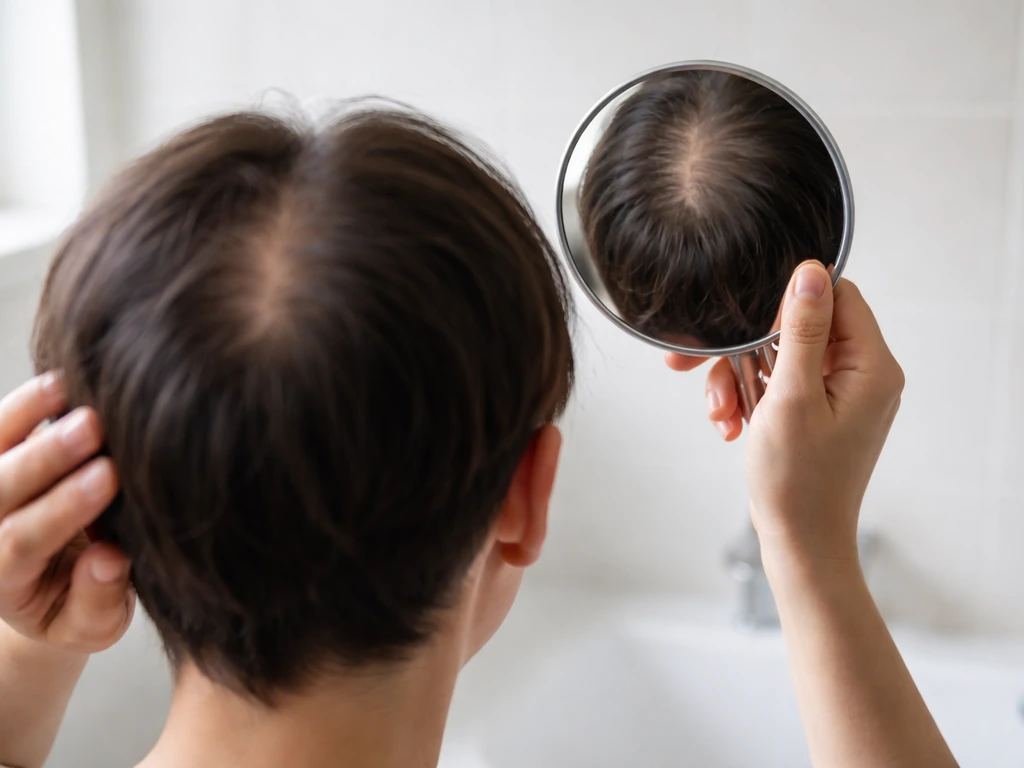
Best Hair Treatment to Grow Hair Back: What Works
Evidence-based plan and best treatments for thinning: scalp care, topicals, nutrition, timeline and how to track regrowt
Best Shampoo to Grow Hair for Men: Picks, Ingredients, Routine
Evidence-based top men’s shampoos for less shedding and healthier scalp growth, with ingredient picks and routine tips.
Best Shampoo to Grow and Thicken Hair: Pick Yours Fast
Practical picks for the best thickening shampoo and conditioner, how to use them, and realistic timelines for fuller gro