
The best products to thicken and grow hair depend heavily on what's actually causing your hair to thin in the first place. For most people dealing with pattern hair loss, topical minoxidil is still the most evidence-backed starting point you can buy without a prescription today. But if your issue is shedding from stress, a nutrient deficiency, or scalp inflammation, you'll get further faster by fixing the root cause than reaching for minoxidil.
Best Products to Thicken and Grow Hair: Buyer’s Guide

Marcus Holloway
30 Jun 2026
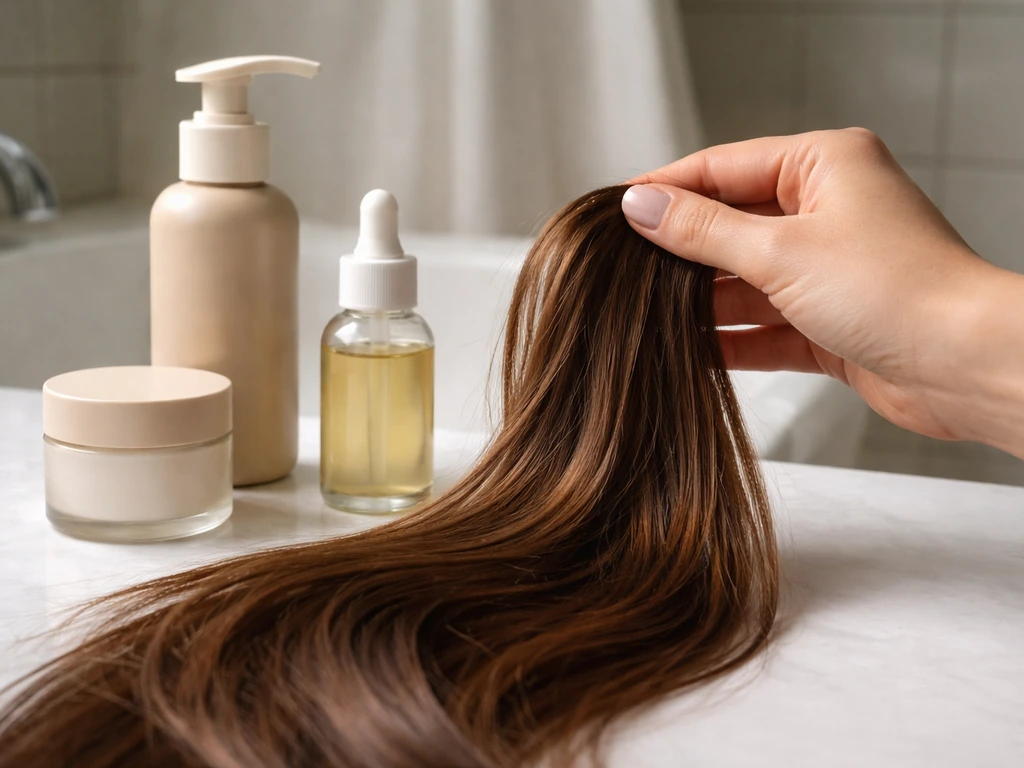
This guide walks through every category, from shampoos and scalp serums to supplements and medical treatments, so you can match the right tool to your actual situation. If you want the best hair treatment to grow hair, focus first on the cause, then use the most evidence-backed option for that cause.
Thickening vs. growing: they're not the same thing
Before you spend money on anything, it helps to know what you're actually trying to fix. "Thickening" and "growing" get used interchangeably in marketing, but they describe two different problems. Thickening is about making each existing strand and your overall density look and feel fuller. A volumizing shampoo, a caffeine scalp serum, or a biotin supplement might improve how your hair looks and feels without actually generating new hair.
Growing, on the other hand, means either reducing breakage so strands get longer, or stimulating follicles that have miniaturized or gone dormant to produce new, terminal hairs again. That second goal is harder and takes longer. Most cosmetic products address the first goal. Treatments like minoxidil and finasteride address the second.
Knowing which camp you're in saves you months of frustration.
It's also worth knowing that hair you've lost from pattern hair loss (where follicles miniaturize over time under hormonal influence) responds differently than hair lost from telogen effluvium, which is the mass shedding triggered by a stressor like illness, crash dieting, surgery, or a major life event. Telogen effluvium typically shows up as heavy shedding about two to three months after the trigger, and in most cases it resolves on its own within six to eight months once the cause is gone. Pattern hair loss is progressive and needs ongoing treatment to slow or reverse. Knowing which one you have changes everything about the product approach.
Topical products that support thicker-looking hair

Shampoos and conditioners
The shampoo category is honest about one thing: most of these products are cosmetic. They improve the appearance of thickness by coating the strand, reducing breakage, and keeping the scalp environment clean. That said, a clean, low-inflammation scalp is genuinely important for hair growth, so the right shampoo matters. If you have any signs of seborrheic dermatitis (flaking, itching, redness), a 1% or 2% ketoconazole shampoo is worth using.
Ketoconazole shampoos outperform placebo for seborrheic dermatitis, clearing scaling and itching within about four weeks in controlled trials. Beyond that, there's clinical evidence that ketoconazole has a direct effect on androgenetic alopecia, not just by managing scalp microbes but likely by its mild anti-androgenic properties at the scalp level. If your hair is thinning in a pattern and you also deal with a flaky scalp, ketoconazole shampoo is probably the most useful shampoo choice you can make.
Use it two to three times per week, leave it on for a few minutes before rinsing. For days in between, a gentle, sulfate-reduced shampoo that won't strip your scalp is fine.
Caffeine shampoos get a lot of attention. The honest picture is that the clinical evidence is limited and mixed. A few studies, including one 24-week randomized controlled trial, found improvements in hair density and the anagen-to-telogen ratio with a caffeine-containing formula compared to placebo. But systematic reviews of caffeine in cosmetic preparations flag that product-level claims often outrun what the actual trial data shows, and there are real questions about whether enough caffeine penetrates the scalp at typical shampoo concentrations before you rinse it off. It may help at the margins, and it's low risk, but don't count on it as your primary tool. Think of it as a reasonable add-on, not a solution.
A good conditioner matters more for growth than most people realize because breakage is a silent killer of length. If your ends are snapping off as fast as your roots grow, your hair won't get longer. Look for a conditioner with hydrolyzed proteins (to temporarily fill in the hair shaft and reduce breakage) and humectants like glycerin. Apply it from mid-length to ends and rinse thoroughly.
Scalp serums and leave-ins
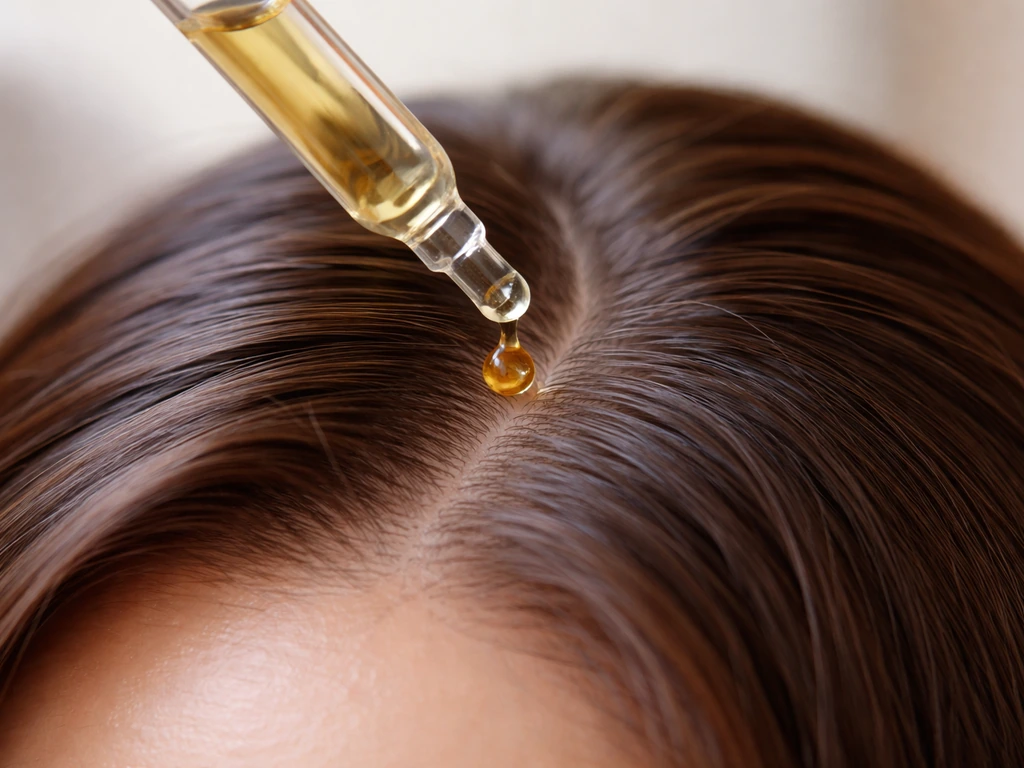
Scalp serums sit in an interesting middle zone between cosmetics and actives. Some of the more useful ingredients to look for include niacinamide (which may support scalp microcirculation), saw palmetto (a mild DHT inhibitor with some preliminary evidence in topical form), and peptide complexes marketed to mimic growth-factor signaling. The evidence for most of these is thinner than what you'll see for minoxidil, but they're low risk and can support a broader routine.
If you want a leave-in serum, apply it to a clean, slightly damp scalp after washing and follow with a gentle massage to encourage absorption and blood flow. Scalp massages on their own have some supporting evidence for increasing hair thickness over time, likely by mechanical stimulation of the dermal papilla cells.
Supplements and nutrition: what actually matters for thickness
Here's something the supplement marketing world doesn't love to say: supplements for hair work best when you're actually deficient in something. Biotin is the most over-marketed example. If your biotin levels are normal, supplementing extra biotin is unlikely to do anything noticeable for your hair. The same is true for most B vitamins.
What does have real impact when deficient are iron (especially ferritin, your stored iron), vitamin D, and zinc. Low ferritin is one of the most common and underdiagnosed drivers of hair shedding in women, and you won't know your levels without a blood test. If you’re looking for the best hair food to grow hair, focus on nutrient-dense options that support the same drivers of shedding like iron, vitamin D, and zinc hair shedding.
Before you spend money on a comprehensive hair supplement stack, get labs done. Ask your doctor for a complete blood count, ferritin, vitamin D (25-OH), zinc, and thyroid panel (TSH, free T3, free T4). This takes one blood draw and gives you a map. If your ferritin is below 30 to 40 ng/mL, supplementing iron (with your doctor's guidance, since excess iron is harmful) may noticeably slow shedding over two to three months. If your vitamin D is low, correcting that is good for overall health and likely supports follicle function. Getting a hair food or supplement with the right nutrients matters more if it's filling an actual gap.
Where supplements genuinely help beyond deficiency correction are collagen peptides (which provide amino acid building blocks for keratin), marine-based proteins (found in products like Viviscal or Nutrafol), and omega-3 fatty acids (which reduce scalp inflammation). These aren't magic, but they support the structural and inflammatory environment that hair growth depends on. Give any supplement at least three to four months before judging results, since hair grows roughly half an inch per month and the cycle has its own lag.
| Nutrient / Supplement | Who it helps most | Best form / note |
|---|---|---|
| Iron / Ferritin | Women with shedding and low ferritin (under 30–40 ng/mL) | Ferrous bisglycinate is easier on the stomach; test before supplementing |
| Vitamin D | Anyone deficient (very common) | D3 with K2; 1,000–2,000 IU daily is a safe maintenance range for most adults |
| Zinc | People with poor diet or digestive issues affecting absorption | Zinc picolinate; don't over-supplement, excess zinc can worsen hair loss |
| Biotin | Mainly useful if you have a true deficiency or take medications that deplete it | High doses can interfere with thyroid and troponin lab tests |
| Marine protein complex (Viviscal / Nutrafol) | Thinning without a specific deficiency; general support | Look for clinical trials backing the specific branded blend |
| Collagen peptides | Anyone with hair breakage and low protein intake | Hydrolyzed collagen; take with vitamin C for best absorption |
| Omega-3 fatty acids | Scalp inflammation, dry scalp, general thinning | Fish oil or algae-based omega-3; 1–2 g EPA+DHA daily |
Treatments that can actually drive regrowth
Minoxidil: the OTC anchor treatment
Topical minoxidil is the most evidence-backed non-prescription treatment for both male and female pattern hair loss, and it's been FDA-approved for both. For men, the standard is 5% minoxidil solution or foam applied twice daily (or 5% foam once daily). For women, the labeled options are 2% solution applied twice daily or 5% foam once daily.
The FDA's own guidance for the 5% solution states that results may begin appearing around two months with consistent twice-daily use, but some men need at least four months before seeing a difference. Manage expectations: minoxidil won't regrow a full head of hair in areas that have been bald for many years, but it can thicken miniaturized hairs, increase density in thinning zones, and slow ongoing loss. You have to keep using it.
If you stop, any regrowth reverts within three to four months.
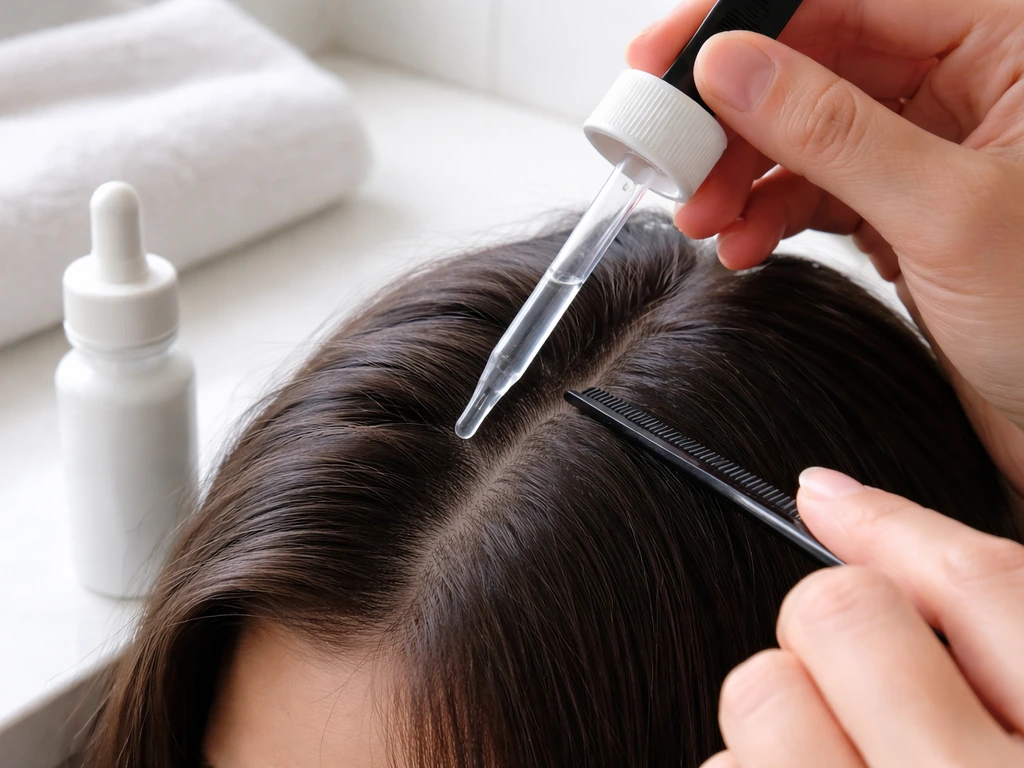
Apply minoxidil to a dry scalp, not to wet hair. Use the applicator or dropper to target the thinning area directly, then spread with your fingertips and let it dry completely before styling. Foam versions are easier to apply and less likely to cause the scalp irritation that some people get from the propylene glycol in the solution. If you notice increased shedding in the first four to eight weeks, that's actually a normal part of the process (the treatment pushes old hairs out to make way for new anagen hairs) and not a reason to stop.
Finasteride: the prescription option for men

For men with androgenetic alopecia, finasteride 1 mg daily (oral) is the other major evidence-backed treatment. It works by blocking the conversion of testosterone to DHT, the hormone responsible for follicle miniaturization in pattern loss. It only works while you take it; stopping means the underlying hormonal process resumes.
MedlinePlus similarly notes that finasteride only slows hair loss while you take it and does not cure the underlying androgen-driven miniaturization It only works while you take it; stopping means the underlying hormonal process resumes. .
Finasteride is not for women, and it is absolutely contraindicated during pregnancy due to the risk of fetal harm. Pregnant women are advised not to even handle crushed or broken tablets. For men, it's a conversation with a doctor and generally well-tolerated, though a small percentage experience sexual side effects that usually resolve after stopping.
Spironolactone for women
For women with female pattern hair loss, oral spironolactone is a prescription option that works through anti-androgenic mechanisms similar to finasteride but is safe for women (not during pregnancy, however). Dermatologists use it at varying doses depending on individual response. The evidence base is still growing, but systematic reviews support its use as a second-line option when topical minoxidil alone isn't sufficient. It requires a prescription and regular monitoring.
Ketoconazole as an adjunct for pattern loss
Beyond its scalp-health benefits, ketoconazole has clinical evidence as an adjunct treatment for androgenetic alopecia. At least one randomized controlled trial evaluated 2% ketoconazole shampoo in androgenetic alopecia (with and without minoxidil), and a systematic review concluded it has supportive evidence for this use, while noting more robust trials are still needed. A separate trial in women compared topical ketoconazole against minoxidil 2% over six months with direct scalp application.
In a six-month trial with direct scalp application instructions (1 mL/day), topical ketoconazole was studied against minoxidil 2% for female pattern hair loss six-month trial comparing topical ketoconazole with minoxidil 2%.
If you're already using minoxidil, adding ketoconazole shampoo to your routine is a reasonable, low-risk adjunct. If you're wondering how to make shampoo that helps grow hair, using ketoconazole shampoo as an adjunct can be a practical, low-risk step alongside other evidence-based treatments.
Microneedling and PRP: in-clinic options
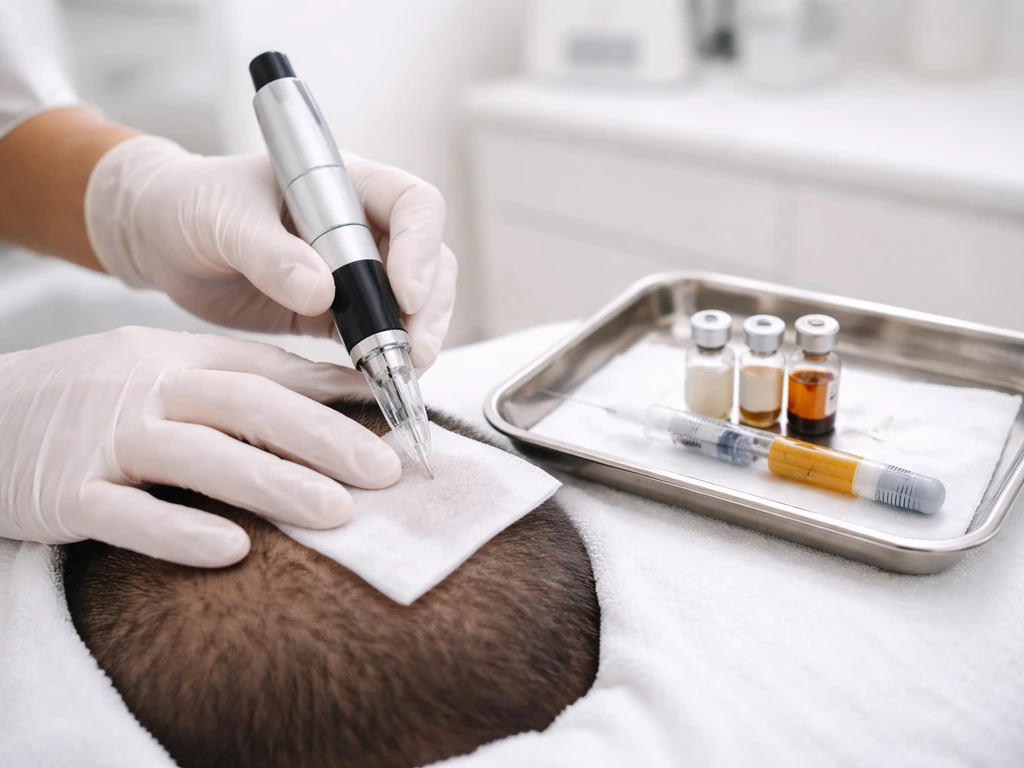
If you're working with a dermatologist, two in-clinic options with growing evidence are microneedling and platelet-rich plasma (PRP). For microneedling, a pilot randomized trial used a 1. 5 mm dermaroller weekly and showed measurable improvements in hair counts at 12 weeks, and a systematic review and meta-analysis of combined microneedling therapy found improvements in hair density and diameter, particularly when microneedling is paired with minoxidil.
One study design actually used 5% minoxidil applied twice daily as the standard-of-care companion in the microneedling arm. PRP results are more mixed: some randomized controlled trials show increased hair density and anagen hair counts after three monthly sessions evaluated at roughly six months, while at least one placebo-controlled pilot study showed no significant improvement in men. The evidence is promising but not definitive, and cost is a real factor since these are typically out-of-pocket procedures.
They're worth discussing with a dermatologist if first-line treatments aren't giving you enough progress.
Matching the right product to your type of hair loss
Picking products without knowing your hair loss type is a bit like treating a cough without knowing whether it's allergies, a cold, or asthma. Here's how to think about matching the approach to the cause.
| Hair Loss Type | Key Signals | Best First Steps |
|---|---|---|
| Male androgenetic alopecia | Receding hairline, thinning crown, gradual and progressive | Topical minoxidil 5% daily; consider finasteride with a doctor; add ketoconazole shampoo |
| Female pattern hair loss (FPHL) | Widening part, overall diffuse thinning, preserved hairline | Minoxidil 2% solution twice daily or 5% foam once daily; consider spironolactone via doctor |
| Telogen effluvium (stress/illness shedding) | Sudden, heavy shedding 2–3 months after a stressor; all-over thinning | Identify and address the trigger; check ferritin, vitamin D, thyroid; wait 6–8 months; minoxidil optional |
| Deficiency-driven shedding | Diffuse shedding, fatigue, other nutrient-deficiency symptoms | Get labs (ferritin, vitamin D, zinc, thyroid); correct specific deficiencies before adding topicals |
| Scalp inflammation / seborrheic dermatitis | Flaking, itching, redness on scalp; thinning along with scalp symptoms | Ketoconazole shampoo 2–3x/week as primary; address irritation before adding strong topicals |
| Breakage-related length issues | Hair won't grow past a certain length; see split ends and snapping | Protein-rich conditioner, reduced heat styling, protective styles, collagen supplements |
One important note on female pattern hair loss: the first-line treatments are well-established (topical minoxidil is FDA-approved and is the most studied option), but the evidence for many other commonly marketed therapies remains limited. Getting a proper diagnosis from a dermatologist is worth it before investing heavily in a multi-product stack.
A scalp care routine that actually supports growth
A good hair growth routine doesn't need to be complicated. A good deep conditioner can support hair that is actively growing by improving softness and reducing breakage, which helps strands stay on your head longer hair growth routine. Here's a practical structure that covers the key bases without turning your morning into a two-hour event.
- Cleanse two to three times per week with a gentle or medicated shampoo depending on your scalp type. If you have seborrheic dermatitis or pattern loss, use ketoconazole shampoo on at least two of those washes. Leave it on for three to five minutes before rinsing.
- Condition every wash from mid-length to ends. If you have fine hair, use a lightweight conditioner or a leave-in spray rather than a heavy cream that will weigh things down.
- Apply minoxidil (if you're using it) to a completely dry scalp. Timing matters: apply it at least four hours before bed or after washing to let it absorb properly. Don't rinse it off.
- Follow minoxidil application with a scalp massage for four to five minutes using your fingertips (not your nails). There's legitimate evidence that consistent scalp massage increases hair thickness over time, and it costs nothing. Work in small circular motions across the entire scalp.
- Apply any serum or leave-in to the scalp or lengths as appropriate after the minoxidil has been absorbed. Serums with niacinamide or peptides go on the scalp; moisturizing leave-ins go on the lengths and ends.
- Take your supplements consistently with food. Consistency over weeks and months is what generates results, not occasional use.
- Track progress with photos taken in the same lighting once a month. Hair changes are slow enough that day-to-day observation is misleading. Monthly photos in the same spot under the same light are the most honest way to see whether things are moving.
Avoiding things that cause damage matters just as much as what you add to your routine. If you want the best hair routine to grow hair, focus on reducing damage, supporting scalp health, and sticking with the basics long enough to see results. High heat styling (above 380°F/193°C), tight hairstyles that pull on the hairline, and harsh chemical treatments all cause mechanical and structural damage that undermines any product-based effort. You don't need to give up heat tools entirely, but using a heat protectant and keeping temperatures moderate will protect your progress.
Your diet is also part of this routine, even if it doesn't feel like a hair product. Adequate protein (at least 50 to 60 grams per day for most adults, and more if you're active) is the literal raw material for keratin. Chronically low protein intake is surprisingly common and is an underappreciated driver of hair thinning. Getting enough iron-rich foods, especially if you're vegetarian or have heavy periods, and maintaining vitamin D through food, sunlight, or supplementation rounds out the nutritional side of this routine.
How long this takes, what to watch for, and when to see a dermatologist
Patience is genuinely the hardest part of treating hair loss because the biology is slow. Here's a realistic timeline breakdown so you know what's normal and what's a signal to escalate.
| Timeframe | What to expect |
|---|---|
| Weeks 1–4 | Increased shedding is possible with minoxidil (normal). Scalp symptoms from seborrheic dermatitis should improve with ketoconazole shampoo by week 4. |
| Months 1–2 | Scalp inflammation improves. New baby hairs may begin appearing in minoxidil-treated areas. Some people see early results from minoxidil around 2 months. |
| Months 2–4 | More consistent early regrowth if minoxidil is working. Supplement changes begin to be reflected in new hair growth. Telogen effluvium shedding often peaks and begins tapering. |
| Months 4–6 | More visible changes in density. Men using minoxidil may need 4 months before seeing meaningful results per label guidance. Telogen effluvium often resolves fully. |
| Months 6–12 | Best assessment point for pattern hair loss treatments. PRP outcomes in clinical trials were evaluated at roughly 6 months. Thickness improvements from supplements and scalp massage become noticeable. |
| 12+ months | Continued improvement with consistent use. Pattern hair loss treatments must continue indefinitely to maintain results. |
On safety: minoxidil is well-tolerated by most people. The main side effects are scalp irritation or contact dermatitis (more common with the solution form than the foam), and in rare cases unwanted facial hair growth in women using high concentrations. Finasteride's most discussed side effect is a small risk of sexual dysfunction in a minority of men; this usually resolves if the medication is stopped. Spironolactone can affect blood pressure and potassium levels, which is why it requires monitoring. Ketoconazole shampoo at OTC concentrations is very safe for topical scalp use.
See a dermatologist if: your shedding is sudden and severe; you have patchy, circular hair loss (which could be alopecia areata, a different autoimmune condition that responds to different treatments); your scalp has significant scarring or inflammation; first-line OTC treatments haven't moved the needle after six months of consistent use; or you're a woman with signs of hormonal imbalance like irregular cycles, acne, and diffuse thinning together. A dermatologist can also perform a trichoscopy (scalp dermoscopy) or order targeted labs that make the diagnosis much clearer, which saves you guessing and wasting money on the wrong products.
The best place to start today is to be honest about which category you're in: pattern loss, reactive shedding, nutrient gap, or scalp inflammation. Get labs if shedding is your main issue. If you have pattern loss, start minoxidil and add ketoconazole shampoo. For men looking for the best shampoo to grow hair, ketoconazole can be a useful adjunct when pattern loss is part of the picture ketoconazole shampoo. Build a consistent routine you can actually stick to, take monthly photos, and give it a genuine three to six months before changing course. Most people who don't see results either stopped too early, used products inconsistently, or were treating the wrong cause entirely.
FAQ
How long should I try a hair thickening or growth product before deciding it is not working?
Plan on 3 to 4 months for supplements and at least 4 to 6 months for minoxidil-style treatments, since follicles and hair cycles lag. Take monthly photos in the same lighting and part, and track shedding daily for 2 weeks at a time instead of judging from one “bad hair day.” If you are treating pattern loss, stopping early is one of the most common reasons people think products failed.
Is it better to start with shampoo, a scalp serum, or minoxidil when my hair is thinning?
If thinning looks like pattern loss (gradual widening part, temple recession, crown thinning), prioritize evidence-backed follicle treatment first, typically topical minoxidil. If your main issue is flaky, itchy, or red scalp, start with ketoconazole shampoo and manage inflammation while you evaluate other options. For cosmetic thickening only, a volumizing routine can be started immediately, but it will not address true follicle miniaturization.
Should I use biotin or collagen peptides even if I do not know whether I am deficient?
Only collagen peptides are often worth trying without labs, because they mainly support keratin building blocks and are not strongly tied to deficiency. Biotin and most B vitamins are unlikely to help if your levels are already normal, and taking extra can add cost without changing results. The most efficient approach is to get ferritin, vitamin D, zinc, and a thyroid panel if shedding is a major symptom.
What is the difference between “thickening” products and actual hair growth products, and how do I tell which I need?
Thickening products improve appearance (reduced breakage, coating the shaft, better volume). Growth products target the follicle, like minoxidil or hormonal prescriptions. A practical check is whether your issue is mostly snapping and shorter lengths (breakage) versus thinning at the scalp with smaller, finer hairs (miniaturization).
If my hair sheds more when I start minoxidil, should I stop?
Do not stop immediately. Increased shedding in the first 4 to 8 weeks can be a normal shed-and-replace phase. Continue consistently through at least 2 months before reassessing, and only consider changing course sooner if you have severe burning, swelling, or signs of contact dermatitis.
Can I use minoxidil with other hair products like ketoconazole shampoo or scalp serums?
Yes, but timing matters. Use ketoconazole shampoo on your schedule (for example 2 to 3 times per week) and apply minoxidil to a dry scalp afterward, not on wet hair. Keep scalp serums away from minoxidil application moments if they cause irritation, and watch for increased redness that could mean your routine is too “active” for your skin.
What is the correct way to apply ketoconazole shampoo for thinning related to scalp inflammation?
Use it on the scalp, not mainly through the hair lengths, and leave it on for a few minutes before rinsing. Apply it about 2 to 3 times per week, and use a gentler shampoo on other days to avoid stripping. If symptoms do not improve in roughly 4 weeks, you should reassess the diagnosis with a dermatologist.
Should men and women use the same minoxidil strengths and schedules?
No. Follow the labeled options: men commonly use 5% twice daily (solution) or 5% foam once daily, while women commonly use 2% solution twice daily or 5% foam once daily. Higher concentration does not always equal better outcomes if side effects occur, and women are more prone to scalp irritation depending on the formulation.
Are caffeine shampoos worth buying for hair thinning?
They are optional add-ons. Evidence is mixed and the active amount reaching the scalp during a short wash may be too low to drive major change. If you are already using stronger, cause-targeted options, caffeine shampoos can be a low-risk cosmetic support, but they should not replace minoxidil or inflammation control when those are indicated.
How do I know if my hair loss is telogen effluvium versus pattern loss?
Telogen effluvium typically causes sudden, widespread shedding about 2 to 3 months after a trigger like illness, surgery, crash dieting, or major stress, and it usually improves within 6 to 8 months once the trigger resolves. Pattern loss is gradual and progressive, often with miniaturization in specific regions. A dermatologist can confirm with scalp exam or trichoscopy, which helps you avoid using the wrong product stack.
Do microneedling and PRP work better for everyone, or only some people?
They tend to be best discussed when first-line treatments are not giving enough progress. Microneedling often shows more consistent improvements when paired with minoxidil, but it still requires repeated sessions and technique. PRP results are mixed and can be expensive, so consider it when you have realistic goals and can commit to multiple sessions.
Can I combine finasteride and minoxidil?
Often yes, and many people use them together for pattern loss because they target different mechanisms (hormonal signaling versus follicle support). If you are considering combination therapy, do it with a clinician because dosing, monitoring, and side effect management are important. Also remember that results require continued use.
What labs should I prioritize if I suspect nutrient-related shedding?
If shedding is your main symptom, prioritize ferritin (stored iron), vitamin D (25-OH), zinc, and a thyroid panel (TSH and often free T3 and free T4), plus a complete blood count. Ferritin is especially underdiagnosed, and correcting low levels can change shedding within a few months for some people. Do not supplement iron at high doses without guidance, because excess iron is harmful.
What are “red flags” that mean I should see a dermatologist sooner than later?
Get evaluated promptly if shedding is sudden and severe, if you have patchy circular bald spots (possible alopecia areata), if you see scarring or significant scalp pain, or if OTC treatments have not improved things after about 6 months of consistent use. If you are a woman with irregular cycles, acne, and diffuse thinning together, hormonal contributors should be considered rather than only adding hair products.
Is there anything I can do to improve results besides buying more products?
Yes, consistency and damage control. Use heat protectant and keep temps moderate, avoid tight hairstyles that pull on the hairline, and limit harsh chemical processing. Also prioritize protein intake, because low protein intake is a common hidden driver of thinning. Most people waste time by changing products too often instead of sticking with one routine long enough to see measurable change.
Next Articles
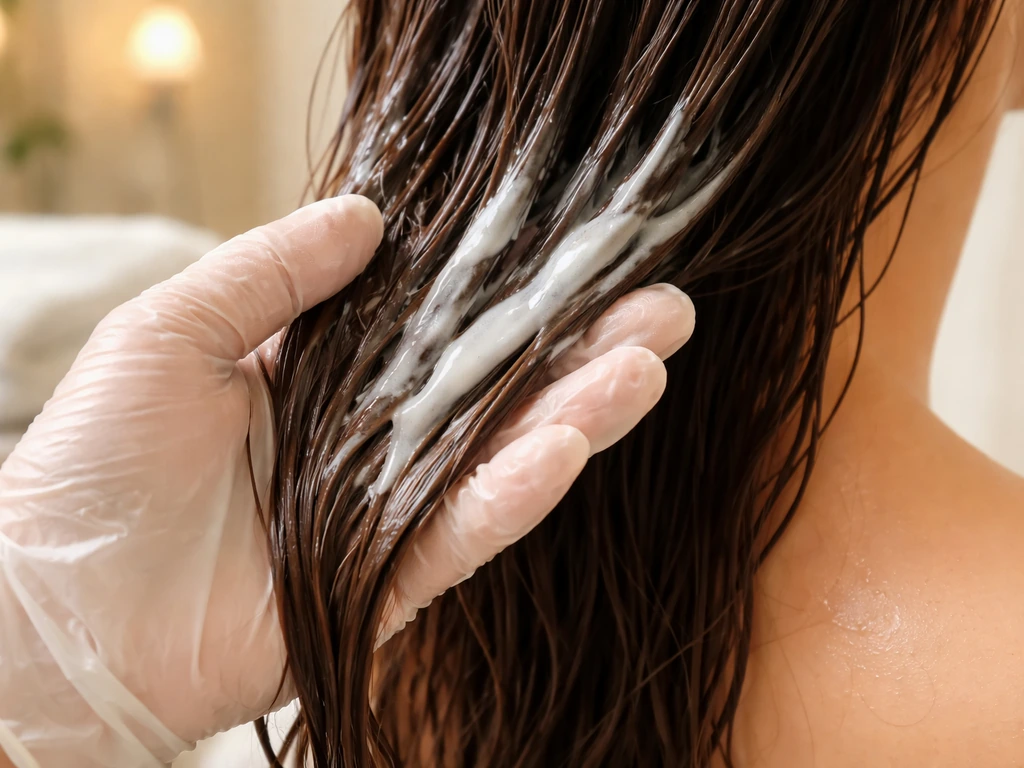
Best Deep Conditioner to Grow Hair: How to Choose + Use
Find the best deep conditioner to reduce breakage, improve scalp health, and support longer hair with proper use tips.
Best Products to Grow Hair Longer: What to Buy and Use
Buying guide to grow hair longer with evidence-based serums, scalp care, conditioners and supplements to reduce breakage
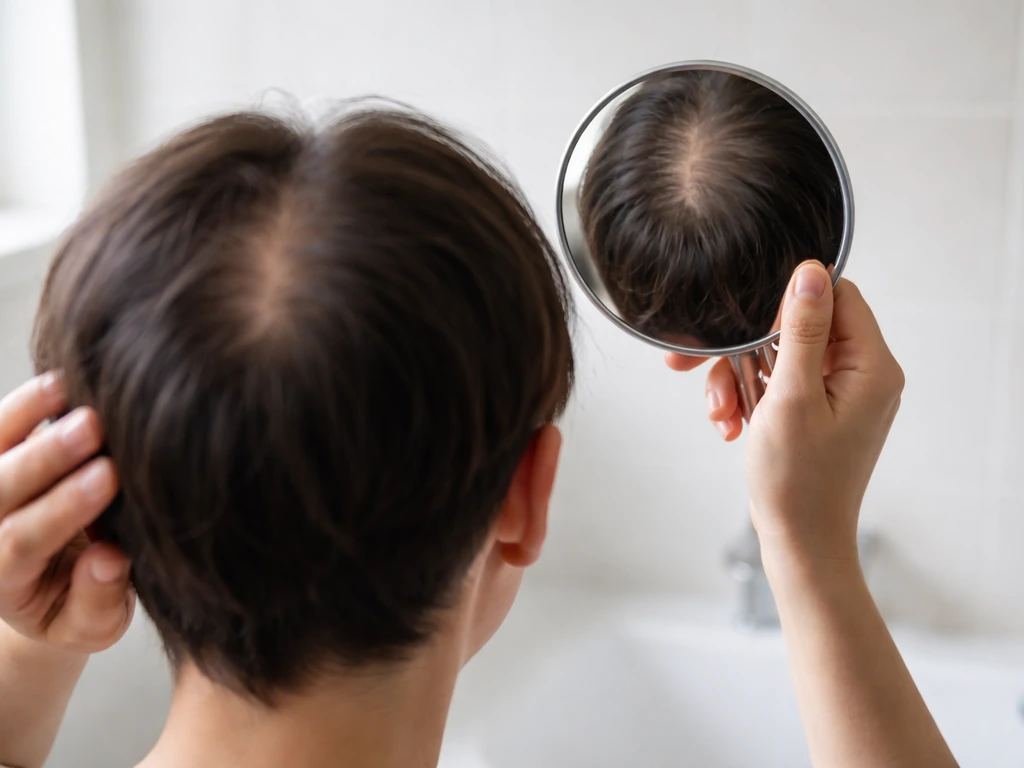
Best Hair Treatment to Grow Hair Back: What Works
Evidence-based plan and best treatments for thinning: scalp care, topicals, nutrition, timeline and how to track regrowt