
No deep conditioner will make your hair grow from the follicle faster. That part is handled by your scalp, your nutrition, your hormones, and in some cases topical actives like minoxidil. What a good deep conditioner does is reduce breakage and split ends so the length you're already growing actually stays on your head. If you want the best products to grow hair longer, focus on breakage reduction first and then layer in scalp, nutrition, and targeted treatments. For a lot of people, that difference looks almost identical to growth, because their hair finally stops snapping off at the same rate it's coming in. So the best deep conditioner for your 'growth' goal is whichever one targets your actual problem, whether that's dryness, protein depletion, damage, or a sensitized scalp, used consistently, correctly, and as part of a broader routine.
Best Deep Conditioner to Grow Hair: How to Choose + Use

What deep conditioning actually does for hair growth (and what it doesn't)
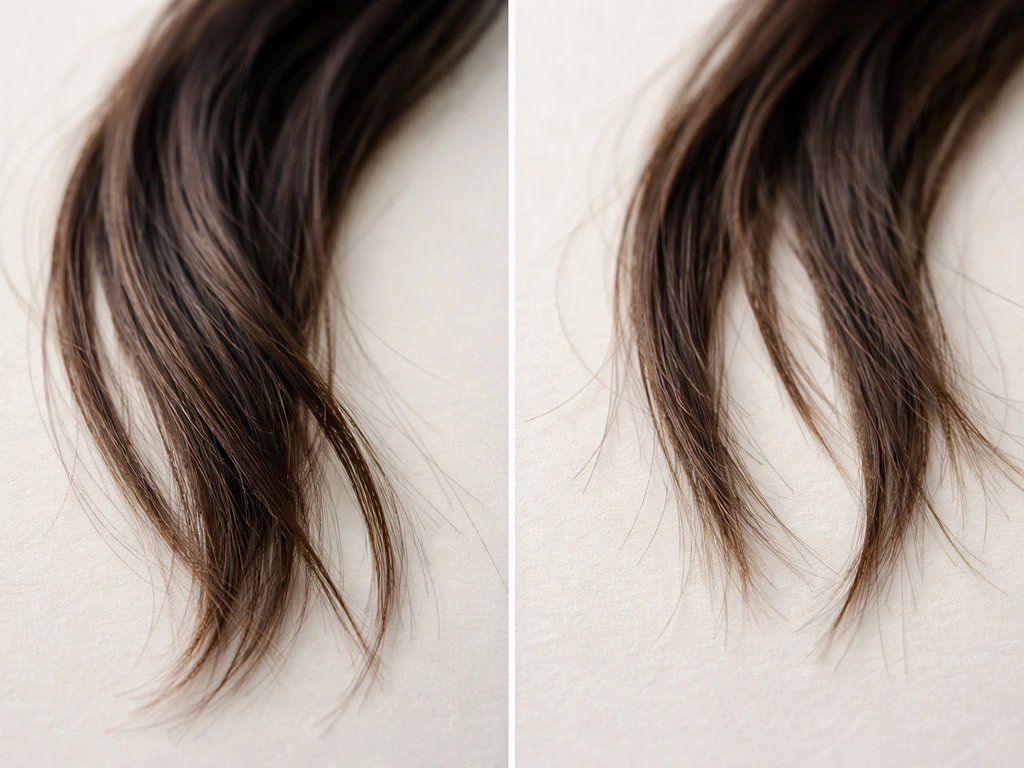
The American Academy of Dermatology is clear that conditioner helps reduce breakage and split ends. It doesn't stimulate follicles, extend your anagen (growth) phase, or increase how fast your hair grows in millimeters per month. That's an important distinction, because if you have true hair loss from a medical cause, no conditioner is going to fix it. What it can do is protect hair that's already growing from breaking before it gets long. Breakage is a silent length killer. Your hair might be growing half an inch a month, but if it's snapping off at the same rate, your length stays the same. Reducing that breakage is the core mechanism by which deep conditioning supports 'growth goals.'
If your hair is thinning because of postpartum shedding, nutritional gaps, hormonal shifts, or a scalp condition, deep conditioner alone won't reverse that. The AAD specifically notes that breakage can mimic hair loss, and that real hair loss causes need medical evaluation. That's worth keeping in mind: if you're losing hair at the root (not just seeing broken strands), conditioner is not your primary tool.
How to choose the right deep conditioner for your hair type and goal
The single biggest mistake people make is buying a deep conditioner based on marketing language like 'growth-boosting' or 'length-retaining' without matching it to what their hair actually needs. There are two main formulas: moisturizing and protein-based. Most people need primarily moisturizing formulas with occasional protein, but your ratio depends on your hair's current state.
| Hair Type / Situation | Primary Need | Best Formula Type | Frequency |
|---|---|---|---|
| Fine, straight hair | Lightweight hydration without heaviness | Light moisturizing (no heavy butters or waxes) | Every 2 weeks |
| Thick, coarse, or high-porosity hair | Deep moisture and sealing | Rich moisturizing (shea, oils, aloe) | Weekly |
| Curly or coily hair (Type 3–4) | Moisture + slip for detangling, breakage reduction | Moisturizing with added slip agents | Weekly to twice weekly |
| Color-treated or heat-damaged hair | Protein repair + moisture balance | Protein-moisture combo (hydrolyzed proteins + humectants) | Weekly; protein portion every 2–4 weeks |
| Dry, brittle, or very damaged hair | Intensive moisture and strengthening | Rich moisturizing or protein-moisture blend | Twice weekly initially, then weekly |
| Sensitive scalp or prone to buildup | Moisture without pore-clogging or irritating ingredients | Scalp-safe moisturizing (fragrance-free, non-comedogenic) | Weekly, applied ends-only |
For fine or straight hair, the AAD advises applying conditioner to the ends rather than the scalp. This prevents weighing down the hair and reduces the chance of scalp buildup. For tightly curled or coily hair, you can work product through more of the length because higher-porosity strands need more coverage, but still be mindful at the scalp if you're prone to oiliness or buildup.
Ingredient guide: what to look for and what to avoid
Ingredients that genuinely help
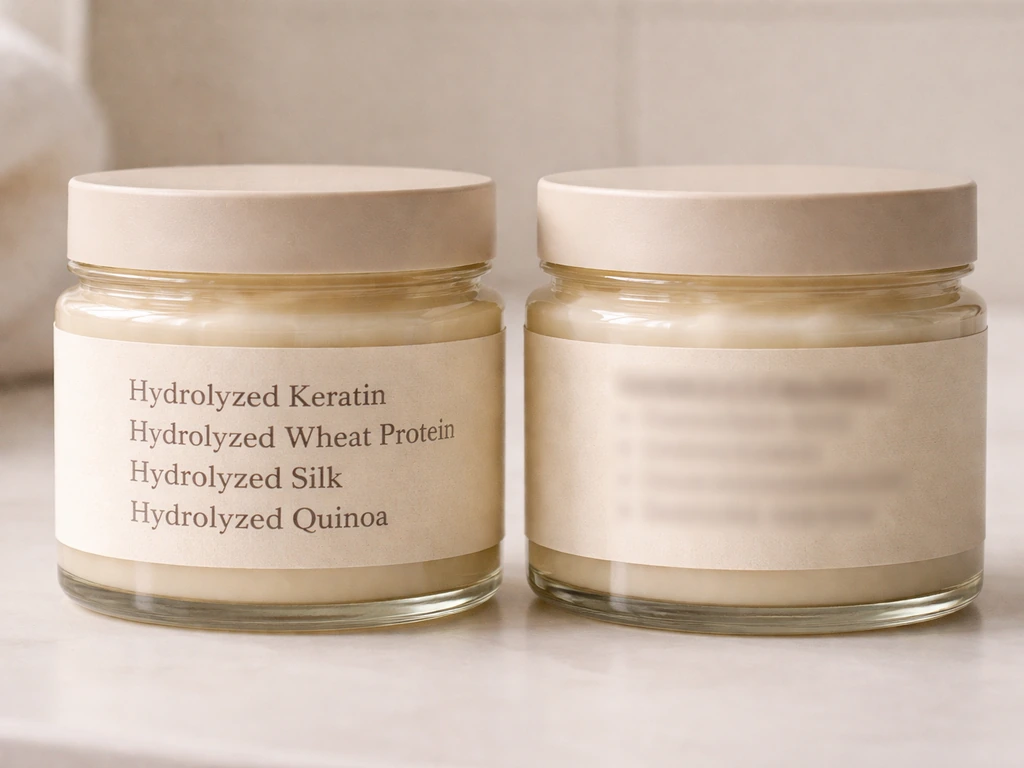
- Hydrolyzed proteins (keratin, wheat, silk, quinoa): These attach to the hair cuticle to harden and protect it, reducing further damage and breakage. Use them strategically, not every single wash.
- Humectants (glycerin, aloe vera, panthenol): Draw moisture into the hair shaft and keep it there, especially useful if your hair is dry or prone to frizz.
- Natural butters and oils (shea butter, avocado oil, argan oil, jojoba oil): Add slip, reduce friction during detangling, and help seal the cuticle after moisture is absorbed. Best for medium to thick or coily hair.
- Cetyl or cetearyl alcohol (fatty alcohols): These are moisturizing, not drying. Don't let the word 'alcohol' put you off. They add slip and help with detangling.
- Ceramides: Help reinforce the lipid structure of the cuticle, reducing protein loss and keeping hair more resistant to breakage.
- Amino acids: Building blocks of keratin; smaller molecules than full proteins, so they can penetrate more easily, especially useful in lighter formulas.
Ingredients to be cautious with
- Heavy silicones (dimethicone, cyclopentasiloxane): These coat the hair shaft and can temporarily improve appearance, but with repeated use they can build up and block moisture from penetrating. If you use silicone-heavy products, regular clarifying washes are non-negotiable.
- Heavy waxes and petroleum-based ingredients: Beneficial for some hair types (especially coily hair that needs sealing) but can cause buildup on fine hair or clog follicles if they migrate to the scalp.
- Synthetic fragrances and dyes: Common contact allergens. If you have a sensitive scalp or have experienced itching, redness, or a rash from hair products, fragrance is a top suspect.
- Sulfates in 'conditioning' products: Not common, but some combination products contain them. Sulfates strip moisture, which is the opposite of what you want.
- Short-chain alcohols (alcohol denat., isopropyl alcohol): Genuinely drying. These are different from fatty alcohols and should be avoided in leave-on or deep conditioning formulas.
How to use a deep conditioner for maximum breakage reduction
Application method matters more than most people realize. The goal is to get the product where hair is most fragile, which is the mid-shaft to ends, not the scalp. Here's the process that gets consistent results:
- Start with freshly shampooed, damp hair. Clean hair allows the conditioner to actually penetrate rather than sit on top of oil and product buildup.
- Section your hair if it's thick or curly. This ensures even coverage and means you're not just coating the outer layer.
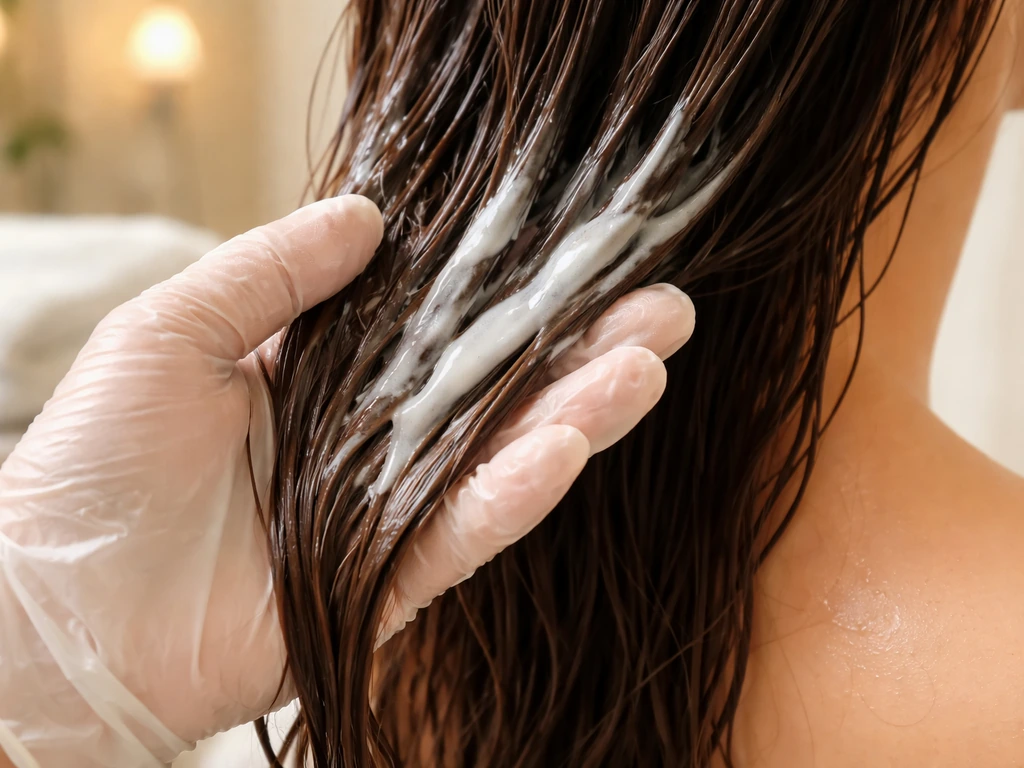
- Apply the deep conditioner from mid-shaft to ends. If your scalp is dry or your hair is very damaged, you can work slightly closer to the roots, but avoid caking product directly on the scalp.
- Use a wide-tooth comb to distribute the product gently through the hair. The AAD specifically recommends this for wet hair because it's in its most fragile state and prone to breakage when handled roughly.
- Cover with a shower cap or plastic wrap, then optionally apply gentle heat with a warm towel or sit under a hooded dryer. Heat helps open the cuticle and allows deeper penetration.
- Leave it on for 5 to 30 minutes depending on the formula. Lightweight formulas typically need 5 to 15 minutes; richer, more intensive treatments can go up to 30 minutes. There's no added benefit to leaving most formulas on for hours.
- Rinse thoroughly with cool water to help close the cuticle and smooth the shaft.
How often should you deep condition?
Frequency should match the condition of your hair, not a one-size-fits-all rule. For very dry or damaged hair, twice a week is appropriate when you're trying to restore moisture balance. Once that improves, once a week is a solid maintenance frequency for most hair types. Fine hair that isn't dry or damaged can typically get by with every two weeks. Doing it more than your hair actually needs doesn't help it grow faster; it just risks over-softening or creating buildup.
Protein–moisture balance and the conditioning mistakes that sabotage growth
This is the area where most people unknowingly undo their progress. Protein and moisture work together, and too much of either creates its own set of problems.
Protein buildup is a real thing. When you use protein treatments too frequently or stack multiple protein-heavy products, your hair can become stiff, brittle, and almost wire-like. It feels strong but actually snaps easily. If your hair feels rough, doesn't stretch at all before breaking, and conditioner doesn't seem to help, excess protein is likely the issue. Healthline explains that protein buildup can make hair harder to condition and that excess protein can show up as stiffness or rigidity rather than improved softness. The fix is to switch to a purely moisturizing deep conditioner for a few weeks and cut out protein treatments temporarily.
On the flip side, too much moisture without protein can make hair feel mushy, limp, and stretchy before breaking. This is called hygral fatigue in some hair communities, where over-saturated hair loses its elasticity. If your strands stretch way too much before snapping (rather than snapping with no stretch), that's a signal to incorporate a light protein treatment.
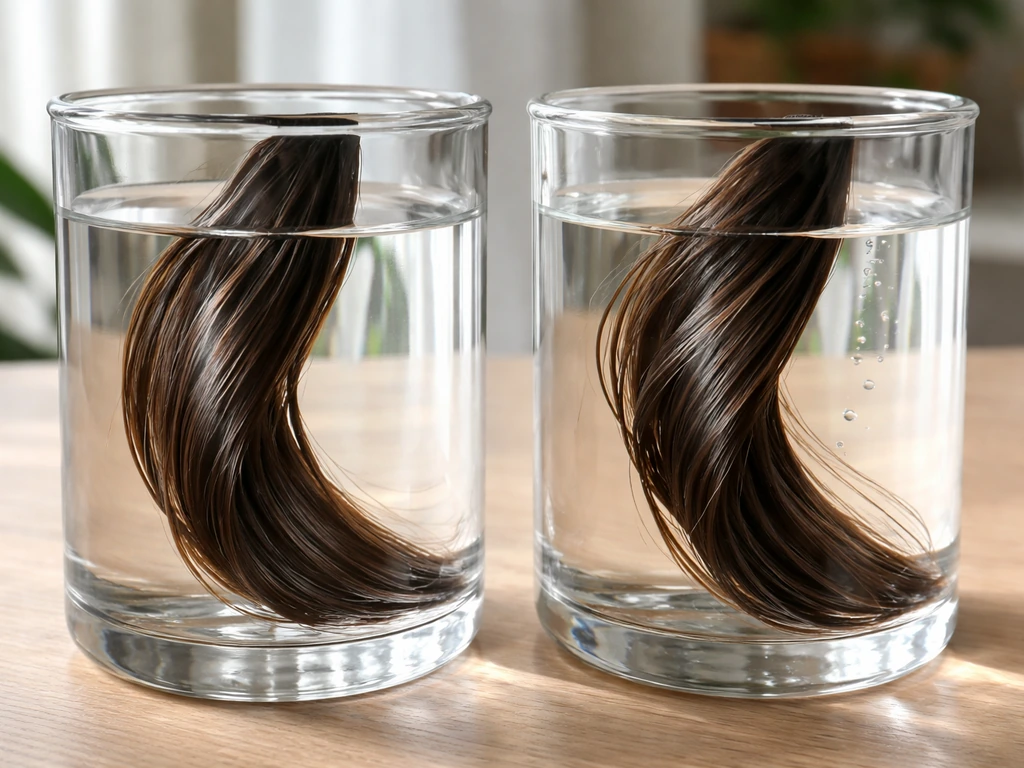
A simple way to check: take a wet strand of hair and gently stretch it. Healthy hair stretches about 30% of its length and springs back. No stretch means protein overload. Excessive stretch or mushing means too much moisture or not enough protein. Adjust your conditioning routine accordingly.
Other common mistakes
- Skipping shampooing before deep conditioning. Product and oil buildup blocks absorption. The AAD supports regular washing to remove built-up products without over-drying.
- Applying heavy conditioner to the scalp regularly. This can contribute to buildup that clogs follicles and creates an environment less favorable to healthy growth.
- Using heat tools on top of under-conditioned hair. Heat damage is cumulative and fast. If your hair is very dry, get the moisture in before applying heat.
- Expecting results in a few sessions. Consistent use over weeks is what builds genuine improvement in hair resilience and length retention.
- Neglecting to comb with a wide-tooth comb or using a fine-tooth comb on wet hair. This is one of the most direct causes of mechanical breakage.
Pairing deep conditioning with actual hair growth support
Deep conditioning is your breakage-reduction tool. If you want to also address hair growth at the follicle level, you need to layer in other strategies alongside it. Some of the best hair food to grow hair includes protein-rich options plus iron and omega-3 sources to support healthy follicles other strategies alongside it. The best products to thicken and grow hair often include follicle-targeting actives and breakage control, so results actually show up over time. Think of conditioner as one part of a wider routine. For the best hair routine to grow hair, focus on both breakage reduction and follicle support so you retain the length you are growing.
Scalp health
A clean, balanced scalp is the foundation. If you have seborrheic dermatitis or persistent dandruff, that inflammation can disrupt the environment around follicles. Ketoconazole shampoo (2%) has evidence for improving scaling, itching, and redness at around four weeks of use, but it can alter hair texture and cause dryness for some people, so if you're using it medically, pairing it with a good moisturizing deep conditioner on wash days makes sense. Deep conditioning the scalp directly every session isn't necessary or ideal for most people, but keeping the scalp clear of buildup and inflammation matters for the long-term environment your hair grows from.
Nutrition and supplements
Nutritional deficiencies, especially iron deficiency, are genuinely linked to increased shedding and disrupted hair cycling. But more isn't better when it comes to supplements. Research shows that over-supplementing selenium, vitamin A, and vitamin E has been associated with hair loss, not growth. If you're eating a reasonably balanced diet, targeted supplementation only makes sense if you have a confirmed deficiency. Getting bloodwork done is the right first step if you suspect nutrition is a factor.
Topical growth treatments
If you want to target actual follicle-level growth, minoxidil is the most evidence-backed topical available without a prescription. Minoxidil is often discussed as the best hair treatment to grow hair because it targets the follicle and can improve active growth timing. It works by extending the anagen (active growth) phase. Initial results can appear around eight weeks, with maximum effects around four months of consistent use. It's worth knowing that hair loss can briefly increase in the first couple of weeks after starting it, and results stop if you stop using it. Minoxidil works on a completely different mechanism than deep conditioning, so using both together isn't redundant. Your conditioner protects and retains the length, while minoxidil works on stimulating the follicle itself.
Your overall hair routine matters too. A consistent wash routine with the right shampoo for your scalp type, regular trimming to remove split ends, and protective styling choices all feed into how much length you actually retain. If you want to explore DIY, learning how to make shampoo that grow hair can help you focus on scalp support and reduce breakage with the right ingredients. If you're specifically trying to grow hair, choose the best shampoo to grow hair for men based on your scalp needs so your routine supports healthy shedding control. A good shampoo for your scalp type and wash routine can make deep conditioning work better by keeping your hair from getting weighed down or getting buildup right shampoo for your scalp type. Deep conditioning doesn't exist in a vacuum.
Safety, troubleshooting, and realistic timelines
Sensitive scalps and allergy risk
If you develop itching, burning, a rash, or redness after using a new deep conditioner, stop using it immediately and rinse thoroughly. Fragrance and preservatives like methylisothiazolinone are among the most common contact allergens in hair products. If reactions keep occurring across different products, patch testing by a dermatologist can identify specific triggers. The AAD notes patch testing is appropriate when rashes or itching persist and standard avoidance isn't working. To do a basic at-home check before committing to a full application, apply a small amount of the product to your inner arm for 24 to 48 hours before using it on your hair and scalp.
What realistic progress looks like
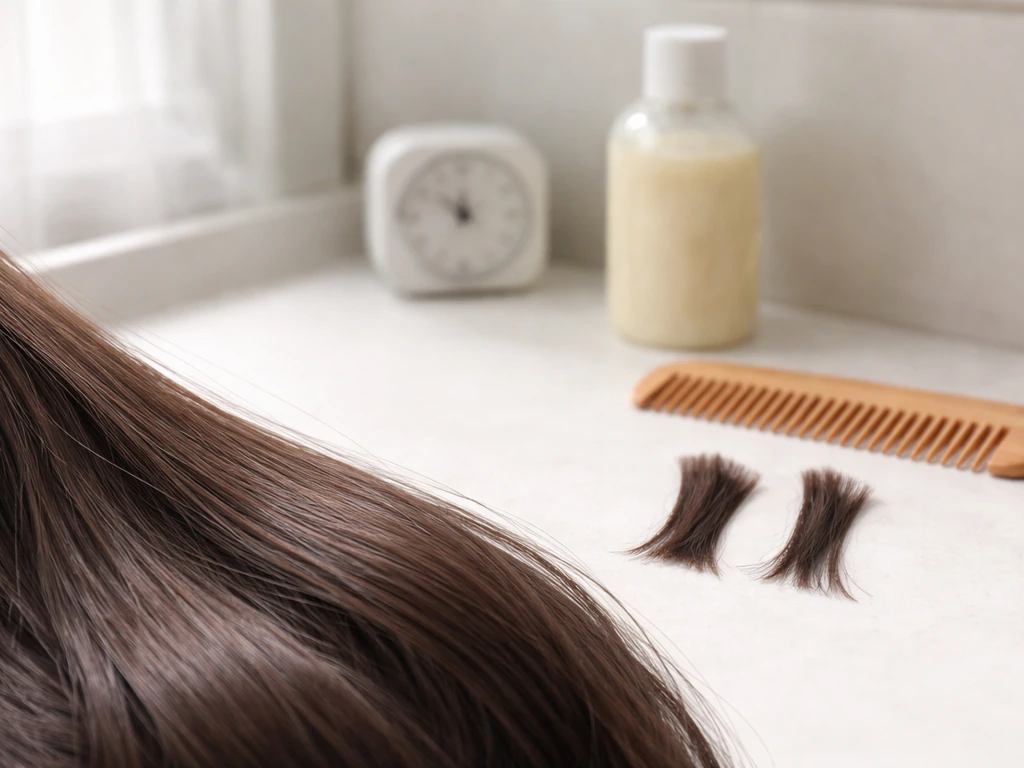
Hair grows roughly half an inch per month on average. Deep conditioning won't change that rate. What you should realistically notice over four to eight weeks of consistent deep conditioning is less breakage during detangling, smoother texture, fewer split ends, and hair that feels more elastic rather than brittle. Over three to six months, if breakage has been a significant factor, you may notice actual length retention that you weren't getting before. That's the real result, retained growth rather than accelerated growth.
If after two to three months of consistent deep conditioning, a good shampoo and scalp routine, and attention to nutrition you're still seeing significant shedding or thinning, that's when a dermatologist visit is genuinely worthwhile. Some causes of hair loss respond to specific medical treatments that no conditioner, no matter how good, will address.
When to troubleshoot your formula
If your deep conditioner isn't improving your hair's feel or resilience after four to six consistent uses, you likely have a formula mismatch, not a failure of deep conditioning in general. Revisit the hair type table above and consider whether you need more protein, less protein, a lighter formula, or a richer one. Also check whether buildup from silicones or heavy ingredients might be blocking your conditioner from actually working. A clarifying shampoo used once a month can reset things and let your next deep conditioning session actually penetrate.
FAQ
How can I tell if a deep conditioner is truly the “best deep conditioner to grow hair” for my hair type?
Look for a label that matches the limiting factor you identified, such as “moisture,” “bond repair,” or “protein,” then confirm it changes how your hair behaves during a stretch test (around 30 percent stretch with quick spring back). If your hair is snapping with little to no stretch, prioritize moisture plus occasional protein, rather than choosing a “growth” marketing claim.
Should I deep condition before using a blow dryer or flat iron to support hair growth?
Don’t condition immediately before a hot-tool session if your hair tends to get mushy, stretchy, or overly soft. For most people, deep condition on wash days, then let hair air-dry fully (or dry gently) before heat styling so the hair is less vulnerable to losing elasticity.
What should I do if my deep conditioner results get worse after a few weeks?
If your ends feel coated, tangly after detangling, or your hair gets dull, use a clarifying wash once monthly (or when buildup seems likely) and then return to your deep conditioner schedule. This helps if silicones, butters, or heavy proteins are preventing the next treatment from penetrating or actually restoring balance.
Is it okay to apply deep conditioner to my scalp to help hair grow faster?
Yes, but only in a limited way. For fine or straight hair, keep most product on mid-length to ends, and only lightly touch the root area if your scalp is dry. If you routinely apply it to the scalp, you may increase oiliness or flaking, which can undermine scalp health.
How does deep conditioning fit in if I have dandruff or seborrheic dermatitis?
If you have persistent scaling, itching, or redness, deep conditioning is supportive but should not replace a medical scalp plan. For seborrheic dermatitis, ketoconazole shampoo is often used on a schedule, and deep conditioning should be focused on the hair lengths to avoid making the scalp more irritated or dry from medicated shampoo.
How often should I use protein-based deep conditioner if my hair feels weak?
Protein needs vary, so start by using a moisturizing deep conditioner as your baseline and add protein only when your stretch test shows excessive elasticity or “mushy” breakage. A common mistake is stacking multiple protein-heavy products in the same week, which can lead to stiffness and breakage that looks like poor growth.
What are signs I should stop protein treatments even if I’m trying to grow my hair?
If a new deep conditioner helps for a while but eventually makes hair feel stiff, rough, or wire-like, reduce or stop protein treatments and switch to a moisturizing deep conditioner for several weeks. Keep track of whether the change happens after a specific product or after changing seasons, since humidity can affect how hair responds.
How long should I test a deep conditioner before deciding it doesn’t work for growth?
Try to keep deep conditioning sessions consistent for at least four to six uses before changing products, since the early wins are usually about reduced snapping and better detangling. If your conditioner never improves resilience or smoothness after that window, it’s more likely a formula mismatch (or buildup) than a failure of deep conditioning.
When should I stop relying on deep conditioning and see a dermatologist for hair loss?
A conditioner can reduce breakage, but if your hair loss is coming from the root (widely spaced shedding, thinning patterns, or patchy loss), you need a medical evaluation. Deep conditioning won’t correct the follicle or inflammatory drivers of real shedding.
Can the wrong deep conditioner actually make hair break more?
Yes. A mismatch like using heavy, moisturizing deep conditioner on already low-porosity hair can cause coating and poor detangling, while using too-light formulas on very dry, porous hair can leave ends under-treated. Use the stretch test and your detangling experience to decide whether you need richer moisture, more slip, or a different protein balance.
If I’m using minoxidil, how should I deep condition without interfering with it?
If you’re using minoxidil, deep conditioning can help your “retained length” goal, but don’t treat the scalp like it’s optional. Apply minoxidil as directed to the scalp (and let it dry), then deep condition only on hair lengths and ends to avoid diluting or disturbing the medication application.
Buying guide to grow hair longer with evidence-based serums, scalp care, conditioners and supplements to reduce breakage
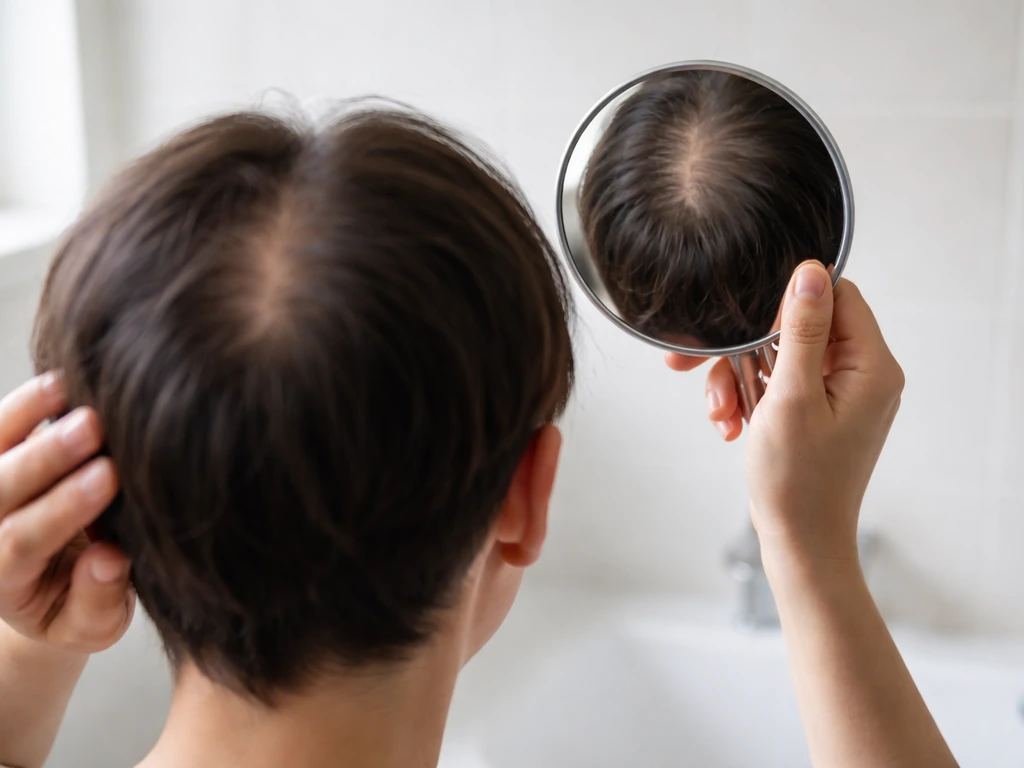
Evidence-based plan and best treatments for thinning: scalp care, topicals, nutrition, timeline and how to track regrowt
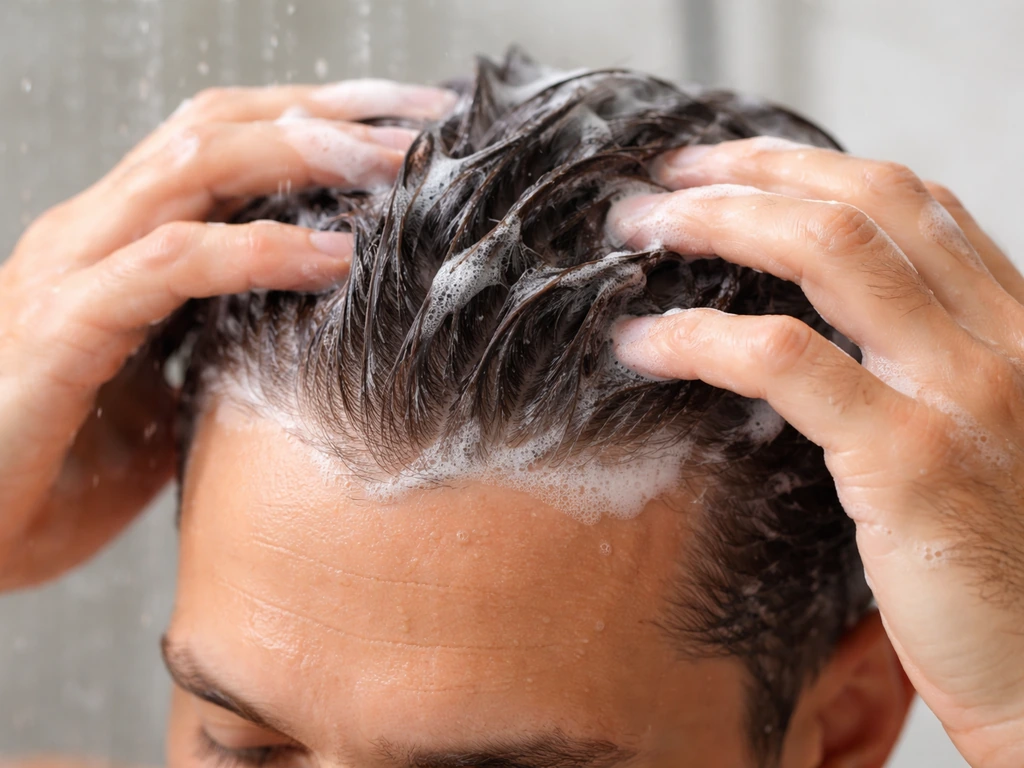
Evidence-based top men’s shampoos for less shedding and healthier scalp growth, with ingredient picks and routine tips.