
The best things to grow hair are not complicated, but they do require consistency and the right combination of approaches. At the top of the list: minoxidil for topical treatment, a diet rich in protein and key micronutrients, a regular scalp-care routine, and addressing whatever underlying issue is triggering your shedding in the first place. For an even more step-by-step plan, you can also review how to grow hair easily and match it to the right evidence-based routine for your specific hair-loss type. If you want a more targeted plan for a specific concern, you can also use this alongside how to grow hair f to help match the routine to your hair-loss pattern. No single product does everything on its own, and anyone who tells you otherwise is overselling. But if you stack the right evidence-backed habits and treatments together, you will almost certainly see meaningful improvement.
Best Things to Grow Hair: Evidence-Based Guide for Faster Regrowth

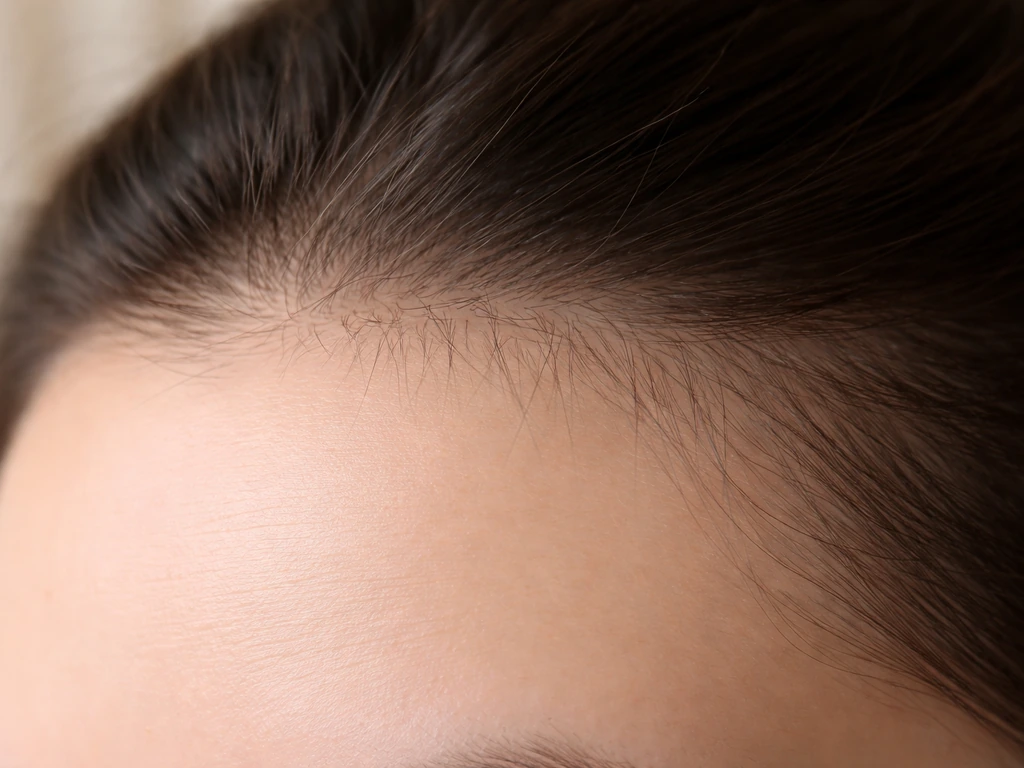
What actually works for hair growth (and what to skip)
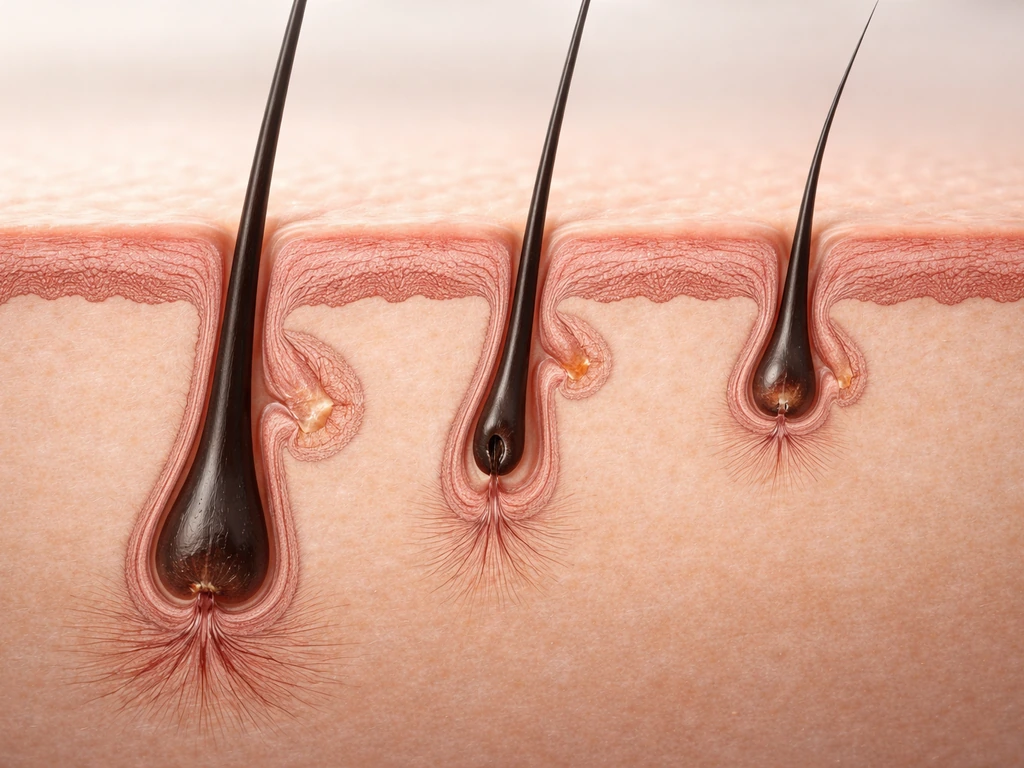
Hair growth happens in cycles. Each follicle goes through a growth phase (anagen), a transition phase (catagen), and a resting/shedding phase (telogen). Most effective hair-growth strategies either extend the growth phase, shorten the shedding phase, or remove whatever is stressing the follicle in the first place. That framing matters because it helps you understand why some products work and others are mostly wishful thinking.
The approaches with the strongest clinical evidence fall into a few clear categories: FDA-approved topical treatments, certain oral medications and supplements, nutrition strategies, and scalp care that keeps follicles healthy and unclogged. What does not work reliably: expensive keratin-boosting serums with no clinical data, most viral 'hair growth oil' trends without any science behind them, and aggressive brushing or scalp massage protocols performed so roughly they cause breakage instead of stimulation.
It also matters to know what type of hair loss you are dealing with. Androgenetic alopecia (the genetic kind) shows up as a receding hairline and crown thinning in men, and diffuse thinning at the part in women. Telogen effluvium is a temporary surge of shedding triggered by stress, illness, rapid weight loss, or hormonal shifts, and it typically resolves on its own within 6 to 8 months once the trigger is gone. Alopecia areata is an autoimmune condition causing patchy loss that can come and go. Each of these calls for a slightly different approach, which is why identifying the cause is step one.
Best topical treatments and scalp-care ingredients
Minoxidil: the most evidence-backed topical
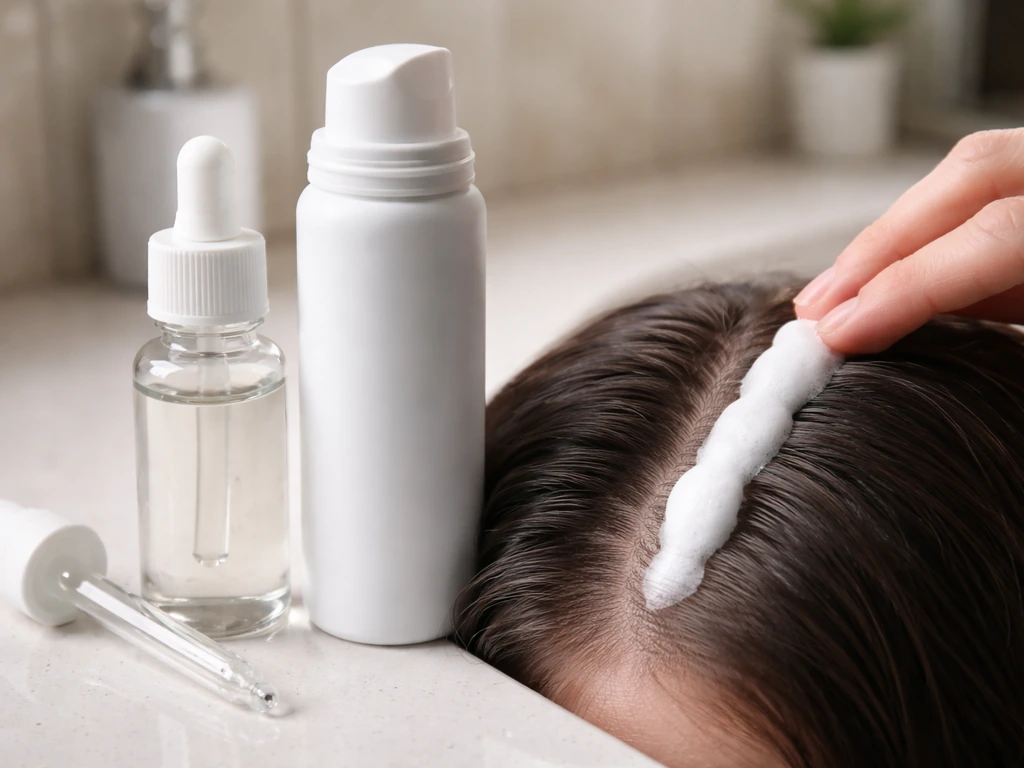
Minoxidil is the gold standard for over-the-counter topical hair growth. It is FDA-approved, available in 2% and 5% concentrations, and comes in liquid and foam formulas for both men and women. It works by widening blood vessels around the follicle, which prolongs the anagen (growth) phase and gets more follicles actively producing hair at once. The 5% formula tends to produce faster results but can cause more scalp irritation, especially for people with sensitive skin. Foam versions are generally better tolerated than the liquid because they do not contain propylene glycol, which is the main irritant in the liquid formula.
How to use it correctly: apply directly to a dry scalp (not to the length of the hair) once or twice daily, depending on the product instructions. Part your hair to expose the scalp, apply the foam or liquid to the thinning area, and massage gently for 30 to 60 seconds. Let it dry completely before styling or going to bed. The most common mistake is skipping applications or stopping the moment you see results. Minoxidil requires ongoing use because it does not fix the underlying cause of hair loss. If you stop, the hair it helped maintain will typically shed within 3 to 4 months.
Other clinically supported topical ingredients
Beyond minoxidil, a few other ingredients have legitimate support. Ketoconazole shampoo (1% OTC or 2% prescription) is primarily an antifungal but has shown in studies to reduce DHT-related inflammation at the scalp, making it a useful add-on for androgenetic alopecia. Using it two to three times a week as a leave-on treatment for two to three minutes before rinsing is a simple way to add it to your routine. Caffeine-based topicals have some early evidence suggesting they can block DHT at the scalp level, though the research is less robust than for minoxidil. Rosemary oil (particularly at 1 to 2% concentration) has a modest clinical study comparing it to 2% minoxidil over 6 months with similar results in terms of hair count, making it one of the more credible natural options.
Scalp care basics that make a real difference
Healthy follicles need a clean, well-circulated scalp environment. Washing regularly enough to prevent buildup is important because product residue and sebum can clog follicles. If your scalp is flaky or inflamed, treat that first: dandruff and seborrheic dermatitis create an environment that is hostile to healthy growth. Gentle scalp massage for 4 to 5 minutes daily (using your fingertips, not nails) has shown in small studies to increase hair thickness over time, likely by stretching follicle cells and improving circulation. It is one of the easiest, zero-cost habits to build into a shower routine.
Best oral options: nutrition and supplements that support growth
Food first

Hair is made almost entirely of a protein called keratin, which means your diet is foundational. If you are not eating enough protein, your body will deprioritize hair growth in favor of more critical functions. Aim for at least 0.7 to 1 gram of protein per pound of bodyweight daily through sources like eggs, poultry, fish, legumes, and Greek yogurt. Iron deficiency is one of the most common and overlooked causes of hair thinning, especially in women with heavy periods or anyone following a plant-based diet. Ferritin (stored iron) below 30 ng/mL is associated with hair shedding, even when standard hemoglobin levels look fine. Zinc, biotin, vitamin D, and omega-3 fatty acids also play supporting roles in follicle health.
Supplements worth considering
Supplements make the most difference when you have an actual deficiency. If your ferritin is low, iron supplementation can dramatically reduce shedding within a few months. If your vitamin D is low (below 30 ng/mL is considered deficient), correcting it supports the hair cycle because vitamin D receptors are expressed in follicles. Biotin is heavily marketed but will only help if you are genuinely deficient, which is rare in people eating a varied diet. A few formulations worth knowing about: Nutrafol and Viviscal are proprietary blends with clinical trial data supporting their use for women with thinning hair. They are not cheap, but they are among the better-evidenced supplement options compared to generic 'hair skin and nails' vitamins. Saw palmetto, taken orally or used topically, has some evidence for blocking 5-alpha-reductase (the enzyme that converts testosterone to DHT, the hormone that shrinks follicles in androgenetic alopecia).
| Supplement | Best for | Evidence level | Notes |
|---|---|---|---|
| Iron (ferritin correction) | Shedding due to deficiency | Strong when deficient | Test ferritin first; do not supplement without confirming low levels |
| Vitamin D | Deficiency-related thinning | Moderate | Widely deficient; test before supplementing |
| Biotin | Biotin deficiency | Weak for most people | Only helps if you are actually deficient; can interfere with lab tests |
| Nutrafol / Viviscal | Women with diffuse thinning | Moderate (proprietary trials) | Pricey but better evidenced than generic formulas |
| Saw palmetto | Androgenetic alopecia | Moderate | Works similarly to finasteride but milder; takes 3–6 months to show effect |
| Omega-3 fatty acids | Overall scalp health and thickness | Moderate | Found in fish oil and flaxseed; reduces inflammation |
Lifestyle and habit changes that reduce shedding and support thickness
Chronic stress is one of the most underrated drivers of hair loss. Elevated cortisol pushes follicles prematurely into the resting phase, leading to the type of diffuse shedding seen in telogen effluvium. If you have been through a stressful period, illness, surgery, crash diet, or hormonal shift in the last 3 to 6 months and are now noticing heavy shedding, that timing is not a coincidence. Managing stress through exercise, sleep, and whatever recovery practices work for you is not fluffy advice. It directly affects how much hair you keep.
Sleep matters more than most people realize. Growth hormone, which supports cell turnover including in follicles, is primarily released during deep sleep. Consistently poor sleep creates a hormonal environment that is not conducive to growth. Aim for 7 to 9 hours per night and treat it as part of your hair routine, not separate from it.
Heat styling, tight hairstyles, and chemical processing all cause mechanical and structural damage to hair. This does not necessarily prevent growth at the root, but it causes breakage that makes your hair look and feel thinner. Reducing heat styling frequency, using a heat protectant spray, and avoiding very tight ponytails or braids (which can cause traction alopecia over time) are habits that preserve the length and density you are working to grow.
- Wash hair with lukewarm water, not hot, to avoid stripping protective oils from the scalp
- Use a wide-tooth comb or detangling brush on wet hair to minimize breakage
- Sleep on a silk or satin pillowcase to reduce friction-related breakage overnight
- Limit tight hairstyles that pull on the hairline and edges
- If you smoke, know that smoking reduces blood circulation to the scalp and is linked to earlier onset of androgenetic alopecia
- Stay hydrated: dehydration affects the health of the scalp and follicle environment
How long until you see results, and when to adjust
Patience is genuinely the hardest part of any hair growth plan, but the biology is straightforward: a new hair follicle takes roughly 3 to 6 months to grow a visible hair from scratch. This is why nearly every legitimate treatment, from minoxidil to oral supplements, tells you to give it at least 3 to 6 months before evaluating whether it is working. The early signs of progress are often not dramatic length gains but subtler: a reduction in the amount of hair you see in the shower drain, baby hairs along the hairline, or improved texture and thickness at the scalp.
Telogen effluvium specifically tends to peak around 3 to 4 months after the triggering event, then gradually improve. Many cases fully resolve within 6 to 8 months without any treatment beyond addressing the root cause. If you are in the middle of a TE shed, the most important thing is to treat it as temporary, support your body with good nutrition, and avoid piling on aggressive treatments that stress an already-irritated scalp.
For androgenetic alopecia, results with minoxidil are usually noticeable at the 4 to 6 month mark. It is very common to experience a temporary increase in shedding in the first 2 to 6 weeks of starting minoxidil as resting hairs are pushed out to make way for new growth. This is normal and not a reason to stop. If you reach 6 months with zero improvement and full consistent use, that is the right time to reassess, either by talking to a dermatologist about adding a DHT blocker or exploring other options.
Safety, side effects, and when to see a dermatologist
Most topical treatments are well tolerated, but a few things are worth knowing. Minoxidil can cause scalp irritation, dryness, or contact dermatitis, especially in the liquid form. If your scalp becomes red, itchy, or flaky after starting it, switch to the foam formula and see if that helps. Unwanted facial hair growth is a real side effect for some women using 5% minoxidil, which is why 2% is often recommended as the starting point for women. Oral minoxidil (a low-dose prescription version at 0.625 to 2.5 mg daily) is increasingly prescribed by dermatologists for diffuse thinning and tends to cause fewer scalp reactions, though it comes with its own side effects like fluid retention and increased body hair.
Iron supplements should not be taken without confirming a deficiency through bloodwork first. Too much iron is harmful. Similarly, very high doses of vitamin A (common in some multi-supplements) can actually cause hair loss rather than prevent it. Read labels and stick to doses within recommended ranges unless a doctor has told you otherwise.
See a dermatologist if: your shedding is sudden and severe (losing handfuls rather than the normal 50 to 100 hairs per day), you notice bald patches or an irregular loss pattern, your scalp is itchy, scaly, or painful, or you have been consistently applying treatments for 6 months with no response. Alopecia areata, for example, is an autoimmune condition that can be treated with intralesional corticosteroids, topical corticosteroids, or oral corticosteroids depending on the extent of the loss, and it also warrants monitoring for other autoimmune conditions. A dermatologist can confirm the type of hair loss you have with a scalp exam or biopsy, run the bloodwork that actually matters (ferritin, thyroid, vitamin D, hormones), and give you access to prescription options that are simply not available over the counter.
If you are building your plan today, start simple: clean up your diet and protein intake, introduce minoxidil if androgenetic alopecia is your main concern, add a gentle scalp massage routine, and get basic bloodwork done to rule out deficiencies. If you are wondering what to grow your hair, the most effective starting point is building a consistent plan based on your hair-loss type and the fundamentals covered here. If you are wondering how to grow hair early, the best approach is to focus on the fundamentals that support the hair cycle and address the cause of shedding. If your goal is how to grow big hair, focus on boosting density at the scalp while protecting your existing strands from breakage what to grow your hair. That combination, done consistently over 6 months, gives you the clearest picture of what your hair is capable of and what else, if anything, you might need. If your goal is how to grow big hair, focus on boosting density at the scalp while protecting your existing strands from breakage what to grow your hair how to grow hard to grow hair.
FAQ
How long does it take to know the best things to grow hair are actually working?
Use a minimum 3 to 6 month checkpoint for most treatments, but also track earlier signals like less shedding in the shower and more baby hairs. For androgenetic alopecia on minoxidil, reassess at 4 to 6 months, and expect a temporary shed increase during the first 2 to 6 weeks.
What should I do if my shedding gets worse after starting minoxidil?
A short-term shed increase can be normal as hairs shift out of the resting phase. Keep going for at least 6 to 8 weeks before judging, and only stop earlier if you develop significant rash, swelling, or severe irritation.
Can I use minoxidil on my hairline and part, or only on the thinning area?
Apply it to the scalp where you see thinning, not onto the hair length. If you apply only along the hairline while the issue is crown thinning, you can miss part of the affected follicle zones.
What if minoxidil irritates my scalp or causes itching?
Switch from liquid to foam (liquid often has higher irritation due to propylene glycol), apply to a completely dry scalp, and avoid scratching irritated areas. If redness, burning, or crusting persists, pause and see a dermatologist rather than pushing through.
Is there a safe way to combine ketoconazole shampoo with minoxidil?
Yes, but separate timing helps. Use ketoconazole 2 to 3 times weekly and let it sit briefly on the scalp, then apply minoxidil on dry skin at other times. This reduces the chance that shampoo residue or irritation will interfere with minoxidil use.
Do I need to stop other supplements or treatments when I start minoxidil?
Not necessarily, but avoid doubling up blindly. If you are unsure, start with minoxidil plus nutrition and one targeted add-on, then introduce other changes one at a time so you can tell what actually helps.
How do I know if my hair loss is telogen effluvium versus androgenetic alopecia?
Telogen effluvium often follows a clear trigger 3 to 6 months earlier (illness, surgery, crash dieting, major stress) and shows diffuse shedding. Androgenetic alopecia tends to follow a more patterned thinning over time (crown and hairline in men, part widening in women), and it usually lacks a single recent trigger.
If I suspect iron deficiency, what tests matter most?
Ask for ferritin, thyroid testing, vitamin D, and a full blood count as appropriate. Ferritin is specifically tied to shedding even when hemoglobin looks normal, and testing prevents harmful over-supplementation.
Should I take iron, vitamin D, or biotin just in case I want the best things to grow hair?
Only iron should be taken based on confirmed deficiency. Vitamin D can also be targeted using bloodwork. Biotin helps mainly when you are truly deficient, and it can interfere with some lab tests, so tell your clinician if you use high-dose biotin.
Is rosemary oil a good alternative to minoxidil?
It can be a reasonable complementary option, especially if you want a “natural” route, but it is not a replacement with the same strength of evidence as minoxidil. If your goal is maximum regrowth potential for androgenetic alopecia, minoxidil usually stays the foundation.
How often should I wash my scalp if I’m trying to grow hair?
Wash often enough to prevent buildup and keep the scalp calm. If dandruff or seborrheic dermatitis is present, treat that first since a chronically inflamed scalp can blunt progress, regardless of how good your other habits are.
Does scalp massage help, and can I overdo it?
Gentle fingertip massage for 4 to 5 minutes daily may support thickness in small studies, but aggressive scrubbing or rough rubbing can cause breakage and irritation. Stop if you notice increased redness, tenderness, or more shedding from trauma.
Will biotin or “hair skin and nails” products speed up growth if I’m not deficient?
Usually not. Hair supplements tend to help only when they correct a real deficiency, which is why targeted bloodwork often beats generic formulas for measurable change.
What happens if I stop the treatments after my hair improves?
Many gains can be temporary if the underlying driver is still active. With minoxidil, the helped-maintained hairs often shed within about 3 to 4 months after stopping, so plan for either ongoing maintenance or a clinician-guided transition.
When should I see a dermatologist for the best things to grow hair plan?
Seek care for sudden severe shedding, bald patches, painful or scaly scalp, or no improvement after 6 months of consistent treatment. Also see a dermatologist sooner if you suspect alopecia areata, since it may require steroid-based therapies and monitoring for other autoimmune issues.
Can hair-loss treatments cause new facial hair growth or other side effects?
Yes, especially with higher-strength minoxidil in some women. If you notice unwanted facial hair with 5% minoxidil, switching to 2% or considering oral options through a clinician can reduce that risk.
What should I do if my hair looks thinner but my scalp is not shedding?
That pattern can be more about breakage and styling damage than follicle loss. Reduce heat and tight hairstyles, use heat protectant, and consider whether mechanical thinning is masking ongoing growth at the root.
Step by step plan to grow big hair by boosting density, thickness, and length while reducing breakage and thinning.
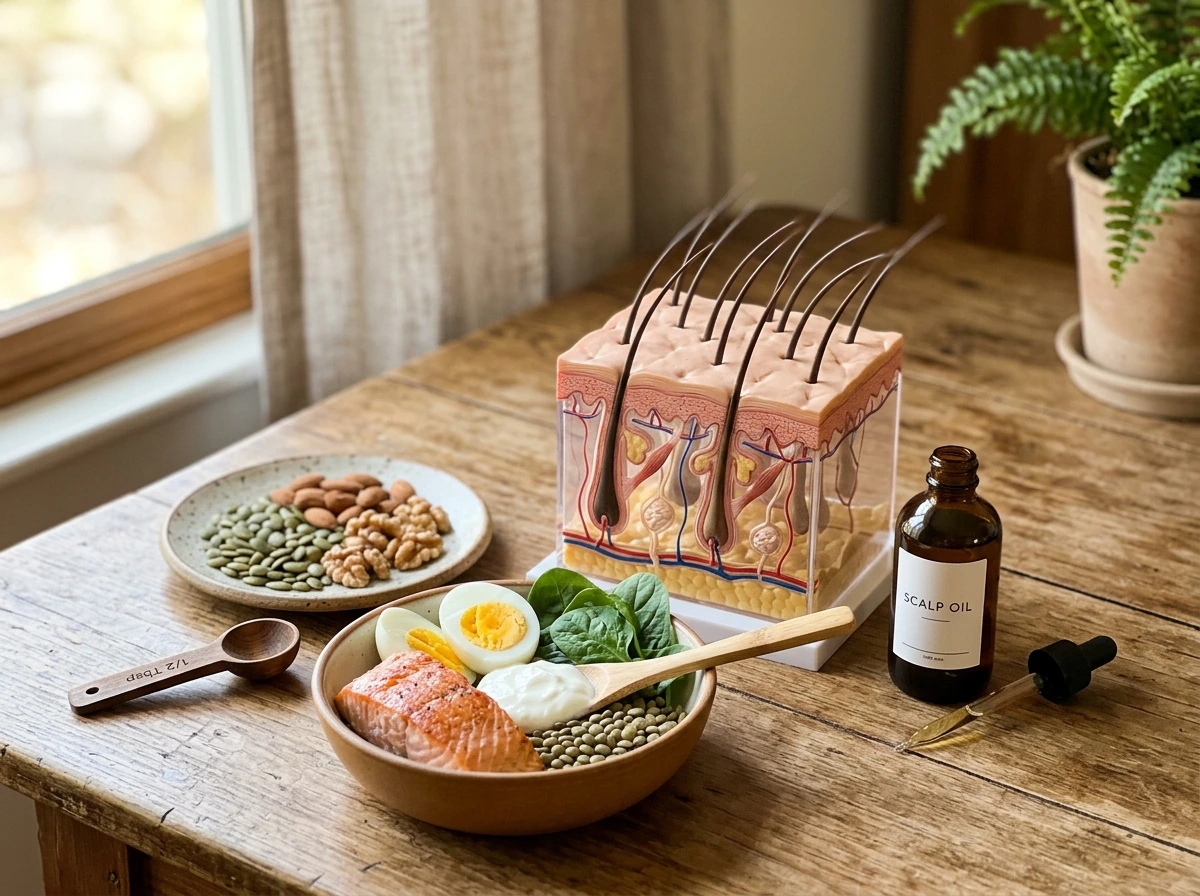
Foods and scalp care plan for growing hair and regrowth, with key nutrients, what to avoid, and a realistic timeline.
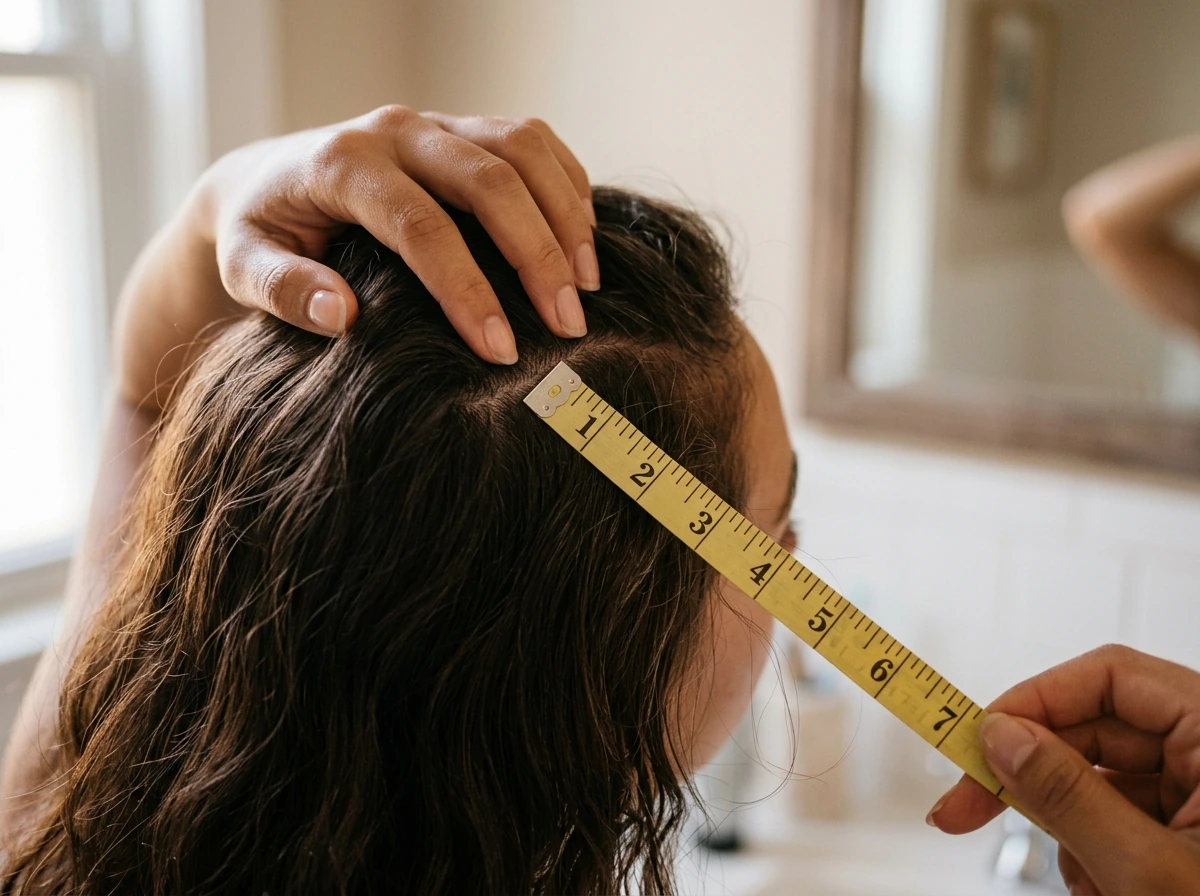
Step-by-step routine to grow hair longer and thicker, improve regrowth, reduce breakage, and know labs, timelines, and c