
your hair longer, thicker, or back after shedding But the honest truth is that there is no single magic product or routine that works for everyone, because the cause of your hair struggles matters as much as the solution. This guide walks you through exactly how hair grows, how to figure out what is actually happening on your scalp, and what to do about it in the right order. Follow the steps in sequence and you will have a clear, practical plan by the time you finish reading.
Hair How to Grow: Step by Step Plan for Longer, Fuller Growth

Marcus Holloway
24 Mar 2026
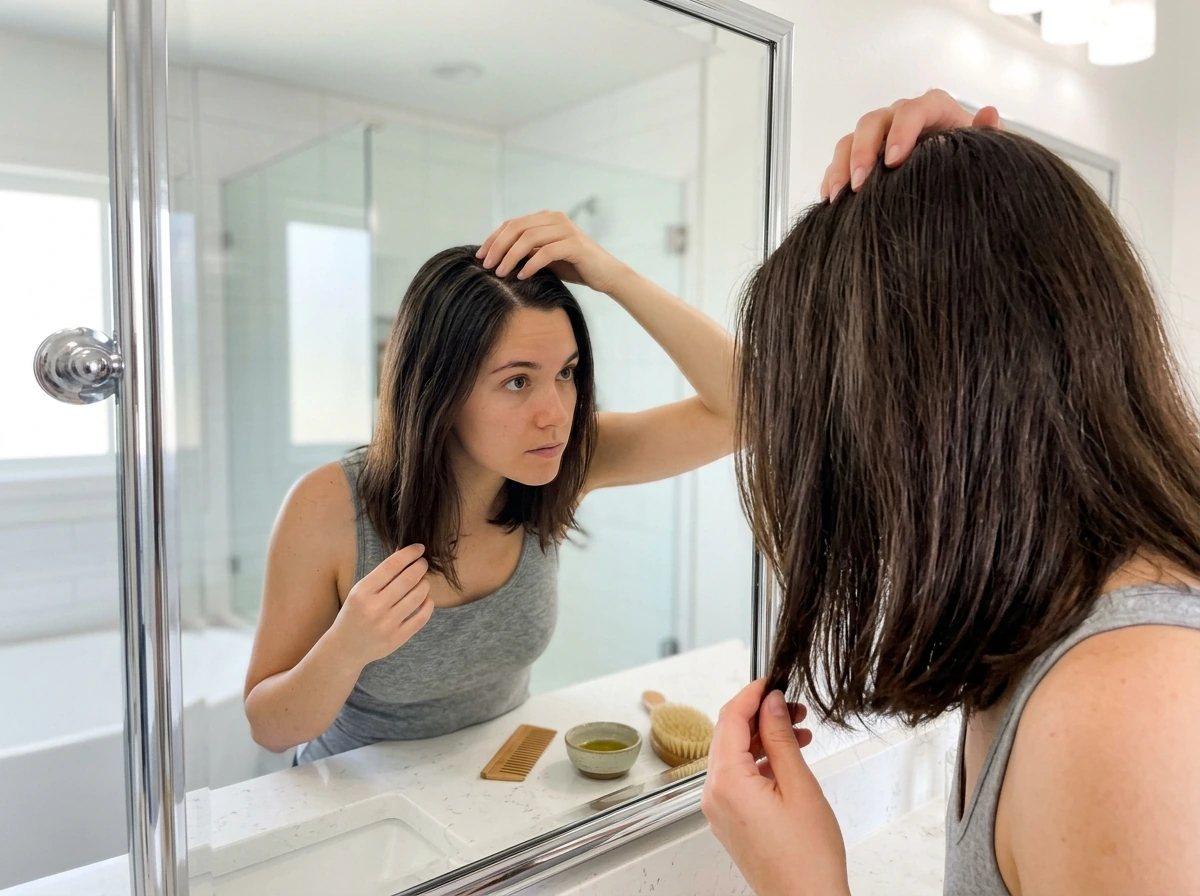
How hair growth actually works
Every strand of hair goes through a predictable cycle, and understanding it saves you from a lot of wasted money and panic. The cycle has three main phases: anagen (active growth), catagen (transition), and telogen (resting and shedding). At any given moment on a healthy scalp, roughly 80 to 85 percent of your follicles are in anagen, about 2 percent are in catagen, and 10 to 15 percent are in telogen. That telogen phase is why you shed hair every day, and why daily shedding is completely normal.
You have probably heard that losing up to 100 hairs a day is normal. The American Academy of Dermatology puts the typical range at 50 to 100 strands per day, though researchers have pointed out that this number is hard to verify because counting hairs in real life is not practical. The important takeaway is not the exact number but the pattern. A little hair in the shower drain or on your brush is expected. A dramatic increase over several weeks, or clumps of hair falling out, is worth investigating.
The anagen phase is the one you want to support and extend. This is when your follicle is actively producing the hair shaft, and it can last anywhere from two to seven years depending on genetics, age, and overall health. After that, the follicle rests for roughly two to four months before shedding the hair and restarting the cycle. Almost everything in this guide is aimed at either keeping follicles in anagen longer or removing the things that disrupt that cycle prematurely.
Diagnose the real problem first
Before you buy anything or start a new routine, spend a few minutes figuring out which category your hair situation actually falls into. The fix for breakage is completely different from the fix for shedding, and treating the wrong problem wastes time and money. Here are the four main patterns and how to tell them apart.
Breakage vs. true shedding
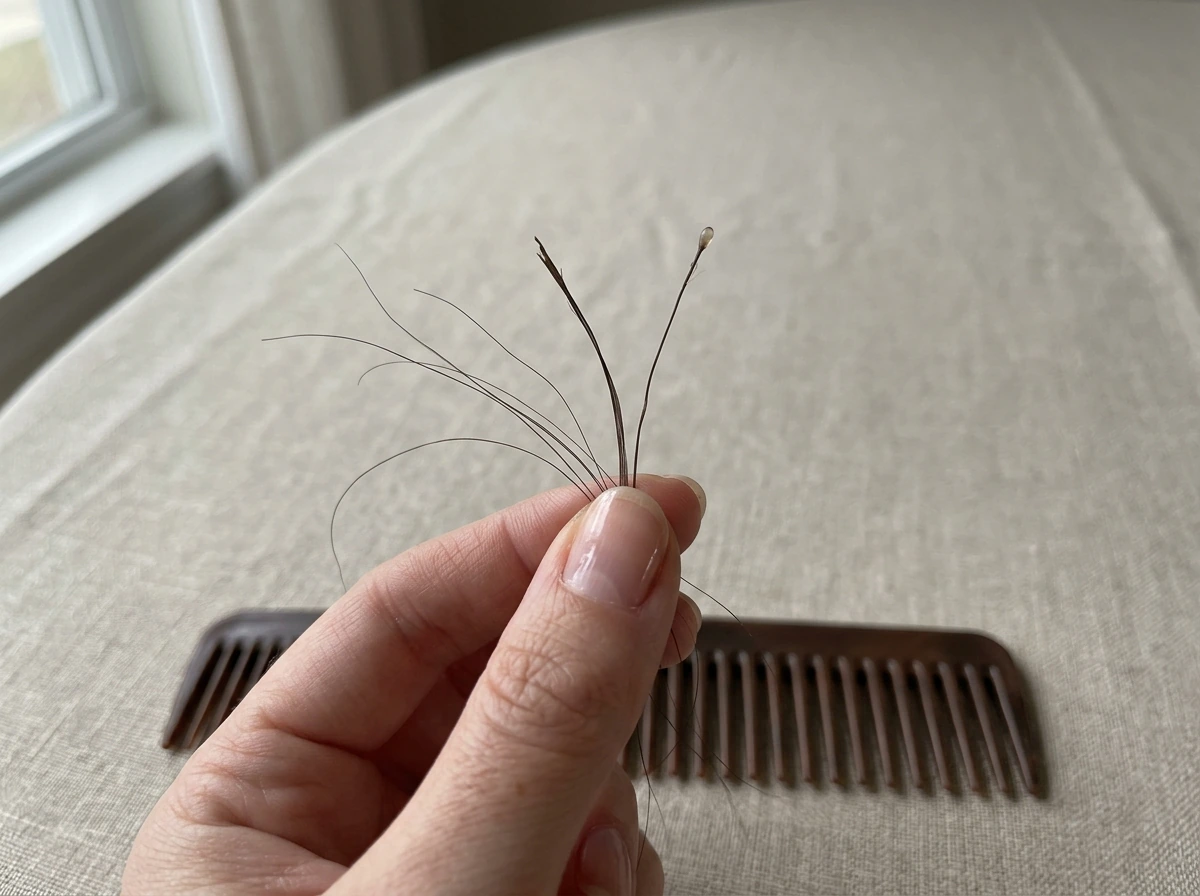
Pull a few fallen hairs out of your brush and look at the end. A hair that fell from the root will have a small white or translucent bulb at one end. A broken hair will have a tapered or uneven end with no bulb. If most of the hairs you are losing have no bulb, breakage is your main issue, and your focus should be on strengthening your strands and reducing mechanical damage rather than stimulating the scalp. If you are seeing bulbs consistently, you are dealing with true shedding.
Telogen effluvium (stress or illness-related shedding)
Telogen effluvium is the term for a sudden, diffuse increase in shedding triggered by a physiological or emotional stressor. The tricky part is the delay: shedding typically begins two to three months after the trigger, not immediately. So if you had a illness, surgery, gave birth, went through a major emotional event, or lost significant weight, and you are now noticing a lot more hair in your shower, that timeline lines up with telogen effluvium. The good news is that acute telogen effluvium (lasting less than six months) usually resolves on its own once the trigger is addressed and your body stabilizes. Your job is to support regrowth rather than try to stop a shedding process that is already on its way out.
Androgenetic thinning (pattern hair loss)
If your hair is thinning gradually over months to years, specifically at the crown or temples in men or along the part line in women, androgenetic alopecia is the most likely cause. This is driven by hormones and genetics, and it does not resolve on its own. It responds well to specific interventions (more on those below), but the earlier you address it, the more options you have. This is the one type of hair loss where professional evaluation makes the biggest difference.
Wanting to grow longer or fuller hair without a loss problem
Some people reading this do not have a hair loss problem at all. They just want their hair to grow faster or reach a new length goal. If you want to grow hair as a woman specifically, the same fundamentals apply, but it helps to tailor the plan to common female hair-loss patterns. If that is you, your scalp health is likely fine, and your main focus should be protecting length through minimizing breakage, optimizing nutrition, and being patient with the biology, especially if you are trying to figure out how to grow hair for wedding timelines. Hair grows roughly half an inch per month on average, which means gaining six inches takes around a year regardless of what you put on your scalp.
Build a scalp care routine that supports growth
Your scalp is the soil your hair grows from. If it is inflamed, clogged, overly dry, or dealing with chronic dandruff, hair growth is compromised even if everything else in your routine is perfect. A solid scalp care routine does not have to be complicated.
Cleansing frequency
Wash your scalp often enough to prevent buildup of sebum, dead skin cells, and product residue. For most people this means every two to four days. If you have fine hair or an oily scalp, washing every one to two days is fine and will not cause hair loss. For coarser or drier hair types, once or twice a week works better. The goal is a clean, non-irritated scalp. Skipping washes does not make your hair grow faster.
Scalp massage
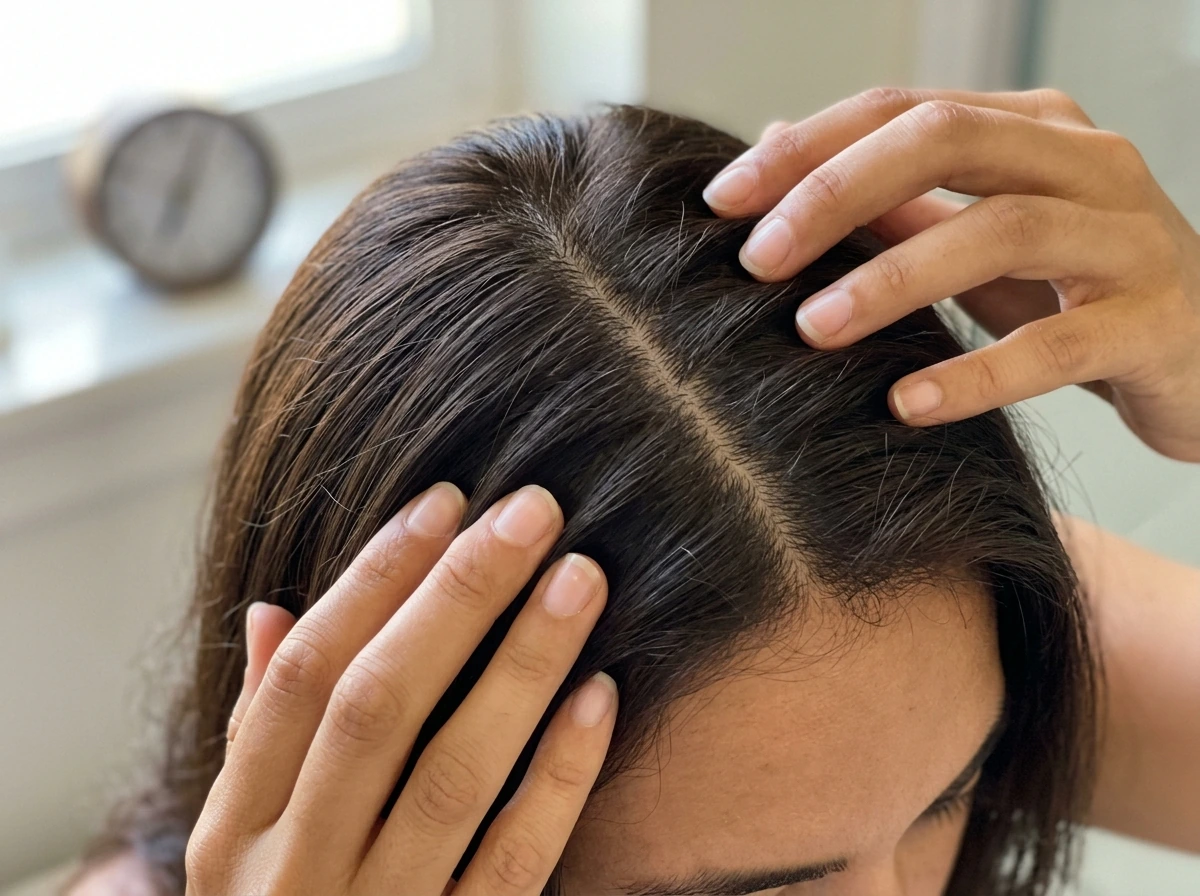
Scalp massage is one of the simplest, free things you can do to support growth. Research has shown that consistent massage (around four minutes daily) can increase hair thickness over time, likely by improving blood flow to the follicle and creating a mild mechanical stretch that stimulates cells. Use your fingertips, not your nails, in small circular motions across the whole scalp. You can do this during your shampoo or while dry. It is not a cure-all, but it costs nothing and helps.
Addressing dandruff and scalp inflammation
Dandruff, seborrheic dermatitis, and scalp psoriasis all create an inflammatory environment that can interfere with healthy hair growth. If you have persistent flaking, redness, or an itchy scalp, use a medicated shampoo containing zinc pyrithione, ketoconazole, or selenium sulfide two to three times per week until symptoms improve, then maintain with once-weekly use. Do not ignore scalp conditions thinking they are cosmetic. Chronic inflammation at the follicle level is not good for growth.
Exfoliation and buildup
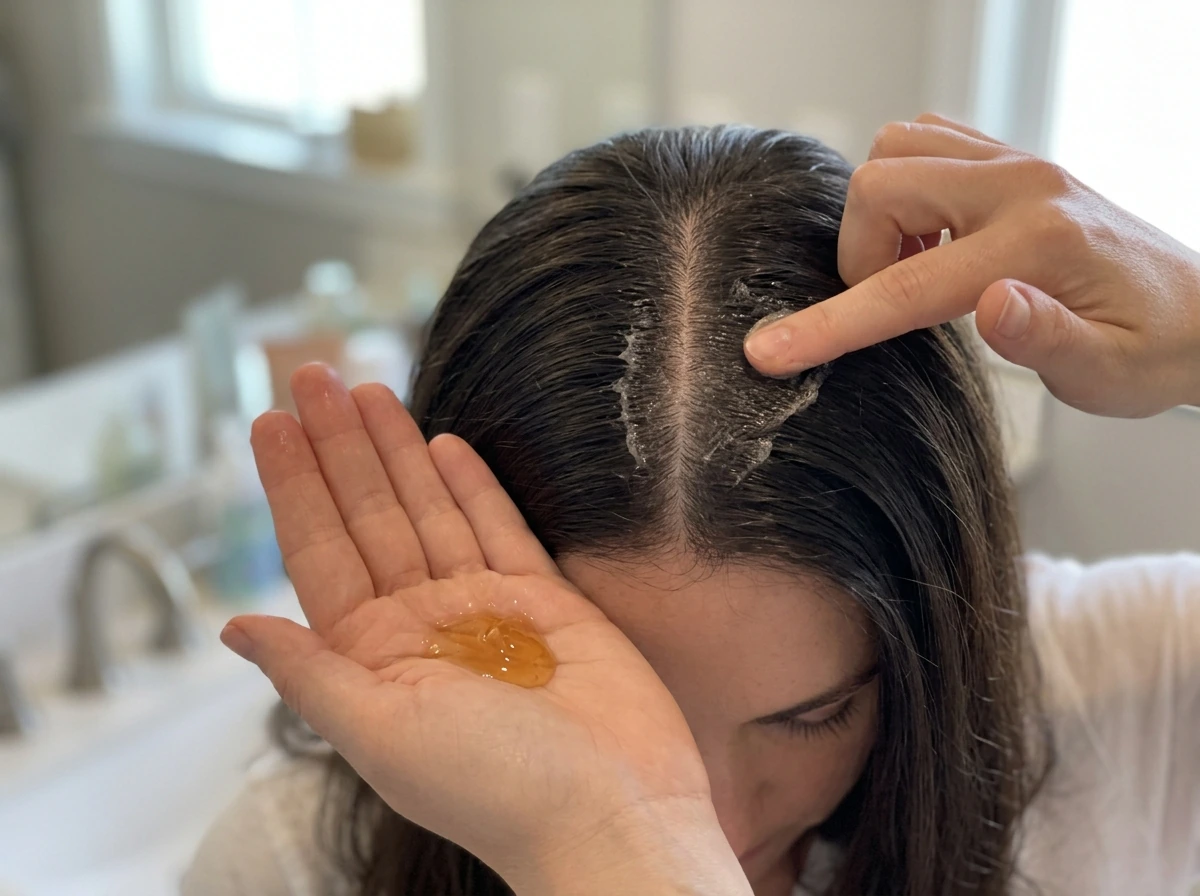
If you use heavy styling products, dry shampoo often, or notice visible buildup on your scalp, a scalp scrub or a clarifying shampoo once or twice a month is a good addition. You do not need to over-exfoliate, but keeping follicle openings clear helps topical treatments absorb and scalp health overall.
Nutrition and supplements that can actually help
Hair is made primarily of keratin, a protein, and follicles are some of the most metabolically active cells in your body. That means they are sensitive to nutritional deficiencies. When your body is under-resourced, it prioritizes vital organs over hair, which is one of the main reasons significant shedding follows illness, crash dieting, or prolonged stress.
Dietary foundations

Adequate protein intake is non-negotiable. Most adults should aim for at least 0.7 to 1 gram of protein per pound of body weight if they are trying to support hair growth. Good sources include eggs, legumes, fish, poultry, Greek yogurt, and lentils. Iron-rich foods matter too, especially for women with heavy periods. Fatty fish, walnuts, and flaxseeds provide omega-3s that support scalp health. Leafy greens, seeds, and whole grains contribute zinc, selenium, and B vitamins that the follicle uses in the growth cycle.
When to consider supplements
Supplements help when you have an actual deficiency or insufficiency. Throwing money at biotin or collagen without knowing your baseline levels may not do anything meaningful. The nutrients most commonly linked to hair shedding when deficient are iron (specifically ferritin), vitamin D, zinc, and sometimes B12 in people who avoid animal products. Before starting a supplement routine, ask your doctor for a blood panel that includes these markers. If your ferritin is low (below 30 to 40 ng/mL is often flagged in the hair loss literature), correcting it can make a noticeable difference in shedding.
Biotin is heavily marketed but is only likely to help if you are genuinely deficient, which is rare. Saw palmetto has some evidence for androgenetic alopecia. Collagen supplements provide amino acids that support keratin production. Nutrafol and similar blends contain adaptogens, antioxidants, and botanical extracts that some people find helpful, though the evidence is still limited. If you decide to try supplements, give them at least three to four months before evaluating, and do not layer on too many at once.
Topical treatments and natural remedies
This is where a lot of people start, and also where a lot of money gets wasted on things that do not have solid evidence. Here is a practical breakdown of what works, what might help, and how to use each approach correctly.
| Treatment | Best For | How to Use | Evidence Level |
|---|---|---|---|
| Minoxidil (2% or 5%) | Androgenetic alopecia, chronic shedding | Apply to dry scalp once or twice daily; takes 3 to 6 months to see results | Strong (FDA-approved) |
| Ketoconazole shampoo | Scalp inflammation, dandruff, androgenetic alopecia support | Use 2 to 3x per week, leave on 3 to 5 minutes before rinsing | Moderate |
| Rosemary oil | Mild androgenetic thinning, scalp circulation | Dilute in a carrier oil (2 to 3 drops per tablespoon), massage into scalp, leave 30+ minutes or overnight | Emerging (comparable to 2% minoxidil in one study) |
| Castor oil | Breakage, scalp moisture, hair thickness perception | Apply to scalp and lengths, leave 1 to 2 hours or overnight, wash out thoroughly | Anecdotal/limited |
| Peppermint oil | Scalp stimulation, circulation | Dilute well (1 drop per tablespoon carrier oil), massage into scalp 20 to 30 minutes before washing | Promising (animal studies) |
| Platelet-rich plasma (PRP) | Androgenetic alopecia, chronic telogen effluvium | In-office procedure, series of 3 to 4 sessions | Moderate to strong |
| Low-level laser therapy (LLLT) | Androgenetic alopecia, post-shedding regrowth | FDA-cleared devices used per manufacturer schedule (typically 3x per week) | Moderate |
If you are dealing with androgenetic thinning and want the most evidence-backed starting point, minoxidil is the first thing to try. It is available over the counter, works for both men and women (the 2% formulation is typically recommended for women, 5% for men, though doctors increasingly recommend 5% for women too), and has decades of safety data. The catch is that it requires consistent, ongoing use. If you stop, any hair gained tends to shed again within a few months.
For natural remedies, rosemary oil is the most scientifically interesting option right now. One well-cited study compared it directly to 2% minoxidil and found similar results at six months. Always dilute essential oils in a carrier like jojoba, coconut, or almond oil before applying to your scalp. Undiluted essential oils can cause irritation or contact dermatitis. Apply to the scalp (not just the hair lengths), massage gently, and leave on for at least 30 minutes. Many people find leaving oils on overnight with a shower cap and washing out in the morning works well.
Daily habits that protect your length and prevent breakage
Even perfect scalp health and nutrition cannot overcome hair that breaks off faster than it grows. Length retention is how most people actually achieve visibly longer hair, and it comes down to how you handle your strands day to day.
Detangling the right way
Always detangle from ends to roots, not roots to ends. Start at the bottom of the shaft, work out the knots, then gradually move upward. Use a wide-tooth comb or a detangling brush, especially when your hair is wet and more fragile. Apply a leave-in conditioner or detangling spray before combing if your hair is prone to tangling. Forcing a comb through dry, knotted hair is one of the most common causes of breakage.
Protective styling
Styles that tuck your ends away and minimize daily manipulation reduce breakage significantly. Loose braids, twists, buns, and similar styles work well. If you want the best hair style to grow hair, focus on protective styles that tuck ends away and minimize daily manipulation to reduce breakage. For more detail on which specific styles help retain length, the guide on what hairstyles grow your hair goes deeper on this topic. If a style hurts, it is too tight. For more detail on which specific styles help retain length, the guide on what hairstyles grow your hair goes deeper on this topic.
Heat and chemical processing
Heat styling does not stop hair growth at the root, but it does cause breakage along the shaft, which means your hair appears to stay the same length despite growing. If you use heat, always apply a heat protectant first, keep temperatures at or below 350 to 375 degrees Fahrenheit for most hair types, and try to air-dry at least a few days per week. Relaxers, bleach, and permanent color weaken the hair shaft, so if you are in an active growth phase and want to retain length, minimize overlapping chemical processes and prioritize protein treatments.
Nighttime protection
Cotton pillowcases create friction that causes frizz and breakage overnight, especially for curly or textured hair. Switch to a silk or satin pillowcase, or wrap your hair in a satin or silk scarf or bonnet at night. This one change alone can make a noticeable difference in how much breakage you see over a few weeks.
Trimming strategically
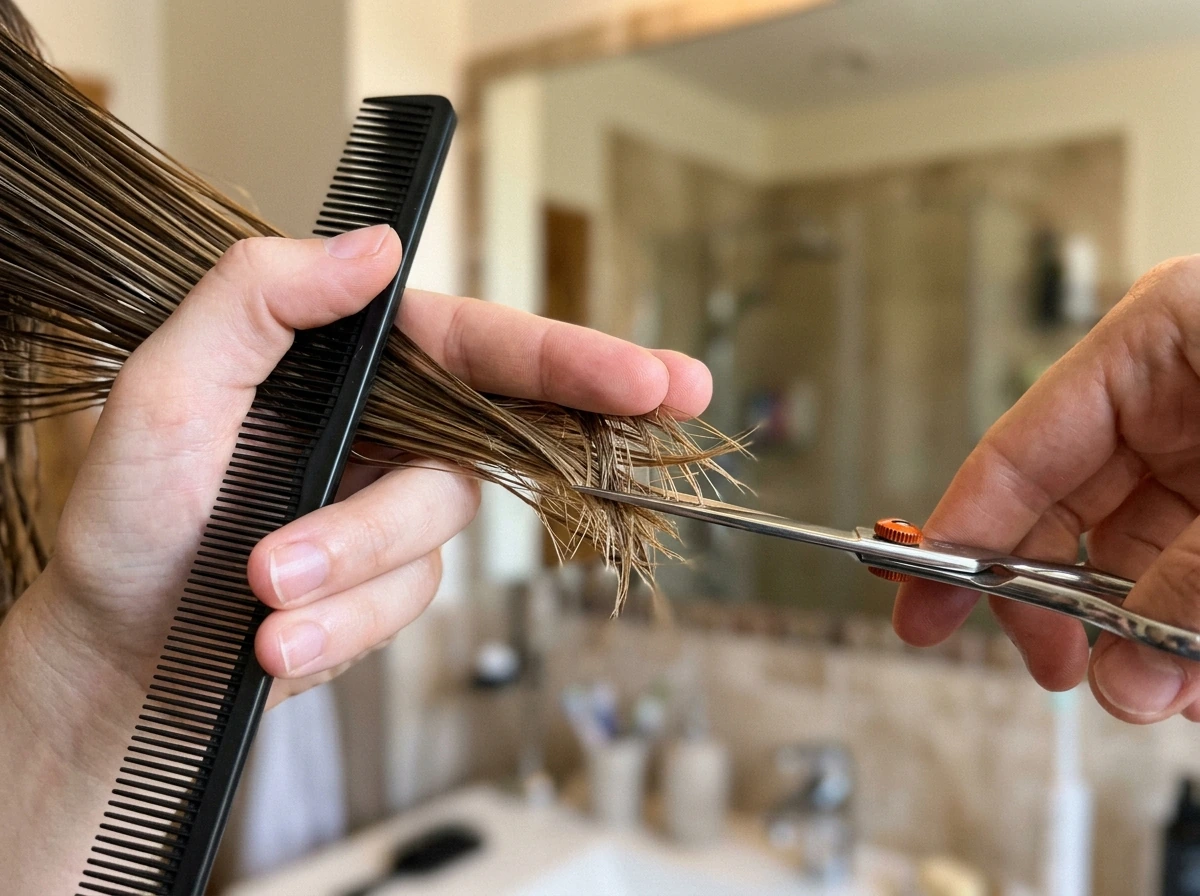
Trimming does not make hair grow faster, but it does remove split ends that travel up the shaft and cause further breakage. If you have significant split ends, a small trim every two to three months prevents them from becoming a bigger problem. If your hair is in good shape, you can stretch trims to every four to six months without issue.
What to expect and when to get professional help
Patience is genuinely part of the process here. Hair grows about half an inch per month on average, and changes in shedding and scalp health take weeks to show up in the strands you can see, because the follicle changes happen below the surface first. Here is a realistic timeline to set your expectations.
| Timeframe | What You Can Expect |
|---|---|
| Weeks 1 to 4 | Scalp health improves, less irritation or flaking, reduced breakage from better habits |
| Months 1 to 3 | Shedding may normalize if triggered by a correctable cause (nutrition, stress) |
| Months 3 to 6 | Visible baby hairs or regrowth along hairline; noticeable reduction in shedding with minoxidil or treatment |
| Months 6 to 12 | Meaningful length gain (around 3 to 6 inches); fuller appearance if regrowth is happening |
| 12+ months | Full evaluation of a growth or regrowth protocol; most treatments need at least this long for complete assessment |
Track your progress concretely
Take a photo of your scalp or hairline every four weeks under the same lighting. Measure a specific section of your hair (for example, from root to tip at the crown) monthly. These reference points help you see progress that day-to-day looking in the mirror might not reveal. Hair growth is slow enough that you will genuinely not notice week to week without a comparison.
When to see a dermatologist or trichologist
See a professional if: your shedding is dramatic and has lasted more than six months with no known trigger, you notice bald patches or sudden localized hair loss, your hairline or part has significantly changed over the past year, you have tried a consistent routine for three to four months with no improvement, or you suspect a hormonal issue (thyroid disorders, PCOS, and other hormonal imbalances all affect hair). A dermatologist can do a scalp biopsy, pull test, or order labs that give you a much clearer picture than guessing at home. Getting a diagnosis is not admitting defeat. It is just the smarter next step when self-care is not enough.
The bottom line is this: grow your hair by understanding what is actually happening, fixing the real problem (not a generic one), protecting the length you already have, and giving it enough time to work. Most people who stay consistent and patient for six to twelve months see real, meaningful results. Start with the diagnosis, build the foundation habits, and layer in treatments from there.
FAQ
How can I tell whether my “hair fall” is shedding from the root or breakage along the shaft?
If you see more hairs falling out but they have a white bulb at the end, that usually points to shedding rather than breakage. To decide which approach to start, check whether you also have shorter broken pieces and frizz at the ends, which suggests breakage. If you are unsure, take both photos (scalp/hairline and ends) and keep track for 3 to 4 weeks instead of changing everything at once.
Will washing my scalp too often stop my hair from growing?
Yes, but it is a common tradeoff. Shampooing more often generally helps remove oil and buildup, it does not inherently “slow growth.” If you feel like you are washing too much, switch to a gentle cleanser, avoid harsh scrubbing, and focus on scalp comfort. If you have dandruff or seborrheic dermatitis, medicated shampoos can be used on a schedule even if you wash frequently.
Does trimming help hair grow faster, or is it just for appearances?
Not really. Trimming mainly helps prevent split ends from traveling upward and causing more breakage. A practical approach is to trim once when you notice a lot of splitting (for many people every 2 to 3 months), then move to longer intervals once your ends look healthy (often every 4 to 6 months).
How long before minoxidil results, and should I panic if I shed more at first?
Minoxidil, and many other treatments, require time and consistency. A realistic expectation is that shedding can increase early for some people, then improvement shows up gradually over months rather than weeks. The key is not to stop after a short “bad week” and to give it at least 4 to 6 months before judging results (and longer for visible density changes).
If I stop a hair supplement or a scalp treatment, will the gains last?
If you stop supplements or minoxidil, the body often returns toward its prior state. For nutrition, the benefit typically depends on staying above deficiency levels, so if your diet does not support iron, vitamin D, zinc, or protein, shedding may creep back. The article’s 3 to 4 month evaluation window is also useful for diet changes.
Should I treat my hair like breakage, shedding, or pattern thinning, and how do I choose?
It depends on what your hair loss pattern is. If you have pattern thinning (crown, temples, or part line changes), you likely need targeted treatment for androgenetic alopecia, and lifestyle alone may not stop it. If shedding is sudden and diffuse after a trigger, addressing the trigger plus nutrition and scalp inflammation usually matters more than guessing with multiple products.
What should I do first if I have dandruff and also want faster hair growth?
If you are trying to grow hair but you have active dandruff, you may “see” less progress because inflammation can affect the follicle environment. A useful strategy is to control scalp symptoms first (medicated shampoo on schedule), then keep the rest of your routine simple so you can tell what is working. Once symptoms are controlled, maintain with less frequent use.
Can heat styling still be compatible with hair growth goals?
Yes, but it should be used carefully. If you are using heat, a heat protectant helps reduce shaft damage, keep your tool settings moderate (the article suggests most people do best at about 350 to 375°F), and limit how often you apply high heat. On days you style less, air-drying or lower-heat options can protect length retention.
When should I ask for labs instead of trying supplements on my own?
Blood tests are most helpful when you match them to your situation. If shedding is diffuse after illness, rapid weight loss, heavy periods, or fatigue, asking a clinician about ferritin (iron stores), vitamin D, zinc, and sometimes B12 is more practical than testing randomly. The caveat is that results should be interpreted in context, especially because inflammation can skew some markers.
What is the safest way to add a new product without wasting money or causing irritation?
If you start a new treatment, avoid piling on multiple changes in the same week, especially new oils, new medicated shampoos, and new supplements. A simple experiment is to change one variable every 3 to 4 weeks, track shedding and end breakage, and adjust based on pattern. This prevents “trial and error” from becoming unmanageable or irritating your scalp.
What’s the most reliable way to track hair growth month to month?
A helpful rule is to measure progress in stable sections and with consistent lighting, since week-to-week changes are subtle. If you trim or change hairstyles often, measurement can be misleading. Choose one reference section (like crown root-to-tip) and check monthly, then compare photos at the same time interval.
When is it time to stop DIY and see a dermatologist?
If shedding lasts beyond 6 months without a clear trigger, or if you notice bald patches, sudden localized loss, or a rapidly shifting hairline, the article recommends seeing a dermatologist. Getting evaluated sooner is especially important if you also have symptoms like scalp burning or intense itching, or if you suspect hormonal issues such as thyroid disorders or PCOS.
Next Articles
How to Grow Hair for a Wedding: Fast Plan in Weeks
Fast, realistic plan to grow wedding hair in weeks with scalp care, nutrition, breakage prevention, and trackable steps.
Best Hair Styles to Grow Hair: Protect Growth and Length
Best hair styles to grow hair by protecting strands, reducing breakage, easing scalp irritation, and supporting length g
How to Let Your Hair Grow Out Female: Step-by-Step
Step-by-step routine to grow hair longer naturally for women: reduce breakage, care scalp, protect styles, and set timel