
If you searched 'how to grow hair style,' you're probably picturing a specific look you want to reach, and wondering why your hair isn't getting there fast enough. That's exactly what this guide addresses. Growing your hair out to hit a target hairstyle isn't just about waiting. It's about figuring out what's actually slowing you down, fixing it, and protecting every inch of length you gain along the way.
How to Grow Hair Style: A Step-by-Step Plan

Marcus Holloway
24 Mar 2026
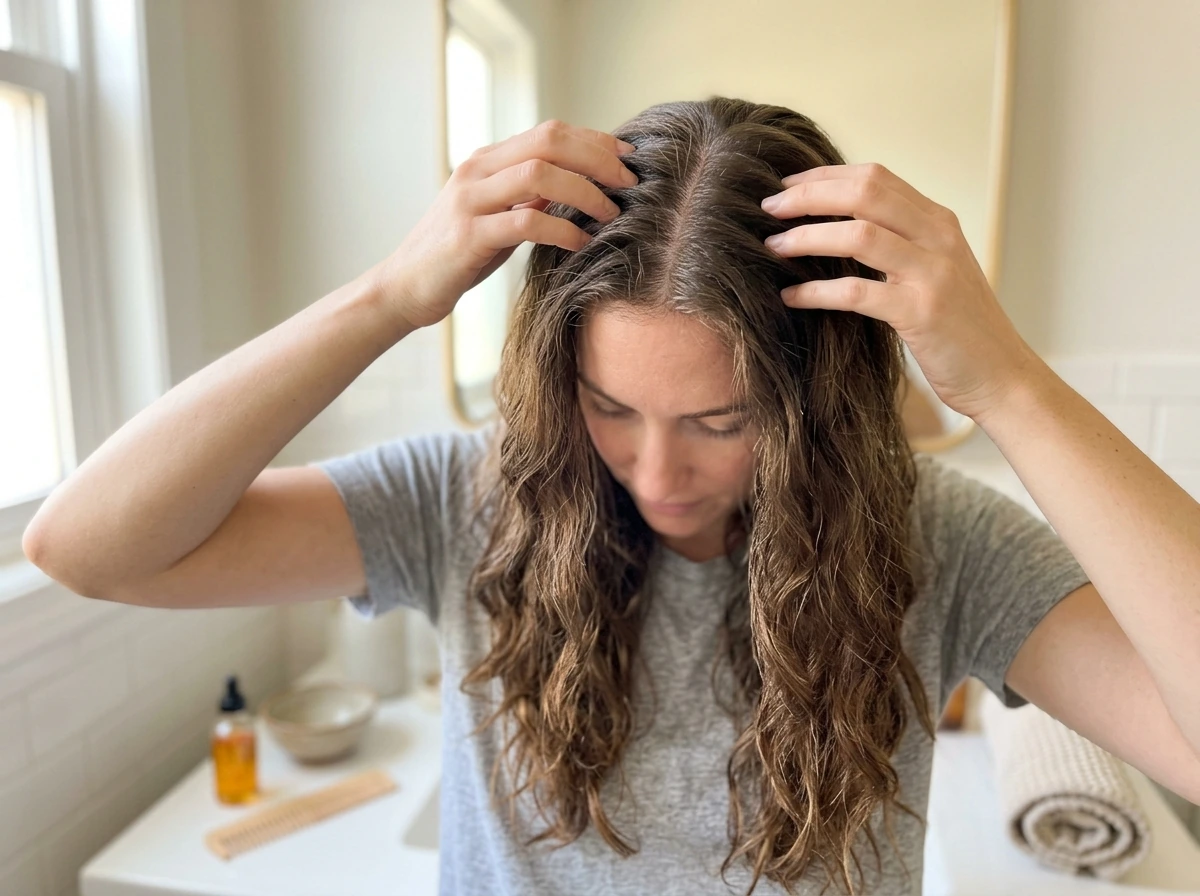
First, clarify what you're actually trying to do
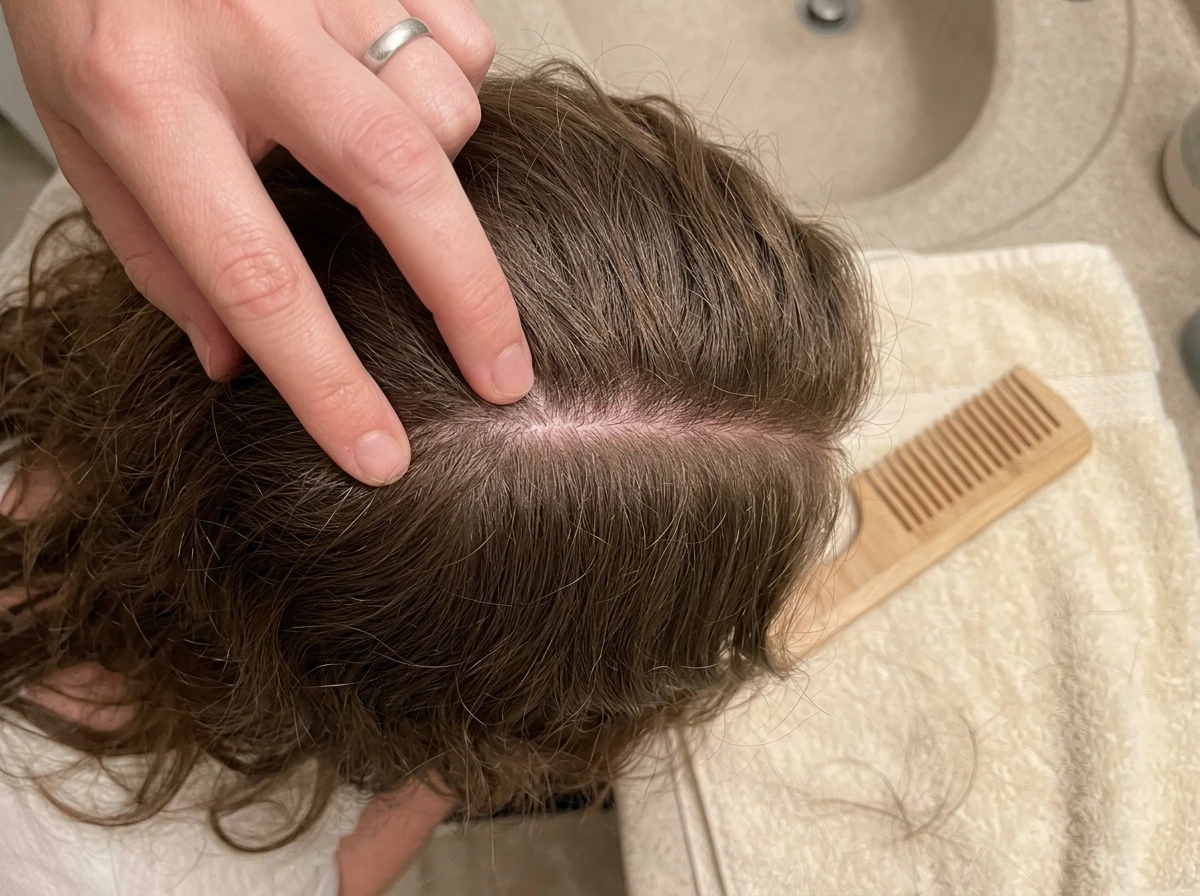
There's a meaningful difference between growing hair and growing into a hairstyle. Growing hair means increasing the total length coming out of your scalp. Growing into a hairstyle means retaining that length long enough to shape it the way you want. Both goals require the same foundation, but the barriers are different depending on where you're stuck.
If your hair seems to grow to a certain length and then stop, you're likely dealing with a retention problem, meaning breakage is eating up your growth before you can see it. If your hair is visibly thinner than it used to be or shedding heavily, that's a different issue entirely, one rooted in the hair growth cycle itself. And if you're starting from a very short cut and just want a longer style, then you mainly need to understand realistic timelines and avoid the habits that slow progress. Knowing which situation you're in changes everything about how you approach this.
Why your hair might not be growing the way you expect
Scalp hair grows in cycles. The active growth phase, called anagen, typically lasts two to eight years. The resting phase, called telogen, lasts about two to four months before the hair sheds naturally and a new one takes its place. This cycle means that at any given time, roughly 85 to 90 percent of your hair is actively growing, while the rest is preparing to shed. That's normal.
Problems arise when something disrupts that cycle. The three main reasons hair doesn't reach the length you want are shedding, breakage, and thinning. They look similar on the surface but have different causes and solutions.
Shedding: when the root is the issue
Excess shedding usually means more hairs than normal are leaving the growth phase and entering telogen early. A common version of this is telogen effluvium, where a physical or emotional stressor like illness, surgery, dramatic weight loss, childbirth, or extreme stress pushes a large batch of hairs into resting phase all at once. The catch: you don't see the shed until two to three months after the trigger, which makes it confusing to trace. The good news is that acute telogen effluvium typically resolves within six months of the triggering event, and most people see new growth coming in once the shedding window closes. If you're losing more than about 100 hairs per day consistently, that's worth paying attention to.
Breakage: when the strand is the issue
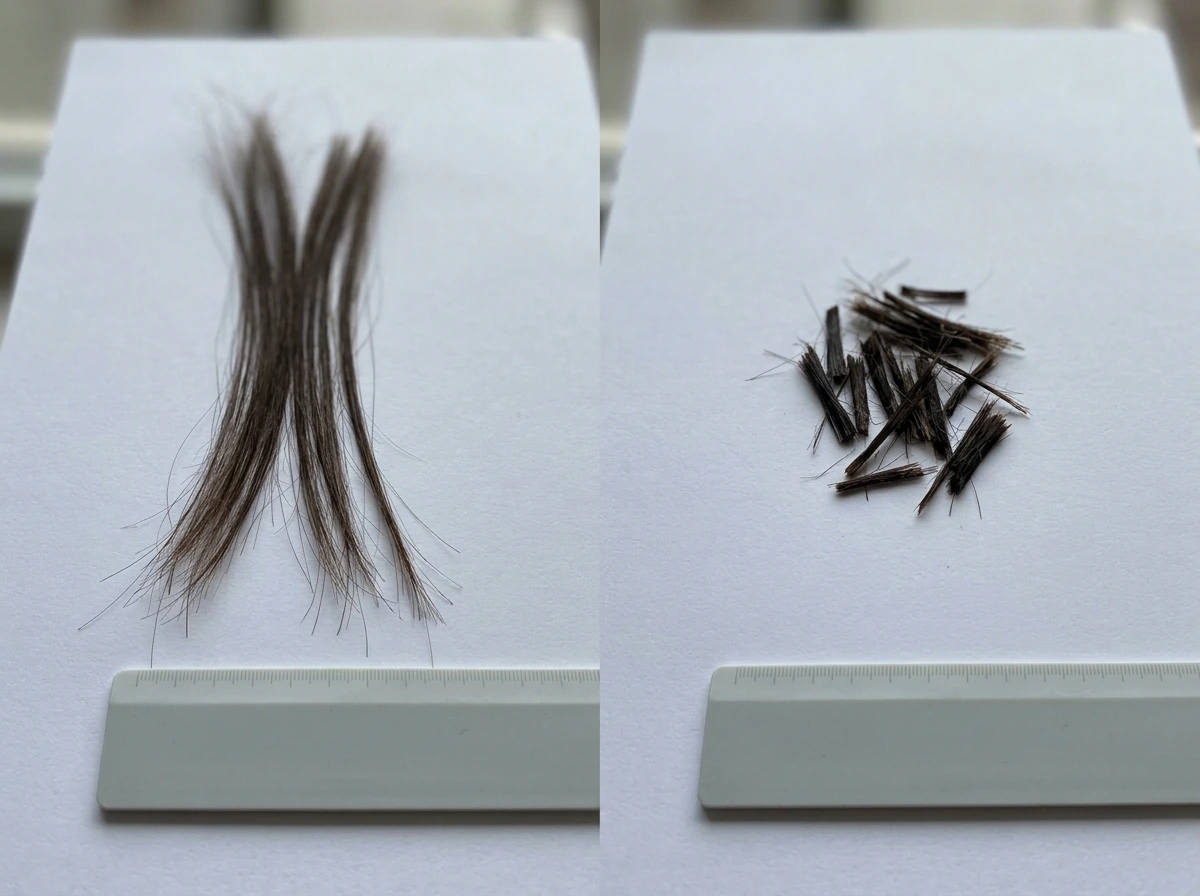
Breakage happens mid-shaft, not at the root. If you find short, snapped pieces of hair rather than full strands with a small white bulb at the end, breakage is your main problem. Heat damage, chemical processing, tight hairstyles, rough handling, and dryness all cause this. Your scalp might be growing hair perfectly well, but the strands are snapping off before they get long enough to style.
Thinning: when density is the issue
Thinning, particularly the gradual kind associated with androgenetic alopecia (pattern hair loss), means fewer follicles are producing full-sized hairs over time. This is different from shedding. The follicles are still there but are producing progressively finer, shorter hairs with each cycle. This type responds well to early intervention with clinically supported treatments, which we'll cover in detail below.
Build a scalp care routine that actually supports growth
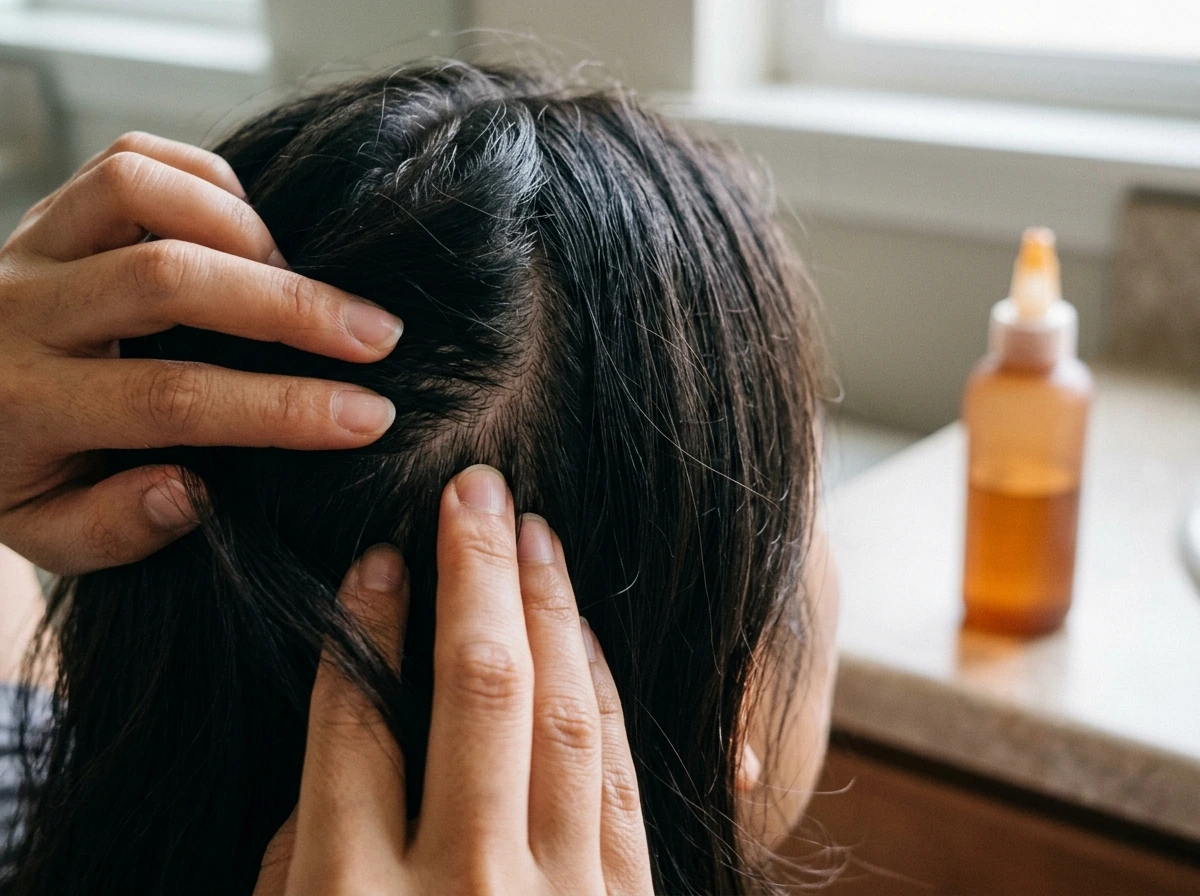
Your scalp is where hair growth begins, and a healthy scalp environment matters more than most people realize. Buildup, inflammation, and poor circulation can all interfere with the follicle's ability to produce strong hair. A simple, consistent routine does the job without overcomplicating things.
How often to wash
Washing frequency should match your hair type and scalp condition. There's no single right answer, but leaving too much time between washes allows sebum, sweat, and product buildup to accumulate, which can clog follicles and worsen scalp conditions like seborrheic dermatitis. hair how to grow As a general guideline: oily scalps do well with washing every one to two days, normal scalps every two to three days, and drier or coarser hair types can often go three to four days or more. What matters is that your scalp feels clean and not irritated, not that you follow a rigid schedule. how to grow hair women. best hair style to grow hair
Gentle cleansing and scalp exfoliation
Use a sulfate-free or low-sulfate shampoo if your scalp tends toward dryness or if you have textured hair. Massage the shampoo into your scalp with your fingertips (not your nails) using gentle circular motions for a few minutes. This light massage improves blood circulation to the follicles while cleaning effectively. Once a week or so, a scalp scrub or exfoliating scalp treatment helps remove buildup that regular shampoo can miss. If you're dealing with flaking, itching, or visible dandruff, a ketoconazole shampoo (available in 1% over-the-counter versions or 2% prescription strength) twice a week for a few weeks can significantly reduce scalp inflammation linked to seborrheic dermatitis, which left untreated can stress follicles.
Moisturizing and sealing
After washing, the scalp and hair shaft both need moisture to stay healthy. For fine to medium hair, a lightweight leave-in conditioner is usually enough. For coarser or curlier textures that lose moisture more easily, a layered approach works better: apply a water-based leave-in, then seal with a cream or light oil (like jojoba or grapeseed) to lock it in. Keeping your strands moisturized is one of the most direct ways to prevent breakage, especially if you're in the early stages of growing out a style.
Nutrition that actually feeds your follicles

Hair follicles are among the most metabolically active cells in the body, which means they're highly sensitive to nutritional deficiencies. You don't need a complicated supplement stack, but you do need to cover the basics consistently.
Protein: the non-negotiable foundation
Hair is made of keratin, a protein. If you're not eating enough protein, your body deprioritizes hair growth to protect more essential functions. General guidance for healthy adults puts minimum protein needs at around 0.8 grams per kilogram of body weight per day, roughly 50 to 60 grams daily for many adults, but if you're very active or recovering from illness, you likely need more. Consistent daily protein from sources like eggs, chicken, fish, legumes, Greek yogurt, or tofu is the single most important dietary move for hair health.
Key nutrients to watch
Beyond protein, certain deficiencies show up repeatedly in people dealing with hair shedding. Research has found associations between telogen effluvium and low levels of ferritin (stored iron), vitamin D, B12, folate, and zinc. These aren't the cause in every case, but if you're shedding excessively, getting a blood panel to check these levels is a smart early step before spending money on supplements.
- Iron/ferritin: Low ferritin is one of the most commonly identified nutritional factors in hair shedding, especially in women. Red meat, lentils, spinach, and fortified cereals help. Pair plant-based iron with vitamin C to improve absorption.
- Vitamin D: Deficiency is widespread and linked to disrupted hair cycling. Fifteen to thirty minutes of sun exposure daily helps, but supplementation is often necessary depending on where you live.
- Zinc: Involved in protein synthesis and follicle function. Found in meat, shellfish, pumpkin seeds, and chickpeas.
- B12 and folate: Important for cell division, which drives active hair growth. Deficiency is common in people following plant-based diets or those with absorption issues.
- Biotin: Popular in hair supplements but honestly oversold. Clinical evidence only supports biotin supplementation if you actually have a deficiency, which is uncommon. Don't spend money on high-dose biotin expecting dramatic results unless a blood test shows you need it.
Clinically supported topical treatments for growth
If your hair isn't growing the way you want despite a solid routine and good nutrition, topical treatments are the next step worth considering. This is where the evidence gets a lot clearer.
Minoxidil: the most evidence-backed option available over the counter
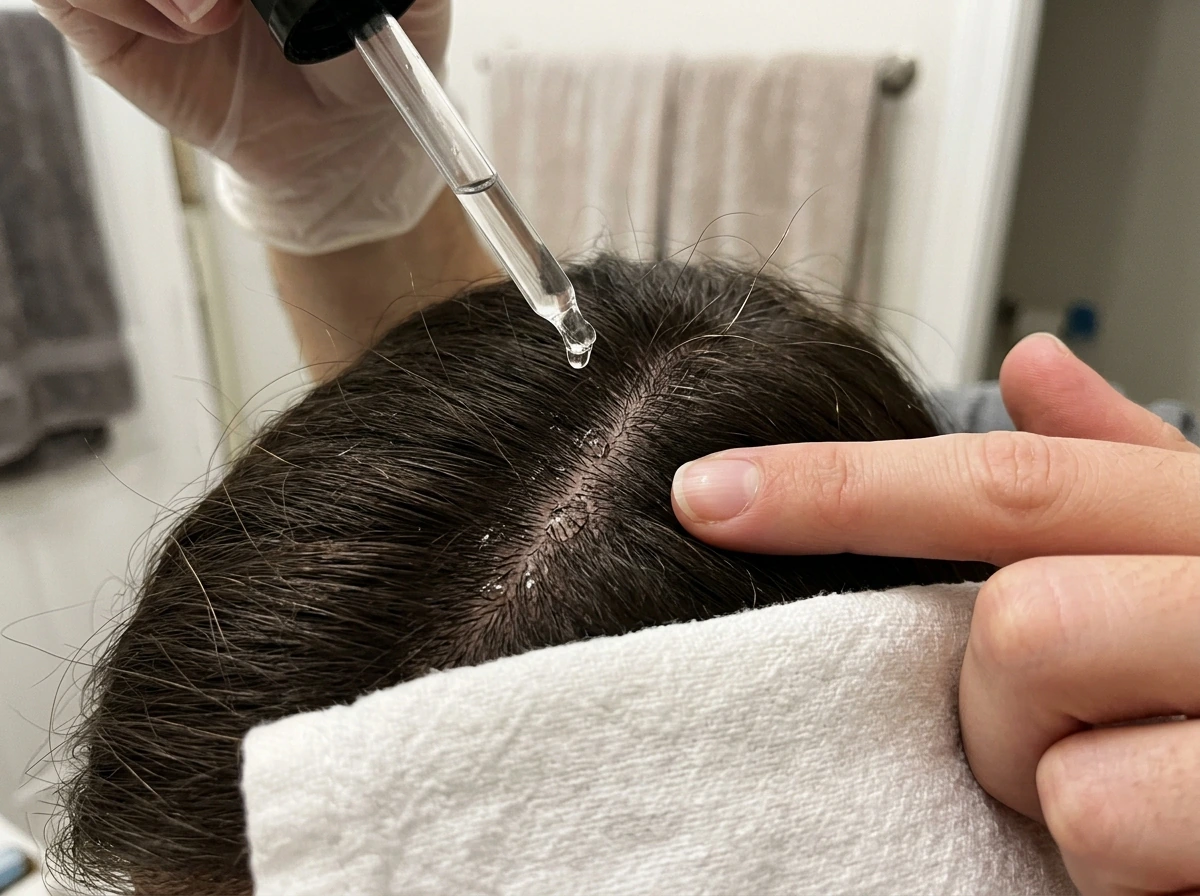
Minoxidil is the gold standard for over-the-counter hair regrowth. It works by prolonging the anagen (growth) phase of the hair cycle and widening blood vessels around follicles, improving their access to nutrients and oxygen. It comes in 2% and 5% topical solutions or foams, and it's used once or twice daily depending on the formulation. For most people, noticeable improvement begins around the two to four month mark, with maximum effects typically seen around three to four months of consistent daily use.
One thing to be aware of: minoxidil can cause a temporary increase in shedding during the first four to eight weeks. This is normal and happens because it pushes old, resting hairs out to make room for new growth. It looks alarming but is actually a sign that the treatment is working. Push through it.
The catch with minoxidil is that it requires ongoing use to maintain results. If you stop, the benefits fade within a few months. That's a meaningful commitment to factor in before starting. It's also important to know that minoxidil should not be used during pregnancy or while breastfeeding, as safety has not been established and animal studies have raised concerns.
Finasteride: for men with pattern hair loss
Finasteride (brand name Propecia) is an oral prescription medication FDA-approved for androgenetic alopecia in men. It works by blocking DHT, the hormone that shrinks follicles in pattern hair loss. It is not approved for women, and it carries a specific contraindication for women who are pregnant or may become pregnant due to the risk of birth defects. Some clinicians prescribe it off-label to certain women, but that requires an individual risk-benefit conversation with a doctor. If you're a man with thinning at the crown or a receding hairline and you want to regrow or retain density, finasteride combined with minoxidil is the most studied combination available.
Ketoconazole shampoo as an adjunct
Beyond its role in treating scalp conditions, ketoconazole shampoo (particularly at 2% prescription strength) has been studied as an adjunct treatment for androgenetic alopecia, with some trial data showing improvements in hair density metrics compared to controls. It's not a replacement for minoxidil or finasteride, but using it two to three times per week alongside your main treatment is a low-risk, low-effort addition that some people find helpful.
Home remedies: what's realistic and what's mostly hype
The internet is full of hair growth 'hacks' involving oils, eggs, onion juice, and rice water. Some have genuine support, others are mostly anecdotal. Here's an honest breakdown.
| Remedy | What the evidence actually says | Realistic expectation |
|---|---|---|
| Scalp massage | Small studies suggest regular massage (4–5 minutes daily) may increase hair thickness over time by stretching follicle cells | Low risk, easy to do during washing; may improve circulation and reduce stress |
| Rosemary oil | A 2015 trial found rosemary oil comparable to 2% minoxidil for hair count after 6 months; promising but limited research | Worth trying as a low-cost addition; apply diluted to scalp 2–3x per week |
| Castor oil | No strong clinical trial evidence for hair growth; very thick consistency can cause buildup if overused | May help with moisture and strand strength if used sparingly, not a growth treatment |
| Onion juice | One small study showed regrowth benefits, but the study quality was low and it hasn't been well replicated | Very limited evidence; strong smell makes compliance difficult for most people |
| Rice water rinse | Popular in some communities with anecdotal support; no strong clinical data for growth specifically | May temporarily smooth the cuticle and reduce friction; not a growth booster |
| Biotin supplements | Only clearly beneficial if you have a documented deficiency; widespread use without testing is not evidence-based | Skip unless blood tests show you're deficient |
The honest summary: scalp massage and diluted rosemary oil have the most credible support among home remedies. Everything else may improve hair condition or feel good to use, but don't count on them to drive actual growth. Focus your energy on the fundamentals first.
Protect the length you're working to build
Growing hair and keeping it are two different skills. Your scalp might be doing its job perfectly, but if your styling habits are causing breakage, you'll stay stuck at the same length indefinitely. This section matters especially if you're targeting a specific hairstyle that requires a certain length to achieve.
Reduce heat and mechanical stress
High-heat tools (flat irons, curling wands, high-heat blow dryers) weaken the hair shaft over time, especially with repeated use. If you're growing your hair out, consider air drying where possible and using heat styling tools no more than once or twice a week with a heat protectant spray every single time. Brushing wet hair aggressively is another major source of breakage, especially for wavy, curly, or coily textures. Use a wide-tooth comb or a wet brush, starting from the ends and working upward.
Protective styling for textured hair
If you have natural, curly, or coily hair, protective styles like twists, braids, buns, or bantu knots can dramatically reduce daily manipulation and friction that cause breakage. The key is not making them too tight, especially at the edges, and moisturizing your hair before installing a protective style, not after. Tight edges are one of the fastest ways to develop traction alopecia, which is a form of hair loss that can become permanent if the tension is applied repeatedly over a long period.
Nighttime care
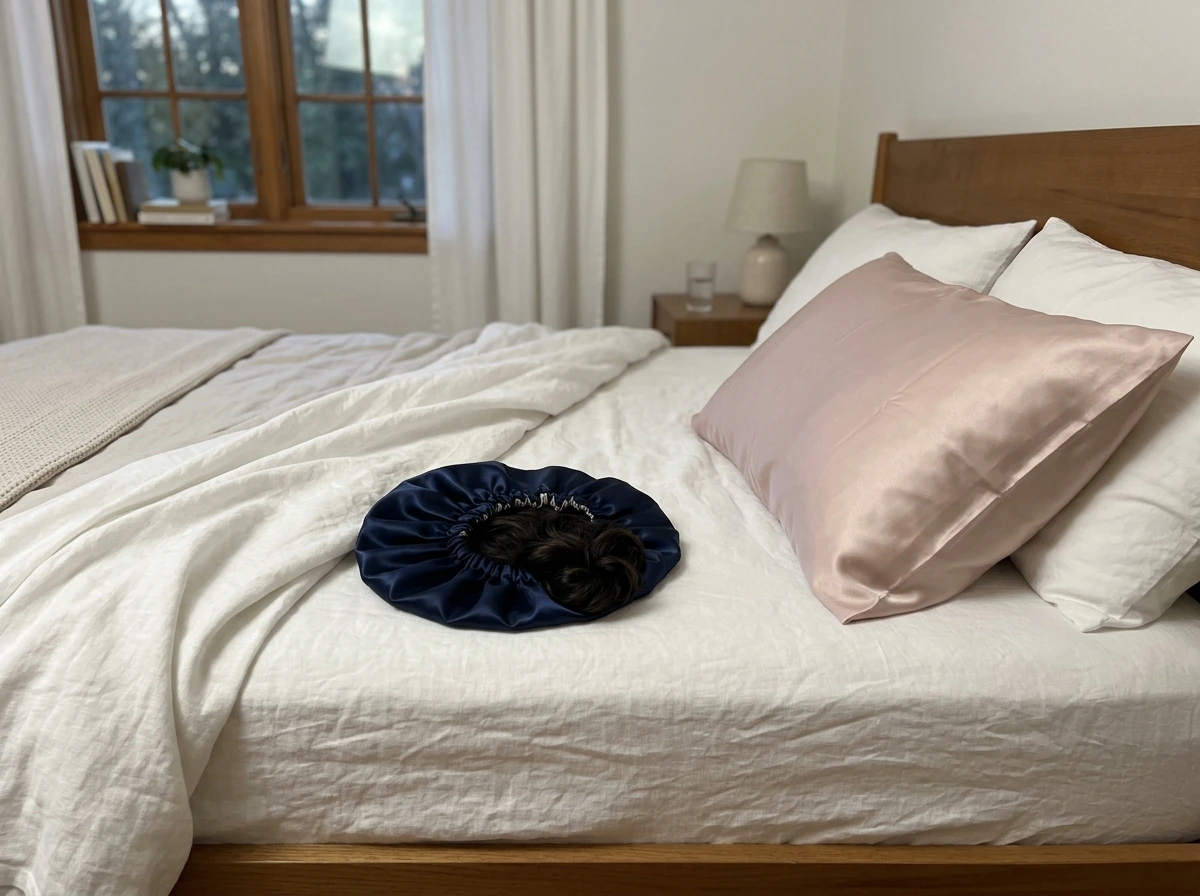
Cotton pillowcases absorb moisture from your hair and create friction as you move in your sleep. Switching to a satin or silk pillowcase, or wrapping your hair in a satin bonnet or scarf overnight, reduces breakage noticeably. This sounds minor but it makes a real cumulative difference over months of growth.
Trim strategically, not obsessively
You don't need to trim every six weeks if your goal is length. Trims remove split ends that would otherwise travel up the shaft and cause more breakage, but over-trimming just costs you length. If your ends feel healthy, you can stretch trims to every three to four months while growing. If you see visible split ends or single-strand knots, trim just enough to remove the damage, not a standard inch off the bottom.
How long this actually takes, and how to track your progress
Scalp hair grows an average of about half an inch per month, or roughly six inches per year. That's the biological baseline, and it doesn't change dramatically regardless of what products you use. What you can change is how much of that growth you retain by reducing breakage, and in some cases how healthy each strand is. With minoxidil, you may also improve density and slightly extend the growth phase for thinning hair, with meaningful results typically appearing around the three to four month mark.
A realistic three-to-six month plan looks like this: in the first four to six weeks, you establish your routine (scalp care, nutrition, protective habits, and if applicable, starting minoxidil). Months two through three, you start to see the shed from telogen effluvium declining if that was your issue, or new growth coming in at the roots if you're using minoxidil. By months four through six, you can expect to have gained roughly two to three inches of new length, assuming you've kept breakage low. That's enough to move from one style category to another for many people.
How to track progress without obsessing
Take a photo in the same lighting and position every four weeks. Don't assess progress weekly because hair growth is too slow to see that way, and it leads to frustration. If you're concerned about shedding specifically, count the hairs you lose during your wash day for several weeks in a row. Tracking the trend (going up or down?) is more informative than any single count. Some people also use a fabric measuring tape to track length from the scalp to the ends at consistent checkpoints.
Focus on two separate things: length retention (are your ends getting longer each month?) and density (is the overall volume changing?). They're distinct and may improve at different rates depending on what's driving your hair situation.
When to stop guessing and see a dermatologist
A solid home routine handles most cases of slow growth or mild shedding. But there are clear signals that it's time to get professional evaluation rather than keep experimenting on your own.
- Sudden, dramatic increase in shedding that started within the past three months and doesn't seem to be slowing down
- Patchy hair loss (circular or irregular bald patches rather than diffuse thinning)
- Scalp symptoms that don't resolve with over-the-counter treatment: persistent itching, burning, tenderness, redness, or visible scaling beyond normal dandruff
- Hair loss at the temples or hairline in women, especially alongside irregular periods, acne, or unwanted facial hair (possible hormonal causes like PCOS or thyroid dysfunction)
- Any scarring on the scalp, which can indicate conditions that permanently destroy follicles if not treated promptly
- Hair loss that has been progressing for more than six to eight months without any sign of stabilizing despite addressing nutrition and care
A dermatologist can order targeted bloodwork (ferritin, vitamin D, thyroid panel, hormones) and examine your scalp with a dermatoscope to identify what's actually happening at the follicle level. This is especially worthwhile if you've already cleaned up your routine and nutrition and still aren't seeing improvement after three months. There's no prize for waiting longer, and some causes of hair loss respond much better to treatment when caught early.
The path to your target hairstyle is almost always more about consistency and removing barriers than it is about finding a magic product. Get your scalp healthy, eat enough protein, address any deficiencies, protect your strands from damage, and give it a real three-to-six month window before drawing conclusions. Most people who follow through on those basics get to where they want to be.
FAQ
My hair grows, but my style never seems to get longer. What’s the difference between growth and retention?
If you are only seeing new growth near the roots but the overall look does not change, the most likely issue is breakage or delayed retention (splits and snapped mid-shaft). Check for short, snapped pieces without a small white bulb, reduce heat and brushing on wet hair, and consider switching to a softer detangling method plus more moisture to prevent the shaft from weakening.
How long should I try a routine before deciding it is not working?
A good rule is to wait long enough to see cycle-driven changes, then reassess. For acute shedding related to stress or illness, reassess around 3 months after the trigger (shedding usually peaks before it improves), and for minoxidil reevaluate around 4 to 6 months for density and shedding trends.
My shedding started a few weeks after a stressful event. Could it still be telogen effluvium?
If shedding spikes after a stressful event, look for timing patterns. Telogen effluvium often starts 2 to 3 months after the trigger and improves within about 6 months once the trigger has resolved. If shedding begins immediately after a new medication, supplement, or hairstyle change, track that too because timing can point to different causes.
Should I stop minoxidil if my shedding gets worse at the beginning?
Yes, but it can be tricky. Minoxidil commonly causes a temporary increased shed in the first 4 to 8 weeks. Do not stop it at the first sign of more hair in the shower. Instead, keep daily use consistent, and if shedding is extreme or accompanied by scalp irritation, talk to a clinician.
Is minoxidil safe if I am pregnant, trying to conceive, or breastfeeding?
You generally should not use minoxidil if you are pregnant or breastfeeding. If you could become pregnant, you also need a clinician conversation about risk, alternatives, and contraception planning. Do not try to “test” it briefly as a workaround.
When should I suspect a medical cause for hair shedding beyond routine breakage?
If your shedding is heavy and you also notice symptoms like fatigue, cold intolerance, major weight changes, or menstrual changes, thyroid issues can be part of the picture. In that case, ask about a thyroid panel along with ferritin and vitamin D, because addressing the underlying driver often matters more than adding more hair products.
How do I tell whether my problem is thinning (pattern hair loss) versus shedding?
If you are thinning gradually (especially a widening part, crown thinning, or a recession pattern), consider androgenetic alopecia even if you are not noticing a dramatic shed. This pattern is more about miniaturization over time than a sudden increase in loose hairs, and early evaluation is usually more effective than waiting for a severe change.
What is a realistic pace for growing hair out into a specific style?
Hair can grow around half an inch per month on average, but the measurable change you see depends on how much you retain and how you measure. Use the same photo position and a consistent method like scalp-to-end at the same strand location every 4 weeks, then interpret progress as “length retained” rather than “true growth only.”
What are my options if I cannot use minoxidil?
If you cannot tolerate minoxidil or you want a different approach, start by optimizing fundamentals first (protein, scalp inflammation control, low-friction styling). For thinning patterns, ask a dermatologist about evidence-based alternatives and whether prescription options are appropriate for your sex, age, and medical history.
How often should I exfoliate my scalp while trying to grow hair?
Overdoing scalp scrubs or harsh exfoliation can worsen irritation and potentially increase shedding for sensitive scalps. If you have flaking or itching, try to match the approach to symptoms, for example ketoconazole for seborrheic dermatitis, and keep physical scrubbing gentle and infrequent.
Can protective styles help with growth, or can they cause hair loss?
For traction-related loss, the key factor is tension at the edges over time. Avoid tight styles, limit how long protective styles stay in with high tension, and watch the hairline and temples for early signs like thinning or baby hairs that do not grow back.
I get knots and breakage when my hair gets longer. How should I detangle?
Yes, especially if your hair is wavy, curly, or coily and tangles increase as it gets longer. Reduce breakage by detangling with a wide-tooth comb or wet brush starting at the ends, apply conditioner for slip, and use gentle sections so you are not forcing knots apart.
Which labs should I request if I am shedding a lot and want to be systematic?
A blood panel is most useful when shedding or thinning is persistent after basics improve. Ask specifically about ferritin, vitamin D, B12, folate, zinc, and consider thyroid and hormone testing based on symptoms, because supplementing without knowing what is low can waste money and sometimes irritate your stomach.
How can I track whether density is improving during a 3 to 6 month hair growth plan?
Tracking density is often more helpful than measuring total length alone. Take front, crown, and side photos in the same lighting monthly, note changes in part width and overall volume, and if possible compare to baseline with the same hairstyle tension.
Next Articles
How to Grow Hair for Women: Step-by-Step Guide
Step-by-step hair growth plan for women: fix breakage, spot shedding causes, diet support, and timelines to regrow.
Hair How to Grow: Step by Step Plan for Longer, Fuller Growth
Step-by-step plan to grow longer, fuller hair by fixing breakage, scalp health, shedding causes, and safe add-ons.
How to Grow Hair for a Wedding: Fast Plan in Weeks
Fast, realistic plan to grow wedding hair in weeks with scalp care, nutrition, breakage prevention, and trackable steps.