
Growing flow hair as a man means committing to roughly 6 to 10 months of intentional growth from a short cut, or less if you're already partway there. The target is a medium-to-long style where your hair follows its natural direction, parts (usually in the center or slightly off-center), and drapes past your ears toward your chin. To get there, you need three things working together: a scalp environment that keeps your follicles healthy and productive, a daily routine that prevents breakage from undoing your progress, and enough patience to push through the awkward middle stages that make most guys quit too early.
How to Grow Flow Hair for Men: Step-by-Step Guide

Marcus Holloway
24 Jun 2026

What flow hair actually is and how long it takes to grow
Flow hair, sometimes called a bro flow, refers to a medium-to-long style where hair moves freely and naturally, typically parted in the center or slightly to one side. The defining feature is that the hair is long enough to sweep away from the face on both sides, creating that relaxed, curtain-like drape. At minimum, your front pieces need to reach your eyebrows to start getting the effect. Full flow usually means ear-length to chin-length hair all around, which is what gives it the shape and movement the style is known for.
Scalp hair grows an average of about 0. 5 inches (roughly 1.
25 cm) per month, though research shows the range can stretch from about 0. 5 cm to 1. 7 cm per month depending on genetics, age, health, and season. If you're starting from a short cut, expect the front to reach eyebrow length in around 4 to 6 months.
Full curtain or flow length, where everything is ear-length or longer, typically takes 6 to 10 months from short. If you are also wondering how to grow healthy long hair male, use the same growth timeline logic here and then focus on preventing breakage so the length actually survives how long to grow.
If you're starting from something like a medium-length cut where the top is already a couple of inches long, you can shave a few months off that timeline.
The growth rate itself is largely genetic, so there's a ceiling to how fast you can push it. What you can control is whether that growth survives to become length. Breakage, scalp problems, and poor habits can silently eat into your progress every single month without you realizing it. That's where the rest of this guide focuses.
Know your starting point before you do anything else
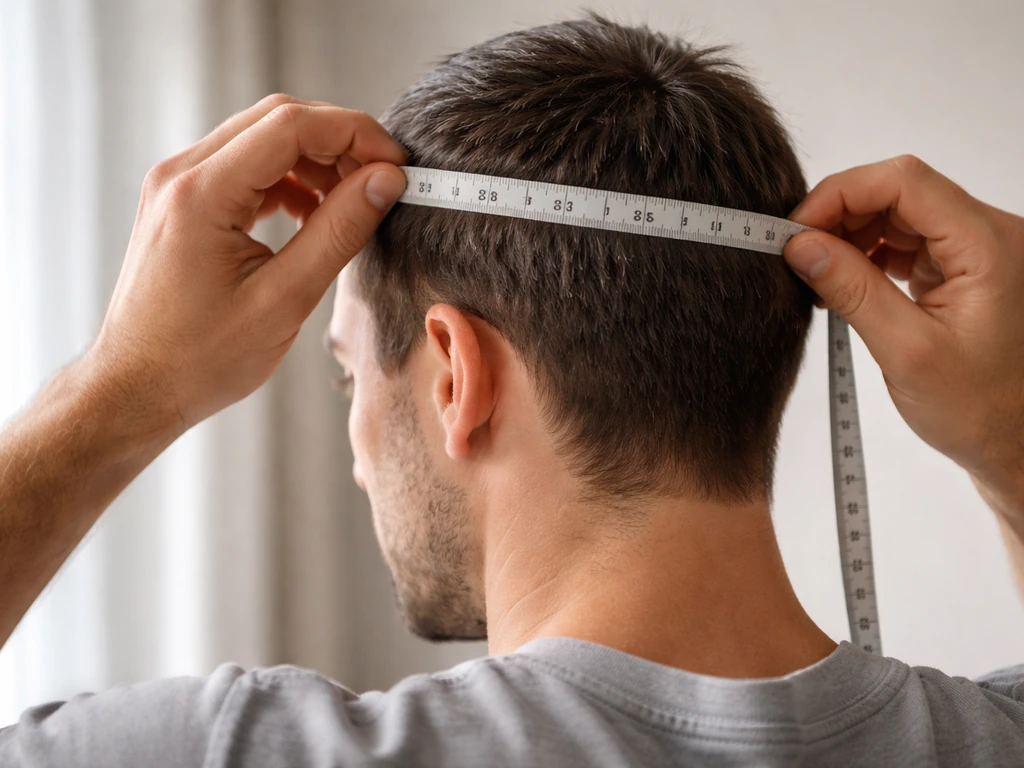
Before you start any routine, take stock of where you're actually at. Measure your current hair length on top, at the sides, and in the back. Take a photo in natural light. This matters because it sets realistic expectations and helps you track whether things are working. A lot of guys get discouraged thinking their hair isn't growing when it actually is, just slowly and unevenly.
Also assess your hair texture and scalp condition honestly. If your hair is coarse or curly, it may appear shorter than it actually is until it gets long enough to relax and hang. If your scalp is oily, flaky, or often itchy, that needs attention before anything else because chronic scalp inflammation can impair follicle function. And if you've noticed diffuse thinning on top, hair loss at the temples, or a noticeably receding hairline, that's worth flagging separately because it may require a different conversation with a dermatologist alongside your growth plan.
Your texture also affects how the flow style will ultimately look. Straight or wavy hair tends to hang and part more easily, giving that classic curtain drape almost automatically once it's long enough. If you have thicker or curlier hair, growing a flow is absolutely possible but you may need to do more active styling work to train the part and encourage the hair to move in the right direction. If you want the best results with thick hair, you may need to combine this with heavier conditioning and more deliberate styling to train the hair to fall into a flow. That's covered more in the styling section below.
Your day-to-day routine while growing it out
The single most important thing you can do while growing out flow hair is establish a consistent, gentle routine and stick to it. To get the best results with how to grow long hair for a guy, focus on keeping breakage low while maintaining a consistent wash, conditioning, and styling routine growing it out flow hair. Hair at mid-length, when it's past your ears but not yet long enough to style confidently, is the stage most guys find frustrating. Having a routine makes that phase manageable.
Washing and conditioning
Wash your hair 2 to 3 times per week if you can. Daily washing strips natural oils that keep your hair shaft flexible and less prone to breakage. If you work out or your scalp gets oily quickly, rinse with water on off-days and use dry shampoo sparingly at the roots. When you do shampoo, focus on the scalp and let the suds run down the lengths rather than scrubbing the ends, which are older and more fragile.
Conditioner is non-negotiable once your hair is past an inch or two. Apply it from mid-shaft to ends, leave it in for a minute or two, then rinse with cool water. Cool water helps close the cuticle and keeps the hair shaft smoother, which means less friction and less breakage over time. If your hair is dry or you're dealing with curl or coarse texture, a weekly deep conditioning treatment (leave-in for 5 to 10 minutes under a shower cap) makes a real difference in how the hair feels and behaves.
Detangling without breaking things
Detangle when your hair is damp, not soaking wet, because wet hair stretches more and is more vulnerable to snapping. Use a wide-tooth comb or a detangling brush, start from the ends and work your way up toward the roots. Never yank from the root down. This sounds obvious, but it's one of the most common ways guys unconsciously cause breakage during the grow-out phase.
Styling while it grows
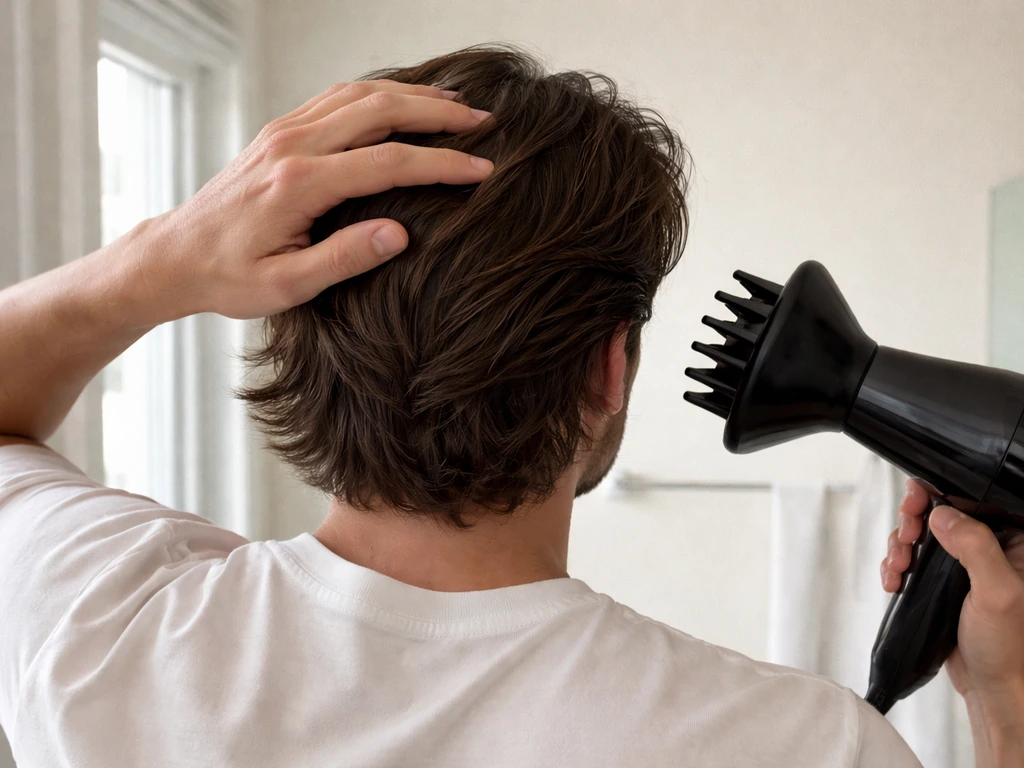
During the awkward mid-length stage, your best friends are a light hold cream or pomade, a blow dryer with a diffuser or nozzle, and sometimes a headband or clips to train the direction of your part. Start establishing your part early, even at 2 to 3 inches of length. Train the hair daily by pushing it in the direction you want, ideally while it's damp. This habit compounds over weeks and makes a real difference once the hair gets longer.
Keep trims minimal but don't skip them entirely. A very light dusting of the ends every 10 to 12 weeks removes split ends that would otherwise travel up the shaft and cause more damage. Tell your barber clearly: you're growing it out, you only want the split ends off, and you want to keep as much length as possible. Some barbers have a habit of taking more than asked, so be specific.
Scalp care and stimulation that actually works
Your scalp is where hair growth begins, and a healthy scalp is one of the highest-leverage things you can invest in. Follicles that are clogged, inflamed, or starved of circulation produce thinner, weaker hair, or in some cases, stop producing hair at all. A few simple habits address this directly.
Scalp massage
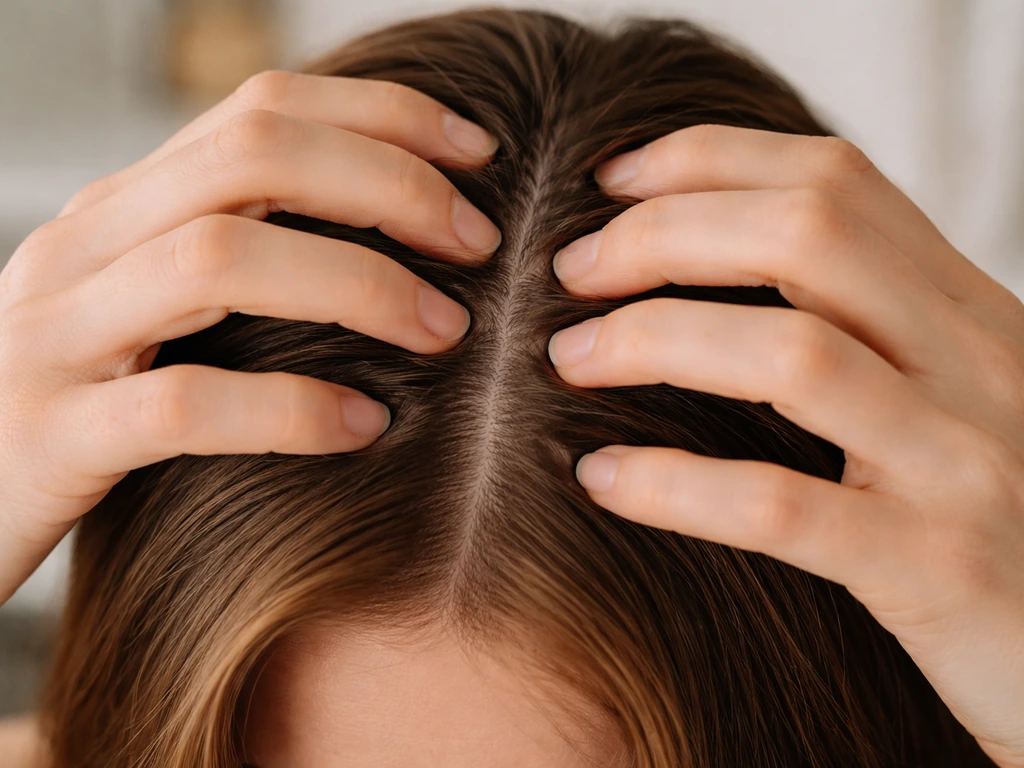
Regular scalp massage increases blood flow to the follicles and may help with hair thickness over time. A small 2019 study found that men who massaged their scalps for 4 minutes daily over 24 weeks had thicker hair, though not necessarily longer hair. Use your fingertips (not your nails) and work in small circular motions across your entire scalp for 4 to 5 minutes, ideally daily. You can do this dry, or use it as an opportunity to work in a scalp oil or serum.
Evidence-backed topicals
Minoxidil (over-the-counter, usually 5% foam or solution) is the most well-researched topical for supporting hair growth and reducing loss. It works by extending the hair's active growth phase and improving follicle blood supply. If you have any signs of thinning or slow growth that concerns you, minoxidil is worth considering, though it needs consistent daily use and takes 3 to 6 months to show results. It's not a magic accelerator for people with no thinning, but it can be a useful tool for maintaining density while growing out.
Rosemary oil has growing evidence behind it. A 2015 study compared rosemary oil to 2% minoxidil and found comparable results in reducing hair loss after 6 months. Dilute a few drops of rosemary essential oil in a carrier oil like jojoba or coconut oil (roughly 2 to 3 drops per teaspoon of carrier), massage into your scalp 2 to 3 times per week, leave on for at least 30 minutes, then wash out. It's a reasonable natural option, just be consistent and patient.
Ketoconazole shampoo (available over the counter at 1%) helps manage scalp inflammation and dandruff, both of which can impair follicle health. If your scalp is flaky or you've heard that dandruff can contribute to hair loss, using a ketoconazole shampoo once or twice a week as part of your rotation is a practical step backed by reasonable evidence.
Nutrition and lifestyle: the internal side of hair growth
Hair is made primarily of a protein called keratin, and your follicles are among the most metabolically active cells in your body. Thick hair growth in men usually comes down to supporting your follicles internally with enough protein, iron, and overall calories, plus reducing stress and improving sleep. What you eat has a direct impact on how well they function. Most guys growing out their hair underestimate this and then wonder why progress is slow.
Protein
Aim for adequate protein intake, roughly 0.7 to 1 gram per pound of body weight daily, depending on your activity level. Sources like eggs, chicken, fish, Greek yogurt, legumes, and lean meats all contribute. Protein deficiency is one of the most common nutritional causes of hair shedding in men who are dieting or just not eating much. If you're actively restricting calories, your follicles feel it.
Key nutrients to pay attention to
- Iron: Low iron (even without full-blown anemia) is linked to increased shedding. It's worth getting your ferritin levels checked, especially if you eat little red meat. Spinach, lentils, fortified cereals, and lean red meat are good sources.
- Vitamin D: Deficiency is extremely common in men, especially those who work indoors, and it's associated with hair follicle cycling problems. Get your levels tested and supplement if needed (2,000 to 4,000 IU daily is a common recommendation when deficient, but follow your doctor's guidance).
- Zinc: Plays a role in hair tissue growth and repair. Oysters, pumpkin seeds, beef, and chickpeas are solid dietary sources. Avoid mega-dosing zinc supplements, as too much zinc can actually cause hair loss.
- Omega-3 fatty acids: Found in fatty fish like salmon, mackerel, and sardines, as well as flaxseeds and walnuts. Support scalp health and reduce inflammation around follicles.
- Biotin: Widely marketed for hair growth, but deficiency is rare in men eating a varied diet. If you're already getting enough, more won't make your hair grow faster. That said, if you suspect deficiency, a standard B-complex covers it without over-supplementing.
Lifestyle factors that matter more than most guys think
Sleep, stress, and hydration all affect hair growth in measurable ways. Chronic stress elevates cortisol, which can push follicles into a resting phase and trigger a type of diffuse shedding called telogen effluvium. This shedding often shows up 2 to 3 months after a stressful period, so if you've had a rough stretch recently and notice more hair in the shower, that could explain it. Getting 7 to 9 hours of sleep per night supports the tissue repair and hormone balance that follicle health depends on. And staying hydrated (aim for around 2 to 2.5 liters of water daily) keeps the scalp from becoming dry and flaky, which affects the environment around your follicles.
Avoiding the setbacks that steal your length
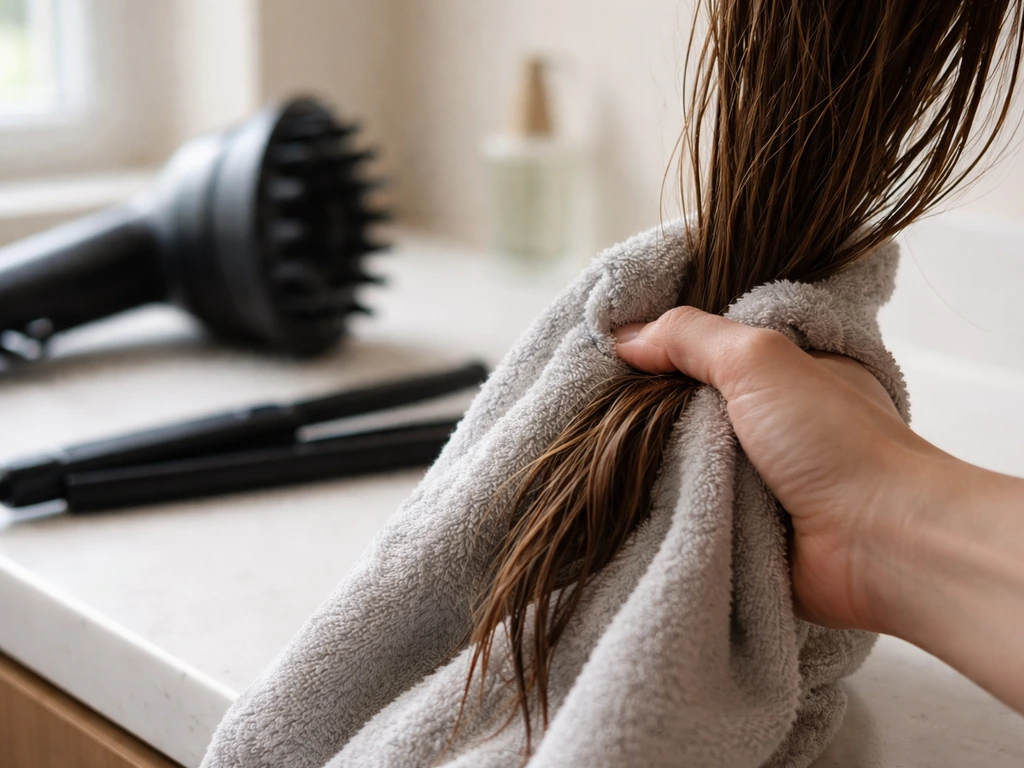
Hair growth can feel invisible for months, which makes breakage especially frustrating because it quietly cancels out the progress you can't see. These are the most common culprits.
| Setback | Why it's a problem | What to do instead |
|---|---|---|
| Heat styling (flat irons, high-heat blow dryers) | Weakens the protein structure of the hair shaft, causing split ends and breakage | Use a heat protectant every time, keep tools under 350°F, and air dry when you can |
| Aggressive towel drying | Roughing up the cuticle causes frizz and micro-breakage at the ends | Blot gently with a microfiber towel or an old cotton T-shirt |
| Tight hairstyles during the grow-out (tight buns, man buns pulled hard) | Constant tension at the follicle causes traction-related damage | Keep updos loose, use soft hair ties without metal bands |
| Chemical treatments (bleach, perms, relaxers) | Weakens the hair shaft significantly and increases breakage risk | Avoid or drastically limit during the grow-out phase |
| Cotton pillowcases | Cotton creates friction that causes breakage overnight | Switch to a satin or silk pillowcase |
| Skipping conditioner | Dry, brittle hair breaks far more easily | Condition every wash and add a weekly deep conditioning treatment |
One habit worth adopting immediately: sleep on a satin pillowcase. It sounds minor, but the reduction in nightly friction adds up over weeks and months of growing out, and it costs very little to try.
Troubleshooting: when something feels off
Normal shedding vs. actual hair loss
Losing 50 to 100 hairs per day is completely normal. That's just the natural cycle of hairs reaching the end of their growth phase and being replaced. You'll notice more of it when you wash or brush because you're dislodging hairs that already shed from the follicle. If you wash every other day, you'll see two days' worth of shed hair in one go, which can look alarming but is normal.
What's worth paying attention to is shedding that's clearly above your baseline over several weeks, especially if it's accompanied by visible thinning on the scalp, a widening part, or recession at the temples. Sudden, diffuse shedding (telogen effluvium) is often temporary and tied to stress, illness, crash dieting, or a nutritional deficiency. It typically resolves on its own once the cause is addressed. Androgenetic alopecia (pattern hair loss) is progressive and patterned, usually starting at the hairline or crown, and requires a different approach.
Why your hair might not seem to be growing
If it feels like your hair isn't getting longer despite doing everything right, check these things first. Are you breaking as fast as you're growing? This is the most common culprit. Is your diet consistently supplying enough protein and key nutrients? Are you in a high-stress period that might be slowing the growth phase? And are you actually tracking length, or just estimating it, because growth at 0.5 inches a month is genuinely hard to see week-to-week.
When to see a professional
See a dermatologist if you notice a clearly receding hairline, rapid diffuse shedding that lasts more than 3 months, patches of hair loss, scalp pain or inflammation, or if you've addressed diet and routine and still see no improvement after 6 months. A dermatologist can run bloodwork (checking ferritin, thyroid, vitamin D, testosterone, and other markers), confirm whether what you're experiencing is normal or pathological, and give you targeted treatment options. There's no point in struggling alone for years when a single appointment can clarify a lot.
The realistic timeline and what to do starting today
If you're starting from a short cut, here's a rough map. By months 1 to 3, you'll have slightly more length on top but it'll look more grown-out than styled. By months 4 to 6, front pieces should be reaching your eyebrows and the sides will be past your ears, giving you the early curtain drape. By months 6 to 10, you'll have enough length to genuinely style a flow.
If you want to learn the exact men’s approach for growing flow hair long, focus on consistent care for scalp health, breakage prevention, and patient styling during the awkward months grow flow hair. The exact timing depends on your starting length and growth rate, but that's the realistic range most guys fall into.
The best thing you can do today is start the routine now, not after you think your hair is long enough to need it. Set up your washing and conditioning schedule, start massaging your scalp, look at what you're eating, and swap your pillowcase. None of these things require your hair to be a certain length to start working. They just need time, which is the one resource in this process you can't shortcut but can make the most of. For a simple, practical approach to the best way to grow hair as a man, focus on scalp health, breakage prevention, and consistent styling training throughout the awkward middle best way to grow hair male.
If you're interested in growing specifically longer or shoulder-length hair as the end goal, or want to focus on thickness as part of your flow, those are adjacent goals worth reading about separately, as the strategy for keeping density high while gaining length adds a few more considerations beyond what's covered here. If longer, shoulder-length growth is your main goal, use the tips in our guide on how to grow longer hair male for a tighter plan.
FAQ
Can I grow flow hair if my hair is curly or very wavy?
Yes, but it changes the “how” during month 1 to 3. If your hair is curly or very wavy, plan on length measurements by where the strands end when fully dry, not just when wet. Also expect the flow part to settle later, so you may need a light leave-in conditioner and daily damp training to encourage separation from the roots without making curls clump.
How do I train the part without damaging my hair while it’s still short?
To start a part early without over-styling, train it when your hair is damp using a light hold cream or pomade, then let it air-dry or diffuse on low. Avoid strong gels early, because they can create hard cast that increases breakage when you brush it out. Re-train 1 to 2 times per day during the awkward phase rather than washing and re-styling constantly.
What should I do on workout days when my scalp gets oily, but I’m not washing daily?
If you’re washing 2 to 3 times per week, you can rinse with water on off-days, then use a small amount of conditioner only on the mid-shaft to ends (not the scalp). Using dry shampoo too frequently can leave residue that worsens flaking for some people, so use it sparingly and do a full wash the next scheduled shampoo day.
Can I speed up growing flow hair by blow-drying it?
Yes, but make it “low-friction heat.” Use a blow dryer with a diffuser or nozzle, keep the heat on moderate, and always direct the airflow from roots outward to encourage the curtain shape. Heat styling to speed up growth is unnecessary, growth timing is still driven by follicles, but heat can help you reduce tangling and style consistently so you break less.
Is ketoconazole shampoo safe to use long-term while growing flow hair?
If you have an oily scalp, prioritizing gentle cleansing is better than skipping shampoo. A practical plan is shampoo 2 to 3 times per week, use a conditioner every time on lengths, and consider adding ketoconazole shampoo once weekly if you have dandruff or persistent flaking. If itching or burning continues after a few weeks, switch to a dermatologist evaluation rather than increasing harsh anti-dandruff products.
Do I need trims if I’m trying to grow flow hair without cutting much?
Going too long between trims can backfire even if trims are “minimal.” Split ends travel up the shaft and can force you to lose length later. A good rule is a light dusting every 10 to 12 weeks, but if your hair is thinning from breakage or you notice severe fraying, shorten the interval and focus on gentler detangling and lower heat.
My part is looking wider, does that mean my hair growth isn’t working?
Sometimes, it’s normal to see a wider part, especially at mid-length when the hair is heavy enough to separate. The concern is a worsening widening that persists after the hair is fully dry and styled the same way for several weeks. Track the part angle in photos once every 2 to 4 weeks under consistent lighting to tell “style shift” from “thinning.”
Should I use minoxidil if I just want more density while growing flow hair?
Yes, because medication timing and dosage matter. If you’re considering minoxidil, don’t start it without a plan for consistent daily use and how you’ll manage shedding during the first weeks, which can happen for some people. Also avoid if you’re dealing with pregnancy planning in your household without discussing exposure and safety with a clinician.
What kind of shedding is normal during the flow hair grow-out stage?
If shedding is clearly above your personal baseline for more than 3 months, focus on cause first. Common fixable drivers in this guide include crash dieting, low protein, iron or vitamin D deficiency, and a recent stress or illness event followed by shedding 2 to 3 months later. If it’s patterned (hairline/crown) or persists despite nutrition and scalp care, get checked because the approach may need to be different.
How can I tell whether my problem is slow growth or breakage?
Use a “breakage test” rather than guessing. Take a few hair strands and compare how many are short, frayed pieces versus full-length shed hairs after washing, and check whether tangles are tearing when you brush. If breakage is the issue, your solution is detangling when damp with a wide-tooth comb, reducing friction at sleep (satin pillowcase), and cutting aggressive brushing when hair is mid-length.
Do water exposure, swimming, or dry climate conditions change how I should grow flow hair?
Yes, your environment affects friction and dryness. If you swim, rinse hair promptly after, then shampoo and condition as scheduled, and consider a leave-in conditioner before water exposure. If you live in a very dry climate or use frequent indoor heating, you may need a small amount of leave-in on ends to prevent tangling that leads to breakage.
Once I reach ear-length, how often should I style to keep the flow shape?
If you want true curtain drape by the time the hair is ear-length to chin-length, use a consistency rule: style the hair in the direction you want every time it gets wet or is significantly disturbed (morning routine or after a shower). For many men, that means training the part and sweeping away from the face during each styling session, not just once a week.
Next Articles
How to Grow My Hair Long for Men: Step-by-Step Plan
Step-by-step routine to grow men’s hair longer: prevent breakage, calm scalp, optimize nutrition, and troubleshoot thinn
Best Way to Grow Hair Male: Step-by-Step Plan
Step-by-step plan to regrow or grow out male hair with scalp care, nutrition, minoxidil tips, timeline, and dermatologis

How to Grow Longer Hair Male: Faster Steps and Timeline
Step-by-step plan to grow longer hair for men faster, with timeline, routines, nutrition, and breakage control.