
You can't force your hair follicles to permanently point in a new direction, but you absolutely can train your hair to lay downward, reduce puffiness, and grow longer with less flare. The key is understanding that what looks like hair "growing out" is usually a combination of your curl pattern, natural growth angle, cowlicks, and dryness, all things you can work with. With the right routine, consistent technique, and a little patience, most guys see a noticeable difference in how their hair falls within a few weeks to a couple of months.
How to Make Hair Grow Down Instead of Out Male

Marcus Holloway
13 Jun 2026
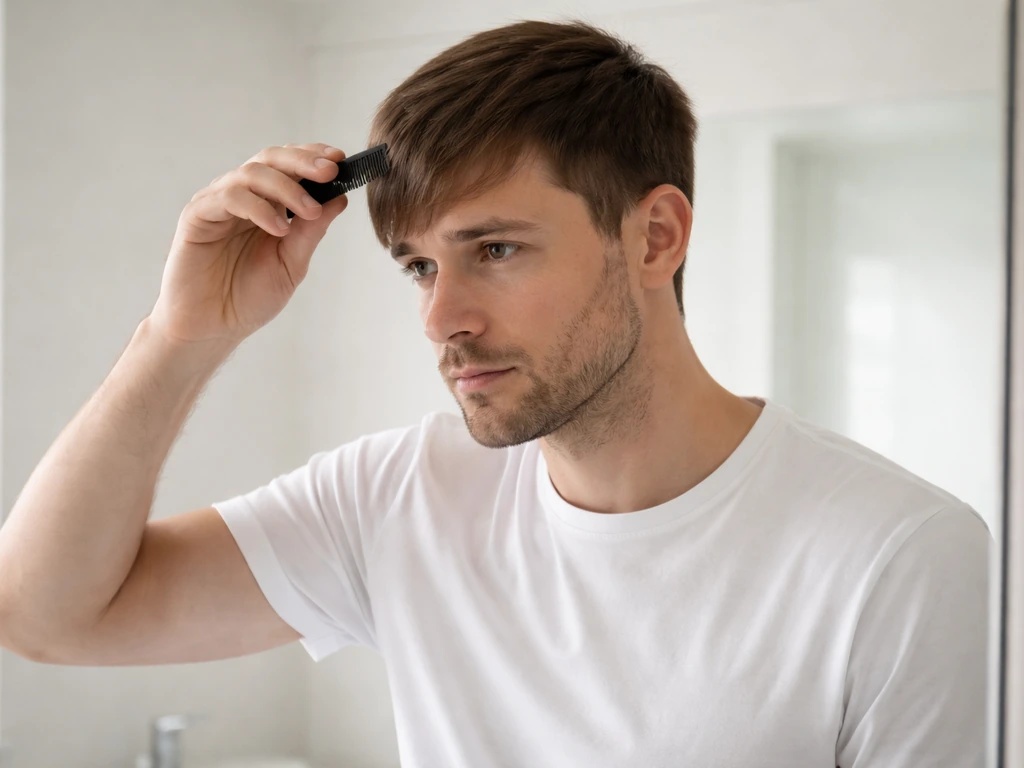
Why your hair grows out instead of down
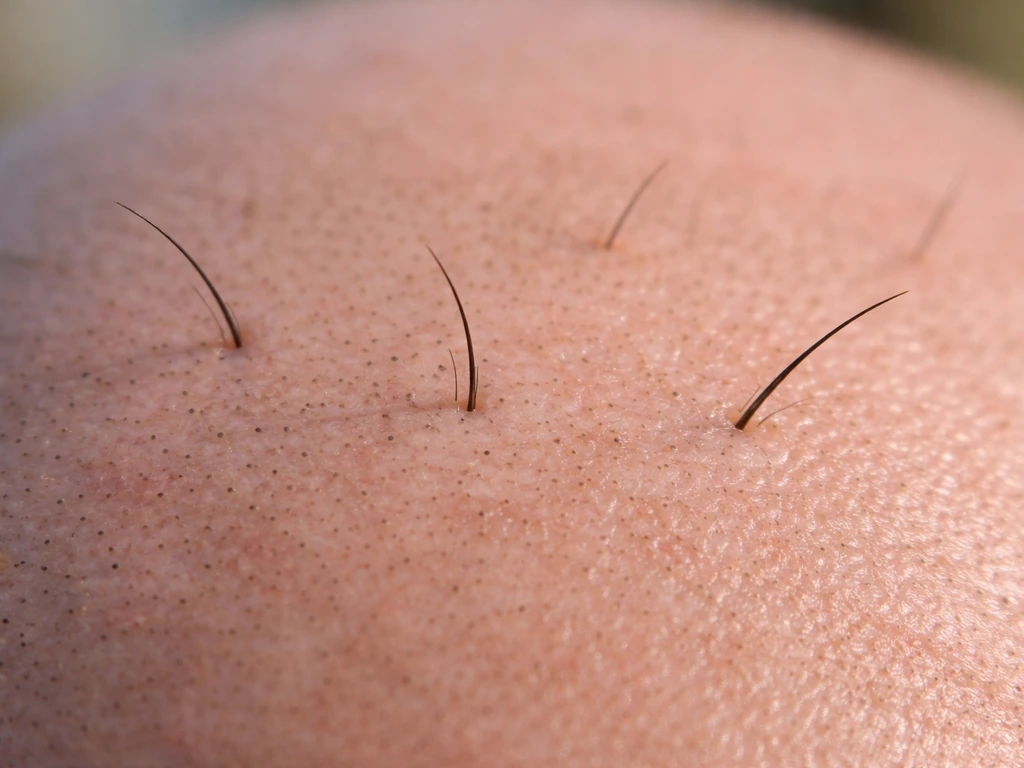
Hair doesn't actually "choose" to grow outward. It grows from a follicle embedded in your scalp at a specific angle, and that angle is largely set by genetics. Follicles that sit at a more horizontal angle produce hair that projects outward. Follicles at a more vertical angle produce hair that falls down. You can't surgically tilt your follicles, but the angle alone doesn't tell the whole story.
Your curl pattern plays a huge role. Curly and coily hair types naturally spiral as they grow, which means each strand is traveling sideways and outward before it curves back. The tighter the curl, the more volume and puffiness you get at shorter lengths, this is why a guy with 4C hair at two inches looks totally different from a guy with straight hair at the same length. Add shrinkage (curly hair can shrink to 30-75% of its actual length when dry), and hair that's actually several inches long can appear to be sticking straight out.
Cowlicks and whorls are another factor. These are spots where the scalp's growth pattern creates a swirl, and the hair in that area almost always resists laying flat. They're genetic, they're permanent, and honestly, working with them rather than against them is the smarter move. Finally, dryness and high porosity make hair puff outward because the cuticle (the outer layer of each strand) lifts when moisture is inconsistent, creating friction and frizz that pushes hair away from the scalp.
An atomic-force-microscopy study found hydrated human hair cuticle cells spread by about 50, 150%, while overall shaft diameter changed by only about ~10%, helping explain how moisture changes can alter shape and roughness the cuticle (the outer layer of each strand) lifts when moisture is inconsistent.
Reality check: what you can actually change (and the timeline)
Here's what I want to be straight about: you cannot change the direction your follicle grows, and you cannot permanently alter your curl pattern through training alone. What you can do is influence how your hair lays on top of your head on any given day, grow your hair long enough that gravity starts doing the work, and reduce the breakage and dryness that makes hair puff out. If your goal is how to grow hair anywhere and make it fall downward, prioritize moisture, minimal breakage, and consistent downward training influence how your hair lays. Those are genuinely achievable goals.
Scalp hair grows at roughly 0.5 inch per month (about 1.25 cm), though there's real individual variation, some people clock closer to 0.6 cm while others hit 3 cm or more in the same month. That means if you're starting from a short cut and want enough length for gravity to pull things down, you're looking at a minimum of three to six months of consistent care before you'll really see the shape change. Styling and product results come faster, sometimes within a single wash day, but the fuller transformation takes time. Plan accordingly.
The single biggest mistake guys make is expecting hair to "train" into a new direction within a few weeks and then giving up. Think of the goal less as "retraining your follicles" and more as "growing enough healthy hair that it can finally fall the way I want it to." Length plus moisture plus the right technique is the actual formula.
Scalp and strand fundamentals that actually matter
Before you even touch a brush or a product, your routine has to support healthy strand growth and minimal breakage. Short, brittle, or broken hair will always look puffier than longer, moisturized hair, breakage keeps length in check and adds texture that catches light and air.
Washing frequency and technique
For most guys with natural, wavy, or curly hair, washing too often is a real problem. Shampooing two to three times a week (or even less if your scalp tolerates it) tends to preserve natural oils that keep your cuticle smooth and your hair more manageable. When you do wash, use a sulfate-free or low-lather shampoo and keep the manipulation gentle, rubbing vigorously dries and tangles hair fast. Wet hair is fragile: the cuticle swells when hydrated, increasing friction between strands, so aggressive handling in the shower causes breakage that you'll see as puffiness later.
Conditioning is non-negotiable
Conditioner adds slip, smooths the cuticle, and helps hair detangle without snapping. Apply it from mid-shaft to ends every single wash day, and consider a deep conditioning treatment once a week if your hair is particularly dry or coily. Leave-in conditioner after washing adds another layer of moisture retention and weight that genuinely helps hair lay flatter.
Detangling gently
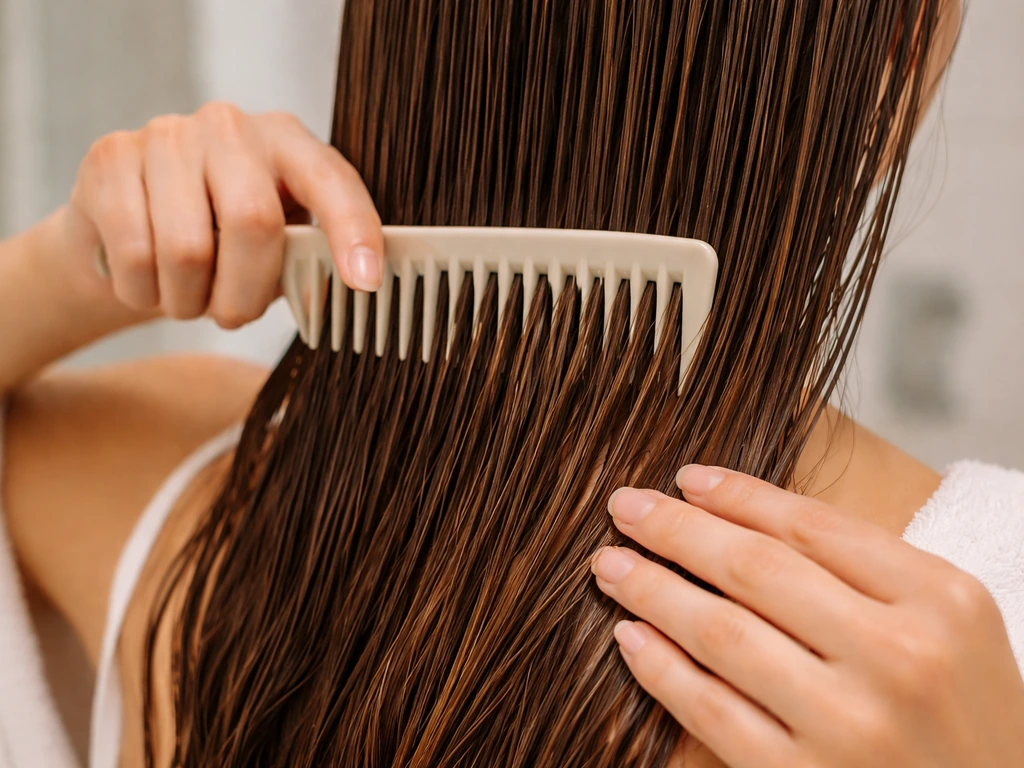
Always detangle hair when it's coated with conditioner in the shower, or when damp with a leave-in product. Start from the ends and work upward. A wide-tooth comb or a detangling brush designed for thick or curly hair causes far less breakage than a fine-tooth comb dragged from root to tip. Less breakage means your hair actually gets longer, and longer hair falls downward.
Reducing friction on your scalp and strands
Cotton pillowcases are rough on hair. Switching to a satin or silk pillowcase (or wearing a satin bonnet or durag at night) dramatically cuts the friction that causes frizz and breakage while you sleep. This sounds small, but it's one of the most consistent improvements guys report when they make the switch.
How to actually train your hair to lay down
Training hair downward is really about repetition, moisture, and using your hair's natural tendencies rather than fighting them. None of this works overnight, but done consistently it produces real results.
Brushing in the direction you want it to go
This is the core of "hair training." After moisturizing your hair (either damp or with a product), use a soft- to medium-bristle brush and brush consistently downward and in the direction you want your hair to fall. Do this daily. For guys with waves or curls, this is the foundation of wave training, the direction you brush while your hair is moisturized physically coaxes the curl pattern to lay in that direction over time. A paddle brush works well for longer natural hair; a wave brush (with medium to soft bristles) is ideal for shorter-textured hair.
Stretching methods to reduce shrinkage
If shrinkage is the main reason your hair looks like it's growing "out," stretching while it dries is the most effective technique. Options include banding (putting small hair ties at intervals down sections of hair while damp), twist-outs or braid-outs (which dry hair in a stretched, elongated state), or simply blow-drying on a low heat setting with a diffuser while pulling the hair gently downward. Any of these applied consistently gives you more length visually and trains the hair to fall rather than contract.
Using a durag, wave cap, or compression method
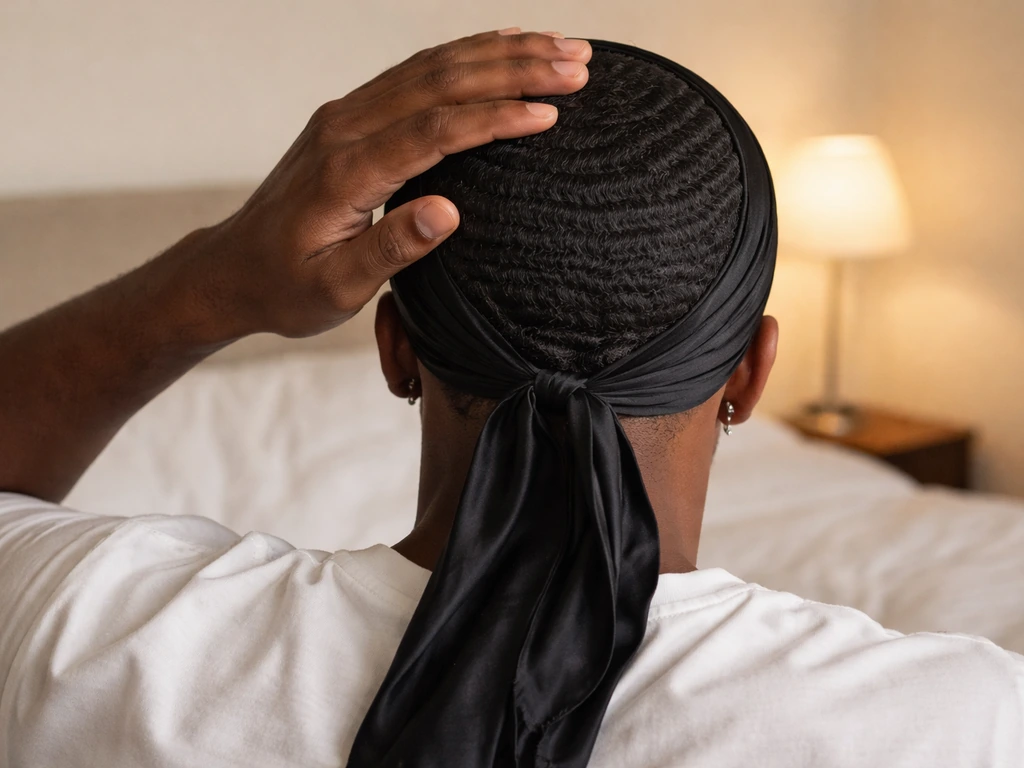
For shorter natural hair especially, wearing a durag or satin wave cap after brushing locks the hair in the direction you brushed it while it dries or while you sleep. This is the foundation of the wave and 360-wave method that's been used for decades, it works because you're holding hair flat as it sets into shape. If you've got longer hair, gentle wrapping or protective styles (like loose twists pinned downward while you sleep) serve the same purpose.
Protective styles that encourage length and downward growth
Protective styles minimize manipulation and keep hair tucked in a downward or contained direction while it grows. For guys, this might mean loose twists, cornrows laid flat, or even just a consistent low-puff pulled downward. The goal isn't to hide your hair forever, it's to reduce the daily friction and tugging that causes breakage and to let your hair grow out enough that it starts to fall under its own weight.
Natural and topical products that can genuinely help
No oil or serum changes your follicle's growth direction. But the right products do change how manageable, smooth, and weighted your hair is, which directly affects how it falls. Here's what's actually worth considering.
Oils for sealing and weight
Heavier oils like castor oil, avocado oil, and jamaican black castor oil (JBCO) are popular in natural hair communities for good reason: they add weight and help seal moisture into the strand. Apply a small amount to damp hair after leave-in conditioner. Too much oil on dry hair can clog pores, so keep it to the strands rather than the scalp unless you're doing a pre-wash scalp massage. Lighter oils like argan or jojoba are better if your hair tends to get weighed down or greasy easily.
Leave-in conditioners and curl creams
A good leave-in conditioner applied to damp hair adds slip and softness that helps hair clump and fall rather than frizz and expand. Curl creams or defining creams go a step further by encouraging your natural curl pattern to form in a downward, defined way rather than exploding outward. Look for products with ingredients like shea butter, aloe vera, or glycerin, these attract moisture and keep the cuticle smooth.
Scalp care as a foundation
A healthy scalp produces healthier hair from the root. Regular scalp massages (even just three to five minutes a day with your fingertips) improve circulation and help distribute natural oils. If your scalp is dry or flaky, a diluted tea tree oil rinse or a targeted scalp serum can reduce buildup and irritation without stripping. The scalp environment matters more than most guys give it credit for.
Mistakes that will keep your hair stuck growing outward
A lot of guys work hard on their hair but accidentally undo their progress. Here are the most common things to cut out.
- Over-manipulating hair when it's dry: brushing, picking, or combing dry natural hair causes breakage and frizz. Always add moisture or product first.
- Using heat too often or at too high a temperature: regular flat ironing or blow-drying on high heat eventually alters your curl pattern in a damaging way (heat damage), leaving hair limp and prone to more breakage, not less.
- Skipping conditioner because your hair "doesn't feel dry": most guys with natural or wavy hair are chronically under-conditioning. If your hair puffs or frizzes, it almost always needs more moisture.
- Using products with heavy alcohols or sulfates that strip the hair: check ingredient labels for alcohols like isopropyl or SD alcohol high on the list, and switch to gentler formulas.
- Washing with hot water: hot water lifts the cuticle aggressively. Finish your rinse with cool water to help close the cuticle and smooth the shaft.
- Neglecting protective measures at night: going to sleep on a cotton pillow with no protection undoes a lot of your daily work quickly.
- Tight hairstyles applied constantly: tight elastic bands, tight buns, or tight cornrows applied day after day cause traction that can actually alter where and how well hair grows in that area.
When to talk to a professional instead of just adjusting your routine
Most guys dealing with puffy or outward-growing hair just need better technique and products. But there are situations where what looks like a styling problem is actually a health signal worth taking seriously.
If you're noticing an itchy, flaky, or inflamed scalp alongside hair that seems to be growing poorly, that could point to seborrheic dermatitis or scalp psoriasis, both of which respond well to treatment but need a diagnosis first. A dermatologist can get you sorted quickly and the difference in hair health afterward is significant.
Sudden shedding that's noticeably heavier than usual, patchy spots where hair isn't growing, or a hairline that's receding at the temples or crown are signs of pattern hair loss or another condition (like alopecia areata or telogen effluvium) that goes well beyond a styling challenge. If you feel like your hair won't grow, the first step is making sure it's not breakage or a scalp issue that needs targeted care what to do when your hair won't grow. These are worth getting evaluated early because most respond much better to treatment when caught sooner. Topics like how to grow hair where there is no hair or what to do when your hair won't grow fall into a different category than directional training, and those situations generally benefit from professional input.
If you've been doing protective styles tightly for a long time and notice your hairline or temples thinning, that's traction alopecia, and stopping the tension early (plus seeing a dermatologist) gives you the best shot at recovery. Don't wait on this one.
Your starting plan for today
You don't need a complete overhaul to start seeing results. Pick two or three changes from this list and be consistent for at least four to six weeks before evaluating. Real change in hair behavior takes time, but you'll often notice texture and frizz improvements within your first couple of wash days if you get moisture and gentleness right. If you want to focus specifically on how to make hair grow where it doesn't, keep the routine consistent and minimize breakage so length can fall downward naturally.
- Switch to a sulfate-free shampoo and use conditioner every wash day without skipping.
- Apply a leave-in conditioner or curl cream to damp hair and brush downward immediately after.
- Cover your hair with a satin bonnet, durag, or switch to a silk pillowcase at night.
- Start detangling only on conditioned, damp hair, working from ends to roots.
- Add a scalp massage to your routine three to five times a week.
- If your hair is short and you want waves or a flatter look, brush consistently in one direction every day after moisturizing, then wear a wave cap while it sets.
- Give yourself a minimum of eight to twelve weeks of consistency before reassessing — hair growth is slow, but the cumulative effect of a good routine is real.
FAQ
How long does it usually take before my hair actually falls downward instead of puffing out, male?
Most guys notice less flare within 1 to 3 wash days if they improve moisture and gentleness. The shape change you can feel with your hands typically takes 3 to 6 months because hair needs enough length for gravity to override shrinkage and cowlicks. If you see no improvement after 6 to 8 weeks, check for breakage (short, rough ends) and over-washing or heat/detangling damage.
What’s the best way to brush downward if I have waves or curls but my hair keeps “sprouting” sideways?
Brush only when hair is moisturized and slippery (conditioner or leave-in), then work in small sections from ends to roots. Use medium to soft bristles, and stop once curls start breaking or separating into frizz. If your hair is dry, brushing again usually increases puff, so re-wet or reapply leave-in before re-brushing.
Should I start brushing from the root or from the ends to get hair to lay down?
Start at the ends and detangle upward. Root-to-tip brushing on curly or coily hair increases tangles and micro-breakage, which makes hair appear to grow outward because the shortest pieces stick out more. A wide-tooth comb in the shower with conditioner typically prevents this.
Does using gel or styling wax help hair grow down, or does it make it look stiff and still “out”?
Gel can help because it adds hold, but it will not change follicle direction. For best results, apply a small amount to damp hair after leave-in, then stretch slightly while drying (diffuser low heat or banding). If you use too much product, it can create crunch and lift the hair away from the scalp, so aim for lightweight, evenly distributed application.
Can I use heat like a blow dryer to train hair downward faster?
Yes, low heat with a diffuser or gentle directional drying can speed up stretching. Keep heat on low, avoid constant high-speed rubbing, and pull downward while the hair sets. Overheating dries the cuticle, which increases puff and can cause breakage, undoing the training.
Is it better to use satin pillowcases or a durag every night?
Both help, the durag is more “locked in” for shorter, wave-forming hair because it holds the shape as it dries and while you sleep. For longer hair, satin pillowcases or a loose satin cap usually reduce friction without needing tight tension. If you get scalp irritation from a tight cap, switch to satin pillowcase plus looser protective wrapping.
How often should I wash if my hair is wavy or curly and I want it to lay down?
Many guys do better with 2 to 3 washes per week or even less if their scalp tolerates it. Washing more often can strip oils and increase frizz, which makes hair expand outward. If you’re oily, focus on gentle scalp cleansing, then keep conditioner on mid-shaft to ends.
Will oils make my hair fall down, or can they cause problems?
Oils can reduce puff because they add weight and help seal moisture, but too much or oil on the scalp can clog pores and worsen buildup. For best control, apply a small amount to damp hair after leave-in, keep it off the scalp unless you’re doing a pre-wash massage, and cleanse as needed to prevent residue.
What should I do if my hair keeps “puffing” even when I brush downward?
Most often it’s either dryness (cuticle friction), shrinkage from not stretching during the drying phase, or insufficient hold. Try adding a leave-in plus a lightweight moisturizer, then use a stretch method (banding, twist-out, or low-heat diffuser while pulling downward). Also check for breakage, if ends feel rough or short, prioritize repair and gentler detangling.
Can protective styles like twists or cornrows cause thinning at the hairline?
Yes, if they’re too tight or worn too long, traction can develop, especially at the temples and edges. If you notice soreness, redness, or a receding hairline, stop the tension immediately and get a dermatologist’s input. Using looser styles and taking breaks reduces risk while still limiting daily friction.
When should I stop assuming it’s only “training” and get my scalp checked?
If you have persistent itch, flaking that won’t improve, redness, or inflammation, consider seborrheic dermatitis or psoriasis and seek diagnosis. If you notice sudden heavy shedding, patchy growth gaps, or temple/crown recession, directional training won’t fix the cause. Early evaluation can make treatment outcomes much better.
What quick routine changes should I try first if I want the biggest improvement fastest?
Pick 2 or 3 and stick with them for 4 to 6 weeks: (1) wash less with gentle, low-lather shampoo, (2) condition every wash and detangle with conditioner, (3) apply leave-in to damp hair and brush downward, (4) use satin at night, (5) stretch while drying. Measure progress by reduction in frizz and how much longer pieces can “catch” and fall, not by day-to-day texture alone.
Next Articles
Tips on How to Grow Your Hair Out: A Step by Step Guide
Step-by-step tips to grow hair out: stop breakage, build scalp routine, nutrition, safe actives, and track progress.
Grow Hair Long Tips: Step-by-Step Routine to Reach Length
Step-by-step grow hair long tips: boost scalp health, cut breakage, improve diet, and track progress for length.
Tips for How to Grow Long Hair: A Practical Guide
Actionable tips to grow long hair naturally: care routine, scalp habits, nutrition and breakage prevention for healthy l